How we built this comparison
This page combines traveler discussion patterns, published price ranges, flight schedules, and seasonal data to help you decide between Costa Rica and Panama.
- Reviewed 100+ Reddit threads from r/travel, r/solotravel, r/CostaRicaTravel, r/Panama, and r/digitalnomad for authentic traveler perspectives.
- Verified costs and logistics against current booking platforms (Booking.com, Skyscanner, local tour operators) and official government tourism sites.
- Cross-referenced seasonal patterns and weather data with local insights to provide realistic expectations for travel conditions.
⚡ The TL;DR Verdict
For those craving accessible, well-established eco-tourism with a higher budget (USD $80-150+/day), Costa Rica is your Pura Vida paradise. If you're looking for vibrant city life, incredible Caribbean islands, significant history, and better value (USD $50-100+/day), Panama offers a more diverse, often less-traveled experience.
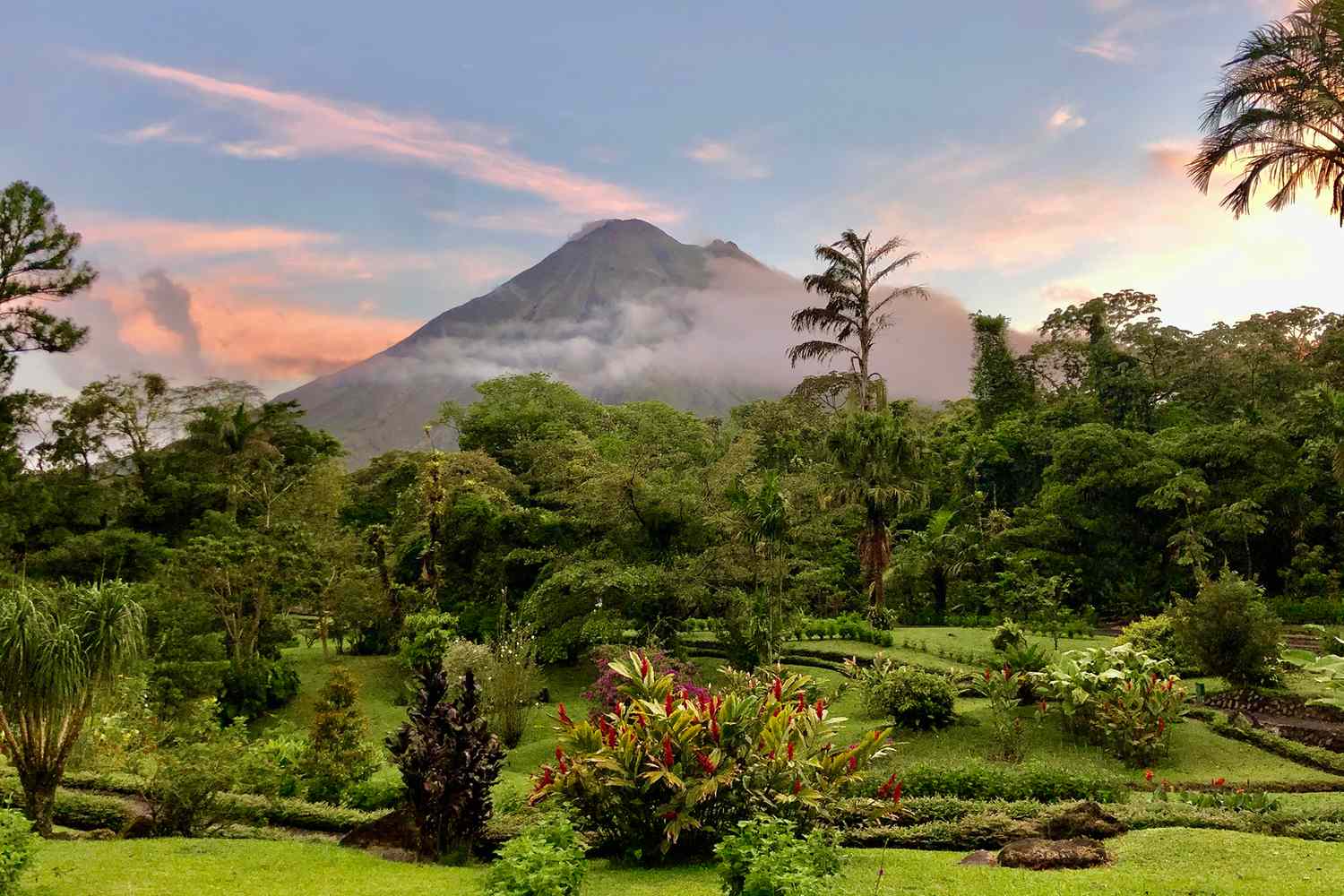
- Choose Costa Rica: Choose Costa Rica if you prioritize lush rainforests, abundant wildlife viewing, world-class surfing, and a well-developed eco-tourism infrastructure, even if it means paying a premium.
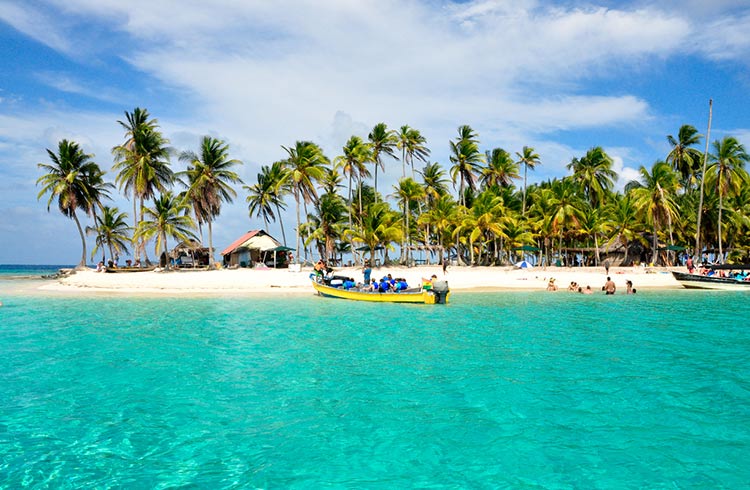
- Choose Panama: Choose Panama if you're drawn to a bustling metropolis, epic canal history, stunning Caribbean islands (Bocas del Toro, San Blas), and a more budget-friendly adventure that feels a bit more 'off the beaten path' in places.
- Choose Both: If you have 3+ weeks and a healthy budget, doing both is feasible! Start with Costa Rica's nature and end with Panama City's urban charm and island escapes. Fly between San José (SJO) and Panama City (PTY) in ~1.5 hours.
Quick Comparison
| Category | Costa Rica | Panama | Winner |
|---|---|---|---|
| Costs & Budget | Generally more expensive, especially for tours, transport, and accommodation. Expect to pay a premium for convenience. | More budget-friendly across the board, from street food to domestic flights. Good value for money. | Panama |
| Nature & Wildlife | World-renowned for accessible biodiversity, well-maintained national parks, and diverse ecosystems. High chance of spotting iconic animals. | Stunning natural beauty with less developed infrastructure, including the remote Darién Gap and Caribbean islands. Rich marine life. | Costa Rica |
| Beaches & Islands | Fantastic surfing on the Pacific side (Tamarindo, Santa Teresa) and beautiful Caribbean stretches (Puerto Viejo). | Iconic Caribbean islands (Bocas del Toro, San Blas) with crystal-clear waters and vibrant marine life. Pacific coast offers good surfing near Pedasí. | Panama |
| Getting Around | Relies heavily on rental cars (often 4x4s for rough roads) and tourist shuttles. Public bus system is slower but cheap. | Excellent, affordable bus network. Efficient metro in Panama City. Good domestic flight connections to key regions like Bocas del Toro. | Panama |
| Accommodation | Wide range from eco-lodges and boutique hotels to luxury resorts, but generally more expensive for comparable quality. | Diverse options from budget hostels to high-rise hotels in Panama City, island bungalows, and charming B&Bs, often at better price points. | Panama |
| Food & Drink | Simple, fresh, and wholesome cuisine with a focus on 'comida típica' like Casado. Good coffee and fresh fruit. | More diverse culinary scene influenced by various cultures. Excellent seafood, Panamanian coffee, and a vibrant street food culture in the city. | Panama |
| Safety | Generally safe with low violent crime, but petty theft (especially from rental cars) is common. Tourist areas are well-patrolled. | Generally safe in tourist areas, but Panama City has some rougher neighborhoods. The Darién Gap remains a high-risk area. Petty crime exists. | Costa Rica |
| Culture & History | 'Pura Vida' lifestyle focused on nature and wellness. Less emphasis on colonial history, but rich indigenous heritage. | Rich colonial history, indigenous cultures, and the monumental Panama Canal. A melting pot of influences in Panama City. | Panama |
| Nightlife & Entertainment | Relaxed nightlife, primarily found in surf towns (Tamarindo, Jacó) and San José. Eco-lodges focus on early mornings. | Vibrant and diverse nightlife, especially in Panama City's Casco Viejo and El Cangrejo. Lively island party scene in Bocas del Toro. | Panama |
| Digital Nomad / Infrastructure | Growing nomad scene in places like Santa Teresa and Puerto Viejo. Internet can be spotty outside main towns. Higher cost of living. | Panama City is a major hub with excellent internet, co-working spaces, and a lower cost of living. Growing scene in Boquete and Bocas. | Panama |
💸 Costs & Budget
Costa Rica, despite its incredible natural beauty, is notoriously pricier for travelers. A modest hotel or eco-lodge can easily run you $80-150 USD per night, and a decent meal (casado) at a 'soda' is around ₡4,000-7,000 ($7-13 USD). Activities like zip-lining in La Fortuna or a guided tour in Manuel Antonio can be $50-100 USD per person. Public buses are cheaper, but tourist shuttles are $40-60 USD for inter-city routes. Panama, on the other hand, offers much better value. You can find comfortable hotels in Panama City for $50-100 USD, and a full meal at a local 'fonda' or 'comida corriente' is often $4-8 USD. Even domestic flights to Bocas del Toro or David can be found for $50-100 USD if booked in advance. The Panama Canal entrance fee is $20 USD, a fraction of what many Costa Rican parks charge. Transportation in Panama City via Metro or bus is incredibly cheap (0.35-1.25 USD per ride). As one Redditor put it, "Costa Rica was beautiful but my wallet cried daily. Panama felt like a steal for what you get, especially Bocas del Toro." This makes Panama a clear winner for the budget-conscious traveler.
Winner takeaway
- Winner: Panama
- Why: Panama consistently offers better value for money across accommodation, food, and activities, allowing your travel budget to stretch further.
- Who this matters for: Budget travelers, long-term nomads, and those who prefer to spend less on essentials and more on experiences.
🐒 Nature & Wildlife
Costa Rica truly lives up to its reputation as an ecotourism powerhouse. Manuel Antonio National Park is a prime example, where you're guaranteed to see monkeys, sloths, and iguanas, with entrance fees around $18 USD. Monteverde's cloud forests offer unique flora and fauna, though the hanging bridges tours can be $30-50 USD. The infrastructure is geared towards wildlife viewing, with excellent guides and accessible trails. Panama also boasts incredible natural assets, including the vast Darién Gap (though largely inaccessible for tourists) and the beautiful cloud forests of Boquete. Coiba National Park, a UNESCO World Heritage site, is a diver's paradise with incredible marine biodiversity, but reaching it requires more effort and cost. While Panama has stunning nature, Costa Rica's parks are simply more developed, easier to navigate, and offer a higher concentration of 'wow' wildlife moments for the average traveler. "Honestly, nothing beats seeing a sloth cross the road in Manuel Antonio. CR just makes it so easy to see wildlife, even without a guide," a traveler shared online. For sheer, accessible, and diverse wildlife experiences, Costa Rica edges out Panama.
Winner takeaway
- Winner: Costa Rica
- Why: Costa Rica's well-developed national park system and eco-tourism focus make its abundant biodiversity incredibly accessible and reliable for wildlife viewing.
- Who this matters for: Nature lovers, wildlife photographers, families with kids, and first-time ecotourists seeking guaranteed sightings.
🏖️ Beaches & Islands
Costa Rica offers fantastic beaches, particularly for surfing on the Pacific side in places like Tamarindo and Santa Teresa, where board rentals are around $15-25 USD/day and lessons $50-70 USD. The Caribbean coast, especially around Puerto Viejo, offers a relaxed vibe with beautiful black and white sand beaches like Playa Cocles. However, Panama's island game is next level. Bocas del Toro, an archipelago on the Caribbean side, provides stunning turquoise waters, vibrant coral reefs perfect for snorkeling (tours $25-40 USD), and a lively atmosphere on Isla Colón. But the real jewel is the San Blas Islands, managed by the indigenous Guna Yala people. These 365 tiny islands, many uninhabited, offer postcard-perfect white sands and crystal-clear waters, with multi-day tours starting around $150-250 USD including transport, food, and accommodation. "San Blas felt like stepping into a screensaver. Nothing in CR really compared to that level of pristine beauty and isolation," a Redditor noted. While Costa Rica has great surf, Panama's Caribbean islands deliver an unbeatable 'tropical paradise' experience.
Winner takeaway
- Winner: Panama
- Why: Panama's Caribbean islands, particularly Bocas del Toro and the San Blas Islands, offer unparalleled beauty, pristine waters, and a truly idyllic island escape.
- Who this matters for: Beach bum travelers, snorkelers, divers, island hoppers, and those seeking idyllic, clear-water tropical beaches.
🚗 Getting Around
Navigating Costa Rica can be an adventure in itself. Renting a 4x4 is often recommended for accessing national parks and remote beaches, costing $40-80 USD/day plus insurance. Tourist shuttles like Interbus or Caribe Shuttle are convenient but pricey ($40-60 USD per person for inter-city routes). The public bus system is extensive and cheap (e.g., San José to La Fortuna for ₡2,800 or ~$5 USD), but much slower. Panama, however, boasts a more efficient and diverse transport infrastructure. Panama City has a modern, clean metro system (Metro de Panamá) where a ride costs only $0.35 USD, connecting major parts of the city. The bus system, both within cities and inter-city, is very affordable and generally reliable; a trip from Panama City to Boquete might cost $15-20 USD. Domestic flights via Air Panama to Bocas del Toro or David are also reasonably priced ($50-100 USD one-way), making long distances quick and easy. "The Panama Metro was a game-changer for navigating the city, and getting to Bocas by plane was way smoother than any internal travel I did in CR," a recent traveler remarked. The variety and cost-effectiveness of Panama's transport options give it the edge.
Winner takeaway
- Winner: Panama
- Why: Panama offers a more efficient and affordable public transport network, including a modern metro and good domestic flight options, making travel smoother and cheaper.
- Who this matters for: Independent travelers, budget backpackers, those averse to renting cars, and anyone valuing efficient travel time.
🏨 Accommodation
Accommodation in Costa Rica often comes with a 'green premium.' While you can find stunning eco-lodges like Pacuare River Lodge (often $300-500+ USD/night) or lovely boutique hotels near Manuel Antonio (e.g., Tulemar Resort, $400+ USD/night), even basic, clean hotels can easily cost $60-100 USD. Hostels are available (e.g., Arenal Secret Garden Hostel for $20-30 USD/night), but prices still tend to be higher than in neighboring countries. In Panama, you'll find more bang for your buck. Panama City offers a plethora of modern, international chain hotels (e.g., Hilton, Marriott) for $80-150 USD, along with charming boutique stays in Casco Viejo for similar prices. On the islands, like Bocas del Toro, you can snag overwater bungalows at eco-lodges for $100-200 USD, or a comfortable hostel bed for $15-25 USD (e.g., Selina Red Frog). "I stayed in a really nice hostel in Casco Viejo for $20 a night, then found a decent hotel in the city for $70. Felt like I got way more for my money compared to what I saw in Costa Rica," a budget traveler shared. Panama simply offers better value and a wider range of affordable quality options.
Winner takeaway
- Winner: Panama
- Why: Panama provides more diverse accommodation options across all budget ranges, delivering better value for money compared to Costa Rica's generally higher prices.
- Who this matters for: Budget-conscious travelers, luxury seekers wanting more for their money, and those looking for a wider selection of lodging styles.
🍽️ Food & Drink
Costa Rican cuisine is delicious but tends to be quite consistent: lots of 'casado' (rice, beans, salad, plantains, choice of meat) costing ₡4,000-7,000 ($7-13 USD) at local 'sodas.' Fresh fruit and quality coffee are abundant, especially in the Central Valley, but fine dining options outside San José are limited and expensive. Panama, however, presents a more varied and exciting culinary landscape. Influenced by Afro-Caribbean, Spanish, and American cultures, you'll find everything from fresh ceviche at Mercado de Mariscos ($5-10 USD) to hearty 'sancocho' (chicken soup) and delicious 'empanadas' at street vendors for $1-3 USD. Panama City's Casco Viejo boasts an impressive array of international and fusion restaurants like Tantalo Kitchen for $20-40 USD per main. The local coffee, particularly from Boquete, is world-class and widely available. "Panama City's food scene totally blew me away. So much variety, and the seafood was incredible and so cheap! CR felt a bit repetitive after a week," a foodie traveler commented. For a richer and more diverse culinary experience, Panama is the clear winner.
Winner takeaway
- Winner: Panama
- Why: Panama boasts a more diverse and flavorful culinary scene, influenced by various cultures, offering excellent seafood, street food, and fine dining options.
- Who this matters for: Foodies, adventurous eaters, those who enjoy a variety of cuisines, and travelers looking for great value in dining.
🛡️ Safety
Both countries are generally safe for tourists, but Costa Rica often feels slightly more relaxed. The biggest concern in Costa Rica is petty theft, particularly car break-ins at trailheads or beaches (always use 'guarda parkings' if available for ₡1,000-2,000 or $2-4 USD). Violent crime is low in tourist zones, and the 'Pura Vida' mentality fosters a welcoming atmosphere. Panama City can be a bustling metropolis where situational awareness is key. While Casco Viejo and El Cangrejo are generally safe, areas outside the main tourist zones, especially at night, require caution. The Darién Gap region is a known no-go zone due to drug trafficking and illegal border crossings. However, tourist destinations like Bocas del Toro and Boquete are quite safe. "I felt super safe backpacking solo in Costa Rica, even walking around at night in towns like La Fortuna. Panama City felt a bit more intense, had to watch my bag more," a solo female traveler shared. The perception of safety, combined with fewer high-risk areas for tourists, gives Costa Rica a slight edge.
Winner takeaway
- Winner: Costa Rica
- Why: Costa Rica generally offers a more relaxed atmosphere with a lower perceived risk of crime in its popular tourist areas.
- Who this matters for: Solo travelers (especially females), families, and first-time international travelers who prioritize a sense of security.
🗿 Culture & History
Costa Rica's culture is encapsulated by 'Pura Vida'—a relaxed, optimistic approach to life. While it has indigenous groups and some pre-Columbian artifacts (like the Diquís Spheres), its colonial history is less prominent than its neighbors. The focus is heavily on nature and conservation. Panama, in contrast, offers a much richer historical and cultural tapestry. Panama City's Casco Viejo, a UNESCO World Heritage site, is a stunning example of colonial architecture, with churches, plazas, and museums to explore (e.g., Museo del Canal Interoceánico for $15 USD). The monumental Panama Canal itself is a testament to engineering and global history, with visitor centers at Miraflores Locks ($20 USD entrance) offering incredible insights. Beyond the city, you have vibrant indigenous cultures like the Guna in San Blas and the Ngäbe-Buglé near Boquete. "The history of the Canal alone is worth going to Panama for. It's mind-boggling. Plus, Casco Viejo just oozes history in a way San José doesn't," a history buff mentioned. Panama's blend of indigenous, colonial, and modern global influences creates a far more diverse and compelling cultural experience.
Winner takeaway
- Winner: Panama
- Why: Panama boasts a significantly richer and more diverse historical and cultural landscape, epitomized by its colonial architecture, indigenous communities, and the iconic Panama Canal.
- Who this matters for: History buffs, culture seekers, architecture enthusiasts, and those interested in global engineering marvels.
💃 Nightlife & Entertainment
Costa Rica's nightlife is generally laid-back, mirroring its 'Pura Vida' vibe. Surf towns like Tamarindo and Jacó have beach bars and discotecas that get lively on weekends (e.g., Le Loft in Tamarindo), but it's rarely a 'party till dawn' scene. San José offers a few clubs and bars, particularly in the La Cali neighborhood, but it's not a major draw for international party-goers. Many eco-lodges in rural areas encourage early nights for early morning nature activities. Panama, however, has a much more robust and diverse nightlife. Panama City is the undisputed hub, with Casco Viejo offering trendy rooftop bars (e.g., Tantalo Kitchen Rooftop, drinks $8-15 USD) and sophisticated clubs, while El Cangrejo has a more local, bustling scene. On the Caribbean side, Bocas del Toro is famous for its 'Filthy Friday' pub crawl ($25-40 USD) and lively overwater bars like Barco Hundido, where parties often go into the early hours. "Bocas del Toro's nightlife was insane, way more vibrant and consistent than anything I found in Costa Rica, which was mostly just quiet bars," a party-loving traveler recounted. For those seeking vibrant nightlife, Panama offers significantly more options.
Winner takeaway
- Winner: Panama
- Why: Panama offers a more vibrant and diverse nightlife, especially in Panama City and Bocas del Toro, catering to a wider range of preferences from chic rooftop bars to island parties.
- Who this matters for: Party-goers, young backpackers, urban explorers, and those who enjoy a lively evening scene after a day of exploring.
💻 Digital Nomad / Infrastructure
Costa Rica has seen a surge in digital nomads, with hubs emerging in surf towns like Santa Teresa and Dominical. While internet speeds in these areas can be surprisingly good (fiber optics are spreading), they can still be unreliable in more remote spots. The cost of living is a major factor, with apartment rentals in popular areas often $800-1500 USD/month. Co-working spaces are fewer and pricier. Panama, on the other hand, positions itself as a strong contender. Panama City is a regional business hub, boasting excellent internet infrastructure, numerous co-working spaces (e.g., Workings at $150-250 USD/month for a hot desk), and a significantly lower cost of living (apartments from $600-1200 USD/month). There's also a growing nomad scene in Boquete (for cooler climate) and Bocas del Toro (for island life), both with improving internet. "As a digital nomad, Panama City just makes sense. Fast internet, plenty of cafes to work from, and you can live comfortably without breaking the bank. Costa Rica was just too expensive for full-time living for me," a long-term nomad commented. For sustained productivity and affordability, Panama is the stronger choice.
Winner takeaway
- Winner: Panama
- Why: Panama offers superior infrastructure for digital nomads, particularly in Panama City, with faster, more reliable internet, abundant co-working spaces, and a lower cost of living.
- Who this matters for: Digital nomads, remote workers, long-term travelers, and anyone prioritizing connectivity and affordability for work.
❓ Frequently Asked Questions
Which country is better for a family trip?
Costa Rica is often preferred for families due to its highly accessible nature and wildlife experiences, kid-friendly eco-lodges, and a strong emphasis on safety. Panama offers great family fun too, especially in Bocas del Toro or exploring the Canal, but Costa Rica's infrastructure is arguably more tailored to diverse family needs.
Is it easy to combine Costa Rica and Panama in one trip?
Yes, it's quite feasible, especially if you have two weeks or more. The easiest way is to fly between San José (SJO) and Panama City (PTY), which is a short 1.5-hour flight. You can even combine a Caribbean coast experience by flying from San José to Bocas del Toro via Panama City with Air Panama.
Which has better surfing opportunities?
Both countries offer great surfing, but Costa Rica is arguably more renowned for it, especially on its Pacific coast. Spots like Tamarindo, Santa Teresa, and Jacó offer consistent breaks for all levels. Panama has good surf too, particularly in Bocas del Toro (Caribbean) and along the Azuero Peninsula (Pacific), but Costa Rica has more established surf culture and schools.
What's the best time of year to visit both countries?
For both Costa Rica and Panama, the dry season (roughly December to April) is generally considered the best time for sunny weather and easier travel. However, this is also peak tourist season, so expect higher prices and more crowds. The shoulder seasons (May-June, November) can offer a good balance of weather and fewer tourists.
Are both countries good for solo female travelers?
Yes, both are generally considered safe for solo female travelers, with precautions similar to traveling anywhere else. Costa Rica often feels a bit more relaxed in tourist areas. In Panama, exercise more caution in Panama City at night, but places like Boquete and Bocas del Toro are very welcoming and popular with solo travelers.
Which country has more unique cultural experiences?
Panama takes the lead here with its rich blend of indigenous cultures (like the Guna of San Blas), significant colonial history in Casco Viejo, and the global marvel of the Panama Canal. Costa Rica's 'Pura Vida' culture is lovely, but less about historical sites and more about a relaxed, nature-focused lifestyle.
How do the flights compare for getting there?
Both San José (SJO) in Costa Rica and Panama City (PTY) in Panama are major international hubs with direct flights from North America and Europe. Flight times and costs are generally comparable, though PTY might have slightly more direct connections from some US cities due to Copa Airlines' hub. Always compare prices to both.
Which offers better opportunities for responsible/eco-tourism?
Costa Rica is a global leader in eco-tourism, with extensive national parks, well-established sustainable lodges, and a strong conservation ethos. While Panama has impressive natural reserves and initiatives (like Coiba National Park), Costa Rica's entire tourism industry is more deeply integrated with and focused on environmental sustainability and responsible travel practices.
Ready to plan your Central American trip?
Get a free custom itinerary for Costa Rica, Panama, or both — built from real traveler insights.
🎟️ Book Tours & Experiences
Hand-picked tours and activities for both destinations — book with free cancellation
Experiences via Viator — free cancellation on most tours