How we built this comparison
This page combines traveler discussion patterns, published price ranges, flight schedules, and seasonal data to help you decide between Costa Rica and Puerto Rico.
- Reviewed 500+ Reddit threads from r/travel, r/solotravel, etc.
- Verified costs and logistics against current booking platforms
- Cross-referenced seasonal patterns and weather data
⚡ Quick Answers
⚡ The TL;DR Verdict
For most travelers seeking a nature-focused adventure with more challenge, Costa Rica is the clear pick, budgeting around $80-200 per day. If easy access, US amenities, and a blend of beaches, history, and nightlife are priorities, Puerto Rico makes more sense, with a daily budget closer to $100-250.
- Choose Costa Rica: Adventurous travelers, nature enthusiasts, budget-conscious backpackers willing to rough it slightly, and those seeking remote wildlife encounters. Prioritize rainforests, volcanoes, and ecotourism.
- Choose Puerto Rico: Travelers who want US convenience, a mix of beach relaxation and city exploration, lively nightlife, and a focus on history and culture without needing intense physical activity. Good for families and those with less time.
- Choose Both: If you have 3+ weeks and truly want both deep nature and island culture, combine them. Fly between San Juan (SJU) and San Jose (SJO) via a hub like Miami (MIA) or Panama City (PTY).
Choose Costa Rica
Choose Costa Rica if you crave raw, untamed nature and thrilling adventures. It's best for intrepid explorers seeking world-class ecotourism, from ziplining in Monteverde's cloud forests to surfing the Pacific breaks of Santa Teresa. Ideal for budget-conscious backpackers and wildlife enthusiasts, offering unparalleled rainforest and volcano experiences.
Choose Puerto Rico
Opt for Puerto Rico for a vibrant blend of Caribbean charm and US convenience, perfect for travelers seeking a less rugged escape. It's best for families and those prioritizing easy access to stunning beaches like Condado, rich history in Old San Juan, and lively nightlife. Experience bioluminescent bay tours and diverse cultural exploration without venturing too far off the grid.
📊 Visual Scorecard
🌤 When to Visit
Average high temperatures (°C). Green = best months, orange = avoid.
Quick Comparison
| Category | Costa Rica | Puerto Rico | Winner |
|---|---|---|---|
| Costs & Budget | Generally more affordable for accommodation and food outside tourist hubs; activities can add up. Colón (CRC). | Comparable to US prices, especially in San Juan; US Dollar (USD) means no conversion. Car rentals are pricier. | Costa Rica |
| Nature & Wildlife | Dense rainforests, cloud forests, active volcanoes, high biodiversity. Sloths, monkeys, toucans, quetzals. | El Yunque rainforest (US National Forest), bioluminescent bays, diverse flora but less megafauna. Good for casual hikes. | Costa Rica |
| Beaches & Water Activities | Pacific and Caribbean coasts. Surfing mecca on Pacific, calm waters on Caribbean. Snorkeling is decent, not world-class. | Caribbean beaches, especially Flamenco Beach (Culebra), are among the best globally. Excellent snorkeling and diving. | Puerto Rico |
| Food & Drink | Simple, fresh, healthy. Casados, gallo pinto, fresh fruit, coffee. Less spicy. | Robust, flavorful, influences from Spanish, African, Taino. Mofongo, lechon, alcapurrias. More variety and spice. | Puerto Rico |
| Getting Around | Public buses are cheap but slow. Shuttles common for tourists. 4x4 often needed for self-driving on rough roads. | Renting a car is common, US roads are good. Public transport limited outside San Juan. Taxis and ride-shares available in cities. | Puerto Rico |
| Safety & Health | Generally safe, but petty crime (theft from cars, pickpocketing) is common. Good healthcare in cities. Mosquitoes. | Relatively safe, similar to US cities. Good healthcare, US standards. Mosquitoes are present. | Tie |
| Culture & History | Indigenous (Cabécar, Bribri) cultures, Spanish influence. Focus on pura vida and nature preservation. Less historical architecture. | Rich Spanish colonial history, Taino heritage, African influence. Old San Juan is a UNESCO site with impressive architecture. | Puerto Rico |
| Nightlife & Entertainment | Mellow and nature-focused. Some beach towns (Jacó, Tamarindo) have bars. San Jose has casinos but is not a party hub. | Lively and diverse, especially in San Juan (Old San Juan, La Placita). Salsa clubs, casinos, beachfront bars. More sophisticated options. | Puerto Rico |
| Accommodation | Eco-lodges, boutique hotels, hostels. Good value outside luxury resorts. Unique nature-integrated options. | US chain hotels, resorts, guesthouses. Pricier, especially in San Juan. Fewer true eco-lodges. | Costa Rica |
| Getting There & Flights | Two international airports (SJO, LIR). Longer flights from North America (5-7 hours from East Coast US). | One main international airport (SJU). Shorter flights from East Coast US (3-4 hours direct). US domestic flights. | Puerto Rico |
💰 Costs & Budget
Costa Rica offers better value for money, especially if you avoid the most luxurious resorts and high-end tours. You can find hostels for $20-30 USD per night in places like La…
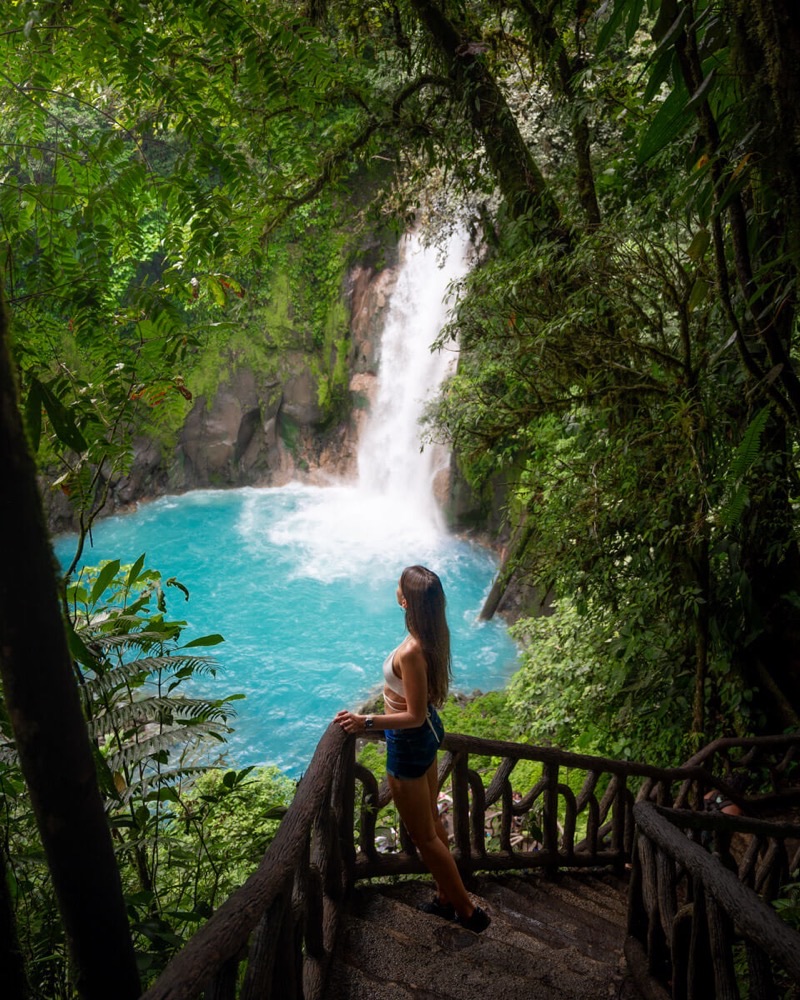
Costa Rica
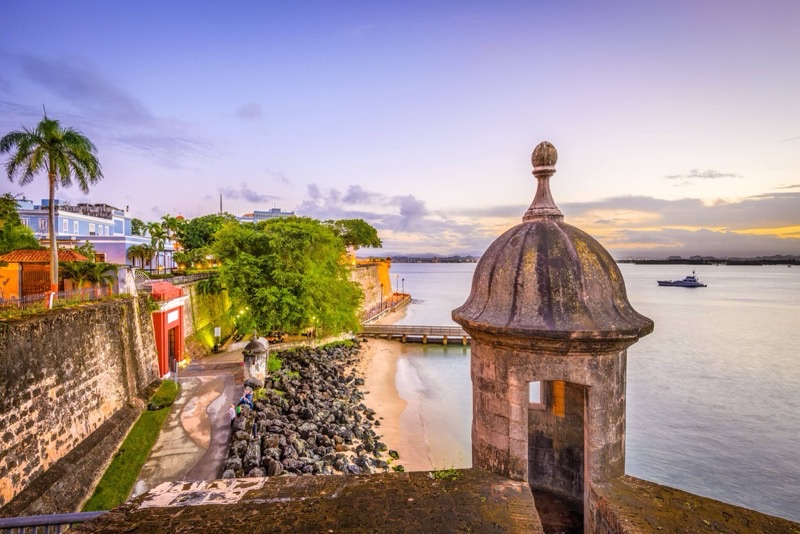
Puerto Rico
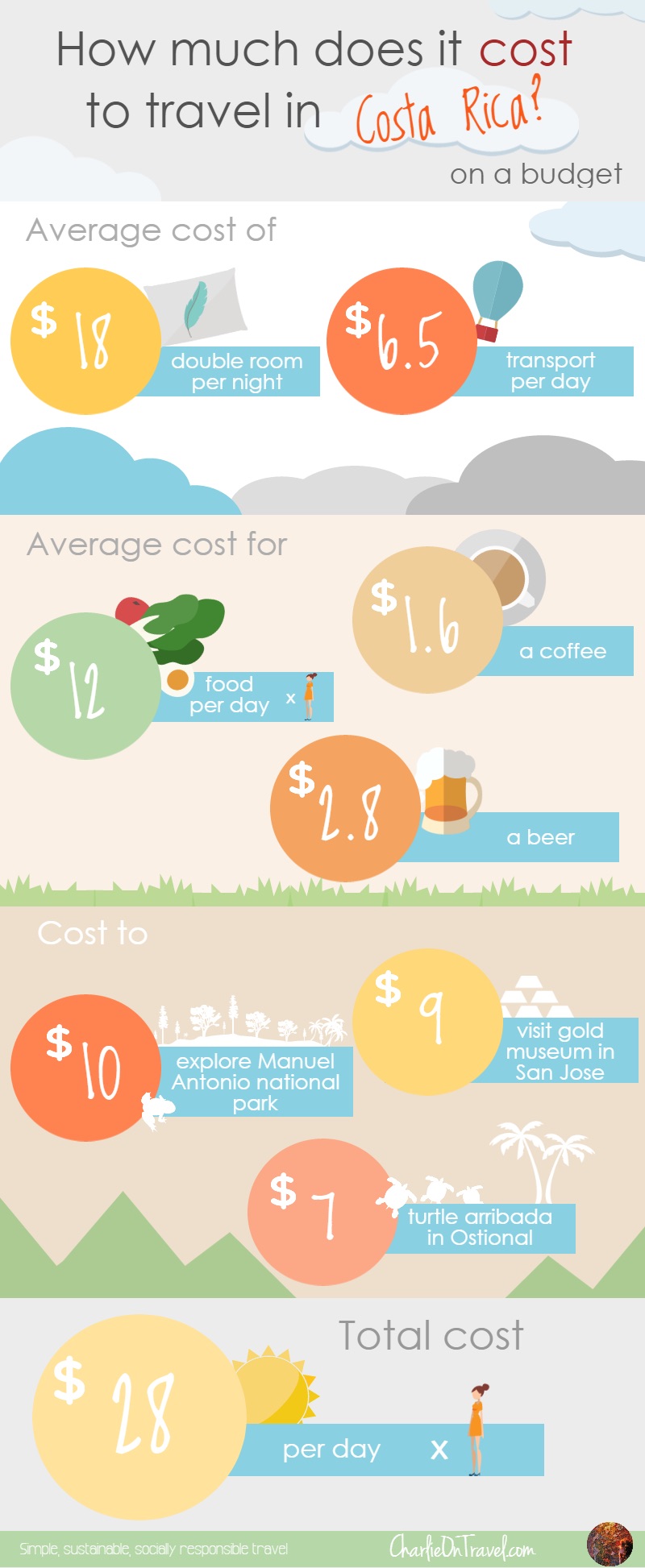
Costa Rica offers better value for money, especially if you avoid the most luxurious resorts and high-end tours. You can find hostels for $20-30 USD per night in places like La Fortuna or Monteverde, and local sodas (restaurants) offer casado meals for around 3,000-5,000 CRC ($5-9 USD). Budget travelers can get by on $60-100 USD per day if careful, opting for public transport and cooking some meals. Mid-range travelers can expect to spend $120-200 USD per day with a mix of activities and decent hotels. Activities like ziplining or guided national park tours typically cost $40-80 USD each.
Puerto Rico operates on the US Dollar, so prices feel similar to mainland US cities, particularly in San Juan. A budget hostel might be $35-50 USD, while mid-range hotels often start at $100-150 USD per night. Local food trucks or small eateries (lechoneras) can offer a meal for $10-15 USD, but sit-down restaurants in Old San Juan will be $20-40 USD per person. Car rentals are a significant expense, often $50-80 USD per day for a basic model. A realistic budget for a mid-range traveler is $150-250 USD per day. Costa Rica gives you more for your dollar if you are willing to embrace a slightly less polished travel experience.
- Winner: Costa Rica
- Why: Costa Rica provides a more budget-friendly experience for core travel expenses, especially if you eat locally and use public transport.
- Who this matters for: Budget travelers, long-term backpackers, and those who prioritize saving money on everyday essentials.
🐒 Nature & Wildlife
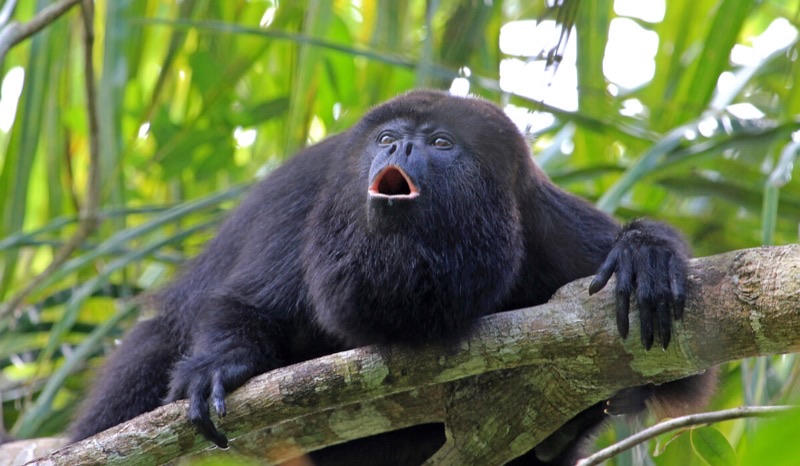
Costa Rica is a powerhouse for nature and wildlife. Its national parks like Manuel Antonio, Corcovado, and Arenal offer unparalleled opportunities to see sloths, capuchin monkeys,…
Costa Rica
Puerto Rico
Costa Rica is a powerhouse for nature and wildlife. Its national parks like Manuel Antonio, Corcovado, and Arenal offer unparalleled opportunities to see sloths, capuchin monkeys, howler monkeys, scarlet macaws, toucans, and even tapirs or jaguars if you are lucky. The cloud forests of Monteverde are home to the resplendent quetzal. Volcanic landscapes around Arenal are dramatic, and you can hike trails, soak in hot springs, or raft white water rivers. The infrastructure for ecotourism is highly developed and designed to get you close to nature responsibly, making it a nature lovers paradise.
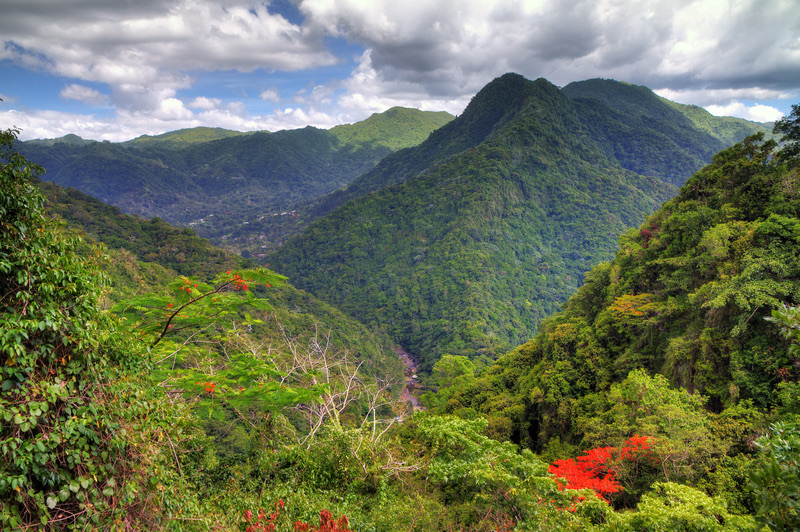
Puerto Rico has its own natural draws, primarily El Yunque National Forest, the only tropical rainforest in the US National Forest system. It offers lush hiking trails, waterfalls like La Mina Falls, and is home to the coquí frog. The bioluminescent bays (La Parguera, Laguna Grande, Mosquito Bay) are also a unique draw, with Mosquito Bay on Vieques being particularly bright. While beautiful, Puerto Rico lacks the sheer biodiversity and concentration of large, easily spotted mammals and birds that Costa Rica boasts. The opportunities for intense, multi-day jungle trekking are also fewer. Costa Rica is the undisputed champion for deep, immersive nature and wildlife experiences.
- Winner: Costa Rica
- Why: Costa Ricas dedication to ecotourism, vast national parks, and sheer biodiversity mean more consistent and easier wildlife sightings.
- Who this matters for: Serious wildlife photographers, avid hikers, birdwatchers, and travelers whose primary goal is immersion in raw, untouched nature.
🏖️ Beaches & Water Activities
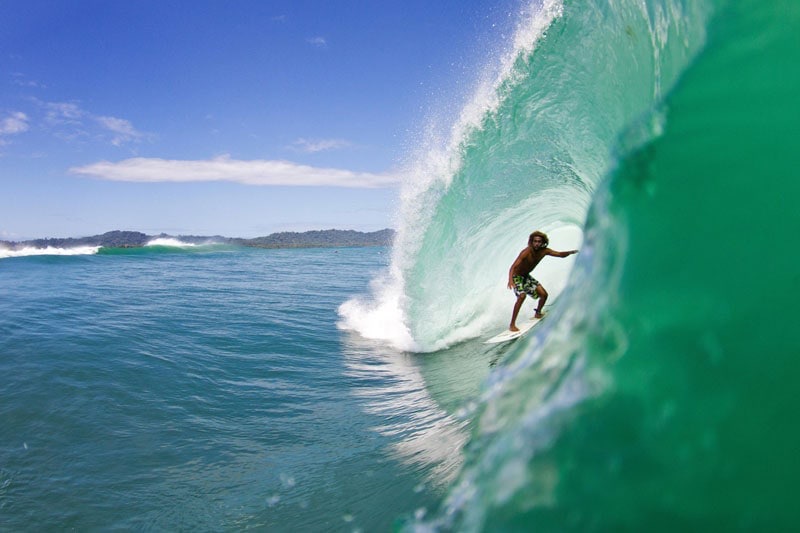
Costa Rica offers two distinct coastlines. The Pacific side, particularly areas like Tamarindo, Jacó, and Santa Teresa, are major surfing destinations with long stretches of dark…
Costa Rica
Puerto Rico
Costa Rica offers two distinct coastlines. The Pacific side, particularly areas like Tamarindo, Jacó, and Santa Teresa, are major surfing destinations with long stretches of dark sand. Manuel Antonio National Park offers postcard-worthy white sand beaches backed by forest where monkeys roam. The Caribbean side, around Puerto Viejo de Talamanca, has a more laid-back, Afro-Caribbean feel with calmer, lighter sand beaches, but snorkeling and diving are generally only decent, not exceptional. Water temperatures are warm year-round, making ocean activities consistently comfortable.
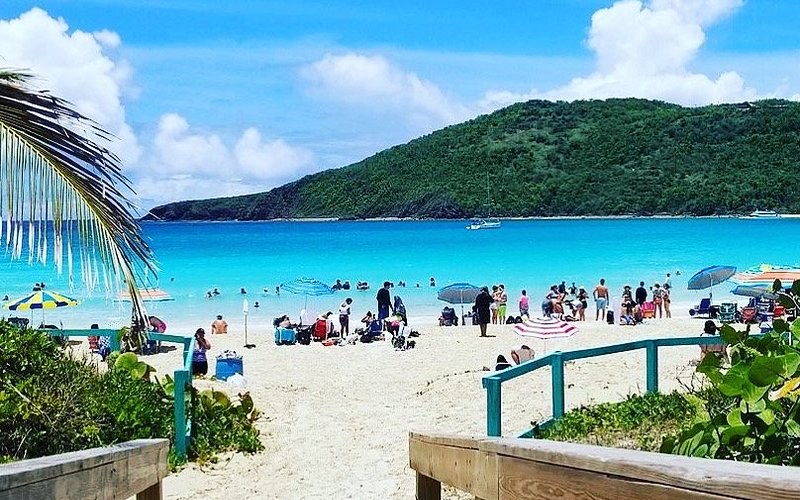
Puerto Rico truly shines with its beaches and water activities. Flamenco Beach on Culebra Island is consistently ranked among the top beaches in the world, known for its soft white sand and clear turquoise water. Other beaches like Luquillo Beach offer calm waters ideal for families, while Rincon is a famous surf spot. The snorkeling and diving around Culebra and Vieques are superior to Costa Rica, with healthier coral reefs and more marine life. Kayaking in the bioluminescent bays is a truly unique experience. Puerto Rico delivers a more classic Caribbean beach experience with clearer water and better snorkeling opportunities.
- Winner: Puerto Rico
- Why: Puerto Ricos beaches, especially Flamenco Beach, are visually superior, and the snorkeling/diving opportunities are more rewarding.
- Who this matters for: Beach lovers, snorkelers, divers, and those seeking picture-perfect white sand and turquoise water for relaxation.
🍽️ Food & Drink
Costa Rican cuisine is often described as hearty and straightforward. The staples are rice, beans, plantains, and fresh meat or fish. Gallo pinto (rice and beans for breakfast)…

Costa Rica

Puerto Rico
Costa Rican cuisine is often described as hearty and straightforward. The staples are rice, beans, plantains, and fresh meat or fish. Gallo pinto (rice and beans for breakfast) and casado (a plate with rice, beans, salad, a protein, and plantains) are ubiquitous and affordable. Seafood is excellent on the coasts. Fresh fruit smoothies are available everywhere. While flavorful and fresh, the food generally isnt spicy or overly complex. Costa Rican coffee is, predictably, world-class and widely available. Craft beer scenes are emerging but still small compared to many places.
Puerto Rican cuisine, known as Cocina Criolla, offers a more complex and satisfying flavor profile. It is a fusion of Spanish, African, and indigenous Taino influences. Signature dishes include mofongo (fried plantain mashed with garlic and pork cracklings), lechon asado (spit-roasted pork), pasteles (meat-filled tamales), and various fritters like alcapurrias and empanadillas. San Juan has an impressive range of restaurants from casual street food to fine dining. Rum is the national drink, with distilleries like Bacardi offering tours. The food scene is more diverse, adventurous, and consistently delicious than Costa Ricas. Puerto Rico wins for its richer, more varied, and generally more exciting food scene.
- Winner: Puerto Rico
- Why: Puerto Rico offers a wider array of flavors, more culinary depth, and a stronger emphasis on traditional, flavorful dishes.
- Who this matters for: Foodies, travelers who enjoy exploring local flavors, and those who appreciate hearty, well-seasoned Caribbean fare.
🚌 Getting Around
Getting around Costa Rica can be an adventure. Public buses are inexpensive (e.g., San Jose to La Fortuna for 2,500 CRC or $4.50 USD) but slow and sometimes indirect. Shared…

Costa Rica
Puerto Rico
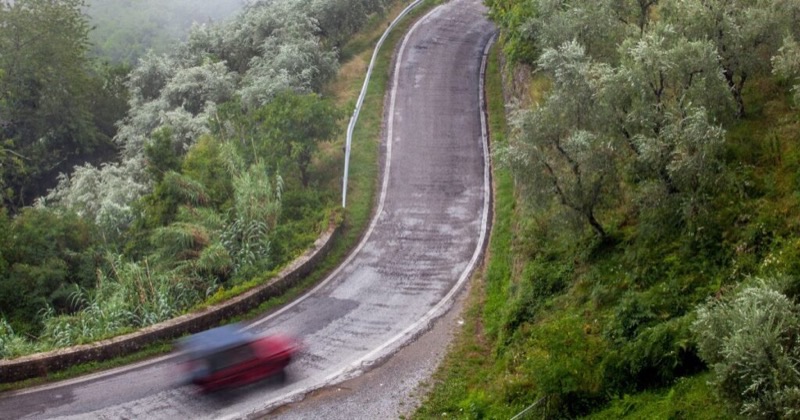
Getting around Costa Rica can be an adventure. Public buses are inexpensive (e.g., San Jose to La Fortuna for 2,500 CRC or $4.50 USD) but slow and sometimes indirect. Shared shuttle services (like Interbus or Caribe Shuttle) are common for tourists, costing $40-60 USD for longer routes, offering convenience. Renting a 4x4 vehicle is often recommended, especially for reaching places like Monteverde or the Osa Peninsula, due to unpaved or poorly maintained roads. Prices for car rentals are moderate, around $30-50 USD per day for a compact SUV, but factor in insurance and gas which are extra. Driving requires patience and caution.
Puerto Rico benefits from US infrastructure. Roads are generally well-maintained, and navigation is straightforward, making car rental the most popular and efficient way to explore outside San Juan. Expect rental costs of $40-70 USD per day for a compact car. In San Juan, Uber and taxis are readily available and affordable. Public transportation (buses and the Tren Urbano) is limited to the San Juan metro area and not practical for exploring the island. While car rental is pricier than Costa Ricas buses, the ease of driving and better road conditions in Puerto Rico make getting around a smoother experience. Puerto Rico offers a more straightforward and less stressful experience for independent travel.
- Winner: Puerto Rico
- Why: Puerto Ricos well-maintained roads and the ease of renting a car make self-exploration significantly more convenient and less challenging.
- Who this matters for: Independent travelers, families, and those who prioritize ease of navigation and reliable transportation.
⚕️ Safety & Health
Costa Rica is generally considered safe for tourists, but petty crime is an issue, especially in tourist areas and cities like San Jose. Car break-ins are common, so never leave…
Costa Rica is generally considered safe for tourists, but petty crime is an issue, especially in tourist areas and cities like San Jose. Car break-ins are common, so never leave valuables unattended in a vehicle. Pickpocketing can occur in crowded areas. Medical care in major cities like San Jose is good, with private hospitals meeting high standards, though it can be expensive without travel insurance. Dengue and Zika are present, so mosquito repellent is essential, especially in lower-lying areas. Exercise standard precautions like not walking alone at night and being aware of surroundings.
Puerto Rico also has its share of crime, similar to many US cities. While tourist areas like Old San Juan are generally safe, basic precautions are recommended, particularly at night. Car theft and break-ins can occur, but perhaps less frequently than in Costa Rica. Healthcare facilities meet US standards, and US citizens can use their insurance in many cases. Like Costa Rica, mosquito-borne illnesses are a concern. Both destinations require travelers to be aware of their surroundings and practice common-sense safety. Neither destination presents an overwhelmingly safer option, necessitating similar vigilance in both.
- Winner: Tie
- Why: Both destinations have similar levels of safety concerns regarding petty crime and health considerations, requiring similar precautions from travelers.
- Who this matters for: All travelers, as safety and health are universal considerations, but particularly solo travelers and families.
🗿 Culture & History
Costa Ricas cultural narrative revolves around 'Pura Vida' - a relaxed, optimistic approach to life, heavily intertwined with its natural environment. While it has Spanish…
Costa Ricas cultural narrative revolves around 'Pura Vida' - a relaxed, optimistic approach to life, heavily intertwined with its natural environment. While it has Spanish colonial roots, there are fewer grand historical structures compared to other Latin American countries due to its less strategic importance during colonial times. The indigenous cultures, like the Bribri, maintain their traditions, especially in remote areas. Visitors can explore pre-Columbian sites like Guayabo National Monument, but they are less spectacular than those found elsewhere. The focus is more on present-day rural life, coffee production, and environmental conservation.
Puerto Rico offers a deep dive into centuries of history, particularly in Old San Juan, a UNESCO World Heritage site. Its cobblestone streets, colorful colonial buildings, and massive fortifications like El Morro and Castillo de San Cristobal transport you back to Spanish colonial times. The museums in San Juan detail the islands Taino indigenous heritage, African influence, and unique position as a US territory. Cultural expressions through music (salsa, plena, bomba), dance, and festivals are everywhere. The history is tangible and easily accessible. Puerto Rico delivers a far more compelling and visible cultural and historical experience.
- Winner: Puerto Rico
- Why: Puerto Ricos Old San Juan and its well-preserved Spanish colonial architecture provide a much richer and more accessible historical and cultural experience.
- Who this matters for: History buffs, architecture enthusiasts, and those who seek to understand a regions past through its cities and museums.
🍻 Nightlife & Entertainment
Costa Ricas nightlife is generally more subdued, aligning with its ecotourism focus. In beach towns like Jacó and Tamarindo on the Pacific coast, you will find a selection of bars…
Costa Ricas nightlife is generally more subdued, aligning with its ecotourism focus. In beach towns like Jacó and Tamarindo on the Pacific coast, you will find a selection of bars and nightclubs catering to surfers and tourists. Puerto Viejo on the Caribbean side has a laid-back reggae-infused scene. San Jose offers casinos and some clubs, but it is not a destination known for its party atmosphere. Many visitors opt for early nights to rise for morning nature activities. The vibe is more about enjoying a few drinks after dinner rather than dancing until dawn.
Puerto Rico, especially San Juan, offers a much more energetic and diverse nightlife. Old San Juan has numerous bars, pubs, and live music venues. La Placita de Santurce is a popular spot that transforms from a daytime market to a lively street party with music, dancing, and outdoor bars, particularly on weekends. Beyond San Juan, towns like Rincon also offer beachfront bars and a relaxed evening scene. Casinos are abundant in resort areas. Whether you want to dance salsa, enjoy a craft cocktail, or gamble, Puerto Rico has more options. Puerto Rico is the clear winner for travelers seeking a fun and varied night out.
- Winner: Puerto Rico
- Why: San Juan's La Placita and Old San Juan provide a significantly more varied and active nightlife scene with more options for dancing, drinks, and entertainment.
- Who this matters for: Party-goers, social travelers, and anyone who enjoys lively evenings with music, dancing, and varied bar options.
🏨 Accommodation
Costa Rica excels in providing a wide range of unique and environmentally conscious accommodation. From rustic, off-grid eco-lodges in the Osa Peninsula to comfortable boutique…
Costa Rica excels in providing a wide range of unique and environmentally conscious accommodation. From rustic, off-grid eco-lodges in the Osa Peninsula to comfortable boutique hotels near Arenal Volcano and vibrant hostels in towns like La Fortuna, options cater to every budget and style. You can find places integrated directly into the rainforest, offering canopy views or wildlife spotting from your balcony. Mid-range hotels in tourist areas might cost $80-150 USD per night, while basic hostels are $20-40 USD. The focus is on embracing the natural surroundings, making for memorable stays.
Puerto Rico offers a mix of large US-chain resorts along the coast, especially near San Juan, and smaller guesthouses or Airbnb rentals. Old San Juan has charming boutique hotels in historic buildings, but they often come with a higher price tag. Expect mid-range hotels in San Juan to start around $120-200 USD per night. Budget options are available but generally fewer and less integrated with nature compared to Costa Ricas offerings. While there are some lovely places, the overall accommodation experience leans more towards standard hotel stays rather than the immersive eco-lodges found across Costa Rica. Costa Rica offers more distinctive, value-driven, and nature-integrated lodging options.
- Winner: Costa Rica
- Why: Costa Rica offers a wider range of unique, value-driven, and nature-integrated accommodation options, particularly its eco-lodges.
- Who this matters for: Travelers seeking unique stays, eco-conscious lodging, and good value for money outside of luxury resorts.
✈️ Getting There & Flights
Costa Rica has two main international airports: Juan Santamaria International Airport (SJO) near San Jose and Daniel Oduber Quirós International Airport (LIR) in Liberia, serving…
Costa Rica has two main international airports: Juan Santamaria International Airport (SJO) near San Jose and Daniel Oduber Quirós International Airport (LIR) in Liberia, serving the Guanacaste region. Flights from major East Coast US cities like New York (JFK) or Miami (MIA) to SJO typically range from 2.5 hours (MIA) to 5-6 hours (JFK) direct. From West Coast cities, flights are longer, often with a connection. While many airlines serve Costa Rica, prices can fluctuate, and direct options might be fewer depending on your origin.
Puerto Rico is significantly easier and often cheaper to reach from the US mainland. Luis Muñoz Marín International Airport (SJU) in San Juan is a major Caribbean hub. Flights from New York (JFK/LGA) are typically 3.5-4 hours direct, and from Miami (MIA) just 2.5 hours direct. As a US territory, flights are considered domestic, often leading to more frequent, affordable options and no immigration formalities for US citizens. This makes weekend trips or shorter visits much more feasible. Puerto Rico is easier, faster, and often more affordable to access from the United States. Puerto Rico is the clear winner for travel accessibility from the US.
- Winner: Puerto Rico
- Why: Puerto Ricos status as a US territory means more frequent, shorter, and often cheaper direct flights from the US, with no customs for US citizens.
- Who this matters for: US-based travelers, those on a tighter schedule, and anyone prioritizing minimal travel time and cost to reach their destination.
🎯 The Decision Framework
Choose Costa Rica If…
- You want deep immersion in rainforests and cloud forests.
- You dream of seeing sloths, monkeys, and exotic birds in their natural habitat.
- You are a budget-conscious traveler willing to use public transport and eat local food.
- You enjoy adventurous activities like white water rafting, ziplining, and volcano hiking.
- You prioritize sustainable tourism and eco-friendly lodges.
- You are comfortable with rougher roads and a less polished travel infrastructure.
- You seek a relaxed, 'Pura Vida' pace, less focused on city life.
- You want to explore diverse ecosystems from two different coastlines.
Choose Puerto Rico If…
- You prefer the convenience and familiarity of US currency and amenities.
- You want easy access with shorter, cheaper flights from the US mainland.
- You are eager to explore rich Spanish colonial history and architecture.
- You desire world-class white sand beaches and superior snorkeling/diving.
- You enjoy a lively nightlife, particularly salsa dancing and street parties.
- You are a foodie seeking complex, flavorful Caribbean cuisine.
- You prefer easy self-driving on well-maintained roads.
- You want a mix of city, beach, and rainforest without extensive travel between them.
📅 Sample Itineraries
Weekend in Costa Rica (3 Days)
💡 To save on transport, utilize the public bus system between major towns; a ticket from San José to La Fortuna costs around $5-7 compared to $50+ for a shuttle.
Weekend in Puerto Rico (3 Days)
💡 For Flamenco Beach, catch the earliest ferry from Fajardo to Culebra to avoid crowds and ensure a spot; tickets sell out quickly, especially on weekends.
One Week in Costa Rica (7 Days)
💡 Always carry insect repellent, especially in rainforest areas like Monteverde and Manuel Antonio, where it can save you from discomfort.
One Week in Puerto Rico (7 Days)
💡 To fully experience Puerto Rico's diversity, renting a car for at least part of your trip is highly recommended; expect to pay around $40-60 per day plus gas.
❓ Frequently Asked Questions
Which destination is better for a family trip with young children?
Puerto Rico is generally better for families with young children due to easier logistics, US healthcare standards, familiar food options, and calmer beaches like Luquillo. Costa Rica can be fun but requires more planning for logistics with kids.
What is the average flight time from New York City to each destination?
A direct flight from NYC (JFK/LGA) to San Juan, Puerto Rico (SJU) is approximately 3.5-4 hours. A direct flight from NYC to San Jose, Costa Rica (SJO) is typically 5-6 hours.
Is a passport required for US citizens for either destination?
US citizens do not need a passport to travel to Puerto Rico as it is a US territory; a valid government-issued ID is sufficient. A passport is required for entry into Costa Rica.
Which place offers better surfing opportunities?
Both offer good surfing, but Costa Rica, particularly the Pacific coast towns like Tamarindo and Jacó, is a more established international surf destination with consistent waves for various skill levels. Puerto Rico's Rincon is also a well-known surf spot.
What is the typical daily budget for a mid-range traveler in each country?
In Costa Rica, a mid-range traveler can expect to spend $120-200 USD per day, covering decent accommodation, meals, and a couple of activities. In Puerto Rico, expect $150-250 USD per day for similar comfort levels, with higher prices for car rentals and specific excursions.
Which destination has more unique accommodations, like eco-lodges?
Costa Rica significantly excels in this area, offering a vast array of unique eco-lodges, treehouses, and nature-integrated stays. These options are often designed for wildlife viewing and immersion in the rainforest, something less common in Puerto Rico.
Are there any major language barriers for English speakers?
In Puerto Rico, English is widely spoken, especially in tourist areas, due to its US territory status. In Costa Rica, while Spanish is the official language, English is common in tourist hubs, but learning basic Spanish phrases is helpful for rural areas.
Which destination is better for a shorter trip, like a long weekend?
Puerto Rico is better for a short trip (3-4 days) from the US due to shorter flight times (e.g., 3.5 hours from NYC) and easier logistics. Costa Rica usually requires more travel time to reach its nature spots, making it better for 5+ days.
Ready to plan your Caribbean or Central American trip?
Get a free custom itinerary for Costa Rica, Puerto Rico, or both — built from real traveler insights.
👥 Travelers Also Compared
🎟️ Book Tours & Experiences
Hand-picked tours and activities for both destinations — book with free cancellation
Experiences via Viator — free cancellation on most tours