How we built this comparison
This page combines traveler discussion patterns, published price ranges, flight schedules, and seasonal data to help you decide between Costa Rica and United States.
- Reviewed 100+ Reddit threads from r/travel, r/solotravel, r/CostaRicaTravel, r/USAtravel.
- Verified costs and logistics against current booking platforms like Google Flights, Booking.com, and local tour operators.
- Cross-referenced seasonal patterns, weather data, and regional events for optimal travel timing.

⚡ The TL;DR Verdict
For most travelers seeking natural immersion, affordability, and a relaxed pace, Costa Rica is the superior choice. Expect a daily budget of $60-150 USD. The United States caters to those who prioritize convenience, extensive infrastructure, and specific urban or highly developed nature experiences, requiring $100-300+ USD per day.
- Choose Costa Rica: Travelers prioritizing eco-tourism, wildlife observation, surfing, and a slower pace with a smaller budget. Ideal for nature lovers and adventurers willing to navigate simpler infrastructure.
- Choose United States: Travelers seeking diverse urban experiences, high-end dining, extensive shopping, specific historical sites, or highly developed national parks with easy access. Suitable for those with a larger budget and preference for comfort and convenience.
- Choose Both: If you have 3+ weeks, combine a Costa Rican rainforest adventure with a few days in a US city for contrast. Start with Costa Rica's natural focus, then pivot to US urban exploration for a different energy.
Choose Costa Rica
Choose Costa Rica if you dream of ziplining through Monteverde's cloud forests, spotting sloths in Manuel Antonio, or catching waves in Tamarindo. It's best for eco-conscious adventurers and nature lovers on a moderate budget, seeking unparalleled biodiversity and a 'Pura Vida' pace for profound natural immersion.
Choose United States
Opt for the United States when your itinerary demands unparalleled diversity, from catching a Broadway show in New York City to exploring the majestic canyons of Zion National Park. It's ideal for travelers prioritizing seamless convenience, world-class amenities, and a vast array of cultural or highly developed natural experiences, especially those with a more flexible budget.
Quick Comparison
| Category | Costa Rica | United States | Winner |
|---|---|---|---|
| Daily Costs | Generally affordable for accommodation and food, activities add up. Budget travelers can survive on $60-80/day. | Significantly higher daily expenses, especially for accommodation and dining in major cities. Budgeting less than $100/day is difficult. | Costa Rica |
| Nature & Wildlife | Exceptional biodiversity, dense rainforests, active volcanoes, abundant wildlife easily observed in national parks. | Diverse landscapes from deserts to mountains to coastlines, extensive national park system, but wildlife viewing often requires more effort. | Costa Rica |
| Food Scene | Simple, fresh, and wholesome cuisine; focused on rice, beans, plantains, and local produce. Fewer fine dining options. | Incredibly diverse food landscape, from street food to Michelin-starred restaurants, representing cuisines globally. | United States |
| Safety & Security | Generally safe for tourists, but petty theft (especially from unattended cars) is a concern. Avoid specific neighborhoods in San Jose. | Safety varies drastically by location. Major cities have areas with higher crime rates; rural areas are generally very safe. | Tie |
| Getting Around | Public buses are cheap but slow. Tourist shuttles are convenient but pricier. Car rental offers freedom but roads can be poor. | Extensive road network makes car rental the most common option. Public transport is good in major cities but sparse elsewhere. | United States |
| Accommodation Options | Wide range from eco-lodges and boutique hotels to budget hostels and guesthouses. Fewer large chain hotels. | Extensive selection of chain hotels, luxury resorts, boutique hotels, and budget motels. Airbnb is widely available. | United States |
| Beaches & Coastlines | Two distinct coastlines: Pacific for surfing and wildlife, Caribbean for calmer waters and Afro-Caribbean culture. | Thousands of miles of diverse coastlines, from sandy Atlantic shores to rugged Pacific cliffs, and warm Gulf beaches. | Costa Rica |
| Culture & Local Life | 'Pura Vida' philosophy, strong connection to nature, laid-back atmosphere, visible indigenous and Afro-Caribbean influences. | A highly diverse, multicultural society, with distinct regional cultures, cuisines, and social norms across its vast area. | Costa Rica |
| Nightlife & Entertainment | Mellow beach bars, some clubs in San Jose and popular surf towns. Focused on casual social interaction and live music. | Extensive and varied nightlife options, from massive nightclubs and live music venues to quiet bars and speakeasies across major cities. | United States |
| Digital Nomad Suitability | Growing nomad scene, especially in beach towns. Internet can be spotty outside main areas. Cost of living is reasonable. | Excellent infrastructure, reliable internet everywhere, abundant co-working spaces. High cost of living in desirable areas. | United States |
💸 Daily Costs
Costa Rica is a destination where you can control your budget. Hostels in popular areas like La Fortuna or Monteverde cost around $20-35 USD per night. Local 'sodas' offer filling…

Costa Rica
United States
Costa Rica is a destination where you can control your budget. Hostels in popular areas like La Fortuna or Monteverde cost around $20-35 USD per night. Local 'sodas' offer filling Casado meals (rice, beans, protein, salad) for $5-8 USD. A typical main meal at a mid-range restaurant costs $15-25 USD. Activities like zip-lining or guided park tours average $40-70 USD each. Public bus transport is cheap, a few dollars for inter-city routes. You can comfortable travel for $80-120 USD daily, excluding expensive multi-day tours or luxury lodging.
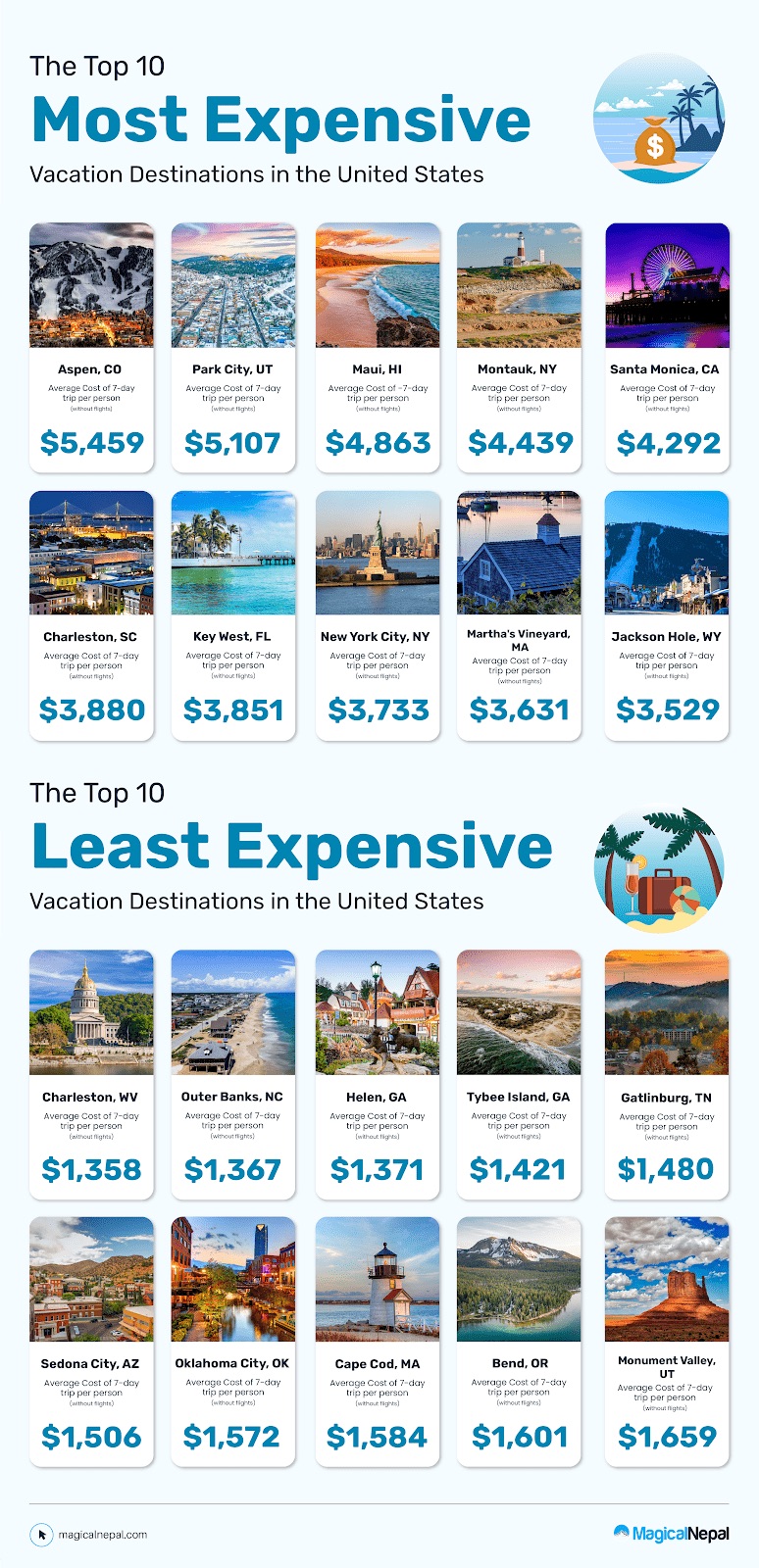
The United States presents a much higher cost of living for travelers. A budget hotel room in a city like New York or San Francisco starts at $150-250 USD per night, while even small towns can see $80-120 USD. A basic fast-food meal costs $10-15 USD, and a sit-down restaurant meal easily hits $25-50+ USD per person. Public transport fares are a few dollars per ride in cities, but car rentals average $50-100+ USD daily. Entry to national parks is typically $20-35 USD per vehicle. A realistic daily budget for a solo traveler is $150-250 USD, higher in major metropolitan areas.
For a general travel budget, Costa Rica provides significantly more value for money.
- Winner: Costa Rica
- Why: Costa Rica offers a notably lower daily expenditure for basic needs and common activities.
- Who this matters for: Budget-conscious travelers, backpackers, and families looking to stretch their vacation funds.
🐒 Nature & Wildlife
Costa Rica is renowned for its accessible and concentrated nature. Places like Manuel Antonio National Park allow you to see sloths, monkeys, and toucans just a few meters from…
Costa Rica

United States
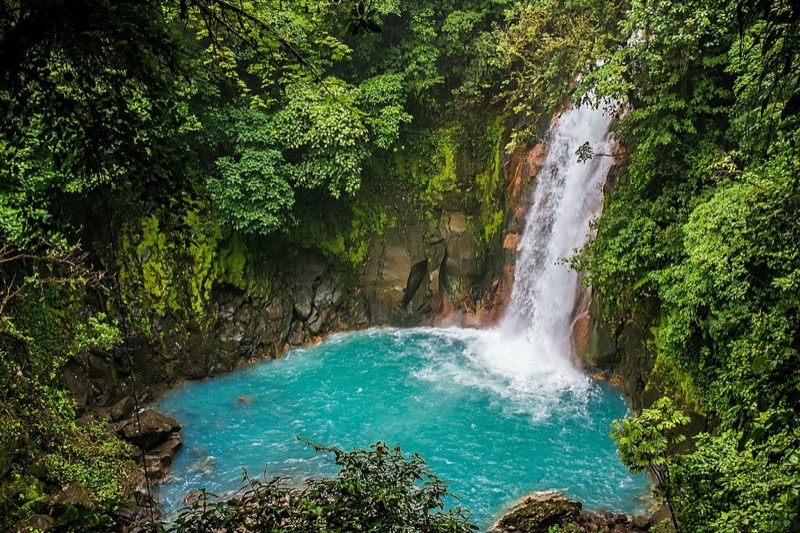
Costa Rica is renowned for its accessible and concentrated nature. Places like Manuel Antonio National Park allow you to see sloths, monkeys, and toucans just a few meters from the path. Arenal Volcano National Park provides views of the volcano, hot springs, and forest trails. Monteverde Cloud Forest is specific for its unique ecosystem and quetzal sightings. Guided tours, costing $30-60 USD, significantly enhance wildlife spotting. The country's smaller size means ecosystems are closer together, allowing for quick transitions between different natural environments, from pacific beaches to Caribbean mangroves.
The United States has vast and varied natural environments, from the red rock formations of Zion National Park to the geysers of Yellowstone, and the redwood forests of California. Wildlife like bison, bears, and elk are present, especially in western parks. However, these natural areas are often separated by long driving distances, and wildlife, while present, is typically less dense and requires more patience or specific viewing strategies than in Costa Rica's rainforests. Access to US national parks is generally straightforward, but you often need a private vehicle, and accommodations inside or near popular parks book months in advance at premium prices, e.g., Old Faithful Inn at Yellowstone.
- Winner: Costa Rica
- Why: Costa Rica offers a more immediate, dense, and accessible wildlife and rainforest experience.
- Who this matters for: Wildlife enthusiasts, bird watchers, eco-tourists, and anyone prioritizing direct interaction with tropical ecosystems.
🍚 Food Scene
Costa Rican cuisine is straightforward and uses fresh, local ingredients. Staples include 'Gallo Pinto' (rice and beans for breakfast), 'Casado' (a plate with rice, beans, salad,…
Costa Rica
United States
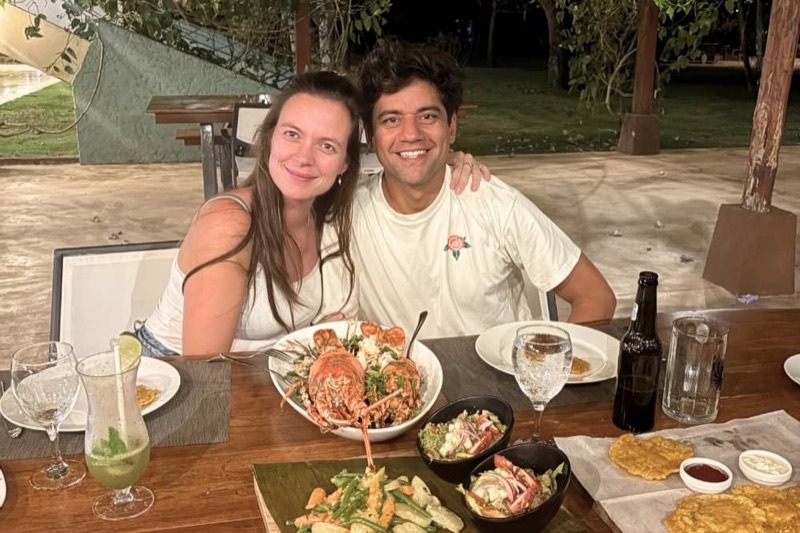
Costa Rican cuisine is straightforward and uses fresh, local ingredients. Staples include 'Gallo Pinto' (rice and beans for breakfast), 'Casado' (a plate with rice, beans, salad, plantains, and a choice of meat or fish for lunch/dinner), and fresh fruit juices. 'Sodas' are small, family-run restaurants that offer the most authentic and affordable meals, typically $5-8 USD. Seafood is common on the coasts. While delicious and satisfying, the culinary range is not extensive, and high-end dining is limited to specific resorts or tourist hubs. You won't find experimental fusion or specific international cuisines readily outside San Jose.
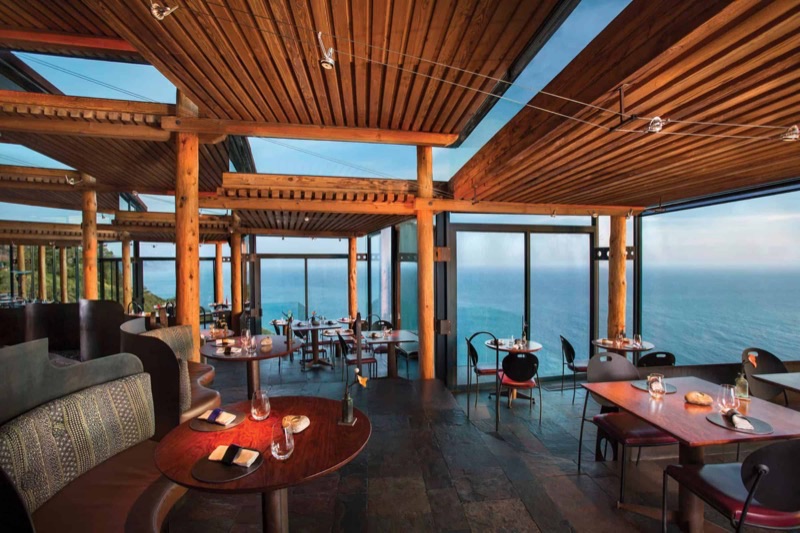
The United States boasts an unparalleled food scene. Major cities like New York, Los Angeles, and Chicago offer every global cuisine imaginable, from authentic Ethiopian in Washington D.C. to specific regional BBQ in Texas or the Carolinas. You can find high-end dining, diverse street food, food truck rallies, and specific regional dishes like New England clam chowder or New Orleans gumbo. A simple burger and fries can cost $10-15, while a three-course meal at a well-regarded restaurant can easily be $70-150+ per person. The sheer variety and quality of culinary options here are extensive, catering to any specific taste or budget, provided you are in the right location.
- Winner: United States
- Why: The United States offers a significantly broader and more diverse range of culinary experiences, from casual to high-end.
- Who this matters for: Foodies, gourmands, and travelers who prioritize exploring different cuisines and dining experiences.
🚨 Safety & Security
Costa Rica is considered one of the safer countries in Central America for tourists. The main concerns are petty theft, particularly in crowded areas like San Jose or on public…
Costa Rica
United States
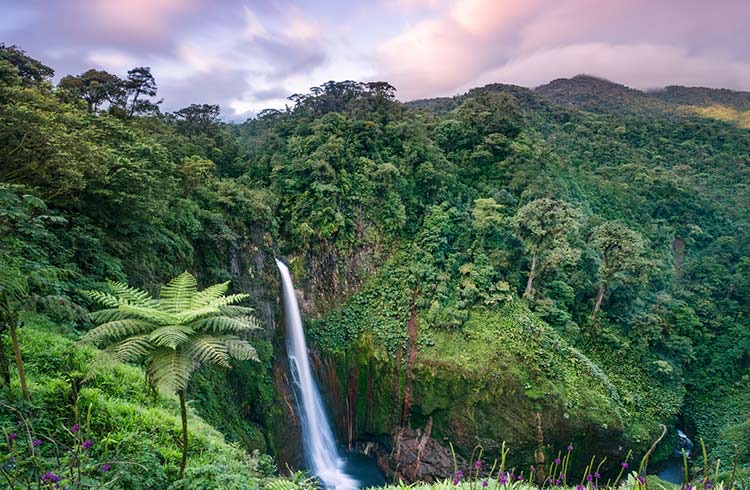
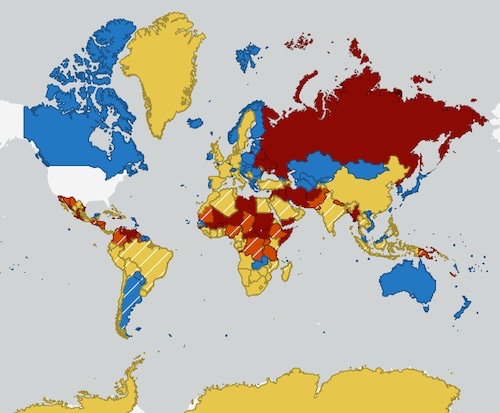
Costa Rica is considered one of the safer countries in Central America for tourists. The main concerns are petty theft, particularly in crowded areas like San Jose or on public buses, and vehicle break-ins at trailheads or beach parking lots. Travelers should avoid walking alone at night in certain parts of San Jose (e.g., south of Avenida Central) and exercise caution with valuables. The tourist police force is present in popular areas, and most interactions are positive. Violent crime against tourists is rare but can occur, often tied to drug activity, which tourists should avoid.
Safety in the United States is highly localized. Major cities have specific neighborhoods that are best avoided, especially at night, due to higher rates of property crime or violent crime. Rural areas and small towns generally have very low crime rates. Gun violence is a concern in the US, but tourists are rarely direct targets. Travelers should research specific destinations and use common sense, like securing belongings and being aware of surroundings, especially in urban environments. Emergency services (911) are effective and widely available.
- Winner: Tie
- Why: Both destinations require location-specific awareness regarding safety, with different types of risks that balance out.
- Who this matters for: Solo travelers, families with young children, and anyone prioritizing peace of mind.
🚗 Getting Around
Navigating Costa Rica can be an adventure. Public buses are the most economical option, connecting most towns, with fares typically under $10 USD for inter-city routes (e.g., San…
Costa Rica

United States
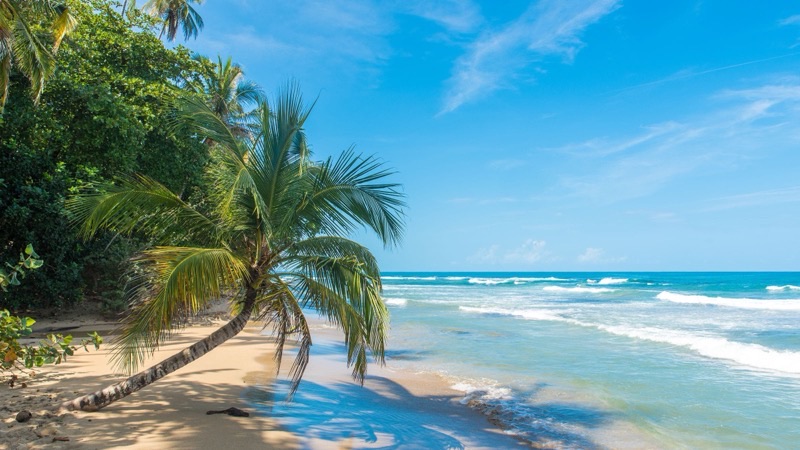
Navigating Costa Rica can be an adventure. Public buses are the most economical option, connecting most towns, with fares typically under $10 USD for inter-city routes (e.g., San Jose to La Fortuna). They are slow and make many stops. Tourist shuttle services like Interbus or Caribe Shuttle offer direct, comfortable transfers between popular destinations for $40-60 USD per person per ride. Renting a 4x4 vehicle (around $40-80 USD/day, plus insurance) provides flexibility, but many roads are unpaved, particularly to more remote beaches or parks, and driving can be challenging due to potholes, lack of signage, and local driving habits. Taxis and ride-sharing apps exist in larger towns but are less common in rural areas.
The United States' transportation infrastructure is generally designed for personal vehicles. Renting a car is the most practical way to explore vast areas, especially national parks and rural regions, with rental costs averaging $50-100 USD per day (before gas and insurance). Major cities like New York, Chicago, San Francisco, and Washington D.C. have comprehensive public transportation systems (subways, buses) that are efficient and cost-effective (fares typically $2.50-3.00 per ride). Inter-city travel via Amtrak trains is an option, but it's often slower and more expensive than flying or driving. Domestic flights are frequent and cover long distances quickly, with prices varying widely. The consistency and ease of travel across most of the country are high.
- Winner: United States
- Why: The United States offers a significantly more developed, efficient, and varied transportation infrastructure, particularly for independent exploration.
- Who this matters for: Travelers who value convenience, long-distance travel, and ease of navigation.
🏨 Accommodation Options
Costa Rica's accommodation scene leans into its natural surroundings. You'll find numerous eco-lodges, often nestled in rainforests, offering unique experiences like Finca Rosa…
Costa Rica's accommodation scene leans into its natural surroundings. You'll find numerous eco-lodges, often nestled in rainforests, offering unique experiences like Finca Rosa Blanca in Heredia or Pacuare River Lodge. Boutique hotels, hostels (beds starting at $15-25 USD), and guesthouses are common in tourist towns like La Fortuna or Tamarindo. Larger, all-inclusive resorts exist on the Pacific coast (e.g., Guanacaste), but the country's lodging generally prioritizes integrating with nature. Quality can vary, but unique, locally-owned options are plentiful. Booking ahead, especially during peak season (December-April), is advisable.
The United States offers an almost limitless array of accommodation types. Every major city and most towns have recognizable chain hotels (Hilton, Marriott, Best Western) catering to various budgets, with rooms typically starting from $80-150 USD in smaller towns and $150-300+ USD in cities. Luxury hotels and resorts are abundant, especially in destinations like Las Vegas, Miami, or New York. Boutique hotels are common in specific neighborhoods, and the motel concept is widespread along highways. Airbnb and other short-term rental platforms are very popular and offer diverse choices from urban apartments to cabins in the woods. The consistency of standards, particularly in chain hotels, is very high across the country.
- Winner: United States
- Why: The United States provides a greater quantity, variety, and consistency of accommodation options across all budget ranges.
- Who this matters for: Travelers who prioritize specific hotel brands, consistent quality, or a very wide array of choices.
🏖️ Beaches & Coastlines
Costa Rica's Pacific coast is known for its surf breaks, like those in Tamarindo and Santa Teresa, and national parks that meet the ocean, such as Manuel Antonio, where sloths and…
Costa Rica's Pacific coast is known for its surf breaks, like those in Tamarindo and Santa Teresa, and national parks that meet the ocean, such as Manuel Antonio, where sloths and monkeys are common on the beach. The Caribbean coast, particularly around Puerto Viejo de Talamanca, offers calmer, turquoise waters, palm-lined beaches, and a distinct Afro-Caribbean vibe and cuisine. Water temperatures are consistently warm year-round. Many beaches feel less developed and more integrated with nature, providing a natural backdrop for relaxation or activity. Playa Conchal, with its shell-rich sands, is a unique option.
The United States has extensive and varied coastlines. Florida's Gulf Coast provides warm, calm waters and white sand, while the Atlantic coast offers famous stretches like the Outer Banks of North Carolina or the Jersey Shore. California's Pacific coast features rugged cliffs and colder waters, alongside popular surfing spots like Malibu. Hawaii offers specific volcanic black sand beaches and tropical conditions. While the US has many beautiful beaches, they often come with more development, crowds, or require specific timing (e.g., warm weather in New England). Natural, untouched beaches exist but often require more effort to reach.
- Winner: Costa Rica
- Why: Costa Rica offers more accessible, warmer, and naturally integrated beach experiences with direct wildlife interaction.
- Who this matters for: Surfers, wildlife lovers who enjoy coastal environments, and those seeking less commercialized beach settings.
🎭 Culture & Local Life
Costa Rican culture is defined by 'Pura Vida,' a phrase meaning 'pure life' that encapsulates a relaxed, optimistic approach to living. This philosophy is evident in daily…
Costa Rican culture is defined by 'Pura Vida,' a phrase meaning 'pure life' that encapsulates a relaxed, optimistic approach to living. This philosophy is evident in daily interactions, the focus on family, and a strong connection to the natural environment. Indigenous cultures, while less overtly visible than in some other Latin American countries, have left a mark, and the Caribbean coast has a distinct Afro-Caribbean heritage, expressed through language (Patua Creole), music (reggae, calypso), and food. Local markets, like Feria Verde in San Jose, provide insight into local produce and crafts. Interactions with locals are generally friendly and open, especially outside of major tourist hubs.
The United States, by its nature, has a composite culture. It's a land of immigrants, leading to a patchwork of subcultures based on ethnicity, region, and history. You'll find distinct cultural norms in the Deep South versus New England, or the Pacific Northwest versus the Southwest. Events like Mardi Gras in New Orleans, the rodeos of Texas, or the specific music scenes in Nashville or Seattle showcase these regional differences. However, due to its size and diverse populations, there isn't one singular 'American culture' in the same way 'Pura Vida' defines Costa Rica. Engagement with local life often depends on specific location and active effort to seek out specific cultural events or communities.
- Winner: Costa Rica
- Why: Costa Rica offers a more cohesive, singular, and easily experienced national cultural identity for travelers.
- Who this matters for: Travelers seeking immersion in a specific national ethos and local way of life.
💃 Nightlife & Entertainment
Costa Rica's nightlife generally revolves around casual beach bars in surf towns like Tamarindo, Jaco, or Santa Teresa, where you can find live music and a relaxed atmosphere. In…
Costa Rica's nightlife generally revolves around casual beach bars in surf towns like Tamarindo, Jaco, or Santa Teresa, where you can find live music and a relaxed atmosphere. In San Jose, there are more traditional clubs and bars, particularly in areas like San Pedro, but it's not a major nightlife destination for tourists. Casinos are present in some larger hotels. The focus is often on socializing over drinks rather than extensive clubbing. Expect to find reggae, calypso, and Latin music. Most places close by 1-2 AM, with a few exceptions in specific party zones.
The United States offers a nightlife spectrum from quiet neighborhood pubs to world-renowned nightclubs. Cities like Las Vegas, Miami, and New York are famous for their club scenes, featuring international DJs and elaborate venues. Major cities across the country have extensive live music scenes, from jazz clubs in New Orleans to rock venues in Seattle and Broadway shows in New York. Craft breweries and speakeasy-style bars are popular. Entertainment options are diverse, including comedy clubs, theaters, and late-night dining. The options are generally open later and cater to a wider range of preferences and budgets, provided you are in a sufficiently large metropolitan area.
- Winner: United States
- Why: The United States provides significantly more diverse, extensive, and high-quality nightlife and entertainment options.
- Who this matters for: Party-goers, music lovers, and those seeking late-night social activities beyond casual bars.
💻 Digital Nomad Suitability
Costa Rica is becoming an increasingly popular spot for digital nomads, especially in towns like Tamarindo, Santa Teresa, and Uvita. These areas offer a laid-back lifestyle,…
Costa Rica is becoming an increasingly popular spot for digital nomads, especially in towns like Tamarindo, Santa Teresa, and Uvita. These areas offer a laid-back lifestyle, proximity to nature, and a growing community of remote workers. Specific co-working spaces are emerging, but often nomads work from cafes or their accommodations. Internet speeds are generally good in popular areas but can be inconsistent or slower in more remote locations. The cost of living is manageable compared to major US cities, with monthly rentals for a decent apartment starting around $800-1500 USD. The pace of life is slower, which can be a pro or a con depending on work style.
The United States offers superior infrastructure for digital nomads. Internet access is consistently fast and reliable across almost all populated areas. Co-working spaces are abundant in every major city and even many smaller towns (e.g., WeWork, Regus). Power outlets are ubiquitous, and cafes with Wi-Fi are plentiful. The primary drawback is the high cost of living, with monthly rent in cities like New York, San Francisco, or Austin easily exceeding $2000-3000 USD. However, smaller towns or less popular cities offer more affordable options. Visas for long-term stays specifically for remote work can be complex. The sheer number of amenities and reliable services makes working remotely straightforward.
- Winner: United States
- Why: The United States provides a more robust, reliable, and convenient infrastructure essential for sustained remote work.
- Who this matters for: Remote workers, entrepreneurs, and anyone needing dependable, high-speed internet and professional facilities.
🎯 The Decision Framework
Choose Costa Rica If…
- You want to see sloths, monkeys, and toucans in their natural habitat.
- You prioritize rainforest exploration and active volcanoes.
- Your daily budget is under $150 USD.
- You enjoy surfing and relaxing on less developed beaches.
- You appreciate a relaxed 'Pura Vida' philosophy.
- You are comfortable with public buses and tourist shuttles.
- You want to escape extensive commercialism.
- You seek an authentic, accessible Central American experience.
Choose United States If…
- You want to experience a vast array of international cuisines.
- You plan to visit specific, well-known cities like New York or Los Angeles.
- You need consistent, high-speed internet for remote work.
- You want extensive shopping and entertainment options.
- You prefer driving on well-maintained roads across long distances.
- You appreciate diverse cultural experiences within one country.
- You prioritize predictable chain hotel quality and amenities.
- You want access to major concerts, sports events, and broadway shows.
❓ Frequently Asked Questions
What are the typical flight times from the United States to Costa Rica?
Direct flights from major US hubs like Miami (MIA), Houston (IAH), or Dallas (DFW) to San Jose (SJO) or Liberia (LIR) typically range from 2.5 to 5 hours. From East Coast cities like New York (JFK), flights are around 5-6 hours. From West Coast cities like Los Angeles (LAX), expect 6-7 hours direct or with one stop.
Is Costa Rica significantly cheaper than the United States for travel?
Yes, generally Costa Rica is more affordable. A comfortable mid-range daily budget in Costa Rica is $80-120 USD, including accommodation, food, and a couple of activities. In the United States, a similar level of comfort would typically cost $150-250 USD per day, especially in popular tourist areas or cities.
What's the best time of year to visit Costa Rica versus the US?
Costa Rica's dry season (December-April) is popular for minimal rain and sun. The green season (May-November) offers lower prices and more lush scenery with afternoon showers. The best time for the US varies greatly by region; summer (June-August) is popular for national parks, while spring (March-May) and fall (September-November) offer pleasant weather for most cities before winter snows or summer heat.
Do I need a car to get around in Costa Rica or the US?
In Costa Rica, a rental car (preferably 4x4) offers the most flexibility for exploring remote areas, but tourist shuttles and public buses are viable for popular routes. In the US, a car is essential for exploring national parks and rural areas. Major cities like New York have excellent public transport, making a car unnecessary and often a hindrance.
What kind of wildlife can I expect to see in Costa Rica compared to the US?
In Costa Rica, you can expect dense tropical wildlife: sloths, capuchin monkeys, howler monkeys, toucans, macaws, and diverse reptiles, often easily spotted in national parks like Manuel Antonio. In the US, wildlife depends on the region; Yellowstone has bison and bears, the Everglades has alligators, but generally, wildlife is less concentrated and harder to spot without specific effort than in Costa Rica's rainforests.
Is English widely spoken in Costa Rica?
In major tourist areas, hotels, and tour companies in Costa Rica, English is commonly spoken and understood. However, venturing into more local towns or using public transport will require some basic Spanish phrases to communicate effectively. In the United States, English is the primary language, but Spanish is widely spoken in many southern states and major cities.
What are the visa requirements for US citizens visiting Costa Rica?
US citizens typically do not need a visa for tourist stays up to 90 days in Costa Rica. A valid passport with at least 6 months of validity remaining and proof of onward travel (a return ticket or ticket out of the country) are required. For non-US citizens, checking specific visa requirements with the Costa Rican embassy is always recommended.
Are specific vaccines required for Costa Rica that aren't for the US?
No specific vaccines are *required* for entry to Costa Rica from the US, unless arriving from certain countries with yellow fever risk. However, routine vaccinations should be up-to-date, and Hepatitis A, Typhoid, and sometimes Hepatitis B are recommended. Consult a travel doctor for specific advice. No special vaccines are typically needed for travel within the mainland US.
Ready to plan your Americas trip?
Get a free custom itinerary for Costa Rica, United States, or both — built from real traveler insights.
🎟️ Book Tours & Experiences
Hand-picked tours and activities for both destinations — book with free cancellation
Experiences via Viator — free cancellation on most tours