How we built this comparison
This comparison was meticulously crafted by analyzing expert travel guides, real traveler reviews, and up-to-date logistical information for both Crete and the Peloponnese, ensuring a balanced and practical guide for your trip planning.
- Reddit discussion analysis from r/travel, r/solotravel, and destination-specific subreddits
- Real-time cost data and flight routes
- Seasonal patterns and local insights
⚡ The TL;DR Verdict
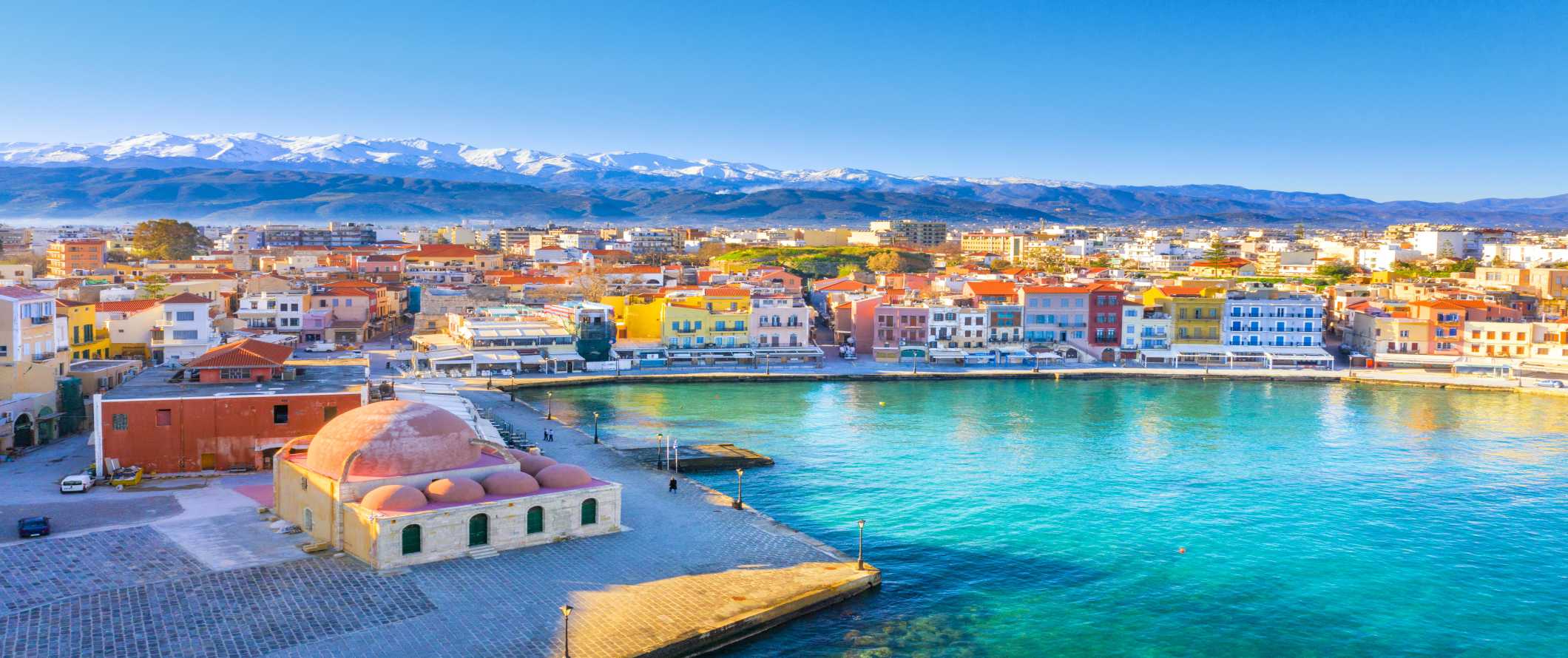
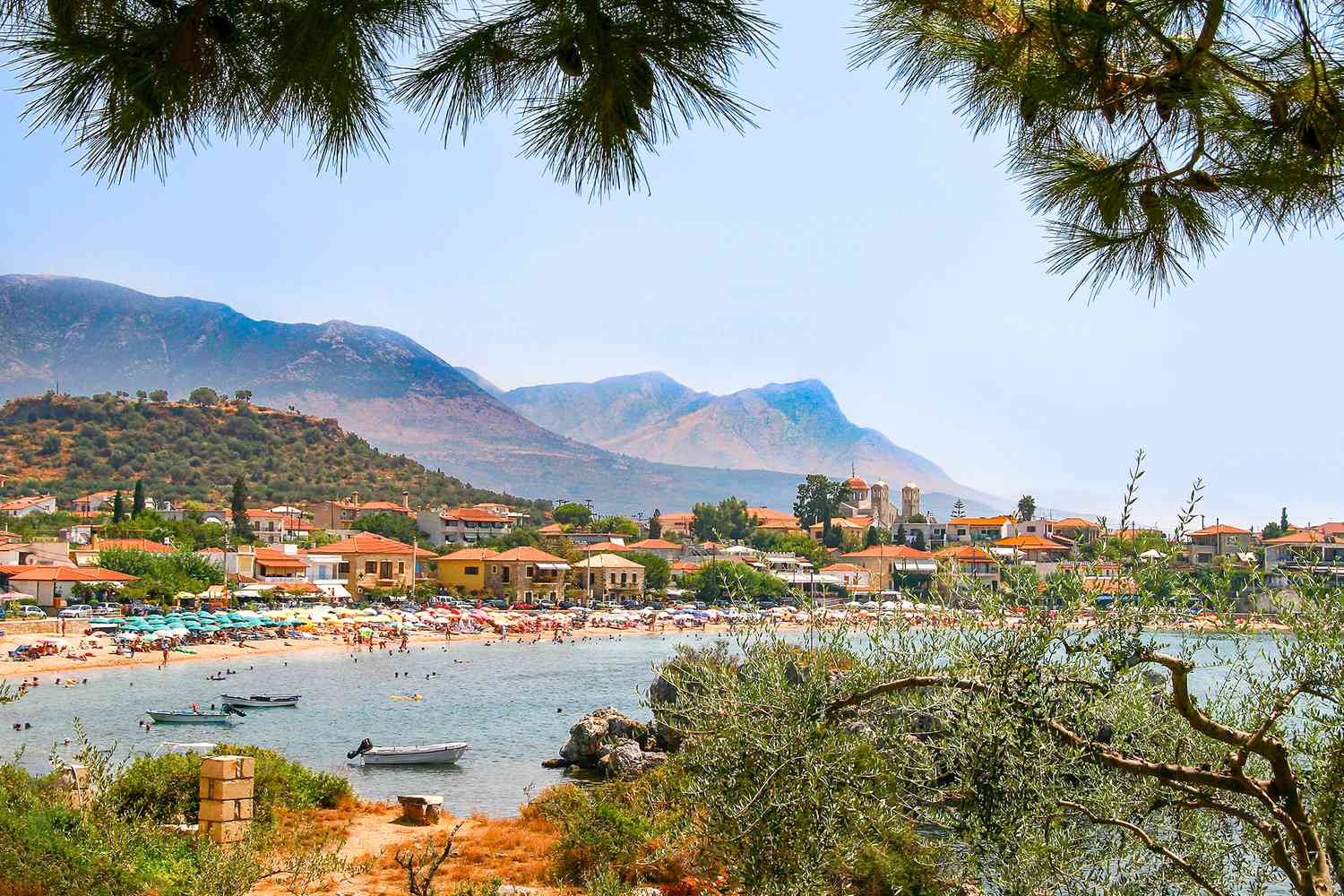
Crete is better if you want a diverse island experience with iconic beaches, vibrant towns, and a rich Minoan history. Peloponnese is better if you want a deep dive into ancient Greece, stunning untouched landscapes, and a more authentic, less tourist-centric mainland adventure. Budget: Peloponnese often offers slightly better value, especially for accommodation and dining outside peak season, though both can cater to various budgets.
- Choose Crete: Choose Crete if you dream of world-famous beaches like Elafonissi and Balos, crave lively nightlife in Chania or Heraklion, want to explore ancient Minoan palaces, and prefer the convenience of an island with excellent infrastructure for tourism. It's ideal for beach lovers, families, and those seeking a mix of relaxation and vibrant activity.
- Choose Peloponnese: Choose Peloponnese if you are a history buff eager to walk among the ruins of Olympia, Mystras, and Mycenae, seek dramatic landscapes like the Mani Peninsula, prefer a quieter, more authentic Greek experience, and enjoy road-tripping through diverse regions. It's perfect for cultural explorers, hikers, and travelers who appreciate off-the-beaten-path authenticity.
- Budget snapshot: Crete offers a wide range of budgets, with resorts and lively towns potentially costing more, but also plenty of affordable options. Peloponnese can often be more budget-friendly, especially outside major hubs like Nafplio, with good value for traditional guesthouses and local tavernas. Expect car rental to be a significant cost for both.
Choose Crete
Iconic Beaches, Minoan History, Vibrant Nightlife, Diverse Landscapes
Choose Peloponnese
Ancient Wonders, Authentic Villages, Dramatic Coastlines, Road Trip Paradise
Quick Comparison
| Category | 🏝️ Crete | 🏖️ Peloponnese | Winner |
|---|---|---|---|
| Overall Vibe | Bustling island life, diverse landscapes, well-developed tourism infrastructure. | Authentic mainland, rich history, dramatic & rugged landscapes, quieter pace. | Depends |
| Beaches & Nature | World-famous beaches (Elafonissi, Balos), Samaria Gorge, diverse coastal & mountain scenery. | Pristine, less crowded beaches (Voidokilia, Mani), stunning mountains (Taygetos), caves, lakes. | Crete |
| History & Culture | Minoan civilization (Knossos), Venetian old towns (Chania, Rethymno), Byzantine monasteries. | Classical (Olympia, Mycenae), Byzantine (Mystras), Ottoman, Venetian (Nafplio) history. | Peloponnese |
| Food & Wine | Renowned Cretan diet, fresh seafood, raki, local cheeses, olive oil, dakos. | Kalamata olives, oranges, regional cheeses, hearty stews, exceptional local wines. | Tie |
| Getting There | Direct flights to Heraklion (HER) & Chania (CHQ) from Europe, ferries from Piraeus. | Fly into Athens (ATH), then drive; limited regional airports. Bridges connect to mainland. | Crete |
| Getting Around | Good public bus network, car rental recommended for flexibility, extensive road system. | Car rental almost essential for exploring, limited public transport outside cities, excellent roads. | Peloponnese |
| Nightlife | Vibrant bar & club scene in major towns (Chania, Heraklion, Malia), resort entertainment. | More relaxed, traditional taverna & local bar scene in towns like Nafplio & Kalamata. | Crete |
| Family Travel | Water parks, aquariums, calm beaches, family-friendly resorts, easy access to attractions. | Mythology sites, castles, quieter beaches, hiking, agritourism, educational experiences. | Depends |
| Accommodation | Wide range from luxury resorts & villas to boutique hotels and budget apartments. | Charming boutique hotels, traditional guesthouses, tower houses (Mani), agritourism stays. | Crete |
| Best Time to Visit | Late Spring (May-June) & Early Fall (Sept-Oct) for pleasant weather & fewer crowds. | Spring (April-May) for wildflowers & hiking, Fall (Sept-Oct) for harvest & history. | Depends |
| Authenticity | Authentic pockets exist, especially inland, but tourist areas can be heavily developed. | Generally more authentic, traditional villages & local life are more prevalent. | Peloponnese |
🏛️ History & Ancient Wonders
Crete boasts a history steeped in the mystique of the Minoan civilization, Europe's oldest. The crowning jewel is the Palace of Knossos near Heraklion, where legend says the Minotaur roamed. Exploring its labyrinthine ruins offers a fascinating glimpse into a sophisticated Bronze Age society. Beyond Minoan heritage, Crete also features stunning Venetian fortresses in Rethymno and Chania, showcasing centuries of diverse cultural influences.
The Peloponnese, on the other hand, is the cradle of classical Greek civilization. Here, you can walk in the footsteps of ancient heroes and athletes at Olympia, the birthplace of the Olympic Games. Marvel at the perfectly preserved theatre of Epidavros, renowned for its acoustics, and explore the formidable citadel of Mycenae, home of Agamemnon. The Byzantine ghost city of Mystras and the medieval fortress town of Monemvasia add layers of later history, offering a truly immersive journey through millennia of human endeavor.
Winner takeaway
- Winner: Peloponnese
- Why: For sheer volume and variety of iconic historical sites spanning classical to Byzantine eras, the Peloponnese is unparalleled.
- Who this matters for: This matters most for history buffs, archaeologists, and those keen on experiencing the origins of Western civilization.
🏖️ Beaches & Natural Beauty
Crete is renowned globally for its stunning beaches. The iconic Elafonissi Beach with its pink sand and shallow turquoise waters feels like a tropical paradise. Balos Lagoon, a remote haven accessible by boat or a challenging hike, offers breathtaking vistas of a unique ecosystem. Beyond the coast, the island is home to dramatic gorges like the Samaria Gorge, perfect for adventurous hikers seeking stunning mountain scenery and unique flora and fauna. Crete's natural beauty is incredibly diverse, offering something for every type of outdoor enthusiast.
The Peloponnese also boasts incredible natural beauty, often less crowded than Crete's hotspots. The crescent-shaped Voidokilia Beach near Pylos is frequently cited as one of Greece's most beautiful, backed by a lush lagoon. The wild and rugged Mani Peninsula offers dramatic coastal drives, hidden coves, and tower houses, while the island of Elafonisos (a short ferry ride from the mainland) has pristine white sand beaches like Simos. Inland, the Taygetos Mountains provide spectacular hiking trails and breathtaking views, alongside picturesque lakes and rivers.
Winner takeaway
- Winner: Crete
- Why: Crete's beaches are more famous and offer a greater variety of iconic, easily accessible, and visually stunning coastal experiences.
- Who this matters for: Beach lovers, families with young children, and Instagrammers will find Crete's beaches particularly appealing.
🍽️ Food & Culinary Scene
Crete is famous for its healthy and delicious Cretan diet, a cornerstone of the Mediterranean diet. Expect an abundance of fresh vegetables, wild greens (horta), local cheeses like graviera and myzithra, and, of course, unparalleled olive oil. Signature dishes include dakos (barley rusks topped with tomato and feta), savory pies (kalitsounia), and local specialties like snails (chochlioi boubouristi). Don't forget to try a shot of raki (tsikoudia) after your meal, often homemade and offered as a gesture of hospitality.
The Peloponnese offers a diverse culinary landscape shaped by its varied geography. Kalamata, in Messinia, is famous worldwide for its olives and olive oil. Arcadia is known for its cheeses and mountain herbs, while Laconia offers delicious oranges and honey. Expect hearty stews, exceptional cured meats (like siglino from Mani), and a strong emphasis on fresh, seasonal ingredients. Local tavernas often serve traditional dishes like roasted lamb, pork with celery, and various vegetable casseroles, all accompanied by excellent local wines, especially from the Nemea region.
Winner takeaway
- Winner: Tie
- Why: Both regions offer exceptional, distinct, and authentic Greek culinary experiences based on fresh local produce.
- Who this matters for: Foodies, gastronomes, and travelers looking for an authentic taste of Greece will be delighted by either choice.
💰 Costs & Budget
Generally, Crete can be a bit pricier in its most popular tourist hubs like Chania or the resort towns, especially during peak season (July-August). Accommodation can range from €50/night for a basic apartment to €200+/night for a luxury resort. Dining out in a mid-range taverna might cost €15-€25 per person. Car rental typically starts from €30-€50 per day. However, it’s still possible to find good value, especially if you venture away from the main attractions and stay in smaller towns or self-catering apartments.
The Peloponnese often offers better value, especially outside of popular coastal towns like Nafplio. Accommodation in traditional guesthouses or smaller hotels can be found for €40-€80/night. Dining in local tavernas, particularly inland, can be incredibly affordable, often €12-€20 per person for a satisfying meal with wine. Car rental costs are similar to Crete, but with fewer high-end resorts and a greater emphasis on traditional stays, your overall daily expenses might be slightly lower, particularly if you travel during the shoulder seasons. Keep in mind that longer distances might mean higher fuel costs.
Winner takeaway
- Winner: Peloponnese
- Why: The Peloponnese generally offers a slightly better value for money, especially for accommodation and dining, allowing for a more budget-friendly trip.
- Who this matters for: Budget-conscious travelers, backpackers, and those seeking good value for an authentic experience.
✈️ Transportation & Getting Around
Crete is well-connected internationally with two main airports: Heraklion (HER) and Chania (CHQ), offering direct flights from many European cities. Ferries from Piraeus (Athens) also connect to both Heraklion and Chania, often offering overnight services. Once on the island, a robust public bus system (KTEL) connects major towns and many villages. However, to truly explore the hidden coves, mountain villages, and remote beaches, renting a car is highly recommended. Roads are generally good, but some mountain routes can be winding and challenging.
The Peloponnese is typically accessed via Athens International Airport (ATH), which is about a 1.5 to 2-hour drive from the region's northern reaches. The iconic Rio-Antirrio Bridge provides easy access from mainland Greece. While there are regional buses, a rental car is almost essential for exploring the Peloponnese due to the vast distances between sites and the limited public transport in rural areas. Driving allows for incredible flexibility to visit archaeological sites, charming villages, and stunning coastal drives at your own pace. Roads are well-maintained, including major highways and scenic coastal routes.
Winner takeaway
- Winner: Peloponnese
- Why: Its proximity and excellent road connections to Athens make it incredibly accessible for a self-drive adventure from Greece's main airport.
- Who this matters for: Travelers preferring road trips, those flying into Athens, and those who prioritize convenience in reaching their destination by car.
🏨 Accommodation Options
Crete offers an incredibly diverse range of accommodation options to suit every taste and budget. You can find sprawling all-inclusive resorts along the northern coast, perfect for families and those seeking relaxation. Boutique hotels in the charming old towns of Chania and Rethymno provide a romantic, historical ambiance. There are also countless villas, apartments, and traditional guesthouses (domatia) in smaller villages, offering a more authentic experience. Prices can vary dramatically based on location, season, and luxury level, but competition ensures good choices at every price point.
The Peloponnese leans more towards charming, traditional, and often family-run establishments. In towns like Nafplio, you'll find exquisite boutique hotels housed in neoclassical mansions. The Mani Peninsula is famous for its unique tower houses, converted into rustic yet comfortable guesthouses. Agritourism is also popular, offering stays on olive farms or vineyards, providing a taste of rural Greek life. While large-scale resorts are less common, the Peloponnese excels in offering authentic, character-filled accommodations that provide a deeper connection to the local culture and landscape.
Winner takeaway
- Winner: Crete
- Why: Crete offers a wider variety of accommodation styles, from budget apartments to luxury resorts, catering to a broader spectrum of travelers.
- Who this matters for: Travelers with specific accommodation preferences, families seeking all-inclusive resorts, or those looking for a wide range of luxury options.
☀️ Best Time to Visit
For Crete, the shoulder seasons of late Spring (May-June) and early Fall (September-October) are ideal. The weather is warm and sunny, perfect for beach activities and hiking, but the scorching heat and peak crowds of July and August are avoided. Accommodation prices are also more favorable during these periods. July and August see high temperatures and maximum tourist numbers, leading to crowded beaches and higher costs. Winter offers a quieter, more local experience, but many tourist facilities will be closed.
The Peloponnese is also best enjoyed during the shoulder seasons. Spring (April-May) is particularly magical, with wildflowers blooming across the landscape, perfect for hiking and exploring archaeological sites without the oppressive summer heat. Fall (September-October) brings pleasant temperatures for sightseeing, along with the grape and olive harvests, offering unique cultural experiences. July and August can be very hot, making extensive outdoor exploration challenging, though coastal areas offer relief. Winter is mild, but many smaller towns become very quiet.
Winner takeaway
- Winner: Depends
- Why: Crete excels for beach-focused shoulder season travel, while the Peloponnese shines for spring hiking and historical exploration without intense heat.
- Who this matters for: Beach-focused travelers will prefer Crete's shoulder seasons; hikers and history buffs will find the Peloponnese in spring more rewarding.
nightlife Nightlife & Entertainment
Crete offers a diverse and lively nightlife scene, especially in its major cities and resort towns. Chania and Rethymno boast charming old town bars and sophisticated cocktail lounges, many overlooking the Venetian harbors. Heraklion has a more urban vibe with bustling clubs and late-night establishments. For those seeking a more energetic party atmosphere, towns like Malia and Hersonissos on the north coast are well-known for their vibrant club scenes catering to a younger crowd. Resorts often provide their own entertainment programs.
The Peloponnese generally offers a more relaxed and traditional nightlife experience. Even in larger towns like Nafplio and Kalamata, the focus is more on enjoying a leisurely dinner at a taverna, followed by drinks at a local bar or café. The atmosphere is typically more subdued, emphasizing conversation, good food, and local wine rather than loud music and dancing. Live traditional Greek music can be found in some tavernas, offering an authentic cultural experience. Partygoers seeking large clubs will find options extremely limited outside of perhaps Kalamata during peak summer weekends.
Winner takeaway
- Winner: Crete
- Why: Crete provides a significantly wider range of nightlife options, from sophisticated bars to energetic clubs, catering to various preferences.
- Who this matters for: Younger travelers, groups of friends, and those who prioritize lively evenings and late-night entertainment.
👨👩👧👦 Family Travel & Activities
Crete is an excellent choice for families, offering a wealth of child-friendly activities and amenities. Many coastal resorts are designed with families in mind, featuring kids' clubs, multiple pools, and shallow beach access. Beyond the resorts, children will enjoy exploring the Cretaquarium near Heraklion, splashing at water parks like Aqua Plus, or visiting historical sites like Knossos, which can spark young imaginations. The island's calm, sandy beaches like Elafonissi are perfect for safe swimming and play, making it easy for parents to relax while kids have fun.
The Peloponnese also offers fantastic family experiences, though perhaps with a slightly more educational or adventurous bent. Children can marvel at the ancient stadiums of Olympia, explore the imposing castles of Mystras and Monemvasia, or discover the mythological significance of various sites. The region's quieter beaches, such as those in the Mani Peninsula or around Gytheio, are ideal for unhurried family time. Outdoor activities like gentle hikes, cycling, or even olive oil tasting tours provide engaging experiences, while agritourism stays offer a unique insight into rural Greek life.
Winner takeaway
- Winner: Depends
- Why: Crete is better for resort-centric family holidays with extensive child facilities, while the Peloponnese excels for educational, active, and culturally immersive family adventures.
- Who this matters for: Families seeking all-inclusive convenience and beach relaxation will prefer Crete; families desiring cultural immersion and active exploration will favor the Peloponnese.
🗺️ Making Your Decision: Why Not Both?
Deciding between Crete and the Peloponnese truly comes down to your travel priorities. If your vision of a Greek holiday includes iconic beaches, vibrant towns, and a blend of ancient history with modern tourist amenities, Crete is likely your ideal choice. It's a self-contained island universe, offering immense diversity within its borders, making it perfect for a single-destination trip where you can relax, explore, and enjoy lively evenings. It's often chosen for longer stays (7-10+ days) due to its size and variety.
Conversely, if you're drawn to a deeper dive into ancient Greek history, rugged untouched landscapes, a more authentic local vibe, and the thrill of a road trip discovery, the Peloponnese awaits. Its proximity to Athens also makes it an excellent choice for combining with a city break or as part of a longer mainland exploration. While it might require more planning and car travel, the rewards are immense for those seeking cultural immersion and active adventure. If time and budget allow (typically 10-14+ days), a carefully planned itinerary could potentially combine both, perhaps flying into Athens, exploring the Peloponnese, and then flying or taking a ferry to Crete, offering a comprehensive Greek experience.
Winner takeaway
- Winner: Depends
- Why: The choice hinges entirely on individual traveler preferences for island vs. mainland, specific historical periods, and desired activity levels.
- Who this matters for: All travelers need to consider these points to align their destination with their ultimate Greek vacation dreams.
❓ Frequently Asked Questions
Is Crete or Peloponnese better for beaches?
Crete is generally considered better for beaches, boasting world-famous pink-sand shores like Elafonissi and the stunning Balos Lagoon, offering more iconic and diverse coastal experiences. The Peloponnese has beautiful, often less crowded beaches, but Crete's are more globally recognized.
Which destination is richer in ancient history?
The Peloponnese is richer in classical and Byzantine history, home to iconic sites like Olympia (birthplace of the Olympic Games), Mycenae, Epidavros, and the ghost city of Mystras. Crete excels in Minoan history with the Palace of Knossos, but the Peloponnese offers a broader historical timeline.
Is it easier to get to Crete or the Peloponnese?
Crete is arguably easier to get to directly, with two international airports (Heraklion, Chania) offering direct flights from many European cities. The Peloponnese is typically accessed by flying into Athens and then driving, which requires an additional step but offers excellent road connections.
Which is more expensive, Crete or Peloponnese?
The Peloponnese generally offers a slightly better value for money, especially for accommodation and dining outside major tourist hubs. Crete can be pricier in popular areas and resorts, though both destinations can cater to various budgets depending on travel style.
Which is better for a family holiday?
It depends on the family's preference. Crete is excellent for families seeking resort amenities, water parks, and famous, shallow beaches. The Peloponnese is better for families interested in educational historical sites, quieter nature, and a more active, culturally immersive trip.
How many days should I spend in each region?
For Crete, ideally 7-10 days are recommended to explore its diverse regions and attractions without feeling rushed. For the Peloponnese, 7-10 days is also a good starting point for a comprehensive road trip, allowing time to visit major historical sites and coastal towns.
Do I need a rental car for Crete or Peloponnese?
While Crete has a decent public bus network, a rental car is highly recommended for both destinations to explore thoroughly, reach remote attractions, and maximize flexibility, especially in the vast Peloponnese region where public transport is more limited.
Which has better nightlife?
Crete has a more vibrant and diverse nightlife, particularly in major towns like Chania, Rethymno, and Heraklion, with a range of bars, clubs, and resort entertainment. The Peloponnese offers a more relaxed, traditional nightlife centered around tavernas and local bars.
Ready to plan your Greek adventure?
Get a free custom itinerary for Crete, Peloponnese, or both — built from real traveler insights.
🎟️ Book Tours & Experiences
Hand-picked tours and activities for both destinations — book with free cancellation
Experiences via Viator — free cancellation on most tours