How we built this comparison
This page combines traveler discussion patterns, published price ranges, flight schedules, and seasonal data to help you decide between Croatia and Czech Republic.
- Reviewed 100+ Reddit threads from r/travel, r/solotravel, r/Croatia, r/Czech and related subreddits.
- Verified costs and logistics against current booking platforms for flights, accommodation, and activities.
- Cross-referenced seasonal patterns and weather data from meteorological sources to inform best travel times.
⚡ The TL;DR Verdict
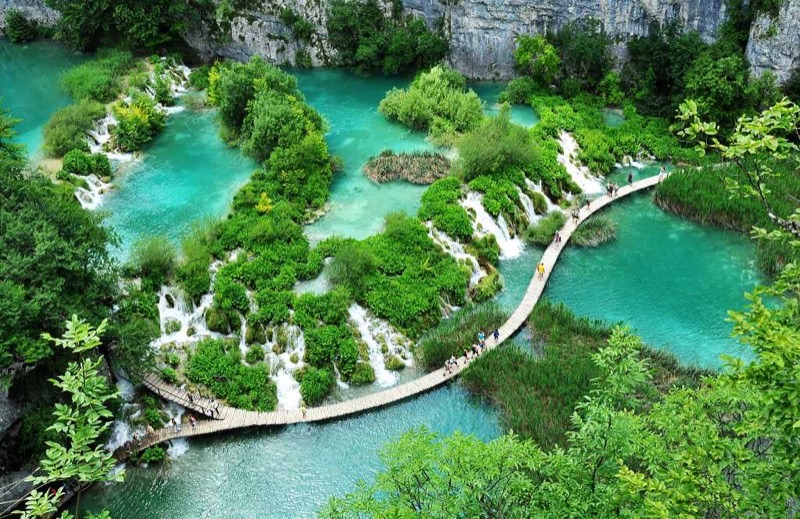
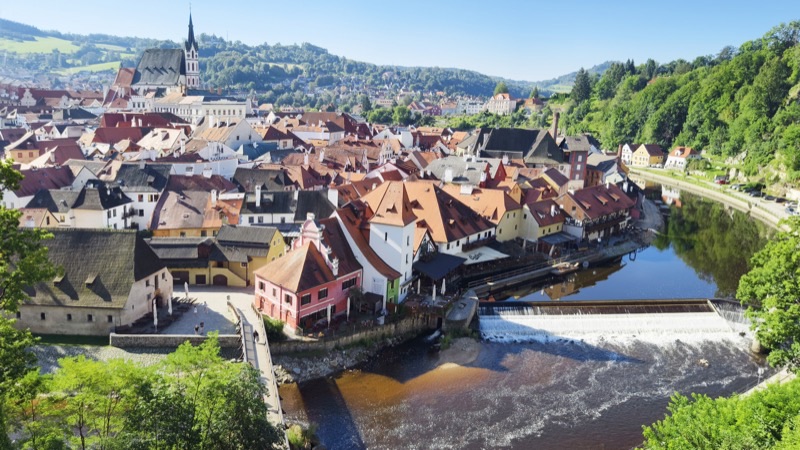
For most travelers seeking sun, sea, and islands, Croatia offers a compelling experience, albeit at a slightly higher daily cost ($70-150). If your priority is historical architecture, craft beer, and a lower budget ($50-100), the Czech Republic is the stronger choice. Pick Croatia if you want coastal activities and Mediterranean food; pick Czech Republic for city exploration and affordability.
- Choose Croatia: Travelers who prioritize warm weather, swimming in the Adriatic Sea, island hopping, and fresh seafood will find Croatia more appealing. It suits those seeking outdoor activities and coastal relaxation.
- Choose Czech Republic: Travelers interested in historical cities, grand architecture, a thriving beer culture, and a generally lower daily budget should opt for the Czech Republic. It is ideal for city explorers and those comfortable with cooler weather.
- Choose Both: If you have at least 14 days and want to experience both coastal beauty and Central European history, combining both is possible, especially with affordable inter-country flights. Start with Croatia for 7-8 days, then fly to Prague for 5-6 days.
Choose Croatia
Choose Croatia if your ideal vacation involves soaking up the Mediterranean sun, swimming in the crystal-clear Adriatic, and island hopping between gems like Hvar and Korčula. It's best for travelers seeking fresh seafood, vibrant coastal nightlife, and stunning natural scenery, embracing a slightly higher daily budget for a premium experience.
Choose Czech Republic
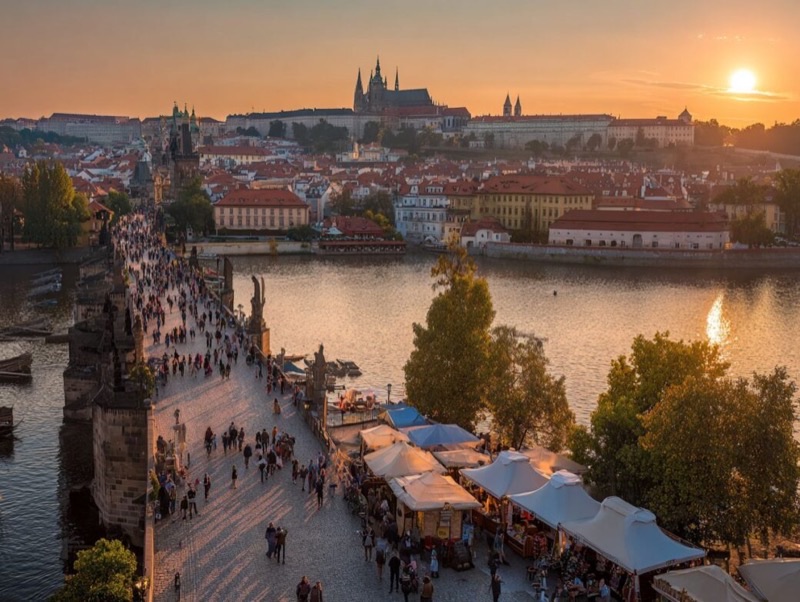
Opt for the Czech Republic if you're captivated by fairytale castles, rich history, and cobblestone streets, particularly in iconic Prague's Old Town Square and around Charles Bridge. This destination is perfect for culture vultures and budget-savvy explorers who appreciate grand architecture, medieval charm, and sampling world-class craft beers like Pilsner Urquell.
Quick Comparison
| Category | Croatia | Czech Republic | Winner |
|---|---|---|---|
| Costs & Budget | Moderately expensive, especially coastal areas in peak season. Expect $70-150/day. | Generally affordable, particularly outside Prague. Expect $50-100/day. | Czech Republic |
| Nature & Beaches | Extensive Adriatic coastline, thousands of islands, national parks with waterfalls and lakes. | Rolling hills, dense forests, national parks like Bohemian Switzerland, no ocean access. | Croatia |
| Culture & History | Roman ruins, Venetian influence, medieval towns, strong maritime heritage. | Gothic architecture, medieval castles, communist-era history, strong beer culture. | Czech Republic |
| Food & Drink | Mediterranean cuisine, fresh seafood, olive oil, local wines, rakija. | Hearty Central European fare, goulash, roasted meats, dumplings, world-renowned beer. | Czech Republic |
| Nightlife | Island party scenes (Hvar), beach clubs, more relaxed bars in cities. | Diverse bar scene, clubs, pub crawls, world-famous cheap beer. | Czech Republic |
| Getting There & Around | Good flight connections to main cities. Intercity buses are primary. Ferries for islands. | Excellent flight connections to Prague. Extensive, efficient train and bus network. | Czech Republic |
| Accommodation | Wide range from hostels to boutique hotels, apartments common. Higher prices in summer. | Plenty of hostels, guesthouses, and hotels. Generally lower prices, especially outside Prague. | Czech Republic |
| Day Trips | Island hopping, national parks, historical towns. Requires more planning. | Castles, medieval towns, spa resorts, national parks. Easy train/bus access. | Czech Republic |
| Weather & Seasons | Mediterranean climate: hot, dry summers; mild, wet winters. Peak season is July-August. | Continental climate: warm summers, cold snowy winters. Peak season is June-August and December. | Croatia |
| Safety | Generally very safe. Petty crime exists in tourist areas. Watch for pickpockets. | Very safe. Pickpocketing is the main concern in crowded Prague areas. | Tie |
💰 Costs & Budget
Croatia's costs vary significantly by region and season. Dubrovnik is consistently the most expensive, with a basic meal costing around 120 HRK ($17) and a local beer 40 HRK…
Croatia

Czech Republic
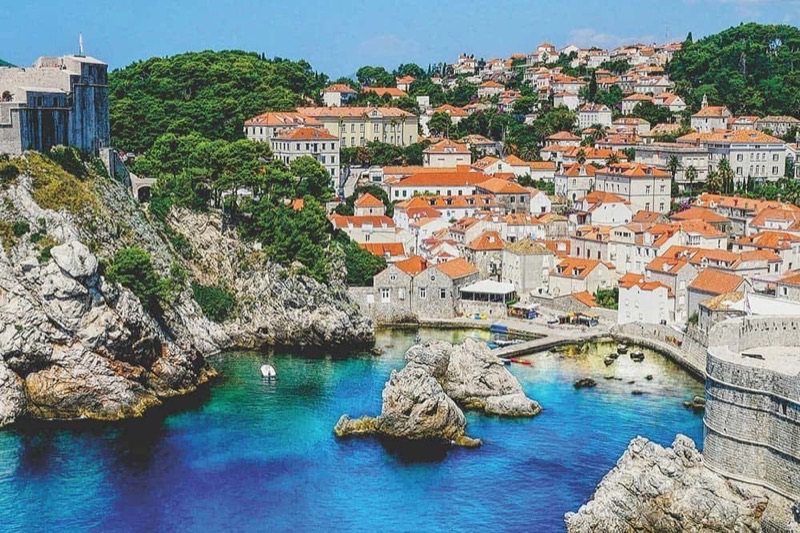
Croatia's costs vary significantly by region and season. Dubrovnik is consistently the most expensive, with a basic meal costing around 120 HRK ($17) and a local beer 40 HRK ($5.50). Split and Zagreb offer slightly better value; a decent dinner might be 90 HRK ($12.50) and a hostel bed 250 HRK ($35) in summer. Inter-island ferries and national park entries (like Plitvice Lakes National Park at 300 HRK / $42 in peak season) add up. If you avoid tourist traps and cook some meals, a daily budget of $70-150 is realistic for a comfortable trip.
The Czech Republic consistently offers better value. Outside of Prague's main tourist zones, you can find a hearty lunch for 180 CZK ($7.50) and a half-liter of local beer for 50 CZK ($2.10). Even in Prague, a tram ticket is 30 CZK ($1.30) and a main dish at a pub like Lokál Dlouhááá is around 250-350 CZK ($10-15). Hostel beds in Prague are typically 500-800 CZK ($21-34), and outside the capital, prices drop further. A daily budget of $50-100 allows for comfortable travel, including attractions and meals. For budget-conscious travelers, the Czech Republic provides more mileage for your money. tabiji verdict: The Czech Republic is the clear winner for travelers prioritizing a lower daily spend without sacrificing experience.
- Winner: Czech Republic
- Why: The Czech Republic offers significantly lower costs for accommodation, food, and activities, making it more accessible for budget travelers.
- Who this matters for: Budget travelers, long-term travelers, and anyone wanting to maximize their travel funds.
🏖️ Nature & Beaches
Croatia's primary draw is its coast. The Adriatic Sea is clean and clear, offering swimming, snorkeling, and sailing. Popular beaches include Zlatni Rat on Brač island and Stiniva…
Croatia
Czech Republic
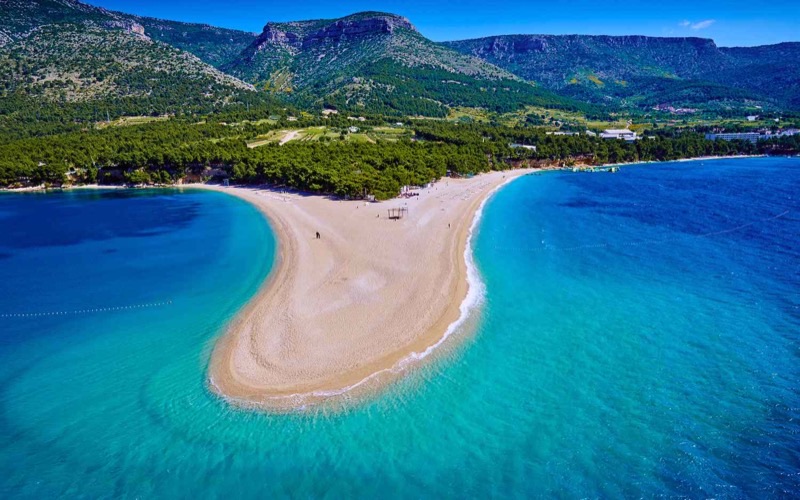
Croatia's primary draw is its coast. The Adriatic Sea is clean and clear, offering swimming, snorkeling, and sailing. Popular beaches include Zlatni Rat on Brač island and Stiniva Cove on Vis, though most are pebble rather than sand. Beyond the coast, Plitvice Lakes National Park and Krka National Park feature tiered waterfalls and distinct lake systems. The Kornati Islands offer a stark, rocky seascape. Hiking is available, but the focus is on aquatic environments and karst landscapes. Expect warm, dry summers conducive to beach activities, with water temperatures reaching 25°C (77°F).
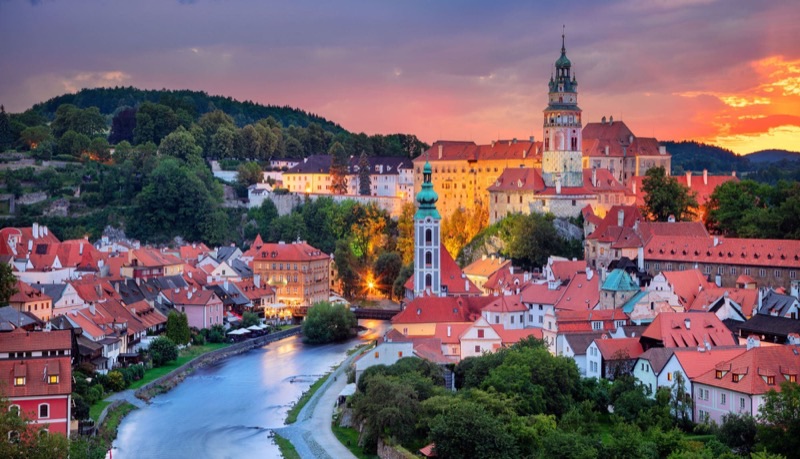
The Czech Republic's nature centers on forests, hills, and river valleys. Bohemian Switzerland National Park (České Švýcarsko) is known for its sandstone formations, rock cities, and the Pravčická brána arch. The Šumava National Park provides extensive hiking and biking through ancient forests. While there are lakes and rivers for swimming (e.g., Lipno Lake), they do not compare to the scale or type of coastal experience Croatia offers. The climate is continental, with distinct seasons; summers are warm but without the consistent heat and ocean breeze of Croatia. tabiji verdict: Croatia dominates for its accessible, diverse coastal and aquatic natural environments.
- Winner: Croatia
- Why: Croatia offers thousands of kilometers of coastline, clear Adriatic waters, and numerous islands, providing a premier beach and sea experience.
- Who this matters for: Beach lovers, swimmers, sailors, island hoppers, and those who prioritize warm weather and water activities.
🏛️ Culture & History
Croatia's history traces back to Roman times, with Diocletian's Palace in Split standing as a prominent example of a living Roman ruin. The arena in Pula is another major Roman…
Croatia
Czech Republic
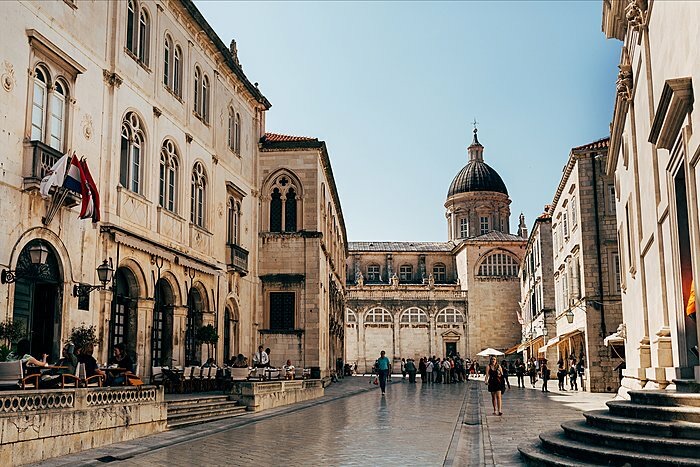
Croatia's history traces back to Roman times, with Diocletian's Palace in Split standing as a prominent example of a living Roman ruin. The arena in Pula is another major Roman site. Dubrovnik's Old Town showcases medieval city planning and fortifications, heavily influenced by its past as an independent maritime republic. Venetian architecture is visible along the Istrian coast in towns like Rovinj. The country also has a more recent history tied to Yugoslavia. While compelling, the historical narrative often feels fragmented, with distinct regional influences rather than a singular, cohesive national story throughout.
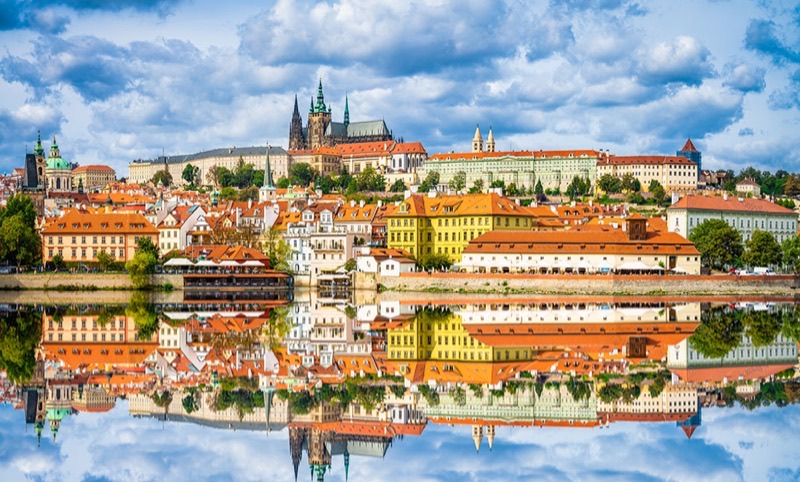
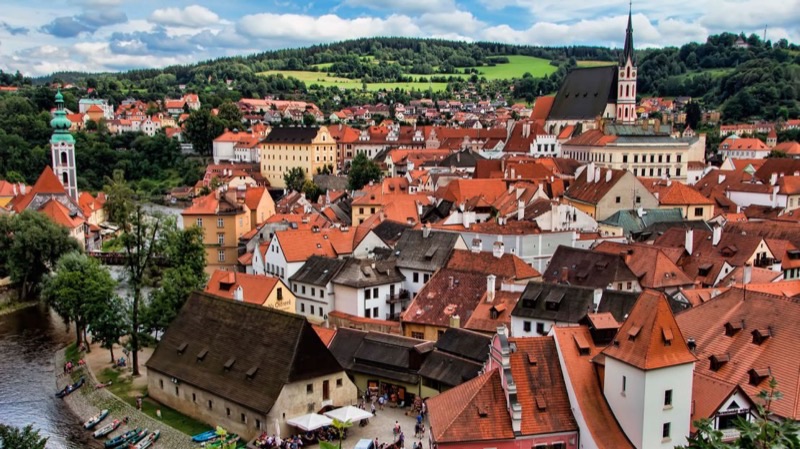
The Czech Republic presents a dense, continuous historical narrative, particularly centered on Prague. Prague Castle is a sprawling complex encompassing centuries of Bohemian kings and Holy Roman Emperors. Charles Bridge, Old Town Square, and the Jewish Quarter tell stories of medieval trade, religious conflict, and cultural growth. Beyond Prague, Kutná Hora features the Sedlec Ossuary and St. Barbara's Church, while Český Krumlov offers a preserved medieval town experience. The country's communist past is also tangible in museums and specific architectural styles. The brewing tradition is deeply integrated into the culture, dating back to the 10th century. tabiji verdict: For a concentrated and impactful historical experience across various periods, the Czech Republic offers more depth and accessibility.
- Winner: Czech Republic
- Why: The Czech Republic boasts an exceptional concentration of preserved historical sites, castles, and diverse architectural styles, particularly in Prague and its surrounds.
- Who this matters for: History buffs, architecture enthusiasts, museum-goers, and those interested in Central European heritage.
🍽️ Food & Drink
Croatian cuisine leans Mediterranean, especially on the coast. Expect fresh grilled fish (riba na žaru), octopus salad (salata od hobotnice), and 'peka' (meat and vegetables…
Croatia
Czech Republic
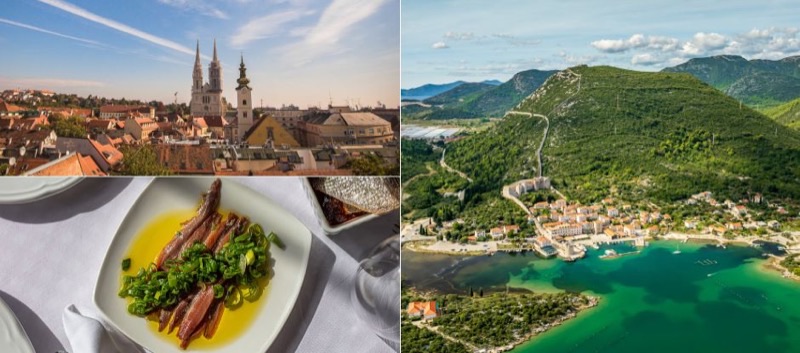
Croatian cuisine leans Mediterranean, especially on the coast. Expect fresh grilled fish (riba na žaru), octopus salad (salata od hobotnice), and 'peka' (meat and vegetables slow-cooked under a bell). Istria is known for truffles and olive oil. Local wines are gaining recognition, particularly from Pelješac peninsula. Rakija, a strong fruit brandy, is the local spirit. While the ingredients are often high-quality, culinary innovation isn't its strong suit, and finding diverse options outside of seafood can be challenging in smaller coastal towns. A seafood platter for two might cost 400 HRK ($55) in a mid-range restaurant.
Czech cuisine is hearty and comforting, designed for cooler climates. Staples include goulash (often with dumplings), svíčková (marinated sirloin with cream sauce), and roasted duck. Trdelník, a sweet pastry, is a common street food. The real standout is the beer. The Czech Republic has a long brewing history, with Pilsner Urquell originating here. Pubs (hospody) are central to social life, offering excellent, cheap beer (40-65 CZK / $1.70-2.80 for 0.5L) and solid, affordable meals. For example, a full meal at U Medvidku in Prague, including a beer, can be 350-500 CZK ($15-21). The consistent quality and affordability of the beer alone make it a winner. tabiji verdict: The Czech Republic wins for its accessible, delicious comfort food and unparalleled beer culture.
- Winner: Czech Republic
- Why: The Czech Republic offers a rich, affordable beer culture and satisfying, distinct Central European comfort food that is easily accessible.
- Who this matters for: Beer connoisseurs, comfort food enthusiasts, and travelers seeking a social pub experience.
🥂 Nightlife
Croatia's nightlife is primarily seasonal and coastal. Hvar island is famous for its open-air clubs like Carpe Diem and Pink Champagne, attracting a younger, party-focused crowd.…

Croatia
Czech Republic
Croatia's nightlife is primarily seasonal and coastal. Hvar island is famous for its open-air clubs like Carpe Diem and Pink Champagne, attracting a younger, party-focused crowd. Split has some beach clubs and bars along the Riva. Dubrovnik offers a few clubs, but its scene is more about sophisticated cocktail bars within the Old Town walls. Zagreb has a more consistent year-round bar scene, but it doesn't compare to major European capitals. Drinks can be pricey in prime locations; a cocktail in Hvar might be 100 HRK ($14).
Prague's nightlife is extensive and diverse, catering to a wide range of preferences. It boasts numerous pubs, innovative cocktail bars, and large multi-level clubs like Karlovy Lázně, one of Central Europe's biggest. Pub crawls are popular, offering an inexpensive way to experience local establishments. The affordability of beer (often cheaper than water in some places) fuels a lively social atmosphere. Beyond Prague, cities like Brno also offer active bar scenes. This means a good night out is consistently cheaper and more varied. tabiji verdict: The Czech Republic, specifically Prague, provides a more robust and consistently affordable nightlife experience year-round.
- Winner: Czech Republic
- Why: Prague offers a more diverse, accessible, and consistently affordable nightlife scene with excellent pubs and large clubs.
- Who this matters for: Party-goers, social travelers, budget-conscious drinkers, and those seeking varied evening entertainment.
✈️ Getting There & Around
Croatia has international airports in Zagreb, Split, Dubrovnik, and Pula. Direct flights from major European hubs like London (LHR) typically take around 2-2.5 hours. From New…
Croatia has international airports in Zagreb, Split, Dubrovnik, and Pula. Direct flights from major European hubs like London (LHR) typically take around 2-2.5 hours. From New York (JFK), direct flights are rare; expect 10-12 hours with a layover. Once in Croatia, the primary method of intercity transport is bus. Routes are comprehensive but can be slow, especially along the winding coastal roads. For example, Split to Dubrovnik takes 4-5 hours by bus, costing around 150-200 HRK ($21-28). Island hopping relies on a network of ferries (Jadrolinija being the main operator), which can be time-consuming and sometimes delayed. Renting a car offers flexibility but parking can be difficult and expensive in popular towns.
The Czech Republic's main international gateway is Václav Havel Airport Prague (PRG), with excellent direct connections across Europe (e.g., London to Prague is ~2 hours) and North America (e.g., New York to Prague can be 8-9 hours direct, or 10-12 with a layover). The country boasts an efficient and affordable public transport system, particularly its train network (České dráhy). A train from Prague to Brno costs around 150-250 CZK ($6.50-11) and takes about 2.5 hours. Buses (e.g., FlixBus, RegioJet) are also prevalent. Within cities, trams and metros are punctual and inexpensive. The compact nature of the country means travel between major destinations is quicker and less complicated. tabiji verdict: The Czech Republic offers a more straightforward and efficient travel experience both to and within the country.
- Winner: Czech Republic
- Why: The Czech Republic has superior domestic transportation infrastructure, making intercity travel more efficient and affordable via trains and buses.
- Who this matters for: Travelers prioritizing efficient logistics, those without a car, and anyone looking for easy intercity connections.
🏨 Accommodation
Croatia offers diverse accommodation options, from budget hostels (around 200-350 HRK / $28-50 for a dorm in Split) to guesthouses (sobe), apartments, and luxury hotels. In peak…
Croatia offers diverse accommodation options, from budget hostels (around 200-350 HRK / $28-50 for a dorm in Split) to guesthouses (sobe), apartments, and luxury hotels. In peak summer, prices, especially in Dubrovnik or Hvar, can become quite high, with mid-range hotels easily costing 1000-1500 HRK ($140-210) per night. Booking in advance is crucial for summer travel. Availability on popular islands can also be limited if not planned ahead. While quality is generally good, value for money decreases significantly in July and August.
The Czech Republic, particularly outside Prague, provides excellent value for accommodation. Hostels in Prague typically range from 400-800 CZK ($17-35) for a dorm, with private rooms in guesthouses around 1200-2000 CZK ($50-85). Mid-range hotels in Prague can be found for 1500-3000 CZK ($65-130) per night, offering amenities like breakfast. In smaller towns like Český Krumlov, charming guesthouses are even more affordable. The competition keeps prices reasonable, and quality remains high. Availability is also less of an issue, even during busier periods. tabiji verdict: The Czech Republic provides consistently better value and availability for all accommodation types.
- Winner: Czech Republic
- Why: The Czech Republic offers more affordable and consistently available accommodation options across all budget levels, especially outside peak season.
- Who this matters for: Budget-conscious travelers, those looking for good value, and travelers who prefer not to book far in advance.
🚌 Day Trips
Day trips from Croatian cities often involve ferries or longer bus rides. From Split, popular day trips include the islands of Brač or Hvar, requiring ferry schedules. Plitvice…
Day trips from Croatian cities often involve ferries or longer bus rides. From Split, popular day trips include the islands of Brač or Hvar, requiring ferry schedules. Plitvice Lakes National Park is a significant but long day trip from Split or Zagreb (2.5-3 hours each way). Krka National Park is closer to Split or Šibenik. Visiting Mostar in Bosnia and Herzegovina is a common cross-border option from Dubrovnik, but involves border crossings and specific tours. Planning is key, and some trips can consume a full day due to travel time. Cost for an organized tour to Plitvice can be 500-700 HRK ($70-100).
Day trips from Prague are numerous and easily accessible by public transport. Karlštejn Castle is a quick train ride (40 minutes, 100 CZK / $4.30 return). Kutná Hora, with its Bone Chapel and St. Barbara's Church, is an hour by train (200 CZK / $8.50 return). Český Krumlov, while further, is reachable by bus or train in under 3 hours. Bohemian Switzerland National Park is also a feasible day trip, offering hiking. The compactness of the country and the efficient train/bus network make spontaneous day trips simple and inexpensive. tabiji verdict: The Czech Republic offers a wider variety of easily accessible and diverse day trip options from its capital.
- Winner: Czech Republic
- Why: The Czech Republic provides more numerous and easily accessible day trip options from Prague, often via efficient public transport.
- Who this matters for: Travelers based in a single city, those without a car, and history/nature explorers seeking varied excursions.
☀️ Weather & Seasons
Croatia's coastal regions enjoy a Mediterranean climate, meaning hot, sunny, and dry summers (June to September) with average temperatures around 25-30°C (77-86°F). Water…
Croatia's coastal regions enjoy a Mediterranean climate, meaning hot, sunny, and dry summers (June to September) with average temperatures around 25-30°C (77-86°F). Water temperatures are ideal for swimming from June through September, peaking around 25°C (77°F) in August. Spring and autumn are mild and pleasant, suitable for hiking and sightseeing, with fewer crowds. Winters are mild but can be wet, especially on the coast, and many island businesses close. The best time for beach activities is clearly summer, but May, early June, or September offer good weather without extreme crowds. Inland regions around Zagreb have a more continental climate, with hotter summers and colder winters.
The Czech Republic experiences a continental climate. Summers (June to August) are warm, with average temperatures around 20-25°C (68-77°F), but can have significant rainfall. Winters (December to February) are cold, with average temperatures below freezing and frequent snow, especially in mountainous areas. Spring and autumn are cool and often cloudy, but offer good opportunities for city exploration without the summer heat or winter chill. If sunshine and guaranteed warmth for water activities are a priority, the Czech Republic cannot compete with Croatia's Mediterranean conditions. tabiji verdict: Croatia offers a more appealing climate for outdoor and water-based activities, especially during the summer months.
- Winner: Croatia
- Why: Croatia's Mediterranean climate provides reliably hot, dry summers ideal for beaches and water activities over a longer season.
- Who this matters for: Sun-seekers, swimmers, beach enthusiasts, and travelers who prefer reliably warm and dry weather.
👮 Safety
Croatia is a safe country for travelers. Violent crime against tourists is rare. The primary concern is petty theft, particularly pickpocketing in crowded tourist areas like…
Croatia is a safe country for travelers. Violent crime against tourists is rare. The primary concern is petty theft, particularly pickpocketing in crowded tourist areas like Dubrovnik's Old Town, Split's Riva, or on public transport during peak season. Exercise basic precautions like keeping valuables secure and being aware of your surroundings, especially at night. Female solo travelers generally report feeling secure. Scams are uncommon, but inflated prices at bars or taxis are possible if you don't confirm rates beforehand. Emergency services are reliable.
The Czech Republic also maintains a high level of safety for tourists. Like Croatia, the main issue is pickpocketing, primarily in Prague's busiest spots such as Charles Bridge, Old Town Square, and on crowded trams/metro lines. Violent crime is low. Female solo travelers also generally report positive experiences regarding safety. Taxi scams can occur if you hail one off the street without confirming the price, so using ride-sharing apps or reputable taxi companies is advisable. Overall, both countries are excellent choices for safety-conscious travelers. tabiji verdict: Both countries offer a similar, high level of safety for travelers, with similar minor precautions required.
- Winner: Tie
- Why: Both countries have very low crime rates and similar safety considerations, primarily petty theft in crowded tourist zones.
- Who this matters for: Solo travelers, families, and anyone prioritizing a secure and low-risk travel experience.
🎯 The Decision Framework
Choose Croatia If…
- You want clear, warm Adriatic Sea for swimming and snorkeling.
- You dream of island hopping and boat tours.
- You prefer fresh grilled seafood and Mediterranean flavors.
- You're okay with slightly higher costs for coastal experiences.
- You enjoy exploring ancient Roman ruins integrated into modern towns.
- You seek sunny, hot weather for most of your trip.
- You want a mix of lively party islands and relaxed coastal towns.
- You don't mind relying on buses and ferries for intercity travel.
Choose Czech Republic If…
- You prioritize a lower daily budget and overall travel costs.
- You are fascinated by Gothic architecture and grand castles.
- You want to experience a strong, affordable beer culture.
- You prefer hearty Central European dishes like goulash and dumplings.
- You need efficient and inexpensive public transport for day trips.
- You enjoy walking through historical city centers and old town squares.
- You're comfortable with cooler weather, especially outside summer.
- You seek a diverse and accessible nightlife scene in a capital city.
❓ Frequently Asked Questions
Which country is better for a week-long trip?
For a week, pick one country. If you seek beaches, sun, and island exploration, Croatia is better. You can focus on Split and its nearby islands or Dubrovnik and day trips. If you prefer historical cities, castles, and a more budget-friendly experience, the Czech Republic (focusing on Prague and a day trip to Kutná Hora or Český Krumlov) is ideal.
What's the best time of year to visit each country?
For Croatia, late May, June, or September offer the best balance of warm weather (20-28°C / 68-82°F), fewer crowds, and open businesses. For the Czech Republic, late April to early June or September to early October provides pleasant temperatures (15-22°C / 59-72°F) for sightseeing, avoiding peak summer heat and winter cold.
How do prices compare for common tourist items?
A local beer in Croatia might be 30-40 HRK ($4-5.50), while in the Czech Republic, it's 40-65 CZK ($1.70-2.80). A casual dinner in Croatia might be 90-150 HRK ($12-21), versus 180-300 CZK ($7.50-13) in the Czech Republic. Accommodation in Croatia averages 20-30% higher than similar options in the Czech Republic, especially in summer.
Which country is better for solo female travelers?
Both countries are very safe for solo female travelers. Standard precautions against pickpocketing in crowded areas apply to both. Public transport is reliable, and locals are generally helpful. You should feel secure exploring either destination on your own.
Are English speakers common in both countries?
In both Croatia and the Czech Republic, English is widely spoken in tourist areas, hotels, restaurants, and by younger generations. In more rural or less-visited towns, you might encounter fewer English speakers, but basic communication is usually manageable. Learning a few local phrases like 'hello' (dobar dan / dobrý den) and 'thank you' (hvala / děkuji) is appreciated.
Which country offers better outdoor activities beyond beaches?
Croatia offers significant hiking in national parks like Paklenica (coastal mountains) and excellent sea kayaking or rafting on rivers like the Cetina. The Czech Republic provides extensive hiking in Bohemian Switzerland with its unique rock formations, and cycling routes through forests and along rivers. Croatia edges out for water-based activities, while Czech Republic is strong for inland hiking and cycling.
What's the typical flight duration from major hubs?
From London, direct flights to either Zagreb (Croatia) or Prague (Czech Republic) typically take around 2 hours. From New York, direct flights to Prague can be 8-9 hours, while flights to Croatian cities usually involve a layover, making the total travel time 10-12 hours or more.
Which country has better public transport within cities?
The Czech Republic, particularly Prague, has an exceptionally well-developed, efficient, and affordable public transport system, including trams, metro, and buses. Croatia's cities have decent bus networks, but they are generally less extensive and integrated than Prague's system. For seamless urban navigation, the Czech Republic is superior.
Ready to plan your Central Europe trip?
Get a free custom itinerary for Croatia, Czech Republic, or both — built from real traveler insights.
🎟️ Book Tours & Experiences
Hand-picked tours and activities for both destinations — book with free cancellation
Experiences via Viator — free cancellation on most tours