How we built this comparison
This page combines traveler discussion patterns, published price ranges, flight schedules, and seasonal data to help you decide between Croatia and England.
- Reviewed 500+ Reddit threads from r/travel, r/solotravel, r/Croatia, r/UKTravel, r/London for real traveler experiences and advice.
- Verified costs and logistics against current booking platforms (e.g., Google Flights, Booking.com, Hostelworld, national rail sites).
- Cross-referenced seasonal patterns and weather data from meteorological sources to inform climate comparisons.
⚡ Quick Answers
⚡ The TL;DR Verdict
For most travelers seeking sun, clear waters, and better value, Croatia is the stronger pick, particularly during summer. If you prioritize deep historical sites, diverse city life, and easier transatlantic access, England provides that experience. A typical traveler on a moderate budget will find Croatia more accommodating at €80-120 ($85-130) per day, while England typically requires £100-200 ($125-250) daily.
- Choose Croatia: You want a summer holiday with guaranteed sun, island hopping, Roman ruins by the sea, and a more affordable daily spend. Perfect for beach lovers, sailing enthusiasts, and those wanting fresh seafood.
- Choose England: You prioritize historical sites, museums, theatre, varied cuisine in large cities, and comfortable public transport. Ideal for history buffs, city explorers, and those who do not mind temperate weather.
- Choose Both: Consider a longer European trip, perhaps 3-4 weeks, combining Croatia's coastal charm with England's cultural depth. Fly into London, explore, then take a budget flight to Split or Zagreb to continue your journey.
Choose Croatia
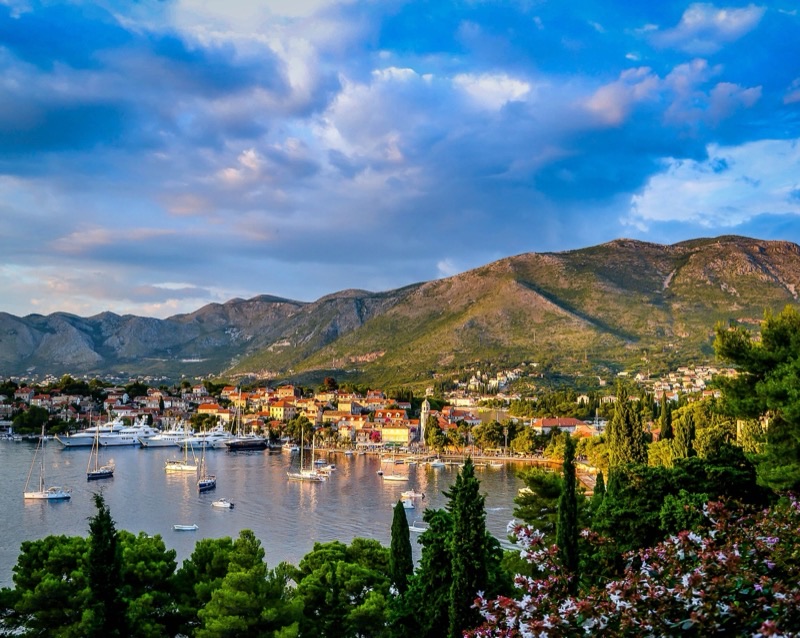
Choose Croatia for an unforgettable summer escape where guaranteed sunshine meets the crystal-clear Adriatic, perfect for budget-conscious beach lovers and island hoppers. Explore ancient Roman architecture in Split, swim in the azure waters off Hvar, and indulge in fresh seafood, all while enjoying a vibrant experience at a moderate daily cost of €80-120.
Choose England
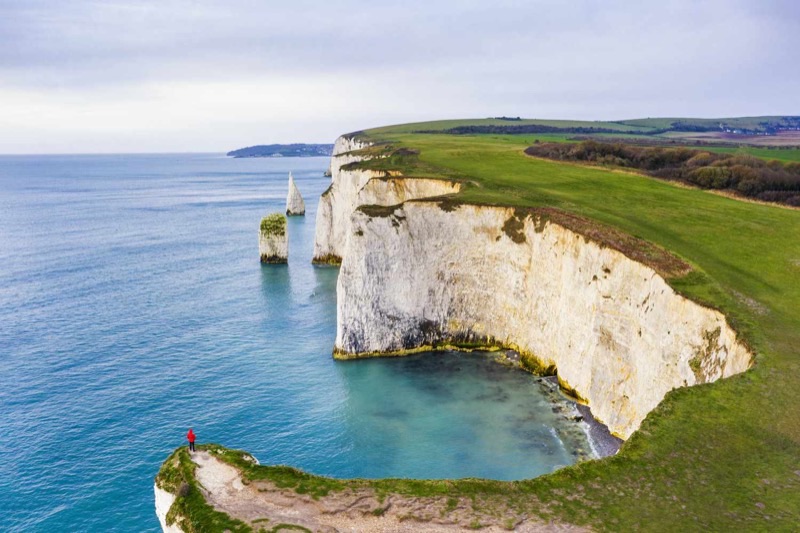
Choose England for a culturally rich journey through centuries of history, ideal for history buffs and city explorers who appreciate a temperate climate. Immerse yourself in world-class museums like the British Museum, catch a West End show in London, or visit historic castles like Warwick, savoring diverse global cuisines. Plan for a daily budget typically ranging from £100-200.
📊 Visual Scorecard
🌤 When to Visit
Average high temperatures (°C). Green = best months, orange = avoid.
Quick Comparison
| Category | Croatia | England | Winner |
|---|---|---|---|
| Costs & Value | Significantly more affordable for food, accommodation, and activities, especially outside peak season. Excellent value for coastal experiences. | Generally more expensive, particularly in London. Accommodation and dining can consume budgets quickly. Value is found in free museums and public parks. | Croatia |
| Beaches & Outdoors | Thousands of kilometers of clear Adriatic coastline, numerous islands, and national parks with waterfalls and lakes. Ideal for swimming, sailing, and hiking. | Diverse landscapes from rolling hills to rugged coastlines. Opportunities for hiking in national parks like the Lake District or Peak District, but coastal swimming is less common and colder. | Croatia |
| Food & Drink | Fresh seafood, grilled meats, Mediterranean influences. Istria is known for truffles and olive oil. Local wines and rakija are common. | An extensive and diverse culinary landscape, from traditional pub fare to world cuisines. London has Michelin-starred restaurants, gastropubs, and international markets. Craft beer and gin scenes are strong. | England |
| Culture & History | Roman ruins, medieval towns, Venetian influence along the coast, Hapsburg heritage inland. Unique blend of Mediterranean and Central European histories. | Thousands of years of documented history, from Roman occupation to the British Empire. Iconic castles, cathedrals, museums, and literary sites. World-renowned art and theatre. | England |
| Nightlife & Entertainment | Known for summer island parties in Hvar and Pag (Zrce Beach). Coastal cities like Split and Dubrovnik have active bar scenes. Zagreb offers clubs and pubs. | London is a global center for theatre, live music, and diverse club scenes. Manchester and Liverpool have legendary music histories and vibrant nightlife. Pub culture is central to social life. | England |
| Getting There | Requires a flight, often with one layover, from North America. Major airports are Zagreb, Split, and Dubrovnik. Direct flights are less common. | Excellent global air connectivity, with numerous direct flights from North America to London Heathrow (LHR) and Gatwick (LGW). Regional airports also serve Europe. | England |
| Getting Around | Buses are common between cities. Ferries connect islands. Car rental provides flexibility for coastal and inland exploration. Limited rail network. | Extensive public transport network including trains, buses, and the London Underground. Driving is an option but can be slow and expensive. Walking is common in cities. | England |
| Accommodation | Range from budget hostels to boutique hotels, private apartments (sobe), and charming guesthouses. Good value, especially for apartments and hostels. | Wide array of options from hostels and budget hotels to luxury establishments. Prices can be very high, particularly in London and popular tourist towns. | Croatia |
| Safety & Local Experience | Generally very safe, with low crime rates. Locals are welcoming. English is widely spoken in tourist areas. Cash is still important in some places. | Very safe, especially outside of major city centers. London has typical big-city concerns. English is the native language. Politeness and queuing are cultural norms. | Tie |
| Weather & Seasons | Mediterranean climate along the coast with hot, dry summers and mild, wet winters. Inland areas have more continental weather. Ideal for summer sun. | Temperate maritime climate, characterized by mild temperatures, frequent rainfall, and variable conditions. Summers are generally warm but not hot; winters are cool and damp. | Croatia |
💰 Costs & Value
Croatia provides substantial value. A standard meal in a restaurant outside Dubrovnik or Hvar is €15-25 ($16-27). A domestic beer costs €3-5 ($3.25-5.50). Hostel beds are €25-40…
Croatia
England
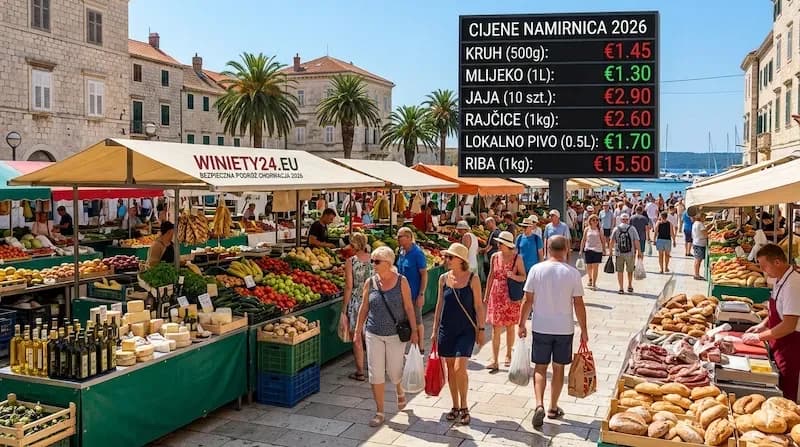
Croatia provides substantial value. A standard meal in a restaurant outside Dubrovnik or Hvar is €15-25 ($16-27). A domestic beer costs €3-5 ($3.25-5.50). Hostel beds are €25-40 ($27-43) in Split, and private rooms start around €60-90 ($65-97) per night. Activities like Plitvice Lakes National Park entry are €15-40 ($16-43) depending on season. Daily budgets for a comfortable trip are €60-120 ($65-130) per person.
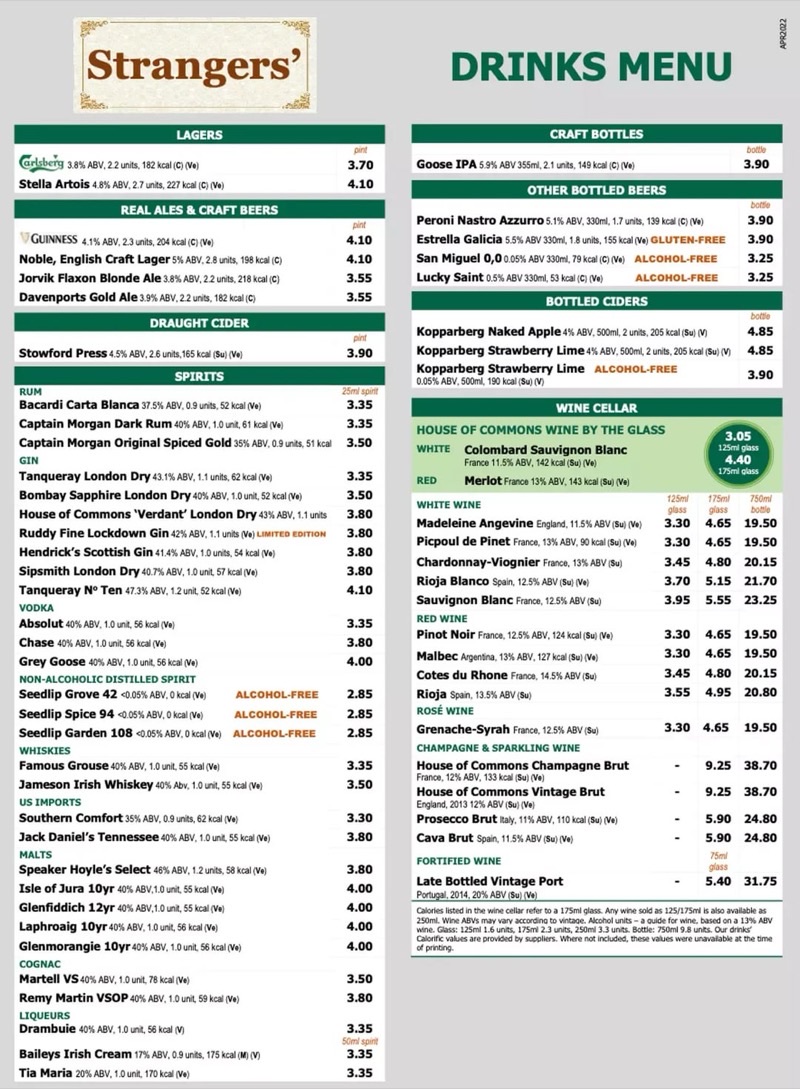
England presents a higher price point. A pub meal in London costs £15-25 ($19-32), and a pint of beer is £5-7 ($6.30-8.90). Hostel beds are £30-60 ($38-76), and a mid-range hotel room often starts at £100-180 ($125-225). Entry to historical sites like the Tower of London is £30-35 ($38-44). While many London museums are free, a daily budget for moderate travel is £100-200 ($125-250) per person. For overall spending, Croatia is the clear choice for budget-conscious travelers.
- Winner: Croatia
- Why: Croatia consistently offers lower prices for accommodation, food, and activities, providing a more accessible travel experience.
- Who this matters for: Budget travelers, families, and anyone seeking to extend their trip without overspending.
🏖️ Beaches & Outdoors
Croatia is defined by its Adriatic Sea access. The Dalmatian Coast offers pebble beaches with calm, warm, turquoise water. Places like Zlatni Rat beach on Brac island, or the…
Croatia
England
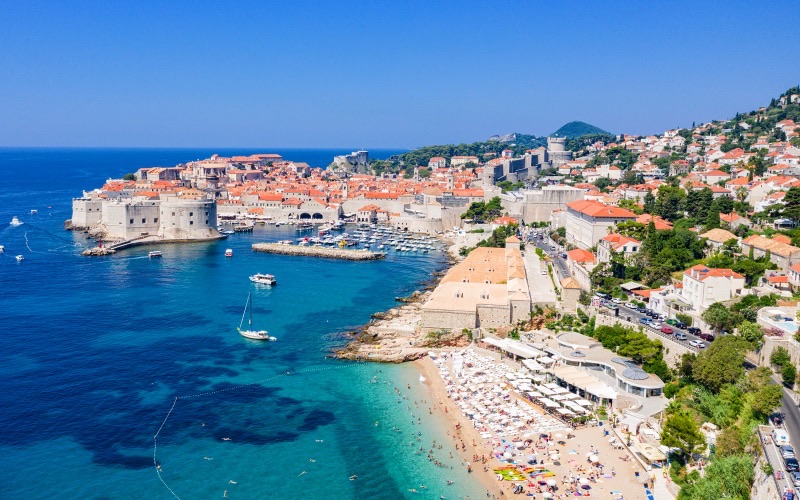
Croatia is defined by its Adriatic Sea access. The Dalmatian Coast offers pebble beaches with calm, warm, turquoise water. Places like Zlatni Rat beach on Brac island, or the beaches around Hvar and Korcula, are prime for swimming and sunbathing. Krka National Park features waterfalls and swimming areas, while Plitvice Lakes National Park has tiered lakes and cascades. Sailing, kayaking, and snorkeling are popular activities throughout the coast. The Dinara mountains provide hiking for those seeking elevation.
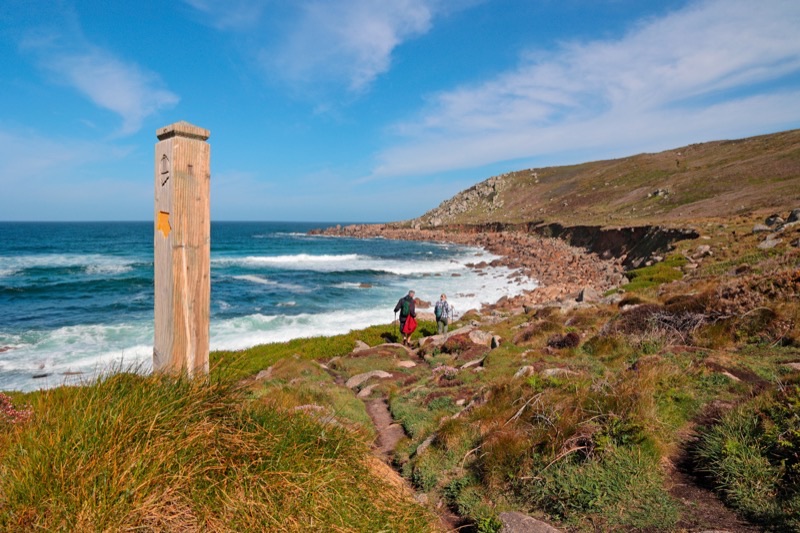
England has varied outdoor options, but its beaches are typically cooler and less suited for extended swimming holidays. Cornwall and Devon have scenic coastlines for surfing and walks, but the water temperatures are often chilly. The Lake District offers extensive hiking trails and boat trips on lakes, while the Peak District is popular for climbing and rambling. The Cotswolds provide gentle hills and charming villages for walks. While England has beautiful landscapes, it does not compare to Croatia for a warm water, beach-focused holiday. Croatia is the undisputed leader for a classic summer beach and water activity trip.
- Winner: Croatia
- Why: Croatia provides warmer seas, clearer waters, more abundant beach access, and ideal conditions for water activities.
- Who this matters for: Beachgoers, sun worshippers, water sports enthusiasts, and those seeking island adventures.
🍽️ Food & Drink
Croatia's food scene relies heavily on fresh, regional ingredients. Along the coast, expect grilled fish, octopus salad, black risotto, and pasticada (braised beef). In Istria,…
Croatia

England
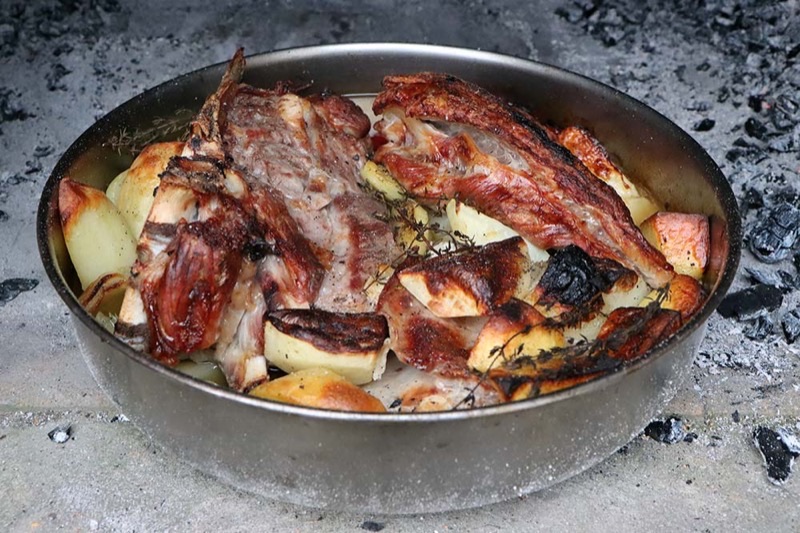
Croatia's food scene relies heavily on fresh, regional ingredients. Along the coast, expect grilled fish, octopus salad, black risotto, and pasticada (braised beef). In Istria, truffle pasta and prosciutto are specialties. Zagreb offers continental dishes like štrukli (cheese pastry). Restaurants like Konoba Varos in Split serve traditional Dalmatian dishes. Local wines are good, and rakija (fruit brandy) is a common digestif. The food is generally simple, hearty, and focused on quality ingredients, often at a good price point compared to Western Europe.
England, particularly London, has a global culinary reputation. You can find authentic Indian curries, various Asian cuisines, modern European dining, and traditional British fare like fish and chips, Sunday roasts, and pies. Borough Market in London offers diverse street food. Pubs serve craft beers and often gastropub quality food. Cities like Manchester and Liverpool also boast impressive food scenes with new restaurants opening regularly. While traditional English food might not appeal to everyone, the sheer variety and quality of international cuisine, plus a thriving pub culture, give England an edge. England takes this category for its expansive culinary range and depth.
- Winner: England
- Why: England offers a far broader and more diverse range of international cuisines, alongside evolving traditional fare and strong pub culture.
- Who this matters for: Foodies, those seeking culinary variety, and travelers who appreciate a vibrant international dining scene.
🏛️ Culture & History
Croatia offers significant historical depth, particularly Roman and medieval. Diocletian's Palace in Split is a living Roman ruin, while Pula has a well-preserved Roman…
Croatia

England
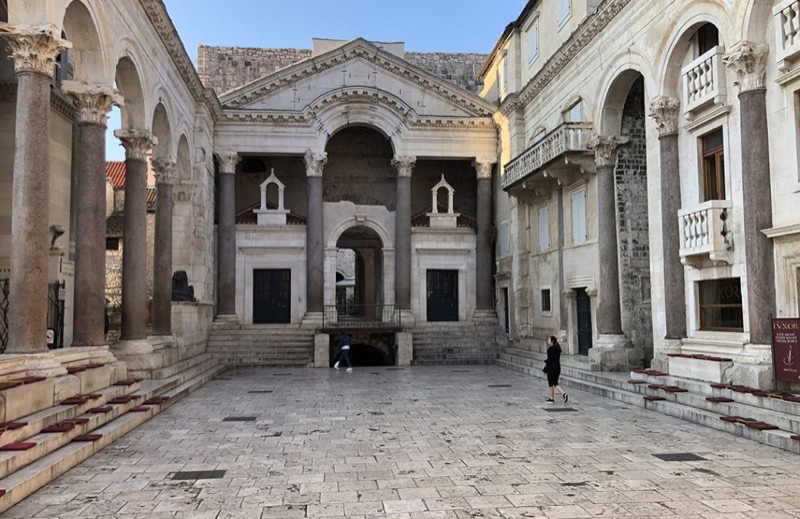
Croatia offers significant historical depth, particularly Roman and medieval. Diocletian's Palace in Split is a living Roman ruin, while Pula has a well-preserved Roman amphitheater. Dubrovnik's Old Town walls tell tales of its mercantile republic past. The Venetian influence is evident in coastal towns like Rovinj and Zadar. Zagreb has Austro-Hungarian architecture. Croatian culture includes traditional klapa singing and a strong coffee culture. The history is compelling, but often localized to specific periods and regions.
England's historical footprint is expansive. From Stonehenge, Roman baths in Bath, Norman castles like Warwick Castle, to medieval cathedrals like Canterbury. London alone hosts the British Museum, Tower of London, Westminster Abbey, and countless galleries like the National Gallery. Literary connections are abundant, from Shakespeare's Stratford-upon-Avon to Jane Austen's Bath. The tradition of theatre in the West End is a cultural highlight. The sheer volume and diversity of historical sites, coupled with a deep engagement with arts and literature, make England a powerhouse for history and culture. England is the superior choice for a comprehensive historical and cultural journey.
- Winner: England
- Why: England has a vastly greater number of historically significant sites, world-leading museums, and a deeply ingrained cultural heritage.
- Who this matters for: History enthusiasts, museum lovers, theatregoers, and those interested in Western civilization's developments.
🥳 Nightlife & Entertainment
Croatia's nightlife shines during the summer months, especially on its islands. Hvar is known for its beach clubs like Carpe Diem and cocktail bars, attracting a lively crowd. Pag…
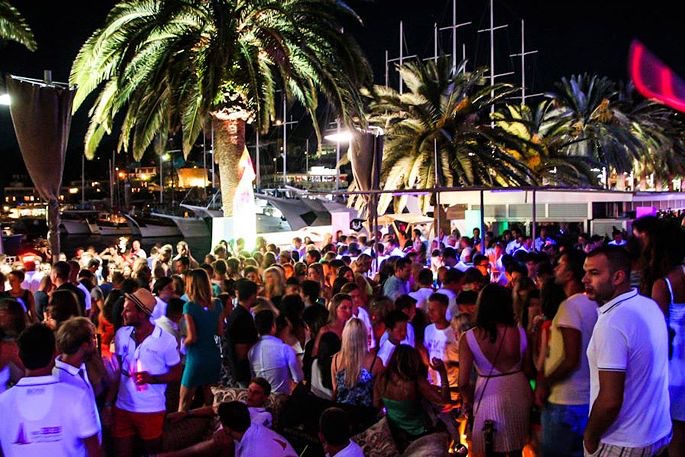
Croatia
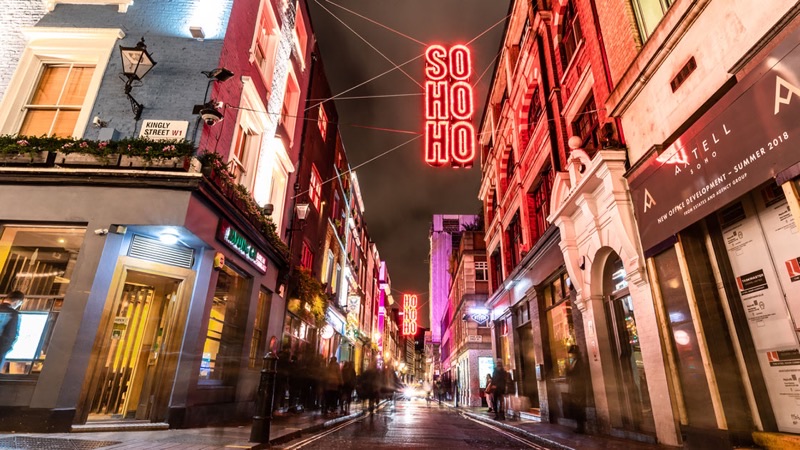
England
Croatia's nightlife shines during the summer months, especially on its islands. Hvar is known for its beach clubs like Carpe Diem and cocktail bars, attracting a lively crowd. Pag island's Zrce Beach is a major electronic music festival destination. Split has a growing bar scene in and around Diocletian's Palace, with places like Fabrique Pub. Zagreb provides a more year-round city nightlife experience, with various bars and clubs in the Tkalciceva street area. The focus is often on outdoor, warm-weather partying.
England offers a broader, year-round spectrum of entertainment. London's West End is synonymous with theatre, from musicals to plays. The city has countless live music venues, from small independent spots to arenas. Its club scene caters to every genre, from superclubs like Fabric to smaller, niche venues. Manchester and Liverpool have legendary music scenes, with numerous pubs, bars, and clubs. The traditional English pub is a social institution, offering a relaxed evening or a lively start to a night out across the country. While Croatia has strong seasonal party spots, England delivers more consistent and diverse entertainment options. England provides a more comprehensive and varied nightlife and entertainment landscape.
- Winner: England
- Why: England has a wider array of entertainment options, including world-renowned theatre, diverse music scenes, and extensive clubbing beyond seasonal coastal parties.
- Who this matters for: Theatre lovers, live music fans, clubbers seeking variety, and those who appreciate a strong pub culture.
✈️ Getting There
Traveling to Croatia from North America typically involves a flight with at least one layover, often in a major European hub like Frankfurt, Amsterdam, or Istanbul. Total flight…
Traveling to Croatia from North America typically involves a flight with at least one layover, often in a major European hub like Frankfurt, Amsterdam, or Istanbul. Total flight time can range from 9 to 12 hours or more, depending on the layover. Major international airports are Zagreb (ZAG), Split (SPU), and Dubrovnik (DBV). Prices vary by season, but expect round-trip flights from the US East Coast to be roughly $700-1200 in shoulder season and $1000-1800+ in peak summer. Connections within Europe are plentiful via low-cost carriers.
England boasts superior direct flight connectivity. London Heathrow (LHR) is one of the busiest airports globally, with numerous direct flights from major US and Canadian cities. A direct flight from New York to London typically takes 6-7 hours. Prices for round-trip flights from the US East Coast generally range from $500-1000 in shoulder season and $800-1500+ in peak summer. Other major airports like Manchester (MAN) also have good international links, though fewer direct North American options. For ease of access and direct routes, England is clearly the winner. England is simpler and quicker to reach for most international travelers.
- Winner: England
- Why: England offers significantly more direct flights from major international hubs, resulting in shorter and more convenient travel times.
- Who this matters for: Travelers prioritizing speed, direct routes, and minimal layovers, especially from North America.
🚗 Getting Around
In Croatia, intercity buses are the primary mode of public transport, connecting most towns and cities efficiently. For island hopping, ferries are essential, with companies like…
In Croatia, intercity buses are the primary mode of public transport, connecting most towns and cities efficiently. For island hopping, ferries are essential, with companies like Jadrolinija operating frequent routes. Renting a car provides the most freedom, especially for exploring national parks or the Istrian peninsula, with daily rentals around €30-60 ($32-65). The rail network is limited, mainly connecting Zagreb to a few other cities. Taxis and ride-sharing apps are available in major urban areas. Navigation can be challenging on smaller island roads, and parking can be scarce in old towns.
England has an extensive and generally reliable public transport system. The national rail network connects major cities and towns, though tickets can be expensive if not booked in advance. London's Underground (the Tube) is efficient for city travel, and buses cover every corner. Regional bus networks are good but can be slower. Driving requires navigating on the left side of the road, and city driving can be congested and costly with congestion charges and parking fees. For instance, a London Tube journey can cost £2.80-6.70 ($3.50-8.50) depending on zones. The sheer coverage and ease of public transit make getting around England without a car very feasible. England offers a superior and more integrated public transport system.
- Winner: England
- Why: England possesses a comprehensive and efficient public transport system, including extensive rail and urban networks, making car-free travel easier.
- Who this matters for: Travelers who prefer not to drive, those on a budget (with advance train bookings), and city explorers.
🏨 Accommodation
Croatia provides good value accommodation. Hostels in Split or Zadar are typically €25-40 ($27-43) per night for a dorm bed. Private rooms in guesthouses (sobe) or apartments,…
Croatia provides good value accommodation. Hostels in Split or Zadar are typically €25-40 ($27-43) per night for a dorm bed. Private rooms in guesthouses (sobe) or apartments, which are very common, start around €60-90 ($65-97) outside of peak season, rising to €100-150 ($108-162) in summer in popular spots like Dubrovnik or Hvar. Mid-range hotels are often €120-200 ($130-215). Staying in private apartments often includes kitchen facilities, which helps reduce food costs. Booking in advance for summer is crucial, especially on the islands.
England's accommodation landscape is varied but generally expensive. Hostel dorms in London can be £30-60 ($38-76), and a budget hotel room often starts around £80-120 ($100-150). Mid-range hotels are £150-250 ($190-315) or more, especially in central London or tourist hotspots like Bath. Outside of London, prices can be more reasonable but still higher than Croatia. Options include B&Bs, boutique hotels, and chains. Finding good value requires careful planning and booking well in advance, or opting for areas slightly outside city centers. For sheer price point and quality for cost, Croatia is more forgiving. Croatia offers better value and more accessible price points for accommodation.
- Winner: Croatia
- Why: Croatia consistently offers more affordable and higher-value accommodation options, especially in apartments and guesthouses.
- Who this matters for: Budget-conscious travelers, families, and those seeking good quality private accommodation without excessive cost.
🛡️ Safety & Local Experience
Croatia is considered a very safe country for travelers. Petty crime, like pickpocketing, can occur in crowded tourist areas like Dubrovnik Old Town or Split promenade, but…
Croatia is considered a very safe country for travelers. Petty crime, like pickpocketing, can occur in crowded tourist areas like Dubrovnik Old Town or Split promenade, but serious crime is rare. Locals are generally friendly and helpful, especially in smaller towns. English is widely understood in tourist-heavy regions. Understanding some basic Croatian phrases is appreciated. The local experience involves a relaxed pace, strong coffee culture, and enjoying outdoor spaces. Always keep an eye on belongings, but overall, there are few significant safety concerns for visitors.
England also ranks high on safety. Major cities like London have low levels of violent crime against tourists, though pickpocketing and minor scams can happen in crowded spots (e.g., Oxford Street, Tube stations). Outside of large cities, rural areas are exceptionally safe. English is the national language, making communication easy. Cultural norms include queuing patiently, apologizing frequently, and a reserved but polite demeanor. Pub culture is central to social life. Both countries offer safe environments for travelers. Both destinations provide a safe and generally welcoming experience.
- Winner: Tie
- Why: Both Croatia and England are very safe destinations for travelers, with similar levels of minor urban crime and welcoming locals.
- Who this matters for: All travelers who prioritize personal safety and easy communication with locals.
☀️ Weather & Seasons
Croatia's coastal regions enjoy a Mediterranean climate, meaning hot, dry, and sunny summers, with average temperatures in July and August often hitting 28-32°C (82-90°F). Spring…
Croatia's coastal regions enjoy a Mediterranean climate, meaning hot, dry, and sunny summers, with average temperatures in July and August often hitting 28-32°C (82-90°F). Spring and autumn are warm and pleasant, ideal for sightseeing with fewer crowds. Winters are mild and wetter on the coast. Inland, around Zagreb, the climate is more continental with colder winters and hotter summers. The guarantee of summer sun and warm swimming conditions is a major draw. For example, Dubrovnik can expect 10-12 hours of sunshine daily in July.
England's weather is famously unpredictable. Summers (June-August) are generally warm, with average temperatures around 18-22°C (64-72°F), but rain can occur any day. Winters are cool and damp, with temperatures around 2-8°C (36-46°F), and occasional snow. Spring and autumn are mild but often wet. Expect to pack layers and a waterproof jacket regardless of the season. While England has its fair share of sunny days, it rarely offers the consistent warmth and blue skies of the Mediterranean. For reliable warm weather and sunshine, Croatia is the unequivocal winner. Croatia's climate is superior for a sun-focused holiday.
- Winner: Croatia
- Why: Croatia offers reliably hot, sunny summers and warm seas, making it ideal for a beach-oriented or outdoor summer vacation.
- Who this matters for: Sun-seekers, beach lovers, and travelers who prefer predictable warm weather for their holiday.
🎯 The Decision Framework
Choose Croatia If…
- You crave clear, warm Adriatic waters for swimming and sailing.
- You want to explore Roman ruins and medieval towns by the sea.
- Your budget is moderate, aiming for €60-120 ($65-130) per day.
- You desire reliable summer sunshine and outdoor activities.
- Island hopping and ferry journeys appeal to your sense of adventure.
- You enjoy fresh seafood and Mediterranean-inspired cuisine.
- You are comfortable renting a car for flexibility in exploration.
- You seek a relaxed pace with strong coffee culture.
Choose England If…
- You prioritize visiting iconic historical sites like the Tower of London.
- You want to experience world-class museums and theatre in London.
- Your budget allows for £100-200 ($125-250) per day, or more.
- You enjoy diverse international cuisine and a robust pub scene.
- You prefer traveling easily via extensive public transport, especially trains.
- You are comfortable with temperate, often rainy, and variable weather.
- You want to explore different cityscapes and countryside like the Cotswolds.
- You appreciate a wide array of live music and entertainment options.
📅 Sample Itineraries
Weekend in Croatia (3 Days)
💡 Purchase a Dubrovnik Pass for $30-45 to save on city wall access and several attractions, especially if you plan to visit multiple museums.
Weekend in England (3 Days)
💡 Use an Oyster card or contactless payment for London's public transport; a daily cap is around $10-15, saving money compared to single paper tickets.
One Week in Croatia (7 Days)
💡 Book inter-city bus and ferry tickets a few days in advance, especially during peak season, to secure your preferred travel times and save time at the station.
One Week in England (7 Days)
💡 Consider purchasing a BritRail Pass if you plan extensive train travel outside London, as it can offer better value than individual tickets for multiple journeys, potentially saving 15-20%.
❓ Frequently Asked Questions
What is the average flight time from the US to Croatia versus England?
A direct flight from the US East Coast to London typically takes 6-7 hours. To Croatia, flights usually involve one layover in a European hub, totaling 9-12 hours to Zagreb or Split. England offers faster access.
Which country is more expensive for a week-long trip?
England is generally more expensive. A week in Croatia might cost €700-1200 ($750-1300) per person, excluding flights, for a moderate trip. In England, expect to spend £1000-2000 ($1250-2500) per person for similar comfort levels, especially if including London.
Is it easy to get around Croatia without a car?
Yes, it is feasible, especially along the coast. Buses connect major cities and towns, and ferries are vital for island hopping. However, a car offers more flexibility for exploring national parks or smaller, less accessible areas.
What kind of weather should I expect in summer in each country?
Croatia's coast offers hot, dry, and sunny summers, with temperatures often above 28°C (82°F) in July and August. England's summers are milder, typically 18-22°C (64-72°F), with more frequent rain and variable conditions.
Which destination is better for history buffs?
England offers a more extensive and diverse historical experience, with thousands of years of documented history across castles, cathedrals, and world-class museums like the British Museum. Croatia has significant Roman and medieval sites, but England's depth is greater.
Are there good options for solo travelers in both countries?
Both countries are safe and welcoming for solo travelers. Croatia is great for meeting others on island tours or at hostels. England, particularly London, has a strong hostel scene and endless activities to do independently, with easy public transport.
How do food prices compare for a casual meal?
A casual meal in Croatia, such as at a konoba in Split, might cost €15-25 ($16-27). In England, a similar pub meal in a city could be £15-25 ($19-32). Drinks like a pint of beer are also cheaper in Croatia, around €3-5 ($3.25-5.50) versus £5-7 ($6.30-8.90) in England.
Can I use Euros in both Croatia and England?
Croatia uses the Euro (EUR) as its official currency. England uses the British Pound (GBP). While some places in England might accept Euros, it is uncommon and usually at a poor exchange rate. Always use the local currency.
Ready to plan your European adventure?
Get a free custom itinerary for Croatia, England, or both — built from real traveler insights.
👥 Travelers Also Compared
🎟️ Book Tours & Experiences
Hand-picked tours and activities for both destinations — book with free cancellation
Experiences via Viator — free cancellation on most tours