How we built this comparison
This page combines traveler discussion patterns, published price ranges, flight schedules, and seasonal data to help you decide between Croatia and France.
- Reviewed 50+ Reddit threads from r/travel, r/solotravel, r/Croatia, r/France, r/europetravel.
- Verified costs and logistics against current booking platforms (e.g., Skyscanner, Booking.com, SNCF, Jadrolinija).
- Cross-referenced seasonal patterns and weather data from meteorological sources.
⚡ Quick Answers
⚡ The TL;DR Verdict
For most travelers seeking a balance of history, relaxation, and reasonable costs, Croatia is the winner. It offers clear waters, Roman ruins, and a more relaxed pace without breaking the bank, typically costing $60-120 USD per day. France, while offering unparalleled cultural depth and culinary excellence, demands a higher budget, often $100-250 USD per day, and can feel more rushed, especially in major cities.
- Choose Croatia: You prioritize coastal scenery, ancient history without crowds, delicious seafood, and a more budget-friendly European experience, especially appealing to beach lovers and history enthusiasts on a mid-range budget.
- Choose France: You seek iconic art, haute cuisine, diverse landscapes from Alps to vineyards, and are prepared for a higher travel budget to immerse yourself in celebrated culture and sophisticated city life.
- Choose Both: If you have at least 3 weeks and a flexible budget, combine a week of French culture in Paris or Lyon with 10 days exploring Croatia s coast and islands for a truly comprehensive European trip.
📊 Visual Scorecard
🌤 When to Visit
Average high temperatures (°C). Green = best months, orange = avoid.
Quick Comparison
| Category | Croatia | France | Winner |
|---|---|---|---|
| Costs & Budget | Significantly more affordable; daily budget around $60-120 USD for a comfortable trip. | Higher costs across the board; daily budget often $100-250 USD, more in Paris. | Croatia |
| Beaches & Coastline | Clear Adriatic waters, pebble beaches, many islands, and coves perfect for swimming. | Mediterranean beaches along the Cote d Azur, Atlantic coast surfing, some sandy options. | Croatia |
| Food & Drink | Fresh seafood, simple grilled meats, olive oil, local wines, and Mediterranean flavors. | Michelin-starred dining, diverse regional cuisines, pastries, cheeses, and world-class wines. | France |
| Culture & History | Ancient Roman ruins, medieval towns, Venetian influence, and a mix of Slavic and Mediterranean traditions. | Iconic art, grand palaces, diverse regional traditions, revolutions, and literary heritage. | France |
| Getting There & Flights | Fewer direct international flights; often requires connections, especially from North America. | Excellent global connectivity with major hubs like Paris CDG and Orly. | France |
| Getting Around | Buses for mainland, ferries for islands, car rentals for flexibility. Roads are generally good. | Extensive high-speed train network, regional buses, city metros, and car rentals for rural areas. | France |
| Accommodation | Guesthouses, apartments, family-run hotels, and a growing number of boutique options. | Wide range from hostels to luxury hotels, charming B&Bs, and gites in rural areas. | Tie |
| Nightlife | Lively summer island parties, open-air clubs, and relaxed waterfront bars. | Sophisticated city bars, world-famous clubs, cabaret, and live music venues. | France |
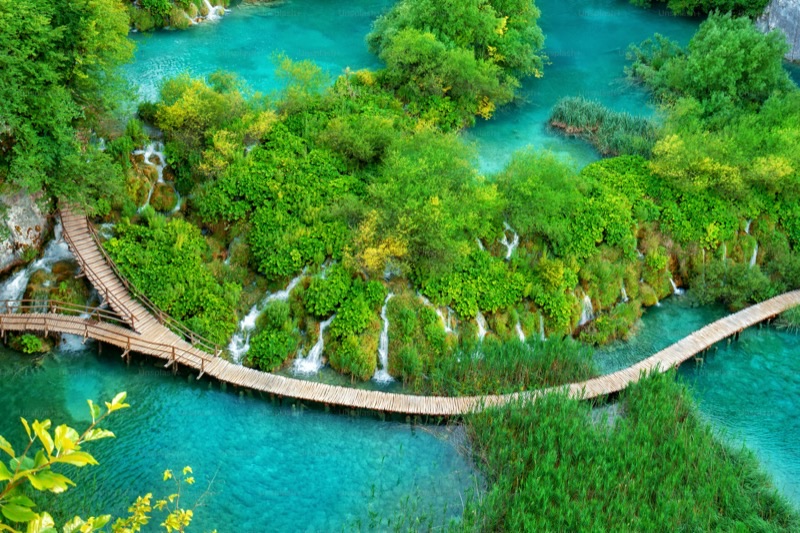
| Nature & Outdoors | Plitvice Lakes waterfalls, Krka National Park, Adriatic Sea activities, and mountainous hiking. | French Alps, Pyrenees, extensive national parks, Mediterranean coast, and diverse landscapes. | France |
| Solo Travel & Safety | Very safe, friendly locals, easy to navigate, growing hostel scene and group activities. | Generally safe in most areas, but major cities require more vigilance against petty crime. | Croatia |
💰 Costs & Budget
Croatia provides a more budget-conscious travel experience. A meal at a casual konoba (tavern) in Split might cost 12-18 EUR ($13-20 USD), while a local beer is around 3-4 EUR…
Croatia

France
Croatia provides a more budget-conscious travel experience. A meal at a casual konoba (tavern) in Split might cost 12-18 EUR ($13-20 USD), while a local beer is around 3-4 EUR ($3.30-4.40 USD). A decent private room in a guesthouse in Dubrovnik can be found for 50-80 EUR ($55-88 USD) outside peak season, or a hostel bed for 20-30 EUR ($22-33 USD). Transportation via local buses or ferries is also reasonably priced; a ferry from Split to Hvar is about 6-8 EUR ($6.60-8.80 USD). Activities like national park entry fees are typically 10-25 EUR ($11-28 USD). Overall, a comfortable mid-range daily budget is around 60-120 USD.
France demands a higher financial commitment. A basic bistro meal in Paris might start at 20-30 EUR ($22-33 USD), and a glass of wine 5-8 EUR ($5.50-8.80 USD). Accommodation in major cities like Paris or Nice often runs 80-150 EUR ($88-165 USD) for a modest hotel room, and hostel beds are 30-50 EUR ($33-55 USD). Train travel, while efficient, can be costly, with a TGV ticket from Paris to Lyon easily 40-70 EUR ($44-77 USD) when booked in advance. Museum entries like the Louvre are 17-22 EUR ($19-24 USD). A realistic daily budget for a good experience is 100-250 USD, or more if dining at finer establishments. Croatia wins this category without question, offering better value for money.
- Winner: Croatia
- Why: Croatia generally offers better value for accommodation, food, and activities, allowing travelers to stretch their budget further.
- Who this matters for: Budget-conscious travelers, backpackers, and those preferring longer trips for the same cost.
🏖️ Beaches & Coastline
Croatia is known for its exceptionally clear Adriatic Sea, making it a premier destination for swimming, snorkeling, and sailing. The coastline is dotted with thousands of islands…
Croatia
France
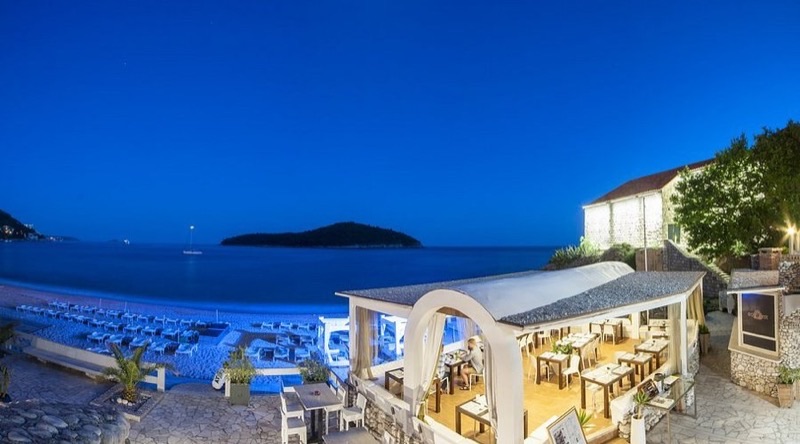
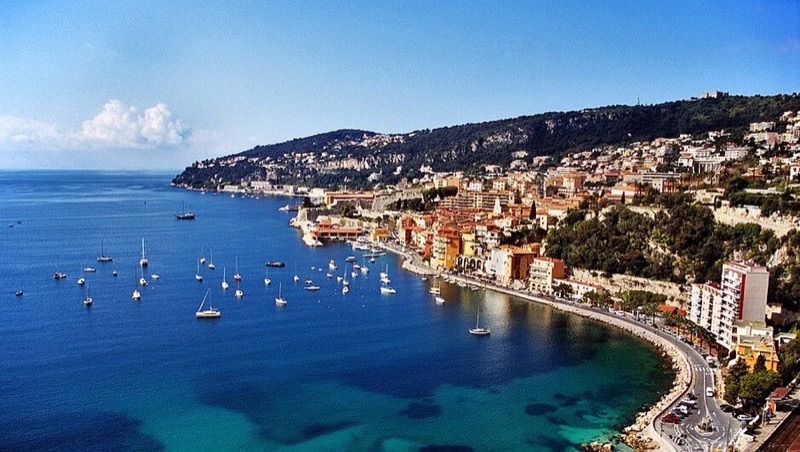
Croatia is known for its exceptionally clear Adriatic Sea, making it a premier destination for swimming, snorkeling, and sailing. The coastline is dotted with thousands of islands and islets, each with its own charm. Most beaches are pebble or rock, like Zlatni Rat on Brac or Punta Rata in Brela, which means the water is incredibly transparent. Areas like the Dalmatian Coast around Split and Dubrovnik, or islands such as Hvar and Korcula, offer countless coves and small towns where one can relax by the sea. The focus is on natural beauty, often untouched by large resort complexes, providing a more serene beach experience.
France also has extensive coastlines, but the experience differs. The French Riviera (Cote d Azur) features glamorous, often crowded, pebble beaches in Nice or sandy stretches in Cannes, with a focus on luxury resorts and beach clubs. The Atlantic coast, particularly in areas like Biarritz, is famed for surfing and its wilder, sandy dunes. While beautiful, French beaches often come with a higher price tag for access or amenities, and the water is generally not as transparent as in Croatia. The overall ambiance is more about people-watching and sophisticated lounging than simple, natural swimming. For pure, accessible, and crystal-clear swimming, Croatia is the clear winner.
- Winner: Croatia
- Why: Croatia s clear, warm Adriatic waters, numerous islands, and accessible pebble beaches are superior for swimming and natural coastal enjoyment.
- Who this matters for: Swimmers, snorkelers, sailors, and those who prioritize natural beach scenery over resort amenities.
🍽️ Food & Drink
Croatian cuisine is hearty and relies heavily on fresh, local ingredients, especially along the coast. Expect plenty of fresh grilled fish (riba na zaru), octopus salad, black…
Croatia

France
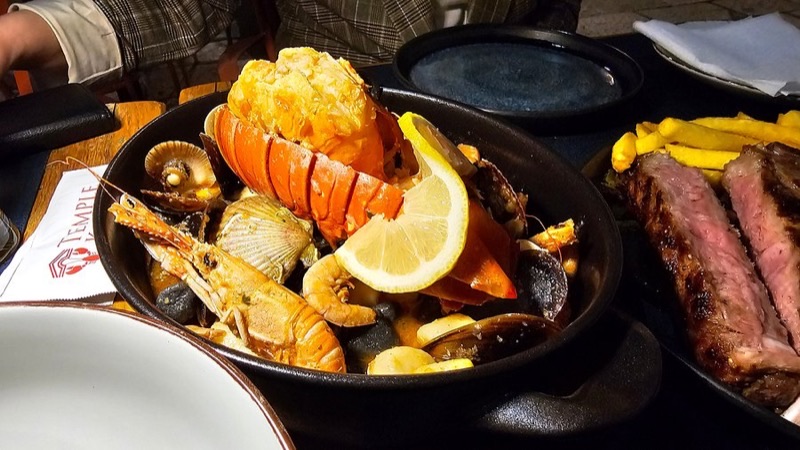
Croatian cuisine is hearty and relies heavily on fresh, local ingredients, especially along the coast. Expect plenty of fresh grilled fish (riba na zaru), octopus salad, black risotto (crni rizot), and prosciutto (pršut). Olive oil and fresh herbs are staples. The wines from regions like Istria and Dalmatia are good but less known internationally. Local specialties often include peka (meat and vegetables cooked under a bell-shaped dome) and various pasta dishes influenced by Italy. While delicious and satisfying, the cuisine is generally less complex and internationally renowned than French offerings. A good meal at a konoba is easy to find and consistently pleasant.
French cuisine is a global benchmark, known for its complexity, technique, and regional diversity. From Parisian bistros serving steak frites and escargots to Alsatian choucroute or Mediterranean bouillabaisse in Marseille, the range is vast. France boasts more Michelin stars than any other country, and even simple boulangeries offer pastries like croissants and pain au chocolat that are art forms. The wine regions, from Bordeaux to Burgundy, are globally celebrated. Cheeses are a fundamental part of the culture. While it can be more expensive, the depth and breadth of culinary experiences in France are unmatched. For serious food enthusiasts, France offers a superior journey of taste and sophistication.
- Winner: France
- Why: France offers unparalleled culinary diversity, sophisticated techniques, world-renowned wines, and a higher density of exceptional dining experiences.
- Who this matters for: Foodies, gourmands, wine connoisseurs, and anyone seeking high-level culinary exploration.
🏛️ Culture & History
Croatia possesses a rich and layered history, evident in its architecture and customs. Diocletian s Palace in Split, a UNESCO site, is a living Roman ruin where people still…
Croatia

France
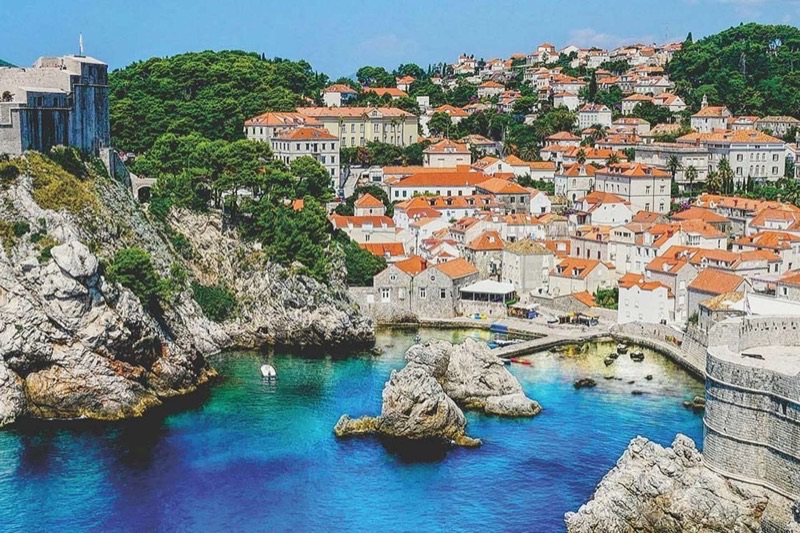
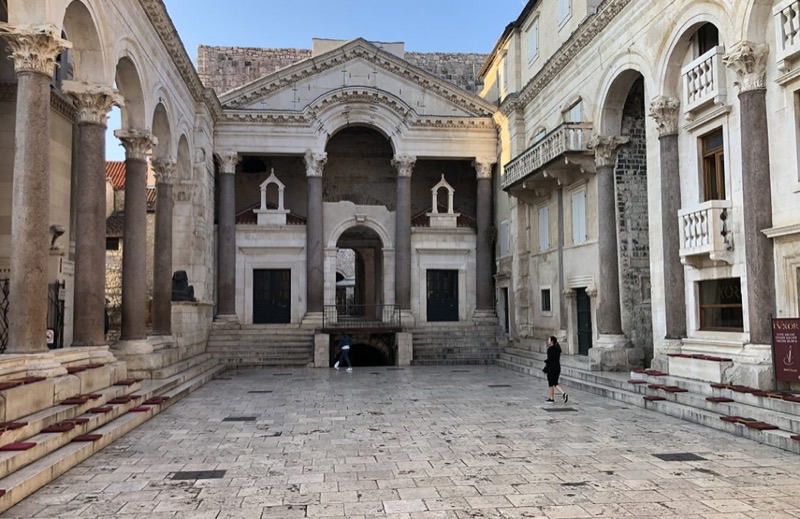
Croatia possesses a rich and layered history, evident in its architecture and customs. Diocletian s Palace in Split, a UNESCO site, is a living Roman ruin where people still reside. Dubrovnik s Old Town, with its medieval walls, transports visitors back centuries. Venetian influence is visible in cities like Rovinj and Pula, which also houses a remarkably preserved Roman amphitheater. The blend of Slavic, Roman, and Venetian heritage creates a unique cultural fabric. While the history is compelling, much of it is concentrated in specific coastal cities and ancient sites, offering a focused experience rather than a broad national narrative.
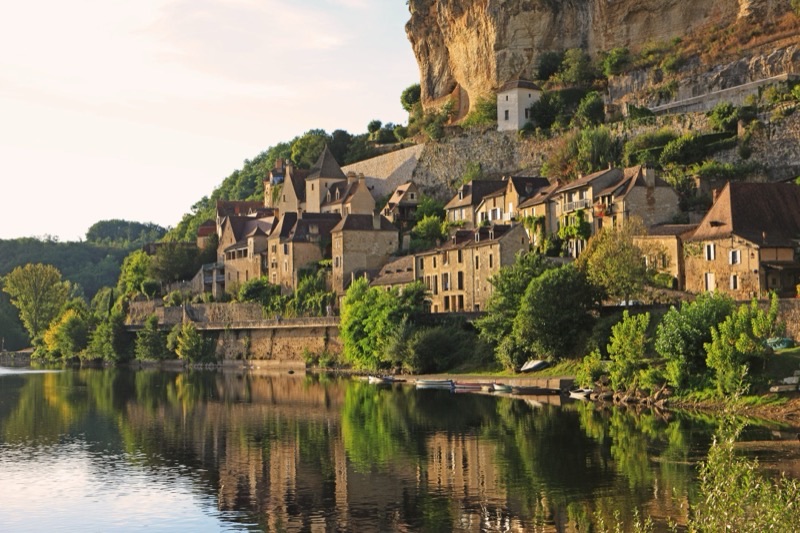
France offers a cultural and historical landscape of immense global significance and diversity. From prehistoric cave paintings in Lascaux to the Roman arenas in Nimes, the medieval castles of the Loire Valley, the grandeur of Versailles, and the revolutionary spirit of Paris, the country has shaped Western civilization. Its museums, such as the Louvre and Musee d Orsay, house some of the worlds most famous artworks. Each region, from Brittany s Celtic roots to the German influences in Alsace, offers distinct traditions, languages, and festivals. The sheer volume and depth of Frances cultural contributions, from philosophy to fashion, make it a powerhouse. For a comprehensive immersion into European heritage, France is the preferred option.
- Winner: France
- Why: France provides a broader, deeper, and more universally recognized cultural and historical experience, spanning millennia and influencing global trends.
- Who this matters for: History buffs, art lovers, museum enthusiasts, and those seeking a profound understanding of European heritage.
✈️ Getting There & Flights
Flying to Croatia, especially from North America, often involves a layover in a larger European hub like Frankfurt, Amsterdam, or London. Major airports include Zagreb (ZAG),…
Croatia
France
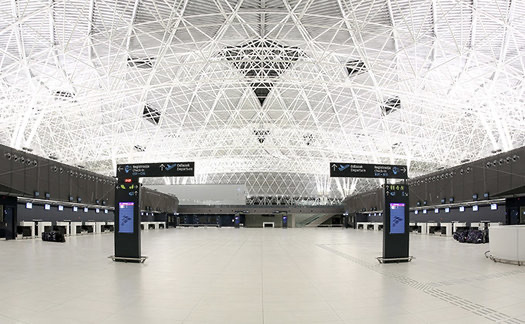
Flying to Croatia, especially from North America, often involves a layover in a larger European hub like Frankfurt, Amsterdam, or London. Major airports include Zagreb (ZAG), Split (SPU), and Dubrovnik (DBV). Direct flights are common from within Europe, but intercontinental connections are less frequent. A typical flight from New York (JFK) to Split (SPU) might take 10-12 hours with one stop, costing between $600-900 USD round trip, depending on the season and booking time. Budget airlines like Ryanair and Wizz Air offer inexpensive connections from other European cities. Arrival into Croatia generally feels less overwhelming than larger European airports.
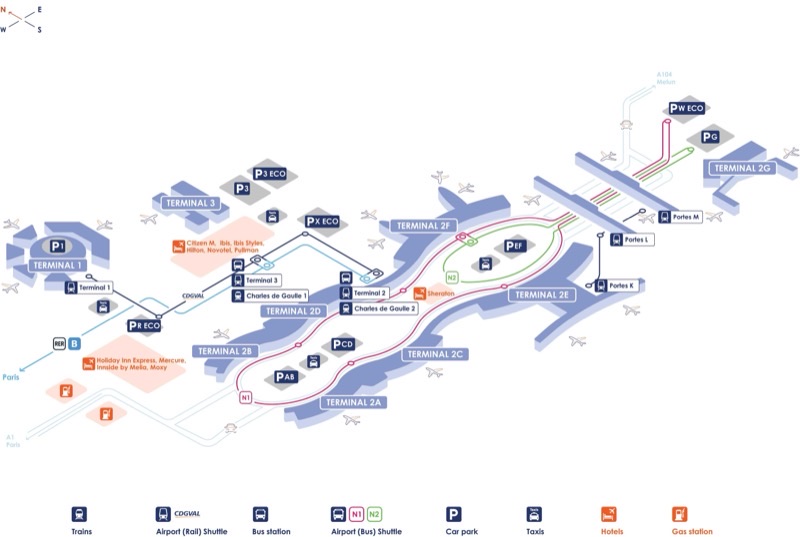
France boasts excellent global air connectivity, primarily through Paris Charles de Gaulle (CDG) and Orly (ORY), which are major international hubs. Other regional airports like Nice (NCE), Lyon (LYS), and Marseille (MRS) also have good connections. Direct flights from North American cities to Paris are plentiful, often taking 7-8 hours from the East Coast (e.g., JFK to CDG) and costing $500-800 USD round trip outside of peak season. The sheer number of airlines and routes makes finding flights to France easier and often more competitive in price, especially to Paris. The ease of direct access and broader flight options make France a clear choice for international arrivals.
- Winner: France
- Why: France benefits from significantly more direct international flight routes, particularly to Paris, making it easier and often cheaper to access from most global origins.
- Who this matters for: Travelers prioritizing convenience, direct flights, and flexible arrival options from outside Europe.
🚗 Getting Around
In Croatia, intercity buses are the primary mode of public transport on the mainland, connecting cities like Zagreb, Split, and Dubrovnik efficiently. Bus tickets are reasonably…
In Croatia, intercity buses are the primary mode of public transport on the mainland, connecting cities like Zagreb, Split, and Dubrovnik efficiently. Bus tickets are reasonably priced, for example, Split to Dubrovnik costs around 15-20 EUR ($16.50-22 USD). For island hopping, ferries are essential; Jadrolinija is the main operator, with routes like Split to Hvar taking about 1-2 hours for 6-8 EUR ($6.60-8.80 USD). Renting a car is popular for exploring the coast and smaller towns, offering flexibility, though parking can be difficult in old city centers. Roads are well-maintained, but some coastal roads can be winding. Taxis and ride-sharing are available in major cities.
France has one of Europe s most developed transportation infrastructures. The SNCF train network, especially the TGV high-speed trains, connects major cities quickly and comfortably; Paris to Marseille can take around 3 hours, with tickets from 30-100+ EUR ($33-110+ USD). Regional TER trains and buses cover smaller towns. Major cities like Paris, Lyon, and Marseille have extensive metro and tram systems that are efficient and easy to use (a Paris metro ticket is 2.10 EUR / $2.30 USD). Car rental is practical for exploring rural regions like Provence or the Loire Valley. While public transport can be pricier, its efficiency, reach, and comfort are generally superior. France wins for its comprehensive, high-quality public transportation system.
- Winner: France
- Why: France boasts a superior, extensive, and efficient high-speed train network and urban public transport, making intercity and city travel simpler.
- Who this matters for: Travelers who rely on public transportation, prefer train travel, and seek efficient transit between major destinations.
🏨 Accommodation
Croatia offers a good range of accommodation, with a strong emphasis on private apartments and guesthouses (sobe) run by local families. These often provide excellent value and a…
Croatia offers a good range of accommodation, with a strong emphasis on private apartments and guesthouses (sobe) run by local families. These often provide excellent value and a personal touch. For example, a well-located apartment in Split can be found for 60-100 EUR ($66-110 USD) per night. Boutique hotels are increasing in popularity in cities like Dubrovnik and Hvar, but major international hotel chains are less dominant outside of a few resorts. Hostels are plentiful in tourist hubs, with beds typically 20-35 EUR ($22-38 USD). Reservations, especially for popular islands or cities in peak season, are essential as options can fill up quickly.
France provides a vast array of accommodation types to suit every budget and style. From chic Parisian hotels that can cost 150-300+ EUR ($165-330+ USD) to charming rural gites (holiday homes) or chambres d hôtes (B&Bs) in the countryside for 80-150 EUR ($88-165 USD). Hostels are well-established in cities, costing 30-50 EUR ($33-55 USD) for a bed. The sheer volume and diversity of options, including many high-end luxury establishments and unique historic properties, mean travelers can always find something suitable, though prices can be significantly higher in prime locations. Both countries offer quality lodging, but the type and cost differ. For variety, France has an edge; for value, Croatia often wins. Thus, it is a tie.
- Winner: Tie
- Why: Both countries offer diverse, quality accommodation options, with Croatia providing better value and France providing more luxury and historical choices.
- Who this matters for: Depends on budget and preference: Croatia for value, France for luxury and traditional B&Bs.
🌃 Nightlife
Croatia s nightlife is particularly active during the summer months, centered around its coastal cities and islands. Hvar is known for its party scene, with venues like Carpe Diem…
Croatia s nightlife is particularly active during the summer months, centered around its coastal cities and islands. Hvar is known for its party scene, with venues like Carpe Diem Beach Club. Split and Novalja (on Pag Island, home to Zrce Beach) also have open-air clubs and festivals that draw a younger crowd. Beyond the big party spots, cities like Dubrovnik and Rovinj offer a more relaxed atmosphere with waterfront bars and cafes perfect for evening drinks and conversation. The focus is often on outdoor venues and enjoying the warm summer nights. A cocktail might cost 7-12 EUR ($7.70-13.20 USD) in a popular spot.
France offers a more diverse and sophisticated nightlife experience, especially in its major cities. Paris has everything from classic cabarets like the Moulin Rouge, jazz clubs, trendy cocktail bars in Le Marais, to massive nightclubs. Lyon and Marseille also have vibrant evening scenes. The Cote d Azur, particularly Cannes and Saint-Tropez, features exclusive clubs and casinos. French nightlife caters to a broader age range and offers more varied entertainment options beyond just clubbing, with a strong emphasis on ambiance and quality drinks. A cocktail in a nice Parisian bar might be 12-18 EUR ($13.20-19.80 USD). While Croatia offers great summer parties, France s year-round, diverse, and polished nightlife takes the win.
- Winner: France
- Why: France provides a more diverse, sophisticated, and year-round nightlife scene with options ranging from cabaret to world-class clubs and elegant bars.
- Who this matters for: Party-goers seeking major clubbing scenes, those looking for sophisticated bars, and travelers interested in varied evening entertainment.
🌳 Nature & Outdoors
Croatia s natural beauty is undeniable, largely centered around its incredible coastline, islands, and several impressive national parks. Plitvice Lakes National Park, with its…
Croatia s natural beauty is undeniable, largely centered around its incredible coastline, islands, and several impressive national parks. Plitvice Lakes National Park, with its series of terraced lakes and waterfalls, is a globally recognized attraction, costing around 10-40 EUR ($11-44 USD) for entry depending on season. Krka National Park offers similar, though smaller, waterfalls. The Dinaric Alps provide opportunities for hiking and rock climbing, and the Adriatic Sea is ideal for kayaking, sailing, and scuba diving. The focus is often on water-based activities and karst landscapes. The natural sites are generally well-preserved and accessible, offering distinct experiences.
France boasts an extraordinary range of natural environments. The towering peaks of the French Alps offer world-class skiing in winter and hiking in summer. The Pyrenees provide a different mountain experience. Coastal areas like Brittany s rugged cliffs, the calanques near Marseille, and the sandy beaches of the Atlantic coast offer diverse marine activities. There are numerous national and regional parks, such as Vanoise, Ecrins, and Mercantour, protecting vast expanses of wilderness. The variety, scale, and accessibility of natural landscapes in France, from high mountains to deep gorges and extensive forests, provide a broader scope for outdoor activities. France offers a more comprehensive outdoor adventure playground.
- Winner: France
- Why: France offers a wider and more dramatic range of natural landscapes, including major mountain ranges, diverse coastlines, and extensive national parks.
- Who this matters for: Hikers, skiers, mountaineers, diverse outdoor enthusiasts, and those seeking varied natural scenery.
🚶♀️ Solo Travel & Safety
Croatia is widely considered a very safe country for solo travelers, including women. Petty crime is low, and serious crime is rare. Locals are generally welcoming and helpful,…
Croatia is widely considered a very safe country for solo travelers, including women. Petty crime is low, and serious crime is rare. Locals are generally welcoming and helpful, especially in tourist areas. The public transportation system, particularly buses, is reliable, making it easy to navigate between cities. The hostel scene is strong in popular destinations like Split, Dubrovnik, and Zagreb, facilitating meeting other travelers. English is commonly spoken in tourist regions. Walking alone at night in most towns feels secure. The relaxed pace and smaller crowds outside of peak season contribute to a comfortable and safe solo travel experience.
France is also generally safe, but solo travelers, particularly in major cities like Paris, need to be more aware of their surroundings. Petty crime, such as pickpocketing, is a concern in crowded tourist areas and on public transport. While violent crime is low, vigilance is higher than in Croatia. Solo female travelers report feeling safe but advise caution at night in certain neighborhoods. The extensive public transport networks make getting around easy, but language can sometimes be a barrier outside of tourist centers if you do not speak French. The experience can be rewarding, but requires more street smarts. Croatia wins due to its consistently lower crime rates and relaxed atmosphere, making it a less stressful solo destination.
- Winner: Croatia
- Why: Croatia offers a consistently high level of safety and a more relaxed environment for solo travelers, with very low rates of petty crime.
- Who this matters for: Solo travelers, especially first-timers or those prioritizing a relaxed and very secure environment.
🎯 The Decision Framework
Choose Croatia If…
- You want clear Adriatic waters and pebble beaches for swimming.
- Your daily travel budget is closer to $60-120 USD.
- You appreciate ancient Roman history without the immense crowds.
- You enjoy fresh, simple seafood and Mediterranean cuisine.
- You prefer a more relaxed pace and smaller, walkable cities.
- You are looking for excellent value on accommodation and activities.
- You plan to spend significant time island hopping by ferry.
- You prioritize a high level of personal safety and security.
Choose France If…
- You crave world-class cuisine and Michelin-starred dining experiences.
- Your daily travel budget is comfortable in the $100-250 USD range.
- You seek iconic art museums, grand palaces, and deep cultural immersion.
- You want an extensive, efficient high-speed train network for travel.
- You enjoy diverse landscapes from snowy Alps to the glamorous Cote d Azur.
- You appreciate a sophisticated nightlife with diverse entertainment options.
- You value direct, easy flights from North America and other continents.
- You plan to explore wine regions like Bordeaux or Burgundy.
📅 Sample Itineraries
Weekend in Croatia (3 Days)
💡 Purchase the Dubrovnik Pass for ~€35 to gain access to city walls and several museums, saving on individual entry fees.
Weekend in France (3 Days)
💡 Utilize the Paris Metro for efficient travel; a Carnet of 10 tickets costs around €16.90 and can save time compared to buying single tickets.
One Week in Croatia (7 Days)
💡 Book inter-island ferries and popular national park tickets in advance during peak season to secure your spot and avoid queues.
One Week in France (7 Days)
💡 Consider purchasing a France Rail Pass if planning extensive train travel between cities to potentially save on individual ticket costs.
❓ Frequently Asked Questions
What is the best time to visit Croatia vs France?
For Croatia, late spring (May-June) or early autumn (September) offers warm weather (20-28°C), fewer crowds, and pleasant sea temperatures. July and August are peak season, crowded, and hot. For France, spring (April-May) and autumn (September-October) are ideal for cities and countryside with mild weather (15-25°C). Summer (July-August) is popular but can be hot and crowded, especially in Paris. Winter (Dec-Feb) is good for skiing in the Alps or quiet city breaks.
Is it cheaper to fly into one country over the other from the US?
Generally, it is cheaper and easier to fly into France, particularly Paris Charles de Gaulle (CDG), due to its status as a major international hub with many direct routes and competitive airline pricing. Flights from the US East Coast to Paris can be found for $500-800 USD round trip. Flights to Croatia often require a connection in another European city, potentially increasing travel time and cost, with prices typically $600-900 USD or more.
Which country is better for families with young children?
Croatia often wins for families with young children due to its calmer pace, safer environment, and focus on outdoor activities like swimming and beach time. Many guesthouses offer apartment-style lodging, and the overall cost is lower. France also has family-friendly options like Disneyland Paris and rural gites, but city travel can be more challenging with strollers and the cost higher.
What about language barriers in Croatia vs France?
In Croatia, English is widely spoken in tourist areas, hotels, and restaurants, especially by younger generations. In France, particularly outside of major tourist hubs in Paris, speaking some basic French phrases can be very helpful and appreciated, as English proficiency is not as universal, especially among older generations or in rural areas. However, in Paris and other major cities, tourist-facing staff generally speak English.
Is one country significantly safer than the other for travelers?
Both countries are generally safe for travelers. However, Croatia has a reputation for being exceptionally safe, with very low crime rates, including petty theft. Travelers often report feeling very secure, even when walking alone at night. France, particularly its larger cities like Paris, has higher instances of petty crime like pickpocketing in crowded tourist spots and on public transport. Travelers should exercise more vigilance in France.
How much spending money per day should I budget for each?
For Croatia, a comfortable mid-range daily budget is around 60-120 EUR ($66-132 USD) per person, covering accommodation, meals, transport, and activities. For France, expect to budget 100-250 EUR ($110-275 USD) per person per day. This higher range is particularly true for major cities like Paris, where accommodation and dining costs significantly increase the daily spend.
Can I combine both Croatia and France in one trip?
Yes, but it is best suited for longer trips, ideally 3 weeks or more, to avoid feeling rushed. You could fly into Paris (CDG) for a week, then take a connecting flight (e.g., Paris to Split or Dubrovnik) for 10-14 days in Croatia. This allows enough time to experience each country without constant travel days. Direct flights between Paris and major Croatian cities exist, making the transition feasible.
Which country offers better public transportation for tourists?
France offers a superior and more extensive public transportation network, especially for intercity travel. Its high-speed TGV trains connect major cities efficiently and comfortably. French cities also have well-developed metro and tram systems. Croatia relies more on intercity buses for mainland travel and an extensive ferry system for islands. While functional, it is not as fast or comprehensive as France s train network.
Ready to plan your Europe trip?
Get a free custom itinerary for Croatia, France, or both — built from real traveler insights.
👥 Travelers Also Compared
🎟️ Book Tours & Experiences
Hand-picked tours and activities for both destinations — book with free cancellation
Experiences via Viator — free cancellation on most tours