How we built this comparison
This page combines traveler discussion patterns, published price ranges, flight schedules, and seasonal data to help you decide between Croatia and Spain.
- Reviewed 500+ Reddit threads from r/travel, r/solotravel, r/CroatiaTravel, r/Spain, etc.
- Verified costs and logistics against current booking platforms (Skyscanner, Booking.com, Google Flights)
- Cross-referenced seasonal patterns and weather data from climate-data.org and local tourism boards
⚡ Quick Answers
⚡ The TL;DR Verdict
For most North American travelers looking for sunshine, culture, and good food without completely blowing the budget, Spain is the stronger choice, especially for first-time Europe trips. Spain offers a daily budget around €90-150 ($100-165 USD) for a comfortable trip. Croatia, while appealing, often requires more planning for logistics and can feel more constrained by seasonal tourism, with a daily budget around €70-120 ($75-130 USD).
- Choose Croatia: If you prioritize island hopping, clear water swimming, and a focus on coastal activities in summer. Good for those who enjoy slower travel by ferry.
- Choose Spain: If you want diverse culture, art, world-class food, energetic cities, and efficient transportation year-round. Suitable for first-time Europe travelers or those seeking varied experiences.
- Choose Both: Combine them if you have 3+ weeks and want to experience both Mediterranean coasts. Fly into Spain, spend 10-14 days, then take a budget flight (e.g., Vueling or Ryanair) to a Croatian hub like Split or Dubrovnik for another 7-10 days.
Choose Croatia
Choose Croatia if your ideal vacation involves sun-drenched islands, crystal-clear Adriatic waters, and a focus on outdoor adventures like sailing, kayaking around Dubrovnik, or exploring ancient Split. It's best for summer travelers who prioritize stunning natural beauty, a slower pace, and a slightly more budget-friendly coastal escape compared to Western Europe, perfect for island hopping between Hvar and Korčula.
Choose Spain
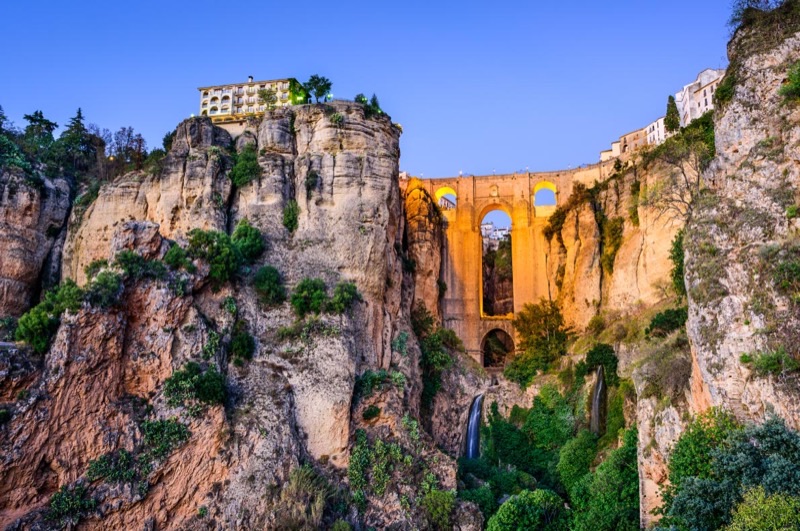
Opt for Spain if you crave a vibrant tapestry of culture, world-class art, and unparalleled culinary experiences, from tapas hopping in Seville to exploring Gaudi's masterpieces in Barcelona. Best for first-time European travelers, art aficionados, and foodies, Spain offers energetic cities, efficient high-speed trains, and a diverse range of experiences that truly shine year-round, extending beyond just beaches.
📊 Visual Scorecard
🌤 When to Visit
Average high temperatures (°C). Green = best months, orange = avoid.
Quick Comparison
| Category | Croatia | Spain | Winner |
|---|---|---|---|
| Costs & Budget | Generally cheaper daily expenses outside peak season and major hubs, but flights can be pricier. | Competitive flight prices, varied daily costs; big cities like Barcelona can be expensive. | Croatia |
| Beaches & Coastline | Clear, calm Adriatic water, mostly pebble beaches; focus on island hopping. | Varied coastline with sandy beaches, Atlantic and Mediterranean options, surf spots. | Croatia |
| Food & Drink | Fresh seafood, simple Mediterranean flavors, local wines, rakija. | Diverse regional cuisines, tapas culture, Michelin-starred restaurants, world-class wines. | Spain |
| Culture & History | Roman ruins, Venetian influence, medieval towns, strong maritime heritage. | Roman, Moorish, Gothic, Modernista architecture; rich art history, diverse regional identities. | Spain |
| Nightlife | Summer island parties (Hvar, Zrće Beach), relaxed coastal bars. | World-famous clubs (Ibiza), energetic city scenes (Madrid, Barcelona), late-night tapas bars. | Spain |
| Getting Around | Buses and ferries are primary, limited train network; driving can be challenging. | Extensive high-speed train network, good bus routes, efficient city transport. | Spain |
| Accommodation | Apartments, guesthouses, boutique hotels are common; prices surge in summer. | Wide range from budget hostels to luxury hotels, paradores; options year-round. | Spain |
| Nature & Outdoors | Lakes, waterfalls, Adriatic islands, limestone cliffs, national parks. | Mountain ranges, diverse national parks, volcanic landscapes, extensive hiking. | Tie |
| Weather & Seasons | Hot, dry summers; mild winters on the coast; best for summer travel. | Mediterranean climate, diverse microclimates; good year-round options. | Spain |
| Safety | Very safe, low crime rates; typical tourist precautions apply. | Generally safe, but petty crime is higher in major cities; cautious in crowds. | Croatia |
💰 Costs & Budget
Croatia typically offers a lower daily spend compared to Spain, especially when avoiding Dubrovnik and Hvar in July/August. A budget traveler can manage on €60-80 ($65-85 USD) a…
Croatia
Spain
Croatia typically offers a lower daily spend compared to Spain, especially when avoiding Dubrovnik and Hvar in July/August. A budget traveler can manage on €60-80 ($65-85 USD) a day for accommodation, local transport, and food by staying in guesthouses (around €40-60/$45-65 USD), eating at konobas (local taverns) for €10-15 ($11-16 USD) per meal, and utilizing local buses. For example, a beer in Split might cost 30 HRK (€4/$4.50 USD), and a bus ticket is about 15 HRK (€2/$2.20 USD). However, international flights into Croatia, particularly to smaller airports like Split (SPU) or Dubrovnik (DBV), can be more expensive and often require layovers, driving up the total trip cost. Expect flights from major US cities to range from $800-1400 USD.
Spain's flight accessibility is a major advantage for budget-conscious travelers, with direct flights from North America to Madrid (MAD) or Barcelona (BCN) often found for $600-1000 USD. Daily costs can vary significantly. A hostel bed in Seville might be €25-40 ($27-45 USD), while a similar hostel in Barcelona could be €40-70 ($45-75 USD). Tapas can be a very economical way to eat, with small plates often €3-5 ($3.30-5.50 USD) each, allowing you to have a satisfying meal for €15-20 ($16-22 USD). Public transport in cities like Madrid is efficient and affordable, with a 10-ride metro pass costing around €12 ($13 USD). Overall, Spain offers more opportunities for budget travel if you are flexible with city choices and travel outside peak times. Croatia wins for daily spend if you are careful, but Spain wins on initial flight cost and overall value for a diverse trip.
- Winner: Croatia
- Why: Croatia has lower daily living costs if you plan carefully, especially for food and accommodation outside the most popular spots.
- Who this matters for: Budget-focused travelers who prioritize daily savings over initial flight costs.
🏖️ Beaches & Coastline
Croatia's coastline is defined by the Adriatic Sea's clear, calm, turquoise water and thousands of islands. Most beaches are pebble or rocky, which keeps the water exceptionally…
Croatia
Spain
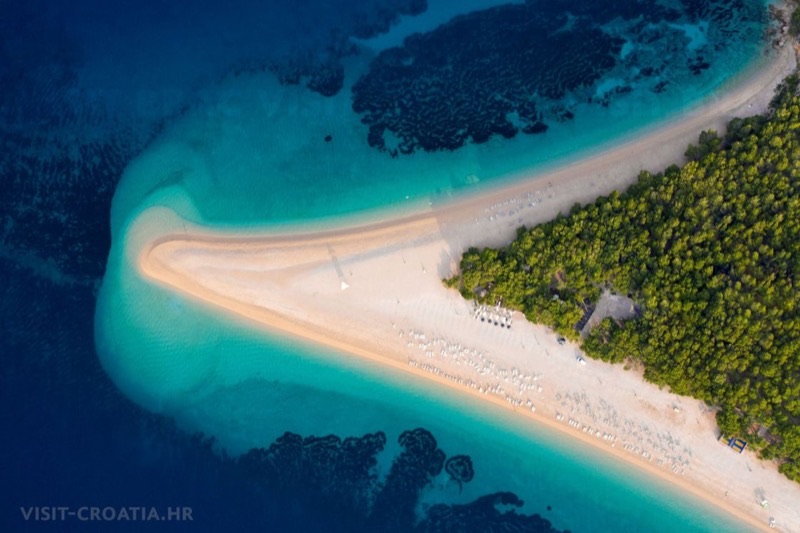
Croatia's coastline is defined by the Adriatic Sea's clear, calm, turquoise water and thousands of islands. Most beaches are pebble or rocky, which keeps the water exceptionally clear for swimming and snorkeling. Spots like Zlatni Rat beach on Brač island, or the beaches around Hvar and Korčula, are famous for their beauty and relaxed atmosphere. Accessing these often involves ferry rides, adding to the adventure. The focus is on finding a quiet cove, swimming in warm water, and enjoying the Mediterranean sun. Kayaking and paddleboarding are popular activities, especially around the Elaphiti Islands near Dubrovnik. The water temperature in summer hovers around 24-26°C (75-79°F), ideal for long swims.
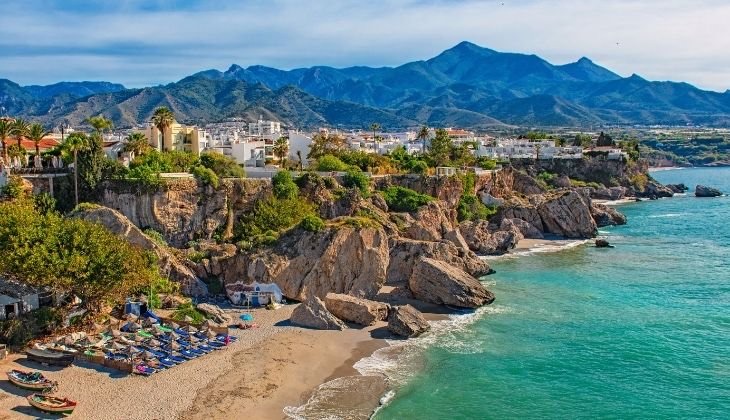
Spain offers a more diverse beach experience, with long stretches of golden sand on its Mediterranean and Atlantic coasts, plus the unique volcanic beaches of the Canary Islands. The Costa del Sol in Andalusia or the beaches around Valencia and Barcelona are easily accessible and cater to families with extensive amenities. For surfers, the northern coast, particularly around San Sebastián, provides consistent waves. However, the Mediterranean beaches can sometimes feel crowded, especially near major cities in summer, and the water is not always as clear as in Croatia. Water temperatures range from 22-26°C (72-79°F) in the Mediterranean to cooler Atlantic waters. While Spain has volume and variety, Croatia's clear water and island-centric coastal experience offer a more serene and visually compelling option for beach enthusiasts.
- Winner: Croatia
- Why: Croatia's crystal-clear Adriatic water and numerous islands provide a unique and serene coastal experience.
- Who this matters for: Travelers who prioritize clear water, island exploration, and a quieter beach experience.
🍽️ Food & Drink
Croatian cuisine focuses on fresh, seasonal ingredients, with a strong emphasis on seafood along the coast and heartier meat dishes inland. Expect grilled fish (riba na žaru) or…
Croatia
Spain
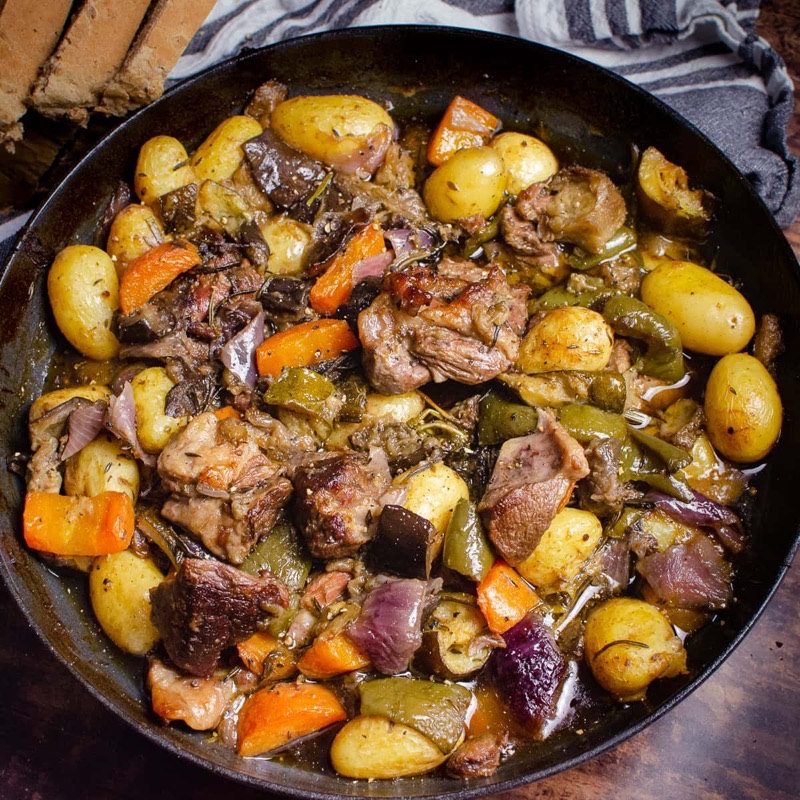
Croatian cuisine focuses on fresh, seasonal ingredients, with a strong emphasis on seafood along the coast and heartier meat dishes inland. Expect grilled fish (riba na žaru) or octopus peka (slow-cooked under a bell-shaped lid), black risotto (crni rižot), and prosciutto (pršut). Istrian specialties include truffles and olive oil. While good, the culinary scene generally prioritizes simplicity and tradition over innovation, and vegetarian options can be limited outside major cities. Local wines, particularly from Pelješac Peninsula, are worth trying, as is rakija, a potent fruit brandy. A typical restaurant meal might cost €15-25 ($16-27 USD), with higher prices in tourist hotspots like Dubrovnik.
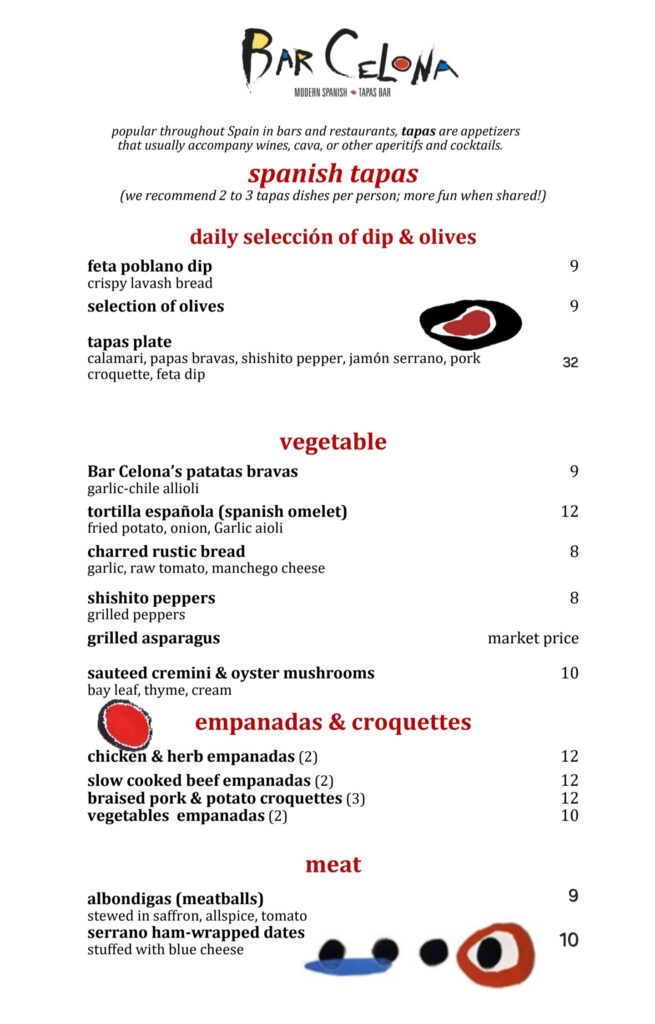
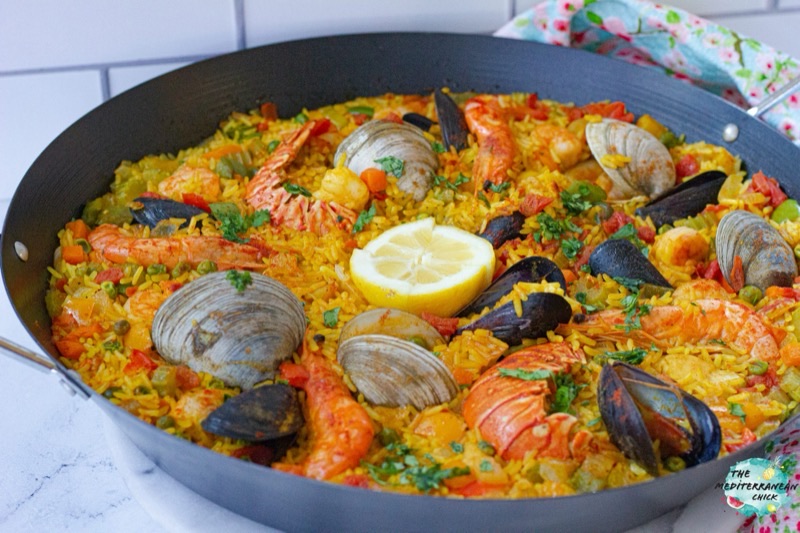
Spain's food scene is expansive and incredibly varied, offering distinct regional cuisines, from the seafood and paella of Valencia to the pintxos of the Basque Country, and the robust stews of Castile. The tapas culture is central to dining, allowing for sampling many dishes like patatas bravas, jamón ibérico, and gambas al ajillo, often for €3-7 ($3.30-7.70 USD) per plate. Spain also boasts a high concentration of Michelin-starred restaurants and is home to some of the world's most innovative chefs. Wines like Rioja and Ribera del Duero are globally recognized, and sangria is a popular drink. A proper dinner can range from €20-40 ($22-44 USD) for a multi-course meal, but street food and local markets offer cheaper, quality options. Spain wins this category by a wide margin due to its culinary diversity, innovation, and the social experience of its food culture.
- Winner: Spain
- Why: Spain offers a broader range of regional cuisines, an accessible tapas culture, and globally recognized culinary innovation.
- Who this matters for: Food enthusiasts, budget eaters, and anyone seeking diverse dining experiences.
🏛️ Culture & History
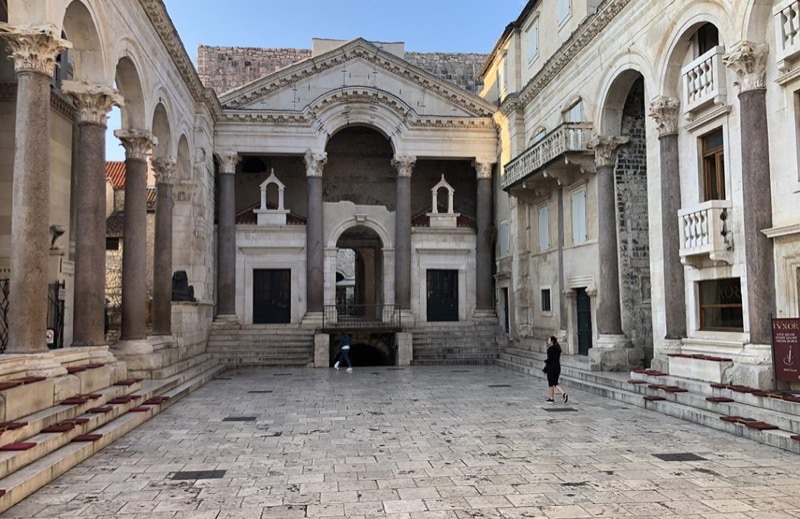
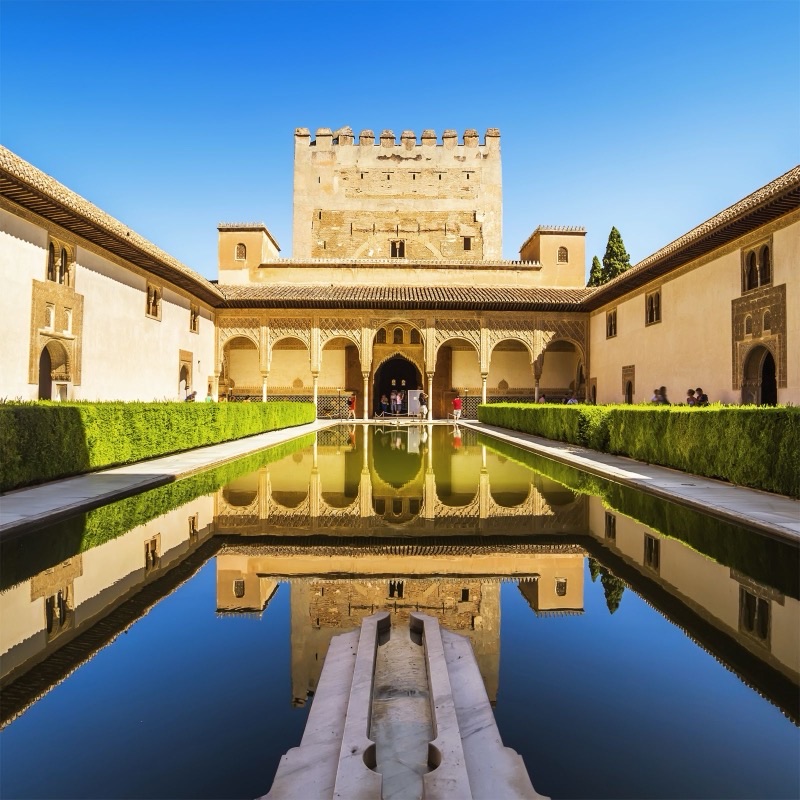
Croatia's history is a blend of Roman, Venetian, Austro-Hungarian, and Ottoman influences. Diocletian's Palace in Split is a living Roman ruin, a UNESCO site where people still…
Croatia
Spain
Croatia's history is a blend of Roman, Venetian, Austro-Hungarian, and Ottoman influences. Diocletian's Palace in Split is a living Roman ruin, a UNESCO site where people still live and work. Dubrovnik's Old City walls and Baroque architecture tell tales of its mercantile republic past. Pula's Roman amphitheater is remarkably preserved. The country has a strong maritime tradition and a cultural identity deeply tied to its Adriatic coast. Visiting these sites offers a window into centuries of European history, often in relatively compact, walkable areas. However, outside these key cities, the historical narrative can feel less globally connected.
Spain's cultural and historical depth is immense and varied. From the Roman aqueduct in Segovia to the Moorish Alhambra in Granada, the Gothic Seville Cathedral, and Gaudi's Modernista Sagrada Familia in Barcelona, the country presents a wide array of architectural styles and historical periods. The Prado Museum in Madrid houses masterpieces by Goya, Velázquez, and El Greco. Flamenco in Andalusia, bullfighting (though controversial), and various regional festivals showcase its living traditions. Spain's history reflects a complex interplay of Christian, Islamic, and Jewish cultures, creating a multilayered experience that feels both ancient and contemporary. Spain offers a far broader and more globally influential cultural and historical narrative.
- Winner: Spain
- Why: Spain presents a wider, more diverse array of historical periods and cultural movements, from Roman to Moorish to Modernista.
- Who this matters for: History buffs, art lovers, and travelers seeking diverse architectural and cultural experiences.
🍸 Nightlife
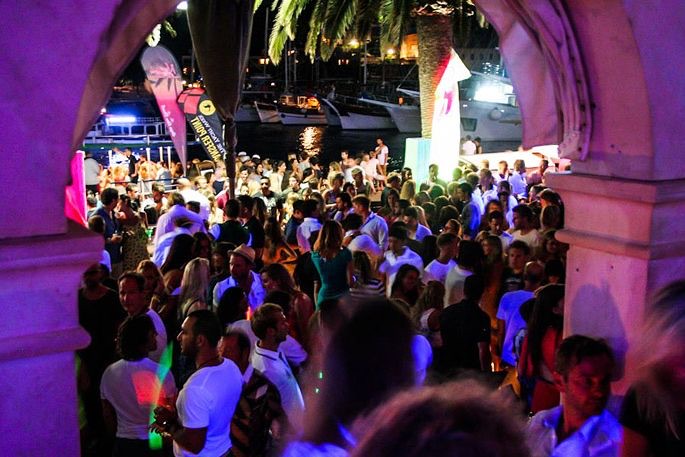
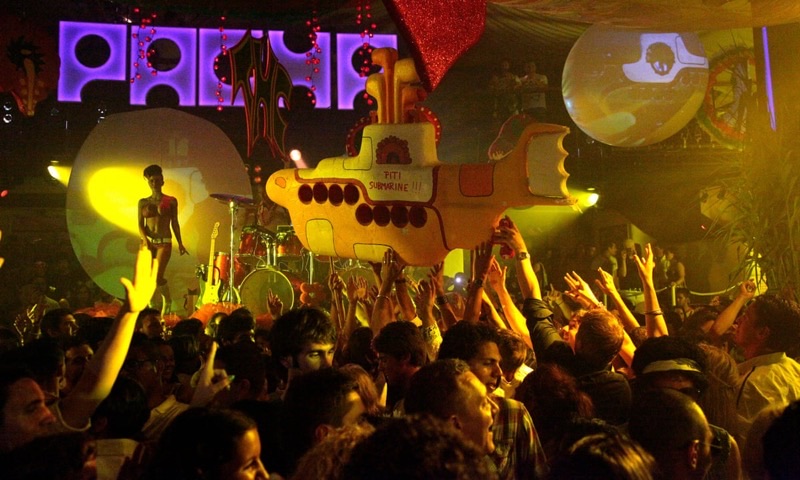
Croatia has established itself as a summer party destination, particularly on islands like Hvar and Pag (home to Zrće Beach near Novalja). Hvar offers beach clubs like Carpe Diem…
Croatia
Spain
Croatia has established itself as a summer party destination, particularly on islands like Hvar and Pag (home to Zrće Beach near Novalja). Hvar offers beach clubs like Carpe Diem and Kiva Bar, where parties go late into the night during July and August. Zrće Beach hosts large open-air clubs with international DJs, attracting a younger crowd. Outside these specific hotspots and the peak summer months, Croatian nightlife is generally more subdued, consisting of relaxed bars and cafes in cities like Split and Zagreb. The scene is seasonal and largely revolves around the coastal summer tourist influx.
Spain is a global nightlife powerhouse. Ibiza is legendary for its superclubs (e.g., Pacha, Ushuaïa), attracting top DJs and partygoers from around the world. Major cities like Madrid and Barcelona offer an incredible range of options, from techno clubs to live music venues, flamenco shows, and late-night tapas bars that stay open until the early hours. Spaniards famously dine late, and the night often doesn't start until 10 pm or later, extending well past sunrise. Even smaller cities have a lively evening atmosphere, with plazas filling with people enjoying drinks and conversation. Spain provides a more consistent, diverse, and year-round nightlife experience. Spain is the clear choice for anyone prioritizing an energetic evening scene.
- Winner: Spain
- Why: Spain offers a more extensive, diverse, and globally recognized nightlife scene, from legendary clubs to late-night tapas bars.
- Who this matters for: Partygoers, night owls, and travelers who enjoy a late-night social scene.
🗺️ Getting Around
Getting around Croatia primarily involves buses for mainland travel and ferries for island hopping. The bus network is extensive and connects most towns and cities, with tickets…
Getting around Croatia primarily involves buses for mainland travel and ferries for island hopping. The bus network is extensive and connects most towns and cities, with tickets costing around €10-30 ($11-33 USD) for intercity routes like Split to Dubrovnik. Ferries are crucial for reaching islands like Hvar, Brač, and Korčula, with tickets ranging from €5-20 ($5.50-22 USD) depending on the route and type of ferry. Jadrolinija is the main ferry operator. Train travel is limited and generally less efficient than buses. Renting a car is an option, but roads can be narrow, parking difficult in old towns, and traffic heavy in peak summer. This system works well for a relaxed, island-hopping trip.
Spain boasts an excellent and extensive transportation network. Its high-speed rail (AVE) connects major cities like Madrid, Barcelona, Seville, and Valencia quickly and efficiently, with tickets potentially starting from €30-80 ($33-88 USD) if booked in advance. Renfe is the national train operator. The bus network is also broad and generally cheaper than trains for shorter distances or less popular routes. City public transport (metro, bus, tram) in Madrid and Barcelona is modern and efficient, with a single metro ticket costing around €1.50-2.50 ($1.65-2.75 USD). Driving is feasible, with good highways, but navigating city centers can be difficult. For ease of travel between diverse destinations, Spain is superior. Spain's infrastructure makes getting from point A to point B simple and fast, enhancing trip flexibility.
- Winner: Spain
- Why: Spain's high-speed train network and comprehensive public transport provide faster, more efficient travel between diverse destinations.
- Who this matters for: Travelers who prioritize efficient intercity travel and covering more ground.
🛌 Accommodation
Accommodation in Croatia leans heavily towards private apartments, guesthouses (sobe), and smaller boutique hotels, especially along the coast and on islands. While this offers a…
Accommodation in Croatia leans heavily towards private apartments, guesthouses (sobe), and smaller boutique hotels, especially along the coast and on islands. While this offers a local experience, prices can skyrocket in July and August, with a mid-range apartment in Split or Hvar easily costing €100-200 ($110-220 USD) per night. Hostels are available but less ubiquitous than in Spain. Outside peak season, you can find better value, with guesthouses for €50-80 ($55-88 USD). Booking well in advance is crucial for popular areas and times. The focus is often on traditional, comfortable, but not always amenity-rich, lodging.
Spain offers a broader and more diverse range of accommodation options suitable for all budgets and preferences, available year-round. From extensive hostel networks in major cities (beds from €25-50/$27-55 USD) to charming boutique hotels, international chains, and luxury resorts. A unique Spanish offering is the 'Paradores,' historic buildings converted into hotels. In Madrid or Barcelona, a comfortable mid-range hotel might cost €80-150 ($88-165 USD), with cheaper options in smaller towns or off-season. The sheer volume and variety mean more competition and better deals outside of peak festival times. Spain's accommodation market is more developed and offers greater choice, value, and availability for various traveler types.
- Winner: Spain
- Why: Spain provides a wider array of accommodation types across all budget ranges, with more availability and competitive pricing.
- Who this matters for: All travelers, from backpackers to luxury seekers, who value choice and availability in lodging.
🌲 Nature & Outdoors
Croatia's natural spaces are defined by its dramatic coastline, clear waters, and national parks. Plitvice Lakes National Park and Krka National Park are famous for their terraced…
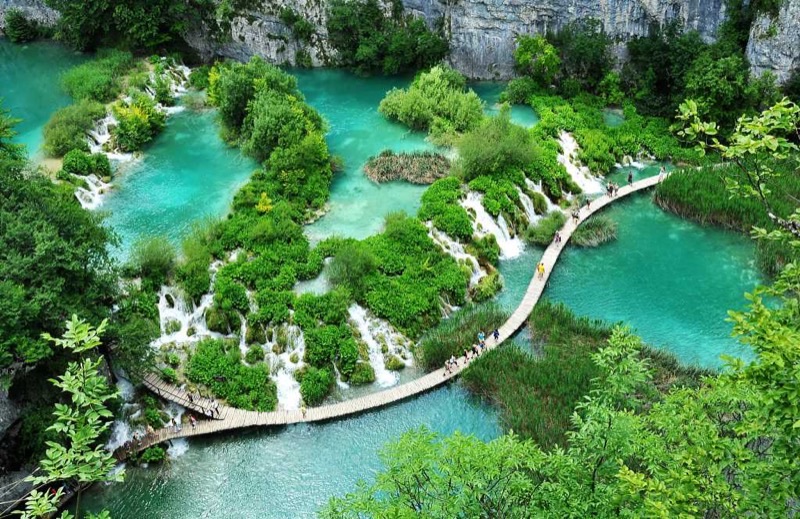
Croatia's natural spaces are defined by its dramatic coastline, clear waters, and national parks. Plitvice Lakes National Park and Krka National Park are famous for their terraced lakes and waterfalls, offering boardwalks for easy viewing and hiking. The Kornati Islands are a sailing paradise, and Mljet Island offers a saltwater lake within a national park. The Velebit mountains provide hiking opportunities, and the Dinaric Alps form a rugged backdrop. These natural attractions are often centered around water, providing a refreshing escape from summer heat. The beauty is undeniably present, but some areas can be heavily touristed.
Spain's natural diversity is extensive, ranging from the high peaks of the Pyrenees and Picos de Europa for mountaineering and hiking, to the volcanic landscapes of the Canary Islands, and the marshlands of Doñana National Park. There are vast forests, river canyons, and extensive coastline for various water sports. Activities like skiing, climbing, birdwatching, and caving are readily available. The country offers a wider array of distinct ecosystems and landscapes within its borders, making it suitable for a broader range of outdoor pursuits than Croatia. While Croatia's coastal and lake beauty is exceptional, Spain offers more varied and extensive options for outdoor adventurers. It's a tie because both offer remarkable but different natural experiences. Croatia for coastal beauty, Spain for mountain and geological diversity.
- Winner: Tie
- Why: Both countries offer exceptional, but distinct, natural beauty; Croatia's coastal parks vs. Spain's mountain ranges and diverse landscapes.
- Who this matters for: Travelers seeking specific types of natural environments — coastal and water-based vs. mountains and varied ecosystems.
☀️ Weather & Seasons
Croatia primarily operates on a summer tourism season, with the Adriatic coast experiencing hot, dry summers (June-August) with temperatures often reaching 30°C (86°F) or higher.…
Croatia primarily operates on a summer tourism season, with the Adriatic coast experiencing hot, dry summers (June-August) with temperatures often reaching 30°C (86°F) or higher. Spring (April-May) and early autumn (September-October) offer pleasant weather for sightseeing and fewer crowds. Winters are mild on the coast but can be cold and snowy inland. If your trip is outside the May-September window, many island services, restaurants, and accommodation options may be closed. This seasonality means that for optimal experience, Croatia is largely a summer destination, which can lead to high prices and crowds.
Spain's climate is much more varied, offering viable travel options throughout the year. The southern regions (Andalusia) have hot summers but mild, sunny winters. The Mediterranean coast enjoys warm summers and mild winters. Northern Spain has a more Atlantic climate, with milder summers and wetter winters. Cities like Madrid and Seville can get very hot in July/August (often exceeding 35°C/95°F), making spring and autumn ideal for city breaks. The Canary Islands offer spring-like temperatures year-round, making them a winter sun destination. This diversity means Spain can cater to different preferences and can be visited comfortably in any season, providing greater flexibility for travelers. Spain's climatic diversity and year-round appeal give it a significant edge.
- Winner: Spain
- Why: Spain offers a wider range of favorable climates and travel options throughout the year, accommodating different seasonal preferences.
- Who this matters for: Travelers with fixed travel dates outside of summer or those seeking specific seasonal experiences like winter sun.
🚨 Safety
Croatia is widely considered a very safe country for tourists, with low crime rates. Violent crime against tourists is rare. The main concerns are typical tourist precautions:…
Croatia is widely considered a very safe country for tourists, with low crime rates. Violent crime against tourists is rare. The main concerns are typical tourist precautions: being aware of your belongings in crowded areas (like Dubrovnik's Old City or Split's Riva) to prevent pickpocketing, and exercising caution when swimming in unfamiliar waters. Solo female travelers often report feeling comfortable and secure. Public transport is safe, and walking alone at night in most towns is generally not an issue. The friendly and laid-back atmosphere contributes to a sense of security for visitors.
Spain is also generally safe for tourists, but petty crime, particularly pickpocketing, is a more noticeable issue in major cities like Barcelona, Madrid, and Seville, especially in crowded tourist zones (e.g., Las Ramblas, metro stations, museums). Travelers should be more vigilant with their belongings, avoid flashing valuables, and be aware of common distraction techniques used by thieves. Violent crime is uncommon, but it is always wise to be aware of your surroundings, particularly late at night in less-trafficked areas. Public transport is generally safe. While both countries are safe, Croatia's lower incidence of petty crime in its tourist areas gives it an edge for travelers prioritizing complete peace of mind. Croatia offers a slightly more relaxed environment regarding personal security.
- Winner: Croatia
- Why: Croatia has lower reported rates of petty crime and fewer areas where tourists need to be highly vigilant.
- Who this matters for: Travelers prioritizing a highly secure environment and minimal concerns about petty theft.
🎯 The Decision Framework
Choose Croatia If…
- You want clear, calm Adriatic water for swimming and snorkeling.
- You enjoy island hopping via ferries and exploring smaller, less developed islands.
- You prefer pebble beaches and a Mediterranean island atmosphere.
- You are traveling primarily during the summer months (June-September).
- You appreciate historic coastal towns with Venetian and Roman influences like Dubrovnik and Split.
- You seek national parks with lakes and waterfalls, like Plitvice and Krka.
- You want a generally lower daily travel budget for food and accommodation.
- You prefer a more relaxed pace and focus on natural beauty.
Choose Spain If…
- You want a wide range of cultural and historical sites, from Moorish palaces to Modernista architecture.
- You are a food enthusiast eager to explore diverse regional cuisines and the tapas culture.
- You seek energetic nightlife, from world-famous clubs to late-night city bars.
- You prefer efficient high-speed train travel between major cities.
- You need flexible travel dates, as Spain offers something year-round.
- You want easy, affordable direct flights from North America to major hubs.
- You enjoy art museums with masterpieces from global artists.
- You prefer diverse landscapes, from mountain ranges to sandy beaches to volcanic islands.
📅 Sample Itineraries
Weekend in Croatia (3 Days)
💡 Purchase a Dubrovnik Pass for 1, 3, or 7 days (e.g., 1-day pass for $35) to save on city walls and museum entries, optimizing your sightseeing budget.
Weekend in Spain (3 Days)
💡 Purchase a Hola Barcelona Travel Card (e.g., 3-day pass for $25) for unlimited public transport, saving money on metro and bus rides across the city.
One Week in Croatia (7 Days)
💡 Consider an island-hopping ferry pass if your itinerary includes multiple Croatian islands, as it can offer slight savings compared to buying individual ferry tickets.
One Week in Spain (7 Days)
💡 Book Alhambra tickets several months in advance, especially during peak season, as they are highly sought after and often sell out quickly.
❓ Frequently Asked Questions
What is the typical daily budget for a traveler in Croatia versus Spain?
In Croatia, a comfortable mid-range daily budget is around €70-120 ($75-130 USD) per person, especially if you cook some meals and use local transport. This includes a guesthouse for €60-90 and meals for €30-50. Spain typically requires a bit more, at €90-150 ($100-165 USD) per day, particularly in major cities like Barcelona or Madrid, but can be less in smaller towns. Flights to Spain are often cheaper, saving you €200-500 upfront.
Which country is better for a first-time solo traveler?
Spain is generally better for a first-time solo traveler due to its extensive hostel network, efficient public transport, and the social nature of tapas bars. It's easier to meet people and navigate independently. Croatia is also safe, but its reliance on ferries and smaller guesthouses can make solo interactions less immediate for some, though it's still a very good solo destination.
How long should I spend in each country for a good trip?
For Croatia, 7-10 days is a good duration to explore 2-3 main coastal cities and an island or two. For Spain, 10-14 days allows you to visit 3-4 major cities (e.g., Madrid, Barcelona, Seville) or a specific region in depth. Trying to combine both in less than 3 weeks will feel rushed due to travel time.
What are the flight times and typical costs from the US to each country?
Direct flights from major US cities to Madrid (MAD) or Barcelona (BCN) typically take 7-8 hours and can cost $600-1000 USD round trip. Flights to Croatia, usually to Zagreb (ZAG), Split (SPU), or Dubrovnik (DBV), often involve 1-2 layovers, taking 10-12+ hours, and cost $800-1400 USD round trip, sometimes more to smaller airports.
Which country has better hiking and outdoor activities?
Both offer good options, but Spain has a wider variety of terrains for hiking and outdoor activities. Spain has the Pyrenees and Picos de Europa for mountain hiking, extensive coastline for watersports, and unique volcanic landscapes in the Canary Islands. Croatia excels with coastal hikes, island exploration, and its famous waterfall national parks like Plitvice and Krka.
Is English widely spoken in tourist areas?
Yes, in both Croatia and Spain, English is widely spoken in major tourist areas, hotels, restaurants, and by younger generations. In smaller, non-touristy towns, especially inland, you may encounter fewer English speakers. Learning a few basic phrases in Croatian or Spanish is always appreciated by locals.
Which country is better for families with young children?
Spain is generally better for families with young children due to its more developed infrastructure, family-friendly resorts, dedicated kids' activities, and accessible sandy beaches. Restaurants are also more accommodating of children. Croatia is also good, but its pebble beaches and reliance on ferries can be less convenient for strollers or toddlers.
What's the best time of year to visit if I want to avoid crowds?
For Croatia, visit in May or late September/early October to enjoy pleasant weather and fewer crowds before or after the main summer rush. For Spain, shoulder seasons (April-May or October-November) are ideal for cities and coastal areas to avoid peak summer heat and tourist volumes, while still enjoying good weather.
Ready to plan your Europe trip?
Get a free custom itinerary for Croatia, Spain, or both — built from real traveler insights.
👥 Travelers Also Compared
🎟️ Book Tours & Experiences
Hand-picked tours and activities for both destinations — book with free cancellation
Experiences via Viator — free cancellation on most tours