How we built this comparison
This page combines traveler discussion patterns, published price ranges, flight schedules, and seasonal data to help you decide between Cuba and Dominican Republic.
- Reviewed 50+ Reddit threads from r/travel, r/solotravel, r/Cuba, r/DominicanRepublic, etc.
- Verified costs and logistics against current booking platforms (e.g., Viazul, Airbnb, Expedia) and recent traveler reports.
- Cross-referenced seasonal patterns, weather data, and safety advisories from government agencies.
⚡ The TL;DR Verdict
For raw, unfiltered cultural immersion, budget-friendly local experiences, and a unique step back in time, Cuba is your pick. Expect to spend $50-100 USD/day. If you crave diverse landscapes, modern amenities, bustling nightlife, and a wider range of accommodation from all-inclusive resorts to boutique hotels, the Dominican Republic offers more flexibility, with daily budgets from $70-200+ USD depending on your style.
- Choose Cuba: If you're an adventurous traveler seeking authentic culture, live music, classic cars, and don't mind a few logistical challenges or a simpler travel style. Ideal for those prioritizing history, art, and genuine human connection over luxurious amenities.
- Choose Dominican Republic: Perfect for beach lovers, resort dwellers, families, and those looking for a mix of relaxation, adventure sports (like surfing or canyoning), and vibrant Latin American nightlife. Offers more modern infrastructure, diverse food, and easier access to luxury.
- Choose Both: If you have at least 14-21 days and want to experience the full spectrum of the Caribbean, combining Cuba's unique historical charm with the DR's natural beauty and modern comforts. This requires flying between countries, which adds to the budget and logistics.
Quick Comparison
| Category | Cuba | Dominican Republic | Winner |
|---|---|---|---|
| Costs & Budget | Generally cheaper for local experiences, accommodation (Casas Particulares), and public transport. Tourist-specific services can be overpriced. | Wide range of prices, from budget hostels to luxury all-inclusive resorts. Local food and transport can be affordable, but tourist areas are pricier. | Cuba |
| Culture & History | Unparalleled historical preservation, vibrant arts scene, revolutionary history, and unique time-capsule feel. | Rich colonial history, vibrant Afro-Caribbean influences, merengue and bachata music, and a lively, warm local culture. | Cuba |
| Beaches & Relaxation | Stunning, pristine beaches like Varadero and the Cayo islands, often less developed with fewer crowds outside of resorts. | World-famous beaches, especially Punta Cana, offering a mix of bustling resort life and secluded natural beauty. Diverse coastal landscapes. | Dominican Republic |
| Food & Dining | Traditional Cuban cuisine (ropa vieja, lechón) is flavorful but can be repetitive; variety is improving, especially in paladares. | Diverse culinary scene with strong Spanish, African, and Taino influences. Offers everything from street food to fine dining, fresh seafood, and tropical fruits. | Dominican Republic |
| Nightlife & Entertainment | Legendary for live music (salsa, son), intimate clubs, and vibrant street parties. Authentic and immersive. | Pulsating energy with merengue and bachata clubs, large discos, beach parties, and resort entertainment. Very diverse. | Dominican Republic |
| Getting Around | Iconic classic cars, shared taxis (colectivos), Viazul buses (book ahead), and horse carts. Less modern infrastructure. | Modern highways, ride-sharing apps (Uber, Cabify) in major cities, private taxis, local 'guaguas' (mini-buses), and rental cars. | Dominican Republic |
| Accommodation | Primarily Casas Particulares (homestays) offering authentic experiences; state-run hotels vary in quality and price. | Extensive range from luxury all-inclusive resorts to boutique hotels, guesthouses, and hostels, catering to all budgets and styles. | Dominican Republic |
| Safety & Security | Generally very safe with low violent crime rates. Petty theft and hustling exist, especially in tourist areas. Strict laws. | Moderate crime rates, with petty theft common in tourist areas. Be vigilant, especially at night and in less developed areas. | Cuba |
| Nature & Activities | Unique ecosystems like Viñales Valley (karst landscapes), Zapata Swamp (biodiversity), and pristine diving/snorkeling sites. | Diverse landscapes including lush mountains (Pico Duarte), waterfalls (Salto del Limón), expansive national parks, and excellent water sports. | Dominican Republic |
| Solo Travel Potential | Excellent for solo travelers due to low crime rates and friendly locals, though language barriers and connectivity can be challenging. | Good for solo travelers, especially in resort areas or major cities. Requires more vigilance regarding personal safety and hustlers. | Cuba |
💸 Costs & Budget
Cuba often wins on raw affordability, especially if you stick to local currency (CUP) and embrace 'Casa Particulares' (private homestays) which average 25-40 USD per night. A delicious local meal (comida criolla) can be found for 200-500 CUP (approx. $8-20 USD). Transport like shared colectivos (classic cars) from Havana to Viñales might cost 25 USD per person. However, tourist amenities paid in MLC or USD can sometimes feel inflated due to scarcity. The DR offers a broader spectrum. You can find basic hostels for $20-30 USD/night in cities like Santo Domingo, but mid-range hotels often start at $60-100 USD. All-inclusive resorts in Punta Cana typically range from $150-400+ USD per night. A nice meal in a tourist area might be $25-40 USD, while a local 'comedor' (eatery) offers 'la bandera' (rice, beans, meat) for 250-400 DOP (approx. $4-7 USD). Taxis are pricier, but ride-sharing (Uber) is available in major cities. "Cuba felt like I was spending less overall, but I had to be smarter about where I ate and what I bought. DR felt like I could splurge or save, depending on my mood." While the DR has higher highs in terms of luxury spend, Cuba's baseline for authentic travel is lower.
Winner takeaway
- Winner: Cuba
- Why: Cuba offers a more budget-friendly experience for travelers willing to immerse themselves in local life and forgo luxury.
- Who this matters for: Budget travelers, backpackers, and those seeking authentic, low-cost immersion.
🏛️ Culture & History
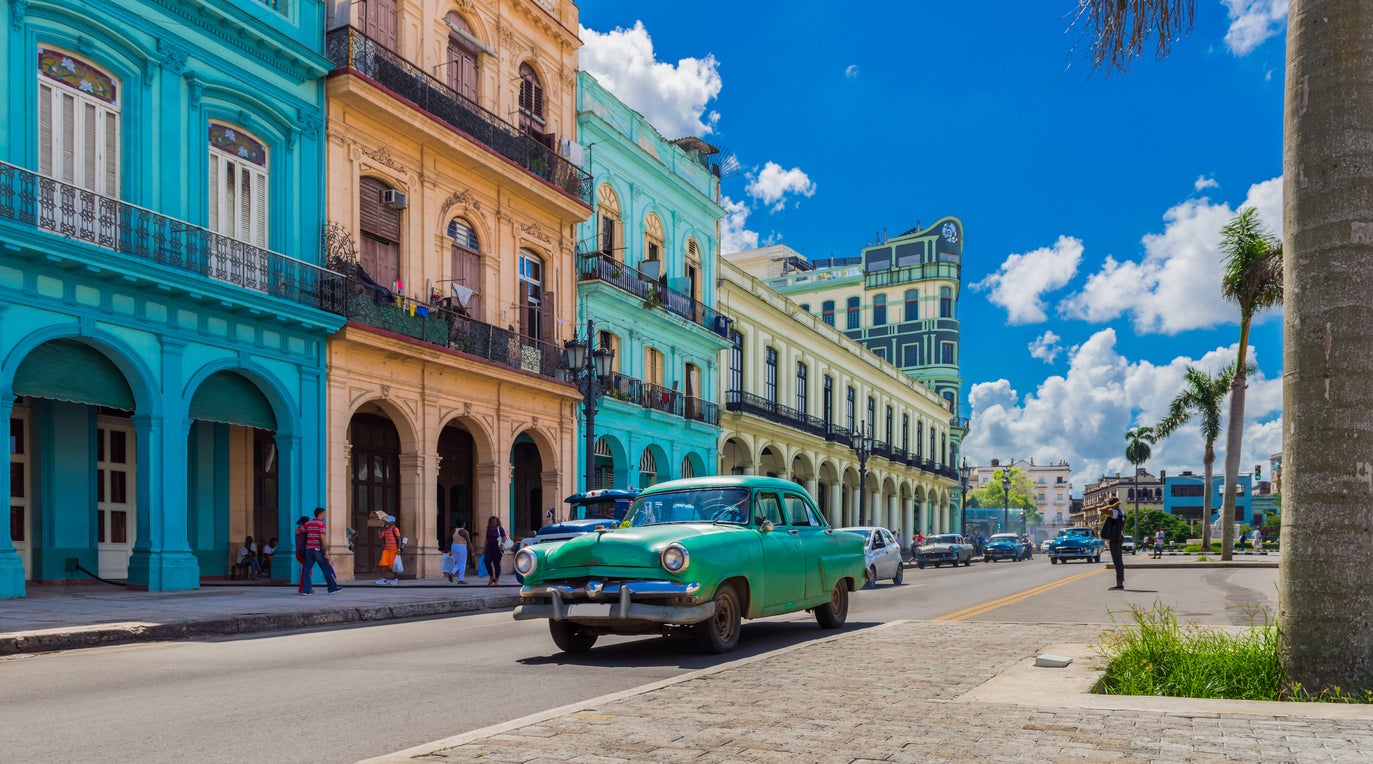
Cuba is a living museum. Havana's Old Town (Habana Vieja), a UNESCO World Heritage site, is a testament to its colonial past, with stunning architecture, classic American cars, and a palpable sense of history on every corner. The Museo de la Revolución gives deep insight into its revolutionary past, while the streets pulse with live salsa music from venues like La Casa de la Música. The unique blend of Spanish, African, and indigenous influences, combined with decades of isolation, has created a truly singular culture that is both resilient and celebratory. The Dominican Republic boasts its own significant historical treasures, particularly Santo Domingo's Zona Colonial, the oldest permanent European settlement in the Americas, also a UNESCO site. Here you'll find the first cathedral, hospital, and university of the New World. The DR's culture is vibrant, expressed through its infectious merengue and bachata music, rich baseball heritage, and warm, welcoming people. However, its history and culture are more integrated into modern Latin American life, lacking Cuba's distinct 'frozen in time' quality. "Cuba just hits different, man. Walking through Havana feels like stepping into a movie set, but it's real life. The music, the art, the stories... it's everywhere."
Winner takeaway
- Winner: Cuba
- Why: Cuba's unique geopolitical history has preserved its culture and architecture in a way unmatched by other Caribbean nations.
- Who this matters for: History buffs, art lovers, music enthusiasts, and those seeking a truly unique cultural immersion.
🏖️ Beaches & Relaxation
While Cuba boasts incredible stretches of white sand and turquoise waters, such as Varadero's 20-kilometer expanse and the pristine Cayo Coco or Cayo Santa María, the infrastructure around them is often less developed or resort-centric, limiting local access and variety outside of specific hotel zones. Varadero, for example, is beautiful but can feel like a self-contained tourist bubble. The Dominican Republic, on the other hand, offers a staggering diversity of beaches. Punta Cana is legendary for its long, palm-fringed stretches like Bávaro Beach, lined with world-class all-inclusive resorts and offering every water sport imaginable. Beyond Punta Cana, you have the wilder, surfing-friendly shores of Cabarete and the serene, undeveloped beauty of the Samaná Peninsula, home to Playa Rincón – often cited as one of the Caribbean's best. The sheer variety, accessibility, and range of experiences from lively to secluded give the DR the edge. "DR's beaches felt more 'vacation-ready' if that makes sense. Punta Cana is just easy, beautiful, and everything is there. Cuba's beaches are gorgeous but sometimes felt like more effort to get to or stay at outside a resort."
Winner takeaway
- Winner: Dominican Republic
- Why: The Dominican Republic offers greater diversity, accessibility, and developed infrastructure around its world-renowned beaches.
- Who this matters for: Beach lovers, families, resort seekers, and those who want a blend of relaxation and water activities.
🍽️ Food & Dining
Cuban cuisine, while hearty and flavorful, can be challenging for variety, especially outside of major tourist hubs. Staples like 'ropa vieja' (shredded beef), 'lechón asado' (roast pork), rice and beans, and plantains are delicious but repetitive. The rise of 'paladares' (private restaurants) in cities like Havana and Trinidad has significantly improved quality and innovation, with some offering excellent seafood and fusion dishes for 1,000-2,500 CUP (approx. $40-100 USD for a good meal). However, consistent access to diverse ingredients remains a hurdle. The Dominican Republic, by contrast, boasts a much more varied and robust food scene. 'La Bandera' (rice, beans, meat) is the national dish, but you'll find an abundance of fresh seafood, vibrant tropical fruits, and a wider array of international cuisines. From humble 'frituras' (fried street snacks) like 'empanadas' and 'yaniqueques' for 50-100 DOP (approx. $1-2 USD) to upscale restaurants in Santo Domingo offering innovative Caribbean fare for $30-60 USD per plate, the DR caters to all tastes and budgets. "Honestly, I loved the vibe in Cuban paladares, but after a week, I was craving something different. DR had so much more choice, especially seafood and fresh fruit, felt like I could always find something new and delicious."
Winner takeaway
- Winner: Dominican Republic
- Why: The Dominican Republic offers a far greater variety, quality, and accessibility of culinary experiences, from street food to fine dining.
- Who this matters for: Foodies, those with dietary restrictions, and travelers who enjoy diverse dining options.
💃 Nightlife & Entertainment
Cuba's nightlife is synonymous with live music. Havana boasts iconic venues like the Tropicana Cabaret (expect tickets around $80-100 USD), the Buena Vista Social Club, and countless smaller 'Casas de la Música' where you can dance salsa until the early hours. The Malecón often transforms into a lively social hub at night, and local bars like Floridita or La Bodeguita del Medio offer a classic cocktail experience (mojitos around 500-800 CUP / $20-30 USD for tourists). It's authentic, passionate, and incredibly immersive. However, it can be less diverse in terms of genre and clubbing options. The Dominican Republic offers a wider, more varied nightlife. In Santo Domingo, you'll find everything from trendy rooftop bars in Piantini to massive clubs playing merengue, bachata, and reggaeton like Jet Set Club (entry ~$10-20 USD). Punta Cana's resorts often have their own discos and themed parties, and Coco Bongo is a famous spectacle-dinner show (tickets ~$90-150 USD). The DR also has lively local 'colmados' (corner stores with bars) where locals gather. Its range caters to both resort-goers and independent urban explorers, with more modern venues and diverse music. "Cuba's music scene is legendary, but for sheer variety and scale of nightlife, especially big clubs and beach parties, DR takes it. I loved dancing salsa in Havana, but I also loved the energy of a huge merengue club in Santo Domingo."
Winner takeaway
- Winner: Dominican Republic
- Why: The Dominican Republic provides a broader and more diverse range of nightlife options, from massive clubs to resort entertainment, catering to more tastes.
- Who this matters for: Party-goers, dance enthusiasts (especially Latin dance), and those seeking varied evening entertainment beyond live music.
🚗 Getting Around
Navigating Cuba is part of the adventure. For inter-city travel, the Viazul bus system is reliable but needs booking weeks in advance, especially for popular routes like Havana to Viñales or Trinidad. Shared 'colectivos' (classic cars shared by tourists) are faster but pricier, about $25-35 USD for Havana-Viñales. Within cities, local taxis (both classic and modern) are available, and 'almendrones' (classic shared taxis following fixed routes) are super cheap (25-50 CUP / $1-2 USD) but require local knowledge. Rental cars are expensive and scarce, often booked months out. The Dominican Republic offers significantly more modern and convenient transport. Major cities like Santo Domingo and Santiago have ride-sharing apps like Uber and Cabify, making urban travel easy and affordable (a 15-minute ride might be $5-10 USD). Inter-city travel is comfortable with modern bus lines like Caribe Tours or Metro Bus, with tickets from Santo Domingo to Punta Cana costing around 400-600 DOP (approx. $7-10 USD). Rental cars are widely available, though driving can be chaotic. "After figuring out the colectivos in Cuba, it was fine, but in DR, just hopping on Uber was so much less stressful for city trips. The buses were way more comfortable too."
Winner takeaway
- Winner: Dominican Republic
- Why: The Dominican Republic offers more modern, diverse, and convenient transportation options, including ride-sharing and reliable inter-city buses.
- Who this matters for: Travelers prioritizing comfort and convenience, families, and those planning extensive multi-city itineraries.
🏨 Accommodation
Cuba's accommodation scene is dominated by 'Casas Particulares,' private homes where locals rent out rooms. These are often the best choice, offering authentic immersion, home-cooked meals (often for an extra $5-10 USD), and invaluable local advice. Prices range from $25-45 USD/night. State-run hotels exist, from charming colonial hotels in Old Havana to resort chains in Varadero, but quality can be inconsistent, and prices for a mid-range hotel often start at $80-150 USD. Booking online can be complex due to sanctions. The Dominican Republic boasts a far wider and more developed range of accommodation. In Punta Cana, you'll find an abundance of luxury all-inclusive resorts from brands like Excellence, Hard Rock, or Secrets, often starting at $200-400 USD per night, offering endless amenities. Santo Domingo has charming boutique hotels in the Zona Colonial (e.g., Hodelpa Caribe Colonial, $80-150 USD/night) and modern high-rises. Hostels are readily available in tourist areas for $15-30 USD/night. The variety, ease of booking, and consistent quality across different price points make the DR superior for most travelers. "Finding a great Casa in Cuba was an adventure, but sometimes I just wanted a standard, reliable hotel. DR had so many options, from cheap hostels to super fancy resorts, booking was a breeze."
Winner takeaway
- Winner: Dominican Republic
- Why: The Dominican Republic offers a much broader selection of accommodation types, price points, and easier booking channels, from budget to luxury.
- Who this matters for: Travelers seeking varied comfort levels, luxury resort-goers, and those who prioritize easy booking and modern amenities.
🚨 Safety & Security
Cuba is widely considered one of the safest countries in the Caribbean, especially regarding violent crime. The state maintains a strong presence, and tourists are generally well-protected. However, hustling ('jineteros') is common, particularly in Havana, where people might try to 'guide' you to expensive restaurants or sell you cigars. Petty theft can occur if you're not careful with your belongings. It's safe to walk around most areas at night, but common sense applies. The Dominican Republic has a higher crime rate than Cuba, particularly petty theft, muggings, and occasional violent crime, especially in larger cities and less-developed areas. Tourist zones like Punta Cana and Puerto Plata are generally well-patrolled, but vigilance is advised, especially when walking alone at night, displaying valuables, or withdrawing cash from ATMs. Carjackings and express kidnappings, though rare, have been reported. "I felt super safe walking around Havana at night, even as a solo female traveler. In DR, I was a bit more cautious, especially after dark in Santo Domingo, though resorts felt secure." While both countries require common sense, Cuba generally offers a lower baseline risk for travelers.
Winner takeaway
- Winner: Cuba
- Why: Cuba boasts significantly lower violent crime rates and a generally safer environment for tourists, especially for solo travelers.
- Who this matters for: Solo travelers, families with young children, and those who prioritize a very low-crime environment.
🌳 Nature & Activities
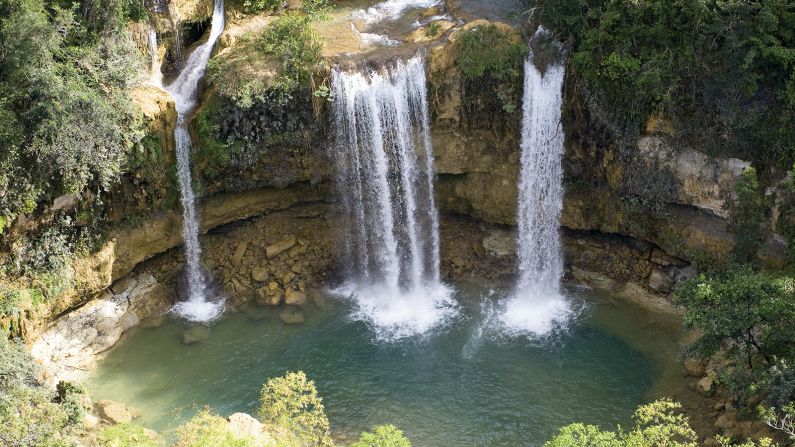
Cuba offers distinct natural beauty, often less commercialized. Viñales Valley, a UNESCO site, mesmerizes with its 'mogotes' (limestone karsts) and tobacco plantations, perfect for hiking and horseback riding (tours around $25-40 USD). The Zapata Swamp, a biosphere reserve, is a haven for birdwatching and crocodile spotting. Diving and snorkeling are superb, particularly around María la Gorda or Cayo Largo, boasting healthy coral reefs and abundant marine life. However, access to some remote natural areas can be challenging. The Dominican Republic excels with its sheer diversity and accessibility of natural wonders. It's home to the Caribbean's highest peak, Pico Duarte, offering multi-day challenging treks. The Samaná Peninsula features stunning waterfalls like El Limón (horseback tours ~$25-40 USD) and is a prime spot for whale watching (Jan-March). Jarabacoa offers white-water rafting and canyoning. Its national parks like Los Haitises boast unique mangrove forests and ancient Taino caves. From deep sea fishing to surfing in Cabarete, the DR simply offers a wider array of accessible adventure activities and ecological zones. "Cuba's nature is beautiful, especially Viñales, but DR felt like it had everything – mountains, waterfalls, crazy good surfing, and the whale watching was just insane."
Winner takeaway
- Winner: Dominican Republic
- Why: The Dominican Republic provides a more extensive and diverse range of natural landscapes and adventure activities, with better infrastructure for access.
- Who this matters for: Adventure seekers, eco-tourists, hikers, water sports enthusiasts, and those wanting diverse natural experiences.
🧍♀️ Solo Travel Potential
Cuba is often lauded as an excellent destination for solo travelers, particularly solo female travelers, primarily due to its extremely low violent crime rate. Locals are generally very friendly, curious, and welcoming, making it easy to connect, especially in 'Casas Particulares'. While Spanish is essential, many young people in tourist areas speak some English. The main challenges are unreliable internet (making solo navigation and communication harder) and the persistent, though mostly harmless, hustling. Learning some Spanish significantly enhances the experience. The Dominican Republic is also a viable option for solo travel, especially in well-trafficked tourist areas like Punta Cana or the Zona Colonial of Santo Domingo. However, it requires more situational awareness regarding petty crime and unwanted attention, particularly for solo women. Public transport can be less intuitive for solo travelers, though ride-sharing helps in cities. The vibrant social scene makes it easy to meet people, both locals and other travelers. "As a solo female, I felt genuinely safe walking around Havana at night. People were always helpful, and while I got approached, it was never aggressive. DR felt a bit more 'on guard' in cities."
Winner takeaway
- Winner: Cuba
- Why: Cuba's exceptionally low crime rate, welcoming local culture, and unique immersive experiences make it particularly well-suited for solo adventurers.
- Who this matters for: Solo travelers (especially women), those seeking deep cultural immersion, and travelers who prioritize safety and authentic connection.
❓ Frequently Asked Questions
Do I need a visa for Cuba or the Dominican Republic?
Most nationalities require a Tourist Card for Cuba, which can be purchased from airlines or online. For the Dominican Republic, many countries are visa-exempt or can purchase a Tourist Card on arrival (though it's being phased out for some). Always check your specific nationality's requirements before travel.
What's the best time of year to visit either country?
The dry season, from November to April, is ideal for both countries with pleasant temperatures and lower humidity. This avoids hurricane season (June to November), though travel during the shoulder months can offer fewer crowds and better prices.
Is internet access a problem in Cuba?
Yes, internet access in Cuba is improving but remains spotty and expensive compared to the DR. You'll typically find Wi-Fi 'hotspots' in public parks or hotels, requiring a paid ETECSA scratch card. In the DR, Wi-Fi is widely available in hotels, restaurants, and cafes, often free.
Can I use US dollars in Cuba or the Dominican Republic?
In Cuba, US dollars are accepted by many businesses and 'Casas Particulares,' though you'll often get a better rate for Euros or CAD. Officially, the local currency (CUP) is preferred. In the Dominican Republic, US dollars are widely accepted in tourist areas, but the local Dominican Peso (DOP) is generally preferred for better rates outside resorts.
Which destination is better for families with young children?
The Dominican Republic, particularly the all-inclusive resorts in Punta Cana, is generally better suited for families. They offer kid-friendly amenities, structured activities, and reliable infrastructure, making travel with children much easier. Cuba can be done with families, but it requires more planning and flexibility.
What are some unique experiences in each country?
In Cuba, you can ride in a classic American car, learn salsa from a local, or explore the tobacco fields of Viñales. In the DR, you can hike to the top of Pico Duarte, witness humpback whales off the Samaná Peninsula, or explore the historic Zona Colonial of Santo Domingo.
What's the public health situation like in both countries?
Cuba has a highly regarded public healthcare system, though facilities for tourists may vary. The DR has private hospitals that are generally better equipped for tourists, especially in major cities. Always have comprehensive travel insurance for both destinations.
Are there direct flights between Cuba and the Dominican Republic?
Direct flights between Havana (Cuba) and Santo Domingo (DR) exist, typically lasting around 1.5-2 hours. Airlines like Air Century and Sunrise Airways operate these routes, making it feasible to combine both countries if you plan ahead and account for visa/entry requirements.
Ready to plan your Caribbean trip?
Get a free custom itinerary for Cuba, Dominican Republic, or both — built from real traveler insights.
🎟️ Book Tours & Experiences
Hand-picked tours and activities for both destinations — book with free cancellation
Experiences via Viator — free cancellation on most tours