How we built this comparison
This page combines traveler discussion patterns, published price ranges, flight schedules, and seasonal data to help you decide between Cuba and Jamaica.
- Reviewed 50+ Reddit threads from r/travel, r/solotravel, r/Cuba, r/Jamaica, and r/asktravel for firsthand experiences and tips.
- Verified costs and logistics against current booking platforms (Expedia, Airbnb, Viazul, etc.) and recent traveler blogs.
- Cross-referenced seasonal patterns, weather data, and national travel advisories for accuracy and safety recommendations.
⚡ The TL;DR Verdict
For those craving deep cultural immersion, historic charm, and a budget-friendly adventure off the beaten path, Cuba is your soulmate, budgeting around $60-90 USD/day. If laid-back vibes, pristine beaches with resort amenities, and easy access to delicious food and adventure sports are higher on your list, Jamaica offers that vibrant, hassle-free escape for $100-150 USD/day.
- Choose Cuba: Choose Cuba if you're an intrepid traveler eager for a genuine cultural experience, love live music (salsa!), classic cars, and don't mind a few logistical quirks for an authentic, affordable trip steeped in history. Ideal for budget-conscious explorers.
- Choose Jamaica: Opt for Jamaica if you prioritize stunning beaches, world-class resorts, easygoing reggae culture, water sports, and a more developed tourist infrastructure. Perfect for those seeking relaxation, adventure, and a vibrant party scene with a higher comfort level.
- Choose Both: While distinct, a longer 2-3 week trip could allow you to experience both by flying via a hub like Miami or Panama City. Start with Cuba for its unique history, then unwind in Jamaica for its beaches. It's ambitious but offers the best of two Caribbean worlds.
Quick Comparison
| Category | Cuba | Jamaica | Winner |
|---|---|---|---|
| Culture & History | Living museum: classic cars, colonial architecture, revolutionary history, vibrant arts. | Reggae, Rastafarianism, Maroons, colonial plantations, emphasis on music and oral traditions. | Cuba |
| Beaches & Water Sports | Stunning white sands, clear waters, limited high-end amenities, great for snorkeling/diving. | Iconic stretches of sand, turquoise waters, extensive resort infrastructure, every water sport imaginable. | Jamaica |
| Food & Drink | Simple, rustic, homestyle Cuban cuisine, excellent rum and coffee, emerging private restaurants. | Flavorful jerk, fresh seafood, diverse international options, potent rum punch, Blue Mountain coffee. | Jamaica |
| Nightlife & Music | Salsa, rumba, live music at every corner, legendary Tropicana, vibrant street parties. | Reggae, dancehall, beach parties, resort entertainment, lively bars. | Tie |
| Costs & Budget | Generally more affordable, cash-heavy economy, limited credit card use, unique dual currency system. | Mid-range to expensive, USD widely accepted, resorts can be pricey, street food is budget-friendly. | Cuba |
| Getting There & Around | Direct flights from some cities, internal transport can be slow/unpredictable, classic cars & Viazul buses. | Many direct international flights, good road network, taxis, route taxis, domestic flights. | Jamaica |
| Accommodation | Primarily 'casas particulares' (homestays), government hotels, limited luxury resorts. | Wide range from luxury all-inclusive resorts to boutique hotels, guesthouses, and villas. | Jamaica |
| Safety & Vibe | Generally safe, petty crime exists, government presence, friendly locals, unique 'analog' feel. | Warm, lively, but higher crime rates in specific areas, resort areas are safe, hassle/solicitation common. | Cuba |
| Nature & Outdoors | Valle de Viñales tobacco fields, El Nicho waterfalls, unique flora/fauna, robust diving sites. | Lush mountains, stunning waterfalls (Dunn's River), Blue Mountains hiking, vibrant marine life. | Jamaica |
| Shopping & Souvenirs | Cigars, rum, coffee, local art, handicrafts, limited brand-name goods. | Blue Mountain coffee, rum, reggae music, local crafts, resort wear, duty-free shops. | Jamaica |
🏛️ Culture & History
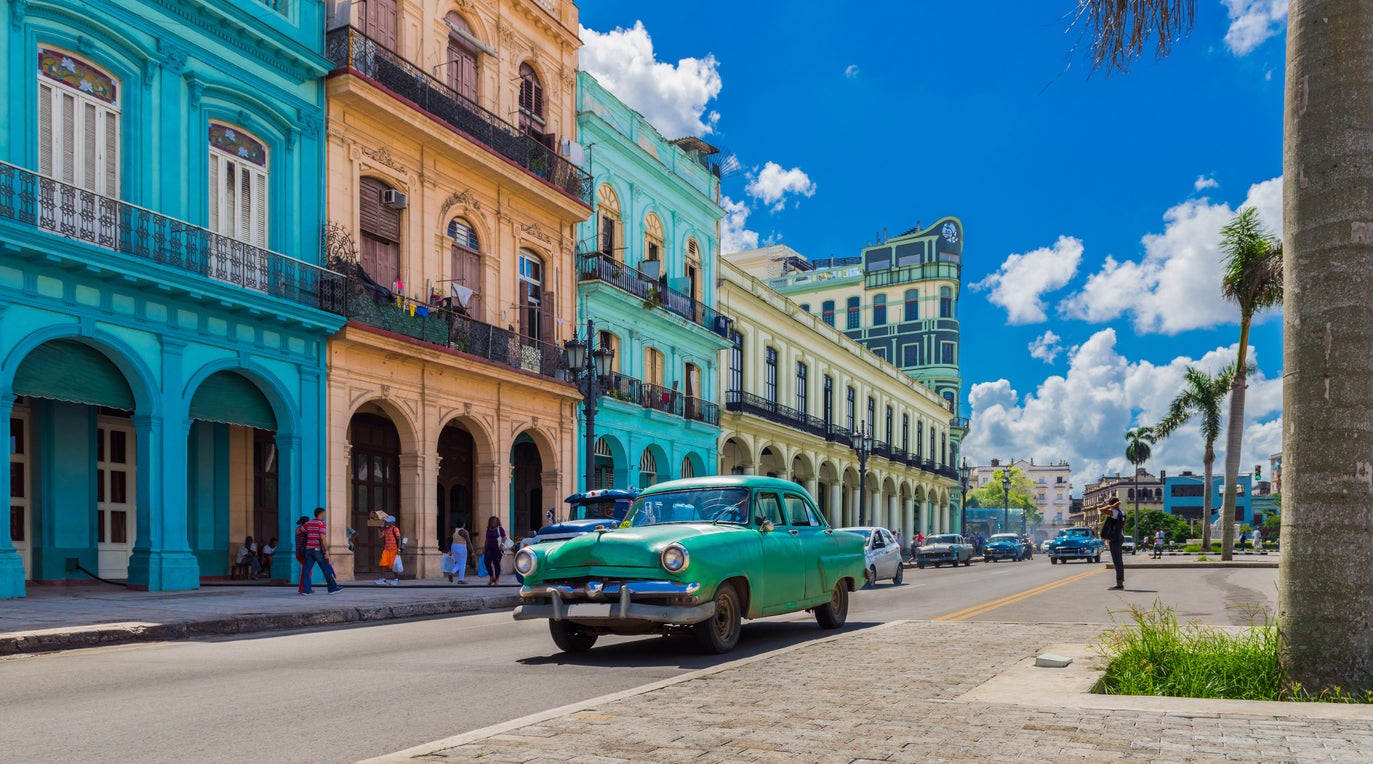
Cuba is a living, breathing time capsule, especially Havana. Wandering Old Havana's cobbled streets, you're surrounded by stunning Spanish colonial architecture, classic American cars from the '50s, and the palpable history of the Cuban Revolution. The vibrant arts scene, from the Fabrica de Arte Cubano (FAC) to countless salsa clubs, offers deep immersion. You'll engage with locals, learn about their unique economic system, and witness resilience firsthand. Jamaica's culture is undeniably powerful, known globally for reggae music, Bob Marley, and Rastafarianism, deeply rooted in African heritage and spiritual beliefs. Sites like Dunn's River Falls or Bob Marley Museum in Kingston offer insights, but the general tourist experience often skims the surface outside curated tours. Cuba forces you into its culture, which is its greatest strength. "Cuba felt like stepping into a movie. Every street corner had music, and the history was just *there*, not in a museum, but alive." The sheer volume of UNESCO sites and the pervasive sense of history give Cuba an edge.
Winner takeaway
- Winner: Cuba
- Why: Cuba offers a more profound and unavoidable cultural and historical immersion that feels truly unique.
- Who this matters for: History buffs, photographers, and travelers seeking authentic cultural exchange.
🏖️ Beaches & Water Sports
Jamaica truly excels with its world-famous beaches like Seven Mile Beach in Negril, known for its soft white sand and calm, clear turquoise waters perfect for swimming, paddleboarding, and snorkeling right off the shore. You'll find a plethora of water sports operators offering jet skiing, parasailing, glass-bottom boat tours, and PADI-certified diving excursions. Resorts often include these activities, making it incredibly convenient. Popular dive sites like those near Negril and Montego Bay boast vibrant coral reefs and marine life. Cuba also has breathtaking beaches, notably Varadero, Cayo Coco, and Cayo Guillermo, with equally pristine white sands and incredibly clear, calm waters. The diving and snorkeling, especially around María la Gorda or the Jardines de la Reina, are world-class. However, the infrastructure for water sports can be more basic or resort-specific in Cuba, and outside of Varadero, independent operators are less common. "Jamaica's Negril beaches felt like paradise, everything was so easy to access. In Cuba, the beaches were beautiful but required more effort to get to and find gear." For sheer variety, accessibility, and ease of engaging in water sports, Jamaica takes the crown.
Winner takeaway
- Winner: Jamaica
- Why: Jamaica offers more accessible, amenity-rich beaches with a wider array of readily available water sports.
- Who this matters for: Beach lovers, families, resort-goers, and water sports enthusiasts.
🍽️ Food & Drink
Jamaican food is a symphony of flavors, especially its iconic jerk chicken, pork, and fish, slow-cooked over pimento wood and infused with fiery scotch bonnet peppers. From roadside shacks like Scotchies to upscale restaurants, it's consistently delicious. Ackee and saltfish, curried goat, and fresh seafood are staples. The abundance of fresh fruit and vibrant spices makes every meal an experience. Cuba's food scene, due to decades of economic constraints, is generally simpler and more rustic. Expect delicious but often repetitive meals of rice and beans (moros y cristianos), roasted pork (lechon), chicken, and plantains. The rise of 'paladares' (private restaurants) has introduced more creativity, with places like La Guarida in Havana offering elevated Cuban and international dishes, but it's still a journey for variety. Both countries have fantastic rum – Cuba's Havana Club vs. Jamaica's Appleton Estate – and excellent coffee. "After a week in Cuba, I was craving variety. Jamaica's food blew me away with all the different flavors and spices." While Cuba offers a taste of traditional homestyle cooking, Jamaica offers a much richer and more diverse culinary adventure.
Winner takeaway
- Winner: Jamaica
- Why: Jamaica's vibrant, diverse, and consistently delicious culinary scene, especially jerk, surpasses Cuba's generally simpler fare.
- Who this matters for: Foodies, adventurous eaters, and those who prioritize diverse dining experiences.
🎶 Nightlife & Music
This category is a tough call, as both excel in distinct ways. Cuba's nightlife is an intoxicating blend of live music, dancing, and spontaneous street parties. Havana's Casa de la Música de Miramar is legendary for salsa, while places like La Zorra y el Cuervo offer incredible jazz. The Tropicana Cabaret provides a lavish, historic show. Music is woven into the fabric of daily life; you'll find musicians playing in restaurants, plazas, and even on public transport. Jamaica's nightlife revolves around the infectious rhythms of reggae and dancehall. From beach parties in Negril to vibrant clubs in Montego Bay, the energy is high. Live music venues like Redbones Blues Cafe in Kingston showcase local talent, and many resorts host nightly entertainment. "Cuba's salsa scene just pulls you in, whether you can dance or not. But Jamaica's beach parties under the stars with reggae beats are pure magic." If you're into structured, high-energy clubbing and resort entertainment, Jamaica delivers. If you crave spontaneous, authentic live music and dancing embedded in the local culture, Cuba is unmatched. Both offer incredible, distinct musical experiences.
Winner takeaway
- Winner: Tie
- Why: Both destinations offer exceptional and distinct music and nightlife experiences that cater to different preferences.
- Who this matters for: Party-goers, music lovers, and anyone looking to dance the night away.
💰 Costs & Budget
Cuba is generally more budget-friendly for the independent traveler, though the unique dual-currency system (CUP for locals, CUC for tourists, now largely unified to CUP but with an unofficial exchange rate often more favorable than official bank rates) can be confusing. Expect to pay in cash (Euros or CAD are often preferred over USD due to US sanctions, getting ~250-300 CUP per USD on the street vs. ~120 CUP officially). A casa particular (private homestay) averages $25-40 USD/night, a good meal $10-20 USD, and local transport a few CUP. A comfortable daily budget is $60-90 USD. Jamaica, while offering budget options like guesthouses and local eateries, leans more towards mid-range to luxury, especially with its resort-centric tourism. A decent hotel can start at $80-150 USD/night, and meals in tourist areas often cost $20-40 USD. USD is widely accepted, but Jamaican Dollars (JMD) are also used (approx. 1 USD = 155 JMD). "Cuba saved my wallet. You can eat like a king for $20 a day if you stick to local spots and casas. Jamaica felt like everything was priced in USD for tourists." While Jamaica has affordable street food, overall expenses for accommodation, activities, and dining out are noticeably higher, making Cuba the clear winner for budget-conscious travelers.
Winner takeaway
- Winner: Cuba
- Why: Cuba offers a significantly more affordable travel experience for accommodation, food, and local transport.
- Who this matters for: Budget travelers, backpackers, and those looking to stretch their travel funds further.
✈️ Getting There & Around
Jamaica is incredibly easy to access with major international airports in Montego Bay (MBJ) and Kingston (KIN) receiving numerous direct flights from North America (e.g., Miami to Montego Bay ~1h 30m, New York to Kingston ~3h 45m) and Europe. Getting around is straightforward with private taxis, shared 'route taxis' (more budget-friendly), and reputable tour operators. Domestic flights are also an option between major cities. Cuba's accessibility for US citizens is restricted (you need to qualify under one of 12 categories, e.g., 'support for the Cuban people'), though Canadians and Europeans have easier direct flights (e.g., Toronto to Havana ~3h 30m, Madrid to Havana ~9h 30m). Once there, internal transport can be challenging. Viazul buses are reliable but book up fast. Shared 'colectivos' (classic cars) are common but require negotiation. Rental cars are expensive and scarce, and roads can be poor. "In Jamaica, getting a taxi from the airport to my hotel was a breeze. In Cuba, it was an adventure just finding a reliable ride out of Havana." The ease of entry, abundance of direct flights, and more developed internal transport network make Jamaica less stressful for travelers.
Winner takeaway
- Winner: Jamaica
- Why: Jamaica offers superior international flight connectivity and a more straightforward, reliable internal transport system.
- Who this matters for: First-time international travelers, those seeking convenience, and visitors with limited time.
🏨 Accommodation
Jamaica offers a vast spectrum of accommodation options catering to every budget and style. From ultra-luxury all-inclusive resorts like Sandals and Couples in Negril or Montego Bay (starting at $300-500 USD/night) to charming boutique hotels, guesthouses (starting $50-100 USD/night), and private villas, there's something for everyone. You can easily find properties with modern amenities, reliable Wi-Fi, and excellent service. Cuba's accommodation landscape is dominated by 'casas particulares' (private homestays), which offer an authentic cultural experience at a great value ($25-40 USD/night). These are often clean and comfortable but lack the amenities of standard hotels. There are government-run hotels, particularly in Havana and Varadero, but they can be dated and inconsistent in quality, with prices comparable to or higher than independent casas. High-end luxury resorts are limited, mostly found in Varadero or the Cayo islands. "Finding a comfortable, modern hotel with good amenities in Jamaica was effortless. In Cuba, I loved my casa particular, but it definitely wasn't a resort experience." For variety, modern amenities, and predictable comfort, Jamaica is the clear leader.
Winner takeaway
- Winner: Jamaica
- Why: Jamaica provides a much broader range of accommodation choices, from luxury resorts to budget-friendly options, with more consistent quality and amenities.
- Who this matters for: Travelers seeking comfort, luxury, resort amenities, or a wide choice of lodging styles.
🚨 Safety & Vibe
Cuba generally feels very safe, especially in tourist areas. The strong government presence means serious crime against tourists is rare, though petty theft (pickpocketing, bag snatching) can occur, particularly in crowded areas of Havana. Locals are often incredibly friendly and eager to interact, though 'jineteros' (hustlers) can be persistent with offers for taxis, cigars, or restaurants. The overall vibe is one of resilience, charm, and an 'analog' disconnection from the digital world. Jamaica, while vibrant and welcoming, has higher rates of violent crime, particularly outside major tourist zones like Montego Bay, Negril, and Ocho Rios. Resort areas are heavily guarded and generally safe, but venturing independently into less-developed areas requires caution. Harassment and persistent solicitation from vendors and taxi drivers can be more prevalent than in Cuba. "I felt incredibly safe walking around Havana at night, even alone. In Jamaica, I stuck to the resort after dark or took recommended taxis." For a general sense of personal safety and less persistent solicitation, Cuba offers a more relaxed, worry-free environment.
Winner takeaway
- Winner: Cuba
- Why: Cuba generally offers a safer and more laid-back atmosphere with less overt crime and solicitation for tourists.
- Who this matters for: Solo travelers, families, and those prioritizing a sense of security and a relaxed atmosphere.
🌳 Nature & Outdoors
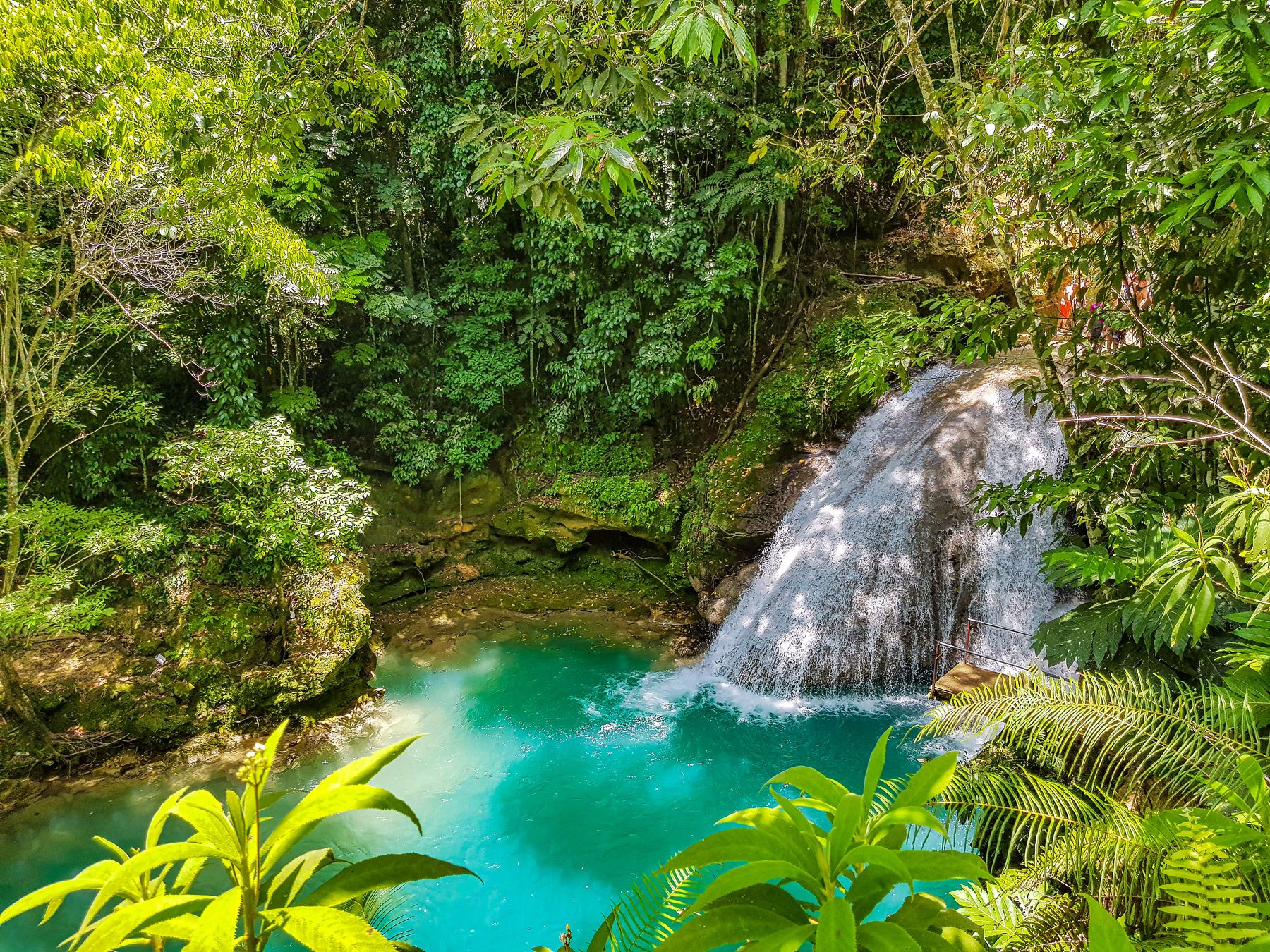
Jamaica is a paradise for nature lovers, boasting lush rainforests, majestic mountains, and spectacular waterfalls. Dunn's River Falls near Ocho Rios is iconic, where you can climb the terraced falls. The Blue Mountains offer incredible hiking opportunities, including trails to the highest peak, Blue Mountain Peak (2,256m), where you can witness stunning sunrises and learn about world-famous Blue Mountain coffee production. The Black River Safari provides chances to see crocodiles and diverse birdlife. Cuba offers its own unique natural beauty, particularly the stunning limestone mogotes of the Valle de Viñales, famous for tobacco farms and cave explorations. El Nicho waterfalls and Topes de Collantes near Trinidad provide beautiful hiking and swimming spots. The diving, especially in protected areas like Jardines de la Reina, is phenomenal and often considered among the best in the Caribbean. "Jamaica's mountains and waterfalls are just unreal; the sheer scale of the Blue Mountains blew me away. Cuba's nature is beautiful but felt more subtle." While Cuba has unique ecosystems and world-class diving, Jamaica's dramatic landscapes, accessible waterfalls, and extensive hiking opportunities give it an edge for active outdoor enthusiasts.
Winner takeaway
- Winner: Jamaica
- Why: Jamaica offers more diverse and dramatic natural landscapes, from towering mountains to iconic waterfalls, with easier accessibility for outdoor activities.
- Who this matters for: Hikers, adventure seekers, nature photographers, and waterfall enthusiasts.
🛍️ Shopping & Souvenirs
Jamaica offers a more varied and accessible shopping experience for tourists. Beyond the ubiquitous Blue Mountain coffee and Appleton Estate rum, you'll find an abundance of reggae-themed merchandise, local art, wood carvings, straw goods, and a wide array of resort wear. Duty-free shops are common in major tourist areas and airports, selling jewelry, perfumes, and electronics. Craft markets like the Harbour Street Craft Market in Montego Bay offer unique handmade items. Haggling is expected in many local markets. Cuba's shopping scene is more limited due to economic constraints. The primary souvenirs are world-renowned Cuban cigars (Cohiba, Montecristo), excellent local rum (Havana Club, Santiago de Cuba), and high-quality coffee. You'll also find beautiful local art, especially in San Rafael Street in Havana, and handmade crafts. However, branded goods or diverse fashion items are scarce. "I easily found cool souvenirs and gifts for everyone in Jamaica, from coffee to Bob Marley shirts. In Cuba, it was mostly rum and cigars, which is great, but less variety." For a broader range of shopping options, from luxury goods to local crafts, Jamaica provides a more fulfilling experience.
Winner takeaway
- Winner: Jamaica
- Why: Jamaica provides a wider variety of accessible shopping options, from duty-free goods to diverse local crafts and resort wear.
- Who this matters for: Shoppers, those looking for diverse souvenirs, and travelers seeking branded goods.
❓ Frequently Asked Questions
Do I need a visa to visit Cuba or Jamaica?
For Jamaica, many nationalities, including US, Canadian, and UK citizens, do not require a visa for tourist stays up to 90 days. For Cuba, US citizens need a specific license category (e.g., 'Support for the Cuban People') and a Cuban Tourist Card, which acts as a visa. Most other nationalities also require a Tourist Card, obtainable from airlines or embassies.
What's the best time of year to visit?
The dry season, from mid-November to May, is ideal for both Cuba and Jamaica, offering pleasant temperatures, sunny skies, and lower humidity. Hurricane season runs from June to November, with peak activity typically from August to October, though travel during these months can offer lower prices.
Is English widely spoken in both countries?
English is the official language of Jamaica, so communication is generally very easy. In Cuba, Spanish is the official language. While English is spoken in major tourist hotels and by some tour guides, learning a few basic Spanish phrases will significantly enhance your experience and interactions with locals, especially outside Havana and Varadero.
Are they safe for solo female travelers?
Both destinations require common-sense precautions. Cuba is generally considered very safe for solo female travelers, with low crime rates, though respectful vigilance against 'jineteros' (hustlers) is advised. Jamaica can be safe, particularly within resorts and established tourist areas, but it's wise to avoid isolated areas at night and be assertive with unwanted attention.
What's the internet and connectivity like?
Jamaica generally has good internet connectivity, especially in resorts and major towns, with Wi-Fi widely available (though sometimes for a fee). In Cuba, internet access is limited and often slow. You'll typically find Wi-Fi 'hotspots' in public parks or specific hotels, requiring the purchase of ETECSA scratch cards. Expect to be largely offline in Cuba, which many travelers find part of its charm.
Can I use US dollars in Cuba and Jamaica?
In Jamaica, US dollars are widely accepted alongside the Jamaican Dollar (JMD), making transactions straightforward. In Cuba, while USD can be exchanged, it's often subject to a penalty, and Euros or Canadian Dollars are preferred for better exchange rates on the unofficial market. Credit card use for US citizens in Cuba is severely restricted, making cash king.
What about the hurricane season for these islands?
Both Cuba and Jamaica are within the Atlantic hurricane belt. Hurricane season officially runs from June 1st to November 30th each year. While direct hits are not common, storms can cause disruptions. Travel insurance is highly recommended during these months, and it's essential to monitor weather forecasts closely.
Are they family-friendly destinations?
Both can be family-friendly, but in different ways. Jamaica excels with its numerous all-inclusive resorts offering kids' clubs, water parks, and supervised activities, making it very easy for families. Cuba is family-friendly in a more 'adventure' sense, offering cultural experiences, safe environments for kids to play, and beautiful beaches, but with fewer dedicated family amenities outside a few specific resorts.
Ready to plan your Caribbean trip?
Get a free custom itinerary for Cuba, Jamaica, or both — built from real traveler insights.
🎟️ Book Tours & Experiences
Hand-picked tours and activities for both destinations — book with free cancellation
Experiences via Viator — free cancellation on most tours