How we built this comparison
This page combines traveler discussion patterns, published price ranges, flight schedules, and seasonal data to help you decide between Cuba and Mexico.
- Reviewed 50+ Reddit threads from r/travel, r/solotravel, r/Cuba, r/MexicoTravel, r/cancun, r/CDMX for authentic traveler experiences and advice.
- Verified costs and logistics against current booking platforms (e.g., Booking.com, Hostelworld, Viazul, ADO, airline sites) and recent traveler reports.
- Cross-referenced seasonal patterns, weather data from meteorological sources, and official travel advisories.
⚡ The TL;DR Verdict
Choose Cuba if you crave unique cultural immersion, a slower pace, and don't mind a few logistical quirks, budgeting $60-100 USD/day. Opt for Mexico for diverse experiences, culinary adventures, and easier logistics across a wider budget spectrum ($40-150+ USD/day).
- Choose Cuba: For the adventurous, budget-conscious traveler seeking a truly unique cultural experience, historical depth, and genuine connection away from mainstream tourism, embracing a 'digital detox'.
- Choose Mexico: For those desiring a mix of ancient ruins, bustling cities, pristine beaches, world-class food, and seamless travel logistics, suitable for families, solo travelers, and luxury seekers alike.
- Choose Both: Consider both if you have 3+ weeks and want to experience contrasting Latin American cultures. Start with Mexico for ease, then fly to Cuba for a deeper dive. A budget of $100+ USD/day would be comfortable.
Quick Comparison
| Category | Cuba | Mexico | Winner |
|---|---|---|---|
| Costs & Budget | Generally cheaper for basics (accommodation, local food), but tourist services can be priced in MLC (USD equivalent). Cash is king. | Wide range from ultra-budget to luxury. More transparency, card acceptance, but tourist areas can be pricey. | Tie |
| Beaches & Coastal Beauty | Pristine, less developed beaches like Varadero and Cayo Largo, often with a raw, untouched feel. Fewer commercial amenities. | Iconic white sand beaches, vibrant coral reefs, and extensive resort infrastructure in the Riviera Maya; rugged Pacific coasts. | Mexico |
| Food & Drink | Traditional Cuban cuisine (rice, beans, pork/chicken) is hearty but can be repetitive. Paladares offer improving, authentic options. | A UNESCO Intangible Cultural Heritage, offering incredible diversity from street food to fine dining across all regions. | Mexico |
| Nightlife & Entertainment | Live music (salsa, son), intimate bars, and classic cabaret shows. Authentic, unpretentious, and uniquely Cuban. | Ranges from mega-clubs in Cancun/Playa del Carmen to sophisticated cocktail bars in CDMX and vibrant local cantinas. | Mexico |
| Culture & History | Frozen-in-time colonial cities, revolutionary history, classic cars, and a unique, resilient spirit. | Ancient Mayan and Aztec ruins, Spanish colonial cities, vibrant indigenous traditions, and world-class museums. | Cuba |
| Safety & Security | Generally very safe, low violent crime. Petty theft exists. Strong government presence can feel restrictive. | Tourist areas are generally safe, but cartel violence in non-tourist zones gives a perception of danger. Petty crime is common. | Cuba |
| Getting There & Around | Direct flights from the US are available but with restrictions. Internal travel relies on Viazul buses or shared taxis (colectivos). | Excellent air connectivity worldwide. Extensive and affordable bus network (ADO), ride-sharing, and rental cars. | Mexico |
| Accommodation | Casas Particulares (private homes) offer authentic stays. State-run hotels can be dated. Limited luxury options. | Everything from budget hostels to boutique hotels, luxury resorts, and unique eco-lodges. Vast selection. | Mexico |
| Nature & Adventure | Viñales Valley's mogotes, pristine cays, and accessible national parks. Focus on natural beauty and simple activities. | Diverse landscapes from deserts and volcanoes to jungles, cenotes, and extensive reef systems. Adrenaline-pumping activities. | Mexico |
| Solo Travel Experience | Safe and welcoming, easy to meet locals in Casas Particulares. Internet limitations can be challenging. | Excellent infrastructure for solo travelers, thriving hostel scene, easy to meet others, and great connectivity. | Mexico |
💸 Costs & Budget
Cuba offers a fascinating dual economy. While local goods and transport (like a guagua/bus for 1 CUP, less than $0.05 USD) are incredibly cheap, tourist-facing services (casas particulares, taxis, nice paladares) often quote in MLC, essentially USD. A decent private room in a Casa Particular in Havana might be 30-45 MLC ($30-45 USD). Eating at a paladar can run 15-25 MLC ($15-25 USD) for a good meal. Connectivity is expensive – 1 hour of ETECSA Wi-Fi is about $1 USD. So, a mid-range Cuba trip might be $60-100 USD/day. Mexico, on the other hand, gives you more control. You can survive on $40-50 USD/day staying in hostels (e.g., a dorm bed in Oaxaca for 250-400 MXN / $15-25 USD), eating street food (tacos for 15-30 MXN / $0.90-$1.80 USD each), and using ADO buses. Or you can splurge on resort stays in Tulum for $300+ USD/night. A comfortable mid-range trip (private room, varied food, some tours) is typically $80-120 USD/day. "Cuba is cheap until you realize you're paying tourist prices for everything and those dollars disappear fast, especially if you want internet or nice cocktails." Mexico allows for more flexible spending and easier budgeting with consistent currency.
Winner takeaway
- Winner: Tie
- Why: Both offer budget options but in very different ways. Cuba is cheaper for local experiences but tricky for modern amenities; Mexico provides a clearer, more versatile budget landscape.
- Who this matters for: Savvy budget travelers who are comfortable with cash and a bit of a challenge (Cuba); or anyone valuing financial transparency and diverse spending options (Mexico).
🏖️ Beaches & Coastal Beauty
Cuba boasts some undeniably stunning stretches of sand, particularly at Varadero with its calm, turquoise waters and Cayo Largo del Sur, renowned for Playa Sirena. These spots are picture-perfect, often less crowded than their Mexican counterparts, offering a more tranquil escape. However, the infrastructure around them is generally less developed; think fewer high-end resorts, limited dining options, and sometimes basic services. Mexico's offerings are incredibly diverse and more accessible. The Riviera Maya (Cancun, Playa del Carmen, Tulum) features world-famous beaches with extensive amenities, from luxury resorts and beach clubs to vibrant nightlife. You can easily find snorkeling and diving tours to explore the Mesoamerican Barrier Reef. Beyond the Caribbean, Mexico's Pacific coast (Puerto Vallarta, Sayulita, Oaxaca's coast) offers dramatic cliffs, surf breaks, and a different vibe entirely. For sheer variety, accessibility, and quality of amenities, Mexico takes the win. "Cuba's beaches are gorgeous, but after a day, I wanted more than just sand and sun. Mexico gave me that plus cenotes and amazing food right on the beach."
Winner takeaway
- Winner: Mexico
- Why: Mexico offers a wider variety of accessible, well-equipped beaches for different tastes, from party hubs to serene coves, with better infrastructure for activities and comfort.
- Who this matters for: Travelers seeking convenience, diverse water activities, luxury amenities, or a specific beach vibe (party, surf, family).
🌮 Food & Drink
This isn't even a contest. Mexico's culinary scene is a world-class powerhouse, a UNESCO Intangible Cultural Heritage for good reason. From the ubiquitous and utterly delicious street tacos (pastor, suadero, carnitas) found on every corner in Mexico City for 15-30 MXN ($0.90-$1.80 USD) to the complex moles of Oaxaca and the fresh ceviche on the coasts, every region offers distinct, vibrant flavors. High-end dining in places like Pujol or Quintonil in Mexico City is also globally recognized. You can eat like royalty on a budget or splurge on unforgettable gastronomic experiences. Cuba's food, while improving, is historically more limited due to economic challenges and ingredient availability. Traditional fare like Ropa Vieja (shredded beef), Arroz con Pollo (chicken and rice), and black beans are staples, but the variety isn't there. Paladares (private restaurants) like La Guarida or San Cristóbal in Havana offer a more elevated experience (main courses 20-35 MLC / $20-35 USD) but often still focus on similar core ingredients. "Honestly, after a week in Cuba, I was craving anything that wasn't rice and beans. Mexico's food scene is just on another level, every meal was an adventure."
Winner takeaway
- Winner: Mexico
- Why: Mexico's food is incredibly diverse, consistently delicious, and culturally rich, offering options for every palate and budget.
- Who this matters for: Anyone for whom food is a central part of their travel experience, from street food enthusiasts to fine dining connoisseurs.
💃 Nightlife & Entertainment
Cuba's nightlife is characterized by its soulful live music. Havana's Casa de la Música and smaller venues pulse with salsa, son, and rumba. Visiting the Fábrica de Arte Cubano (FAC) is a must for its multi-disciplinary art and music scene, and a night at the Tropicana cabaret is a classic (though pricey at 75-100 MLC / $75-100 USD). It's an immersive experience, often more about dancing and listening than elaborate drinks. However, options are somewhat limited beyond Havana. Mexico offers an unparalleled spectrum of nightlife. Cancun and Playa del Carmen are famous for their mega-clubs like Coco Bongo and Mandala, offering high-energy, tourist-focused parties with cover charges often including open bar (e.g., $70-100 USD). Mexico City, in contrast, boasts sophisticated speakeasies in Roma Norte, vibrant cantinas in Juárez, and electronica clubs in Condesa. Oaxaca has mezcalerías where you can sip artisanal mezcal and enjoy live folk music. The sheer variety and scale of entertainment, from world-class DJs to local mariachi, gives Mexico the edge. "Cuba's music scene is magical, but I missed the variety of just being able to hop between different kinds of bars or clubs like I do in Mexico City, where every neighborhood has its own vibe."
Winner takeaway
- Winner: Mexico
- Why: Mexico offers a significantly broader and more diverse range of nightlife options, catering to every preference from mega-clubs to sophisticated bars and local cantinas.
- Who this matters for: Party-goers, those seeking diverse entertainment options, or anyone who enjoys a vibrant, late-night scene beyond live music.
🏛️ Culture & History
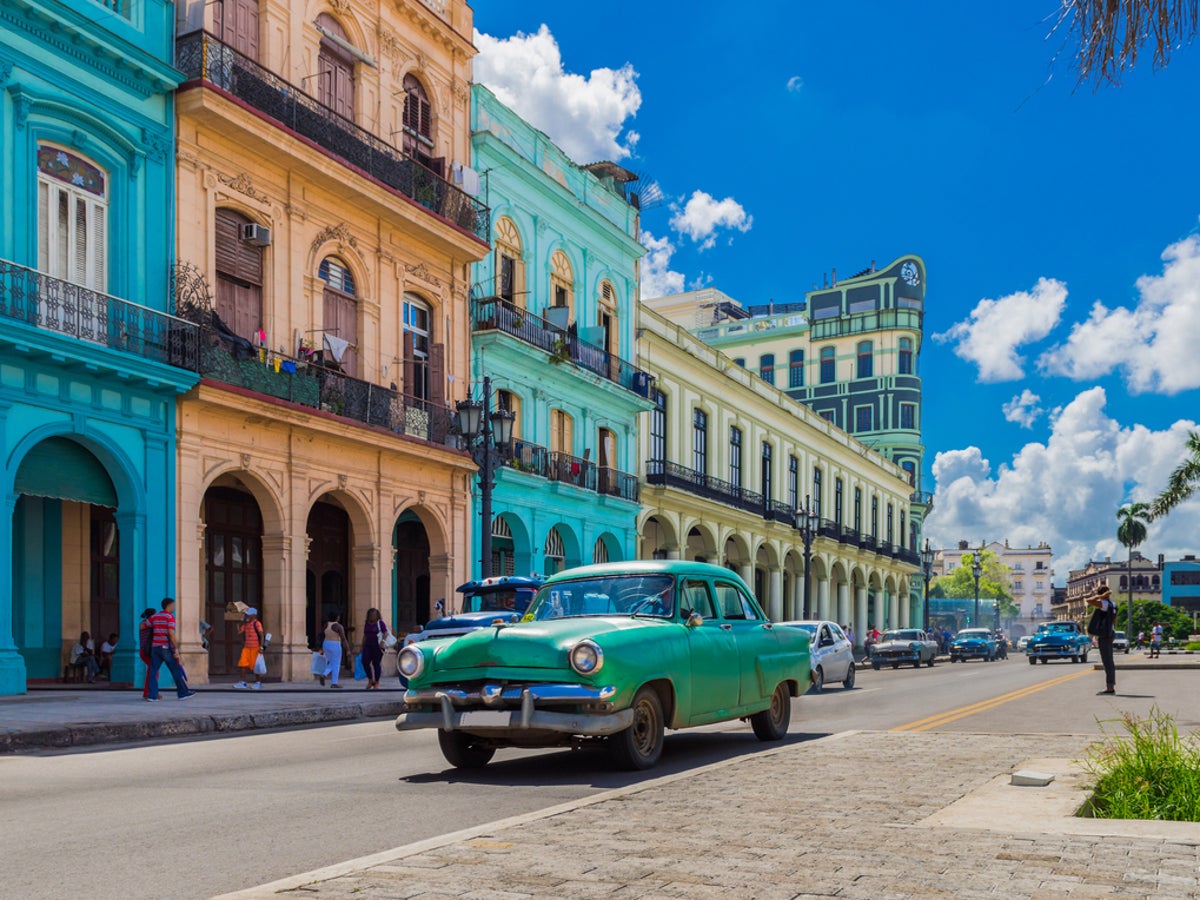
Cuba's culture and history are truly singular. Havana Vieja, a UNESCO World Heritage site, feels like a living museum with its crumbling colonial architecture and classic American cars from the 50s. The revolutionary history is palpable everywhere, from Che Guevara memorials to the Bay of Pigs museum. The resilient spirit of the Cuban people, their love for music, and their unique way of life under challenging circumstances offer a profound cultural immersion that is hard to replicate. Visiting Trinidad, another UNESCO gem, transports you back in time. Mexico counters with an immense wealth of ancient civilizations like the Mayans (Chichen Itza, Palenque) and Aztecs (Teotihuacan outside Mexico City), offering spectacular archaeological sites that are globally renowned. Its colonial cities like San Miguel de Allende and Oaxaca are stunning. Mexico City's museums (National Museum of Anthropology, Frida Kahlo House) are world-class. However, Cuba's 'frozen-in-time' ambiance and unique political-social context provide a more distinct and immediate cultural shock and immersion that leaves an indelible mark. "Cuba's history isn't just in museums; it's in the streets, the conversations, the vintage cars. It feels alive and incredibly unique, like stepping into a movie set."
Winner takeaway
- Winner: Cuba
- Why: Cuba offers a truly unique and immersive cultural experience, characterized by its 'frozen-in-time' feel, revolutionary history, and resilient spirit that is unlike anywhere else.
- Who this matters for: History buffs, photographers, travelers seeking profound cultural immersion, and those interested in understanding unique geopolitical contexts.
👮 Safety & Security
Cuba is widely considered one of the safest countries in the Caribbean for tourists. Violent crime against foreigners is exceedingly rare. You can comfortably walk Havana's streets at night, though petty theft (pickpocketing) can occur in crowded areas, especially near tourist attractions. The strong government presence, while sometimes feeling restrictive (e.g., internet monitoring, less open dissent), contributes to a very low crime rate. You're more likely to be hassled by jineteros (hustlers) offering services or goods than face serious danger. Mexico often suffers from a perception of being unsafe due to highly publicized cartel violence, which primarily occurs in specific regions far from major tourist hubs. Popular destinations like Cancun, Riviera Maya, Mexico City, Oaxaca, and San Miguel de Allende are generally very safe for tourists, though petty crime like pickpocketing and bag snatching is more prevalent than in Cuba. Taking standard precautions like not flashing valuables, being aware of your surroundings, and using reputable transport is key. While tourist zones are often well-policed, the broader context of Mexico's security issues means a slightly higher level of vigilance is required compared to Cuba. "In Cuba, I felt totally safe walking alone at night, which is something I'd be hesitant to do in some parts of Mexico, even touristy ones. The biggest 'threat' was someone trying to sell me cigars."
Winner takeaway
- Winner: Cuba
- Why: Cuba offers a significantly lower risk of both violent and petty crime for tourists, providing a more relaxed sense of security.
- Who this matters for: Solo travelers (especially women), families, and anyone prioritizing a worry-free travel experience regarding personal safety.
✈️ Getting There & Around
Getting to Cuba from the US involves navigating specific travel categories (e.g., 'support for the Cuban people'), but direct commercial flights are regular from major hubs like Miami (MIA to HAV ~1 hour, roughly $200-400 USD return). From Europe, it's easier. Once there, internal travel is an adventure. Viazul buses are reliable but can book up, and services are limited. Shared taxis (colectivos) are faster but require haggling (e.g., Havana to Viñales 25-35 MLC / $25-35 USD). Rental cars are expensive and often scarce, with poor road conditions outside major routes. Mexico is a breeze by comparison. Major international airports like Cancun (CUN), Mexico City (MEX), and Guadalajara (GDL) have excellent global connectivity, with numerous direct flights from the US (e.g., JFK to CUN ~4 hours, $300-600 USD return). Domestically, ADO buses offer comfortable, affordable, and extensive routes connecting virtually every city (e.g., Cancun to Tulum for ~250 MXN / $15 USD). Ride-sharing apps like Uber are common in big cities, and rental cars are readily available and affordable for road trips. "After trying to get a Viazul ticket for two days, I just gave up and took a colectivo. Mexico's ADO buses are like luxury coaches by comparison; I never had to worry about getting around there."
Winner takeaway
- Winner: Mexico
- Why: Mexico boasts superior air connectivity, a highly efficient and extensive public transportation network, and easier self-drive options.
- Who this matters for: Travelers who value convenience, comfort, and flexibility in their travel logistics, or those planning multi-city itineraries.
🏨 Accommodation
Cuba's accommodation scene is dominated by Casas Particulares, private homes where locals rent out rooms (e.g., $30-45 MLC / $30-45 USD per night in Havana). These offer an incredible opportunity to interact with Cuban families and experience local life, often including home-cooked meals. State-run hotels, especially outside Havana, can be basic and sometimes lack consistent service, though some colonial hotels in Havana like Hotel Nacional or Hotel Saratoga offer historical charm. Luxury options are growing but still limited and often managed by international chains. Mexico's accommodation spectrum is vast and modern. You can find hostels for $15-25 USD/night in major cities, charming boutique hotels (e.g., Hotel Escondido in Oaxaca for $150-300 USD), sprawling all-inclusive resorts in Cancun or Playa del Carmen (often $200-500+ USD/night), and unique eco-lodges or Airbnb rentals across the country. The variety, quality, and ease of booking (online platforms are seamless) make Mexico a clear winner for accommodation choice and comfort. "Staying in a Casa Particular was a highlight of Cuba, but for consistent quality and options, Mexico wins. I could find a perfect hostel, a fancy resort, or a cool Airbnb, all with just a few clicks."
Winner takeaway
- Winner: Mexico
- Why: Mexico offers a significantly wider range of accommodation types, styles, and price points, with higher overall quality and easier booking options.
- Who this matters for: Travelers seeking diverse lodging experiences, luxury resorts, reliable standards, or easy online booking.
⛰️ Nature & Adventure
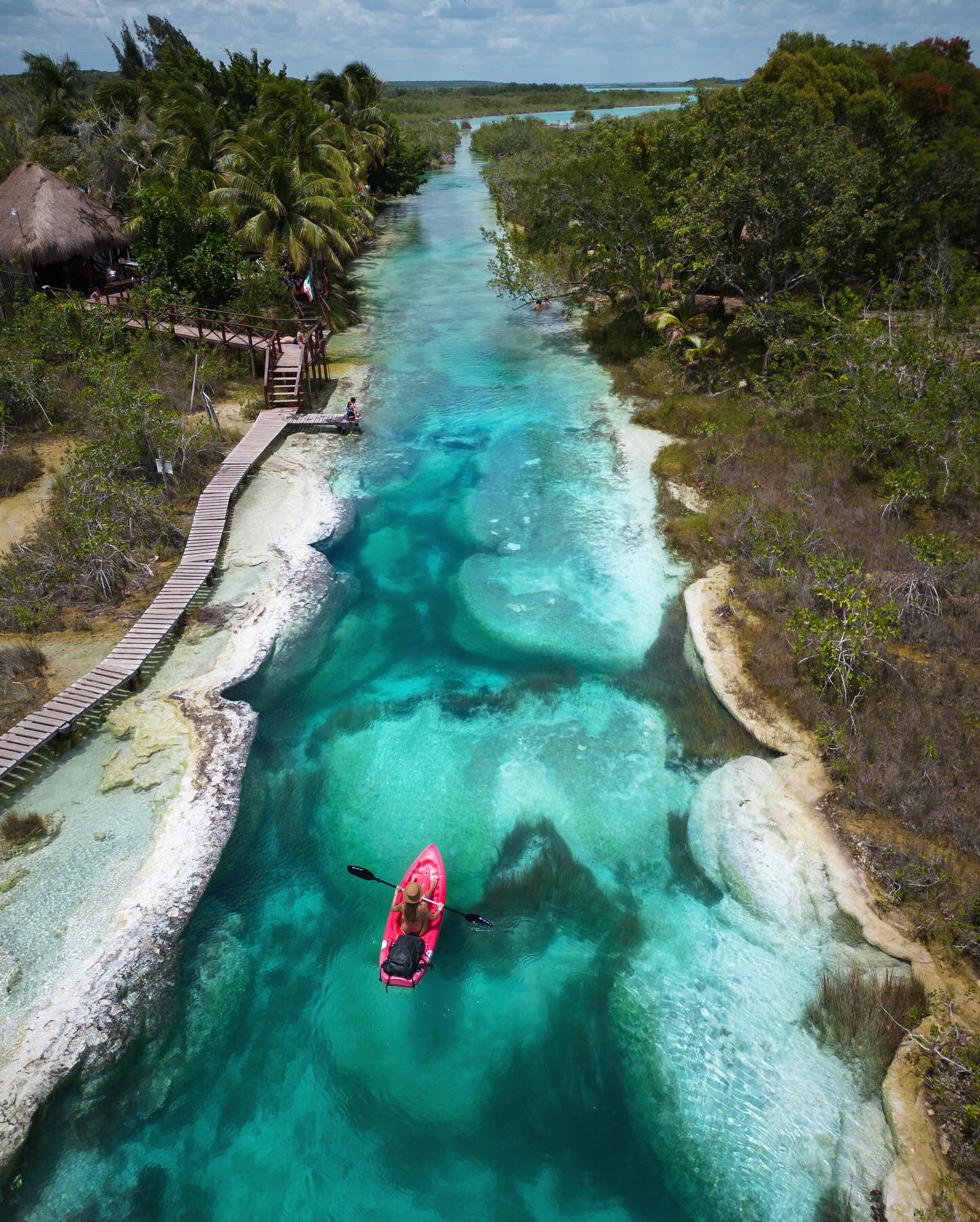
Cuba's natural beauty is undeniable, particularly in the Viñales Valley, a UNESCO site famous for its 'mogotes' (limestone karsts), tobacco farms, and lush greenery, perfect for hiking and horseback riding. The Escambray Mountains offer opportunities for waterfall visits (El Nicho) and eco-tourism. The cays (e.g., Cayo Coco, Cayo Guillermo) boast incredible marine life and pristine waters, ideal for snorkeling and diving, though infrastructure is limited. Mexico, however, presents an astonishingly diverse natural landscape. You can explore the Sierra Madre mountains, hike active volcanoes (Popocatépetl), discover vast deserts, or immerse yourself in the Lacandon Jungle. The Yucatán Peninsula alone offers thousands of cenotes (natural sinkholes) for swimming and diving (e.g., Gran Cenote near Tulum for 300 MXN / $18 USD), while the Mesoamerican Barrier Reef provides world-class diving and snorkeling. Adventure sports like zip-lining, white-water rafting, and surfing are readily available. The sheer scale and variety of natural attractions, combined with well-developed tourism infrastructure, make Mexico the adventure powerhouse. "Cuba has some beautiful spots like Viñales, but Mexico just has *everything* – jungles, volcanoes, deserts, and the cenotes are just out of this world. Plus, it's so easy to book tours for everything."
Winner takeaway
- Winner: Mexico
- Why: Mexico offers vastly more diverse natural landscapes and a wider array of adventure activities with better infrastructure and accessibility.
- Who this matters for: Outdoor enthusiasts, adventure seekers, divers, hikers, and those looking for a wide range of nature-based experiences.
🚶♀️ Solo Travel Experience
Cuba is a surprisingly good destination for solo travelers, especially women. Its low crime rate (as discussed in 'Safety') means you generally feel very secure. Staying in Casas Particulares is an excellent way to meet locals and get genuine advice, often feeling like a homestay. Locals are generally friendly and curious. However, the limited internet access can be a challenge for solo travelers who rely on it for navigation, communication, or planning. It forces a certain 'digital detox' which some love, others find isolating. Mexico is arguably one of the best countries for solo travel globally. Its extensive hostel network (e.g., Selina hostels in multiple cities), particularly in popular tourist routes, makes it incredibly easy to meet other travelers. Group tours are abundant and well-organized, and the food scene is perfect for solo exploration. Excellent connectivity means staying in touch, navigating, and planning on the go is seamless. While safety requires more awareness than Cuba, sticking to well-trafficked tourist areas and using common sense makes it very manageable. "I loved Cuba as a solo traveler for the unique experience, but Mexico was just so much *easier*. Meeting people in hostels, always having WiFi, and a million things to do without needing a buddy was a game-changer."
Winner takeaway
- Winner: Mexico
- Why: Mexico offers superior infrastructure, connectivity, and a thriving social scene that makes meeting other travelers and navigating independently significantly easier for solo adventurers.
- Who this matters for: Solo travelers who prioritize ease of meeting people, reliable connectivity, and a wide range of independent activities.
❓ Frequently Asked Questions
Is travel to Cuba from the US still restricted?
Yes, direct tourist travel from the US to Cuba is still prohibited. US citizens must travel under one of 12 authorized categories, such as 'support for the Cuban people' or educational activities. However, it's relatively easy to comply with these regulations, often by staying in Casas Particulares and eating at private restaurants.
What currency should I use in Cuba and Mexico?
In Cuba, you'll primarily use the Cuban Peso (CUP) for local purchases and Moneda Libremente Convertible (MLC), which is pegged to the USD, for most tourist services. Bring plenty of USD cash as US credit/debit cards generally don't work. In Mexico, the Mexican Peso (MXN) is standard; credit cards are widely accepted, but cash is useful for street vendors and smaller establishments.
How reliable is the internet in Cuba vs. Mexico?
Mexico has excellent and widespread internet connectivity, with Wi-Fi readily available in hotels, cafes, and many public spaces, often free. Cuba's internet is limited and generally slow, requiring purchase of ETECSA Wi-Fi cards (about $1 USD/hour) for access at designated hotspots. Expect to be largely offline in Cuba.
Which destination is better for families with children?
Mexico is generally better for families due to its wider range of family-friendly resorts, activities (e.g., theme parks, calm beaches with amenities), and reliable infrastructure. Cuba offers a unique cultural experience for older children, but its limited amenities and logistical challenges can be more demanding for families with very young kids.
What's the best time of year to visit each country?
For both Cuba and Mexico's Caribbean coast, the dry season from November to April offers the best weather (less humidity, lower chance of hurricanes). May to October is hotter, more humid, and hurricane season. Mexico's Pacific coast and central highlands can be visited year-round, with the rainy season (May-October) often bringing afternoon showers but lush landscapes.
Are there good options for vegetarian/vegan travelers?
Mexico is fantastic for vegetarians/vegans, especially in bigger cities and tourist hubs. Many traditional dishes can be made meat-free, and options like tacos de hongos (mushroom tacos) or nopales (cactus) are common. Cuba can be challenging; while rice, beans, and fresh fruit are staples, finding varied meat-free protein sources or dedicated vegetarian restaurants is harder outside of Havana's few specialized paladares.
What are the essential packing items for each?
For Cuba: bring all toiletries, medications, and cash you'll need, as supplies can be scarce. A power bank is crucial due to potential outages. For Mexico: sunscreen, insect repellent (especially for jungle areas), a reusable water bottle, and comfortable walking shoes are essential. Both benefit from light, breathable clothing.
Can I drink the tap water in Cuba or Mexico?
No, it is generally not safe to drink tap water in either Cuba or Mexico. Always opt for bottled water, purified water, or use a filtered water bottle. Many hotels and Casas Particulares in Cuba will provide purified water for guests, and bottled water is widely available for purchase in both countries.
Ready to plan your Caribbean or North American trip?
Get a free custom itinerary for Cuba, Mexico, or both — built from real traveler insights.
🎟️ Book Tours & Experiences
Hand-picked tours and activities for both destinations — book with free cancellation
Experiences via Viator — free cancellation on most tours