How we built this comparison
This page combines traveler discussion patterns, published price ranges, flight schedules, and seasonal data to help you decide between Cuba and Nicaragua.
- Reviewed 50+ Reddit threads from r/travel, r/solotravel, r/Cuba, r/Nicaragua, and r/backpacking for firsthand accounts.
- Verified costs and logistics against current booking platforms like Viazul, Hostelworld, and flight aggregators.
- Cross-referenced seasonal patterns, weather data, and political stability reports from government travel advisories.
⚡ Quick Answers
⚡ The TL;DR Verdict
For travelers prioritizing distinct culture, classic cars, and a step back in time, Cuba delivers, expecting around $50-90 daily. Those seeking outdoor activities, easier logistics, and a younger backpacker scene will find Nicaragua a better fit, with daily budgets from $40-75. Most travelers will lean towards Nicaragua for its accessibility and broader activity range.
- Choose Cuba: You want an experience unlike anywhere else, appreciate history, and are comfortable with less infrastructure and slower internet.
- Choose Nicaragua: You prioritize outdoor activities like surfing and volcano hikes, seek easier travel logistics, and enjoy a more established backpacker circuit.
- Choose Both: If you have 3-4 weeks, combining both provides a contrast between island culture and mainland adventure, though flights between are not direct.
Choose Cuba
Opt for Cuba if you crave a truly unique cultural immersion, where time seems to stand still amidst classic cars and crumbling colonial architecture in Old Havana. It's ideal for history buffs and culture enthusiasts who appreciate live music, revolutionary history, and are comfortable with a more analog travel experience, budgeting around $50-90 daily.
Choose Nicaragua
Nicaragua is your pick for accessible adventure, offering world-class surfing in San Juan del Sur and thrilling volcano hikes like Mombacho. It's perfectly suited for active backpackers and budget-conscious travelers who prioritize diverse outdoor activities, easier logistics, and a vibrant social scene, typically spending $40-75 per day.
📊 Visual Scorecard
🌤 When to Visit
Average high temperatures (°C). Green = best months, orange = avoid.
Quick Comparison
| Category | Cuba | Nicaragua | Winner |
|---|---|---|---|
| Costs & Budget | Expect $50-90 per day. Accommodation is a fixed cost, food varies, transport is budget-friendly. Internet access adds up. | Expect $40-75 per day. Hostels are cheap, street food is inexpensive. Activities and surfing can increase the budget quickly. | Nicaragua |
| Beaches & Coastlines | Cuba has a long Caribbean coastline with resorts, though public access outside these zones is also possible. Varadero is the main draw. | Nicaragua offers Pacific coast beaches known for surfing and relaxed atmospheres, alongside some calmer Caribbean islands. | Cuba |
| Culture & History | Cuba has a singular post-revolution culture, classic cars, vibrant music, and colonial architecture. Havana and Trinidad are key. | Nicaragua presents Spanish colonial cities, revolutionary history (Leon), and indigenous traditions. Granada is a well-preserved example. | Cuba |
| Food & Drink | Cuban food is often simple, based on rice, beans, pork/chicken. Paladares offer variety. Rum cocktails are a highlight. | Nicaraguan food features fresh ingredients, corn, beans, and grilled meats. Street food is abundant. Coffee and local rum are standouts. | Nicaragua |
| Safety & Security | Cuba is generally very safe, with low violent crime. Petty theft occurs in tourist areas. Government presence is noticeable. | Nicaragua is mostly safe for tourists, especially in common routes. Petty crime is present. Political stability can fluctuate. | Cuba |
| Getting There | Direct flights from US cities are limited and subject to specific travel categories. Many fly via Mexico or Canada. Visa/tourist card required. | Numerous direct flights from US hubs. Visa-free entry for many nationalities, requiring a tourist card purchase on arrival. | Nicaragua |
| Getting Around | Viazul buses connect major cities. Taxis are common. Classic cars are iconic but more expensive. Local transport is rudimentary. | Chicken buses are cheap and extensive. Private shuttles are efficient. Taxis and moto-taxis are available in cities. | Nicaragua |
| Accommodation | Casas particulares (private homes) are the main stay, offering cultural exchange. Government hotels are available but generally dated. | Hostels are plentiful and varied. Boutique hotels and guesthouses are common. Luxury options exist, particularly in resort areas. | Nicaragua |
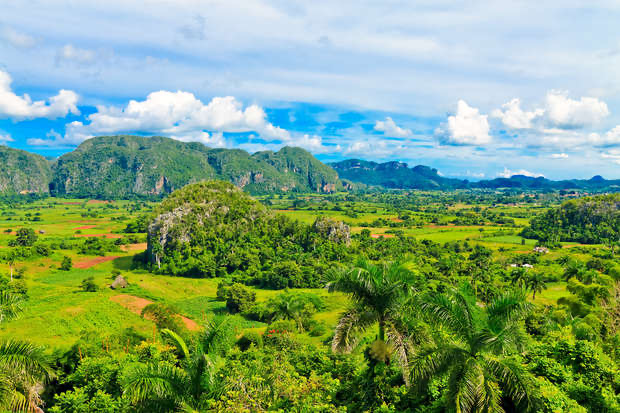
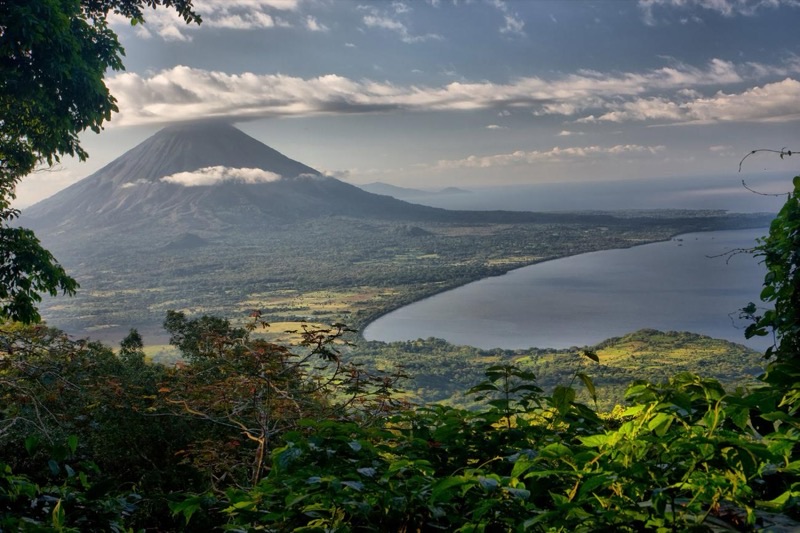
| Nature & Activities | Cuba has the Viñales Valley (karst landscapes, tobacco farms), Escambray Mountains (hiking), and diverse birdlife. Snorkeling is possible. | Nicaragua is known for volcanoes (hiking, boarding), lakes, surfing, and cloud forests. Isla de Ometepe is a natural paradise. | Nicaragua |
| Nightlife & Entertainment | Cuba boasts live music (salsa, son), dance clubs, and cabaret shows (e.g., Tropicana). Rum bars are plentiful. | Nicaragua offers lively hostel bars, beach parties in surf towns, and more relaxed bars in colonial cities. | Cuba |
💰 Costs & Budget
Cuba's pricing structure has evolved since the CUC's elimination. Tourists typically spend around $50-90 USD per day. Accommodation in a casa particular in Havana or Trinidad…
Cuba
Nicaragua
Cuba's pricing structure has evolved since the CUC's elimination. Tourists typically spend around $50-90 USD per day. Accommodation in a casa particular in Havana or Trinidad costs $25-40 USD per night. Meals at paladares (private restaurants) are $8-15 USD, while local street food (like a peso pizza or small sandwich) is under $2 USD. Transport via Viazul bus is efficient but not dirt cheap (Havana-Trinidad is about $25 USD). Internet cards (ETECSA) are typically $1-2 USD per hour, adding to daily expenses. Be prepared for cash-heavy transactions, as card acceptance is limited.
Nicaragua generally offers lower costs, with a daily budget of $40-75 USD common for backpackers. A hostel bed in Granada or San Juan del Sur runs $10-18 USD. Local meals (comida corriente) can be as low as $3-5 USD, while a nice dinner in a tourist area might be $10-18 USD. Chicken buses cost less than $5 USD for inter-city travel (e.g., Leon-Granada). Surf lessons or volcano boarding add $30-50 USD to a day's activities. ATM access is widespread in major towns, making cash management easier. Nicaragua provides a more accessible budget experience for most travelers.
- Winner: Nicaragua
- Why: Nicaragua generally offers lower costs for accommodation, food, and activities, making it more budget-friendly overall.
- Who this matters for: Budget travelers, long-term backpackers, and those preferring to stretch their money further.
🏖️ Beaches & Coastlines
Cuba's beaches on the Caribbean side are known for clear, warm water and soft sand. Varadero, about two hours east of Havana, is the country's primary resort beach, with miles of…
Cuba
Nicaragua
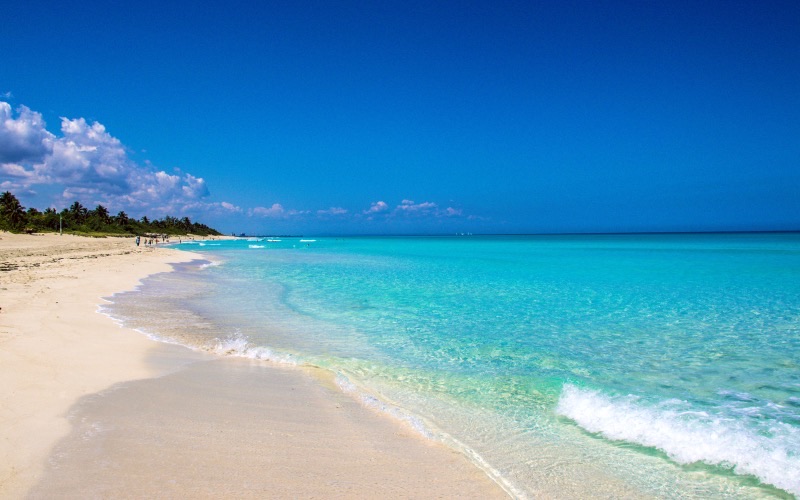
Cuba's beaches on the Caribbean side are known for clear, warm water and soft sand. Varadero, about two hours east of Havana, is the country's primary resort beach, with miles of public access sections alongside resort properties. Other notable spots include Playa Ancón near Trinidad, which offers calm waters and snorkeling, and the more remote Cayo Coco and Cayo Guillermo with their protected marine areas. These locations are less about independent exploration and more about relaxation by the water. Access often involves specific bus routes or taxis.
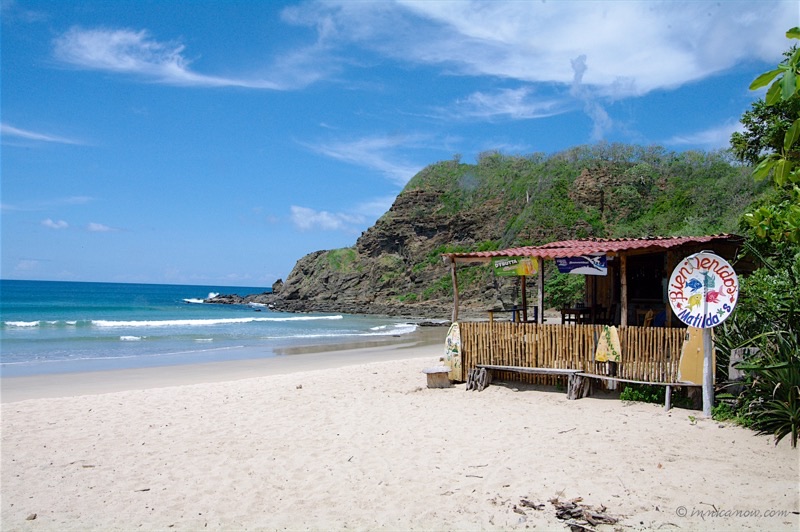
Nicaragua's Pacific coast is primarily a surf destination. San Juan del Sur is the most popular hub, providing easy access to surf spots like Playa Maderas and Playa Hermosa. These beaches have a laid-back feel, with rustic surf camps and beachfront bars. On the Caribbean side, the Corn Islands (Big Corn and Little Corn) offer a completely different experience with calm, turquoise waters, snorkeling, and a relaxed island pace, requiring a flight from Managua to Bluefields, then a boat. While Nicaragua has good beaches, Cuba's sheer scale of classic Caribbean coast gives it an edge. Cuba delivers more classic postcard-style Caribbean beach access for a broader range of travelers.
- Winner: Cuba
- Why: Cuba offers a greater expanse of classic Caribbean beaches with calm, clear waters, appealing to a wider range of beachgoers beyond surfers.
- Who this matters for: Travelers prioritizing classic beach relaxation, sunbathing, and swimming over surfing or remote island escapes.
🏛️ Culture & History
Cuba's cultural identity is strong and distinct, shaped by its revolutionary history, Spanish colonial past, and African influences. Havana Vieja (Old Havana) is a preserved area…
Cuba
Nicaragua
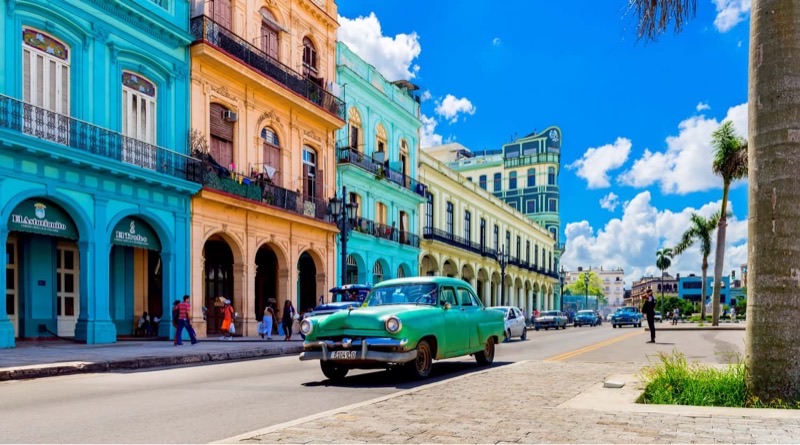
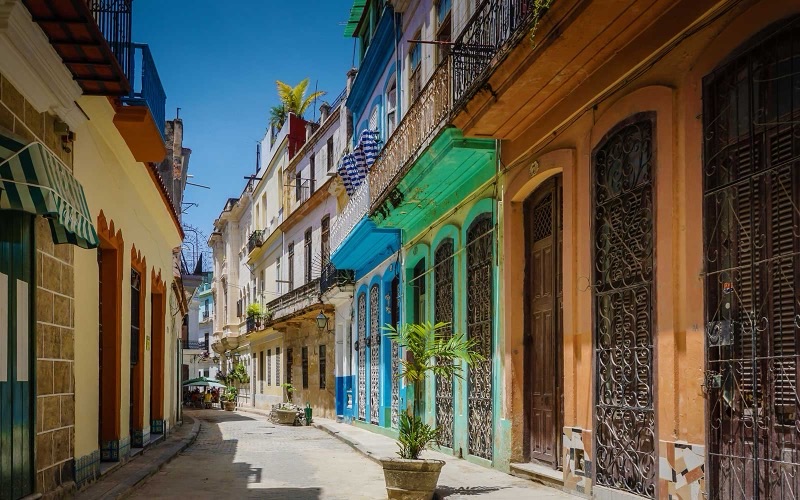
Cuba's cultural identity is strong and distinct, shaped by its revolutionary history, Spanish colonial past, and African influences. Havana Vieja (Old Havana) is a preserved area with buildings from the 16th to 19th centuries, classic American cars from the 1950s driving the streets, and live music (son, salsa) at venues like Casa de la Música. Trinidad is another colonial city, known for its cobblestone streets, pastel-colored houses, and the nearby Valle de los Ingenios (Sugar Mill Valley). Experiencing local life in a casa particular and discussing daily realities with hosts offers insights not found elsewhere. The internet limitations inadvertently contribute to a more present, engaged social atmosphere.
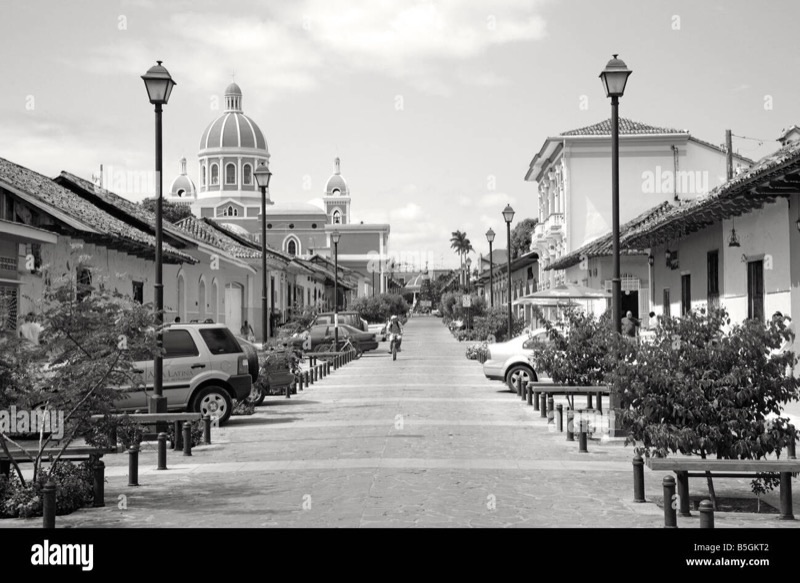
Nicaragua also possesses a rich history, particularly evident in its colonial cities. Granada, with its central Parque Central and colorful Spanish colonial buildings, draws many visitors. Leon holds a different historical weight, known for its revolutionary murals, proximity to Cerro Negro volcano, and its own impressive cathedral. The country's Sandinista revolution left an indelible mark, explored in museums and walking tours in Leon. Indigenous traditions persist, particularly in the northern regions and on the Caribbean coast, though they are less accessible to the average traveler. While Nicaragua's history is compelling, Cuba's cultural experience feels more pervasive and immediately evident in daily life. Cuba provides a more immersive, living history experience.
- Winner: Cuba
- Why: Cuba offers a profoundly distinct and pervasive cultural experience, where history and daily life are intertwined in a way not seen elsewhere.
- Who this matters for: History buffs, photographers, travelers seeking unique cultural immersion, and those interested in socialist societies.
🍽️ Food & Drink
Cuban cuisine is often described as simple and functional, due to historical rationing and agricultural limitations. The staple meal is 'ropa vieja' (shredded beef), 'arroz…
Cuba
Nicaragua
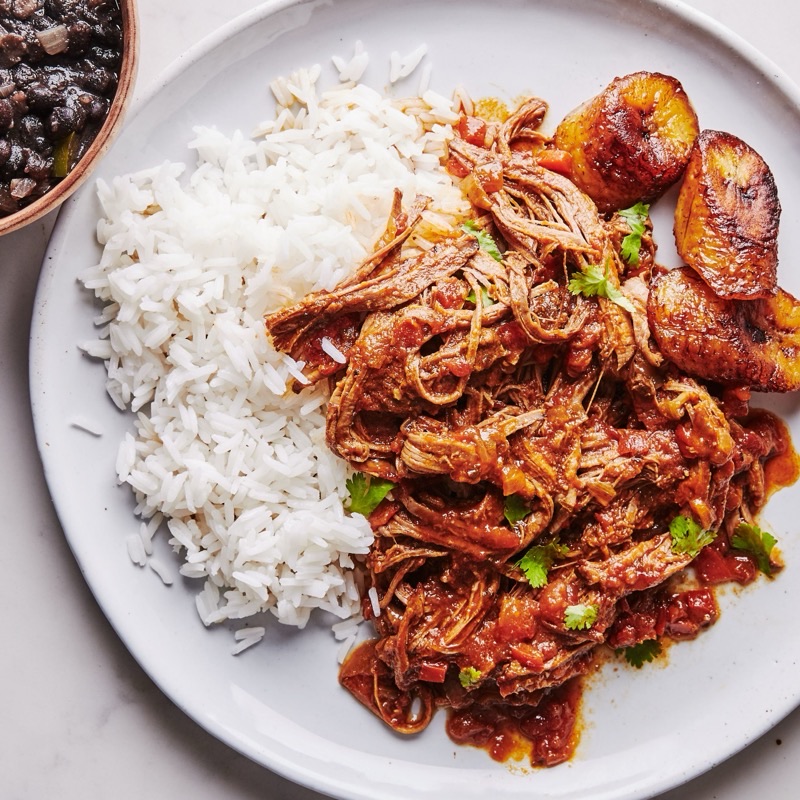
Cuban cuisine is often described as simple and functional, due to historical rationing and agricultural limitations. The staple meal is 'ropa vieja' (shredded beef), 'arroz congris' (rice and black beans), and plantains. Private restaurants (paladares) like La Guarida in Havana offer more elevated dishes, but often at prices comparable to Western cities. Street food like 'peso pizza' or sandwiches are cheap but repetitive. The drink scene, however, is strong: Cuban rum is excellent, and cocktails like the Mojito and Daiquiri are expertly made and widely available, often costing $3-6 USD in bars like El Floridita or La Bodeguita del Medio.
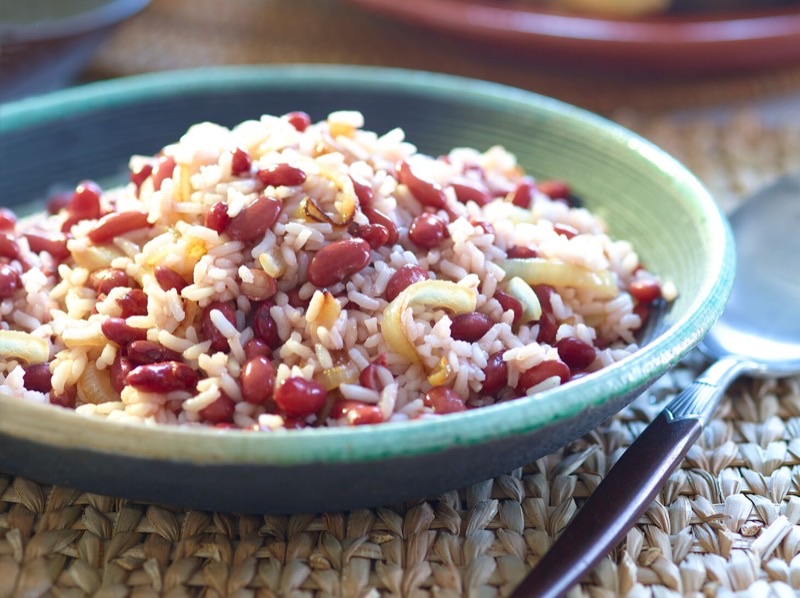
Nicaraguan food is generally fresh and flavorful, with a focus on corn, beans, rice, and grilled meats. 'Gallo pinto' (fried rice and beans) is a breakfast staple. 'Nacatamales' (corn tamales with meat and vegetables) are a common weekend treat. Seafood is plentiful on the coasts. Street food markets, especially in cities like Leon, offer diverse and inexpensive options, such as 'fritanga' (grilled meats with plantains and salad) for $3-6 USD. Nicaragua's coffee is high quality, and local rum, Flor de Caña, is internationally recognized and affordable. The availability of fresh ingredients and varied local dishes makes Nicaragua a better pick for food enthusiasts. Nicaragua provides a more diverse and satisfying culinary experience for the average traveler.
- Winner: Nicaragua
- Why: Nicaragua offers a wider variety of fresh, flavorful local dishes and street food options, alongside excellent coffee and rum.
- Who this matters for: Foodies, those who prioritize diverse eating experiences, and coffee enthusiasts.
🚨 Safety & Security
Cuba maintains a high level of safety for tourists, largely due to a strong police presence and severe penalties for crimes affecting visitors. Violent crime against tourists is…
Cuba
Nicaragua
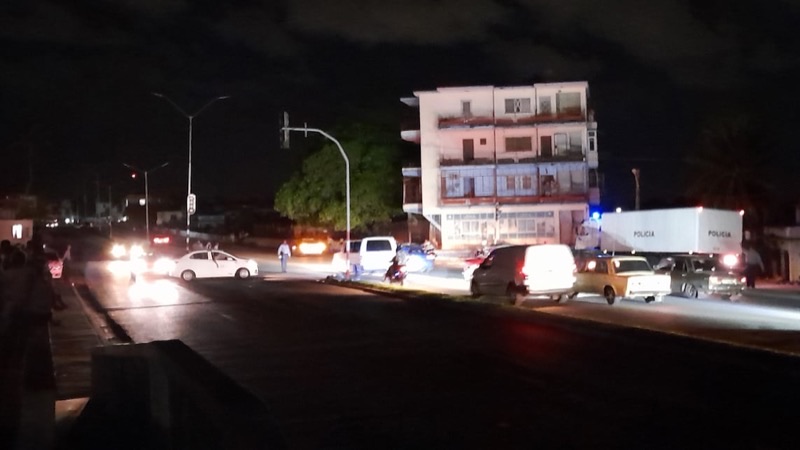
Cuba maintains a high level of safety for tourists, largely due to a strong police presence and severe penalties for crimes affecting visitors. Violent crime against tourists is rare. Petty theft, such as pickpocketing or bag snatching, can occur in crowded areas like Old Havana or on crowded buses, so basic precautions are needed. Scams involving cigars or taxis can happen, but are generally non-threatening. Walking alone at night in most cities feels secure. The main challenges relate more to social interactions like persistent hustlers in tourist zones, rather than outright danger. The safety environment allows for more relaxed exploration.
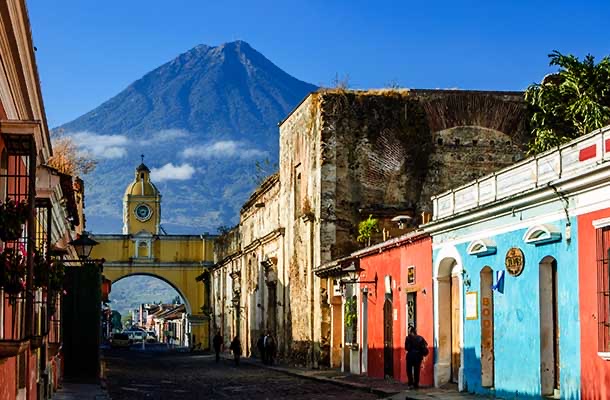
Nicaragua is generally considered safe for tourists, particularly along the popular 'Gringo Trail' including Granada, Leon, Ometepe, and San Juan del Sur. However, petty crime like muggings and pickpocketing is more common than in Cuba, especially in larger cities like Managua (which many tourists bypass) and isolated areas. Caution is advised when carrying electronics or large sums of cash. Political unrest has historically flared up, and while currently stable, travelers should stay informed. Avoiding walking alone at night in poorly lit areas is recommended. Public transport like chicken buses are generally safe during the day. While most visits are trouble-free, Nicaragua requires a higher degree of situational awareness. Cuba provides a more secure and relaxed environment for travelers.
- Winner: Cuba
- Why: Cuba offers a notably lower incidence of both violent and petty crime against tourists, fostering a more relaxed travel environment.
- Who this matters for: Solo travelers, families, and those who prioritize feeling secure and unburdened by constant vigilance.
✈️ Getting There
Getting to Cuba from the United States involves specific regulations, requiring travelers to fit into one of 12 authorized travel categories (e.g., 'Support for the Cuban…
Getting to Cuba from the United States involves specific regulations, requiring travelers to fit into one of 12 authorized travel categories (e.g., 'Support for the Cuban People'). Direct flights are available from major hubs like Miami (MIA) and Atlanta (ATL), with flight times around 1.5-3 hours. Roundtrip flights from Miami can cost $250-450 USD. Many non-US travelers fly via Mexico City (MEX) or Toronto (YYZ). A tourist card (visa) is mandatory, usually purchased from the airline or online for about $50-100 USD. Check-in and immigration processes can be slow, requiring patience. The unique political relationship impacts travel ease significantly.
Nicaragua is generally much simpler to access. Direct flights are available from various US cities, including Miami (MIA), Houston (IAH), and Atlanta (ATL) to Managua (MGA). Flight times from Miami are around 2.5 hours. Roundtrip flights from Miami typically range from $300-550 USD. Most nationalities, including US citizens, do not require a pre-arranged visa; a tourist card (around $10 USD) is purchased upon arrival at immigration. Entry and exit procedures are typically straightforward and efficient. Overland travel from Costa Rica or Honduras is also common and relatively simple. Nicaragua offers significantly easier and less restricted entry for international travelers. Nicaragua provides a more straightforward and less restrictive entry process for international travelers.
- Winner: Nicaragua
- Why: Nicaragua offers significantly simpler and less restricted entry requirements, with more direct flight options from major hubs.
- Who this matters for: Travelers seeking hassle-free border crossings, quicker flight routes, and less governmental oversight of their trip purpose.
🚗 Getting Around
In Cuba, the Viazul bus system is the most reliable intercity transport for tourists, connecting main destinations like Havana, Trinidad, and Viñales. Tickets should be booked in…
In Cuba, the Viazul bus system is the most reliable intercity transport for tourists, connecting main destinations like Havana, Trinidad, and Viñales. Tickets should be booked in advance, especially during peak season. A Havana-Viñales ticket costs about $12 USD. Shared taxis (colectivos) are a faster, but more expensive, option. Within cities, classic cars operate as private taxis or shared 'almendrones' on fixed routes for around 10-50 CUP (less than $1 USD). Public city buses are crowded and not recommended for tourists. Car rentals exist but are costly ($60-100+ USD/day) and roads outside main arteries can be poor. Navigating requires patience and often cash.
Nicaragua's public transport system, primarily 'chicken buses' (converted school buses), is extensive, cheap, and a cultural experience. These connect almost every town for a few dollars (e.g., Leon to Granada for $3-5 USD). Private tourist shuttles are also popular, offering direct, comfortable transfers between popular spots like San Juan del Sur and Ometepe for $15-30 USD. Taxis are abundant in cities, and moto-taxis (tuk-tuks) are common in smaller towns. Renting a car is an option, especially for exploring off-the-beaten-path areas, with daily rates around $40-60 USD, and roads are generally in better condition than Cuba's. The ease of getting around independently or via organized shutt makes Nicaragua more convenient. Nicaragua offers more efficient and diverse transport options for travelers.
- Winner: Nicaragua
- Why: Nicaragua offers more efficient, diverse, and budget-friendly transport options, from extensive chicken bus networks to convenient tourist shuttles.
- Who this matters for: Independent travelers, backpackers, and those who prefer efficient and flexible local transport.
🏨 Accommodation
In Cuba, casas particulares are the primary and recommended accommodation for tourists. These private guesthouses offer rooms in local homes, often with breakfast included, for…
In Cuba, casas particulares are the primary and recommended accommodation for tourists. These private guesthouses offer rooms in local homes, often with breakfast included, for $25-40 USD per night. They are a way to directly support locals and gain cultural insights. Government-run hotels exist, especially in Havana and Varadero, but are often expensive ($80-200+ USD) and can feel dated, lacking the personal touch of a casa. Booking in advance, especially during peak season, is advisable, often through sites like Airbnb or direct communication. Internet access in casas is rare, requiring a trip to a public Wi-Fi spot.
Nicaragua's accommodation scene is more diverse and caters well to various budgets. Hostels are abundant, particularly in backpacker hubs like Leon (e.g., Bigfoot Hostel for $10-15 USD/night for a dorm) and Granada (e.g., The Bearded Monkey for $12-20 USD). Mid-range boutique hotels and guesthouses offer rooms for $40-80 USD. Higher-end resorts are present in coastal areas like San Juan del Sur. Online booking platforms work reliably, and internet access is standard in most establishments. The variety, price points, and ease of booking make Nicaragua a more flexible choice. Nicaragua provides a wider range of accommodation options, better online booking, and more reliable amenities.
- Winner: Nicaragua
- Why: Nicaragua offers more diverse accommodation options across all budget ranges, with better amenities and easier booking processes.
- Who this matters for: Travelers seeking varied lodging, reliable internet, and the convenience of online booking for all price points.
🏞️ Nature & Activities
Cuba's natural appeal centers on its unique geology and slower pace. The Viñales Valley offers impressive limestone mogotes, tobacco farm tours, and cave explorations (e.g., Cueva…
Cuba's natural appeal centers on its unique geology and slower pace. The Viñales Valley offers impressive limestone mogotes, tobacco farm tours, and cave explorations (e.g., Cueva del Indio). Hiking is possible in areas like the Escambray Mountains near Topes de Collantes, leading to waterfalls like El Nicho. Scuba diving and snorkeling are available in places like the Bay of Pigs, which also has historical significance. Birdwatching is a draw, with endemic species like the Cuban trogon. However, large-scale adventure sports are less developed. Activities are typically organized locally or through specific tour operators.
Nicaragua excels in natural activities, particularly those involving volcanoes. Cerro Negro offers volcano boarding, a unique experience costing around $30 USD including transport. Mombacho volcano has cloud forest hikes and zip-lining near Granada. Isla de Ometepe, a twin-volcano island in Lake Nicaragua, provides hiking, kayaking, and swimming in natural springs (Ojo de Agua). Surfing is a major draw on the Pacific coast, with board rentals and lessons widely available in San Juan del Sur and Popoyo. The country’s diverse geography supports a wide range of outdoor pursuits, from hiking challenging peaks to birdwatching in lush reserves. Nicaragua simply provides more varied and accessible adventure activities. Nicaragua offers a more extensive and accessible range of outdoor adventure activities, especially volcano-related pursuits and surfing.
- Winner: Nicaragua
- Why: Nicaragua provides a greater variety of accessible outdoor adventure activities, particularly volcano hikes, surfing, and lake experiences.
- Who this matters for: Adventure seekers, hikers, surfers, nature photographers, and those who enjoy active exploration.
🎉 Nightlife & Entertainment
Cuba's nightlife is legendary, especially for live music and dancing. Havana is the epicenter, with venues like Casa de la Música offering nightly salsa and reggaeton…
Cuba's nightlife is legendary, especially for live music and dancing. Havana is the epicenter, with venues like Casa de la Música offering nightly salsa and reggaeton performances. Famous spots like El Floridita and La Bodeguita del Medio serve classic cocktails, often with live bands. The iconic Tropicana Club offers a large-scale outdoor cabaret show (expect to pay $80-100+ USD for entry and drinks). Even in smaller towns like Trinidad, live music spills from bars onto the main square steps, providing an easy social atmosphere. The focus is on authentic Cuban music and dancing, often going late into the night. It's an immersive and accessible experience.
Nicaragua's nightlife is more varied, catering to different crowds. In San Juan del Sur, beach parties and lively hostel bars are common, with events like 'Sunday Funday' drawing a young, international crowd. Granada offers a more relaxed pub and bar scene around Parque Central, such as Garden Cafe. Leon has a student atmosphere with some local bars and discotecas. On Isla de Ometepe, nightlife is minimal, focused on quiet guesthouses. While Nicaragua has its party spots, particularly for backpackers, Cuba's musical heritage and the sheer number of dedicated live music venues create a more consistently vibrant and culturally specific evening experience. Cuba provides a more pervasive and culturally distinct nightlife, especially for live music and dancing.
- Winner: Cuba
- Why: Cuba provides a more consistently lively and culturally distinctive nightlife centered around live music, dancing, and unique cabaret shows.
- Who this matters for: Music lovers, dancers, those seeking authentic cultural performances, and travelers who enjoy social evenings.
🎯 The Decision Framework
Choose Cuba If…
- You want to step back in time with 1950s cars and colonial architecture.
- You crave authentic live salsa and son music every night.
- Your priority is safety and a low-crime environment.
- You are interested in understanding a unique socialist system and its culture.
- You appreciate historic cities like Havana Vieja and Trinidad.
- You want calm, clear Caribbean beaches like Varadero or Playa Ancón.
- You are okay with slower internet and more cash-based transactions.
- You enjoy staying in private homes (casas particulares) for cultural exchange.
Choose Nicaragua If…
- You want to hike active volcanoes and try volcano boarding.
- You are looking for excellent surfing opportunities on the Pacific coast.
- You prefer easier logistics, travel freedom, and reliable internet.
- You enjoy diverse and affordable food, including street food.
- You are a backpacker seeking a well-established route and social hostels.
- You want a wider range of accommodation options at varying price points.
- You appreciate colonial cities like Granada with a more conventional tourist infrastructure.
- You prefer faster, more varied local transport options like chicken buses and shuttles.
📅 Sample Itineraries
Weekend in Cuba (3 Days)
💡 Save money on transport in Havana by utilizing shared 'almendrones' (classic car taxis) for local routes, often costing just $1-2 per person for longer distances.
Weekend in Nicaragua (3 Days)
💡 For budget-friendly transport between cities, use 'chicken buses' (converted school buses) which cost a few dollars for intercity travel, e.g., Granada to Masaya for $1.
One Week in Cuba (7 Days)
💡 Book Viazul bus tickets in advance online or at the station a day or two before travel, especially for popular routes, to secure your seat and avoid last-minute shared taxi price hikes.
One Week in Nicaragua (7 Days)
💡 When renting a scooter on Ometepe, inspect it thoroughly and take photos of any existing damage to avoid disputes upon return. Always wear a helmet.
❓ Frequently Asked Questions
Which country is better for solo female travelers?
Cuba is generally considered safer for solo female travelers due to lower crime rates and a more visible police presence. While catcalling can occur, it is usually harmless. Nicaragua is also manageable, especially along the main tourist circuit, but requires more vigilance, particularly in larger cities and at night. Both require common sense precautions.
What is the average flight time from the US to each country?
From major US hubs like Miami or Atlanta, flights to Havana, Cuba (HAV) are typically 1.5 to 3 hours. Flights to Managua, Nicaragua (MGA) from similar hubs are generally 2.5 to 4 hours. Direct flight availability is more extensive for Nicaragua.
How much internet access should I expect in each country?
In Cuba, internet access is limited and requires purchasing ETECSA scratch cards (1-2 USD/hour) to connect at designated public Wi-Fi spots or some hotels. It is generally slow. Nicaragua offers much better connectivity, with most hostels, hotels, and cafes providing free and reasonably fast Wi-Fi. eSIMs are also readily available for Nicaragua.
Which destination is better for surfing?
Nicaragua is significantly better for surfing. Its Pacific coast, particularly around San Juan del Sur and Popoyo, offers consistent waves for all skill levels. Cuba has some surf spots, but they are fewer, less consistent, and less developed for tourism, with fewer rental and lesson opportunities.
Can I use credit cards in both countries?
In Cuba, credit card use is very limited, especially for cards issued by US banks. Cash (USD or Euros) is king. In Nicaragua, credit cards are widely accepted in hotels, larger restaurants, and supermarkets in major towns, though cash is still necessary for street vendors and smaller establishments. ATMs are common in Nicaragua.
What is the best time of year to visit each country?
The dry season, from November to April, is ideal for both Cuba and Nicaragua. Temperatures are pleasant, and humidity is lower. The rainy season (May to October) brings higher humidity and afternoon showers, but also lush landscapes and fewer tourists. Avoid hurricane season (June to November) for both, especially coastal areas.
Which country offers better hiking opportunities?
Nicaragua provides more diverse and accessible hiking opportunities, especially around its numerous volcanoes like Mombacho and Concepción on Ometepe. Volcano boarding on Cerro Negro is a particular highlight. Cuba offers hiking in areas like the Viñales Valley and Escambray Mountains, but the trails are often less developed and varied compared to Nicaragua's options.
Are tourist visas complicated for US citizens for either country?
Traveling to Cuba as a US citizen requires adherence to specific US government regulations (12 categories of authorized travel) and purchasing a tourist card. It is more complex than a standard tourist entry. For Nicaragua, US citizens typically do not need a pre-arranged visa; a tourist card is purchased upon arrival at the airport or border for about $10 USD, making entry straightforward.
Ready to plan your Central America or Caribbean trip?
Get a free custom itinerary for Cuba, Nicaragua, or both — built from real traveler insights.
👥 Travelers Also Compared
🎟️ Book Tours & Experiences
Hand-picked tours and activities for both destinations — book with free cancellation
Experiences via Viator — free cancellation on most tours