How we built this comparison
This page combines traveler discussion patterns, published price ranges, flight schedules, and seasonal data to help you decide between Cuba and Puerto Rico.
- Reviewed 100+ Reddit threads from r/travel, r/solotravel, r/Cuba, r/PuertoRicoTravel, etc.
- Verified costs and logistics against current booking platforms (Expedia, Airbnb, Viazul) and official government travel advisories.
- Cross-referenced seasonal patterns, weather data, and major cultural events for optimal timing recommendations.
⚡ The TL;DR Verdict
For those craving raw, unfiltered cultural immersion, budget-friendly grit, and a step back in time, Cuba (daily budget $50-100 USD) is an unparalleled adventure. If you seek easy access, modern amenities, diverse natural beauty, and a blend of Latin and American influences with a higher comfort level, Puerto Rico (daily budget $100-200+ USD) offers a more polished, convenient escape.
- Choose Cuba: Choose Cuba if you're an adventurous, adaptable traveler on a budget who wants to experience a truly unique, time-capsule culture before it changes. Ideal for history buffs, dancers, and those who appreciate authentic local interactions over pristine resorts.
- Choose Puerto Rico: Opt for Puerto Rico if you prioritize ease of travel (especially for US citizens), diverse nature (rainforests to bioluminescent bays), fantastic food, and modern comforts. Perfect for families, beach lovers, foodies, and those looking for a mix of relaxation and adventure without a steep learning curve.
- Choose Both: Consider doing both if you have 3-4 weeks and want a comprehensive Caribbean experience. Start with Cuba for a week or two to absorb its unique vibe, then transition to Puerto Rico for a more relaxed, accessible, and diverse second half, enjoying the stark contrasts and rich tapestry of the region.
Quick Comparison
| Category | Cuba | Puerto Rico | Winner |
|---|---|---|---|
| Costs & Budget | Generally cheaper for accommodations and local food, but imported goods and specific services can be pricy. Dual currency system adds complexity. | Higher baseline costs, but a wider range of options from budget to luxury. US Dollar makes budgeting straightforward. | Cuba |
| Culture & History | Uniquely preserved colonial cities, revolutionary history, vibrant arts, music, and dance scene. A true time capsule. | Rich blend of Taíno, Spanish, and American influences. Colonial Old San Juan, vibrant art, and a strong musical heritage. | Cuba |
| Beaches & Water | Stunning white sand beaches, especially Varadero and Cayo Coco. Less developed infrastructure around many pristine spots. | Incredible variety, from famous Flamenco Beach (Vieques) to surfing spots and calm bays. Excellent infrastructure and accessibility. | Puerto Rico |
| Food & Dining | Traditional Cuban cuisine (rice, beans, pork/chicken) is hearty but can be repetitive due to supply issues. Paladares offer better quality. | Vibrant and diverse culinary scene, from traditional 'comida criolla' to innovative fusion. Excellent street food, farm-to-table options. | Puerto Rico |
| Nightlife & Entertainment | Legendary live music, salsa clubs, and authentic Cuban experiences. Less modern clubbing scene. | Vibrant and diverse, from lively bars and dance clubs in San Juan to relaxed beachside venues and casinos. | Tie |
| Getting There & Around | Requires specific visa/travel categories for US citizens; limited flight options. Internal travel via Viazul buses or shared taxis (collectivos). | No passport needed for US citizens; abundant direct flights. Excellent road infrastructure, rental cars, and rideshares. | Puerto Rico |
| Accommodation Options | Primarily 'casas particulares' (private homestays) offering authentic experiences, or government-run hotels often needing renovation. | Wide range from luxury resorts, boutique hotels, well-known chains, to abundant Airbnbs and budget guesthouses. | Puerto Rico |
| Nature & Adventure | Stunning Mogotes in Viñales, diverse birdlife, caves, and pristine coral reefs. Less developed for adventure tourism. | The only tropical rainforest in the US National Forest System (El Yunque), bioluminescent bays, caves, and diverse marine life. Well-developed adventure tourism. | Puerto Rico |
| Safety & Travel Experience | Generally very safe with low violent crime, but petty theft can occur. Scamming is more prevalent, especially for tourists. | Relatively safe for tourists, especially in common areas. Petty crime exists, and certain urban areas require caution. | Puerto Rico |
| Solo Travel & Digital Nomads | Challenging but rewarding for solo travelers; digital nomad infrastructure is very limited due to poor internet. | Excellent for solo travelers with good infrastructure; growing digital nomad scene with reliable internet and co-working spaces. | Puerto Rico |
💰 Costs & Budget
Cuba, surprisingly, can be a fantastic budget destination if you know how to navigate it. Accommodation in a 'casa particular' (private home stay) averages $25-40 USD per night for a private room with AC and often breakfast. Local meals, like a 'peso' pizza or a 'comida criolla' in a paladar, can be as low as 150-500 CUP ($5-20 USD). However, premium items like good coffee or imported alcohol can be surprisingly expensive. Transportation is cheap with Viazul buses (e.g., Havana to Viñales ~$12 USD) or shared taxis. Expect a daily budget of $50-100 USD without splurging. Puerto Rico, being a US territory, operates in USD and has prices comparable to many US cities. A decent hotel room in San Juan can start at $100-150 USD, while an Airbnb might be slightly less. Dining out at a mid-range restaurant costs $20-40 USD per person. Rental cars are almost essential for exploring, costing $40-70 USD per day. Overall, expect to spend $100-200+ USD daily. While Cuba requires more savvy to stay cheap, its baseline costs for local experiences are significantly lower. "Cuba definitely stretched my dollar further, especially eating at those little street spots. Just don't expect a fancy meal for $5 everywhere."
Winner takeaway
- Winner: Cuba
- Why: Cuba offers a more genuinely budget-friendly experience for core travel expenses like accommodation and local food, provided you embrace local living.
- Who this matters for: Budget travelers, backpackers, and those seeking authentic, low-cost local experiences.
🏛️ Culture & History
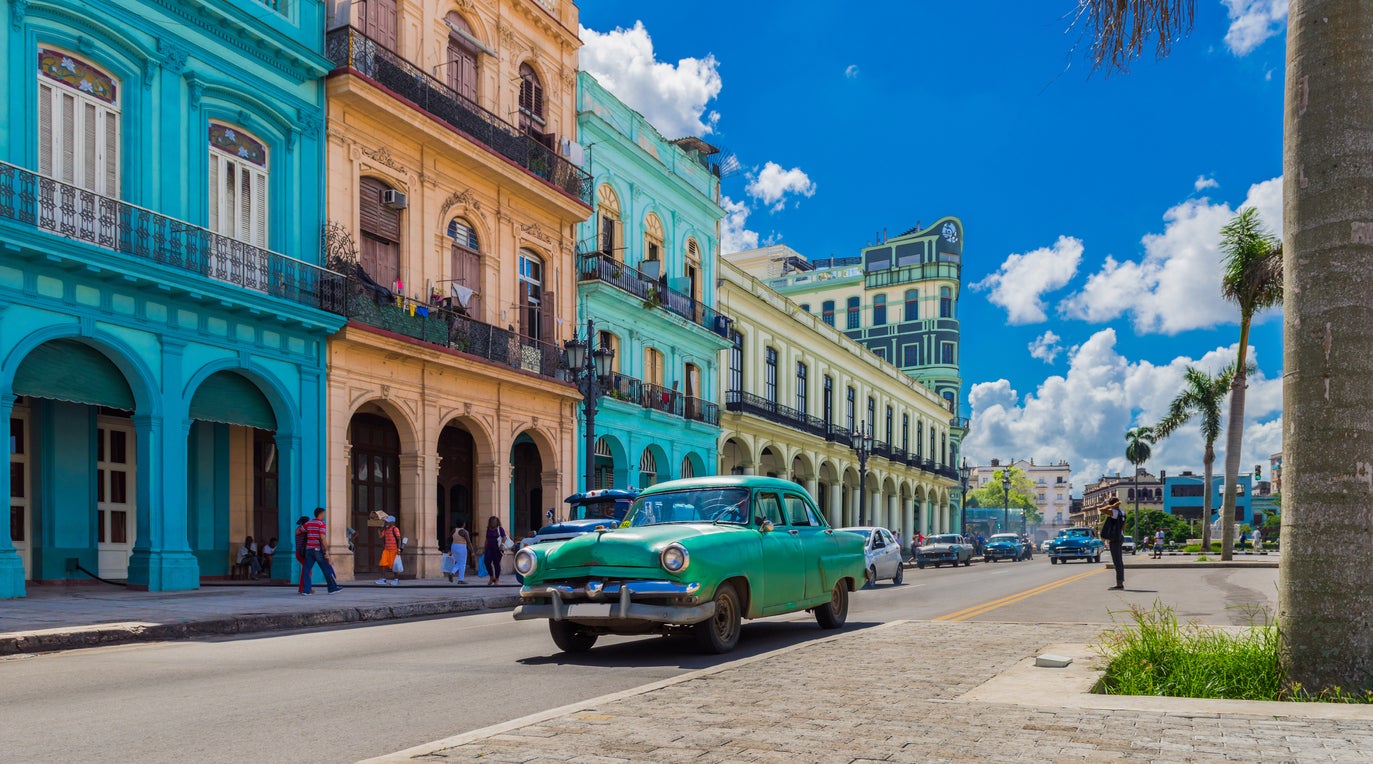
Cuba's cultural tapestry is simply unparalleled in the Caribbean. Havana's Old Town, a UNESCO World Heritage site, is a living museum with its crumbling colonial architecture, classic American cars, and vibrant street life. The history of the revolution is palpable, from the Museo de la Revolución to Che Guevara's mausoleum in Santa Clara. Music (son, salsa, rumba) and dance are ingrained in daily life, with live bands playing in every other bar and street corner. The island's isolation has preserved a unique cultural identity, offering a deep dive into its fascinating past and present. Puerto Rico boasts its own rich history, particularly in Old San Juan, with its colorful Spanish colonial buildings, cobblestone streets, and impressive forts like El Morro and San Cristóbal. The island's blend of Taíno, Spanish, and American influences creates a distinct 'Nuyorican' culture. While vibrant, it feels more connected to the modern world and lacks the 'time capsule' feel of Cuba. The historical sites are well-maintained and accessible, but the raw, lived-in history of Cuba provides a more profound, immersive experience. "Cuba felt like stepping into a movie. Every street corner had a story, and the music was just *everywhere*. Puerto Rico's history is cool, but Cuba's just hits different."
Winner takeaway
- Winner: Cuba
- Why: Cuba's isolation has preserved a unique and incredibly immersive cultural and historical experience that feels like stepping back in time.
- Who this matters for: History buffs, culture seekers, photographers, and those who appreciate live music and dance.
🏖️ Beaches & Water
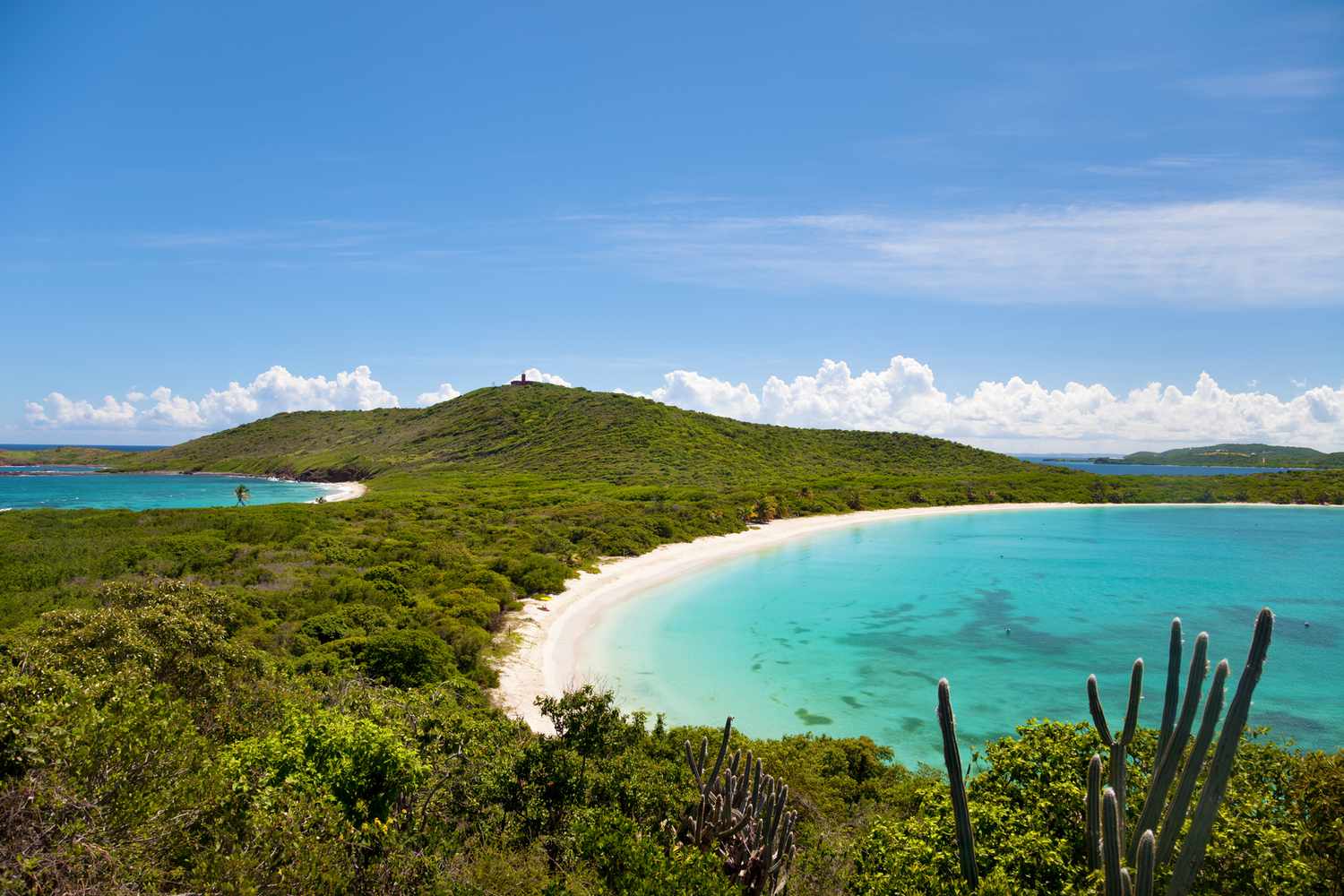
Both islands boast phenomenal Caribbean beaches, but Puerto Rico takes the edge for sheer variety, accessibility, and unique offerings. Cuba's Varadero is world-renowned with miles of powdery white sand and turquoise waters, ideal for resort stays. Further out, Cayo Coco and Cayo Santa María offer even more pristine, secluded options with fewer crowds, but require more effort to reach. The diving and snorkeling are excellent, particularly around the Bay of Pigs. However, many of Cuba's best beaches are tied to resorts, making independent access sometimes challenging. Puerto Rico offers an unparalleled range: the iconic Flamenco Beach on Vieques, consistently ranked among the world's best, with its calm, clear waters and white sands; the dramatic black sand beach of La Negra; the surfing mecca of Rincón on the west coast; and the unique bioluminescent bays in Fajardo and Vieques, which offer magical night kayaking experiences. The infrastructure around Puerto Rico's beaches is also superior, with amenities, easy rental car access, and well-marked trails. "Flamenco Beach changed my life. Plus, being able to rent a car and hit a different vibe every day was awesome. Cuba's beaches are great, but PR has more going on and is easier to get to." The ease of exploring diverse coastal landscapes without significant logistical hurdles pushes Puerto Rico ahead.
Winner takeaway
- Winner: Puerto Rico
- Why: Puerto Rico offers greater diversity in its beach experiences, including iconic world-class beaches and unique bioluminescent bays, all with better accessibility.
- Who this matters for: Beach connoisseurs, water sports enthusiasts, families with kids, and those seeking variety in their coastal adventures.
🍽️ Food & Dining
When it comes to culinary delights, Puerto Rico is the clear winner. Its food scene is a vibrant fusion of Spanish, African, Taíno, and American influences, resulting in dishes like mofongo (fried plantain mash), lechón (roast pork), pasteles, and a plethora of fresh seafood. San Juan, in particular, has a thriving restaurant scene, from high-end dining in Condado to charming local eateries in Santurce and amazing street food vendors in La Placita. You can find everything from authentic local fare at El Jibarito to innovative Caribbean cuisine at Marmalade Restaurant & Wine Bar. Food trucks and 'chinchorros' (roadside stands) offer delicious and affordable options. Cuba's food scene, while improving, still grapples with supply chain issues and government restrictions. Traditional Cuban food is hearty but can become repetitive: 'ropa vieja' (shredded beef), 'arroz congris' (rice and beans), roast pork, and chicken. The best meals are often found in 'paladares' (private restaurants) like La Guarida in Havana, which offer more variety and creativity, but these can be pricey for Cuba (e.g., a main course might be 2000-4000 CUP / $80-160 USD for tourists). Street food, like peso pizzas (50-100 CUP / ~$2-4 USD), is cheap but basic. For a true foodie, Puerto Rico offers a far more exciting and accessible culinary journey. "Honestly, the food in Cuba was a bit… samey after a week. Puerto Rico, though? Every meal was an adventure, from mofongo to the freshest seafood. My taste buds were in heaven."
Winner takeaway
- Winner: Puerto Rico
- Why: Puerto Rico boasts a far more diverse, accessible, and consistently high-quality culinary scene, unburdened by Cuba's supply chain challenges.
- Who this matters for: Foodies, gourmands, and anyone who considers dining out a central part of their travel experience.
💃 Nightlife & Entertainment
This category is a tough call because both offer incredible, yet distinct, nightlife experiences. Cuba's nightlife is synonymous with live music and dancing. In Havana, iconic spots like the Tropicana Cabaret (expect tickets from $80-100 USD) offer a glamorous, old-school show, while Casa de la Música (tickets $10-25 USD) pulsates with live salsa bands where locals and tourists dance side-by-side. Even small bars in Old Havana or Trinidad spill music onto the streets. The energy is raw, authentic, and incredibly infectious. It's less about DJ sets and more about live bands and spontaneous street parties. Puerto Rico's nightlife is equally vibrant but leans more towards modern clubbing, stylish bars, and a more diverse range of music. La Placita de Santurce in San Juan transforms into a massive street party every weekend, with numerous bars, restaurants, and people dancing in the streets. Condado and Old San Juan offer upscale lounges, casinos (e.g., Sheraton Puerto Rico Hotel & Casino), and lively dance clubs playing everything from reggaeton to pop. Beach towns like Rincón have a more laid-back, surf-town bar scene. While Cuba offers a unique, historical musical immersion, Puerto Rico provides a broader, more modern, and easily accessible spectrum of entertainment options. "Cuba's live music was mind-blowing, I danced every night. But for a proper club or just more variety in places to grab a drink, Puerto Rico felt easier and had more options." Both offer a phenomenal time, depending on your preferred vibe.
Winner takeaway
- Winner: Tie
- Why: Both offer exceptional, distinct nightlife experiences – Cuba for authentic live music and dance, Puerto Rico for diverse modern entertainment.
- Who this matters for: Music lovers, dancers, party-goers, and anyone looking for vibrant evening entertainment.
✈️ Getting There & Around
Puerto Rico is significantly easier for US travelers to access and navigate. As a US territory, no passport is needed for US citizens, and there are countless direct flights from major US cities to San Juan (SJU). For instance, a flight from Miami (MIA) to SJU takes about 2.5 hours and costs $200-400 USD round trip, while NYC (JFK) to SJU is roughly 4 hours. Once there, the road infrastructure is excellent, rental cars are readily available (starting at $40-70 USD/day), and rideshare services like Uber operate in urban areas. Public transportation is limited outside San Juan but sufficient for local travel. Cuba, on the other hand, presents more logistical hurdles, especially for US citizens who must adhere to one of 12 authorized travel categories (e.g., 'support for the Cuban people') and often require a tourist card/visa (around $50-100 USD). Flights from the US are less frequent and more expensive (e.g., MIA to Havana (HAV) ~$150-300+ USD round trip, 1 hour flight time), and sometimes indirect. Once on the island, internal travel relies primarily on Viazul buses (reliable but slower, book in advance) or 'collectivos' (shared taxis), which are more expensive but faster. Rental cars are possible but expensive (starting at $70-100+ USD/day) and the road quality can be poor, plus fuel can be scarce. The sheer simplicity and abundance of options for Puerto Rico make it the clear winner for ease of access and mobility. "Getting to Puerto Rico was a breeze, and renting a car meant total freedom. Cuba was an adventure just trying to get from A to B sometimes, but that was part of the charm."
Winner takeaway
- Winner: Puerto Rico
- Why: Puerto Rico offers effortless access for US citizens, abundant flight options, and superior internal transportation infrastructure with rental cars and rideshares.
- Who this matters for: First-time international travelers, families, those with limited time, and anyone prioritizing convenience and seamless logistics.
🏨 Accommodation Options
Puerto Rico offers a far more diverse and modern array of accommodation options suitable for every budget and travel style. You'll find international hotel chains like the Caribe Hilton and Condado Vanderbilt Hotel offering luxury experiences, charming boutique hotels in Old San Juan, and countless Airbnbs across the island, from beachfront condos to mountain retreats. Prices vary widely, with budget guesthouses starting around $50-70 USD and high-end resorts costing $300+ USD per night. The booking process is straightforward through global platforms. Cuba's accommodation scene is unique and charming but lacks the variety and modern amenities of Puerto Rico. The backbone of Cuban tourism is the 'casa particular,' private homes where locals rent out rooms (typically $25-40 USD/night). These offer an incredibly authentic experience, often with delicious home-cooked meals, but they are not standardized. Government-run hotels, while improving, can range from grand but dated colonial buildings to resort complexes in Varadero (like Melia Varadero or Iberostar Selection Varadero, $100-300+ USD/night all-inclusive) which, while functional, often feel a bit cut off from local life and might not meet Western standards for their price point. Online booking for Cuba can also be more complex due to sanctions and limited internet access for hosts. "I loved my casa particular in Havana, it felt so real. But sometimes, after a long day, I just wanted a reliable, modern hotel with consistent amenities, and that's where PR shines."
Winner takeaway
- Winner: Puerto Rico
- Why: Puerto Rico provides a vastly superior range of modern, comfortable, and easily bookable accommodation options catering to all preferences and budgets.
- Who this matters for: Travelers seeking modern comforts, luxury amenities, predictable standards, and a wide array of booking choices.
🏞️ Nature & Adventure
Puerto Rico offers a more accessible and varied natural landscape for adventure seekers. Its crown jewel is El Yunque National Forest, the only tropical rainforest in the US National Forest System, where you can hike to waterfalls, natural pools, and enjoy lush biodiversity (admission free, but some areas require reservations). The island also boasts three of the world's five bioluminescent bays (like Laguna Grande in Fajardo, kayak tours ~$50-70 USD), offering magical night kayaking experiences. The Camuy River Cave Park, with its massive cave system, is another marvel, though currently closed for repairs. Snorkeling and diving are excellent around Culebra and Vieques. Cuba, too, has incredible natural beauty, especially the dramatic 'mogotes' (limestone karsts) of Viñales Valley, perfect for hiking, horseback riding (tours ~$25-35 USD), and exploring tobacco farms. The Zapata Swamp is a haven for birdwatchers and offers croc farms. While Cuba has pristine coral reefs for diving (e.g., Gardens of the Queen, a multi-day liveaboard trip costing thousands), the infrastructure for organized adventure tourism is less developed and less varied compared to Puerto Rico. Puerto Rico's natural attractions are easier to reach, more well-marked, and cater to a broader range of activities. "El Yunque was incredible, and then kayaking in the bio bay was just surreal. Puerto Rico has such a diverse landscape and it's so easy to get out and explore everything. Cuba's nature is beautiful, but more rugged to access."
Winner takeaway
- Winner: Puerto Rico
- Why: Puerto Rico offers a more diverse range of easily accessible natural wonders, including a rainforest and bioluminescent bays, with better infrastructure for adventure tourism.
- Who this matters for: Nature lovers, hikers, eco-tourists, and thrill-seekers looking for varied outdoor activities.
🚨 Safety & Travel Experience
Both destinations are generally safe for tourists, but Puerto Rico offers a more straightforward and less 'on guard' travel experience. In Puerto Rico, especially in tourist zones like Old San Juan, Condado, and resort areas, you'll feel very safe. Petty crime like pickpocketing can occur in crowded areas, and certain neighborhoods in San Juan (like parts of Santurce at night) require more awareness, but violent crime against tourists is rare. The biggest 'threat' might be navigating unfamiliar roads. Cuba has an extremely low violent crime rate, largely due to strict government control, which gives a strong sense of personal safety, even walking alone at night. However, tourists are often targeted by 'jineteros' (hustlers) trying to sell cigars, taxis, or direct you to specific restaurants for a commission. These interactions are usually harmless but can be persistent and annoying, leading to a constant need to be aware and assertive. Overcharging for services is common. The lack of reliable internet also adds a layer of vulnerability for independent travelers who rely on online maps or communication. While both are safe, the constant low-level hustling in Cuba can be tiring, making Puerto Rico feel more relaxed and less mentally demanding for an independent traveler. "I felt safe walking around Havana, but the constant hustlers trying to sell me something or direct me somewhere got old fast. In San Juan, I could just chill and walk around without constantly being approached."
Winner takeaway
- Winner: Puerto Rico
- Why: Puerto Rico offers a less mentally taxing and more relaxed travel experience, free from the persistent hustling and scams sometimes found in Cuba.
- Who this matters for: Solo female travelers, first-time international travelers, and those who prefer a more relaxed, hassle-free environment.
🧑💻 Solo Travel & Digital Nomads
Puerto Rico is a significantly better choice for solo travelers and digital nomads. For solo travelers, the ease of getting around with rental cars or rideshares, the abundance of safe and modern accommodation, and the established tourism infrastructure make it very approachable. You'll find plenty of opportunities to meet other travelers in hostels or bars, and locals are generally friendly and welcoming. For digital nomads, Puerto Rico is a burgeoning hub: it uses the USD, has reliable high-speed internet (Starlink, local providers), co-working spaces in San Juan (e.g., Piloto 151, monthly memberships from $150-250 USD), and a comfortable, familiar environment. Cuba, while safe, presents more challenges for solo travelers due to the language barrier (less English spoken outside tourist zones), limited internet access (requires buying ETECSA scratch cards, 1 hour costs 25 CUP / ~$1 USD, often slow and unreliable), and the constant hustling which can be more pronounced when alone. Meeting other travelers can happen organically in casas particulares, but it’s less structured. For digital nomads, Cuba is practically impossible unless you are fully offline; the internet is too slow, too expensive for consistent use, and too unreliable for remote work. While a solo trip to Cuba is incredibly rewarding for adventurous souls, it requires a higher level of patience and adaptability. "As a solo traveler, Puerto Rico felt so easy and welcoming. I could work from cafes and had good internet. Cuba was an amazing experience solo, but I had to fully disconnect, which was hard for work."
Winner takeaway
- Winner: Puerto Rico
- Why: Puerto Rico offers superior infrastructure, reliable internet, and an easier, more connected experience for solo travelers and digital nomads.
- Who this matters for: Solo adventurers seeking convenience, social opportunities, and digital nomads requiring stable internet and co-working facilities.
❓ Frequently Asked Questions
Which destination is better for a family vacation with young children?
Puerto Rico is generally better for families with young children due to its superior infrastructure, modern amenities, diverse range of kid-friendly activities (beaches, El Yunque), and easier logistics. Cuba can be rewarding for adventurous families, but the travel can be more challenging with limited amenities.
Is it possible to visit both Cuba and Puerto Rico in one trip?
Yes, it is possible but requires careful planning. There are no direct commercial flights between Cuba and Puerto Rico, so you would need to fly via a third country (e.g., Panama, Mexico, or the Dominican Republic), adding significant travel time and cost. A trip combining both would ideally be 3-4 weeks to avoid feeling rushed.
What are the visa requirements for US citizens for both destinations?
For Puerto Rico, US citizens do not need a passport or visa, as it is a US territory. For Cuba, US citizens must obtain a Cuban tourist card (visa) and adhere to one of the 12 authorized travel categories designated by the US government. Direct tourism is not allowed under US law, though enforcement varies.
Which destination has better WiFi and internet access?
Puerto Rico has vastly superior WiFi and internet access, comparable to the US, with widespread reliable high-speed connections in hotels, cafes, and homes. Cuba's internet is limited, often slow, expensive (requires buying ETECSA scratch cards), and primarily available in public parks or specific ETECSA centers.
What's the best time of year to visit Cuba or Puerto Rico?
Both islands share a similar climate. The best time to visit is during the dry season, from December to May, when temperatures are pleasant and humidity is lower. June to November is hurricane season, with higher humidity and a greater chance of rain, though travel is still possible and cheaper.
Can I use my credit cards and debit cards in both places?
In Puerto Rico, credit and debit cards (Visa, Mastercard, Amex) are widely accepted, just like in the US. In Cuba, US-issued credit/debit cards are NOT accepted due to sanctions. You must bring enough cash (USD or Euros) and exchange it for local currency (CUP) or use MLC cards for some specific purchases if available.
Which destination offers better opportunities for learning Spanish?
Cuba offers a more immersive environment for learning Spanish, as English is less widely spoken outside major tourist areas, forcing more interaction in Spanish. While Puerto Rico is also Spanish-speaking, the prevalence of English, especially in San Juan, means you might have fewer forced opportunities to practice daily.
What kind of unique souvenirs can I find in each place?
In Cuba, look for hand-rolled cigars, local rum (Havana Club, Santiago de Cuba), vibrant art, artisan crafts, and classic car memorabilia. In Puerto Rico, popular souvenirs include local coffee, Don Q or Bacardi rum, bomba y plena musical instruments, handcrafted 'santos' (religious carvings), and unique jewelry.
Ready to plan your Caribbean trip?
Get a free custom itinerary for Cuba, Puerto Rico, or both — built from real traveler insights.
🎟️ Book Tours & Experiences
Hand-picked tours and activities for both destinations — book with free cancellation
Experiences via Viator — free cancellation on most tours