How we built this comparison
This page combines traveler discussion patterns, published price ranges, flight schedules, and seasonal data to help you decide between Curacao and Honduras.
- Reviewed 500+ Reddit threads from r/travel, r/solotravel, r/Caribbean, r/Honduras, r/Curacao.
- Verified costs and logistics against current booking platforms like Google Flights, Booking.com, and local tour operators.
- Cross-referenced seasonal patterns and weather data from NOAA and local tourism boards.
⚡ Quick Answers
⚡ The TL;DR Verdict
For most travelers seeking predictable comfort, stunning beaches, and a relaxed atmosphere without significant safety concerns, Curacao is the clearer choice, budgeting $100-250 per day. If you prioritize deep-sea diving, ancient history, a more rugged adventure, and a tighter budget, particularly on the mainland, Honduras offers more for $40-150 per day, though it requires more awareness and planning.
- Choose Curacao: If you seek a straightforward, resort-friendly beach vacation with European influences, accessible diving, and a low-stress environment, especially for families or couples.
- Choose Honduras: If you are an experienced budget traveler or a dedicated diver prioritizing world-class coral reefs and historical sites over luxury, and are comfortable navigating less-developed areas.
- Choose Both: Consider both if you have 2+ weeks and want a multi-destination trip. Start with Curacao for relaxation, then fly to Roatan for diving, or explore mainland Honduras for culture and adventure.
Choose Curacao
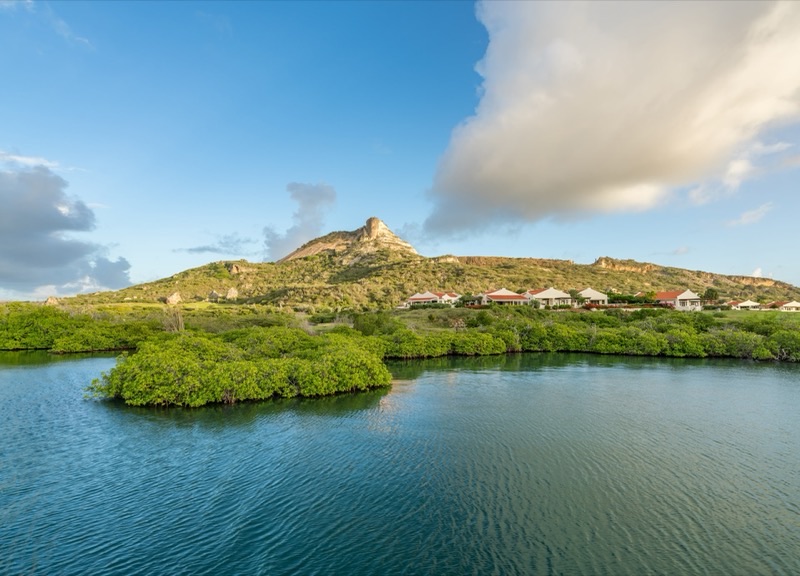
Choose Curacao if you crave a polished, hassle-free Caribbean escape, perfect for families or couples seeking predictable comfort. Enjoy vibrant Willemstad, stunning Playa Kenepa, and easy access to calm waters for snorkeling or beginner diving. It's ideal for those prioritizing resort amenities and a relaxed atmosphere without significant safety worries.
Choose Honduras
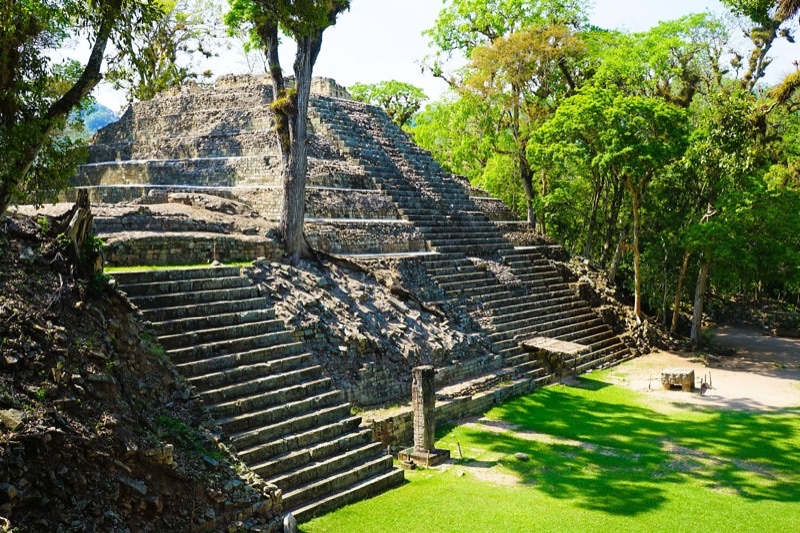
Opt for Honduras if you're an intrepid traveler or serious diver seeking raw adventure and unparalleled natural beauty on a tighter budget. Explore the world-class coral reefs off Roatan or uncover ancient Mayan history at Copan Ruinas. This destination is best for those comfortable with navigating less-developed areas for authentic, immersive experiences.
📊 Visual Scorecard
🌤 When to Visit
Average high temperatures (°C). Green = best months, orange = avoid.
Quick Comparison
| Category | Curacao | Honduras | Winner |
|---|---|---|---|
| Costs & Value | Higher average costs for accommodation, food, and activities; good value for service and infrastructure. | Significantly lower costs on the mainland; Roatan is more tourist-priced but still offers good value for diving. | Honduras |
| Beaches & Diving | Many small, secluded coves with clear, calm water and accessible shore diving. | World-renowned diving in the Bay Islands, expansive white sand beaches, significant barrier reef. | Honduras |
| Culture & History | Dutch Caribbean heritage, colorful colonial architecture, Papiamentu language. | Ancient Mayan ruins, Garifuna communities, Spanish colonial influences, more rustic feel. | Honduras |
| Safety & Peace of Mind | Generally very safe with low crime rates in tourist areas, easy to navigate. | Bay Islands (Roatan, Utila) are safe for tourists; mainland Honduras has higher crime rates, requires more caution. | Curacao |
| Getting There & Flights | Direct flights from major US/European hubs, Hato International Airport (CUR). | Direct flights to Roatan (RTB) or mainland (SAP), often requires connecting flights or ferries to reach specific destinations. | Curacao |
| Getting Around | Rental cars are highly recommended for exploring the island, taxis are available but pricey. | Rental scooters/taxis in Bay Islands, mainland relies on buses or private shuttles, less self-drive friendly. | Curacao |
| Food Scene | Mix of Dutch, African, and Caribbean flavors; Keshi Yena, fresh seafood, diverse restaurant options. | Hearty Central American cuisine, amazing baleadas, fresh seafood in coastal areas, more rustic dining. | Curacao |
| Nightlife & Entertainment | Lively bars and casinos in Willemstad, beach parties, more polished scene. | Relaxed beach bars in Roatan/Utila, some live music, more low-key on mainland. | Curacao |
| Accommodation Options | Range from large resorts to boutique hotels, guesthouses, and apartments. | Budget hostels, dive resorts, mid-range hotels, fewer luxury options outside Roatan. | Curacao |
| Nature & Adventure | Desert landscapes, national parks with caves and blowholes, calm waters for water sports. | Lush rainforests, cloud forests, waterfalls, whitewater rafting, volcanic landscapes, extensive wildlife. | Honduras |
💰 Costs & Value
Curacao, as a developed Dutch Caribbean island, carries a higher price tag. Expect to pay $15-30 for a casual meal, $80-150 for a mid-range hotel, and rental cars around $40-60…
Curacao
Honduras
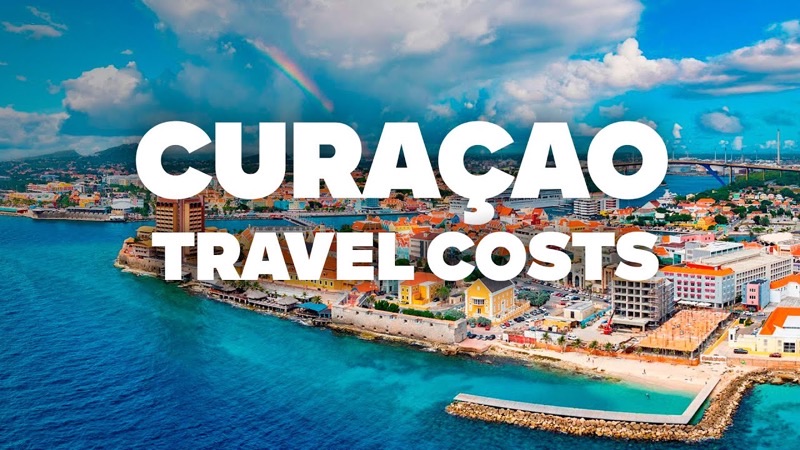
Curacao, as a developed Dutch Caribbean island, carries a higher price tag. Expect to pay $15-30 for a casual meal, $80-150 for a mid-range hotel, and rental cars around $40-60 daily. A daily budget of $100-250 is realistic for a comfortable trip, excluding flights. Groceries are expensive due to imports, so eating out can sometimes be comparable to cooking. A good beer at a bar might be 7-10 ANG (about $4-6). Activities like a boat trip to Klein Curacao can run $100-150 per person.
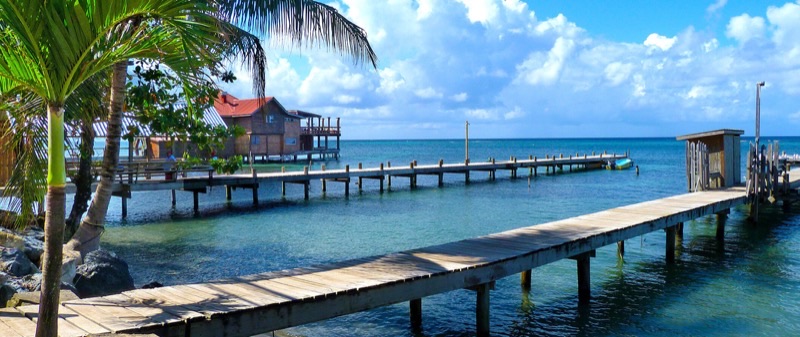
Honduras offers a stark contrast in pricing. On the mainland, a baleada might cost 15-30 Lempiras (about $0.60-$1.20), a basic guesthouse $20-50, and a substantial meal $5-15. Even in Roatan, which is more expensive, you can find meals for $10-20 and budget hotels for $50-100. Diving packages on Utila are notoriously affordable, with multi-day certifications often under $400, including accommodation. A daily budget of $40-80 on the mainland or $80-150 in Roatan is achievable. Honduras wins for budget-conscious travel, plain and simple.
- Winner: Honduras
- Why: Honduras offers a much lower cost of travel across most categories, especially on the mainland.
- Who this matters for: Budget travelers, backpackers, and those seeking extended stays without breaking the bank.
🏖️ Beaches & Diving
Curacao's coastline is dotted with over 35 distinct beaches, many nestled in coves with calm, turquoise waters, like Grote Knip, Cas Abao, and PortoMari. These beaches are…
Curacao
Honduras
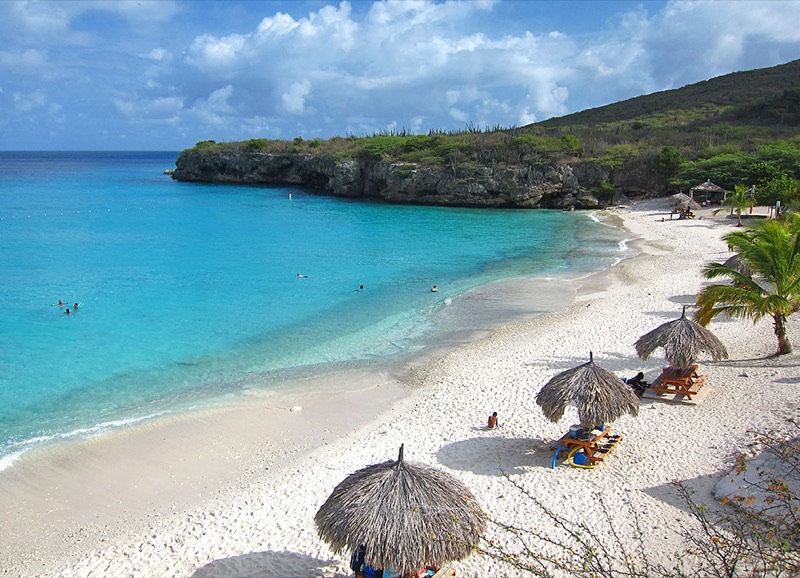
Curacao's coastline is dotted with over 35 distinct beaches, many nestled in coves with calm, turquoise waters, like Grote Knip, Cas Abao, and PortoMari. These beaches are generally well-maintained, often with facilities like restaurants and chair rentals. The diving here is primarily shore-based, making it convenient. You can walk into the water at sites like Tugboat or Director's Bay and immediately encounter coral gardens and fish. Visibility is consistently excellent, often exceeding 25 meters (80 feet). While the reefs are healthy, they are not as expansive or biodiverse as the Mesoamerican Barrier Reef.
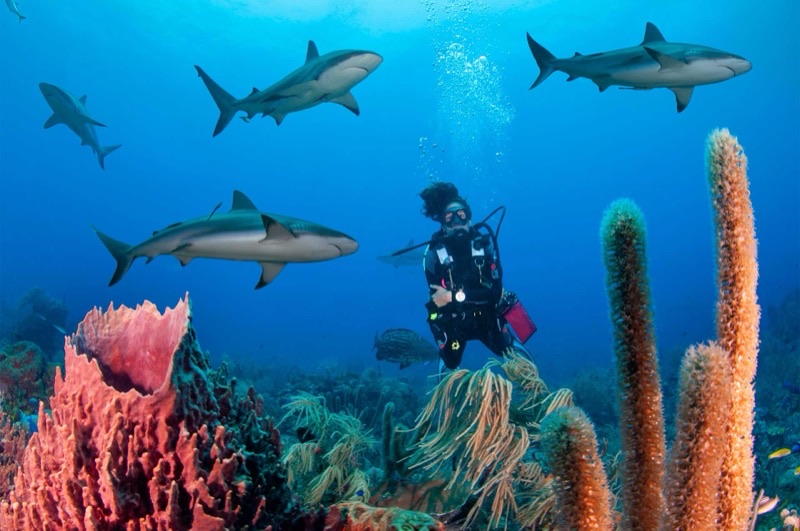
Honduras is home to a segment of the Mesoamerican Barrier Reef, the second largest barrier reef system in the world. The Bay Islands, particularly Roatan and Utila, are diving meccas. Roatan's West Bay Beach offers miles of soft sand and a reef accessible right from shore. Utila is famous for its budget dive shops and whale shark encounters. Diving here features massive barrel sponges, eagle rays, and diverse coral formations. A two-tank dive in Roatan typically costs $80-100, while in Utila, it might be $60-80. The sheer scale and biodiversity of the Honduran reef system give it the edge for serious underwater exploration. Honduras offers a significantly richer and more varied underwater experience.
- Winner: Honduras
- Why: Honduras, especially the Bay Islands, offers access to the Mesoamerican Barrier Reef, providing superior diving and expansive beaches.
- Who this matters for: Dedicated divers, snorkelers, and travelers prioritizing extensive natural marine environments.
🏛️ Culture & History
Curacao's culture is a blend of Dutch, African, and other Caribbean influences, most visible in Willemstad's Handelskade, a UNESCO World Heritage site with its pastel-colored…
Curacao
Honduras
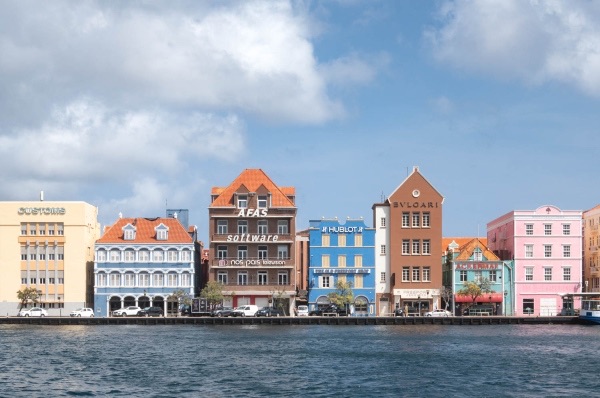
Curacao's culture is a blend of Dutch, African, and other Caribbean influences, most visible in Willemstad's Handelskade, a UNESCO World Heritage site with its pastel-colored Dutch colonial buildings. The local language, Papiamentu, is a creole blend. The Kura Hulanda Museum offers insight into the transatlantic slave trade and African heritage. There are also forts like Riff Fort and Fort Amsterdam that offer historical context. The culture feels very accessible and polished, with a focus on ease for visitors. You can visit a synagogue, Mikve Israel-Emanuel, one of the oldest in the Americas, dating back to 1732.
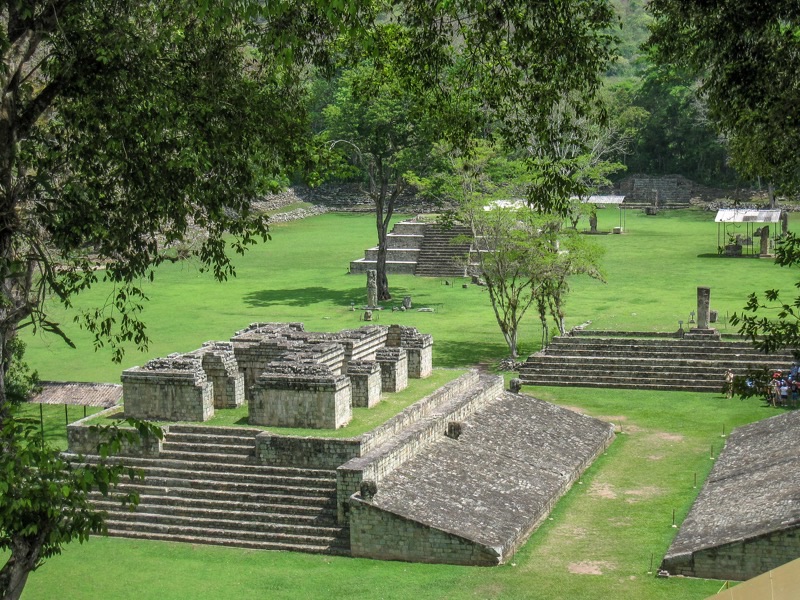
Honduras provides a deeper, more ancient, and varied cultural experience. The Copan Ruinas, a UNESCO site, showcases some of the most detailed Mayan stelae and hieroglyphics in Central America. Exploring the tunnels and museums here offers a profound connection to pre-Columbian civilization, with entrance fees around $15-20. Along the Caribbean coast, communities like those in La Ceiba preserve the distinct Garifuna culture, with its unique music, dance, and food. Inland, Spanish colonial influences are present in towns like Comayagua. Honduras offers a more raw and historically significant cultural immersion. For those seeking ancient history and distinct indigenous cultures, Honduras is the stronger contender.
- Winner: Honduras
- Why: Honduras offers ancient Mayan ruins and distinct Garifuna cultural experiences, providing a more profound historical and anthropological journey.
- Who this matters for: History enthusiasts, anthropologists, and travelers seeking immersion in ancient civilizations and indigenous cultures.
🚨 Safety & Peace of Mind
Curacao is consistently ranked as one of the safer Caribbean islands. Tourist areas, including Willemstad, the main beaches, and resort zones, experience low levels of petty…
Curacao
Honduras
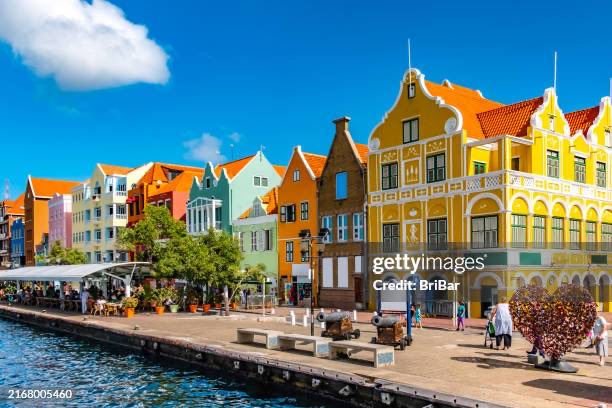
Curacao is consistently ranked as one of the safer Caribbean islands. Tourist areas, including Willemstad, the main beaches, and resort zones, experience low levels of petty crime. It is generally safe to walk around at night in well-lit, populated areas. Rental cars are common, and driving feels secure. While common sense precautions apply (don't leave valuables visible in cars), serious crime against tourists is rare. The overall feeling is relaxed and low-stress, making it suitable for travelers who prefer not to constantly monitor their surroundings. The police presence is noticeable but not intrusive.
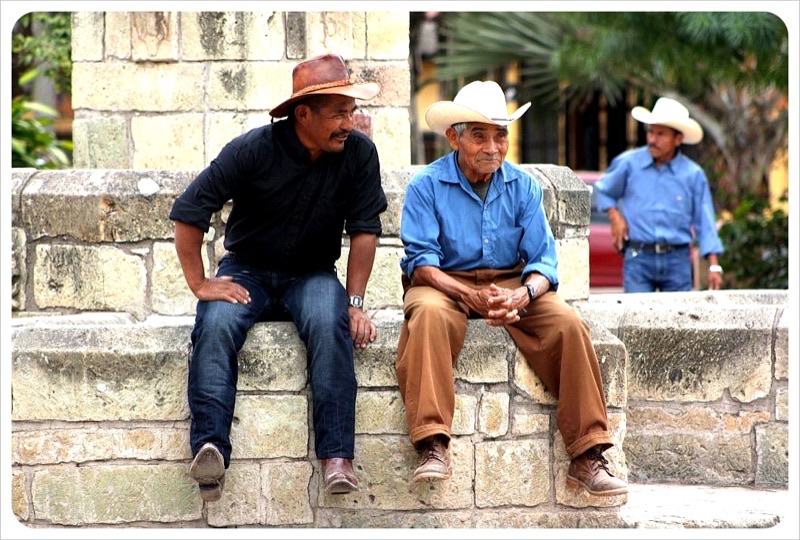
Honduras presents a dichotomy. The Bay Islands (Roatan and Utila) are considerably safer than the mainland, with tourist areas well-patrolled and focused on visitor well-being. However, mainland Honduras, particularly cities like San Pedro Sula and Tegucigalpa, has higher crime rates, including violent crime. Travelers to the mainland need to exercise heightened vigilance, avoid walking alone at night, use reputable transportation, and be aware of their surroundings. Getting around can feel more challenging, and some areas are best avoided. For instance, bus travel on the mainland carries more risk than in Curacao. Curacao offers a much higher degree of safety and peace of mind for the average traveler.
- Winner: Curacao
- Why: Curacao offers a consistently safer environment across its tourist areas, allowing for a more relaxed and worry-free vacation.
- Who this matters for: Families, solo female travelers, first-time international travelers, and those prioritizing a low-stress vacation.
✈️ Getting There & Flights
Curacao is served by Hato International Airport (CUR) and has direct flights from several major US cities (e.g., Miami, Charlotte, New York JFK, Atlanta) and European hubs (e.g.,…
Curacao

Honduras
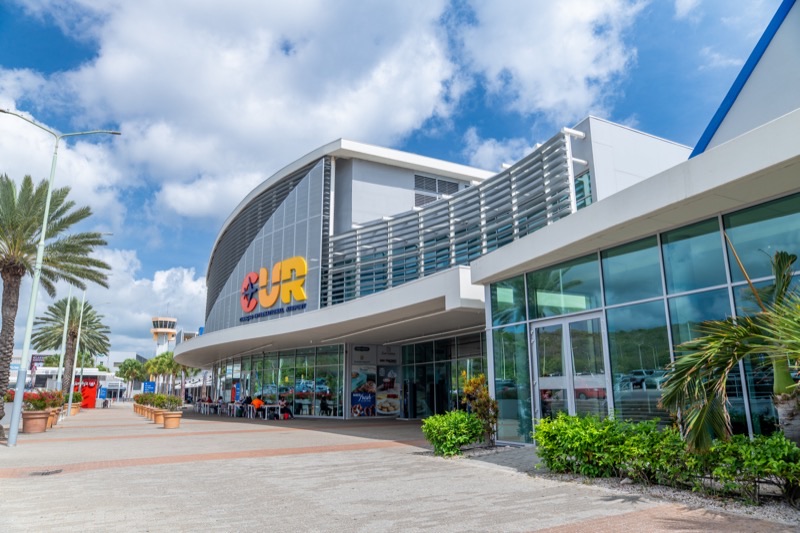
Curacao is served by Hato International Airport (CUR) and has direct flights from several major US cities (e.g., Miami, Charlotte, New York JFK, Atlanta) and European hubs (e.g., Amsterdam). A direct flight from Miami to Curacao typically takes around 3.5 hours. From New York, it's about 4.5 hours. The airport is modern and efficient, with easy access to rental cars or taxis into Willemstad, which is about a 20-minute drive. Entry requirements are straightforward for most Western passport holders, usually just a completed ED card. The journey is generally smooth and predictable, with good flight frequency.
Honduras has two main international airports for tourists: Ramon Villeda Morales (SAP) near San Pedro Sula, and Juan Manuel Galvez (RTB) on Roatan. Direct flights from Miami to Roatan take about 2 hours, and to San Pedro Sula about 2.5 hours. However, reaching specific destinations in Honduras can involve further travel. If you land in SAP and want to go to Copan Ruinas, it's a 3-4 hour bus or shuttle ride. To get to Utila, you fly into RTB, then take a ferry (about 1 hour, $30). While Roatan is well-connected, accessing the mainland or other islands adds layers of logistics, including internal flights or ferries, which can be less reliable. Curacao offers a simpler, more direct travel experience from the moment you land.
- Winner: Curacao
- Why: Curacao offers more direct flights from key markets and simpler logistics from the airport to primary destinations.
- Who this matters for: Travelers who prefer direct flights, minimal layovers, and straightforward arrival logistics.
🚗 Getting Around
In Curacao, renting a car is the preferred method for getting around. Roads are generally well-maintained, and signage is clear. A compact rental car costs around $40-60 per day.…
In Curacao, renting a car is the preferred method for getting around. Roads are generally well-maintained, and signage is clear. A compact rental car costs around $40-60 per day. This allows you the freedom to visit multiple beaches like Grote Knip and Cas Abao, explore Shete Boka National Park, and dine at various restaurants without relying on expensive taxis (a ride from the airport to Willemstad can be $40-50). Public transportation, consisting of small local buses (konvoys), exists but is not extensive or reliable for comprehensive tourist exploration. Driving is on the right side of the road, similar to the US, making it comfortable for many visitors.
Getting around Honduras depends heavily on your location. In Roatan, taxis are common, and rental scooters or cars are available, though driving conditions can be rough in some areas. On Utila, golf carts and walking are the main modes. For mainland travel, public buses (e.g., Hedman Alas, Cristina) are widely used, but quality and safety vary, and they generally don't serve remote tourist sites directly. Private shuttles are an option but significantly more expensive. For example, a shuttle from San Pedro Sula to Copan Ruinas costs around $30-50 per person. Self-driving on the mainland is generally not recommended for tourists due to road conditions, lack of signage, and security concerns. Curacao offers a much easier and more comfortable self-guided exploration experience.
- Winner: Curacao
- Why: Curacao's well-maintained roads and prevalence of rental cars make self-guided exploration straightforward and comfortable.
- Who this matters for: Independent travelers, families, and those who prefer the flexibility of driving themselves to explore.
🍽️ Food Scene
Curacao's food scene reflects its multicultural heritage, with influences from Dutch, African, and other Caribbean cuisines. Signature dishes include Keshi Yena (stuffed cheese…
Curacao's food scene reflects its multicultural heritage, with influences from Dutch, African, and other Caribbean cuisines. Signature dishes include Keshi Yena (stuffed cheese casserole) and fresh seafood. You can find everything from high-end dining at places like Kome to casual beachside shacks serving grilled fish. Plasa Bieu in Willemstad offers authentic local food at communal tables for around $10-15 per plate. There's also a strong international presence with Italian, Asian, and American options. The quality and variety of restaurants are generally high, catering to a diverse palate. Dining out is a polished experience, with many establishments having good service and atmosphere. Expect to pay $20-40 for a main course at a mid-range restaurant.
Honduras offers a more traditional Central American food experience. The baleada, a simple flour tortilla filled with beans, cheese, and often eggs or meat, is a staple and costs $1-3. Seafood is excellent in the Bay Islands, with fresh ceviche and grilled fish widely available for $10-20. On the mainland, you'll find hearty portions of grilled meats (carne asada), plantains, and rice and beans (casamiento). While delicious and incredibly affordable, the dining scene is generally less diverse and less refined than in Curacao. Options are more focused on local establishments. Finding international cuisine outside of major tourist hubs like Roatan's West End is challenging. Curacao offers a broader and more sophisticated culinary landscape.
- Winner: Curacao
- Why: Curacao provides a more diverse, refined, and globally influenced dining scene with a wider range of options beyond local staples.
- Who this matters for: Foodies, travelers who appreciate diverse culinary experiences, and those seeking upscale dining options.
🎉 Nightlife & Entertainment
Curacao offers a more developed and varied nightlife scene, concentrated primarily in Willemstad and along the Mambo Beach Boulevard. You can find casinos, upscale cocktail bars,…
Curacao offers a more developed and varied nightlife scene, concentrated primarily in Willemstad and along the Mambo Beach Boulevard. You can find casinos, upscale cocktail bars, and clubs with DJs playing international and local music. Places like Wet & Wild Beach Club host parties, especially on Sundays. Pietermaai district in Willemstad has several bars and restaurants with live music and a lively atmosphere. The scene is generally safe, polished, and caters to both locals and tourists seeking a good time. A typical cocktail might cost $10-15, and entrance fees to clubs are not common. There's often live music in many restaurants as well.
Honduras's nightlife is more laid-back and location-specific. In Roatan's West End, you'll find beach bars like Sundowners or Fosters offering drinks, live music, and a relaxed atmosphere by the water. Utila is known for its budget-friendly dive bar scene, with places like Skid Row and Tranquila Bar attracting backpackers and divers. On the mainland, nightlife is considerably more subdued and often concentrated in specific areas of larger cities, which may not always be safe for tourists after dark. Unless you are in a specific tourist zone like Roatan, the options are limited. Curacao offers a more consistent and diverse range of evening entertainment options.
- Winner: Curacao
- Why: Curacao has a more diverse and accessible nightlife, with options ranging from casinos and clubs to lively beach bars and live music venues.
- Who this matters for: Party-goers, those who enjoy late-night entertainment, and travelers looking for a variety of evening activities.
🏨 Accommodation Options
Curacao provides a wide spectrum of accommodation, generally with a higher standard of infrastructure and service. You'll find international chain resorts like Marriott Beach…
Curacao provides a wide spectrum of accommodation, generally with a higher standard of infrastructure and service. You'll find international chain resorts like Marriott Beach Resort or Renaissance Wind Creek, boutique hotels in historic Punda and Otrobanda, guesthouses, and a strong market for vacation rental apartments and villas. Prices for a mid-range hotel often start around $120-200 per night, while luxury resorts can be $300+. Even budget options tend to be well-maintained and offer good amenities. Booking is straightforward via international platforms, and properties often include pools, restaurants, and direct beach access. For example, a stay at Avila Beach Hotel offers a private beach and multiple dining options.
Honduras offers a different type of accommodation, largely catering to budget travelers and divers, especially outside of Roatan. In Utila, hostels and dive resorts dominate, with dorm beds as low as $10-20 and basic private rooms for $40-60. Roatan has a more developed hotel scene with mid-range resorts like Mayan Princess Beach & Dive Resort (often $150-300+) and guesthouses, but fewer true luxury options compared to Curacao. On the mainland, outside of Copan Ruinas where charming colonial hotels exist ($60-100), options are more basic. While you can find great value, the overall range and consistent quality of accommodation lean towards Curacao. Curacao wins for its broader selection of comfortable, well-appointed lodging.
- Winner: Curacao
- Why: Curacao offers a wider range of accommodation options, including more luxury resorts and boutique hotels with higher service standards.
- Who this matters for: Travelers seeking comfort, luxury, or a wide selection of well-established hotel brands and vacation rentals.
🏞️ Nature & Adventure
Curacao's natural landscape is primarily arid, characterized by cacti, divi-divi trees, and a rugged coastline. Christoffel National Park offers hiking trails to the island's…
Curacao's natural landscape is primarily arid, characterized by cacti, divi-divi trees, and a rugged coastline. Christoffel National Park offers hiking trails to the island's highest point, Mount Christoffel, for panoramic views. Shete Boka National Park features dramatic blowholes and natural bridges where waves crash against the limestone cliffs. While there are opportunities for snorkeling, kayaking, and stand-up paddleboarding in the calm bays, the adventure level is generally moderate. The terrestrial wildlife consists mainly of iguanas and various bird species. The beauty is in the striking contrast of blue water against a desert-like backdrop.
Honduras delivers a more diverse and intense natural adventure experience. Pico Bonito National Park near La Ceiba offers whitewater rafting on the Cangrejal River, jungle hikes to waterfalls like El Bejuco, and opportunities for spotting monkeys, toucans, and jaguars (rarely). Lake Yojoa, Central America's largest lake, is a birdwatcher's paradise surrounded by cloud forests. You can explore caves, go zip-lining through the canopy in Roatan (e.g., South Shore Zipline), or climb volcanoes (though less prominent than in other Central American countries). The sheer scale of biodiversity, from the reefs to the cloud forests, provides a greater variety of high-adrenaline and wildlife-focused activities. Honduras offers a significantly more robust menu of nature-based adventures.
- Winner: Honduras
- Why: Honduras boasts more diverse ecosystems, including rainforests, cloud forests, and rivers, offering a broader range of adventure activities and wildlife encounters.
- Who this matters for: Adventure seekers, wildlife enthusiasts, hikers, and those interested in diverse natural landscapes.
🎯 The Decision Framework
Choose Curacao If…
- You prioritize consistent safety and a low-stress travel experience.
- You enjoy well-developed infrastructure and easy self-driving with a rental car.
- You prefer a diverse and refined dining scene with international options.
- You like predictable, calm beaches and convenient shore diving.
- You appreciate European-influenced colonial architecture and polished tourist areas.
- You want a broader range of comfortable and upscale accommodation options.
- You seek a lively but secure nightlife with casinos and beach clubs.
- You prefer direct, straightforward flights and arrival logistics.
Choose Honduras If…
- You are a dedicated diver or snorkeler seeking world-class coral reefs and marine life.
- You are a budget traveler looking to maximize value for money.
- You want to explore ancient Mayan ruins and indigenous Garifuna culture.
- You prefer a more rugged, less-traveled adventure with varied natural landscapes.
- You are comfortable navigating less-developed areas and using local transport (mainland).
- You enjoy hearty, affordable local cuisine like baleadas and fresh seafood.
- You seek high-adrenaline activities like whitewater rafting or jungle trekking.
- You prioritize deep immersion in nature and wildlife over resort comforts.
📅 Sample Itineraries
Weekend in Curacao (3 Days)
💡 To save on transportation, consider renting a car for about $40-60 per day to explore the island's many beaches and attractions at your own pace, as public transport can be infrequent outside Willemstad.
Weekend in Honduras (3 Days)
💡 For local transport in Roatan, use collectivo taxis (shared taxis) along the main road for $1-3 per ride between major areas like West End and Coxen Hole, much cheaper than private taxis.
One Week in Curacao (7 Days)
💡 Many local restaurants offer a 'daily special' (daghap) for lunch or early dinner, providing a full meal for $15-25, a great way to experience local food without overspending.
One Week in Honduras (7 Days)
💡 When booking inter-city buses, opt for executive or 'pullman' class buses (e.g., Hedman Alas) for comfort and safety; they often cost only slightly more ($15-25) than regular buses.
❓ Frequently Asked Questions
Which destination is better for diving?
Honduras, specifically the Bay Islands (Roatan and Utila), offers access to the Mesoamerican Barrier Reef, which is the second largest in the world. Utila is famous for its budget dive certifications (often under $400 for PADI Open Water) and whale shark sightings, while Roatan boasts healthy reefs with diverse marine life. Curacao has good shore diving but on a smaller scale.
What are the typical flight times from the US?
From major US hubs like Miami, a direct flight to Curacao (CUR) takes about 3.5 hours. For Honduras, a direct flight to Roatan (RTB) or San Pedro Sula (SAP) can be as short as 2-2.5 hours. However, reaching specific destinations in Honduras often requires additional domestic flights or ferry transfers.
How do daily budgets compare?
Curacao typically requires a daily budget of $100-250 for comfortable travel, excluding flights, with meals often $15-30. Honduras offers significantly lower costs on the mainland ($40-80/day), while Roatan is more tourist-priced but still generally cheaper than Curacao ($80-150/day). You can find meals for $1-5 on the Honduran mainland.
Which destination is safer for solo female travelers?
Curacao is generally considered much safer for solo female travelers due to lower crime rates in tourist areas and a more developed infrastructure. While the Bay Islands of Honduras (Roatan, Utila) are relatively safe, mainland Honduras requires significantly more caution and awareness, which can be challenging for solo travelers.
What's the best time to visit each island?
Curacao is outside the hurricane belt, making it a good year-round destination, though mid-December to April is driest. Honduras's Bay Islands are best from March to September for calmer seas and diving. The mainland has a dry season from November to April, which is ideal for exploring Mayan ruins and hiking.
Can I easily combine a trip to both destinations?
Combining both is feasible but requires careful planning and a minimum of two weeks to truly experience each. There are no direct flights between Curacao and Honduras, so you would likely connect through a US hub or another Caribbean island. Budget for additional flight costs and travel time between the two.
Which destination offers more opportunities for ancient history?
Honduras is the clear winner for ancient history, primarily due to the Copan Ruinas. This UNESCO World Heritage site features some of the most intricate Mayan carvings and stelae, offering a deep dive into pre-Columbian civilization. Curacao's history is more focused on its Dutch colonial and Afro-Caribbean heritage.
Is a rental car necessary in both places?
A rental car is highly recommended in Curacao to explore its many beaches and natural parks independently, with daily rates around $40-60. In Honduras, a rental car is only practical on Roatan, and generally not advised for mainland travel due to road conditions and security; local taxis, colectivos, and buses are more common modes of transport.
Ready to plan your Caribbean or Central American trip?
Get a free custom itinerary for Curacao, Honduras, or both — built from real traveler insights.
👥 Travelers Also Compared
🎟️ Book Tours & Experiences
Hand-picked tours and activities for both destinations — book with free cancellation
Experiences via Viator — free cancellation on most tours