How we built this comparison
This page combines traveler discussion patterns, published price ranges, flight schedules, and seasonal data to help you decide between Cusco and Lima.
- Reviewed 500+ Reddit threads from r/travel, r/solotravel, r/peru, r/backpacking, and more for authentic traveler experiences and advice.
- Verified costs and logistics against current booking platforms like Google Flights, Booking.com, and local tour operators.
- Cross-referenced seasonal patterns and weather data with local guides and meteorological resources to ensure accurate climate information.
⚡ The TL;DR Verdict
Cusco is your pick for ancient history, breathtaking mountain vistas, and the ultimate Machu Picchu gateway, ideal for adventure seekers on a mid-range budget ($50-150 USD/day without MP). Lima, on the other hand, is a vibrant culinary and cultural hub perfect for urban explorers and foodies, with daily budgets ranging from $60-200 USD.
- Choose Cusco: You're chasing Inca history, high-altitude trekking, mystical vibes, and the non-negotiable pilgrimage to Machu Picchu. Expect cooler weather and a more 'traditional' Peruvian feel.
- Choose Lima: You're a foodie, an urban explorer, or a digital nomad looking for a sophisticated city break with world-class dining, vibrant nightlife, and a coastal ambiance. Altitude sickness is not a concern here.
- Choose Both: If you have at least 7-10 days, absolutely do both! Lima serves as your international gateway and culinary introduction, while Cusco provides the historical and natural grandeur. It's a perfect yin-yang of Peruvian experiences.
Quick Comparison
| Category | Cusco | Lima | Winner |
|---|---|---|---|
| Culture & History | The undisputed heart of the Inca Empire, steeped in ancient history, colonial architecture, and indigenous traditions. | A vibrant blend of pre-Columbian, colonial, and modern influences, with excellent museums and a UNESCO-listed historic center. | Cusco |
| Food & Drink | Andean comfort food, hearty soups, guinea pig (cuy), and tourist-friendly international options. | The undisputed culinary capital of South America, boasting Michelin-starred restaurants, world-class ceviche, and diverse regional flavors. | Lima |
| Nature & Scenery | Breathtaking Andean mountains, dramatic valleys, cloud forests, and the iconic Machu Picchu. | Coastal desert landscapes, Pacific ocean views, and urban parks, with limited natural escapes immediately nearby. | Cusco |
| Costs & Budget | Generally more affordable than Lima for basic needs, but Machu Picchu costs significantly increase overall budget. | Can be expensive in upscale areas, but offers a wide range of budget-friendly options, especially for food and public transport. | Tie |
| Getting There & Around | Requires a domestic flight from Lima; easily walkable city center, with taxis and colectivos for longer distances. | The primary international gateway to Peru; extensive public transport, ride-sharing, and taxis for getting around. | Lima |
| Accommodation | Boutique hotels in colonial buildings, cozy hostels, and guesthouses with Andean charm. | A wide array of options from luxury high-rises to trendy boutique hotels, hostels, and guesthouses, especially in Miraflores and Barranco. | Lima |
| Nightlife & Entertainment | Lively but tourist-focused pubs, pisco bars, and a few clubs concentrated around the Plaza de Armas. | Sophisticated bars, trendy clubs, live music venues, and cultural performances, especially in Miraflores and Barranco. | Lima |
| Day Trips & Excursions | Gateway to the Sacred Valley, Machu Picchu, Rainbow Mountain, and numerous Inca ruins. | Limited immediate day trips; excursions typically require longer travel to places like Paracas or Huacachina. | Cusco |
| Weather & Seasons | High altitude, distinct wet (Nov-Apr) and dry (May-Oct) seasons, cooler temperatures year-round. | Coastal desert climate, often cloudy/misty (garúa) in winter (May-Oct), warm and sunny in summer (Dec-Apr). | Tie |
| Safety & Solo Travel | Generally safe in tourist areas, especially during the day; altitude sickness is the main health concern. | Generally safe in upscale tourist areas (Miraflores, Barranco), but petty crime is prevalent; traffic and scams are concerns. | Cusco |
📜 Culture & History
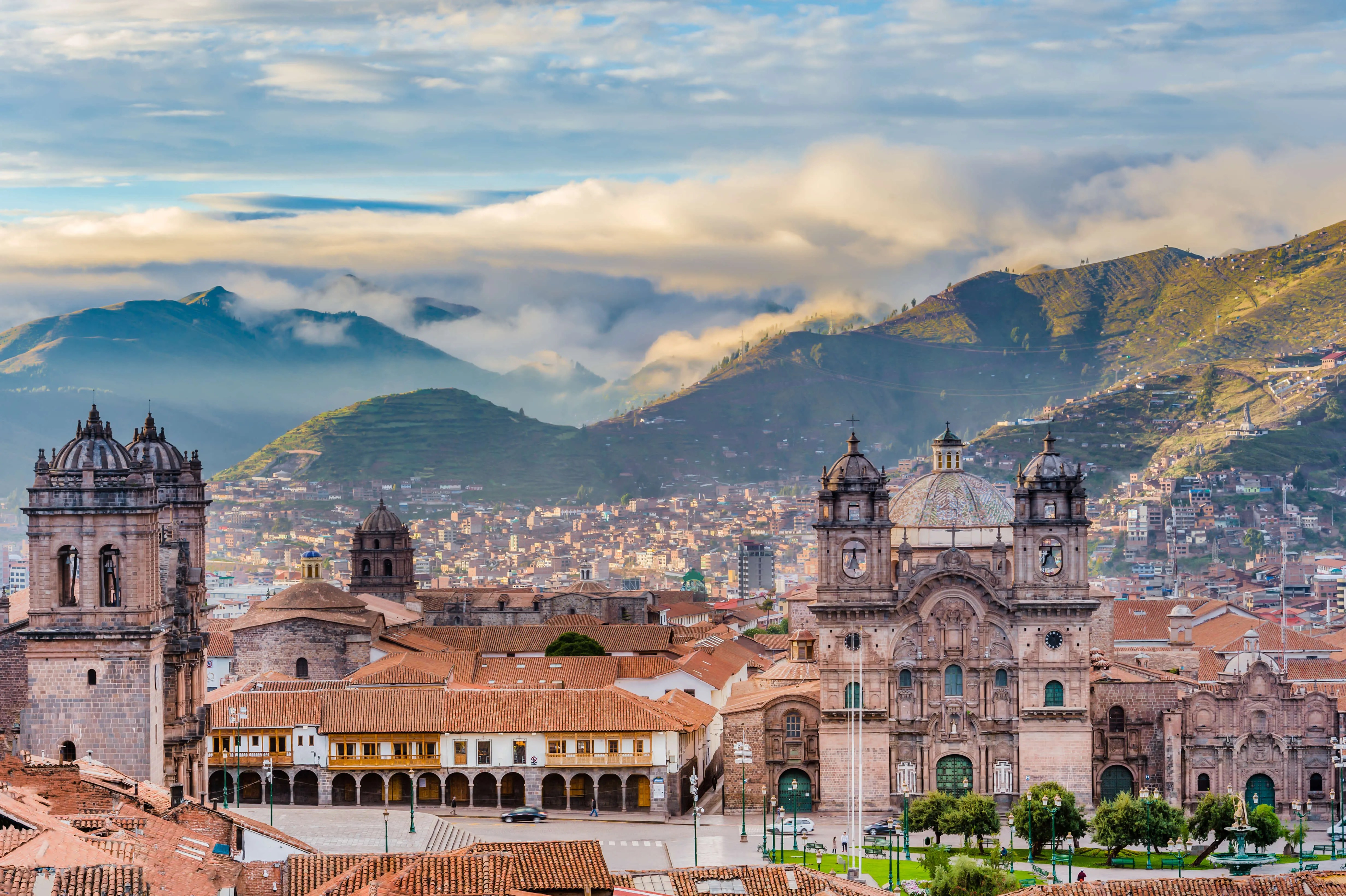
Cusco is an open-air museum. From the moment you step into the Plaza de Armas, you're surrounded by Inca walls topped with Spanish colonial buildings, a testament to its complex past. Sites like Sacsayhuaman, Qorikancha (Temple of the Sun), and the surrounding Sacred Valley (Pisac, Ollantaytambo) offer an unparalleled immersion into Inca civilization. The Quechua language is still widely spoken, and traditional dress is common. Lima's history is impressive too, especially its colonial center (Plaza Mayor, Cathedral, San Francisco Convent with catacombs) and pre-Inca ruins like Huaca Pucllana. However, it feels more like a city with historical pockets, whereas Cusco *is* history. You can spend days just wandering Cusco's cobblestone streets and finding new historical gems around every corner, often for minimal entrance fees (a Boleto Turistico for multiple sites is around S/130 / $35 USD). One Reddit user put it perfectly: "Cusco just *feels* ancient in a way Lima doesn't. You can practically hear the Incas talking." The sheer density and palpable presence of ancient cultures make Cusco a clear winner for historical depth.
Winner takeaway
- Winner: Cusco
- Why: Cusco offers an unmatched, immersive journey into the Inca Empire, surrounded by ancient ruins and living traditions.
- Who this matters for: History buffs, archeology enthusiasts, and those seeking a profound cultural connection.
🍽️ Food & Drink
This isn't even a fair fight. Lima is a global gastronomic powerhouse. It's home to some of the world's best restaurants like Central, Maido, and Mayta, offering innovative takes on Peruvian cuisine. But even beyond the high-end, Lima shines with its vibrant street food, fresh cevicherías (try La Mar Cebichería Peruana in Miraflores), and diverse regional restaurants. A fantastic ceviche can cost anywhere from S/30-60 ($8-16 USD), while a tasting menu at a top restaurant can be S/500-1000+ ($135-270+ USD). Cusco has its charm with traditional Andean fare like lomo saltado, alpaca steaks, and hearty soups (try Chicha por Gastón Acurio for an upscale take, or Jack's Cafe for reliable comfort food). You'll find many tourist-oriented places, but truly exceptional, innovative dining is rarer. Pisco Sours are ubiquitous in both, but Lima's bars have a more sophisticated edge. "Honestly, I went to Cusco for Machu Picchu, but I went to Lima just to eat. No regrets," is a common sentiment. If food is a major part of your travel experience, Lima is non-negotiable.
Winner takeaway
- Winner: Lima
- Why: Lima's culinary scene is globally renowned, offering unparalleled diversity, innovation, and world-class dining experiences at all price points.
- Who this matters for: Foodies, gourmands, and anyone who believes eating is a central part of travel.
⛰️ Nature & Scenery
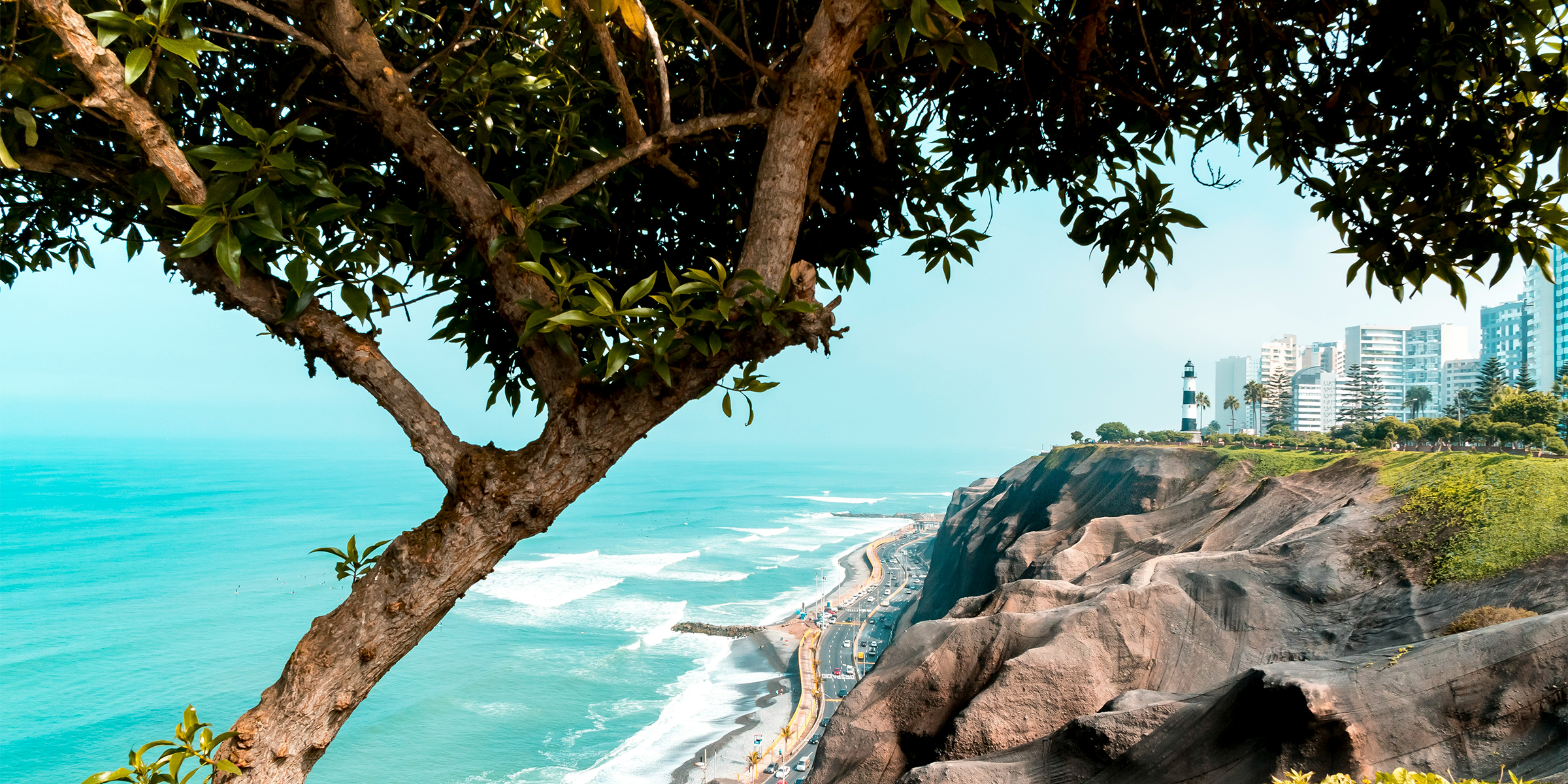
Cusco is synonymous with stunning natural beauty. Surrounded by the majestic Andes, it's the gateway to the Sacred Valley, rainbow mountains (Vinicunca), and, of course, Machu Picchu. The landscapes are dramatic: snow-capped peaks, verdant valleys, terraced farmlands, and the powerful Urubamba River. Whether you're hiking the Inca Trail, Salkantay, or simply taking a scenic train to Aguas Calientes, the sheer scale and grandeur of the mountains are inescapable. Laguna Humantay is another popular day trip, offering vibrant turquoise waters against a glacial backdrop. Lima, while situated on the Pacific coast, is a sprawling metropolis in a desert. Its natural beauty is limited to the dramatic cliffs of Miraflores and Barranco, offering pleasant ocean views and sunsets, but it's not the same raw, untamed nature you find in the highlands. "Everywhere you look in Cusco, it's a postcard. Lima's pretty, but it's city pretty, not mountain pretty." You'll pay for guided tours in Cusco (e.g., Rainbow Mountain tour ~S/80-150 / $22-40 USD, not including park fees), but the views are priceless.
Winner takeaway
- Winner: Cusco
- Why: Cusco offers unparalleled access to the majestic Andes, iconic natural wonders like Machu Picchu, and dramatic high-altitude landscapes.
- Who this matters for: Hikers, trekkers, photographers, and anyone seeking epic mountain scenery.
💰 Costs & Budget
This category is a nuanced tie. On a day-to-day basis, excluding Machu Picchu, Cusco can feel slightly cheaper for budget travelers. Hostels in Cusco range from S/30-60 ($8-16 USD) per night, and a decent meal at a local 'menu del día' spot is S/10-20 ($3-5 USD). However, the big elephant in the room is Machu Picchu. A standard day trip including train, bus, and entrance ticket can easily run S/700-1500+ ($190-400+ USD) per person, dramatically inflating your overall Cusco budget. Lima's accommodation in popular Miraflores/Barranco neighborhoods can be S/70-150 ($19-40 USD) for a hostel or S/200-400+ ($55-110+ USD) for a mid-range hotel. Food can vary wildly: a street food snack for S/5 ($1.50) to a Michelin-star meal for S/800+ ($220+). Local buses are very cheap (S/1-3 / $0.30-0.80). Taxis/Ubers are more expensive in Lima but widely available. "Cusco is cheap for food and hostels, but then Machu Picchu punches you in the wallet. Lima can be done cheaply if you eat local and use public transport, but tourist areas get pricey fast." Ultimately, both offer options for various budgets, but Lima generally provides more value for mid-range and luxury dining/accommodation without a single dominating expense like Machu Picchu.
Winner takeaway
- Winner: Tie
- Why: Both cities offer a range of options for different budgets, with Cusco being cheaper day-to-day (excl. MP) and Lima providing more value for diverse experiences.
- Who this matters for: Budget-conscious travelers, luxury seekers, and those who prioritize value for money.
✈️ Getting There & Around
Lima wins for international accessibility as it hosts Jorge Chávez International Airport (LIM), the main hub for Peru. Most international travelers will land here first. From Lima, flying to Cusco's Alejandro Velasco Astete Airport (CUZ) is a common next step, with flights taking about 1 hour 20 minutes and costing S/180-380 ($50-100 USD) each way, depending on the airline (LATAM, Sky Airline, Viva Air). In Cusco, the historic center is very walkable, though the altitude can make hills challenging. Taxis are abundant and inexpensive within the city (S/5-10 / $1.50-3 USD for most rides). Colectivos (shared vans) are great for day trips into the Sacred Valley. Lima's scale means walking isn't always feasible. It has an extensive, though sometimes chaotic, bus system, a Metropolitano (BRT) line, and ride-sharing apps like Uber and InDriver which are generally reliable and affordable (e.g., Miraflores to Barranco ~S/10-15 / $3-4 USD). Traffic in Lima can be brutal, especially at peak hours, so factor in travel time. "Lima's traffic is insane, but at least you fly directly there. Cusco's cute to walk, but getting to it is an extra step." The direct international access and more robust urban transport options give Lima the edge, despite its traffic woes.
Winner takeaway
- Winner: Lima
- Why: Lima serves as the primary international gateway to Peru, offering direct flights from around the world and a more comprehensive urban transport network.
- Who this matters for: International travelers, those prioritizing convenience and direct access, and urban explorers.
🏨 Accommodation
Lima offers a wider, more modern, and generally higher quality range of accommodation options, especially in its key tourist districts like Miraflores and Barranco. You'll find everything from luxurious five-star hotels like Belmond Miraflores Park (S/1000+ / $270+ USD/night) to stylish boutique hotels (e.g., Hotel B in Barranco, S/800+ / $220+ USD) and numerous well-regarded hostels (e.g., Pariwana Hostel, S/60-100 / $16-27 USD). Many properties come with amenities like pools, gyms, and modern designs. Cusco's accommodation scene, while charming, is generally geared towards a more traditional or rustic aesthetic, often in renovated colonial buildings (e.g., Belmond Hotel Monasterio, S/1000+ / $270+ USD) or cozy hostels (e.g., Kokopelli Hostel, S/40-80 / $11-22 USD). While beautiful, the infrastructure can sometimes feel older, and luxury options are fewer and often pricier for what you get compared to Lima. "Lima just has more options, especially if you want something really nice or really specific. Cusco's cute, but sometimes you feel limited." For sheer variety, modern amenities, and competitive pricing for quality, Lima edges out Cusco.
Winner takeaway
- Winner: Lima
- Why: Lima boasts a broader range of modern and luxury accommodation options, particularly in its popular districts, catering to diverse preferences and budgets.
- Who this matters for: Luxury travelers, business travelers, and those seeking modern amenities and diverse lodging choices.
🌃 Nightlife & Entertainment
Lima undoubtedly offers a more sophisticated and diverse nightlife scene. The districts of Miraflores and Barranco are buzzing with stylish bars, artisanal breweries (e.g., Barbarian Bar in Barranco), jazz clubs, and dance clubs that cater to both locals and tourists. You can find everything from a chill evening sipping craft cocktails to dancing till dawn. Prices for a cocktail average S/25-40 ($7-11 USD). Cusco's nightlife is lively, but it's largely centered around the Plaza de Armas and caters heavily to backpackers and tourists. You'll find plenty of Irish pubs, pisco bars, and a few clubs playing reggaeton and pop, but it lacks the local flavor and diversity of Lima's scene. Places like Mama Africa and Mythology are popular, with entrance fees often S/10-20 ($3-5 USD) including a drink. "Cusco's fun for a few beers after a trek, but Lima's where you go to actually *party* or have a fancy night out." While Cusco offers a good time, Lima's sheer variety, local appeal, and upscale options make it the winner for nightlife and entertainment.
Winner takeaway
- Winner: Lima
- Why: Lima provides a more varied and sophisticated nightlife, with trendy bars, diverse music venues, and a vibrant local scene.
- Who this matters for: Party-goers, social butterflies, and those seeking diverse evening entertainment options.
🏞️ Day Trips & Excursions
Cusco is the undisputed champion of day trips and excursions. It's the launchpad for the iconic Machu Picchu, which, while often an overnight trip to Aguas Calientes, is intrinsically linked to Cusco. Beyond that, the Sacred Valley offers incredible day trips to Pisac (market and ruins), Ollantaytambo (fortress and town), Moray (agricultural terraces), and Maras (salt pans). Each site is a journey back in time, easily accessible by guided tour (Sacred Valley tour ~S/80-150 / $22-40 USD, not including site entrance fees) or by hiring a private taxi. For adventure seekers, Rainbow Mountain (Vinicunca) and Laguna Humantay are popular, albeit challenging, day trips. Lima, by contrast, has fewer immediate, compelling day trips. While you can visit Pachacamac (pre-Inca ruins) or venture to Caral (ancient city), they don't quite offer the same 'wow' factor. Further afield, popular multi-day excursions involve driving south to Paracas (Ballestas Islands, reserve) and Huacachina (desert oasis, dune buggies), which are fantastic but not really 'day' trips from Lima. "In Cusco, you can spend a week just on day trips and not run out of amazing things to see. In Lima, it's more about the city itself." The sheer quantity and quality of world-class excursions make Cusco the easy winner.
Winner takeaway
- Winner: Cusco
- Why: Cusco is the ultimate base for exploring iconic historical sites, natural wonders, and the unforgettable Machu Picchu.
- Who this matters for: Adventure travelers, history enthusiasts, and those looking for daily exploration outside the city.
☀️ Weather & Seasons
This is a tie because both climates have their pros and cons, catering to different preferences. Cusco (3,400m / 11,200ft) has a high-altitude climate. The dry season (May-October) is characterized by sunny days, crisp blue skies, and cool nights (often dropping to near freezing). This is peak tourist season. The wet season (November-April) brings daily rain showers, but also lush green landscapes and fewer crowds; mornings can still be clear. Daily temperatures typically range from 5°C-22°C (41°F-72°F). Lima, being a coastal desert city, has a unique climate. From May to October (winter), it's often covered in a thick, persistent fog or 'garúa', which keeps temperatures mild (14°C-22°C / 57°F-72°F) but can feel damp and grey. The summer (December-April) is warm, humid, and sunny (22°C-30°C / 72°F-86°F), perfect for beach days. "I loved Cusco's dry season for trekking, but Lima's summer felt amazing after all that cold. Depends on what you're doing." If you're trekking, Cusco's dry season is ideal; if you want urban exploration and good beach weather, Lima in summer is better. Neither is perfect year-round for all activities.
Winner takeaway
- Winner: Tie
- Why: Both cities offer distinct climates that are appealing for different reasons and activities, depending on the traveler's preferences and time of year.
- Who this matters for: Travelers sensitive to altitude, those preferring specific weather for activities (trekking vs. beaches), and seasonal planners.
🛡️ Safety & Solo Travel
Cusco generally feels safer for solo travelers, especially in its well-trafficked historic center. Petty crime like pickpocketing can occur, but it's less rampant than in Lima. The main safety concern here is altitude sickness (soroche), which can affect anyone regardless of fitness level. It's crucial to acclimate slowly. Lima presents more urban challenges. While Miraflores and Barranco are considered safe, especially during the day, petty theft (cell phone snatching, bag slashing) is common, particularly at night or in crowded areas. It's advised to be vigilant, avoid flashing valuables, and take registered taxis or ride-shares. Crossing streets can also be hazardous due to aggressive drivers. "Cusco felt super chill, I walked everywhere at night without worrying. Lima felt a bit more 'on alert' mode, especially outside Miraflores." For solo female travelers, Cusco often inspires more confidence. The smaller scale and focus on tourism in Cusco contribute to a generally more relaxed and secure atmosphere compared to the sprawling, sometimes chaotic nature of Lima. While both require common sense precautions, Cusco's perceived and actual safety level, coupled with its compact layout, makes it a slightly better choice for peace of mind, especially for solo adventurers.
Winner takeaway
- Winner: Cusco
- Why: Cusco offers a more relaxed and generally safer environment for solo travelers, particularly within its tourist-centric areas, minimizing typical urban concerns.
- Who this matters for: Solo travelers, first-time international travelers, and those prioritizing personal safety and comfort.
❓ Frequently Asked Questions
How long should I spend in Cusco vs. Lima?
For Cusco, plan at least 3-4 full days to acclimate to the altitude and explore the city's highlights and the Sacred Valley. If you're doing Machu Picchu, add another 1-2 days. For Lima, 2-3 full days is usually sufficient to experience its culinary scene, historic center, and vibrant districts like Miraflores and Barranco.
Do I need to worry about altitude sickness in Cusco?
Yes, Cusco is at 3,400m (11,200ft), so altitude sickness (soroche) is a real concern. Plan to take it easy on your first day, stay hydrated, avoid alcohol, and consider asking your doctor about medication like Diamox. Listen to your body and descend if symptoms worsen.
Which city is better for families with young children?
Cusco might be more challenging due to the altitude, which can affect young children more severely. Lima, being at sea level, is generally easier for families. It offers more kid-friendly amenities, parks (like Parque Kennedy with its cats), and a wider range of food options for picky eaters, though long travel times due to traffic can be a downside.
Is it easy to find vegetarian/vegan food in both cities?
Yes, both cities have seen a rise in vegetarian and vegan-friendly options, especially in tourist areas. Lima, with its diverse culinary scene, offers more dedicated vegan restaurants and fine-dining options. Cusco also has a good selection, particularly around San Blas, catering to health-conscious travelers and trekkers.
What's the best way to get from Lima to Cusco?
The most common and recommended way is by flying. Direct flights from Lima's Jorge Chávez International Airport (LIM) to Cusco's Alejandro Velasco Astete Airport (CUZ) take about 1 hour 20 minutes. Several domestic airlines operate this route multiple times a day. Overnight buses are an option but involve a very long (20+ hour) and winding journey, which isn't advisable due to comfort and safety concerns on mountain roads.
Can I visit Machu Picchu from Lima?
Technically yes, but practically no as a day trip. You would need to fly from Lima to Cusco, travel to Aguas Calientes, and then visit Machu Picchu, which requires at least an overnight stay in Aguas Calientes (or even better, 2-3 days based in Cusco). It's far more efficient and enjoyable to base yourself in Cusco for any Machu Picchu visit.
Which city is better for shopping?
Both offer different shopping experiences. Cusco is fantastic for traditional crafts, alpaca wool products, souvenirs, and local markets (e.g., San Pedro Market). Lima offers more modern shopping malls (Larcomar in Miraflores), high-end boutiques, and a wider range of fashion, electronics, and global brands. For unique artisan goods, Cusco wins; for modern retail, Lima is superior.
Are credit cards widely accepted, or should I carry cash?
In both cities, credit cards are widely accepted at hotels, larger restaurants, and major shops. However, for smaller vendors, local markets, street food, taxis, and small cafes, cash (Peruvian Soles, PEN) is essential. It's always wise to carry a mix of both and have smaller denominations of cash for convenience.
Ready to plan your Peruvian adventure?
Get a free custom itinerary for Cusco, Lima, or both — built from real traveler insights.
🎟️ Book Tours & Experiences
Hand-picked tours and activities for both destinations — book with free cancellation
Experiences via Viator — free cancellation on most tours