How we built this comparison
This page combines traveler discussion patterns, published price ranges, flight schedules, and seasonal data to help you decide between Cuzco and Machu Picchu.
- Reviewed 60+ Reddit threads from r/travel, r/solotravel, r/peru, and r/backpacking for authentic traveler experiences.
- Verified costs and logistics against current booking platforms like PeruRail, IncaRail, and official government sites.
- Cross-referenced seasonal patterns, weather data, and official site regulations from Peru's Ministry of Culture for up-to-date advice.
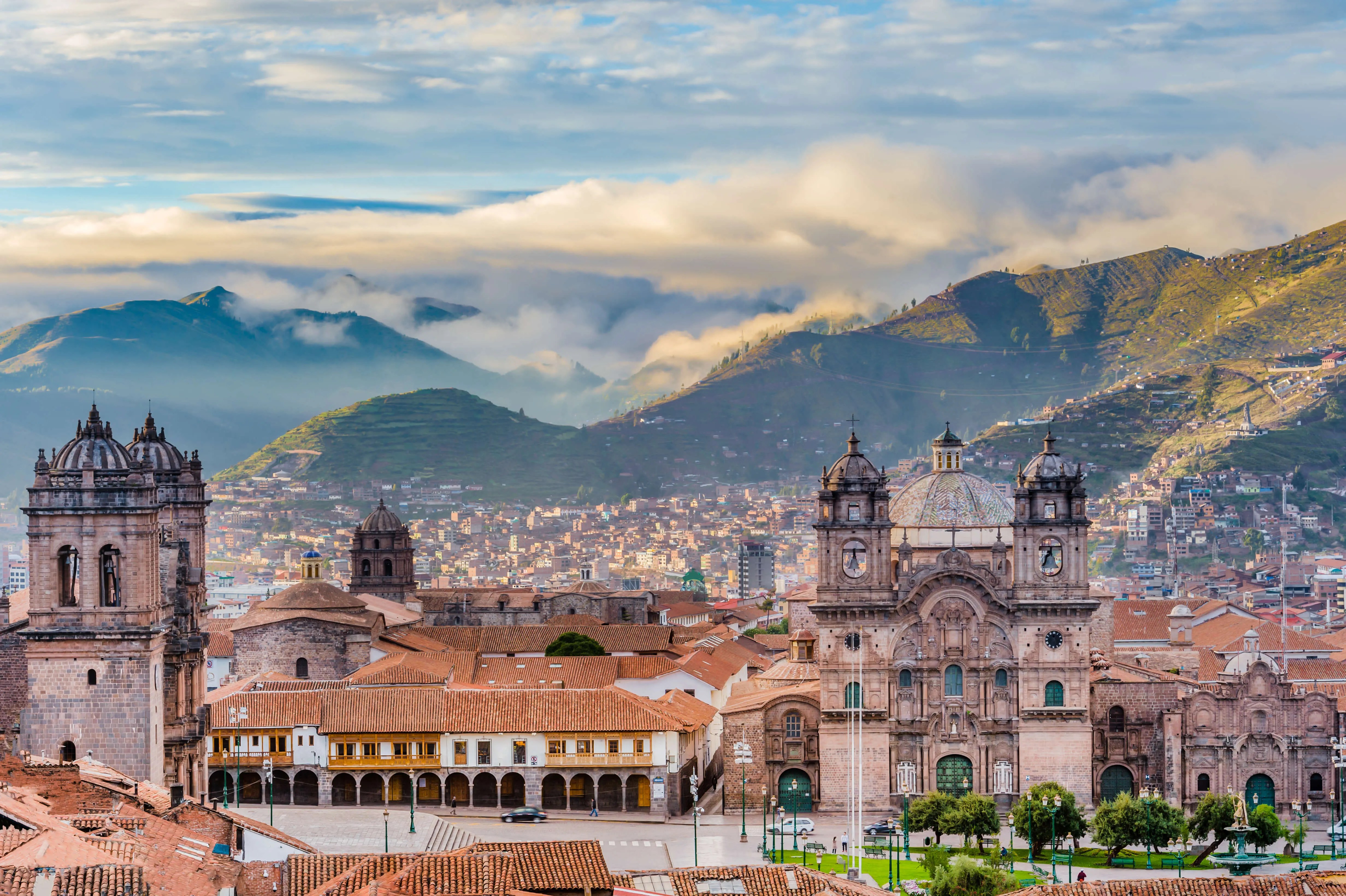
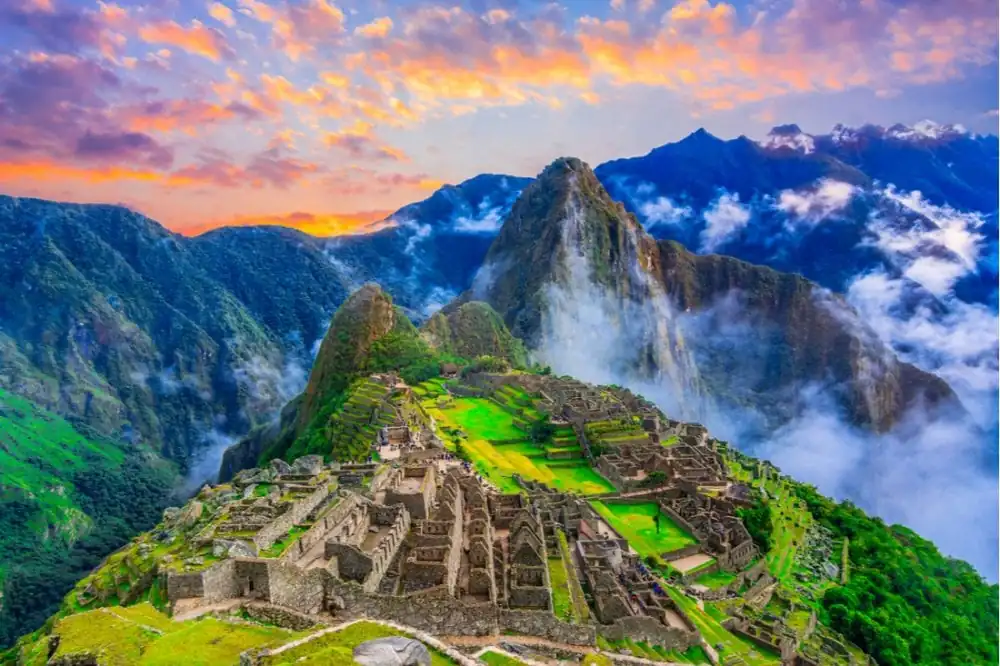
⚡ The TL;DR Verdict
Cuzco is your vibrant base for deep cultural dives, culinary adventures, and a more budget-friendly experience, ideal for those seeking an authentic Andean city. Machu Picchu is the ultimate bucket-list destination, a breathtaking natural and historical marvel best enjoyed as a focused, albeit pricier, excursion. Most travelers wisely combine both, spending roughly $50-100 USD/day in Cuzco and anticipating $200-400+ USD for their Machu Picchu excursion.
- Choose Cuzco: Pick Cuzco if you're a history buff, a foodie, a budget traveler, or someone who wants to immerse themselves in Peruvian culture, vibrant markets, and lively nightlife. It's an incredible city to explore for days.
- Choose Machu Picchu: Opt for Machu Picchu if it's your absolute bucket list item, if you crave iconic panoramic views, or if the ancient Inca engineering and cloud forest mystique are your primary draw. It's a journey to a specific, awe-inspiring site.
- Choose Both: Most travelers should absolutely do both! Cuzco is the essential acclimatization and cultural hub, while Machu Picchu is the legendary destination. Allow 2-3 days in Cuzco and 1-2 days for Machu Picchu (including travel), totaling 4-7 days for a fulfilling trip.
Quick Comparison
| Category | Cuzco | Machu Picchu | Winner |
|---|---|---|---|
| Culture & History | The heart of the Inca Empire, a living museum of colonial and indigenous history. Deeply immersive. | The pinnacle of Inca engineering, a spiritual and archaeological marvel. Iconic, but less interactive. | Cuzco |
| Costs & Budget | Significantly more budget-friendly, with diverse options for accommodation, food, and activities. | One of the most expensive sites in South America, due to access fees, transport, and guide requirements. | Cuzco |
| Getting There & Around | Direct flights from Lima, easy to navigate on foot or via cheap local transport. | Complex multi-stage journey involving trains, buses, or multi-day hikes. No direct access. | Cuzco |
| Accommodation | Vast selection from budget hostels to luxury boutique hotels, offering excellent value. | Limited, often overpriced options primarily in Aguas Calientes, with less value for money. | Cuzco |
| Food & Drink | A vibrant culinary hotspot with traditional Peruvian, fusion, and international cuisine. | Mostly tourist-oriented restaurants in Aguas Calientes, often overpriced and mediocre. | Cuzco |
| Nature & Scenery | Gateway to the Sacred Valley's diverse landscapes and stunning Andean peaks via day trips. | The iconic, breathtaking views of the ancient citadel nestled in dramatic cloud forest mountains. | Machu Picchu |
| Nightlife & Vibe | Vibrant and lively, with a mix of local bars, international pubs, and clubs. | Quiet and sleepy, focused on early mornings for Machu Picchu, with limited evening entertainment. | Cuzco |
| Day Trips & Excursions | The ultimate hub for exploring the Sacred Valley, Rainbow Mountain, and numerous other Andean wonders. | The destination itself; offers limited additional excursions beyond the main site. | Cuzco |
| Crowds & Authenticity | Busy with tourists but maintains a vibrant, authentic local life and atmosphere. | Heavily regulated tourist site with large, managed crowds, less authentic local interaction. | Cuzco |
| Safety | Generally safe, but requires typical city precautions against petty crime and awareness of altitude sickness. | Very safe within the site and in Aguas Calientes, main concern is altitude sickness and travel logistics. | Tie |
🏛️ Culture & History
Cuzco, the ancient capital of the Inca Empire, is an unparalleled immersion into history. Its cobbled streets wind past Inca walls meticulously integrated into Spanish colonial architecture, like the Qorikancha (Temple of the Sun) with its stunning blend of Inca and Dominican structures, or the imposing Sacsayhuamán fortress overlooking the city. You can spend days exploring museums, admiring the Plaza de Armas, and feeling the pulse of a living culture that still reveres its past. From vibrant festivals to the daily rhythms of local life, Cuzco breathes history. Machu Picchu, while utterly breathtaking and historically significant, is more of a monumental archaeological site you visit, marvel at, and then leave. It offers incredible insight into Inca engineering and cosmology but doesn't have the same ongoing cultural vibrancy. As one Redditor put it, "Cuzco is where you *feel* the history, Machu Picchu is where you *see* the history in its most epic form."
Winner takeaway
- Winner: Cuzco
- Why: Cuzco offers a continuous, living cultural and historical experience, integrating ancient and colonial influences into daily life.
- Who this matters for: History buffs, cultural explorers, and those who prefer a city with a deep, tangible past.
💰 Costs & Budget
When it comes to your wallet, Cuzco is the clear winner. You can find excellent hostels like Pariwana or Wild Rover for S/40-60 ($10-16 USD) a night, and delicious 'menu del día' lunches for S/10-20 ($3-5 USD). Even a nice dinner at a mid-range restaurant like L'Atelier Cafe Concept might only set you back S/50-80 ($14-22 USD). Local transportation is cheap, and many historical sites are walkable or accessible by inexpensive taxis. Machu Picchu, however, is a budget killer. The entrance ticket alone is S/152-200 ($40-54 USD), and you need to add train tickets (PeruRail or IncaRail from Ollantaytambo or Poroy, S/220-370+ / $60-100+ USD round trip), the bus from Aguas Calientes to the citadel (S/110 / $29 USD round trip), and a mandatory guide (S/75-150 / $20-40 USD). Accommodation in Aguas Calientes is also inflated. "I thought I budgeted well, but Machu Picchu still slapped me with a $300 bill just for the day trip from Ollantaytambo," said a recent traveler.
Winner takeaway
- Winner: Cuzco
- Why: Cuzco provides a wider range of affordable options across all travel categories, offering excellent value for money.
- Who this matters for: Budget travelers, backpackers, and anyone looking to maximize their travel funds in Peru.
✈️ Getting There & Around
Cuzco is incredibly accessible. Alejandro Velasco Astete International Airport (CUZ) handles frequent 1.5-hour flights from Lima, often costing S/180-370 ($50-100 USD). Once in Cuzco, the historic center is very walkable, and taxis or ride-shares are plentiful and cheap (S/5-15 / $1.50-4 USD for most city trips). Getting to Machu Picchu, however, is an expedition. You typically fly to Cuzco, then take a train from Poroy (near Cuzco) or Ollantaytambo (in the Sacred Valley) to Aguas Calientes (Machu Picchu Pueblo). This train ride is picturesque but can take 1.5-3.5 hours and costs a significant portion of your budget. From Aguas Calientes, you take a 25-minute bus up a winding road to the citadel entrance. Alternatively, you can embark on multi-day treks like the Inca Trail or Salkantay. "Getting to Cuzco was a breeze, but the whole Machu Picchu logistics felt like a puzzle until I booked a tour," a traveler mentioned.
Winner takeaway
- Winner: Cuzco
- Why: Cuzco serves as the primary travel hub, offering direct flight access and simple, affordable local transportation.
- Who this matters for: Travelers prioritizing ease of access and straightforward logistics, or those who dislike complicated travel days.
🛌 Accommodation
Cuzco boasts an incredible array of accommodation options to suit every budget and style. You can find vibrant backpacker hostels like Loki Hostel or Wild Rover for S/40-70 ($10-19 USD) a night, charming mid-range hotels such as El Mercado or Tierra Viva Cusco Plaza for S/200-400 ($55-110 USD), or splurge on luxury at the JW Marriott El Convento Cusco or Belmond Hotel Monasterio (S/1000+ / $270+ USD). The competition ensures good quality and value. Aguas Calientes, the town at the base of Machu Picchu, has a much more limited selection. Most hotels cater to tourists passing through for one night, meaning prices are higher for often basic amenities. Expect to pay S/150-300 ($40-80 USD) for a simple hotel that would cost half in Cuzco, or S/400-800+ ($110-220+ USD) for a nicer option. "The hotel in Aguas Calientes was okay, but it felt like I was paying double for half the charm of my hostel in Cuzco," a traveler observed.
Winner takeaway
- Winner: Cuzco
- Why: Cuzco offers a superior variety of accommodations across all price points, delivering better quality and value for your money.
- Who this matters for: Anyone seeking comfort, variety, or good value in their lodging choices.
🍽️ Food & Drink
Cuzco is a gastronomic delight, a true highlight for foodies. You can savor traditional Peruvian dishes like 'cuy' (guinea pig) or 'alpaca steak,' indulge in modern Andean fusion at acclaimed restaurants like Chicha by Gastón Acurio or Cicciolina, or enjoy fantastic coffee at cafes like L'Atelier Cafe Concept. The San Pedro Market offers an authentic local food experience, with fresh juices and local snacks for mere sol. Don't forget to try a pisco sour at a bar overlooking the Plaza de Armas. Aguas Calientes, unfortunately, is a culinary wasteland by comparison. Most restaurants cater to the transient tourist crowd, offering bland, overpriced fare (think S/40-70 / $11-19 USD for a basic pasta dish). While there are a few decent spots, the overall quality and variety are significantly lower. "After the amazing food scene in Cuzco, Aguas Calientes felt like a tourist trap with zero good eats," commented a Redditor, a sentiment often echoed.
Winner takeaway
- Winner: Cuzco
- Why: Cuzco is a bustling culinary center, offering a diverse range of high-quality, authentic, and innovative dining experiences.
- Who this matters for: Foodies, culinary adventurers, and anyone who appreciates good value and variety in their meals.
⛰️ Nature & Scenery
While Cuzco is surrounded by the majestic Andes and serves as a launching pad for incredible natural excursions like Rainbow Mountain or Humantay Lake, the sheer, iconic natural beauty of Machu Picchu itself is unparalleled. The sight of the ancient citadel, perfectly integrated into its dramatic cloud forest mountain setting, with the towering peaks of Huayna Picchu and Machu Picchu Mountain in the background, is truly one of the world's most breathtaking views. The mist rolling in, the vibrant green terraces, and the distant Urubamba River create a mystical atmosphere that few places can match. It's a landscape that feels both wild and meticulously cultivated by ancient hands. The air is crisp, the views endless, and the sense of awe is immediate and profound. "Nothing prepares you for that first glimpse of Machu Picchu, it’s just absolutely surreal how it sits there in the mountains," a traveler shared, perfectly capturing the site's unique magic.
Winner takeaway
- Winner: Machu Picchu
- Why: Machu Picchu's iconic, dramatic, and perfectly integrated natural setting offers a singular, awe-inspiring visual experience.
- Who this matters for: Nature lovers, photographers, and those seeking iconic, breathtaking panoramic views.
🎉 Nightlife & Vibe
Cuzco has a fantastic, energetic nightlife. The area around the Plaza de Armas is bustling with activity, featuring everything from lively pubs like Paddy's Irish Pub to clubs like Mama Africa where you can dance to Latin beats until the early hours. The bohemian San Blas district offers more intimate bars and live music venues. It's easy to meet other travelers, enjoy a Pisco Sour (or three), and soak in the city's lively atmosphere. There's a tangible buzz in the air, a blend of local and international energy that makes for memorable evenings. Aguas Calientes, on the other hand, is generally quiet. Most visitors are focused on an early start for Machu Picchu, so restaurants close relatively early, and while there are a few basic bars, they lack the charm and vibrancy of Cuzco's scene. "Cuzco's nights were a blast, but Aguas Calientes was basically a ghost town after 9 PM. Everyone just crashes for Machu Picchu," recounted a traveler.
Winner takeaway
- Winner: Cuzco
- Why: Cuzco offers a much more vibrant and diverse nightlife, catering to a wider range of preferences for evening entertainment.
- Who this matters for: Solo travelers, social butterflies, and anyone who enjoys lively evenings after a day of exploration.
🗺️ Day Trips & Excursions
Cuzco is an unparalleled base for day trips and longer excursions. From here, you can easily access the entire Sacred Valley, visiting Inca ruins at Pisac, Ollantaytambo, and Moray, or the stunning Maras Salt Mines (full-day tours typically S/70-150 / $19-40 USD, excluding entry tickets). More adventurous options include treks to Rainbow Mountain (Vinicunca) or Humantay Lake (full-day tours S/100-200 / $27-54 USD). You can go quad biking, white water rafting, or explore numerous other Inca sites. The variety is immense, offering weeks of exploration. Machu Picchu, by its nature, is *the* excursion. Beyond exploring the citadel itself, your main 'day trip' options are hiking Huayna Picchu or Machu Picchu Mountain, which require separate, limited-access tickets and are part of your Machu Picchu visit. Aguas Calientes offers little beyond souvenir shops and hot springs. "I spent a week in Cuzco just doing day trips and still felt like I barely scratched the surface. So much to see!" a traveler enthused.
Winner takeaway
- Winner: Cuzco
- Why: Cuzco serves as the central hub for an enormous variety of diverse and fascinating day trips and longer excursions.
- Who this matters for: Adventurous travelers, those who want to explore beyond the main city, and culture/history enthusiasts.
👥 Crowds & Authenticity
Cuzco, while undeniably a tourist magnet, still feels like a vibrant, living Peruvian city. You'll see locals going about their daily lives, bustling markets like San Pedro where indigenous women sell produce, and neighborhood plazas where kids play. The mix of tourists and residents gives it an authentic energy. You can wander off the main tourist routes and discover local gems. Machu Picchu, by contrast, is an extremely popular and heavily managed tourist attraction. While the site itself is awe-inspiring, the experience is highly curated, with timed entry slots, mandatory circuits, and constant queues. The sheer number of visitors (up to 4,000 per day pre-pandemic) means it can feel crowded, and interactions are almost exclusively with other tourists or guides. "Cuzco definitely has its tourist areas, but I loved stumbling upon local festivals or just watching life unfold in the neighborhoods – felt real," a traveler remarked, contrasting with Machu Picchu's 'theme park' feel.
Winner takeaway
- Winner: Cuzco
- Why: Cuzco seamlessly blends its tourist appeal with a strong, authentic local culture and everyday life.
- Who this matters for: Travelers seeking genuine cultural immersion and a balance between popular sights and local experiences.
🚨 Safety
Both destinations are generally safe for tourists, but they present different concerns. In Cuzco, like any popular city, you need to be wary of pickpocketing, especially in crowded areas like the Plaza de Armas or San Pedro Market, and particularly at night. Taxis should be official, or use ride-sharing apps. The primary health concern is altitude sickness (Soroche), as Cuzco sits at 3,400 meters (11,150 ft). Acclimatization is key. Machu Picchu itself is very safe; the site is well-maintained and staff are present. Aguas Calientes is a small, quiet town with low crime rates. The main safety issues here are also related to altitude sickness and ensuring your travel logistics (trains, buses) are booked through reputable providers. Staying hydrated and taking it easy are crucial for both. As one Redditor put it, "Common sense goes a long way everywhere, but make sure you listen to your body about the altitude, it's no joke."
Winner takeaway
- Winner: Tie
- Why: Both destinations are safe but require different types of awareness and preparation, balancing city precautions with physical challenges.
- Who this matters for: All travelers, but particularly those concerned with personal security and health during their trip.
❓ Frequently Asked Questions
How many days should I allocate for Cuzco and Machu Picchu?
For Cuzco, aim for at least 2-3 full days to acclimatize, explore the city's historical sites, and enjoy its vibrant culture. For Machu Picchu, a dedicated 1-2 day trip (including travel to/from Aguas Calientes) is standard. Many travelers combine this into a 5-7 day itinerary for the region.
Do I need a guide for Machu Picchu?
Yes, a licensed guide is technically mandatory for your first entry into Machu Picchu, though enforcement can vary. Guides can be hired at the entrance, but it's often better to pre-book one (solo or with a group) through an agency in Cuzco or Aguas Calientes for S/75-150 ($20-40 USD) for a 2-2.5 hour tour, to ensure availability and quality.
What about altitude sickness (Soroche)?
Altitude sickness is a real concern in Cuzco (3,400m / 11,150ft) and even Machu Picchu (2,430m / 7,972ft). Take it easy your first day, stay hydrated, avoid alcohol and heavy meals initially, and consider coca tea or altitude medication like Diamox. Descending to the Sacred Valley (e.g., Ollantaytambo) can also help acclimatization.
When is the best time to visit Cuzco and Machu Picchu?
The dry season, from May to October, is generally considered the best time with sunny days and less rain. However, this is also peak tourist season. The shoulder months (April, November) offer a good balance of decent weather and fewer crowds. The rainy season (December-March) brings lush green landscapes but also increased chances of rain and potential trail closures.
Can I do Machu Picchu as a day trip from Cuzco?
Yes, it's possible but makes for a very long and exhausting day (15-18 hours). You'll need to catch a very early train from Poroy or Ollantaytambo, visit the site, and return late. It's highly recommended to stay at least one night in Aguas Calientes to break up the journey and allow for an early morning entry to Machu Picchu.
What's the best way to buy Machu Picchu tickets?
The official site is the best place to buy tickets in advance: `machupicchu.gob.pe`. Tickets are sold for specific entry times and circuits, and often sell out months ahead, especially for Huayna Picchu or Machu Picchu Mountain add-ons. You'll also need to book train and bus tickets separately.
What's the difference between Huayna Picchu and Machu Picchu Mountain?
Both are additional hikes offering incredible views over the main citadel, requiring separate tickets booked far in advance. Huayna Picchu is the iconic peak behind the main site, a steeper, shorter (2-hour RT) climb with Inca ruins at the top. Machu Picchu Mountain is a longer (3-4 hour RT), higher climb to a less crowded summit with expansive panoramic views.
Is it worth staying in Aguas Calientes (Machu Picchu Pueblo)?
Yes, for most travelers, staying one night in Aguas Calientes is highly recommended. It allows you to visit Machu Picchu early in the morning, beating some of the crowds and experiencing the site in softer light and cooler temperatures, without the rush of a day trip from Cuzco. It also provides a buffer for any travel delays.
Ready to plan your unforgettable Peru trip?
Get a free custom itinerary for Cuzco, Machu Picchu, or both — built from real traveler insights.
🎟️ Book Tours & Experiences
Hand-picked tours and activities for both destinations — book with free cancellation
Experiences via Viator — free cancellation on most tours