How we built this comparison
This page combines traveler discussion patterns, published price ranges, flight schedules, and seasonal data to help you decide between Cyprus and Crete.
- Reviewed 50+ Reddit threads from r/travel, r/solotravel, r/Cyprus, r/Crete, and r/GreeceTravel for genuine traveler experiences and insights.
- Verified costs for accommodation, dining, and activities against current booking platforms (e.g., Booking.com, Skyscanner, local car rental sites).
- Cross-referenced seasonal weather patterns and crowd data from multiple travel resources.
- Consulted up-to-date flight routes and durations from major European hubs to both islands.
⚡ The TL;DR Verdict
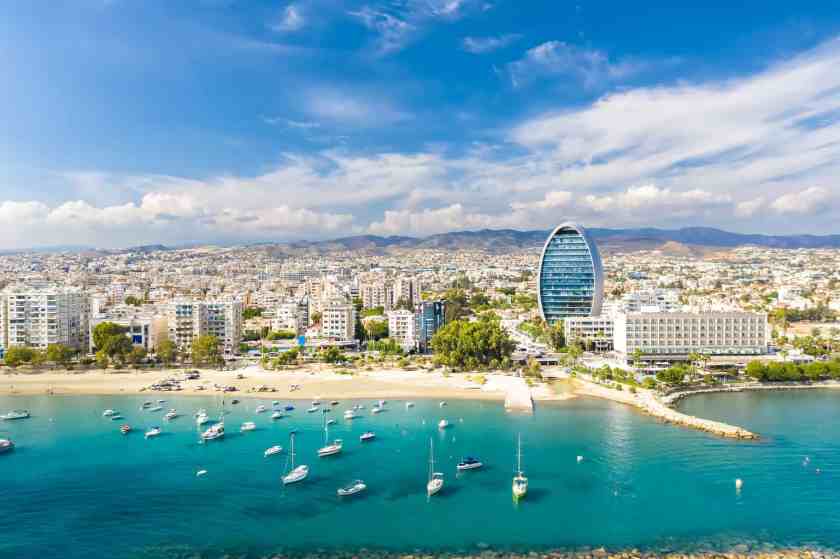
For those craving a mix of stunning beaches, ancient ruins, and a lively resort scene with a slightly more 'European' feel, Cyprus is your pick, likely budgeting €100-150 / $110-165 per day. If rugged natural beauty, authentic Greek island culture, and a more adventurous, slightly more budget-friendly experience are calling your name, Crete is the champion, with daily costs often around €80-130 / $90-145.
- Choose Cyprus: You're looking for fantastic beaches, lively nightlife (Ayia Napa!), well-developed tourist infrastructure, and a blend of Roman/Byzantine history. It's often easier to navigate for first-time international travelers.
- Choose Crete: You want dramatic landscapes, ancient Minoan history, authentic Greek food, and a more 'explorer' vibe. It's ideal for hikers, history buffs, and those seeking a deeper cultural immersion.
- Choose Both: If you have 10-14+ days and want to experience both island styles. Fly into one, explore for 5-7 days, then take a short flight (or ferry + flight) to the other. Not recommended for trips under 10 days due to travel time.
Quick Comparison
| Category | Cyprus | Crete | Winner |
|---|---|---|---|
| Beaches & Swimming | Known for its golden sands, crystal-clear, calm waters, and well-organized beaches, especially around Ayia Napa and Protaras. Ideal for families and resort lovers. | Offers incredibly diverse beaches, from famous pink sands (Elafonisi) to wild, remote coves. Water can be choppier, but the scenery is often more dramatic. | Cyprus |
| Food & Drink | A delicious blend of Greek, Middle Eastern, and Turkish influences. Expect mezze, halloumi, souvlaki, and fresh seafood. Wine culture is growing. | Classic, rustic Greek cuisine with a strong emphasis on local ingredients: olive oil, fresh vegetables, seafood, and distinct Cretan cheeses. Raki is king. | Crete |
| Nightlife | Famous for its vibrant, high-energy party scene in Ayia Napa, with clubs, beach bars, and international DJs. Other areas offer more relaxed options. | More laid-back and traditional, centered around charming harbor-side bars and local tavernas in Chania and Rethymno. Heraklion has more modern bars but less of a 'party' vibe. | Cyprus |
| Culture & History | Rich with Roman mosaics, Byzantine churches, Crusader castles, and Neolithic settlements. Strong Hellenic and Orthodox influences. | Home to the ancient Minoan civilization (Knossos Palace), Byzantine monasteries, Venetian architecture, and a strong sense of unique Cretan identity. | Crete |
| Costs & Budget | Generally slightly higher, aligning with Western European prices for dining and accommodation. Expect €100-150 / $110-165 per day for a mid-range traveler. | Often a bit more budget-friendly than Cyprus, especially outside major tourist hubs. Mid-range daily budget around €80-130 / $90-145. | Crete |
| Getting Around | Left-hand drive (former British colony). Good road network, easy to rent cars. Public transport is less comprehensive outside major towns. | Right-hand drive. Roads can be mountainous and winding, but well-maintained. Public bus system (KTEL) is surprisingly good for inter-city travel, but a car is still best for exploration. | Tie |
| Accommodation | Wide range from luxury resorts to boutique hotels and villas, especially strong in package holiday options. More 'developed' feel. | Diverse options from charming guesthouses in old towns to traditional villas, agritourism stays, and a growing number of all-inclusive resorts. More authentic feel. | Tie |
| Nature & Adventure | Troodos Mountains offer hiking and winter skiing. Coastal areas feature sea caves (Cape Greco) and marine parks. Less rugged overall. | Dramatic mountain ranges (White Mountains), deep gorges (Samaria Gorge), and unique endemic flora and fauna. Perfect for hiking, canyoning, and exploring wild landscapes. | Crete |
| Day Trips & Exploration | Easy access to charming villages in the Troodos, ancient sites like Kourion, and the vibrant capital Nicosia. Northern Cyprus also offers a unique cross-border experience. | Countless options from exploring Venetian towns, ancient Minoan sites, secluded beaches, and mountain villages. Spinalonga island is a moving historical site. | Crete |
| Best Seasons to Visit | Late Spring (April-May) and Early Autumn (September-October) for pleasant weather and fewer crowds. Summer is hot and busy, winter is mild but quiet. | Late Spring (April-June) for wildflowers and hiking, Early Autumn (September-October) for warm seas and harvest festivals. Summer is hot but good for beaches, winter is quiet and cooler. | Tie |
🏖️ Beaches & Swimming
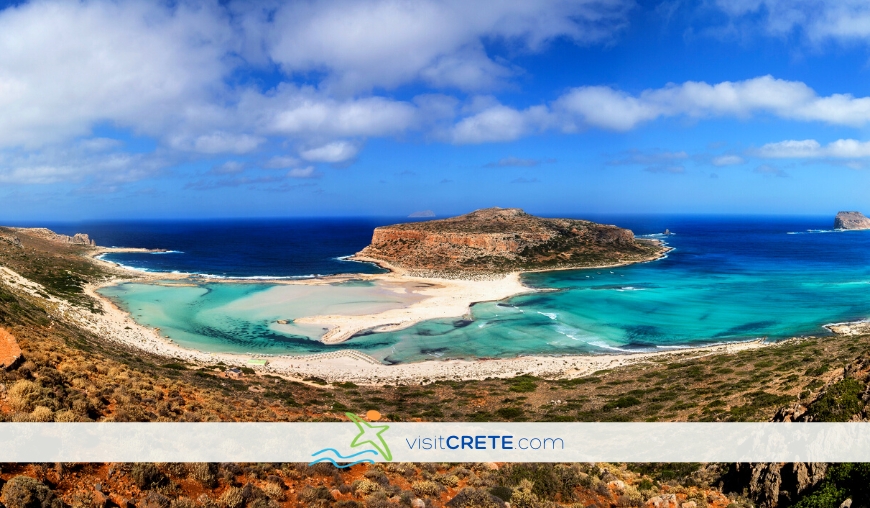
Cyprus takes the crown here for its consistently high-quality, easily accessible beaches with calm, shallow waters perfect for swimming and families. Nissi Beach in Ayia Napa and Fig Tree Bay in Protaras are world-famous for their fine sand and vibrant turquoise hues, often earning Blue Flag status. You'll find plenty of sunbeds (around €2.50 / $2.70 each) and water sports options. The water temperature is generally warm from May to October, often reaching 27°C (81°F) in peak summer. Crete has stunning beaches like Balos Lagoon and Elafonisi with its unique pink sand, but they often require more effort to reach (long drives, dirt roads, or ferries) and can be very crowded. The south coast beaches like Matala offer a different, more bohemian vibe with dramatic cliffs. While Crete's beaches are breathtaking, Cyprus offers a more 'effortless' beach holiday experience. "Honestly, Nissi Beach felt like swimming in a huge, warm pool. Perfect for my toddler, zero worries about waves." This ease of access and consistent quality gives Cyprus the edge.
Winner takeaway
- Winner: Cyprus
- Why: Cyprus boasts more consistently accessible, calm, and family-friendly beaches with excellent infrastructure.
- Who this matters for: Families with young children, resort-goers, and those prioritizing easy beach access.
🍽️ Food & Drink
Crete's culinary scene is a standout, offering a more authentic and rustic Mediterranean experience rooted in its ancient diet. Expect incredible olive oil, fresh wild greens (horta), the unique Cretan cheese 'graviera', and fantastic seafood straight from the Aegean. Traditional tavernas like 'Tamam' in Chania serve hearty dishes like 'dakos' (barley rusk salad) for €6-8 / $6.50-9 and slow-cooked lamb with wild herbs for €12-16 / $13-17. The island's culinary traditions are deeply preserved, and you'll find 'raki' (local pomace brandy) offered freely after meals. Cyprus also has excellent food, with its halloumi cheese being a global star. Dishes like 'souvla' (large chunks of meat slow-cooked on a spit) and 'sheftalia' (minced pork sausages) are must-tries. However, Cyprus often leans slightly more towards a resort-style dining experience in tourist areas, and while delicious, Crete's commitment to local, seasonal, and simple ingredients often feels more profound and satisfying. "The freshness of the tomatoes and the olive oil in Crete just hit different. Every taverna felt like a home-cooked meal, especially away from the main tourist strips."
Winner takeaway
- Winner: Crete
- Why: Crete offers a more authentic, deeply rooted, and consistently high-quality traditional Mediterranean diet focused on local ingredients.
- Who this matters for: Foodies, those seeking authentic culinary experiences, and lovers of fresh, local ingredients.
💃 Nightlife
If you're looking to party until dawn, Cyprus, specifically Ayia Napa, is undeniably the winner. It's a renowned party destination, attracting thousands of young travelers with its super clubs like Castle Club, world-famous DJs, and lively beach bars. A typical night out might involve pre-drinks at a bar with cocktails for €8-12 / $9-13, followed by club entry fees ranging from €10-25 / $11-27, depending on the event. Protaras offers a slightly tamer, but still lively, atmosphere. Elsewhere in Cyprus, cities like Limassol and Paphos have sophisticated bars and pubs for a more relaxed evening. Crete, by contrast, offers a more subdued and traditional nightlife. Chania's Venetian Harbor is beautiful for evening strolls and cocktails at places like 'Pallas' for €7-10 / $7.50-11, and Rethymno also has a charming old town vibe. Heraklion has some modern bars popular with locals, but it lacks the concentrated, high-energy club scene of Ayia Napa. "Ayia Napa was wild, exactly what we wanted for a friends' trip. Non-stop music and cheap drinks. Crete felt more like a nice dinner and a few chill beers." For serious clubbing and dedicated party zones, Cyprus is the clear choice.
Winner takeaway
- Winner: Cyprus
- Why: Cyprus, particularly Ayia Napa, offers a world-class, high-energy clubbing and party scene unmatched by Crete.
- Who this matters for: Young adults, party-goers, and those seeking a vibrant, club-centric nightlife experience.
🏛️ Culture & History
Crete truly shines in its cultural and historical depth, largely thanks to its status as the cradle of the Minoan civilization, Europe's oldest. The Palace of Knossos, near Heraklion (entry around €15 / $16.50), is a must-see, offering a fascinating glimpse into a sophisticated Bronze Age society. Beyond the Minoans, Crete boasts impressive Venetian fortifications in Chania and Rethymno, numerous Byzantine monasteries like Arkadi, and a fiercely independent local culture with unique traditions and music. The Heraklion Archaeological Museum is world-class. Cyprus also has a rich tapestry of history, with impressive Roman mosaics at Paphos Archaeological Park (entry €4.50 / $5), ancient Kourion, and beautiful painted Byzantine churches in the Troodos Mountains (UNESCO World Heritage). Nicosia, the divided capital, offers a unique historical perspective. However, the sheer antiquity and the distinctiveness of Minoan culture, combined with well-preserved Venetian towns, give Crete a slight edge in terms of historical significance and immersive cultural experiences. "Knossos just blew my mind, imagining a civilization that advanced thousands of years ago. And the old towns of Chania and Rethymno feel like stepping back in time, way more than anywhere in Cyprus felt to me."
Winner takeaway
- Winner: Crete
- Why: Crete offers deeper historical layers, from the ancient Minoans to well-preserved Venetian towns, providing a more immersive cultural journey.
- Who this matters for: History buffs, archaeology enthusiasts, and those seeking rich cultural immersion.
💸 Costs & Budget
When it comes to stretching your travel budget, Crete generally offers more bang for your buck. Accommodation, especially outside high season or in smaller towns, can be found for €40-70 / $45-75 for decent guesthouses, while a mid-range hotel might be €90-140 / $100-155. Eating out at a local taverna can easily be €12-20 / $13-22 per person for a satisfying meal with wine. Car rental is also slightly cheaper, often starting from €25-40 / $27-44 per day. Cyprus, while still affordable compared to many Western European destinations, tends to be a touch pricier. A similar mid-range hotel will likely be €100-150 / $110-165, and meals in tourist areas can easily reach €15-30 / $16.50-33 per person. Car rental might be €30-50 / $33-55. Both islands are in the Eurozone, so currency exchange isn't a factor. For budget-conscious travelers or those planning a longer trip, the cumulative savings in Crete can be significant. "Crete felt a lot more affordable than I expected. We had amazing meals for like €15 each, and found a great Airbnb for way less than I'd budget for Cyprus. Definitely helped stretch my two-week trip budget." This consistent slight difference in costs makes Crete the winner for budget-conscious explorers.
Winner takeaway
- Winner: Crete
- Why: Crete generally offers lower prices for accommodation, dining, and activities, making it more budget-friendly.
- Who this matters for: Budget-conscious travelers, backpackers, and those planning longer trips.
🚗 Getting Around
Both islands really benefit from car rental for exploration, and both have their quirks. Cyprus, being a former British colony, drives on the left, which can be a relief for UK travelers or a challenge for others. The road network is excellent, with clear signage, and traffic is generally manageable outside of Limassol/Nicosia rush hour. Car rental from Larnaca or Paphos airports typically starts around €30-50 / $33-55 per day. Public transport connects major towns but isn't ideal for reaching smaller villages or natural sights. Crete drives on the right, like most of Europe. Its terrain is much more mountainous, meaning winding roads are common, especially off the main highways. While the main E75 highway connecting the major cities is good, venturing inland requires careful driving. However, Crete's KTEL bus system is remarkably efficient and comfortable for inter-city travel (e.g., Heraklion to Chania ~€15 / $16.50). Car rental in Crete is often slightly cheaper, starting around €25-45 / $27-50 per day. For pure ease of driving and consistent road quality, Cyprus might have a slight edge, but Crete's effective bus network balances it out. "Driving in Cyprus was a breeze, aside from remembering to stay left. Crete was more challenging with all the mountain roads but the bus system was surprisingly decent for getting between cities." It's a tie, as the best choice depends on driving preference and how much you plan to rely on public transport vs. a rental car.
Winner takeaway
- Winner: Tie
- Why: Both offer good car rental options essential for exploration, with their own driving specificities; Cyprus for ease of roads, Crete for surprising public bus coverage.
- Who this matters for: Road trippers benefit from car rental on both, while those hesitant to drive might find Crete's bus network more useful.
🏨 Accommodation
Both islands offer a comprehensive range of accommodation, making it hard to declare a definitive winner, as it largely depends on preference. Cyprus excels in high-end, purpose-built resorts, particularly in areas like Limassol, Paphos, and Ayia Napa. You'll find numerous 4- and 5-star hotels with extensive facilities, often part of package deals. Expect to pay €150-300+ / $165-330+ for a good resort room in peak season. Boutique hotels in charming towns like Lefkara offer a different experience. Crete, on the other hand, boasts a more varied and often more characterful selection. You can find quaint guesthouses in Chania's old town for €70-120 / $77-130, traditional stone villas in the countryside perfect for a group (e.g., a week for €800-1500 / $880-1650), and a strong agritourism sector offering farm stays. There are also all-inclusive resorts, but they are generally less dominant than in Cyprus. The range in Crete often feels more integrated into the local landscape and culture. "We found this amazing little family-run place in Crete with incredible views and a home-cooked breakfast for like €80 a night. Cyprus felt like it was mostly big hotels or nothing much in between." While Cyprus has more polished, standardized resort options, Crete offers a more authentic and diverse selection, especially if you're looking beyond the typical resort experience. It's a tie because both cater well to different accommodation styles.
Winner takeaway
- Winner: Tie
- Why: Both islands offer excellent and diverse accommodation options, catering to different travel styles and budgets from luxury resorts to authentic guesthouses.
- Who this matters for: Travelers seeking specific types of stays; luxury resort seekers for Cyprus, authentic local stays for Crete.
⛰️ Nature & Adventure
Crete is an adventurer's paradise, with a truly wild and diverse natural landscape. The island is dominated by rugged mountain ranges, including the White Mountains (Lefka Ori), which offer fantastic hiking opportunities, most notably the Samaria Gorge (entry €5 / $5.50), one of Europe's longest gorges. This 16km hike through breathtaking scenery is a major draw. Beyond the gorges, you can explore caves, go canyoning, or discover remote beaches only accessible by boat or foot. The south coast, in particular, feels untamed and perfect for off-the-beaten-path exploration. Cyprus has its own natural beauty, centered around the Troodos Mountains, which offer pleasant hiking trails, charming villages, and even skiing in winter. Cape Greco National Forest Park boasts impressive sea caves and the famous Blue Lagoon. However, the scale and raw, untamed nature of Crete's landscapes, combined with the sheer variety of adventure activities, give it a significant edge. "The Samaria Gorge hike was brutal but absolutely incredible, the views were like nothing I'd ever seen. Cyprus has nice hikes but it's not on the same level of wilderness." For serious nature lovers and adventure seekers, Crete is the clear winner.
Winner takeaway
- Winner: Crete
- Why: Crete offers more dramatic, rugged, and diverse natural landscapes, including iconic gorges and mountain ranges, ideal for adventure activities.
- Who this matters for: Hikers, adventure enthusiasts, nature photographers, and those seeking wild, untamed beauty.
🗺️ Day Trips & Exploration
Crete offers an incredibly rich array of day trip possibilities that cater to every interest, making it the winner here. From any major city (Chania, Heraklion, Rethymno), you can easily reach diverse destinations. Explore the fascinating history of the Spinalonga island fortress (ferry from Elounda or Agios Nikolaos ~€10-12 / $11-13, entry €8 / $9) or venture into the Lassithi Plateau to see traditional windmills and charming villages. The famous Samaria Gorge hike is a full-day commitment, and driving to remote beaches like Elafonisi is an adventure in itself. Cyprus also has excellent day trip options: exploring the painted churches of the Troodos Mountains, visiting the ancient city of Kourion, or spending a day in the divided capital, Nicosia. A unique experience is crossing the Green Line into Turkish-occupied Northern Cyprus to see Famagusta's ghost town or Kyrenia's harbor, which offers a stark cultural contrast. While Cyprus offers variety, Crete's historical depth, natural diversity, and the sheer number of distinct towns and regions to explore within one island give it a slight advantage. "Every day in Crete felt like a new adventure. One day we were hiking a gorge, the next exploring a Venetian castle, then finding a hidden beach. It felt endless." The breadth and depth of Crete's day trip potential are hard to beat.
Winner takeaway
- Winner: Crete
- Why: Crete offers a wider and more diverse range of historically and naturally significant day trips, from ancient palaces to dramatic gorges and Venetian towns.
- Who this matters for: Curious explorers, history buffs, and those who love to discover new places daily.
☀️ Best Seasons to Visit
Both Cyprus and Crete shine brightest in the shoulder seasons, making it a tie as the 'best' time largely depends on your priorities. For Cyprus, late spring (April-May) offers blooming wildflowers, comfortable temperatures around 20-25°C (68-77°F), and fewer crowds than summer. Early autumn (September-October) provides warm sea temperatures perfect for swimming, around 25°C (77°F), and still-pleasant weather. Mid-summer (July-August) can be very hot, often exceeding 35°C (95°F), and tourist areas like Ayia Napa are packed. Winter (November-March) is mild, with temperatures typically 10-18°C (50-64°F), suitable for hiking and cultural exploration. Crete also has ideal shoulder seasons. April to early June is fantastic for hiking the gorges when the wildflowers are out and temperatures are a comfortable 20-28°C (68-82°F). September and October are perfect for swimming, with the sea still warm, and the grape and olive harvests bring local festivals. Like Cyprus, mid-summer on Crete is hot and crowded, especially in coastal towns. "I went to Crete in May and it was perfect – warm enough for the beach but cool enough to hike Samaria Gorge without melting. My friends went to Cyprus in September and raved about the warm sea and relaxed vibe." Both islands offer similar seasonal patterns, making them equally appealing during their respective shoulder seasons. For a pure beach holiday, both are great in early autumn; for hiking, spring wins for both.
Winner takeaway
- Winner: Tie
- Why: Both islands offer comparable ideal shoulder seasons (spring and autumn) for pleasant weather, fewer crowds, and varied activities, catering to different traveler preferences.
- Who this matters for: Travelers seeking balanced weather for both beach and activity, and those wishing to avoid peak summer crowds.
❓ Frequently Asked Questions
Which island is better for families with young children?
Cyprus generally edges out Crete for families. Its beaches, especially around Ayia Napa and Protaras, tend to have calmer, shallower waters and more organized facilities like playgrounds and water parks. The resorts are often more geared towards family entertainment.
Is English widely spoken in Cyprus and Crete?
Yes, English is very widely spoken in both Cyprus and Crete, particularly in tourist areas, hotels, restaurants, and by younger generations. You'll have no trouble communicating in either destination.
What's the best way to get between Cyprus and Crete?
There are no direct ferry routes between Cyprus and Crete. The most practical way is to fly. You'd typically need to fly from Larnaca (LCA) or Paphos (PFO) to Athens (ATH) and then connect to Heraklion (HER) or Chania (CHQ) in Crete. This usually takes 4-6 hours with the layover.
Which island offers better hiking opportunities?
Crete offers superior hiking opportunities, with its dramatic White Mountains and world-famous Samaria Gorge. The landscapes are more rugged and diverse, providing more challenging and rewarding trails for serious hikers. Cyprus has nice trails in the Troodos, but they are less extensive.
Are Cyprus and Crete safe for solo female travelers?
Both Cyprus and Crete are considered very safe for solo female travelers. Crime rates are low, and locals are generally friendly and helpful. As always, exercise standard precautions like being aware of your surroundings and avoiding walking alone late at night in unlit areas.
Which island has better ancient ruins?
Crete, with its Minoan palaces like Knossos, offers a uniquely ancient and historically profound experience as the birthplace of Europe's oldest civilization. Cyprus also boasts impressive Roman mosaics and ancient cities like Kourion, but the sheer antiquity and scale of Minoan sites give Crete an edge for archaeological significance.
What are the main airport hubs for each island?
For Cyprus, the main international airports are Larnaca International Airport (LCA) and Paphos International Airport (PFO). For Crete, the primary airports are Heraklion International Airport (HER) and Chania International Airport (CHQ).
Can I visit both islands on a single week-long trip?
While technically possible, it's not recommended for a single week-long trip. Travel time between the islands (requiring a flight connection via Athens) would eat significantly into your limited vacation days. It's much better to dedicate a full week to exploring just one island to truly experience it.
Ready to plan your Eastern Mediterranean trip?
Get a free custom itinerary for Cyprus, Crete, or both — built from real traveler insights.
🎟️ Book Tours & Experiences
Hand-picked tours and activities for both destinations — book with free cancellation
Experiences via Viator — free cancellation on most tours