How we built this comparison
This page combines traveler discussion patterns, published price ranges, flight schedules, and seasonal data to help you decide between Cyprus and Malta.
- Reviewed 50+ Reddit threads from r/travel, r/solotravel, r/cyprus, r/Malta, and r/europetravel for authentic traveler experiences and advice.
- Verified costs and logistics against current booking platforms (Booking.com, Skyscanner, Google Flights) and local tourism sites in late 2023 / early 2024.
- Cross-referenced seasonal patterns, weather data, and public transport schedules for accuracy and real-world applicability.
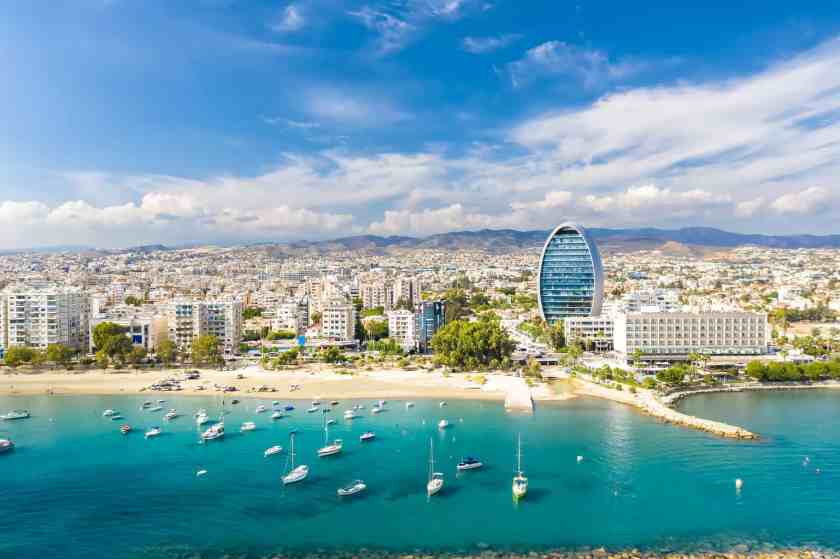
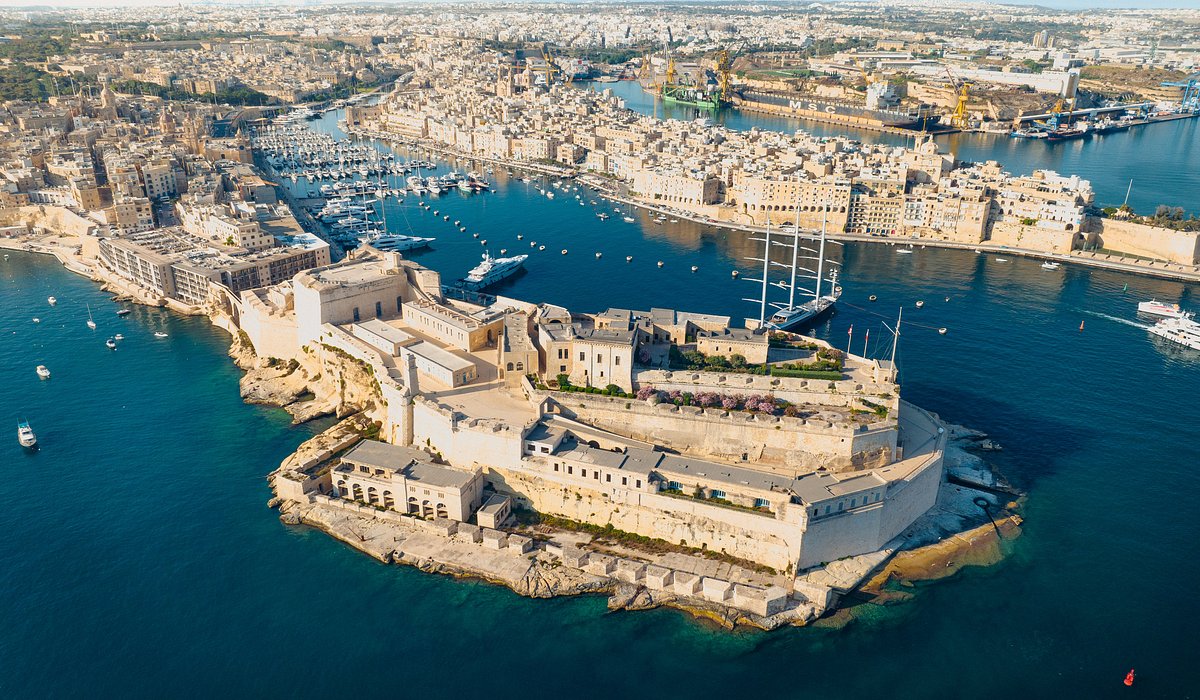
⚡ The TL;DR Verdict
For those craving expansive beaches, ancient ruins spread across a larger landscape, and a bit more 'drive and explore' freedom, Cyprus is your pick, likely budgeting €70-120 (approx. $75-130) per day. If you prefer a compact, intensely historic island with a vibrant, easily walkable capital and impressive diving, Malta calls, with a slightly higher daily budget of €80-140 (approx. $85-150).
- Choose Cyprus: Pick Cyprus if you want diverse landscapes, from golden sand beaches to mountain villages, more space to explore, and a slightly more relaxed pace. It's fantastic for road trips, beach lovers, and ancient history buffs who enjoy uncrowded sites.
- Choose Malta: Choose Malta for a deep dive into history within a compact area, incredible fortified cities, world-class diving, and a lively, accessible capital. It's ideal for those who prefer public transport or short drives, enjoy walking through ancient streets, and appreciate a vibrant, cosmopolitan feel.
- Choose Both: While distinct, doing both in a single trip is ambitious due to flight logistics. If you have 3+ weeks, consider a multi-island adventure by flying between them (approx. 3-4 hours flight, typically via Athens or Rome). Otherwise, focus on one for a richer experience, ideally 7-10 days.
Quick Comparison
| Category | Cyprus | Malta | Winner |
|---|---|---|---|
| Beaches & Coastal Beauty | Expansive, diverse coastline with everything from lively resorts to secluded coves, stunning rock formations, and clear waters. Famagusta, Ayia Napa, Paphos. | Rocky coves, some sandy beaches, dramatic cliffs, and iconic blue lagoons (Comino). Smaller, but picturesque. | Cyprus |
| Culture & History | Ancient Greek, Roman, and Byzantine ruins; crusader castles; charming mountain villages. History spread out. | Dense, layered history from Neotlithic temples to Phoenician, Roman, and Knightly rule. UNESCO sites abound in a compact area. | Malta |
| Food & Drink | Hearty Greek-influenced cuisine with mezze, fresh seafood, halloumi, and Commandaria wine. Very traditional. | Mediterranean fusion with Sicilian, North African, and British influences. Pastizzi, ftira, rabbit stew, fresh seafood. | Tie |
| Nightlife | Famous for Ayia Napa's party scene; diverse options from beach bars to quieter tavernas in other towns. | St. Julian's/Paceville is the main party hub, offering clubs and bars. Valletta has more sophisticated wine bars and pubs. | Cyprus |
| Costs & Budget | Generally slightly more affordable for accommodation, car rentals, and local food outside major tourist hubs. | Can be pricier due to smaller size, higher demand, and Eurozone prices, especially for accommodation and dining. | Cyprus |
| Getting Around | Car rental is highly recommended to explore diverse landscapes; public transport is limited outside main cities. | Excellent, affordable bus network covers the entire main island and Gozo; car rental is an option but not always necessary. | Malta |
| Nature & Outdoors | Diverse landscapes from sandy beaches to rugged coastlines, pine forests, and mountains (Troodos). Hiking, cycling, nature trails. | Dramatic cliffs, sea caves, and stunning blue lagoons. Focus on coastal beauty, diving, and boat trips. | Cyprus |
| Day Trips | Explore mountain villages, ancient sites, wineries, or cross the Green Line to Northern Cyprus (if permitted). | Easy access to Gozo and Comino for stunning beaches/lagoons; short bus rides to ancient Mdina, fishing villages. | Malta |
| Accommodation | Wide range from luxury resorts to budget apartments, especially in coastal towns. Good value outside peak season. | Boutique hotels in Valletta/Mdina, larger resorts in St. Julian's/Sliema. Slightly higher prices overall. | Cyprus |
| Safety & Solo Travel | Very safe, low crime rate. Friendly locals. Easy for solo travelers with a car. | Extremely safe, low crime. Excellent public transport and compact size make it ideal for solo explorers. | Malta |
🏖️ Beaches & Coastal Beauty
Cyprus truly shines here with a much greater variety and sheer quantity of stunning beaches. From the golden sands of Nissi Beach in Ayia Napa to the dramatic sea caves of Cape Greco and the serene Lara Beach (a turtle nesting site near Akamas Peninsula), there's a beach for every mood. The water quality is consistently excellent, often boasting Blue Flag status. You can find vibrant party beaches or quiet, hidden gems. Malta's beaches, while beautiful, are generally smaller and often rocky, though Golden Bay and Mellieħa Bay offer nice stretches of sand. The real coastal draw for Malta is the incredible Blue Lagoon on Comino, which is breathtaking but can get incredibly crowded, especially in peak season. "Honestly, Cyprus just has more 'wow' factor beaches, especially if you rent a car and find the hidden spots near Paphos or Akamas. Malta's Blue Lagoon is gorgeous but it's one spot, and getting there can be a hassle." A sun lounger and umbrella rental in Cyprus typically costs €5-7 ($5.50-7.50) per day, while in Malta, similar rentals range from €8-12 ($8.50-13) in popular areas.
Winner takeaway
- Winner: Cyprus
- Why: Cyprus offers a wider variety of larger, more accessible, and often less crowded sandy beaches and stunning coastal landscapes.
- Who this matters for: Beach lovers, families with children, and those seeking diverse coastal scenery.
🏛️ Culture & History
Malta is a living history book. Its capital, Valletta, is a UNESCO World Heritage site and a fortress city brimming with Baroque architecture, including St. John's Co-Cathedral with Caravaggio's masterpiece. The ancient walled city of Mdina feels like stepping back in time, and the Hypogeum (a subterranean Neolithic temple complex) is utterly unique, though requires booking months in advance (€35 / $38). The sheer density of historical sites within such a small area is unparalleled. Cyprus has phenomenal historical sites too, like the ancient Kourion archaeological site (€4.50 / $5), the Tombs of the Kings in Paphos (€2.50 / $2.70), and countless Byzantine monasteries nestled in the Troodos Mountains. However, these are more spread out, requiring more travel time. "Malta's history just hits you everywhere. You walk through Valletta and every corner has a story, then you're at the Megalithic temples an hour later. Cyprus is great but you have to drive to each site." For immersive historical exploration, Malta's accessibility and concentration of world-class sites give it the edge.
Winner takeaway
- Winner: Malta
- Why: Malta's incredibly dense concentration of unique, well-preserved historical sites, many within walking distance or a short bus ride, offers an unparalleled historical immersion.
- Who this matters for: History buffs, architecture enthusiasts, and those who love exploring ancient cities on foot.
🍽️ Food & Drink
Both islands offer delicious, fresh Mediterranean cuisine, but with distinct flavors. Cypriot food is heavily influenced by Greek and Middle Eastern flavors, featuring incredible mezze platters (expect to pay €20-30 / $22-33 per person for a full spread), succulent souvlaki, grilled halloumi cheese, and the sweet fortified wine Commandaria. Seafood is abundant, especially in coastal towns like Limassol and Paphos. Malta's cuisine is a unique blend, drawing from Sicilian, North African, and British influences. Must-tries include pastizzi (flaky pastries with ricotta or pea filling, around €0.50-1 / $0.55-1.10 each), ftira (a local flatbread sandwich), rabbit stew (fenek), and fresh seafood from Marsaxlokk fish market. "I loved the fresh fish and pastizzi in Malta, but nothing beats a Cypriot mezze and some grilled halloumi. It's just different vibes, both amazing." A typical sit-down meal in Cyprus might cost €15-25 ($16-27), while in Malta, it's often €18-30 ($20-33). Both offer fantastic culinary experiences, depending on your preference for a more traditional Greek-style or a unique fusion.
Winner takeaway
- Winner: Tie
- Why: Both offer authentic, delicious Mediterranean cuisines with unique local specialties, appealing to different palates.
- Who this matters for: Foodies who appreciate distinct regional flavors and fresh ingredients.
💃 Nightlife
Cyprus has a more globally recognized party scene, primarily centered in Ayia Napa, which rivals Ibiza for its massive clubs, international DJs, and vibrant atmosphere during summer months. Expect club entry fees from €10-25 ($11-27) and drinks around €7-12 ($7.50-13). Beyond Ayia Napa, Limassol offers a more sophisticated nightlife with beachfront bars and cocktail lounges, and Paphos has a lively bar street. Malta's main party district is Paceville in St. Julian's, which is compact and packed with clubs, bars, and casinos. It's popular with younger crowds and language students. Valletta offers a more mature and sophisticated evening with charming wine bars and pubs in its historic streets. "Ayia Napa is just next level if you're into big clubs and raving. Malta's Paceville is fun for a night or two, but it's smaller scale and a bit more chaotic, not as diverse." For sheer scale, variety, and international reputation in party nightlife, Cyprus (specifically Ayia Napa) takes the lead, while Malta offers a more concentrated, local party scene in Paceville.
Winner takeaway
- Winner: Cyprus
- Why: Cyprus offers a more diverse and internationally renowned nightlife scene, from large clubs to sophisticated bars.
- Who this matters for: Party-goers, young travelers, and those seeking vibrant evening entertainment.
💰 Costs & Budget
While both islands use the Euro, Cyprus generally offers better value for money, especially when factoring in accommodation and car rentals. A decent mid-range hotel in Cyprus might average €70-120 ($75-130) per night, while similar options in Malta could be €90-150 ($97-160). Eating out in local tavernas in Cyprus can be a bit cheaper, with a main dish around €12-20 ($13-22), whereas in Malta, a comparable meal might be €15-25 ($16-27). Public transport in Malta is very affordable (e.g., a 7-day bus pass for €21 / $23), but car rentals can be similar or slightly more expensive than in Cyprus. Petrol costs are comparable. "Cyprus felt like I got more bang for my buck, especially with how much cheaper car rental was and finding great local food away from the resort areas. Malta felt a bit more premium across the board." While Malta's public transport is a strong point, the overall cost of a full vacation, including accommodation and activities, tends to lean in Cyprus's favor for budget-conscious travelers looking for good value.
Winner takeaway
- Winner: Cyprus
- Why: Cyprus generally offers slightly more affordable accommodation and dining options, especially outside peak tourist areas, providing better overall value.
- Who this matters for: Budget-conscious travelers and those looking to extend their trip without breaking the bank.
🚗 Getting Around
Malta truly excels here with its highly efficient and affordable public bus system. A single bus fare costs €1.50-2.50 ($1.60-2.70) depending on the season, and you can get a 7-day Explore card for just €21 ($23), allowing unlimited travel across Malta and Gozo. Given the compact size of the islands and Valletta's pedestrian-friendly nature, a car is often more of a hindrance due to narrow streets and parking difficulties. Cyprus, on the other hand, is a much larger island, and while there are intercity buses, they don't reach many of the more scenic or rural spots like the Akamas Peninsula or remote Troodos villages. A rental car is almost essential for truly exploring Cyprus, typically costing €25-40 ($27-43) per day for a compact car outside of peak season. "Malta's buses were a lifesaver; never needed a car. In Cyprus, I felt completely stuck without one outside of Limassol." While driving in Cyprus is relatively easy (left-hand drive), Malta's excellent public transport makes it far more accessible and stress-free for independent travelers.
Winner takeaway
- Winner: Malta
- Why: Malta's extensive, affordable, and easy-to-use public bus system makes getting around the compact islands incredibly convenient without needing a rental car.
- Who this matters for: Travelers who prefer not to drive, solo travelers, and those on a tighter budget for transport.
⛰️ Nature & Outdoors
Cyprus offers a much broader range of natural environments. Beyond its famous beaches, you have the magnificent Troodos Mountains, perfect for hiking (e.g., Caledonia Falls trail), cycling, and even skiing in winter. The Akamas Peninsula boasts untouched wilderness, stunning gorges (Avakas Gorge), and hidden coves, ideal for nature walks and off-roading. The salt lakes near Larnaca are a birdwatcher's paradise, especially when flamingos visit. Malta's natural beauty is primarily coastal and dramatic, focusing on impressive cliffs like Dingli Cliffs, the Blue Grotto's sea caves (€8 / $9 for boat trip), and the iconic Blue Lagoon on Comino. While beautiful, it lacks the interior diversity of Cyprus. "Cyprus just has so much more variety for nature. We hiked in the mountains one day, then swam in crystal clear bays the next. Malta's coastal stuff is cool, but it's more limited." For those who enjoy varied outdoor activities from mountain treks to coastal exploration, Cyprus is the clear winner.
Winner takeaway
- Winner: Cyprus
- Why: Cyprus provides a far greater diversity of natural landscapes, from mountains and forests to rugged coastlines and expansive beaches, offering more outdoor activities.
- Who this matters for: Hikers, nature enthusiasts, birdwatchers, and adventure seekers.
🗺️ Day Trips
Malta's compact size makes day trips incredibly easy and rewarding. The ferry to Gozo (round trip €4.65 / $5) takes just 25 minutes, offering a different, more rural vibe, with stunning natural landmarks like the Azure Window remains (now inland sea) and Ramla Bay. A boat trip to Comino and the Blue Lagoon (€10-25 / $11-27) is a must-do. You can also easily visit the fishing village of Marsaxlokk or the silent city of Mdina by local bus in under an hour from Valletta. In Cyprus, day trips often involve more driving due to the island's larger size. Popular options include visiting the Troodos villages like Omodos, exploring the Akamas Peninsula, or a trip to Famagusta in Northern Cyprus (check border crossing rules and insurance). "Malta's day trips are just so convenient. Hop on a bus or ferry, and you're in a completely different world in minutes. In Cyprus, you're usually looking at a 1-2 hour drive minimum for anything substantial." For variety and ease of access, Malta offers superior day-tripping opportunities.
Winner takeaway
- Winner: Malta
- Why: Malta's small size and efficient transport make day trips to Gozo, Comino, and other historical sites incredibly quick and convenient.
- Who this matters for: Travelers who enjoy easily accessible excursions to explore diverse local areas.
🏨 Accommodation
Cyprus generally offers more options and better value for accommodation across various budgets. You can find sprawling beachfront resorts in Ayia Napa and Limassol starting from €100-200 ($108-215) per night, charming boutique hotels in Paphos from €80-150 ($86-162), and plentiful self-catering apartments starting from €50-80 ($54-86) outside peak summer. Malta, while having excellent options, tends to be slightly pricier, particularly in prime locations like Valletta, where boutique hotels might start at €120-250 ($130-270). Resorts in St. Julian's and Sliema are comparable, but budget options are fewer and often older. "We found a fantastic family apartment in Paphos for way less than anything decent we saw online for Malta, and it was huge. Malta felt more cramped." Cyprus's larger landmass allows for a wider spread of properties, leading to more competitive pricing and diverse choices, including a significant number of well-equipped villas and guesthouses in more rural settings.
Winner takeaway
- Winner: Cyprus
- Why: Cyprus offers a broader range of accommodation types at generally more competitive prices, providing better value for money across different budgets.
- Who this matters for: Families, larger groups, and travelers seeking good value and diverse lodging options.
🚶♀️ Safety & Solo Travel
Both Cyprus and Malta are considered very safe destinations with low crime rates, making them excellent choices for solo travelers. However, Malta slightly edges out Cyprus for solo explorers due to its compact size and exceptional public transport network. A solo traveler can easily navigate the entire island, including Gozo and Comino, using just buses and ferries, without the need for a rental car. This reduces logistical stress and potential costs. Walking around Valletta, Mdina, or the resort towns feels very secure, even at night. Cyprus is also incredibly safe, but being a larger island, a solo traveler might feel more isolated or incur higher costs if relying solely on taxis or limited public transport to explore beyond major towns. "As a solo female traveler, Malta felt incredibly easy. The buses meant I never worried about getting back to my hostel, even late. Cyprus was safe too, but I definitely needed to rent a car to really see it, which adds a layer of planning." Both offer a welcoming environment, but Malta's accessibility is a significant advantage for solo adventurers.
Winner takeaway
- Winner: Malta
- Why: Malta's extremely low crime rate, compact size, and outstanding public transport system make it exceptionally easy and stress-free for solo travelers to explore.
- Who this matters for: Solo travelers, particularly those who prefer not to drive or want maximum ease of navigation.
❓ Frequently Asked Questions
Which island is better for families with young children?
Cyprus typically offers more family-friendly resorts with kids' clubs and water parks, plus a wider selection of spacious, safe sandy beaches. Malta also has family resorts, but its beaches are often smaller or rockier, though the Blue Lagoon is a hit for older kids. Overall, Cyprus provides more diverse options for family entertainment and beach days.
What's the best time of year to visit either island?
For both, shoulder seasons (April-May and September-October) are ideal. The weather is warm and sunny, perfect for swimming and sightseeing, but crowds are smaller and prices are lower than the peak summer months of July-August. Winters are mild but can be rainy.
Are English speakers common in both Cyprus and Malta?
Yes, English is widely spoken in both countries. Malta was a British colony, so English is an official language and almost universally understood. In Cyprus, due to its historical ties and tourism industry, English is also very common, especially in tourist areas and major cities.
Can I easily travel between Cyprus and Malta?
Direct flights between Cyprus (Larnaca/Paphos) and Malta (Luqa) are not common. You'll almost certainly need to fly via a major European hub like Athens, Rome, or London, which makes the journey 5-8 hours including layovers. It's not a quick hop and typically involves separate bookings.
Which island is better for diving and snorkeling?
Malta is renowned for its world-class diving, boasting numerous shipwrecks, caves, and incredibly clear waters (e.g., Blue Hole in Gozo, Um El Faroud wreck). Cyprus also offers good diving, particularly the Zenobia shipwreck in Larnaca, but Malta's consistent clarity and variety of sites give it the edge.
Is food generally expensive in Cyprus and Malta?
Food prices are generally moderate in both, especially if you eat like a local. Expect to pay €15-25 ($16-27) for a main meal in a mid-range restaurant in Cyprus, and €18-30 ($20-33) in Malta. Supermarket prices are comparable to Western Europe. Local street food like pastizzi in Malta (€0.50-1) is very budget-friendly.
Which island has better hiking opportunities?
Cyprus offers more diverse hiking, particularly in the Troodos Mountains, with well-marked trails, pine forests, and stunning views (e.g., Caledonia Falls, Aphrodite Trail). The Akamas Peninsula also provides rugged coastal hikes. Malta has pleasant coastal walks (Dingli Cliffs, Gozo's coastal paths), but lacks the mountainous terrain and extensive trail network of Cyprus.
Do I need a visa to visit Cyprus or Malta?
Both Cyprus and Malta are members of the European Union (EU) and part of the Schengen Area (though Cyprus is not fully integrated into the Schengen visa policy, it generally follows similar rules). If you're from an EU/EEA country, you don't need a visa. Many other nationalities (e.g., US, Canada, UK, Australia) can enter visa-free for up to 90 days within a 180-day period.
Ready to plan your Mediterranean island trip?
Get a free custom itinerary for Cyprus, Malta, or both — built from real traveler insights, tailored to your budget and interests.
🎟️ Book Tours & Experiences
Hand-picked tours and activities for both destinations — book with free cancellation
Experiences via Viator — free cancellation on most tours