How we built this comparison
This page combines traveler discussion patterns, published price ranges, flight schedules, and seasonal data to help you decide between Cyprus and Romania.
- Reviewed 50+ Reddit threads from r/travel, r/solotravel, r/Cyprus, r/Romania, r/EuropeTravel for real-world experiences.
- Verified costs and logistics against current booking platforms like Skyscanner, Booking.com, and local transport sites.
- Cross-referenced seasonal patterns and weather data from meteorological services for accuracy.
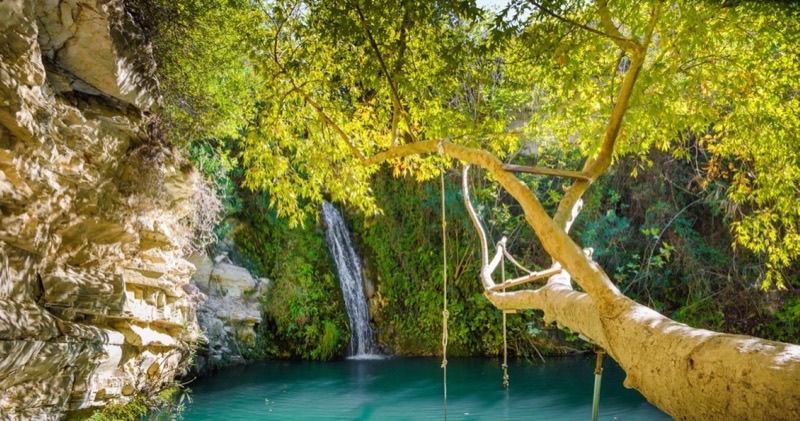
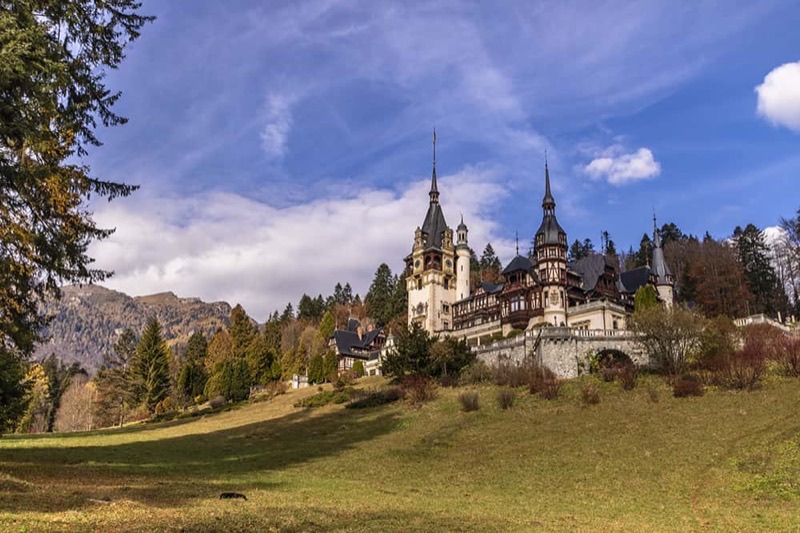
⚡ Quick Answers
⚡ The TL;DR Verdict
For most travelers seeking a well-rounded trip without breaking the bank, Romania is the smarter choice. Its daily costs are significantly lower, and it provides a wider array of experiences from historic cities to mountain trails. Cyprus is for those prioritizing sun and sea with a slightly higher budget for comfortable resort stays.
- Choose Cyprus: You want guaranteed sunshine, calm Mediterranean waters, resort relaxation, and good infrastructure for driving around beaches and historic sites. You are okay with a higher daily budget.
- Choose Romania: You seek cultural immersion, dramatic mountain landscapes, mediaeval towns, and a more budget-friendly experience. You enjoy exploring cities and nature at a slower pace.
- Choose Both: If you have at least two weeks and want both beach time and cultural exploration, consider splitting your trip. Fly into Romania for 7-10 days, then take a low-cost flight to Cyprus for 5-7 days of coastal relaxation.
Choose Cyprus
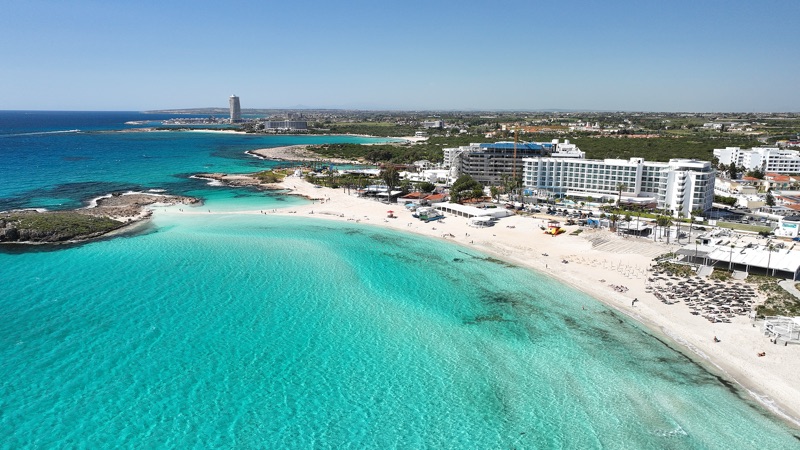
Choose Cyprus if your ideal getaway involves basking on pristine beaches like Nissi, exploring ancient ruins in Paphos, and indulging in resort luxury. It's perfect for couples or families seeking guaranteed sunshine and calm waters, offering a more refined, albeit higher-budget, Mediterranean escape with excellent infrastructure for easy exploration.
Choose Romania
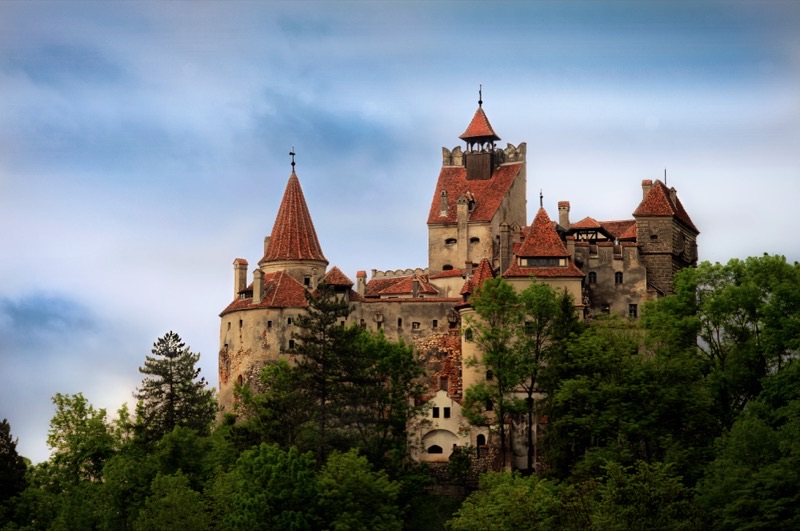
Opt for Romania if you crave a vibrant cultural adventure through mediaeval Transylvanian towns like Sibiu and Brașov, coupled with dramatic Carpathian mountain vistas. Best for budget-conscious explorers and history buffs, it offers authentic experiences from exploring Bran Castle to hiking pristine trails, providing incredible value and unforgettable immersion.
📊 Visual Scorecard
🌤 When to Visit
Average high temperatures (°C). Green = best months, orange = avoid.
Quick Comparison
| Category | Cyprus | Romania | Winner |
|---|---|---|---|
| Costs & Budget | Higher daily costs, especially for accommodation and dining out. Expect to pay more for activities. | Considerably more affordable for lodging, food, transport, and activities. Good value for money. | Romania |
| Food & Drink | Mediterranean diet with Greek and Middle Eastern influences. Fresh seafood, halloumi, souvlaki. Good local wines. | Hearty, meat-focused cuisine with Balkan and Central European flavors. Sarmale, mici, polenta. Diverse craft beer scene. | Romania |
| Beaches & Coastline | Abundant sandy beaches, clear waters, well-developed facilities. Ideal for swimming and sunbathing. | Limited coastline on the Black Sea, some sandy stretches but not the main draw. Resorts are less developed than Cyprus. | Cyprus |
| Culture & History | Ancient Greek, Roman, Byzantine, and Crusader ruins. Modern Cypriot culture with Greek influences. | Rich history spanning Dacian, Roman, Ottoman, and Austro-Hungarian influences. Mediaeval castles, painted monasteries, Saxon villages. | Romania |
| Nature & Outdoors | Troodos Mountains for hiking and cooler air. Coastal paths, sea caves. Good for watersports. | Carpathian Mountains dominate, offering extensive hiking, skiing, wildlife. Danube Delta for birdwatching. | Romania |
| Nightlife | Focused on resort towns, especially Ayia Napa for clubs. Paphos and Limassol offer bars and pubs. | Bustling nightlife in major cities like Bucharest (Old Town), Cluj-Napoca, and Brasov, with diverse options from clubs to ruin bars. | Romania |
| Getting There & Around | Flights to Larnaca (LCA) or Paphos (PFO). Car rental is recommended for exploring the island. | Flights to Bucharest (OTP) or Cluj-Napoca (CLJ). Good train network, affordable domestic flights, buses. Car rental also an option. | Tie |
| Accommodation | Wide range of resorts, hotels, and vacation rentals. Higher prices, especially during peak season. | More budget-friendly hostels, guesthouses, and apartments. Unique stays like fortified village B&Bs. Good value. | Romania |
| Safety | Generally very safe, low crime rates. Main concerns are petty theft in tourist areas. | Generally safe. Petty crime can occur in crowded areas. Be aware of scams, especially in Bucharest. | Cyprus |
| Seasons & Weather | Long, hot, dry summers. Mild winters. Best for sun worshipers. | Distinct four seasons. Hot summers, cold snowy winters. Mild springs/autumns. | Cyprus |
💸 Costs & Budget
Cyprus generally has higher costs due to its island status and reliance on imports, plus Eurozone pricing. A budget traveler might spend €60-€90 ($65-$98) per day for a hostel…
Cyprus

Romania
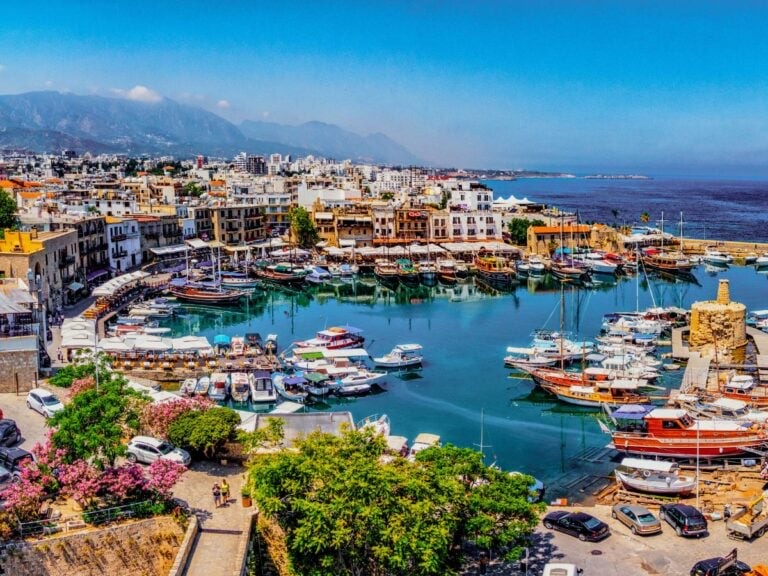
Cyprus generally has higher costs due to its island status and reliance on imports, plus Eurozone pricing. A budget traveler might spend €60-€90 ($65-$98) per day for a hostel bed, local meals like souvlaki (around €8-€12 / $9-$13), and public transport or limited car use. A mid-range traveler often budgets €90-€150 ($98-$162) per day for a 3-star hotel, restaurant meals, and a rental car. For example, a basic sunbed rental on a popular beach like Nissi Beach in Ayia Napa costs around €2.50 ($2.70), and a local beer is €4-€5 ($4.30-$5.40).
Romania offers a stronger value proposition. A budget traveler can easily get by on €30-€50 ($33-$55) per day, staying in hostels (like Hostel Pura Vida in Bucharest for €15-€20 / $16-$22), eating at local 'cantine' or street food vendors (a full meal for €5-€8 / $5.40-$8.70), and using public transport. A mid-range traveler might spend €50-€80 ($55-$87) per day for a comfortable 3-star hotel (e.g., Hotel Capitol in Bucharest for €50 / $55), dining in good restaurants, and using trains or buses for intercity travel. A beer costs around €2 ($2.20). The currency, Romanian Leu (RON), stretches further. Tabiji verdict: Romania wins hands down for travelers watching their wallets; you can experience more for less.
- Winner: Romania
- Why: Romania provides significantly better value for nearly every travel expense, allowing for longer trips or more activities.
- Who this matters for: Budget travelers, long-term travelers, and anyone prioritizing value.
🍽️ Food & Drink
Cyprus food leans heavily on Greek and Middle Eastern traditions. Expect dishes like souvlaki, gyros, moussaka, and plenty of halloumi cheese. Fresh seafood is common along the…
Cyprus

Romania
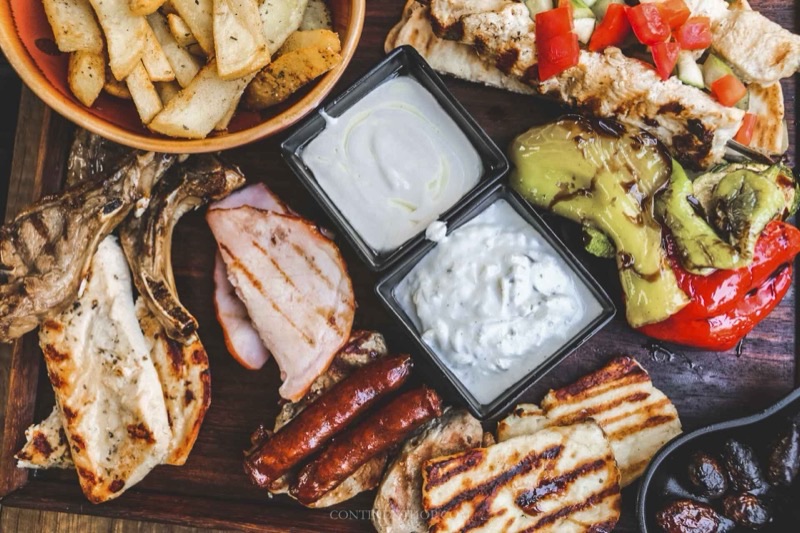
Cyprus food leans heavily on Greek and Middle Eastern traditions. Expect dishes like souvlaki, gyros, moussaka, and plenty of halloumi cheese. Fresh seafood is common along the coast, though it can be pricier. A traditional meze spread can be extensive but often costs €20-€30 ($22-$33) per person. Cypriot wines, particularly Commandaria, are good. Restaurants like Zephyros in Paphos or Kalamies Beach Restaurant in Protaras offer solid seafood. Coffee culture is strong, with freddo espresso a popular choice, typically €3.50 ($3.80).
Romanian food is robust and comforting, with staples like sarmale (cabbage rolls), mici (grilled minced meat rolls, around €1.50 / $1.60 per piece), and mamaliga (polenta). Soups like ciorba de burtă are very popular. Desserts include papanasi (fried doughnuts with sour cream and jam). The craft beer scene has expanded, especially in cities like Bucharest and Cluj-Napoca, with local brews often costing €3-€4 ($3.30-$4.30). Restaurants like Caru' cu Bere in Bucharest provide a traditional experience, while smaller 'han' (inns) in Transylvania offer authentic regional dishes. The variety and depth of flavor in Romanian food, coupled with its affordability, make it a culinary exploration. Tabiji verdict: Romania's diverse, flavorful, and budget-friendly cuisine provides a more adventurous and satisfying eating experience for most travelers.
- Winner: Romania
- Why: Romania offers a more diverse and affordable culinary experience with distinct regional dishes and a growing craft beer scene.
- Who this matters for: Food explorers, budget gourmands, and those who appreciate hearty, authentic meals.
🏖️ Beaches & Coastline
Cyprus is a Mediterranean island, and its coastline is a primary draw. It boasts numerous Blue Flag beaches with calm, warm waters ideal for swimming and snorkeling. Popular spots…
Cyprus
Romania
Cyprus is a Mediterranean island, and its coastline is a primary draw. It boasts numerous Blue Flag beaches with calm, warm waters ideal for swimming and snorkeling. Popular spots include Nissi Beach in Ayia Napa, Fig Tree Bay in Protaras, and Coral Bay near Paphos. Most beaches offer sunbed and umbrella rentals (around €2.50 each / $2.70), and many have watersports activities available, like jet skiing for €30-€50 ($33-$55) for 15-20 minutes. The coastline is generally accessible, with good roads connecting beach towns. Sea Caves near Peyia offer dramatic coastal landscapes. The water clarity is consistently high, making it a reliable destination for beach lovers.
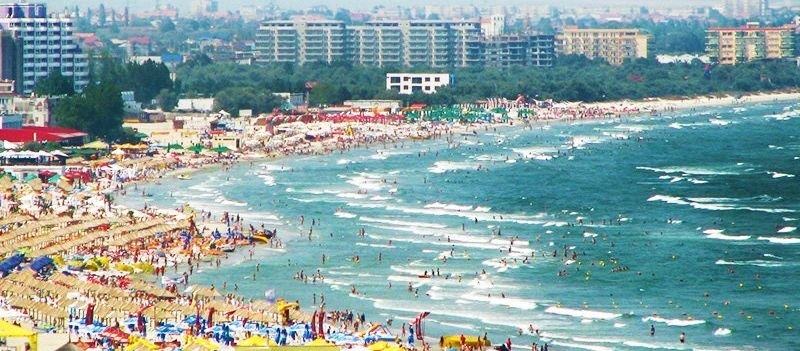
Romania has a Black Sea coastline, primarily focused around Mamaia, Constanta, and Vama Veche. Mamaia is a more upscale resort area with sandy beaches, but it lacks the consistent water clarity and scenic appeal of Cyprus. Vama Veche offers a bohemian atmosphere with fewer facilities. The beaches are generally fine for a day of sun, but they do not compare to the quality or quantity found in Cyprus. Water temperatures can be cooler, especially outside peak summer. A beer on a Romanian beach might cost €2.50 ($2.70). The infrastructure around the beaches is not as polished as in Cyprus. Tabiji verdict: For any traveler prioritizing beach time, Cyprus is the clear and superior choice, offering a much better coastal experience.
- Winner: Cyprus
- Why: Cyprus provides a superior beach experience with numerous sandy shores, clear waters, and better facilities.
- Who this matters for: Beach lovers, families with children, and those seeking sun and sea relaxation.
🏛️ Culture & History
Cyprus has a long and complex history, with archaeological sites dating back millennia. Key sites include the Kourion Archaeological Site near Limassol (entry €4.50 / $4.90),…
Cyprus
Romania
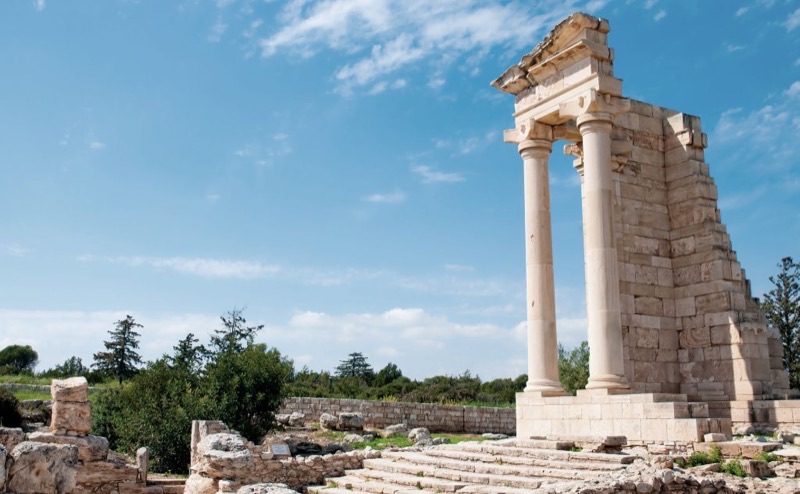
Cyprus has a long and complex history, with archaeological sites dating back millennia. Key sites include the Kourion Archaeological Site near Limassol (entry €4.50 / $4.90), showcasing Roman mosaics and an amphitheater, and the Tombs of the Kings in Paphos (entry €2.50 / $2.70), a UNESCO site. The division of the island offers a unique perspective, especially in Nicosia, where you can cross the Green Line. Churches and monasteries like Kykkos Monastery are also significant. The culture today is a blend of Greek and Middle Eastern influences, with strong traditions around food and family. However, beyond the ancient ruins, the contemporary cultural scene is less pronounced for travelers than in Romania.
Romania's historical depth is impressive and diverse. Transylvania alone holds mediaeval Saxon villages like Viscri (a UNESCO site, entry to fortified church around €10 / $11), numerous fortified churches, and famous castles such as Bran Castle (Dracula's Castle, entry €60 RON / $13.50) and Peles Castle (entry €50 RON / $11.20). The painted monasteries of Bucovina are another UNESCO highlight (entry around €10 RON / $2.20 per monastery). Bucharest features grand Belle Époque architecture alongside communist-era structures like the Palace of the Parliament (entry €60 RON / $13.50). The cultural fabric integrates Dacian, Roman, Ottoman, and Austro-Hungarian influences, creating a complex and layered experience. Folk traditions, music, and superstitions are still part of daily life. Tabiji verdict: Romania offers a more expansive, varied, and genuinely immersive cultural and historical journey for the curious traveler.
- Winner: Romania
- Why: Romania presents a more diverse and impactful historical narrative, from mediaeval castles to painted monasteries and Saxon villages.
- Who this matters for: History buffs, architecture enthusiasts, and those seeking deep cultural exploration.
🌲 Nature & Outdoors
Cyprus offers nature experiences primarily in the Troodos Mountains, where you can find hiking trails and waterfalls like Caledonia Falls. Mount Olympus, the highest peak, is…
Cyprus

Romania
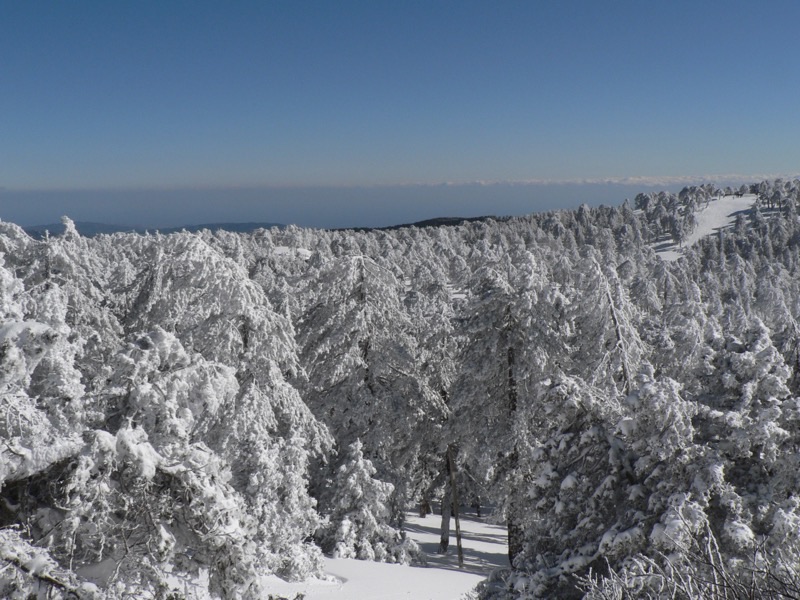
Cyprus offers nature experiences primarily in the Troodos Mountains, where you can find hiking trails and waterfalls like Caledonia Falls. Mount Olympus, the highest peak, is modest at 1,952 meters (6,404 feet). The Akamas Peninsula provides rugged coastal walks and sea caves, and it is a good spot for kayaking and snorkeling. In spring, the island is green with wildflowers. Birdwatching can be good during migration seasons. The nature is accessible, often reachable by car, and offers relief from coastal heat, but it is not as vast or dramatic as Romania's landscapes. Water sports are popular along the coast.
Romania's natural landscapes are its crown jewel. The Carpathian Mountains, an arc of peaks, offer extensive hiking opportunities, from easy walks to multi-day treks. The Retezat National Park and Piatra Craiului National Park are examples of protected areas with diverse flora and fauna, including brown bears and wolves. Ski resorts like Poiana Brasov are active in winter. The Danube Delta, a UNESCO Biosphere Reserve, is Europe's second-largest river delta and a birdwatcher's paradise, offering boat tours for around €25-€50 ($27-$55). The country's thermal springs and mud volcanoes add to the varied terrain. The scale and diversity of natural environments, from dense forests to glacial lakes, are significantly greater. Tabiji verdict: Romania wins for travelers seeking substantial outdoor adventure and exposure to wild, expansive natural environments.
- Winner: Romania
- Why: Romania's vast Carpathian Mountains and Danube Delta provide more diverse and impressive natural landscapes and outdoor activities.
- Who this matters for: Hikers, nature photographers, wildlife enthusiasts, and adventure seekers.
🍻 Nightlife
Cyprus nightlife is largely concentrated in tourist hotspots like Ayia Napa, which is famous for its large clubs and party atmosphere during peak summer. Expect international DJs…
Cyprus nightlife is largely concentrated in tourist hotspots like Ayia Napa, which is famous for its large clubs and party atmosphere during peak summer. Expect international DJs and drinks costing €8-€12 ($8.70-$13) in clubs. Limassol and Paphos offer a more varied scene with bars, pubs, and some live music, but it is less intense than Ayia Napa. Nicosia has a smaller, more local bar scene. The nightlife is generally geared towards tourists seeking mainstream entertainment rather than a local cultural experience. Closing times can be late, sometimes 4 AM or 5 AM.
Romania offers a more dynamic and diverse nightlife, particularly in its major cities. Bucharest's Old Town is famous for its dense concentration of bars, clubs, and pubs, including many open-air venues in summer. Drinks are affordable, with a local beer often costing €2-€3 ($2.20-$3.30). Cluj-Napoca and Brasov also have active student-driven scenes with various options, including live music venues and themed bars. Romania also has a growing electronic music festival scene. The variety, affordability, and the mix of local and international crowds make Romanian nightlife more appealing for many travelers. Tabiji verdict: For a truly varied, energetic, and affordable nightlife experience, Romania’s cities offer more compelling options than Cyprus’s resort-centric scene.
- Winner: Romania
- Why: Romania's major cities provide a more diverse, energetic, and affordable nightlife scene with options for all tastes.
- Who this matters for: Partygoers, social travelers, and those seeking lively evening entertainment beyond resorts.
✈️ Getting There & Around
Getting to Cyprus typically involves flying into Larnaca (LCA) or Paphos (PFO). From major European cities like London, direct flights take about 4.5 hours and can cost €50-€150…
Getting to Cyprus typically involves flying into Larnaca (LCA) or Paphos (PFO). From major European cities like London, direct flights take about 4.5 hours and can cost €50-€150 ($55-$165) return on low-cost carriers. On the island, public transport (buses) connects major towns but can be infrequent for exploring smaller sites or beaches. Car rental is highly recommended for freedom to explore, with prices starting around €20-€30 ($22-$33) per day for a small car. Driving is on the left, similar to the UK.
Romania is served by major airports like Bucharest (OTP) and Cluj-Napoca (CLJ). Direct flights from London typically take about 3 hours and can cost €30-€100 ($33-$110) return. Within Romania, a train network connects major cities, with a 4-hour train ride from Bucharest to Brasov costing around €15-€25 ($16-$27). Buses are also prevalent and affordable. Domestic flights are available for longer distances. Car rental is another good option for exploring rural areas, with similar prices to Cyprus. Driving is on the right. Both countries offer distinct advantages depending on your travel style. Tabiji verdict: Both destinations offer good access and reasonable in-country travel, but for different travel preferences, making it a tie overall.
- Winner: Tie
- Why: Both countries offer good international flight connections and viable options for internal travel, appealing to different preferences.
- Who this matters for: Travelers prioritizing easy access and varied transport options.
🏨 Accommodation
Cyprus accommodation is often geared towards package holidays and resorts, especially in coastal areas like Ayia Napa, Protaras, and Limassol. You can find everything from budget…
Cyprus accommodation is often geared towards package holidays and resorts, especially in coastal areas like Ayia Napa, Protaras, and Limassol. You can find everything from budget apartments to luxury hotels. A basic 3-star hotel room in a tourist area might cost €60-€100 ($65-$110) per night, while a hostel bed is around €25-€40 ($27-$43). Vacation rentals through platforms like Airbnb are also common but can be pricier than in Romania. Expect good standards, but for the price, space and local character can be limited. Options outside of major resort areas might be simpler and more locally run.
Romania offers a greater diversity of accommodation at more affordable price points. Hostels in cities like Bucharest or Brasov can be found for €15-€25 ($16-$27) per night. Mid-range hotels in cities usually cost €40-€70 ($43-$76) per night, often with good amenities. Unique stays include traditional guesthouses (pensiuni) in rural Transylvania, sometimes in fortified villages, offering a cultural experience. These can cost €30-€50 ($33-$55) per night including breakfast. Airbnb options are plentiful and generally cheaper than in Cyprus, often providing more space and local flavor. Tabiji verdict: Romania offers superior value and a wider range of characterful accommodation options that enhance the travel experience.
- Winner: Romania
- Why: Romania provides significantly more affordable and diverse accommodation, including unique guesthouses and hotels, offering better value.
- Who this matters for: Budget travelers, those seeking unique local stays, and long-term visitors.
🛡️ Safety
Cyprus is widely regarded as a very safe travel destination, with low crime rates. Violent crime against tourists is extremely rare. Petty theft, such as pickpocketing, can occur…
Cyprus is widely regarded as a very safe travel destination, with low crime rates. Violent crime against tourists is extremely rare. Petty theft, such as pickpocketing, can occur in crowded tourist areas like markets or beaches, but it is not widespread. Solo female travelers often report feeling comfortable and secure. Driving is generally safe, although some local drivers can be aggressive. The main safety concerns are typically related to sun exposure and dehydration. The relaxed atmosphere and visible police presence contribute to a strong sense of security for visitors. The political division of the island is stable and does not pose a direct threat to tourists in the accessible areas.
Romania is also generally safe for tourists. Petty crime, such as pickpocketing, is more prevalent in busy urban centers like Bucharest, particularly around tourist attractions, public transport, and the Old Town nightlife area. Scams targeting tourists, especially taxi scams or inflated prices, can occur, requiring travelers to be more vigilant. Violent crime is rare. Solo travelers, especially women, should exercise standard precautions, especially at night. Rural areas and smaller towns are generally very safe. While still a safe country, the need for heightened awareness in certain situations makes it slightly less worry-free than Cyprus. Tabiji verdict: Cyprus offers a marginally more relaxed and consistently secure environment for travelers, with fewer common pitfalls.
- Winner: Cyprus
- Why: Cyprus maintains a slightly lower crime rate and fewer reported tourist scams, offering a more consistently secure environment.
- Who this matters for: Solo travelers, families, and those prioritizing a worry-free travel experience.
☀️ Seasons & Weather
Cyprus benefits from a Mediterranean climate, meaning long, hot, and dry summers (June to September) with temperatures often exceeding 30°C (86°F). This is ideal for beach…
Cyprus benefits from a Mediterranean climate, meaning long, hot, and dry summers (June to September) with temperatures often exceeding 30°C (86°F). This is ideal for beach holidays. Spring (April-May) and autumn (October-November) offer warm, pleasant weather, around 20-25°C (68-77°F), which is great for sightseeing and hiking without extreme heat. Winters (December-March) are mild, with temperatures around 10-17°C (50-63°F), and some rain, but still plenty of sunshine. Snow falls in the Troodos Mountains, allowing for limited skiing. The consistent sunshine and warm waters for a significant portion of the year make it a reliable choice for sun-seekers, with 300+ days of sunshine annually.
Romania experiences a continental climate with four distinct seasons. Summers (June-August) are warm to hot, with temperatures often reaching 25-30°C (77-86°F), but can also have thunderstorms. Winters (December-March) are cold, with widespread snow, especially in the mountains, making it suitable for winter sports. Spring (April-May) and autumn (September-October) are generally mild and pleasant, with good temperatures for city exploration and hiking, but weather can be variable. For example, a spring day in Bucharest might be 18°C (64°F), while a winter day in Brasov could be -5°C (23°F). The weather variability means that for guaranteed warmth and sun, Cyprus has the edge. Tabiji verdict: Cyprus is the undisputed winner for predictable, extended periods of warm, sunny weather suitable for beach holidays.
- Winner: Cyprus
- Why: Cyprus offers a consistently warm and sunny Mediterranean climate for more of the year, ideal for beach and outdoor activities.
- Who this matters for: Sun worshipers, beach holiday seekers, and those who dislike cold weather.
🎯 The Decision Framework
Choose Cyprus If…
- You want reliably sunny, warm weather for most of the year.
- You prioritize relaxing on sandy beaches and swimming in clear, calm waters.
- You prefer resort-style accommodation and amenities.
- You enjoy exploring ancient Roman and Greek ruins in a relaxed setting.
- You appreciate a very low-crime environment for a worry-free trip.
- You plan to rent a car and explore coastal roads and small towns at your own pace.
- You seek a straightforward beach-focused holiday with good food and infrastructure.
- You like the convenience of Euro currency and EU standards.
Choose Romania If…
- You seek significant cultural immersion and diverse historical sites, including mediaeval castles.
- You want extensive hiking and outdoor adventures in dramatic mountain landscapes.
- You are traveling on a tighter budget and seek excellent value for money.
- You enjoy hearty, traditional cuisine with diverse regional variations and local drinks.
- You prefer exploring bustling cities with lively, affordable nightlife and unique architecture.
- You are interested in Eastern European history and less-traveled destinations.
- You appreciate distinct four seasons and potentially snowy winter landscapes.
- You want to experience authentic local life beyond mainstream tourism.
📅 Sample Itineraries
Weekend in Cyprus (3 Days)
💡 To save on transport, purchase a Cyprus Public Transport 'Day Ticket' for $5, allowing unlimited bus travel across various districts for 24 hours.
Weekend in Romania (3 Days)
💡 For budget-friendly meals in Bucharest, look for 'Meniul Zilei' (Menu of the Day) specials at local restaurants, often a two-course meal for around $8-10.
One Week in Cyprus (7 Days)
💡 Consider renting a car for at least a few days ($30-50/day) to explore remote beaches and the Troodos Mountains, offering more flexibility than public transport.
One Week in Romania (7 Days)
💡 When visiting castles in Transylvania, purchase combination tickets if available (e.g., Bran and Rasnov Citadel) to save a few dollars on entry fees.
❓ Frequently Asked Questions
Which destination is better for a solo female traveler?
Both Cyprus and Romania are generally safe for solo female travelers. Cyprus has a slightly lower crime rate overall and a very relaxed atmosphere, making it a comfortable choice. Romania is also safe, but in larger cities like Bucharest, standard precautions against petty theft and taxi scams are advised. You will feel secure in both, but Cyprus edges out for feeling consistently worry-free.
What is the typical flight time from Western Europe to each country?
Flights from major Western European hubs like London to Larnaca, Cyprus, typically take around 4.5 hours direct. Flights to Bucharest, Romania, are shorter, usually around 3 hours direct. Both are well-served by low-cost airlines, making them accessible destinations.
Which country offers more to do for families with young children?
Cyprus is often considered more family-friendly, particularly for families with young children who enjoy beach holidays. Its numerous sandy beaches, calm waters, and abundance of resorts with facilities cater well to families. Romania offers more for slightly older children who can appreciate castles, nature walks, and city exploration, but lacks the same level of dedicated beach infrastructure.
What is the cost difference for a week-long trip?
For a mid-range week-long trip, you could expect to spend around €700-€1050 ($760-$1140) per person in Cyprus, excluding flights. In Romania, a similar trip could cost significantly less, around €350-€560 ($380-$610) per person, offering substantial savings or allowing for a longer stay.
Which country is better for adventure sports and activities?
Romania provides more extensive options for adventure sports. Its Carpathian Mountains are ideal for hiking, climbing, mountain biking, and skiing in winter. The Danube Delta offers unique kayaking and birdwatching experiences. Cyprus offers coastal watersports like diving and jet skiing, and some mountain hiking, but the scale of adventure options in Romania is larger.
Can I visit both countries on a single trip?
Yes, visiting both is feasible if you have at least two weeks. You would typically fly into one country, explore for 7-10 days, then take a low-cost flight between them (e.g., Bucharest to Larnaca is often under €50-€100 / $55-$110). This allows you to combine mountain culture with Mediterranean relaxation effectively.
What is the best time of year to visit each destination?
For Cyprus, late spring (April-May) or early autumn (October) are ideal for warm weather without extreme heat, perfect for sightseeing and beaches. For Romania, late spring (May-June) and early autumn (September-October) offer pleasant weather for city exploration and hiking. Summers can be hot in both, and winters are mild in Cyprus but cold and snowy in Romania.
Which destination has more unique cultural experiences?
Romania offers a broader range of unique cultural experiences. Its mediaeval Saxon villages, painted monasteries, and distinct folk traditions provide a deeper immersion into Eastern European heritage. Cyprus has its own ancient history and Greek-influenced culture, but it feels more familiar to many Western travelers compared to Romania's specific regional charms.
Ready to plan your Eastern Europe or Mediterranean trip?
Get a free custom itinerary for Cyprus, Romania, or both — built from real traveler insights.
👥 Travelers Also Compared
🎟️ Book Tours & Experiences
Hand-picked tours and activities for both destinations — book with free cancellation
Experiences via Viator — free cancellation on most tours