How we built this comparison
This page combines traveler discussion patterns, published price ranges, flight schedules, and seasonal data to help you decide between Da Lat and Chiang Mai.
- Reviewed 50+ Reddit threads from r/travel, r/solotravel, r/Vietnam, r/ThailandTourism, and r/DigitalNomad for real traveler sentiment and tips.
- Verified costs and logistics against current booking platforms (Booking.com, Agoda, Grab, Google Flights) for accuracy.
- Cross-referenced seasonal patterns and weather data from meteorological sources to inform best travel times and activities.

⚡ The TL;DR Verdict
For a tranquil, cooler escape with a unique French-Vietnamese twist and stunning nature, Da Lat is your pick, perfect for couples or introspective travelers on a budget of $30-50/day. If you crave vibrant culture, world-class food, established digital nomad infrastructure, and easy connections, Chiang Mai is the undisputed champion, ideal for solo adventurers or groups with a $40-70/day budget.
- Choose Da Lat: You're seeking a romantic, serene getaway with cooler weather, unique French-colonial architecture, stunning waterfalls, and a slower pace. You appreciate local Vietnamese cuisine with a twist and are happy with a quieter nightlife scene. It's also slightly more budget-friendly.
- Choose Chiang Mai: You want an immersive cultural experience with ancient temples, incredible street food, a bustling yet friendly atmosphere, and a strong digital nomad community. You're looking for diverse activities, easy connections to other parts of Thailand, and a more developed tourist infrastructure.
- Choose Both: If you have 3-4 weeks in Southeast Asia, it's absolutely feasible to combine both. Start with the buzz of Chiang Mai for 5-7 days, then fly to Vietnam (via Bangkok/HCMC) and spend 3-4 days unwinding in Da Lat before exploring other parts of Vietnam. This offers a fantastic contrast of cultures and climates.
Quick Comparison
| Category | Da Lat | Chiang Mai | Winner |
|---|---|---|---|
| Culture & Heritage | French colonial architecture, unique Vietnamese art scene, local tea/coffee culture, historical villas. | Ancient Lanna Kingdom temples, vibrant Buddhist traditions, traditional crafts, elephant sanctuaries. | Chiang Mai |
| Food Scene | Unique Vietnamese mountain cuisine, French-influenced dishes, fresh produce, hotpot, banh mi xiu mai. | World-renowned street food, northern Thai specialties (Khao Soi!), international options, cooking classes. | Chiang Mai |
| Nature & Outdoors | Pine forests, waterfalls (Datanla, Pongour), flower gardens, 'Love Valley', temperate climate. | Mountain trekking (Doi Suthep, Doi Inthanon), national parks, elephant sanctuaries, lush jungles. | Da Lat |
| Costs & Budget | Generally cheaper, especially for food and accommodation, local transport is affordable. | Affordable, but slightly higher for tours and some accommodation, wide range of options. | Da Lat |
| Getting There & Around | Domestic airport, buses from major cities, scooter/taxi for local travel. | International airport, extensive domestic flight network, Grab, Songthaews, rental scooters. | Chiang Mai |
| Accommodation | Boutique hotels, charming homestays, unique villas, fewer large resorts. | Vast range from luxury resorts to budget hostels, guesthouses, co-living spaces. | Chiang Mai |
| Nightlife | Quiet pubs, cozy cafes, limited late-night options, focus on relaxation. | Relaxed bars, night bazaars, live music, some late-night clubs, lively but not wild. | Chiang Mai |
| Digital Nomads | Emerging scene, quiet cafes, slower internet, fewer co-working spaces. | Established global hub, abundant co-working spaces, strong community, reliable internet. | Chiang Mai |
| Solo Travel | Safe, quiet, good for introspection, can be harder to meet other travelers. | Very safe, easy to meet people, established backpacker scene, organized tours. | Chiang Mai |
| Weather & Seasons | Pleasant and cool year-round, distinct rainy season (May-Oct), 'eternal spring'. | Three distinct seasons: hot/dry, rainy, cool/dry (best time Nov-Feb), smoky season (Feb-April). | Da Lat |
🏛️ Culture & Heritage
Chiang Mai offers a truly profound cultural experience rooted in the ancient Lanna Kingdom. You can spend days exploring hundreds of ornate temples like Wat Phra That Doi Suthep, Wat Chedi Luang, and Wat Phra Singh, witnessing daily monastic life, and participating in meditation retreats. The Old City walls encapsulate centuries of history, and traditional practices like Loi Krathong or Yi Peng festivals are breathtaking. Da Lat, while charming, presents a more modern Vietnamese culture infused heavily with French colonial influences. Its cultural appeal lies in its unique architecture, the Da Lat Railway Station, the quirky Crazy House, and a burgeoning local art scene focused around places like the Lam Dong Museum. It's less about ancient history and more about a unique fusion. "Chiang Mai's temples just hit different, man. Like, every corner is another piece of history. Da Lat is cool, but it's more 'pretty history' than 'ancient spiritual history'." You'll find intricate wood carvings and vibrant murals in Chiang Mai, a stark contrast to Da Lat's European-inspired villas and cafes. Entry to most temples in Chiang Mai is free or a small donation (50-100 THB / $1.50-3 USD), while Da Lat's attractions like Crazy House cost around 60,000 VND (~$2.50 USD).
Winner takeaway
- Winner: Chiang Mai
- Why: Chiang Mai's deep, accessible Lanna heritage and ancient Buddhist traditions offer a more immersive cultural journey.
- Who this matters for: History buffs, spiritual seekers, and those interested in traditional Southeast Asian cultures.
🍜 Food Scene
Chiang Mai is a paradise for foodies, period. From the legendary Khao Soi (a creamy curry noodle soup, try it at Khao Soi Khun Yai for ~50 THB / $1.50) to crispy pork belly, papaya salad, and endless skewers from the night bazaars and street stalls, the variety is staggering. You can eat like royalty for $5-10 USD a meal. The Warorot Market offers local delicacies, while Nimmanhaemin Road boasts trendy cafes and international fare. Da Lat, on the other hand, offers a distinct, delicious Vietnamese experience. Its cooler climate means fresh vegetables and fruits are abundant, and unique dishes like Banh Mi Xiu Mai (pork meatball soup with bread, ~25,000 VND / $1), Da Lat pizza (grilled rice paper), and various hotpots are local staples. The French influence is evident in its bakeries and cafes. "Honestly, you can't go wrong with either, but Chiang Mai's sheer volume and diversity of mind-blowing street food for dirt cheap wins. Da Lat has its gems, but it's not the same scale." While Da Lat's food is fantastic and often cheaper, Chiang Mai's breadth, depth, and accessibility of incredible flavors make it the undisputed champion for culinary exploration, including numerous cooking schools averaging 800-1200 THB ($25-35 USD) for a half-day.
Winner takeaway
- Winner: Chiang Mai
- Why: Chiang Mai's diverse, world-class street food and culinary variety are simply unparalleled.
- Who this matters for: Foodies, budget travelers who want to eat well, and those looking for cooking experiences.
🌳 Nature & Outdoors
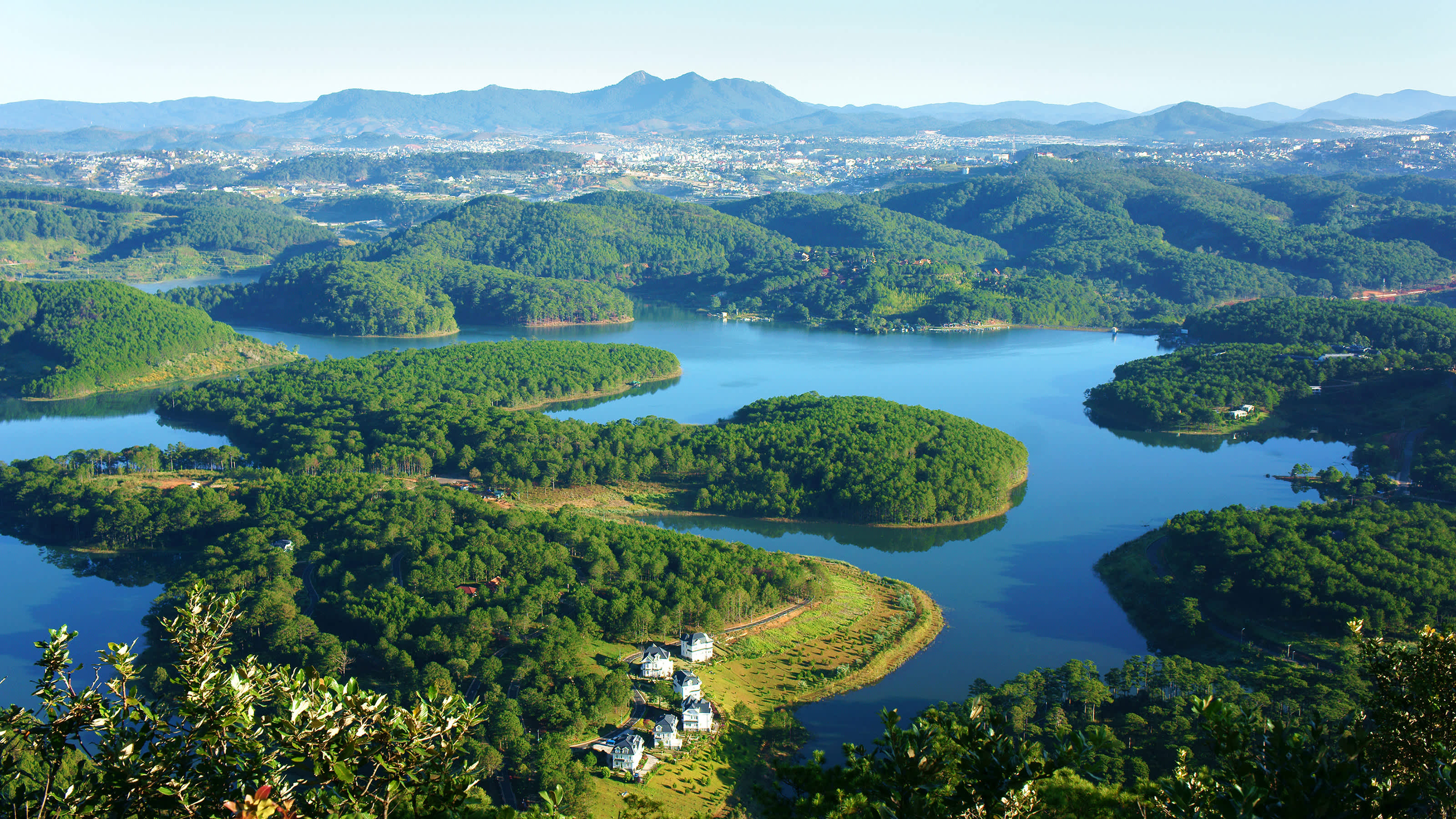
This is a tough one, as both excel, but Da Lat's unique 'alpine' feel in Southeast Asia gives it the edge for a distinctly different natural experience. Imagine rolling pine hills, fragrant flower gardens (like Da Lat Flower Garden with 50,000 VND / $2 entry), and powerful waterfalls. Datanla Waterfall offers a thrilling alpine coaster (80,000 VND / $3.50 for a return ride), while Pongour Waterfall is a magnificent multi-tiered spectacle. The temperate climate year-round means comfortable exploration. Chiang Mai's nature is more about rugged mountains, dense jungles, and impressive national parks like Doi Inthanon, Thailand's highest peak (300 THB / $9 entry for foreigners). You can trek to Karen villages, visit elephant sanctuaries (ethical ones like Elephant Nature Park cost ~2500-3000 THB / $70-90 for a day), and explore caves. "Da Lat's cool air and those pine forests just felt so refreshing, a real break from the heat. Chiang Mai's hikes are epic, but sometimes I just wanted to chill amidst flowers." While Chiang Mai has majestic peaks and ethical wildlife encounters, Da Lat offers a unique, gentler, and consistently pleasant natural environment that feels like a distinct escape within Southeast Asia, perfect for leisurely strolls and picturesque views. The accessibility of its natural attractions, often just a short scooter ride away, also contributes to its appeal.
Winner takeaway
- Winner: Da Lat
- Why: Da Lat offers a unique, consistently cool, and picturesque natural landscape that feels distinct from typical Southeast Asian environments.
- Who this matters for: Couples, photographers, those seeking a temperate escape, and visitors looking for accessible, gentle nature experiences.
💰 Costs & Budget
When it comes to stretching your dollar, Da Lat typically offers a slightly better value. A basic guesthouse or homestay can be found for as little as 200,000-350,000 VND ($8-15 USD) per night. Street food meals average 25,000-50,000 VND ($1-2 USD), and even a nice sit-down meal with drinks might only set you back 150,000 VND ($6 USD). Scooter rentals are around 100,000-150,000 VND ($4-6 USD) per day. Chiang Mai is also incredibly affordable, but you'll find prices for similar quality accommodation and tours tend to be 10-20% higher. A decent guesthouse might start at 400-600 THB ($12-18 USD), and street food meals average 40-80 THB ($1.20-2.50 USD). "Da Lat felt like I was constantly surprised by how little things cost, whereas in Chiang Mai, it was cheap but not *that* cheap for the really good stuff." Activities like ethical elephant sanctuaries or multi-day treks in Chiang Mai can significantly impact a budget (e.g., $70-90 for an elephant day trip). Overall, if every penny counts, Da Lat gives you a bit more breathing room without sacrificing quality experiences. Even a cup of local Da Lat coffee is often half the price of a comparable specialty coffee in Chiang Mai (20,000 VND vs. 60 THB).
Winner takeaway
- Winner: Da Lat
- Why: Da Lat generally offers slightly lower prices for comparable quality in accommodation, food, and local experiences.
- Who this matters for: Strict budget travelers, backpackers, and those looking to maximize their travel duration on limited funds.
✈️ Getting There & Around
Chiang Mai wins handily here due to its international airport (CNX) with direct flights from many Asian hubs (e.g., Bangkok to Chiang Mai is a 1-hour flight, costing $30-70 USD). Domestically, flights are frequent and affordable. Once there, getting around is a breeze with Grab (ridesharing app), ubiquitous red songthaews (shared taxis, 30-50 THB / $1-1.50 for most city routes), and readily available scooter rentals (~200-250 THB / $6-8 USD per day). Da Lat has its own small domestic airport (DLI), with flights from Ho Chi Minh City (~50 minutes, $40-80 USD) and Hanoi, but international connections require a layover in a larger Vietnamese city. Overland travel from HCMC to Da Lat is a 7-8 hour bus ride (250,000-350,000 VND / $10-15 USD). Locally, Grab is available, but the network is smaller, and taxis or private drivers are more common. "Chiang Mai is just so much easier to get to and navigate. Landed, Grabbed to my hostel, rented a scooter, done. Da Lat felt a bit more involved, especially if you're coming overland." While both have decent local transport, Chiang Mai's superior air connectivity and efficient public/private transport options give it the edge for sheer convenience and accessibility, especially for travelers with limited time.
Winner takeaway
- Winner: Chiang Mai
- Why: Chiang Mai boasts an international airport and a more developed, convenient local transport network.
- Who this matters for: Travelers with limited time, those flying in from international destinations, and anyone prioritizing ease of logistics.
🏨 Accommodation
Chiang Mai's accommodation scene is incredibly diverse, catering to every budget and style imaginable. From luxurious 5-star resorts like Anantara Chiang Mai (starting $200+/night) to charming boutique guesthouses in the Old City (e.g., De Chai The Colonial, $50-80/night) and a plethora of social hostels (beds from $8-15/night), you'll find exactly what you need. The sheer volume means competitive pricing and constant availability. Da Lat, while having its own unique charm, offers a more specialized selection. You'll find beautiful French colonial-style villas, cozy homestays often run by local families, and boutique hotels (e.g., Dalat Palace Heritage Hotel, $150+; Dalat Train Villa, $40-70). Hostels are present (beds from $7-12), but the overall quantity and variety, especially for modern, well-equipped options, are less than Chiang Mai. "I loved the quirky homestays in Da Lat, but Chiang Mai just had *so many* good options, from cheap hostels to really nice hotels, all over the city." For digital nomads, Chiang Mai also offers more co-living and serviced apartment options. If you prioritize choice, modern amenities, and a wide price range, Chiang Mai is the stronger contender, making it easier to find the perfect stay, whether you're splurging or backpacking.
Winner takeaway
- Winner: Chiang Mai
- Why: Chiang Mai offers a significantly wider range and quantity of accommodation options catering to all budgets and preferences.
- Who this matters for: All types of travelers, from luxury seekers to backpackers, and those seeking specific amenities or styles.
🍻 Nightlife
Chiang Mai’s nightlife is more developed and varied, though it’s generally more relaxed than Bangkok or Ho Chi Minh City. You'll find bustling night bazaars with live music and beer gardens (like the Chiang Mai Night Bazaar), chill rooftop bars, and lively pubs around the Old City and Nimmanhaemin areas. Spots like North Gate Jazz Co-Op are legendary for live music (entry often free, drinks around 100-150 THB / $3-5). There are a few late-night clubs for those who want to dance, but the overall vibe is social and mellow. Da Lat's nightlife is significantly quieter. It revolves more around cozy cafes that stay open a bit later, local pubs where you can enjoy a craft beer or rice wine, and the occasional live music venue. "Da Lat's nightlife is basically a quiet coffee or a beer with friends, which is fine, but if you want options or a bit of a buzz, Chiang Mai's got it." There's the Dalat Night Market which is more about food and souvenir shopping than outright partying. If your idea of a good evening involves more than a quiet drink and you enjoy people-watching at bustling markets or listening to live bands, Chiang Mai offers a far more diverse and vibrant evening scene, without being overwhelming or overly touristy.
Winner takeaway
- Winner: Chiang Mai
- Why: Chiang Mai provides a wider array of nightlife options, including live music, bustling markets, and more social venues.
- Who this matters for: Social travelers, those who enjoy live music, and visitors looking for evening entertainment beyond quiet dinners.
💻 Digital Nomads
For digital nomads, Chiang Mai is in a league of its own. It's one of the world's original and most established digital nomad hubs. You'll find an abundance of co-working spaces like Punspace (memberships from 299 THB / $9 daily to 3,499 THB / $100 monthly), countless cafes with strong Wi-Fi (e.g., Camp at Maya Mall, Graph Cafe), and a huge, active expat and nomad community. There are regular meetups, skill shares, and a strong support network. The cost of living is affordable, and the visa situation (tourist visas and extensions) is manageable. Da Lat, while charming and appealing for its climate, is an emerging destination for nomads at best. While there are plenty of pleasant cafes, dedicated co-working spaces are limited and less sophisticated. The internet speed can be inconsistent compared to Chiang Mai, and the expat community is much smaller and less organized. "Chiang Mai is just built for nomads. Everything from the Wi-Fi in every cafe to the Punspace options to the easy social scene just clicks. Da Lat is beautiful but felt like I was working in a holiday town, not a work-friendly one." If community, infrastructure, and ease of networking are priorities, Chiang Mai is the clear choice, offering a robust ecosystem for remote workers.
Winner takeaway
- Winner: Chiang Mai
- Why: Chiang Mai is a well-established global digital nomad hub with superior infrastructure, community, and resources.
- Who this matters for: Digital nomads, remote workers, freelancers, and long-term travelers seeking a community and work-friendly environment.
🚶♀️ Solo Travel
Chiang Mai is arguably one of the best cities in Southeast Asia for solo travelers. It's incredibly safe, welcoming, and has a well-established backpacker and expat community, making it easy to meet like-minded individuals. Hostels often organize social events, and there are numerous group tours for trekking, cooking classes, or temple visits. The city's relaxed pace and compact Old City make it easy to navigate independently. "As a solo female traveler, I felt completely safe in Chiang Mai, even walking alone at night. Plus, I literally made friends every day just by sitting at a cafe or joining a cooking class." Da Lat is also very safe and welcoming, but its vibe is more suited for couples or those seeking introspection. While hostels exist, the overall social scene is less vibrant, and it can be harder to organically meet other travelers unless you're actively seeking them out. You might find yourself enjoying the quiet beauty alone, which is great for some, but less ideal for others looking for constant social interaction. For those seeking a balance of independence and easy social connection, Chiang Mai's abundant group activities, hostels, and open-minded community make it the superior choice for solo exploration.
Winner takeaway
- Winner: Chiang Mai
- Why: Chiang Mai offers a highly safe and social environment, with ample opportunities to connect with other solo travelers.
- Who this matters for: Solo travelers (especially first-timers), backpackers, and those looking to easily meet other people on the road.
☀️ Weather & Seasons
Da Lat is known as the 'City of Eternal Spring' for a reason. Its unique highland climate means consistently pleasant temperatures, typically ranging from 15-24°C (59-75°F) year-round, a welcome respite from the tropical heat of other Southeast Asian cities. While it has a rainy season from May to October, the showers are often short and refreshing, rarely disrupting plans entirely. "Honestly, Da Lat's weather was a game changer. Being able to walk around all day without sweating buckets was amazing. It was a nice break from the usual SEA humidity." Chiang Mai, on the other hand, experiences three distinct seasons. The cool and dry season (November-February) is glorious, with temperatures around 20-30°C (68-86°F), making it peak tourist time. However, the hot season (March-May) can be sweltering, reaching 40°C (104°F), and the 'burning season' (February-April) often brings significant air pollution from agricultural burning. The rainy season (June-October) brings lush greenery but also heavy downpours. If you prioritize consistently comfortable weather and want to avoid extreme heat or potential smoke, Da Lat's consistent 'spring' climate makes it the more reliable choice for year-round pleasantness, making outdoor activities enjoyable at any time. This consistent mildness is a huge draw for many.
Winner takeaway
- Winner: Da Lat
- Why: Da Lat offers consistently pleasant, cool temperatures year-round, avoiding extreme heat and smoky seasons.
- Who this matters for: Travelers sensitive to heat, those seeking a comfortable climate for outdoor activities, and those traveling during Chiang Mai's hot/smoky season.
❓ Frequently Asked Questions
Which city is better for a romantic getaway?
Da Lat, with its 'City of Eternal Spring' moniker, charming French villas, serene pine forests, and cool climate, is undeniably more romantic. It encourages cozy cafes, quiet strolls, and intimate experiences, making it perfect for couples.
Is Da Lat or Chiang Mai safer for travelers?
Both cities are generally very safe for travelers. Petty theft can occur in both, but violent crime is rare. Chiang Mai might feel slightly more bustling, but its established tourist infrastructure also means more visible security. Da Lat's quieter nature adds to its sense of safety.
Which city has better shopping opportunities?
Chiang Mai takes the lead for shopping, especially for handicrafts, textiles, and unique souvenirs from its famous Night Bazaar, Sunday Walking Street, and Warorot Market. Da Lat's shopping is more focused on local produce, flowers, and some unique Vietnamese crafts, but on a smaller scale.
What's the best time of year to visit each city?
For Da Lat, any time is good thanks to its consistent cool weather, though avoid heavy rain in May-October if you dislike showers. For Chiang Mai, the cool and dry season (November to February) is ideal for pleasant temperatures and clear skies, but avoid the hot and smoky season (February to April).
Are there good options for adventure sports in either city?
Both offer adventure! Da Lat is known for canyoning (rappelling down waterfalls), white-water rafting, and mountain biking. Chiang Mai offers excellent trekking, ziplining, rock climbing, and ATV tours in its surrounding mountains and jungles.
Can I easily travel between Da Lat and Chiang Mai?
There are no direct flights. You would typically fly from Da Lat (DLI) to Ho Chi Minh City (SGN) or Hanoi (HAN), then connect to a flight to Bangkok (BKK), and finally take another flight to Chiang Mai (CNX). The entire journey would likely take a full day of travel.
Which city is better for families with young children?
Chiang Mai offers more family-friendly attractions like elephant sanctuaries, zoos, numerous parks, and a wider variety of dining options catering to all tastes. Da Lat is beautiful but might appeal more to older children or those who appreciate nature and a quieter pace.
Is English widely spoken in Da Lat and Chiang Mai?
In both cities, English is widely spoken in tourist areas, hotels, and by tour operators. In local markets or smaller restaurants, you might encounter language barriers, but basic communication is usually possible, and translation apps are helpful.
Ready to plan your Southeast Asia trip?
Get a free custom itinerary for Da Lat, Chiang Mai, or both — built from real traveler insights.
🎟️ Book Tours & Experiences
Hand-picked tours and activities for both destinations — book with free cancellation
Experiences via Viator — free cancellation on most tours