How we built this comparison
This page combines traveler discussion patterns, published price ranges, flight schedules, and seasonal data to help you decide between Da Lat and Hoi An.
- Reviewed 50+ Reddit threads from r/travel, r/solotravel, r/vietnam, and r/VietNamTravel
- Verified costs and logistics against current booking platforms (Grab, Skyscanner, Booking.com)
- Cross-referenced seasonal patterns and weather data from multiple meteorological sources

⚡ The TL;DR Verdict
Choose Da Lat if you crave cool weather, nature, and a quirky, relaxed vibe with a daily budget of $30-50. Opt for Hoi An if ancient culture, delicious food, and beach access are your priority, budgeting $40-70 a day. Both offer incredible experiences, but their appeals are distinct.
- Choose Da Lat: Perfect for nature lovers, adventure seekers, and those who appreciate a cooler climate, unique coffee culture, and offbeat attractions. Great for budget travelers too.
- Choose Hoi An: Ideal for culture vultures, foodies, and travelers seeking a picturesque town with historical significance, bespoke tailoring, and easy access to beaches. It’s a bit more touristy but undeniably charming.
- Choose Both: If you have 10-14 days in Central/South Vietnam, combining both offers a fantastic contrast. Fly into Da Lat, spend 3-4 days, then fly or take a bus to Da Nang and transfer to Hoi An for another 3-4 days before flying out.
Quick Comparison
| Category | Da Lat | Hoi An | Winner |
|---|---|---|---|
| Culture & History | French colonial architecture, quirky local traditions, spiritual sites. | UNESCO Ancient Town, rich trading port history, traditional crafts. | Hoi An |
| Food & Drink | Unique mountain produce, coffee culture, hearty local dishes. | Central Vietnamese specialties, iconic street food, cooking classes. | Hoi An |
| Nature & Scenery | Lush pine forests, waterfalls, lakes, flower gardens, cool climate. | Riverside views, rice paddies, beaches, coastal landscapes. | Da Lat |
| Costs & Budget | Generally cheaper accommodation and local food, good value for activities. | Old Town can be pricier, but street food and tailoring are reasonable. | Da Lat |
| Getting There | Direct flights to Da Lat (DLI) from major Vietnamese cities. | Fly to Da Nang (DAD), then a 30-45 min transfer to Hoi An. | Da Lat |
| Getting Around | Scooters are popular due to hills, Grab/taxis for convenience. | Walkable Ancient Town, bicycles for nearby areas, Grab/taxis. | Hoi An |
| Accommodation | Quirky homestays, French villas, budget guesthouses. | Boutique hotels, riverside resorts, traditional homestays. | Tie |
| Nightlife | Local pubs, karaoke, Night Market, cozy cafes. | Lantern-lit strolls, riverside bars, chill pubs, live music. | Hoi An |
| Day Trips | Waterfalls, coffee farms, flower villages, scenic drives. | My Son Sanctuary, Marble Mountains, local villages, beaches. | Tie |
| Weather & Seasons | Cool 'eternal spring' climate, consistent all year, misty mornings. | Hot and humid, distinct dry (Feb-Aug) and rainy (Sep-Jan) seasons. | Da Lat |
🏛️ Culture & History
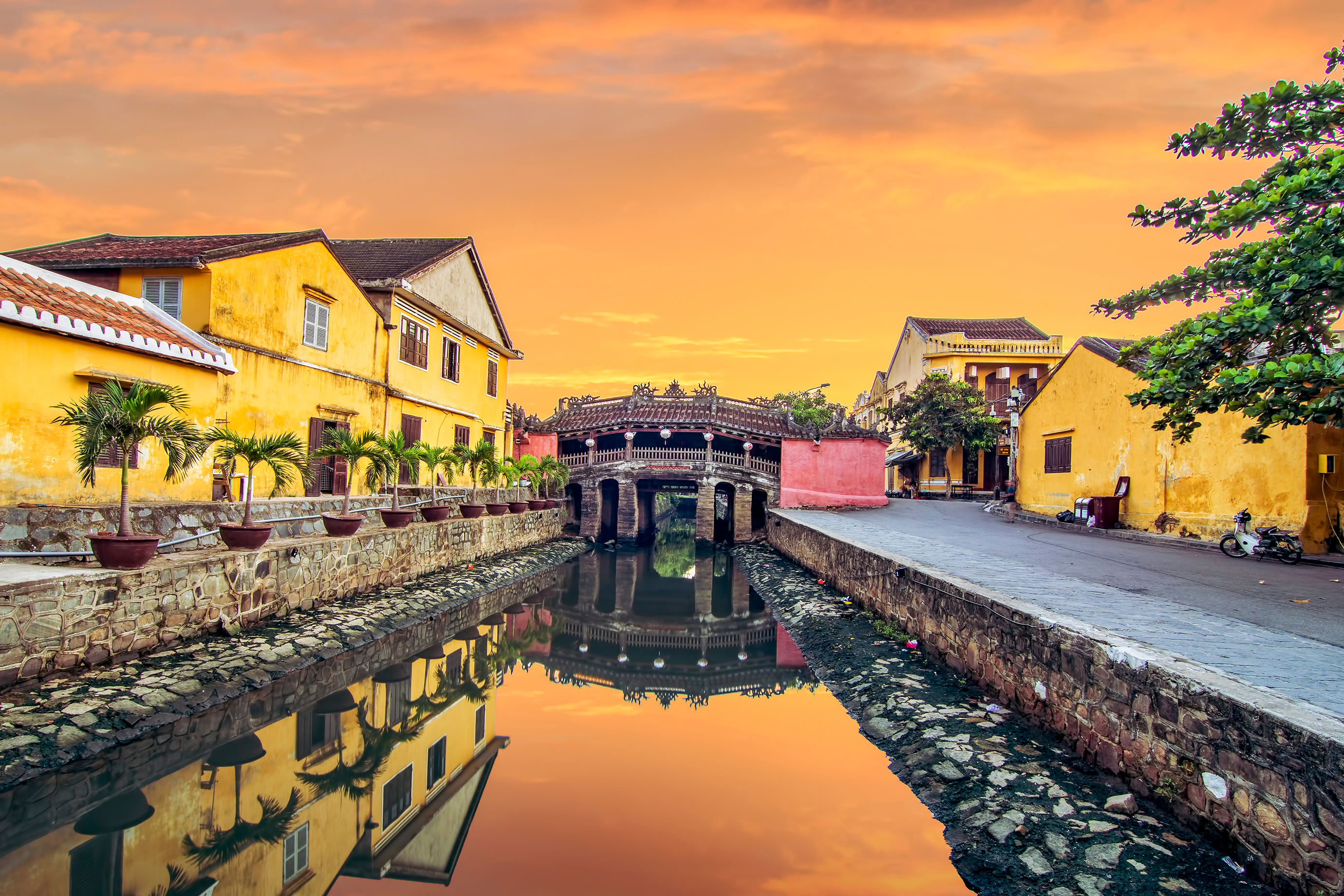
Hoi An is a historical masterpiece, a UNESCO World Heritage site known for its remarkably well-preserved Ancient Town. Walking through its lantern-lit streets, you’ll encounter 15th-century Japanese merchant houses, Chinese temples, and French colonial buildings. Must-sees include the Japanese Covered Bridge (entry ~150,000 VND / $6 USD, covers several sites), the Old House of Tan Ky, and various assembly halls like Phuc Kien. The town itself feels like stepping back in time, offering a deep dive into Vietnam's trading past. Da Lat, while younger, boasts a unique blend of French colonial charm (think Da Lat Railway Station, the French Quarter) and a more recent history tied to Vietnamese artists and intellectuals. Its culture is more about its 'eternal spring' climate, unique local produce (strawberries, artichokes), and a laid-back, somewhat quirky artistic vibe rather than ancient heritage. It’s less about ancient history and more about unique regional identity. "Hoi An's ancient town just hits different at night with all the lanterns. Da Lat is cool but it's not the same kind of historical vibe." The historical depth and tangible preservation in Hoi An are unparalleled, offering a truly immersive cultural experience that feels distinct and timeless.
Winner takeaway
- Winner: Hoi An
- Why: Hoi An’s UNESCO-listed Ancient Town offers an unparalleled, well-preserved historical and cultural experience.
- Who this matters for: History buffs, architecture enthusiasts, and those seeking a deeply atmospheric cultural immersion.
🍜 Food & Drink
Hoi An is undeniably a foodie paradise, famed for its regional specialties that you won't find quite the same elsewhere. You absolutely *must* try Cao Lầu (a noodle dish with pork and greens, ~40,000-60,000 VND / $1.60-2.40 USD), Mì Quảng, and the iconic Bánh mì Phượng (often called the best bánh mì in Vietnam, ~30,000 VND / $1.20 USD). White Rose dumplings and fried wontons are also local staples. Beyond specific dishes, the town is brimming with cooking classes (e.g., Green Bamboo Cooking School, ~$40-50 USD) and charming riverside restaurants like Morning Glory. Da Lat offers a different, equally delicious culinary scene, focusing on its fresh mountain produce. Think hotpots (Lẩu gà lá é, ~200,000-300,000 VND / $8-12 USD for two), Bánh căn (mini savory pancakes), and the famous Bánh mì xíu mại (pork meatball baguette, ~25,000-35,000 VND / $1-1.40 USD). Da Lat also has a thriving coffee culture, with numerous artisan cafes and unique offerings like weasel coffee. "Hoi An's food scene is just on another level. I still dream about that Cao Lau." While Da Lat has fantastic regional dishes, Hoi An's culinary identity is more globally recognized and offers a wider array of unique, iconic dishes that are harder to replicate.
Winner takeaway
- Winner: Hoi An
- Why: Hoi An’s iconic regional dishes, world-famous Bánh mì, and abundance of cooking classes give it an edge.
- Who this matters for: Serious foodies, culinary adventurers, and those who want to experience unique Vietnamese flavors.
🏞️ Nature & Scenery
Da Lat is the undisputed champion for natural beauty, often dubbed the 'City of Eternal Spring' or 'Little Paris' due to its temperate climate and stunning landscapes. Surrounded by misty mountains, rolling pine forests, and picturesque lakes like Xuan Huong Lake, it offers a refreshing escape from Vietnam's heat. You can explore majestic waterfalls like Datanla Waterfall (entry ~30,000 VND / $1.20 USD, with alpine coaster options) and Pongour Waterfall, visit vast flower gardens (Da Lat Flower Garden, ~50,000 VND / $2 USD), or wander through serene strawberry farms and tea plantations. The valley views from places like Linh Son Pagoda are breathtaking. Hoi An, while beautiful in its own right, offers a different kind of natural scenery. Its charm lies in the Thu Bon River, which meanders through the town, and the nearby Cua Dai and An Bang beaches (easily accessible by bicycle). The surrounding rice paddies offer idyllic rural vistas, especially at sunrise or sunset. "Da Lat's waterfalls and forests were a much-needed change from the beach. So green and cool." However, for sheer diversity, scale, and accessibility of natural wonders—from dramatic waterfalls to serene forests and cool mountain air—Da Lat far surpasses Hoi An, making it a haven for outdoor enthusiasts.
Winner takeaway
- Winner: Da Lat
- Why: Da Lat boasts a diverse array of dramatic waterfalls, serene pine forests, and unique mountain landscapes.
- Who this matters for: Hikers, nature photographers, adventure seekers, and anyone looking for a cool, green escape.
💰 Costs & Budget
When it comes to stretching your dong, Da Lat generally offers better value. Accommodation, especially outside the very center, can be found for as little as 200,000-400,000 VND ($8-16 USD) for a clean guesthouse or budget hotel. Local food, from street stalls to mid-range restaurants, is often slightly cheaper than in Hoi An's tourist core. For example, a delicious Bánh mì xíu mại might cost 25,000 VND ($1 USD), and a coffee around 20,000-40,000 VND ($0.80-1.60 USD). Activities like visiting waterfalls or flower gardens are also reasonably priced. Hoi An can be more expensive, particularly for accommodation within the Ancient Town, where boutique hotels can easily cost 800,000-1,500,000 VND ($32-60 USD) per night. While street food like Bánh mì Phượng is still very affordable (around 30,000 VND / $1.20 USD), sit-down meals in the Old Town tend to be pricier. Tailoring, a popular activity, can range from $30 USD for a shirt to $100-200+ USD for a suit, so while competitive, it’s an added expense. "I found Da Lat way easier to stick to a tight budget. Food, coffee, scooter rental - all felt cheaper." Transportation (taxis, Grab) might feel similar, but overall, if you're looking to save money without sacrificing quality, Da Lat edges out Hoi An.
Winner takeaway
- Winner: Da Lat
- Why: Da Lat typically offers more affordable accommodation, food, and activities compared to Hoi An's more tourist-centric pricing.
- Who this matters for: Budget travelers, backpackers, and anyone looking to maximize their travel funds.
✈️ Getting There
Getting to Da Lat is straightforward thanks to Lien Khuong Airport (DLI), which is about 30km (18 miles) south of the city. You can find direct flights from major hubs like Ho Chi Minh City (Saigon) and Hanoi, typically taking around 1 hour. A taxi or Grab from the airport to Da Lat city center costs about 250,000-350,000 VND ($10-14 USD). For Hoi An, the nearest airport is Da Nang International Airport (DAD), which is a major hub with more flight options, including international connections. However, once you land in Da Nang, you'll need an additional transfer to Hoi An, which is about 30-45 minutes away by taxi (approx. 300,000-400,000 VND / $12-16 USD), private car, or local bus. "Flying directly into Da Lat was so easy, no extra hassle after the flight." While Da Nang might offer more flight frequency, the direct access to Da Lat's city center from its own airport, without the need for an additional transfer, makes the journey feel more seamless and less complicated. Both are well-connected by sleeper buses from other major cities, but for air travel, Da Lat's directness is a clear advantage.
Winner takeaway
- Winner: Da Lat
- Why: Da Lat has its own airport with direct flights to the city, avoiding an extra transfer.
- Who this matters for: Travelers prioritizing ease and directness of arrival, and those with limited time.
🛵 Getting Around
Hoi An’s Ancient Town is blissfully pedestrian-friendly, especially in the evenings when much of it is closed to vehicular traffic, making it perfect for leisurely strolls amidst the lanterns. For exploring areas slightly outside the Old Town, like the beaches (An Bang, Cua Dai) or rice paddies, bicycles are the quintessential mode of transport. Many hotels offer free bike rentals, or you can rent one for as little as 30,000 VND ($1.20 USD) per day. Taxis and Grab are readily available for longer distances. Da Lat, with its hilly terrain and spread-out attractions, is less walkable. While the city center around Xuan Huong Lake is manageable on foot, reaching sights like the Crazy House or specific waterfalls usually requires a scooter rental (100,000-150,000 VND / $4-6 USD per day), Grab bike, or taxi. "I loved just cycling around Hoi An, felt so free and easy." The lack of heavy traffic and the flat, compact nature of Hoi An's main attractions make getting around a joy, especially for those who prefer to avoid motorbikes. The ability to simply walk or cycle everywhere gives Hoi An a distinct advantage in terms of relaxed and enjoyable local transportation.
Winner takeaway
- Winner: Hoi An
- Why: Hoi An's pedestrian-friendly Ancient Town and flat terrain make walking and cycling ideal and enjoyable.
- Who this matters for: Families, travelers who prefer walking or cycling, and those who want a relaxed pace of exploration.
🏨 Accommodation
Both Da Lat and Hoi An excel in offering a diverse range of accommodation options, catering to all budgets and styles, making this category a tie. In Da Lat, you'll find everything from charming, often quirky, homestays with unique architectural designs (e.g., The Crazy House offers rooms for ~700,000 VND / $28 USD), to beautifully preserved French colonial villas (e.g., Ana Mandara Villas Dalat Resort & Spa, ~$100-200 USD), and numerous clean, affordable guesthouses starting from 200,000 VND ($8 USD) per night. Its cooler climate also means fewer air-con needs, which can sometimes translate to slightly lower prices for similar quality compared to coastal areas. Hoi An, on the other hand, is renowned for its boutique hotels nestled within the Ancient Town (e.g., Little Riverside Hoi An, ~$80-150 USD) and luxurious resorts along the Thu Bon River or near the beaches (e.g., Four Seasons Resort The Nam Hai, ~$400+ USD). You can also find plenty of mid-range hotels and welcoming homestays just a short walk or bike ride from the Old Town starting around 400,000 VND ($16 USD). "Honestly, both places have amazing places to stay, just depends on your vibe." Both destinations truly deliver exceptional value and variety, whether you're seeking budget-friendly comfort or a splurge-worthy experience. The choice here comes down to personal aesthetic preference rather than one being objectively 'better'.
Winner takeaway
- Winner: Tie
- Why: Both destinations offer excellent and diverse accommodation options, from budget-friendly to luxury, with unique local charm.
- Who this matters for: All travelers, as both cities cater well to every budget and style.
🌃 Nightlife
Hoi An's nightlife is characterized by its enchanting, romantic atmosphere. As the sun sets, the Ancient Town transforms into a magical wonderland lit by thousands of colorful lanterns. The primary activity is simply strolling along the Thu Bon River, soaking in the ambiance, and perhaps releasing a lantern onto the water (~10,000-20,000 VND / $0.40-0.80 USD). There are numerous riverside bars and chill pubs like The Dive Bar or Q Bar offering craft beers and cocktails, often with live music, staying open until late. The night market also offers lively street food and souvenir shopping. It's a relaxed, social scene, perfect for conversations and people-watching. Da Lat's nightlife is more low-key and caters more to local tastes. You'll find plenty of local pubs, karaoke bars, and cozy cafes open late (especially around the Da Lat Night Market), but it lacks the vibrant, tourist-centric bar scene of Hoi An. The main evening draw is the bustling Da Lat Night Market, where locals and tourists gather for street food and shopping. "Hoi An at night is just something else, so magical and relaxing." While Da Lat offers a glimpse into local evening entertainment, Hoi An's unique blend of cultural immersion, picturesque setting, and inviting bars creates a far more memorable and enjoyable nightlife experience for most international travelers.
Winner takeaway
- Winner: Hoi An
- Why: Hoi An’s enchanting lantern-lit Ancient Town and vibrant riverside bars offer a uniquely magical and social evening experience.
- Who this matters for: Couples, romantics, those seeking a relaxed but visually stunning evening, and travelers who enjoy social pubs.
🗺️ Day Trips
Both Da Lat and Hoi An offer fantastic day trip opportunities, making this category a tie as they cater to different interests. From Da Lat, you can embark on adventures to spectacular natural sites like Pongour Waterfall, explore local coffee plantations (e.g., Mê Linh Coffee Garden for unique views and tastes), visit charming flower villages, or take scenic drives through the countryside. 'Canyoning' at Datanla Waterfall is a popular thrill-seeking activity (tours range from $50-80 USD). You can also visit Linh Phuoc Pagoda, an intricately decorated temple made from broken pottery. Hoi An's proximity to other significant sites means varied excursions are easily arranged. The UNESCO World Heritage My Son Sanctuary, an ancient Cham kingdom religious center (~150,000 VND / $6 USD entry), is a must-visit for history enthusiasts. You can also explore the Marble Mountains (from Da Nang, ~40,000 VND / $1.60 USD entry to caves) with their caves and pagodas, take a basket boat ride through coconut groves, or simply relax at nearby An Bang Beach. "I loved exploring the waterfalls outside Da Lat, but My Son from Hoi An was absolutely breathtaking." Whether you prefer natural wonders and adventure (Da Lat) or historical sites and coastal relaxation (Hoi An), both cities serve as excellent bases for enriching day trips, offering distinct experiences that are equally compelling.
Winner takeaway
- Winner: Tie
- Why: Both cities offer a diverse range of excellent day trip options, appealing to different interests, from nature and adventure to history and culture.
- Who this matters for: All travelers; your preference depends on whether you seek nature/adventure or history/coast.
☀️ Weather & Seasons
Da Lat's weather is a major draw, earning it the moniker 'City of Eternal Spring.' Situated at a higher altitude (around 1,500m or 4,900ft), it enjoys consistently cool and pleasant temperatures year-round, typically ranging from 15-24°C (59-75°F) during the day and dropping cooler at night. Mornings are often misty and ethereal, adding to its charm. While it does have a rainy season (May-Oct), showers are usually short and refreshing, not day-long downpours. You'll often need a light jacket in the evenings. Hoi An, being on the coast, experiences a tropical monsoon climate with distinct seasons. The dry season (February to August) is hot and humid, with temperatures often exceeding 30°C (86°F). This is great for beaches but can be intense for sightseeing. The rainy season (September to January) brings frequent, heavy rains and can cause flooding in the Ancient Town, making exploration difficult. "I loved Da Lat because I actually wasn't sweating my butt off walking around for once." For travelers seeking respite from Vietnam's ubiquitous heat and humidity, or those wanting to avoid the unpredictability of a monsoon season, Da Lat's consistently mild and refreshing climate is a clear winner, allowing for comfortable exploration at any time of year.
Winner takeaway
- Winner: Da Lat
- Why: Da Lat's consistently cool and pleasant 'eternal spring' climate offers a comfortable escape from Vietnam's heat and humidity year-round.
- Who this matters for: Travelers sensitive to heat, those seeking a refreshing climate, and those visiting during Vietnam's hot or rainy seasons.
❓ Frequently Asked Questions
Which city is better for solo travelers?
Both cities are excellent for solo travelers. Hoi An is very safe and easy to navigate on foot, with plenty of opportunities to meet others in cooking classes or bars. Da Lat offers a more adventurous vibe with opportunities for scooter rentals and nature excursions, appealing to independent explorers. It depends on whether you prefer cultural immersion (Hoi An) or outdoor adventures (Da Lat).
Which city has better beaches?
Hoi An, without a doubt. While Da Lat is a mountain city with no beaches, Hoi An is located near beautiful stretches of sand like An Bang Beach and Cua Dai Beach. These are easily accessible by bicycle or a short taxi ride, offering a perfect spot for relaxation or water sports.
Is Da Lat really cold?
Relative to the rest of Vietnam, yes, Da Lat is cool. It's often referred to as 'eternal spring' with daytime temperatures typically between 15-24°C (59-75°F). Evenings can drop to 10-15°C (50-59°F), especially in winter months (Dec-Feb), so a light jacket or sweater is definitely recommended, but it's rarely 'cold' by Western standards.
How many days should I spend in each city?
For both Da Lat and Hoi An, 3 full days is an ideal amount to see the main attractions and soak in the atmosphere. This allows for a mix of sightseeing, food exploration, and a day trip or two without feeling rushed.
What's the best time to visit Da Lat vs Hoi An?
Da Lat is great year-round due to its consistent climate, though Nov-Apr is slightly drier. Hoi An is best visited during its dry season (Feb-Aug) when the weather is sunny and hot, perfect for beaches and avoiding floods. Avoid Hoi An's rainy season (Sep-Jan) if possible, especially Oct-Nov.
How do I travel between Da Lat and Hoi An?
The most efficient way is to fly. You'd fly from Da Lat (DLI) to Da Nang (DAD), then take a 30-45 minute taxi or Grab to Hoi An. There are also long-distance sleeper buses, but the journey is considerably longer (12+ hours) and more arduous due to the mountainous terrain.
Which is more authentic, Da Lat or Hoi An?
This is subjective. Hoi An's Ancient Town, while beautiful, is heavily touristed. Da Lat feels more authentically Vietnamese with a strong local vibe, less focused on selling to tourists, and a younger local population. If 'authentic' means less polished and more local life, Da Lat edges out Hoi An.
Which city is better for shopping?
Hoi An is far superior for shopping, especially for custom tailoring and leather goods. There are hundreds of tailors and shoemakers who can create bespoke items quickly and affordably. Da Lat's shopping is more focused on local produce (dried fruits, coffee, jams) and quirky souvenirs from its night market.
Ready to plan your Vietnam trip?
Get a free custom itinerary for Da Lat, Hoi An, or both — built from real traveler insights.
🎟️ Book Tours & Experiences
Hand-picked tours and activities for both destinations — book with free cancellation
Experiences via Viator — free cancellation on most tours