How we built this comparison
This page combines traveler discussion patterns, published price ranges, flight schedules, and seasonal data to help you decide between Da Nang and Bali.
- Reviewed 50+ Reddit threads from r/travel, r/solotravel, r/vietnam, r/bali, r/digitalnomad, etc.
- Verified costs and logistics against current booking platforms (Booking.com, Grab, Gojek, Skyscanner)
- Cross-referenced seasonal patterns and weather data from meteorological sources
⚡ The TL;DR Verdict
For those seeking an authentic, value-driven beach escape with rich culture and emerging nightlife, Da Nang is your pick, expecting $40-70/day. If you crave a more developed tourist infrastructure, spiritual retreats, surf, and a buzzing international crowd, Bali at $60-120/day will deliver, albeit with more crowds and a higher price tag.
- Choose Da Nang: Choose Da Nang if you prioritize budget-friendly travel, delicious street food, fewer crowds, and a blend of beach relaxation with historical day trips like Hoi An and My Son. It's great for families and those looking for a slightly less 'touristy' Southeast Asian experience.
- Choose Bali: Opt for Bali if you're drawn to spiritual wellness, world-class surfing, stunning rice paddies, a vibrant digital nomad scene, and more diverse, high-end nightlife and dining options. It caters well to solo travelers seeking community and couples looking for romantic villas, but be prepared for a more developed and sometimes crowded tourist environment.
- Choose Both: If you have 3+ weeks and a decent budget, combining both offers an incredible Southeast Asian journey. Start with Da Nang (4-7 days) for culture and food, then fly to Bali (10-14+ days) for diverse landscapes and experiences. This route allows you to savor different facets of the region without feeling rushed.
Quick Comparison
| Category | Da Nang | Bali | Winner |
|---|---|---|---|
| Beaches & Water Activities | Long, clean sandy beaches like My Khe, less crowded, great for swimming and relaxing. Emerging water sports scene. | Diverse beaches from black volcanic sand to white limestone cliffs. Famous for surfing (Kuta, Canggu) and stunning snorkeling/diving (Nusa Islands). | Bali |
| Food Scene | Vietnamese culinary paradise with incredible street food, fresh seafood, and local specialties like Mi Quang and Banh Xeo. | International culinary hub with everything from traditional Indonesian (Warungs) to high-end vegan, Western, and fusion cuisine. | Da Nang |
| Nightlife & Entertainment | Emerging nightlife with rooftop bars, beach clubs (e.g., Sky36), and local karaoke/beer gardens. More relaxed. | World-renowned party scene from laid-back beach bars to massive superclubs and sophisticated beach clubs (e.g., Finns, Potato Head). | Bali |
| Culture & Spirituality | Ancient Cham ruins (My Son), Marble Mountains, proximity to Hoi An's UNESCO heritage. Rich Vietnamese history. | Hindu temples (Tanah Lot, Uluwatu), intricate ceremonies, spiritual retreats, and the pervasive Balinese Hindu culture. | Bali |
| Costs & Budget | Generally more affordable for food, transport, and accommodation. Excellent value for money across the board. | Can be budget-friendly with local Warungs, but easily gets expensive with trendy cafes, beach clubs, and tourist activities. | Da Nang |
| Getting There & Connectivity | Direct flights from major Asian hubs. Good domestic connectivity. Đà Nẵng International Airport (DAD). | Excellent international connectivity from Asia, Australia, and Europe. Ngurah Rai International Airport (DPS). | Bali |
| Getting Around | Easy to navigate with Grab (ride-hailing), taxis, and motorbike rentals. Good public transport options in Da Nang itself. | Dominated by motorbike rentals (beware of traffic), Gojek/Grab, and private drivers. Limited public transport, more spread out. | Tie |
| Accommodation Options | Excellent value for modern hotels, boutique stays, and beachfront resorts. Emerging luxury market. | Vast range from budget hostels to stunning private villas, boutique hotels, and luxury resorts. Something for every budget and style. | Bali |
| Day Trips & Nature | Proximity to Hoi An, Hue, Ba Na Hills (Golden Bridge), Marble Mountains. Central Highlands offer adventure. | Iconic rice terraces (Tegallalang), numerous waterfalls, Mount Batur sunrise trek, Nusa Islands for cliffs and marine life. | Bali |
| Vibe & Overall Experience | Relaxed, authentic Vietnamese feel, rapidly modernizing but still local. Good for families, couples seeking quiet. | Eclectic mix of spiritual, party, digital nomad, and family vibes. More developed tourism, can be bustling and crowded. | Bali |
🏖️ Beaches & Water Activities
Da Nang boasts the gorgeous My Khe Beach, often cited as one of the world's best, perfect for swimming and sunbathing without the overwhelming crowds found in many tourist hotspots. Non Nuoc Beach offers a quieter escape, and watersports are slowly emerging, with jet ski rentals for around 400,000 VND ($16). The vibe is relaxed and family-friendly. Bali, however, takes the crown for sheer diversity and activity. Kuta and Canggu are surf havens, with board rentals at 50,000-100,000 IDR ($3-7) per hour and beginner lessons from 300,000 IDR ($20). Seminyak offers chic beach clubs like Potato Head, while the Nusa Islands (Lembongan, Ceningan, Penida) provide breathtaking cliff views, crystal-clear waters for snorkeling with manta rays (tours typically 600,000-1,000,000 IDR, $40-70), and dramatic landscapes. "Bali's beaches might be crowded, but the variety, especially in the Nusa's, is unmatched if you love the ocean," said one Redditor.
Winner takeaway
- Winner: Bali
- Why: Bali offers significantly more diverse beaches and water activities, catering to surfers, divers, snorkelers, and those seeking vibrant beach club scenes.
- Who this matters for: Surfers, snorkelers/divers, party-goers, and those seeking diverse coastal experiences.
🍜 Food Scene
Da Nang's food scene is a dream for adventurous eaters and budget travelers. Street food is king here, offering authentic flavors at incredibly low prices. A delicious Banh Mi can be found for 15,000-25,000 VND ($0.60-1.00), a bowl of local Mi Quang for 30,000-45,000 VND ($1.20-1.80), and fresh seafood dinners at beachfront stalls can cost as little as 150,000-300,000 VND ($6-12) per person for a feast. Must-try spots include Banh Mi A Lan and Be Anh for seafood. The focus is on fresh, local ingredients and generations-old recipes. Bali, while having incredible variety, is generally pricier and more geared towards international tastes. You can find excellent Nasi Goreng or Mie Goreng at a local Warung for 30,000-60,000 IDR ($2-4), or try Babi Guling (suckling pig) at Ibu Oka in Ubud for around 70,000 IDR ($4.50). However, Western and trendy vegan cafes in Canggu or Seminyak will easily set you back 100,000-250,000 IDR ($7-17) per meal. "Da Nang food hit different, like every meal was an experience for under two bucks," a traveler posted.
Winner takeaway
- Winner: Da Nang
- Why: Da Nang wins for its incredibly authentic, diverse, and affordable street food and local cuisine, offering a true taste of Vietnam.
- Who this matters for: Foodies, budget travelers, and anyone seeking authentic local flavors over international fusion.
🍹 Nightlife & Entertainment
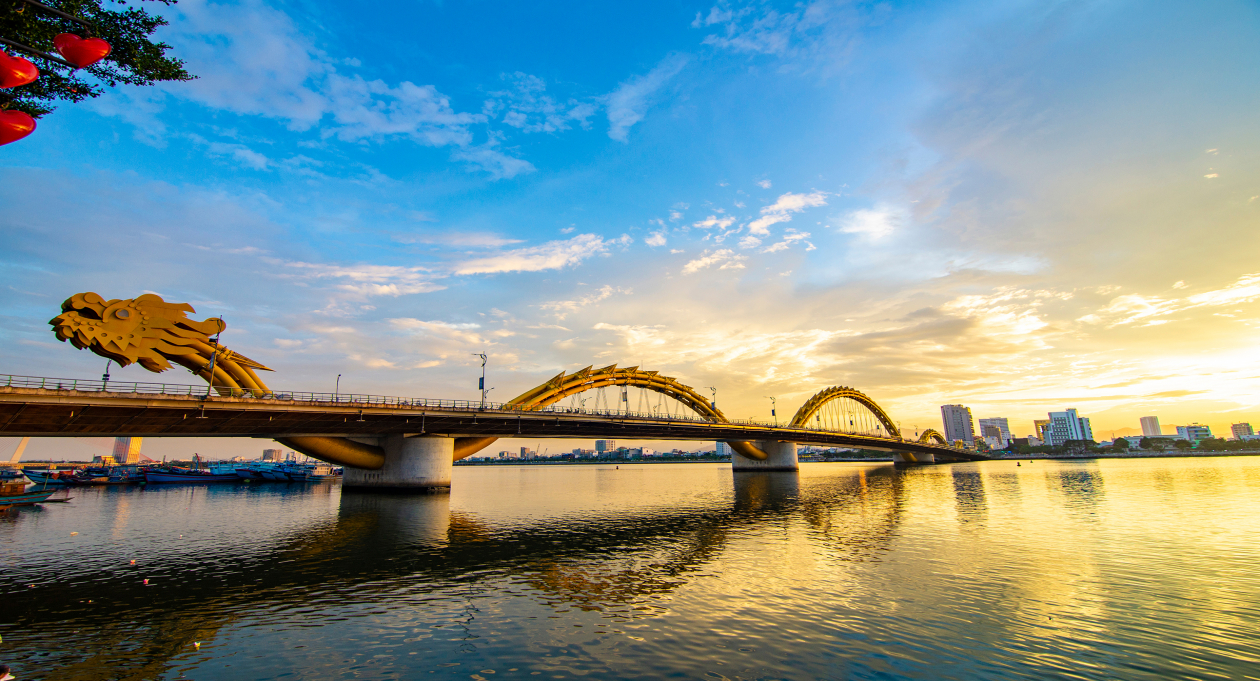
Da Nang's nightlife is developing but still relatively mellow compared to Bali. It offers a handful of impressive rooftop bars like Sky36 (drinks 150,000-250,000 VND / $6-10) with city views, and some beachside beer clubs. The Dragon Bridge fire show on weekends is a unique spectacle, attracting crowds to local beer gardens along the river. While there are a few local clubs, it's not a 'party until dawn' destination. Bali, on the other hand, is a nightlife powerhouse. From the chilled-out sunset vibes at La Favela or Finns Beach Club (minimum spend usually applies, cocktails 120,000-200,000 IDR / $8-13) to the booming beats of Sky Garden in Kuta (currently closed but indicative of past scene) or Mirror in Seminyak, there's something for every taste. Canggu offers a more bohemian and trendy bar scene. "Bali's nightlife is insane, you can go from a chill sunset reggae bar to a full-on EDM club in an hour," a Redditor summarized. The sheer volume and variety, coupled with world-class venues, make it a clear winner for party seekers.
Winner takeaway
- Winner: Bali
- Why: Bali offers a significantly more diverse, vibrant, and extensive nightlife scene, from world-class beach clubs to energetic bars and clubs.
- Who this matters for: Party-goers, social travelers, and those seeking a lively evening entertainment scene.
🧘 Culture & Spirituality
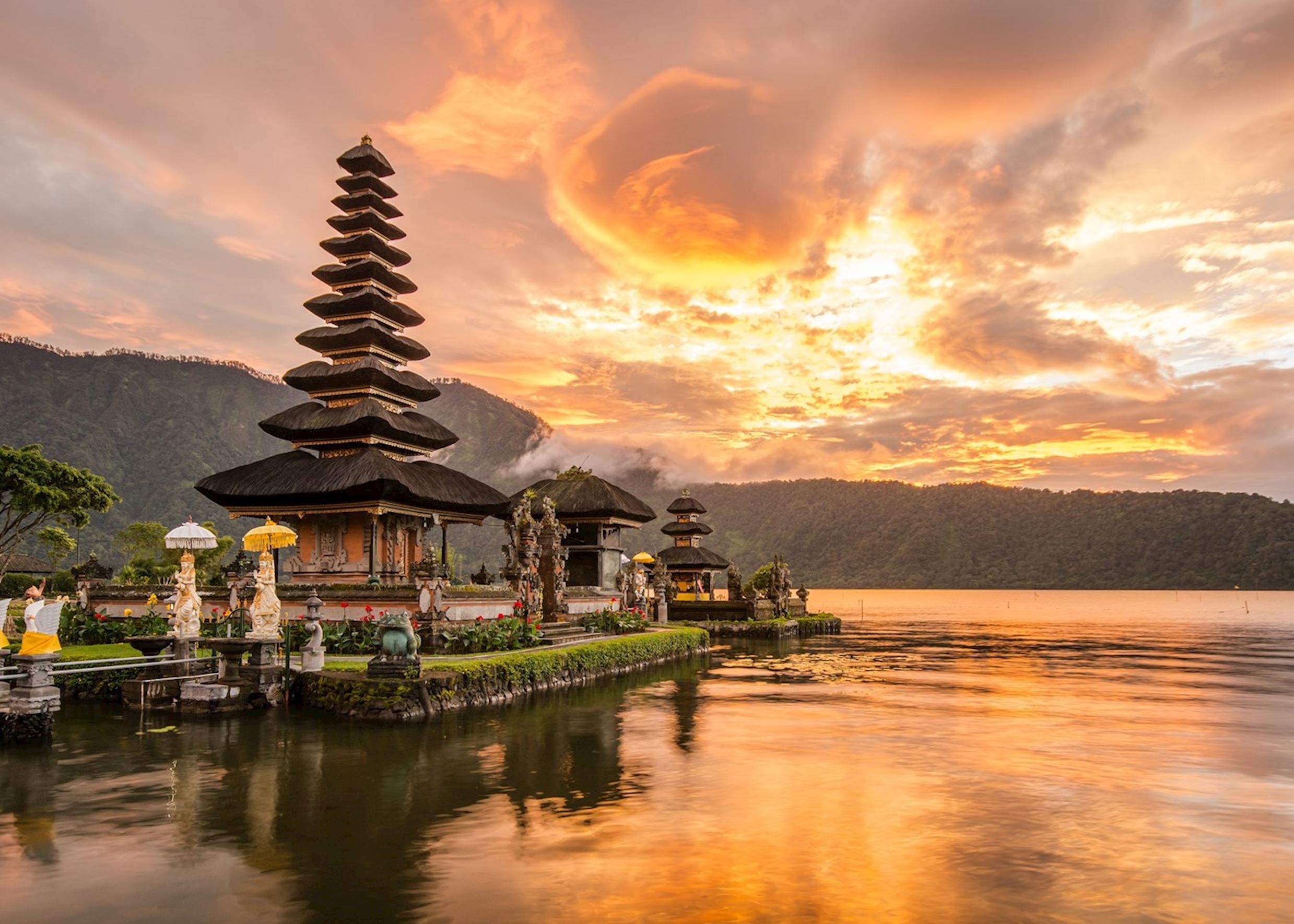
Da Nang serves as an excellent base for exploring central Vietnam's rich cultural heritage. The Marble Mountains (entrance 40,000 VND / $1.60) offer stunning caves and pagodas, while a day trip to the UNESCO World Heritage site of My Son Sanctuary (entrance 150,000 VND / $6) reveals ancient Cham ruins. The enchanting lantern-lit town of Hoi An (120,000 VND / $5 for Old Town ticket) is just a 30-minute drive away, offering tailor shops, ancient houses, and vibrant markets. It's a deep dive into Vietnamese history and craftsmanship. Bali, however, is saturated with a unique, living culture centered around Balinese Hinduism. Temples like Tanah Lot and Uluwatu (entrance 60,000-80,000 IDR / $4-5.50) are iconic, offering spectacular ocean views and traditional Kecak dances. Ubud is the spiritual heart, with countless yoga retreats (classes 150,000-250,000 IDR / $10-17), meditation centers, and healing sessions. You'll encounter daily offerings (canang sari) everywhere, and be able to witness colorful temple ceremonies. "Bali's culture isn't just history, it's a living, breathing part of daily life you can actually participate in," noted one travel forum user.
Winner takeaway
- Winner: Bali
- Why: Bali's pervasive and accessible spiritual culture, active religious ceremonies, and abundance of wellness retreats offer a more immersive and distinct cultural experience.
- Who this matters for: Spiritual seekers, wellness enthusiasts, yoga practitioners, and those interested in active local traditions.
💰 Costs & Budget
Da Nang is a clear winner for budget-conscious travelers. A comfortable daily budget for a mid-range traveler, including decent accommodation, ample food, and some activities, can range from 1,000,000-1,750,000 VND ($40-70). Street food is incredibly cheap, Grab rides are minimal (20,000-50,000 VND / $0.80-2.00 for short trips), and good guesthouses can be found for 400,000-700,000 VND ($16-28) per night. Even mid-range hotels are excellent value. Bali, while not outrageously expensive, requires careful budgeting to stay cheap. A similar mid-range experience will likely cost 900,000-1,800,000 IDR ($60-120) per day. Local Warungs are affordable (30,000-60,000 IDR / $2-4 per meal), but the moment you step into a trendy cafe, Western restaurant, or a beach club, prices jump significantly (100,000-250,000 IDR / $7-17 per meal, cocktails 120,000-200,000 IDR / $8-13). Accommodation can range from $15 hostels to $100+ villas. "I spent half in Da Nang what I did in Bali for the same quality of food and accommodation," commented a budget traveler on Reddit.
Winner takeaway
- Winner: Da Nang
- Why: Da Nang consistently offers better value for money across all categories, making it significantly more budget-friendly for most travelers.
- Who this matters for: Budget travelers, families, and anyone looking to maximize their travel funds without sacrificing quality.
✈️ Getting There & Connectivity
Da Nang International Airport (DAD) is well-connected within Vietnam and to key Asian hubs like Seoul, Bangkok, Singapore, and Kuala Lumpur. Flight times from Bangkok are around 1.5-2 hours (approx. $80-150 one-way), and from Singapore, about 2.5-3 hours (approx. $100-200 one-way). For travelers from Europe or North America, it typically involves at least one stop in a major Asian hub. Bali's Ngurah Rai International Airport (DPS) is a bustling international gateway with direct flights from an extensive list of cities across Asia, Australia, and increasingly from Europe (often with one stop). Flights from Sydney are about 6-7 hours (approx. $250-400 one-way), from Singapore 2.5 hours (approx. $80-180 one-way), and from major European cities, typically 12-16 hours with one stop (approx. $500-900+ one-way). The sheer volume and range of direct international flights make Bali more accessible for a wider global audience. "Getting to Bali felt way easier from anywhere, more direct flights and airline options," a Redditor noted.
Winner takeaway
- Winner: Bali
- Why: Bali has superior international flight connectivity, with more direct routes from a wider range of global cities, making it easier to reach for many travelers.
- Who this matters for: International travelers from diverse regions, those seeking convenience in long-haul flights.
🛵 Getting Around
Both destinations offer efficient ways to get around, but with different nuances. In Da Nang, Grab (for cars and motorbikes) is incredibly reliable, affordable, and widespread. A 15-minute Grab bike ride typically costs 15,000-30,000 VND ($0.60-1.20). Taxi services are also plentiful and metered. For longer distances, motorbike rentals are available for 100,000-150,000 VND ($4-6) per day, offering flexibility. Public buses connect Da Nang to Hoi An and other nearby areas. Bali relies heavily on motorbikes, which are the most popular and often fastest way to navigate the island's congested roads. Rentals cost 60,000-80,000 IDR ($4-5.50) per day. Ride-hailing apps like Gojek and Grab are also widely available and cheap, though 'local taxi mafia' issues can arise in certain tourist areas (Ubud, Canggu). Private drivers are common for day trips (500,000-800,000 IDR / $35-55 for a full day). "Da Nang's Grab was a lifesaver, so cheap and always available. Bali traffic made me wish for teleportation sometimes," a traveler shared. Bali's spread-out nature makes private drivers essential for exploring, while Da Nang's compact core is very manageable.
Winner takeaway
- Winner: Tie
- Why: Both offer effective transport options, with Da Nang excelling in urban convenience and Bali providing necessary solutions for its larger, more dispersed landscape.
- Who this matters for: Both, depending on preference for urban vs. island navigation.
🏨 Accommodation Options
Da Nang offers fantastic value in accommodation. You can find modern, comfortable hotels in the city center or near My Khe beach for 500,000-1,000,000 VND ($20-40) per night. Boutique hotels and even 4-star resorts often come at prices that would be considered budget-tier in many other destinations. For example, a quality stay at a place like A La Carte Da Nang Beach Hotel can be had for around $50-80. Luxury options are growing, but the mid-range and budget segments offer incredible bang for your buck. Bali, however, truly shines with its sheer diversity and quality across all price points. From bustling hostels in Canggu for 150,000-250,000 IDR ($10-17) a night to stunning private villas with pools (starting from 800,000 IDR / $55-100+ per night) and world-class luxury resorts like The Ritz-Carlton in Nusa Dua ($300+), Bali has perfected the art of hospitality. The variety of unique boutique stays, guesthouses, and wellness retreats is unparalleled. "Bali's villas are just something else, you can get a private pool for less than a basic hotel room in Europe," a frequent visitor once said. This caters to every traveler's dream.
Winner takeaway
- Winner: Bali
- Why: Bali's accommodation market is far more developed and diverse, offering an unparalleled range of options from budget to ultra-luxury, especially with its iconic private villas.
- Who this matters for: All travelers, but especially those seeking unique stays, luxury villas, or diverse budget options.
⛰️ Day Trips & Nature
Da Nang is a gateway to the cultural treasures of Central Vietnam. Day trips to Hoi An (30 mins, Grab/taxi 200,000-300,000 VND / $8-12) are essential, offering ancient architecture and vibrant markets. The imperial city of Hue is a 2-3 hour drive (private car 1,200,000-1,800,000 VND / $50-75 return), rich in history. Ba Na Hills and the famous Golden Bridge (cable car 900,000 VND / $36) provide a unique, if somewhat artificial, mountain experience. For nature, the Hai Van Pass offers stunning coastal views. Bali's natural beauty and day trip options are incredibly diverse and iconic. The Tegallalang Rice Terraces in Ubud are a must-see, offering lush landscapes and swing photo ops (entrance 25,000 IDR / $1.70). Numerous waterfalls like Tegenungan and Sekumpul provide refreshing breaks (entrance 15,000-20,000 IDR / $1-1.40). The sunrise trek up Mount Batur (guides 500,000-700,000 IDR / $35-50) is an unforgettable experience, as are boat trips to the Nusa Islands for dramatic cliffs and marine life. "Bali's natural scenery is just breathtaking, from the rice paddies to those crazy Nusa Penida cliffs, it's just endless," a traveler commented. The sheer Instagrammability and variety of natural wonders give Bali the edge.
Winner takeaway
- Winner: Bali
- Why: Bali's natural landscapes are more iconic, varied, and readily accessible, offering a wider array of stunning day trips focused on nature and adventure.
- Who this matters for: Nature lovers, photographers, adventurers, and those seeking iconic natural landmarks.
✨ Vibe & Overall Experience
Da Nang offers a more relaxed, authentic, and less overwhelming Southeast Asian experience. It feels like a genuine Vietnamese city that's rapidly developing its tourism infrastructure, but still retains its local charm. The pace is slower, the crowds are manageable, and it’s easy to find quiet spots on the beach or in local cafes. It's often praised for feeling 'real' and unpretentious, appealing to travelers who want to immerse themselves without constant tourist hustle. Bali, on the other hand, is a kaleidoscope of experiences. Ubud exudes a spiritual, wellness-focused vibe; Canggu is a bustling hub for surfers, digital nomads, and trendy cafes; Seminyak offers sophistication and high-end dining; Kuta is the traditional party zone; and Nusa Dua caters to luxury resort-goers. This diversity means you can tailor your experience, but also that certain areas can feel incredibly busy and touristy. "Bali's energy is infectious, there's always something happening, somewhere to go, people to meet. It's never boring," a digital nomad shared. While Da Nang offers a wonderful, genuine escape, Bali's multifaceted and highly developed tourist experience, catering to almost every niche, makes its overall 'vibe' more compelling for a broader range of international travelers, despite the crowds.
Winner takeaway
- Winner: Bali
- Why: Bali's ability to offer such a diverse range of distinct 'vibes' within one island, catering to spiritual seekers, party-goers, digital nomads, and luxury travelers, creates a more compelling overall experience for a wider audience.
- Who this matters for: Travelers seeking diverse experiences, vibrant social scenes, specific niche communities (yoga, surf, DN), and those who enjoy a bustling environment.
❓ Frequently Asked Questions
What is the best time to visit Da Nang vs Bali?
Da Nang is best from March to May (dry, warm, pre-summer heat) or September to October (after summer, before heavy rains). Bali's dry season, from April to October, is ideal for pleasant weather, less humidity, and calmer seas, making it perfect for beach activities and exploring.
Is one destination safer for solo female travelers than the other?
Both destinations are generally safe for solo female travelers, but caution is always advised. Da Nang is very safe, with low crime rates. Bali is also safe, but petty theft (especially motorbike bag snatching) and drink spiking can occur in party areas. Bali has a larger solo female travel community, which can be comforting for networking.
What are the visa requirements for US citizens for each country?
For Da Nang (Vietnam), US citizens need a visa, which can be obtained online via an e-visa (30 days, single entry) or through an embassy/consulate. For Bali (Indonesia), US citizens are eligible for a Visa on Arrival (VoA), valid for 30 days and extendable once for another 30 days.
How do the internet and connectivity compare for digital nomads?
Both offer good internet. Da Nang has reliable and fast Wi-Fi in cafes and accommodations, with good 4G coverage. Bali, particularly in Canggu and Ubud, is a digital nomad hub with excellent fiber optic internet in villas and coworking spaces, and strong 4G. Bali might have a slight edge due to its more established nomad infrastructure.
Which destination is better for families with young children?
Da Nang is often considered better for families due to its quieter, cleaner beaches, excellent value in family-friendly resorts, and fewer chaotic crowds. The food is also generally less spicy and more approachable for kids. Bali can be fun, but traffic, more intense crowds in popular areas, and spread-out attractions can be challenging with young ones.
How do the crowds and tourist density compare?
Da Nang, while growing, experiences fewer overwhelming tourist crowds compared to Bali. You'll find popular spots busy but rarely claustrophobic. Bali, especially areas like Canggu, Seminyak, Ubud, and Kuta, can be very crowded, particularly during peak season. Traffic congestion is a significant issue in Bali, less so in Da Nang.
Can I easily combine Da Nang and Bali into one trip?
Yes, it's feasible but requires careful planning and a minimum of 2.5-3 weeks. You'd likely fly from Da Nang (DAD) to a major Asian hub like Singapore (SIN) or Kuala Lumpur (KUL), then connect to Bali (DPS). This route involves a full travel day, so ensure enough time in each location to make it worthwhile.
What about language barriers for English speakers?
In Da Nang, English is understood in tourist areas, hotels, and restaurants, but less so with local vendors. Basic Vietnamese phrases are appreciated. In Bali, English is widely spoken across all tourist areas due to the high volume of international visitors, making communication generally easier for most travelers.
Ready to plan your Southeast Asia trip?
Get a free custom itinerary for Da Nang, Bali, or both — built from real traveler insights.
🎟️ Book Tours & Experiences
Hand-picked tours and activities for both destinations — book with free cancellation
Experiences via Viator — free cancellation on most tours