How we built this comparison
This page combines traveler discussion patterns, published price ranges, flight schedules, and seasonal data to help you decide between Dakar and Abidjan.
- Reviewed 100+ Reddit threads from r/travel, r/solotravel, r/Dakar, r/IvoryCoast, etc.
- Verified costs and logistics against current booking platforms (e.g., Google Flights, Booking.com, local taxi rates).
- Cross-referenced seasonal patterns and weather data for optimal travel timing.
⚡ The TL;DR Verdict
For those seeking an authentic, albeit slightly rougher, West African cultural immersion with a strong artistic pulse and historical depth, Dakar is your pick. Budget travelers can expect around $50-80/day. If you're after a more modern, cosmopolitan African city experience with vibrant nightlife, diverse dining, and a slightly smoother infrastructure, Abidjan beckons. A comfortable Abidjan trip might run $70-120/day.
- Choose Dakar: Go for Dakar if you crave a genuine, unvarnished West African experience, rich in history, music, and art, with fantastic surfing beaches and a more laid-back pace, even in its bustling capital.
- Choose Abidjan: Choose Abidjan if you prefer a city that blends African energy with a modern, almost European flair, offering diverse gastronomy, sophisticated nightlife, and a generally higher level of urban comfort and infrastructure.
- Choose Both: Why not both? A 1.5-2 hour flight connects these two gems. Spend 4-5 days in each to truly appreciate the distinct flavors of Francophone West Africa. Fly into one, explore, then take a regional flight to the other before flying home.
Quick Comparison
| Category | Dakar | Abidjan | Winner |
|---|---|---|---|
| Culture & History | Deep historical sites (Gorée), vibrant art scene, traditional Senegalese culture. | Modern African metropolis, colonial architecture, strong Ivorian identity, Grand Bassam heritage. | Dakar |
| Food Scene | Authentic Senegalese cuisine (Thieboudienne), fresh seafood, diverse street food. | Cosmopolitan dining, diverse international options, Ivorian specialties (Attieke, Alloco). | Abidjan |
| Nightlife & Entertainment | Vibrant Mbalax clubs, local bars, more traditional atmosphere. | Dynamic clubs, diverse bars, live music, sophisticated lounges, caters to expats. | Abidjan |
| Beaches & Nature | Great surfing beaches, Île de Gorée, Lac Rose, wildlife reserves (Djoudj). | Coastal charm of Grand Bassam, lagoon activities, Parc National du Banco (urban forest). | Dakar |
| Costs & Budget | Generally more budget-friendly, local transport is cheaper, good value for money. | Slightly higher costs, especially for accommodation and upscale dining, but good mid-range options. | Dakar |
| Getting Around | Shared taxis (car rapides), local buses, 'clandos' (informal taxis), can be chaotic. | More structured taxi system, 'Gbaka' (mini-buses), VTC apps (Yango, Uber) available and reliable. | Abidjan |
| Accommodation | Good range of guesthouses, boutique hotels, some international chains, varying quality. | More modern hotels, luxury options, diverse mid-range, strong presence of international chains. | Abidjan |
| Safety & Vibe | Generally safe, friendly locals, some petty crime, more laid-back pace. | Relatively safe for a large city, higher risk of petty crime, fast-paced and bustling. | Tie |
| Day Trips & Excursions | Île de Gorée, Lac Rose, Toubab Dialaw, Fadiouth, wildlife parks. | Grand Bassam, Assinie-Mafia, Parc National du Banco, craft villages. | Dakar |
| Shopping & Markets | Vibrant local markets (Kermel), artisan villages (Soumbédioune), traditional crafts. | Modern malls, boutique shops, artisan markets (Cocody, Treichville), wider range of goods. | Abidjan |
🏛️ Culture & History
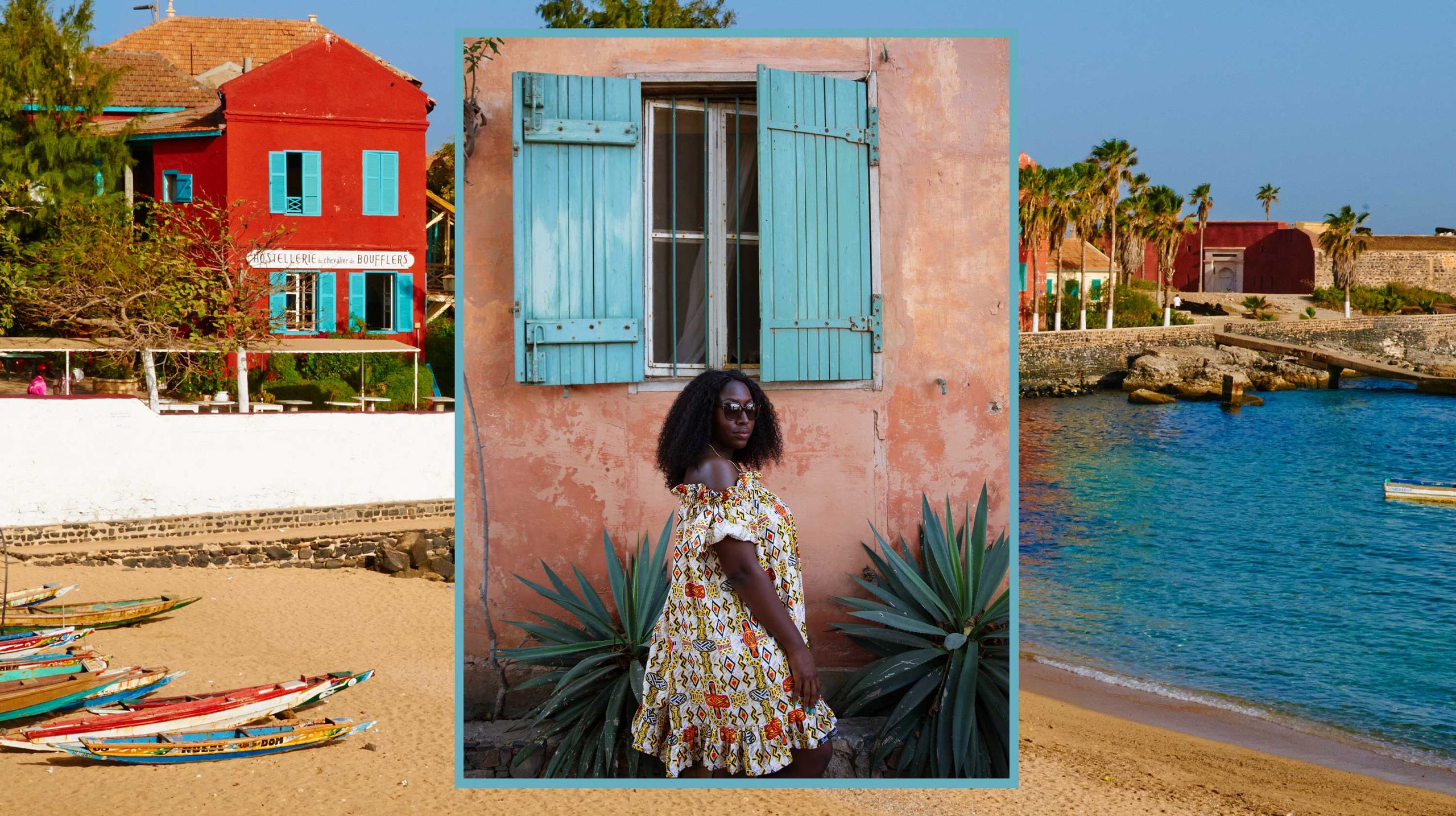
Dakar offers a profoundly moving historical experience with Île de Gorée, a UNESCO World Heritage site and former slave trade hub, which leaves an indelible mark. Beyond that, the city pulsates with artistic energy – explore the Monument de la Renaissance Africaine, visit the IFAN Museum of African Arts, or stumble upon local galleries in Medina. The local music scene, Mbalax, is alive and well, with venues like Just4U. It feels like history and culture are etched into every street corner, every interaction. Abidjan, while possessing its own colonial charm in areas like Le Plateau (check out St. Paul's Cathedral with its unique architecture), doesn't quite match Dakar's raw historical weight. Its cultural offerings lean more towards modern art galleries, contemporary music, and a thriving fashion scene. Grand Bassam, a UNESCO site with charming colonial architecture, is a crucial day trip for history buffs from Abidjan. "Gorée Island in Dakar was seriously powerful, a must-do for anyone interested in history. Nothing in Abidjan hit me quite like that." The difference is palpable: Dakar feels more ancient and steeped in its past, Abidjan more forward-looking.
Winner takeaway
- Winner: Dakar
- Why: Dakar's profound historical sites and vibrant traditional arts scene offer a deeper, more immersive cultural journey.
- Who this matters for: History buffs, art enthusiasts, and those seeking a visceral connection to West African heritage.
🍽️ Food Scene
Abidjan truly shines in its culinary diversity, earning its 'Paris of West Africa' moniker through its gastronomy. You'll find everything from high-end French restaurants in Zone 4 (like Le Grand Large for seafood) to bustling local maquis (street-side eateries) serving incredible grilled fish, Alokko (fried plantains), and Attieke (cassava couscous) in Marcory. The variety is staggering, catering to all budgets and palates. Dakar, on the other hand, excels in authentic Senegalese cuisine. You absolutely must try Thieboudienne (fish and rice), Yassa (chicken or fish with onions and lemon), and Mafe (peanut stew). Restaurants like Chez Loutcha offer great local dishes and often live music. While delicious, the variety isn't as broad as Abidjan's international fusion. For fresh seafood, Dakar's markets like Kermel offer fantastic produce, but Abidjan's prepared dining options are more refined and diverse. "Abidjan's food scene felt like a proper culinary adventure, so many options from local street food to amazing French places. Dakar was good, but more focused on traditional dishes." If you're a foodie looking for exploration, Abidjan is your playground; if you're keen on mastering Senegalese flavors, Dakar delivers.
Winner takeaway
- Winner: Abidjan
- Why: Abidjan offers a more diverse and sophisticated culinary landscape, blending local flavors with international influences.
- Who this matters for: Foodies, gourmands, and travelers who prioritize a wide range of dining experiences.
🎶 Nightlife & Entertainment
Abidjan's nightlife is legendary in West Africa. Areas like Zone 4 and Marcory are packed with chic bars, pulsating nightclubs, and sophisticated lounges catering to a diverse crowd, including a large expat community. Places like Parker Place or Life Star are often buzzing well into the morning with a mix of Afrobeats, coupé-décalé, and international hits. Live music venues are also plentiful, offering everything from jazz to traditional Ivorian sounds. Dakar's nightlife is equally energetic but leans more towards traditional Senegalese vibes. You'll find fantastic Mbalax clubs where you can dance to live music, and local bars with a more laid-back atmosphere. Places like Just4U or various spots in Ngor Island offer a great time, but the overall diversity and 'buzz' don't quite match Abidjan's metropolitan flair. "Abidjan's nightlife is insane, felt like a proper party city with options for every mood. Dakar was fun, but had a more local, traditional feel to its clubs." If you're looking for a sophisticated, high-energy party scene with plenty of options, Abidjan takes the crown.
Winner takeaway
- Winner: Abidjan
- Why: Abidjan boasts a more diverse, modern, and energetic nightlife scene with numerous high-end clubs and bars.
- Who this matters for: Party-goers, social butterflies, and those who enjoy a vibrant, late-night urban experience.
🏖️ Beaches & Nature
Dakar wins here for its immediate access to fantastic Atlantic beaches and diverse natural excursions. For surfers, Plage des Mamelles and Yoff are popular spots with consistent waves, and you can easily rent boards and find instructors. The iconic Lac Rose (Pink Lake) is a unique natural phenomenon just an hour's drive away, offering a surreal landscape and salt harvesting views. Île de Gorée, while historical, is also a beautiful natural escape with serene beaches. For serious nature lovers, the Djoudj National Bird Sanctuary (seasonal) is a world-class birdwatching site. Abidjan, being a lagoon city, doesn't have direct ocean beaches within its immediate vicinity. You'll need to venture out to Grand Bassam (about an hour) for its charming colonial-era beach towns. While the lagoons offer boat tours and water activities, they don't compare to the raw ocean access and unique natural wonders Dakar provides. "Dakar's beaches were a total surprise, great for surfing and just chilling. And Lac Rose was something else! Abidjan's nature felt more curated, less wild." Dakar offers a more diverse and accessible range of natural attractions.
Winner takeaway
- Winner: Dakar
- Why: Dakar provides direct access to excellent surfing beaches and unique natural wonders like Lac Rose, along with significant wildlife reserves.
- Who this matters for: Surfers, nature lovers, photographers, and those seeking varied outdoor activities.
💰 Costs & Budget
Dakar generally offers a more budget-friendly experience, allowing your money to stretch further. A decent local meal (Thieboudienne) can be found for 2,000-3,000 XOF ($3.50-$5) at a local dibiterie. Shared taxis (car rapides or Ndiaga Ndiaye) cost as little as 100-500 XOF ($0.15-$0.85) for rides within the city. Mid-range hotels might start from 25,000 XOF ($42) a night. Abidjan, while not exorbitantly expensive, is noticeably pricier, reflecting its status as a commercial hub. A similar local meal might be 3,000-5,000 XOF ($5-$8), and taxi fares can quickly add up, though shared taxis exist. A comfortable mid-range hotel often starts from 35,000-45,000 XOF ($60-$75) per night. International flights to both cities are similar in price (e.g., from Paris, ~$500-700 round trip), but once on the ground, Dakar is kinder to the wallet. "Dakar felt like I could easily stick to a budget without sacrificing much. Abidjan, you had to be a bit more careful, especially with eating out and taxis." For travelers mindful of their expenses, Dakar offers better value.
Winner takeaway
- Winner: Dakar
- Why: Dakar generally provides a more affordable travel experience across accommodation, food, and local transportation.
- Who this matters for: Budget travelers, backpackers, and those looking to maximize their travel duration without overspending.
🚗 Getting Around
Abidjan generally has a more organized and user-friendly transport system. While traffic can be notorious, especially during rush hour, the availability of ride-hailing apps like Yango and Uber makes getting around significantly easier and more transparent on pricing. Standard taxis are plentiful and metered or negotiable. Gbaka (minibuses) and Woro-Woro (shared taxis) cover local routes effectively. Dakar's transport is authentic but often more chaotic. Shared taxis (car rapides and Ndiaga Ndiaye) are ubiquitous and cheap, but require knowledge of routes and are often crowded. Regular taxis are abundant but require firm negotiation. There's less reliance on apps, making it harder for first-timers to navigate. "Using Yango in Abidjan was a lifesaver, made getting around so much less stressful. In Dakar, I spent a lot more time haggling or figuring out routes." Abidjan's more modern approach to urban transport, especially with ride-hailing, provides a smoother experience for visitors.
Winner takeaway
- Winner: Abidjan
- Why: Abidjan's more structured taxi system and reliable ride-hailing apps offer a smoother and more convenient way to navigate the city.
- Who this matters for: Travelers prioritizing convenience, comfort, and ease of navigation in a new city.
🏨 Accommodation
Abidjan offers a wider and generally more modern range of accommodation options, especially in the mid-to-high end. Areas like Plateau and Zone 4 are home to international hotel chains like Sofitel, Radisson Blu, and Mövenpick, providing consistent quality and amenities. You'll also find a good selection of boutique hotels and serviced apartments. Even budget options tend to be a bit more polished than in Dakar. For example, a comfortable 3-star hotel might cost 45,000-70,000 XOF ($75-$120) per night. Dakar has plenty of guesthouses, smaller local hotels, and a few international brands (e.g., Radisson Blu, Terrou-Bi) but the overall quality and consistency in the mid-range can be more variable. Ngor Island has charming boutique options, and Almadies offers good choices, but a decent 3-star often starts around 30,000-50,000 XOF ($50-$85) and can feel a bit dated. "Abidjan had so many sleek hotel options, felt much easier to find a comfortable, modern place. Dakar felt like I had to search a bit harder for value and quality." If modern amenities and a wide selection are important, Abidjan has the edge.
Winner takeaway
- Winner: Abidjan
- Why: Abidjan offers a broader selection of modern, higher-quality accommodations, particularly in the mid-to-luxury segments.
- Who this matters for: Business travelers, luxury seekers, and those prioritizing modern amenities and international standards.
🚨 Safety & Vibe
Both cities, like any major urban center, require vigilance, but neither is inherently 'unsafe' for informed travelers. Dakar tends to have a slightly more relaxed atmosphere. Senegalese 'Teranga' (hospitality) is famous, and locals are generally welcoming. Petty crime, like pickpocketing, exists in crowded areas (markets, bus stations), but violent crime against tourists is rare. Walking alone at night in less frequented areas is not advisable. Abidjan, as a larger, more developed economic hub, feels faster-paced and more anonymous. While locals are friendly, the hustle and bustle mean a slightly higher risk of petty theft or scams, particularly around Plateau and popular nightlife spots. VTCs are a good choice at night. Both cities have police presence, but corruption can be an issue in both. "I felt pretty safe walking around Dakar during the day, people were so friendly. Abidjan felt a bit more intense, more city-vibes, so I was more cautious, especially at night." It's a tie because both require common-sense precautions, and the 'vibe' preference is subjective – some prefer Dakar's charm, others Abidjan's energy.
Winner takeaway
- Winner: Tie
- Why: Both cities require similar safety precautions, and their 'vibe' depends on individual traveler preferences for pace and atmosphere.
- Who this matters for: All travelers, as safety is universally important, but particularly solo travelers or first-time visitors to West Africa.
🗺️ Day Trips & Excursions
Dakar truly excels in the variety and historical significance of its day trips. Beyond the essential Île de Gorée, you can visit the surreal Lac Rose, a salt lake with a distinctive pink hue, easily combined with a visit to the local Peulh village. The fishing village of Toubab Dialaw offers a bohemian artistic vibe, while Fadiouth (Shell Island) is a unique cultural experience, about a 2-hour drive south. Further afield, wildlife enthusiasts can visit Bandia Reserve for giraffes and rhinos, or the Djoudj National Bird Sanctuary (seasonal) for world-class birdwatching. Abidjan's primary and most rewarding day trip is Grand Bassam, a UNESCO World Heritage site with beautiful colonial architecture and serene beaches. Assinie-Mafia offers upscale beach resorts and relaxation, but it's more about leisure than cultural immersion. Parc National du Banco is an urban rainforest, a nice escape but less dramatic than Senegal's natural offerings. "Dakar's day trips were just unreal – Gorée was heavy, Lac Rose was wild, and I loved seeing the crafts in Toubab Dialaw. Abidjan's Grand Bassam was nice, but that was pretty much it for me." Dakar offers a more diverse and impactful range of excursions.
Winner takeaway
- Winner: Dakar
- Why: Dakar boasts a wider array of unique, culturally significant, and naturally diverse day trips, offering richer experiences.
- Who this matters for: Explorers, history buffs, nature enthusiasts, and those wanting to see beyond the city limits.
🛍️ Shopping & Markets
Abidjan provides a more varied shopping experience, blending traditional markets with modern retail. You'll find sleek, air-conditioned malls like Cap Sud and Playce Marcory offering international brands and a comfortable shopping environment. For local crafts and textiles, markets in Cocody and Treichville (like the Artisan Center) offer a good selection, often with better organization and less intense haggling than Dakar. Abidjan also has a thriving fashion scene with local designers. Dakar's shopping experience is more traditional and intense. Markets like Marché Kermel and Marché Sandaga are bustling, vibrant, and full of local goods, textiles, and spices, but require strong negotiation skills and can be overwhelming. The Village Artisanal de Soumbédioune is excellent for handcrafted items, from wood carvings to jewelry. "Abidjan had proper malls if you needed something specific, but also cool artisan markets. Dakar's markets were a full-on experience, but sometimes I just wanted to browse without being constantly approached." While Dakar offers a more 'authentic' market experience, Abidjan's blend of modern and traditional, with less intensity, wins for overall convenience and variety.
Winner takeaway
- Winner: Abidjan
- Why: Abidjan offers a better balance of modern shopping malls and diverse artisan markets, catering to a wider range of preferences.
- Who this matters for: Shopaholics, fashion enthusiasts, and travelers who appreciate both modern retail and traditional crafts.
❓ Frequently Asked Questions
Which city is better for solo female travelers?
Both cities are generally safe for solo female travelers with common precautions. Dakar might feel slightly more relaxed with its 'Teranga' hospitality, but Abidjan offers more modern infrastructure and easier navigation via ride-hailing apps, which can enhance comfort. Always dress respectfully and avoid walking alone at night in unlit areas in both cities.
What's the best time of year to visit Dakar or Abidjan?
The dry season, from November to May, is ideal for both cities, with pleasant temperatures and less humidity. This avoids the heavy rains and higher humidity of the wet season (June to October). Be aware that Dakar can experience 'harmattan' winds from December to February, bringing hazy conditions.
Are English speakers common in Dakar and Abidjan?
French is the official language in both Senegal and Côte d'Ivoire, so basic French is extremely helpful. In tourist areas and hotels, you'll find some English speakers, but outside of these, communication can be a challenge. Learning a few basic phrases in French and local languages (Wolof in Dakar, Dioula in Abidjan) will greatly enhance your experience.
How easy is it to get from Dakar to Abidjan?
It's very easy to travel between the two cities by air. Multiple airlines, including Air Côte d'Ivoire and Air Senegal, offer direct flights. The flight duration is approximately 1.5 to 2 hours, with prices typically ranging from $200-$350 USD depending on booking time and airline.
What's the internet and connectivity like?
Both cities have decent internet connectivity, especially in hotels and major establishments. Abidjan generally has a slight edge with more widespread and faster mobile data (4G/5G) and more reliable Wi-Fi in cafes and coworking spaces. SIM cards are readily available and affordable for local data plans in both cities.
Can I use credit cards in both cities?
Credit cards are accepted in major hotels, upscale restaurants, and large supermarkets in both Dakar and Abidjan. However, for local markets, street food, and smaller businesses, cash (XOF) is king. It's always advisable to carry a good amount of local currency for daily expenses.
What are some must-try local drinks?
In Dakar, don't miss Bissap (hibiscus juice), Bouye (baobab fruit juice), and Ginger juice. For a local beer, try Flag. In Abidjan, try Tangui (local mineral water), and various fresh fruit juices. For alcoholic options, Ivorian Flag beer is also popular, and some bars offer local palm wine (Bandji).
Which city has better opportunities for digital nomads?
Abidjan might offer a slightly better environment for digital nomads due to its more developed infrastructure, wider availability of reliable internet (including coworking spaces), and diverse international dining options. However, Dakar also has a growing nomad scene, particularly around Ngor Island, offering a more laid-back, community-focused vibe.
Ready to plan your West Africa trip?
Get a free custom itinerary for Dakar, Abidjan, or both — built from real traveler insights.
🎟️ Book Tours & Experiences
Hand-picked tours and activities for both destinations — book with free cancellation
Experiences via Viator — free cancellation on most tours