How we built this comparison
This page combines traveler discussion patterns, published price ranges, flight schedules, and seasonal data to help you decide between Dakar and Saint-Louis.
- Reviewed 50+ Reddit threads from r/travel, r/solotravel, r/Africa, and specific country subreddits.
- Verified costs and logistics against current booking platforms (booking.com, Google Flights, local tour operators).
- Cross-referenced seasonal patterns, weather data, and local festival schedules for optimal travel timing.
⚡ The TL;DR Verdict
Dakar is your pick if you crave dynamism, modern amenities, vibrant nightlife, and a bustling metropolitan feel, generally requiring a daily budget of $70-150+. Saint-Louis offers a charming, historic, and more relaxed atmosphere, perfect for cultural immersion and a slower pace, typically fitting a $50-100+ daily budget.
- Choose Dakar: Choose Dakar for a high-energy trip with diverse dining, robust nightlife, contemporary art, and easier access to international connections. It's for those who thrive in big cities and don't mind the hustle.
- Choose Saint-Louis: Opt for Saint-Louis if you're seeking a tranquil, historically rich experience, with beautiful colonial architecture, jazz music, birdwatching, and a more intimate cultural encounter. Ideal for slow travelers and history buffs.
- Choose Both: To truly experience Senegal's dual nature, plan 3-4 days in Dakar for the city buzz and a day trip to Gorée Island, then take the 4-5 hour train/bus north for 2-3 days in Saint-Louis to unwind and explore its unique heritage.
Quick Comparison
| Category | Dakar | Saint-Louis | Winner |
|---|---|---|---|
| Culture & History | Modern African culture, vibrant art scene, historical significance (Gorée Island, Renaissance Monument). | UNESCO World Heritage site, colonial architecture, jazz history, traditional fishing culture. | Saint-Louis |
| Food & Drink | Diverse international and local cuisine, upscale restaurants, lively street food. | Excellent seafood, traditional Senegalese dishes, charming local eateries. | Dakar |
| Nightlife & Entertainment | Vibrant clubs, live music venues, trendy bars, late-night scene. | Relaxed bars, jazz cafes, cultural performances, quieter evenings. | Dakar |
| Beaches & Nature | City beaches (Ngor, Yoff), surfing spots, coastal views. | Langue de Barbarie National Park, Djoudj National Bird Sanctuary (seasonal), river views. | Saint-Louis |
| Costs & Budget | Higher costs for accommodation, dining, transport. Daily budget: $70-150+. | More affordable accommodation, food, and local transport. Daily budget: $50-100+. | Saint-Louis |
| Getting There & Around | International airport (DSS), extensive taxi network, public transport (Dakar Dem Dikk). | Accessed by road from Dakar, charming horse-drawn carriages, walking-friendly. | Dakar |
| Accommodation | Wide range from luxury hotels to boutique guesthouses and budget hostels. | Charming colonial hotels, guesthouses, more limited high-end options. | Dakar |
| Day Trips & Excursions | Île de Gorée, Lac Rose, Bandia Reserve, Toubab Dialaw. | Langue de Barbarie, Djoudj (seasonal), Fanal, Lompoul Desert. | Tie |
| Safety & Solo Travel | Higher risk of petty crime, hustlers, traffic, but generally safe with awareness. Good for solo adventurers. | Generally safer, more relaxed, fewer hustlers, very welcoming for solo travelers. | Saint-Louis |
| Vibe & Atmosphere | Bustling, modern, energetic, diverse, cosmopolitan, constant movement. | Relaxed, charming, historic, artistic, traditional, slow pace. | Saint-Louis |
🏛️ Culture & History
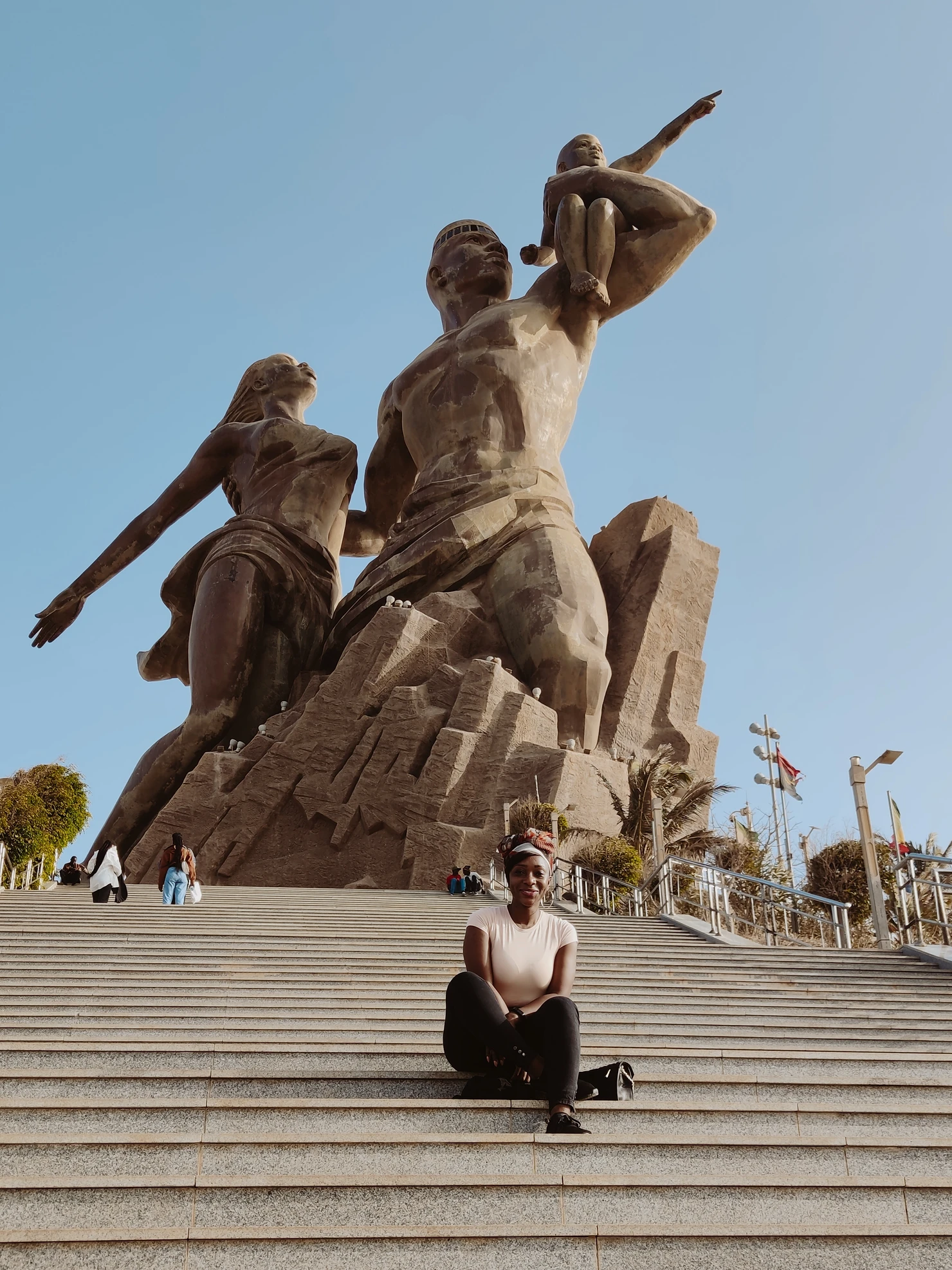
Dakar boasts significant historical sites like Île de Gorée, a UNESCO site dedicated to the slave trade, which is profoundly moving and a must-visit. The African Renaissance Monument offers panoramic views and a powerful symbol. However, Saint-Louis, a UNESCO World Heritage site itself, is a living museum. Its entire 'Presqu'île' (peninsula) is a testament to French colonial architecture, with pastel-colored buildings, wrought-iron balconies, and grand boulevards. Walking its streets feels like stepping back in time. The city also has a rich jazz history and a unique fusion of traditional Senegalese and French influences, making its cultural tapestry incredibly rich and tangible. The Museum of Photography and the Governor's Palace are highlights. While Dakar's culture is dynamic and forward-looking, Saint-Louis offers a more preserved and immersive historical experience. 'Honestly, Saint-Louis just *feels* more historic, you can wander for hours and just soak it all in, unlike Dakar where you're constantly navigating traffic.'
Winner takeaway
- Winner: Saint-Louis
- Why: Saint-Louis offers a more cohesive, well-preserved, and immersive historical and cultural experience as a UNESCO World Heritage city.
- Who this matters for: History buffs, architecture enthusiasts, and those seeking a tangible sense of the past.
🍽️ Food & Drink
Dakar's food scene is a powerhouse, reflecting its status as a major international city. You'll find everything from high-end French dining at La Kora to delicious Lebanese at Chez Loutcha, alongside incredible local fare. Places like Chez Youssou at Ngor Island offer fantastic fresh seafood with a view, while the street food around Avenue Lamine Guèye is bustling and cheap (Thieboudienne for around 1,500 XOF / $2.50). For a more upscale local experience, try Le Lagon 1. Dakar also has a more developed cafe culture and sophisticated bars. Saint-Louis, while charming, has a more limited, albeit excellent, culinary offering. It excels in fresh seafood, especially 'capitaine' (Nile perch), often served grilled or in local stews at places like La Pirogue or Hotel de la Poste. You'll eat well and authentically, but the sheer variety and breadth of options in Dakar are unparalleled. 'Dakar definitely has better variety if you're staying for more than a few days, especially if you want something beyond Senegalese food.'
Winner takeaway
- Winner: Dakar
- Why: Dakar wins for its incredible diversity of international and local cuisine, from high-end to street food, catering to all tastes.
- Who this matters for: Foodies, travelers seeking diverse culinary experiences, and those who enjoy upscale dining.
🎶 Nightlife & Entertainment
Dakar is the undisputed king of nightlife in Senegal. The Almadies district is buzzing with clubs like Nirvana and Duplex, where you can dance to Mbalax, Afrobeats, and international hits until the early hours. Live music venues like Just 4 U offer a mix of local and international acts, and there are countless trendy bars and lounges with great cocktails and atmosphere. A typical club entry might be 5,000-10,000 XOF ($8-17), with drinks around 2,000-4,000 XOF ($3.50-7). Saint-Louis, in contrast, offers a much more laid-back evening experience. It's known for its jazz heritage, and you can find charming bars with live music, often jazz or traditional Senegalese, at places like Hôtel de la Poste or some smaller local spots. Evenings are generally quieter, focusing on relaxed conversations, good food, and cultural performances rather than pulsating clubs. 'If you want to party, Dakar is the only choice. Saint-Louis is more for a quiet drink and some chill music.'
Winner takeaway
- Winner: Dakar
- Why: Dakar offers a significantly more vibrant, diverse, and extensive nightlife scene with clubs, live music, and bars.
- Who this matters for: Party-goers, music lovers, and those looking for lively evening entertainment.
🏖️ Beaches & Nature
Dakar has several city beaches like Plage de Ngor and Plage de Yoff, popular for swimming, surfing (especially advanced spots like Virage), and relaxing. Île de Ngor is a short pirogue ride away and offers a nice escape with good seafood restaurants and calmer waters. However, Dakar's beaches can often be crowded and sometimes suffer from pollution. Saint-Louis, while not having 'beaches' in the typical sense directly in the city, is an exceptional gateway to nature. The Langue de Barbarie National Park, just south of the city, is a narrow strip of land between the Senegal River and the Atlantic, teeming with migratory birds, sea turtles, and pristine sand dunes. A boat trip (around 15,000-25,000 XOF / $25-40 per person for a shared trip) is highly recommended. Further north (seasonal, Nov-Apr), the Djoudj National Bird Sanctuary is a UNESCO site, home to millions of birds, including pelicans and flamingos, a truly spectacular natural wonder. 'Saint-Louis is all about that amazing birdwatching and natural park access, Dakar's beaches are okay but not the main draw.'
Winner takeaway
- Winner: Saint-Louis
- Why: Saint-Louis wins for its proximity to world-class natural parks like Langue de Barbarie and Djoudj, offering unparalleled wildlife viewing.
- Who this matters for: Nature lovers, birdwatchers, and those seeking serene natural landscapes over city beaches.
💰 Costs & Budget
Dakar is significantly more expensive, especially for accommodation and international-style dining. A decent hotel room can easily start from 40,000 XOF ($65) per night, and a meal at a mid-range restaurant is 8,000-15,000 XOF ($13-25). Taxis are plentiful but fares quickly add up (e.g., 2,000-5,000 XOF / $3.50-8 within city zones, more for longer distances or during traffic). Saint-Louis, on the other hand, offers a much more budget-friendly experience. Guesthouses or 'auberges' can be found for 20,000-35,000 XOF ($35-60) per night. Eating at local 'gargotes' or small restaurants will cost 2,000-5,000 XOF ($3.50-8) for a hearty meal. Horse-drawn carriages (calèches), the iconic mode of transport, are a charming and cheap way to get around (500-1,000 XOF / $1-1.70 for short rides). Activities like boat trips to Langue de Barbarie are extra, but general daily expenses are noticeably lower. 'My whole budget for Saint-Louis for a day was what I'd spend on one nice dinner in Dakar.'
Winner takeaway
- Winner: Saint-Louis
- Why: Saint-Louis is considerably more budget-friendly across accommodation, dining, and local transport options, making your money stretch further.
- Who this matters for: Budget travelers, backpackers, and those looking for good value without sacrificing experience.
🚗 Getting There & Around
Dakar is home to Blaise Diagne International Airport (DSS), the primary international gateway to Senegal, making it incredibly easy to reach from anywhere in the world. From DSS, it's about an hour's taxi ride to downtown Dakar (around 15,000-20,000 XOF / $25-35). Once in Dakar, a vast network of yellow-and-black taxis (always negotiate fares!) and local 'car rapides' (vans) make getting around feasible, albeit often slow due to traffic. Ride-sharing apps like Yango are also gaining popularity. Saint-Louis is best reached by road from Dakar. The N2 highway journey takes about 4-5 hours by sept-place (shared taxi, ~4,000-5,000 XOF / $7-8 per person) or private taxi (~30,000-40,000 XOF / $50-65). While a new train (TER) connects Dakar to Diamniadio, it doesn't extend to Saint-Louis. Once in Saint-Louis, the compact city center is wonderfully walkable, and the iconic horse-drawn carriages offer a charming and practical way to explore. 'Getting into and out of Dakar is just so much simpler with the international airport right there. The internal city transport is a mess, but at least it's abundant.'
Winner takeaway
- Winner: Dakar
- Why: Dakar wins due to its international airport, offering direct global access and a wider array of internal transport options, despite its traffic.
- Who this matters for: Travelers prioritizing easy international access and diverse local transport choices.
🏨 Accommodation
Dakar offers a much broader and more diverse range of accommodation options, catering to every budget and style. You'll find international chains like Radisson Blu or Terrou-Bi Resort (5-star, $200-400+ per night) for luxury, numerous boutique hotels in areas like Almadies or Fann for mid-range (e.g., Hotel Lagon 2, $100-200), and a growing number of budget hostels and guesthouses (starting from $30-50). This variety means you can almost always find something that fits your needs and wallet. Saint-Louis, while incredibly charming, has a more niche selection. It excels in historic colonial hotels like Hôtel de la Poste or La Maison Rose (typically $70-150 per night), offering a unique atmospheric stay. There are also many well-regarded guesthouses and auberges (like Auberge de Jeunesse) that provide good value. However, true luxury options are very limited, and backpacker hostels are less common. 'Dakar just has more choice, plain and simple. I could find a fancy resort or a cheap hostel, depending on my mood.'
Winner takeaway
- Winner: Dakar
- Why: Dakar provides a significantly wider array of accommodation, from luxury resorts to budget hostels, suiting all traveler types and budgets.
- Who this matters for: Travelers with specific accommodation preferences, from luxury seekers to backpackers.
🗺️ Day Trips & Excursions
Both cities offer fantastic day trip opportunities, making this a tough call. From Dakar, the most iconic is Île de Gorée, a short ferry ride (2,500 XOF / $4.50 return) that's a must-do. Lac Rose (Pink Lake) is another popular spot (about an hour's drive, 5,000-8,000 XOF / $8-13 for a taxi per person if shared) where you can float in its high-salinity waters. The Bandia Wildlife Reserve (an hour and a half drive, entry ~10,000 XOF / $17) offers a chance to see giraffes, rhinos, and zebras. From Saint-Louis, the absolute highlights are the natural parks: Langue de Barbarie (boat trip around 20,000 XOF / $35) and the Djoudj National Bird Sanctuary (seasonal, Nov-Apr, around 30,000 XOF / $50 including boat and transport). These are truly world-class experiences. You can also visit the charming fishing village of Fanal or embark on an overnight trip to the Lompoul Desert for a unique glamping experience. 'Dakar has Gorée and the Pink Lake, which are iconic, but Saint-Louis's bird parks are just incredible if you're into nature. It's a toss-up depending on what you're looking for.'
Winner takeaway
- Winner: Tie
- Why: Both offer compelling and diverse day trip options, catering to different interests, making it impossible to pick a clear winner.
- Who this matters for: All travelers; your preference depends on whether you seek historical depth (Dakar) or natural wonders (Saint-Louis).
SAFE Safety & Solo Travel
Dakar, like any major capital, has its challenges. Petty theft (pickpocketing, bag snatching) is more common, especially in crowded markets like Kermel or Sandaga. Hustlers can be persistent around tourist sites, requiring a firm 'non merci'. Traffic can also be a safety concern for pedestrians and scooter riders. However, violent crime against tourists is rare, and with common sense precautions (don't flash valuables, be aware of surroundings), solo travel is perfectly manageable and rewarding. Saint-Louis, by contrast, feels significantly safer and more relaxed. The pace is slower, and the atmosphere is less intense. Hustlers are fewer and generally less aggressive. Walking alone, even at night in well-lit areas, feels comfortable. The community is very welcoming, making it an excellent choice for solo female travelers or anyone seeking a more tranquil and secure experience. 'I felt much more at ease walking around Saint-Louis alone, especially at night. Dakar was fine, but you had to be 'on' more.'
Winner takeaway
- Winner: Saint-Louis
- Why: Saint-Louis offers a noticeably safer and more relaxed environment, with fewer petty crime incidents and hustlers, making it ideal for solo travelers.
- Who this matters for: Solo travelers, particularly women, and those prioritizing a sense of peace and security.
✨ Vibe & Atmosphere
Dakar is a whirlwind – a bustling, energetic, and often overwhelming metropolis. It's where modern Africa pulsates, with traffic jams, towering buildings, vibrant markets, and a diverse, cosmopolitan population. The pace is fast, and there's a constant buzz of activity, from business dealings to street vendors. It's a city that demands you engage with it actively. For digital nomads, Dakar offers better co-working spaces and a stronger expat community, though the cost of living is higher. Saint-Louis provides a complete counterpoint. Its atmosphere is one of colonial charm, languid river views, and a pervasive sense of calm. The gentle clip-clop of horse-drawn carriages replaces the blare of car horns. Life unfolds at a slower, more deliberate pace, inviting you to wander, observe, and soak in the beauty. It's incredibly picturesque and romantic, fostering a more introspective and culturally immersive experience. 'Dakar is exciting, but Saint-Louis just has this timeless, beautiful charm that really lets you relax and appreciate Senegal.'
Winner takeaway
- Winner: Saint-Louis
- Why: Saint-Louis offers a unique, tranquil, and charming atmosphere that is more distinctly 'Senegalese' and conducive to relaxation and cultural immersion.
- Who this matters for: Travelers seeking a relaxed, authentic, and historically rich atmosphere, including those who prefer a slower travel pace.
❓ Frequently Asked Questions
Is it easy to travel between Dakar and Saint-Louis?
Yes, it's quite straightforward. The most common way is by sept-place (shared taxi), which takes about 4-5 hours and costs around 4,000-5,000 XOF ($7-8) per person. You can also hire a private taxi for more comfort, costing approximately 30,000-40,000 XOF ($50-65).
Which city is better for families with children?
Saint-Louis is generally better for families due to its slower pace, safer streets, and charming horse-drawn carriages. Activities like boat trips to Langue de Barbarie National Park are also excellent for kids. Dakar can be overwhelming with traffic and hustle for young children.
When is the best time to visit Dakar and Saint-Louis?
The best time to visit both cities is during the dry season, from November to May. The weather is cooler and less humid. This period also coincides with the peak birdwatching season in Djoudj National Bird Sanctuary near Saint-Louis.
Can I use English in Senegal?
While French is the official language, and Wolof is widely spoken, you'll find English speakers in tourist areas, hotels, and among younger generations, especially in Dakar. In Saint-Louis, English is less common but still manageable with basic French or Wolof phrases.
Are there good options for vegetarian/vegan food?
In Dakar, you'll find more diverse options, especially at international restaurants or by requesting custom dishes. Senegalese cuisine often relies on fish and meat, but vegetarian options like 'riz gras' (rice with vegetables) or local stews without meat can be found. Saint-Louis will be more challenging but still possible.
What's the internet connectivity like in both cities?
Dakar generally has better and faster internet connectivity, with reliable Wi-Fi in hotels, cafes, and co-working spaces. Saint-Louis has decent connectivity in hotels and guesthouses, but it might be slower and less widespread than in the capital. Buying a local SIM card (Orange, Free) with data is recommended for both.
Which city has better souvenir shopping?
Dakar offers a wider range of souvenir shopping, from high-end boutiques and art galleries in areas like Almadies to bustling markets like Kermel and Sandaga for crafts, fabrics, and jewelry. Saint-Louis has charming local artisan shops, especially for jewelry, leather goods, and traditional art, but with less variety than Dakar.
Is solo female travel safe in both cities?
Both cities are generally safe for solo female travelers, but Saint-Louis often feels more relaxed and has fewer instances of persistent hassling, making it slightly more comfortable. In Dakar, common sense precautions like dressing modestly, avoiding walking alone at night in unlit areas, and being firm with touts are advisable.
Ready to plan your Senegal trip?
Get a free custom itinerary for Dakar, Saint-Louis, or both — built from real traveler insights.
🎟️ Book Tours & Experiences
Hand-picked tours and activities for both destinations — book with free cancellation
Experiences via Viator — free cancellation on most tours