How we built this comparison
This page combines traveler discussion patterns, published price ranges, flight schedules, and seasonal data to help you decide between Dallas and Austin.
- Reviewed 50+ Reddit threads from r/travel, r/solotravel, r/Dallas, r/Austin, and r/TexasTravel for authentic traveler perspectives.
- Verified costs for flights, accommodation, dining, and activities against current booking platforms (Expedia, Google Flights, Yelp, individual attraction websites).
- Cross-referenced seasonal weather patterns and local event calendars to provide accurate 'best time to visit' advice.
- Consulted official tourism board sites (Visit Dallas, Visit Austin) for up-to-date attraction information.
⚡ The TL;DR Verdict
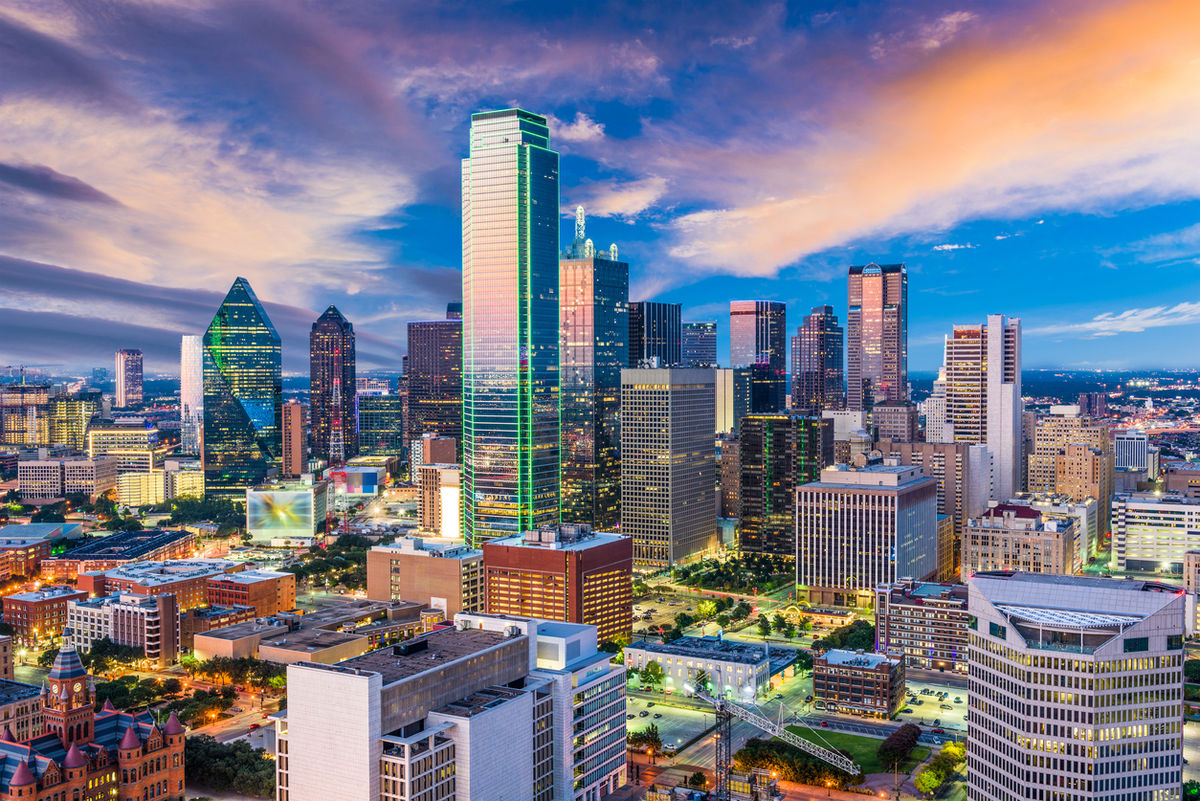
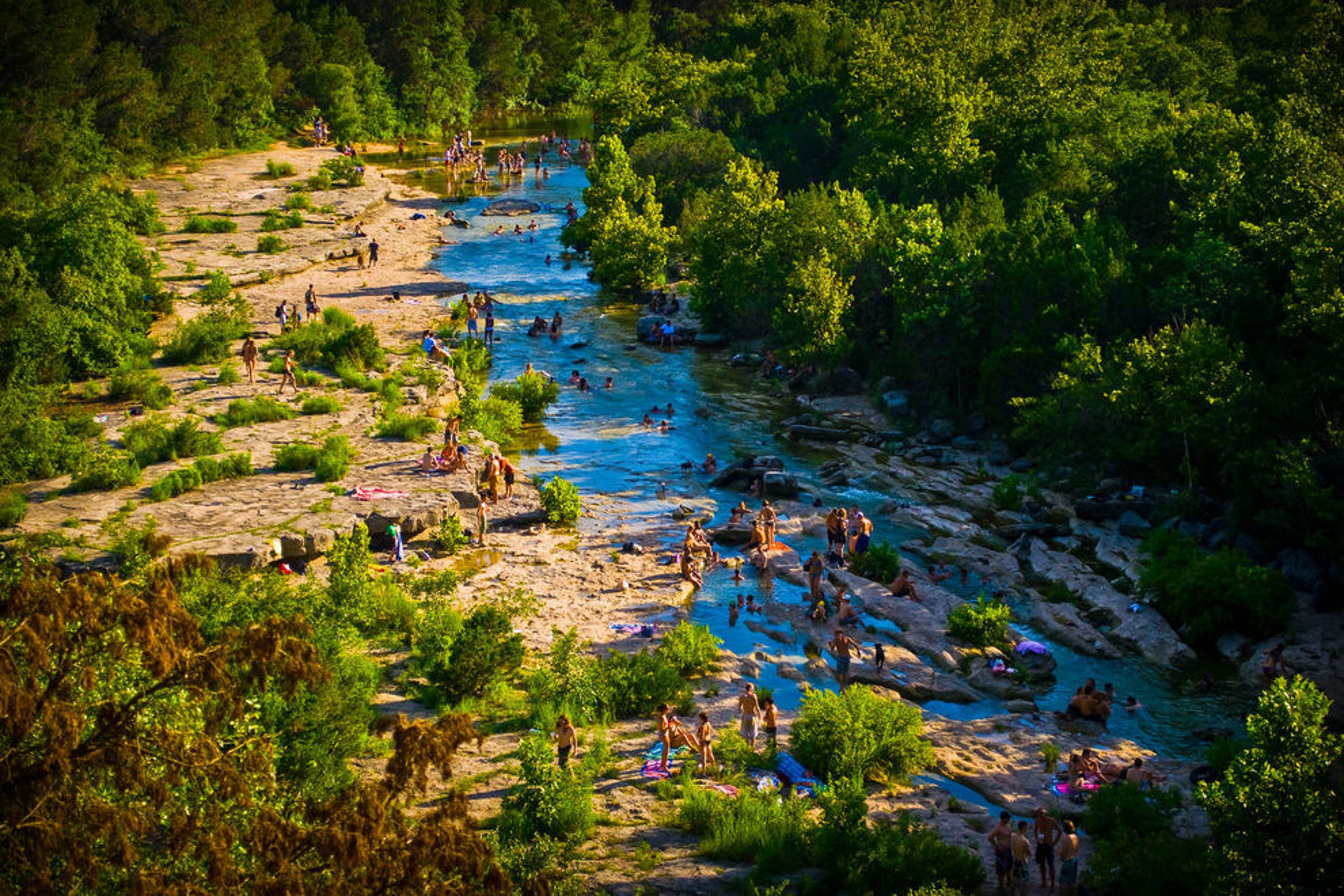
For those craving upscale experiences, diverse dining, and major league sports, Dallas is your city, budget around $150-$250/day. If live music, outdoor adventures, and a quirky, independent spirit are what you seek, Austin will charm you, expect to spend $175-$300/day.
- Choose Dallas: Perfect for a sophisticated city break, serious shopping, world-class museums, and a more structured, business-oriented atmosphere.
- Choose Austin: Ideal for music lovers, outdoor enthusiasts, food truck fanatics, and anyone looking for a vibrant, relaxed, and slightly bohemian urban experience.
- Choose Both: If you have 5-7 days, rent a car and experience both. The roughly 3-hour drive (195 miles / 314 km) between them is straightforward, allowing you to contrast the urban sprawl of Dallas with Austin's Hill Country charm.
Quick Comparison
| Category | Dallas | Austin | Winner |
|---|---|---|---|
| Food & Drink | Dallas boasts upscale dining, diverse international cuisine, and a strong steakhouse scene. Think fine dining and trendy eateries. | Austin is a mecca for BBQ, Tex-Mex, and an incredible food truck culture. It's more casual, experimental, and focused on local ingredients. | Austin |
| Nightlife & Live Music | Dallas offers sophisticated cocktail bars in Uptown, energetic clubs in Deep Ellum, and country-western spots. It's diverse but less focused on live music. | Austin is the 'Live Music Capital of the World' for a reason, with iconic venues on Sixth Street, Rainey Street, and Red River Cultural District. | Austin |
| Culture & History | Dallas boasts world-class museums, a thriving arts district, and significant historical sites, including the JFK assassination legacy. | Austin's culture is more about its independent spirit, political history (as the state capital), and quirky local art scene, rather than grand museums. | Dallas |
| Costs & Budget | Dallas can be slightly more budget-friendly for accommodation and offers a range of dining options, though upscale can be pricey. | Austin's popularity has driven up costs, especially for hotels and popular dining spots. It's generally a bit more expensive than Dallas. | Dallas |
| Getting There & Around | Dallas has two major airports (DFW, DAL) offering extensive connections. Getting around requires a car, though DART light rail serves some areas. | Austin has one major airport (AUS) with good connections. A car is recommended, but downtown is walkable, and ride-shares are plentiful. | Tie |
| Accommodation | Dallas offers a wide range of hotels, from luxury high-rises in Uptown to boutique stays in Deep Ellum, often with good corporate rates. | Austin features trendy boutique hotels, vibrant Airbnbs, and a more concentrated selection of unique stays, but often at a higher price. | Dallas |
| Nature & Outdoors | Dallas has urban parks, trails, and lakes, but its natural beauty is more manicured and less rugged. White Rock Lake is a highlight. | Austin is surrounded by the stunning Texas Hill Country and boasts incredible urban green spaces, swimming holes, and hiking trails. | Austin |
| Day Trips | Dallas offers easy access to Fort Worth's Western heritage, Waco's Magnolia Market, and historic towns. | Austin is a gateway to the Hill Country's wineries, charming small towns, and San Antonio's historic missions. | Austin |
| Shopping | Dallas is a retail powerhouse, known for luxury boutiques, expansive malls, and unique districts like Bishop Arts. | Austin offers a more eclectic, independent shopping scene with unique boutiques, vintage shops, and local artisan goods on South Congress. | Dallas |
| Weather & Seasons | Dallas experiences hot, humid summers and mild winters, with spring and fall offering pleasant temperatures. | Austin also has hot, humid summers but slightly milder winters and enjoys a longer, more comfortable spring and fall due to its Hill Country location. | Austin |
🍔 Food & Drink
While Dallas has an impressive array of high-end restaurants like Uchi Dallas (expect $100+ per person) and classic steakhouses such as Nick & Sam's ($70-150 for dinner), Austin's culinary scene is just more *fun* and accessible. You can't beat the BBQ institutions like Franklin Barbecue (be prepared to wait hours, but it's worth every penny, around $30-50 per person) or La Barbecue. Austin's food truck parks, like The Picnic or South First Food Court, offer incredible variety for under $15 a meal – from Korean BBQ tacos to gourmet vegan options. The sheer innovation and passion for food, especially in the casual dining sector, give Austin the edge. Plus, the cocktail scene on Rainey Street is buzzing. "Honestly, you can't go wrong with food in Austin. Even a random food truck usually slaps harder than some sit-down spots in other cities." The overall quality-to-cost ratio and the unique local flavor profile make Austin shine.
Winner takeaway
- Winner: Austin
- Why: Austin wins for its unique, vibrant, and accessible food scene, particularly its world-renowned BBQ and food truck culture.
- Who this matters for: Foodies, budget travelers, and those seeking authentic local flavors.
🎶 Nightlife & Live Music
Dallas has some fantastic nightlife options, from the swanky rooftop bars in Uptown like Sky Blossom ($12-18 cocktails) to the high-energy clubs and dive bars of Deep Ellum (cover charges $10-25, drinks $8-15). You can catch a show at The Bomb Factory or a local band at Trees. However, Austin’s identity is intrinsically linked to live music. Walk down Sixth Street, and you'll hear music spilling from every door, from blues and rock to country and indie, often with no cover charge earlier in the night. Rainey Street offers a more upscale, relaxed bar scene, many in converted bungalows ($10-16 cocktails). The Continental Club on South Congress is a legendary venue (tickets $15-30) where you can catch established acts. The sheer volume, variety, and accessibility of live music, coupled with a truly unique atmosphere, make Austin an undeniable winner. "Sixth Street might be touristy, but there's still magic to it, especially if you duck into some of the smaller spots. And Rainey is just a whole vibe."
Winner takeaway
- Winner: Austin
- Why: Austin's unparalleled live music scene, with options for every taste and budget, solidifies its reputation as the 'Live Music Capital'.
- Who this matters for: Music lovers, party-goers, and anyone looking for a vibrant evening atmosphere.
🏛️ Culture & History
Dallas truly shines in its cultural institutions. The Dallas Arts District is one of the largest in the nation, home to the Dallas Museum of Art (free general admission), Nasher Sculpture Center ($10 adults), and the Morton H. Meyerson Symphony Center. History buffs will find the Sixth Floor Museum at Dealey Plaza ($18 adults) a poignant and essential visit, detailing the JFK assassination. The George W. Bush Presidential Center ($23 adults) offers a modern historical perspective. Dallas's culture feels grander, more established, and globally connected. Austin, while culturally rich, leans more into its 'Keep Austin Weird' ethos, with street art, independent galleries, and the political history of the Texas State Capitol (free tours). It's a different kind of culture – more grassroots and less institutionalized. "Dallas definitely has the 'big city museum' vibe down. Austin's more about the street art and quirky shops, which is cool, but not the same caliber for history buffs."
Winner takeaway
- Winner: Dallas
- Why: Dallas offers a superior experience for traditional culture and history enthusiasts with its world-class museums, arts district, and significant historical landmarks.
- Who this matters for: History buffs, art lovers, and those seeking traditional cultural enrichment.
💰 Costs & Budget
When comparing similar quality, Dallas often presents slightly better value. A mid-range hotel in Dallas might run $130-200/night, while in Austin, you're looking at $160-250/night for comparable options, especially during peak season or events like SXSW. Dining in Dallas has a wider spread; you can find fantastic meals for $15-25 or indulge in $100+ experiences. Austin's popular food scene, while delicious, often comes with a higher price tag due to demand, even for food trucks ($10-20 per meal). Transportation is similar – both cities are car-dependent, with ride-shares costing $15-30 for cross-city trips. However, general entertainment and specific experiences in Austin, like some concert tickets or trendy bar drinks, often carry a premium. "I found myself spending way more on drinks in Austin compared to Dallas, even for similar places. The demand there just jacks up prices." Daily budgets for a comfortable trip could range from $150-250 in Dallas, versus $175-300+ in Austin.
Winner takeaway
- Winner: Dallas
- Why: Dallas generally offers slightly better value for money, particularly in accommodation, making a comfortable trip more affordable.
- Who this matters for: Budget-conscious travelers and those looking for more bang for their buck.
✈️ Getting There & Around
Dallas has a slight edge in air accessibility due to Dallas/Fort Worth International Airport (DFW), a major American Airlines hub, and Dallas Love Field (DAL), a Southwest Airlines hub, offering more direct flights and potentially cheaper fares from various US cities. A flight from LAX to DFW/DAL can range from $100-250 round trip. Austin-Bergstrom International Airport (AUS) is excellent but smaller, with flights from LAX usually $150-300. Once on the ground, both cities are largely car-dependent. Renting a car in either city will cost around $40-70/day. Dallas's DART light rail can get you to key areas like Downtown, Deep Ellum, and the Arts District, with a day pass costing $6. Austin's downtown and South Congress areas are more walkable, and public transport (CapMetro) is less comprehensive, so ride-shares ($10-25 for most inner-city rides) are popular. "Dallas's DART actually surprised me, it's pretty decent for getting to specific spots, but you still need a car for a lot." Neither city is ideal without a car if you plan on exploring beyond the immediate city center, making it a fair tie based on different strengths.
Winner takeaway
- Winner: Tie
- Why: Both cities have strong points – Dallas with superior air access and a decent light rail, Austin with a more walkable core – balancing out their transportation pros and cons.
- Who this matters for: Travelers prioritizing easy airport access or those who prefer some walkability/public transit over constant driving.
🏨 Accommodation
Dallas's hotel market is vast and varied, catering heavily to business travelers, which means a good supply of high-quality hotels across all price points. You can find luxury at The Adolphus ($300+/night), stylish options in Deep Ellum like The Pittman Hotel ($200-350/night), or solid mid-range chains downtown for $130-200/night. The sheer volume often leads to more competitive pricing, especially outside of major conventions. Austin, while having fantastic options like The Driskill ($250-400+/night) or Hotel San José ($200-350/night), often sees higher average nightly rates due to its popularity and numerous events. Boutique hotels are plentiful, but they come with a premium. Airbnb options are abundant in both, but Austin's unique neighborhoods often mean higher demand and price for a similar experience. "I scored a great deal on a nice Marriott in Dallas for like $160, but a similar vibe in Austin was easily $200-250, even off-peak." If you're looking for more choice and potentially better value for a comfortable stay, Dallas edges out Austin.
Winner takeaway
- Winner: Dallas
- Why: Dallas offers a broader selection of hotels across all price points, often providing better value due to a larger supply, especially for business-class accommodations.
- Who this matters for: Travelers seeking good value, a wide range of hotel choices, or luxury without the highest price tag.
🌳 Nature & Outdoors
This is where Austin truly shines. Its proximity to the Texas Hill Country means instant access to rolling hills, natural springs, and beautiful state parks. Within the city, Barton Springs Pool ($5-9 entry for non-residents) in Zilker Park is a natural spring-fed swimming hole that's iconic. Lady Bird Lake offers kayaking, paddleboarding ($15-25/hour rental), and a scenic 10-mile trail. Just outside the city, you can hike at Enchanted Rock State Natural Area (reservations often required, $8 entry) or explore the caves at Inner Space Cavern ($25-30/person). Dallas has lovely urban green spaces like Klyde Warren Park and the Dallas Arboretum and Botanical Garden ($17-20 entry), and White Rock Lake is great for cycling and paddleboarding ($15-20/hour). However, it lacks the raw, natural beauty and extensive outdoor activities that Austin effortlessly offers. "Austin feels like it's built *into* nature, not just around it. Barton Springs alone is worth the trip if you love being outdoors." For anyone who loves hiking, swimming, or simply being surrounded by natural beauty, Austin is the clear winner.
Winner takeaway
- Winner: Austin
- Why: Austin offers superior natural beauty and outdoor recreation, from iconic swimming holes and urban lakes to the stunning Texas Hill Country.
- Who this matters for: Outdoor enthusiasts, nature lovers, and active travelers.
🚗 Day Trips
Both cities offer excellent day trip opportunities, but Austin's are slightly more diverse and uniquely Texan. From Austin, you can explore the heart of the Texas Wine Country around Fredericksburg (just over an hour drive), visiting dozens of vineyards like Grape Creek Vineyards ($25-40 for tastings). The quirky small towns like Gruene and Wimberley offer unique shopping and river activities. And, of course, San Antonio, with the Alamo (free entry), Riverwalk, and historic missions, is a must-do, only about 1.5 hours away. Dallas offers the authentic Western experience of Fort Worth Stockyards (45-min drive, free entry to grounds, rodeo tickets $20-50), which is fantastic. Waco, home to Magnolia Market at the Silos (1.5-hour drive), is a popular pilgrimage for HGTV fans. While Fort Worth is a strong contender, the breadth of experiences – from wine to history to small-town charm – makes Austin's day trips feel more varied and appealing for a wider audience. "Driving through the Hill Country from Austin to Fredericksburg with the windows down, stopping at wineries, that's peak Texas."
Winner takeaway
- Winner: Austin
- Why: Austin provides access to a wider variety of distinctive and charming day trips, including world-class wineries and the historic city of San Antonio.
- Who this matters for: Explorers, wine enthusiasts, and those looking for diverse regional experiences.
🛍️ Shopping
Dallas is unequivocally the shopping capital of Texas. For luxury, you have Highland Park Village, the country's first self-contained shopping center with high-end brands like Hermes and Chanel. NorthPark Center is an immense, upscale mall featuring Neiman Marcus, Nordstrom, and hundreds of other stores, offering everything from designer fashion to mainstream retail. Galleria Dallas is another impressive option. For a more independent vibe, the Bishop Arts District offers quirky boutiques, art galleries, and vintage finds. Austin's shopping, while charming, is more niche. South Congress Avenue (SoCo) is its main shopping street, featuring independent boutiques like Kendra Scott, vintage stores, and souvenir shops. The Domain is Austin's answer to an outdoor upscale mall, but it doesn't quite match Dallas's scale or selection. "If you're serious about shopping, Dallas is it. NorthPark alone could eat up a whole day, and you'll find brands you won't see elsewhere in Texas." For sheer volume, luxury, and variety, Dallas is the undisputed champion.
Winner takeaway
- Winner: Dallas
- Why: Dallas is a premier shopping destination, offering an unmatched selection of luxury brands, expansive malls, and diverse retail experiences.
- Who this matters for: Fashionistas, luxury shoppers, and those who enjoy retail therapy.
☀️ Weather & Seasons
Both Dallas and Austin share the notoriously hot and humid Texas summers (June-August), with average highs often pushing 95-100°F (35-38°C). However, Austin's slightly more southern latitude and proximity to the Hill Country often give it a marginally milder edge in winter and slightly more comfortable spring/fall. Spring (March-May) and Fall (September-November) are generally the best times to visit both, with pleasant temperatures ranging from 60-80°F (15-27°C). Austin tends to have a few more clear, sunny days during these shoulder seasons, perfect for outdoor activities. Winters are mild in both, with occasional cold snaps, but snow is rare. Dallas can feel a bit more flat and urban in its heat, while Austin's natural surroundings make the pleasant seasons feel more integrated with the city's vibe. "Austin in spring is unbeatable, especially when the wildflowers are out and it's not brutally hot yet. Dallas feels like summer hits harder and earlier." For those prioritizing comfortable outdoor exploration, Austin's climate, especially during the shoulder seasons, is marginally more appealing.
Winner takeaway
- Winner: Austin
- Why: Austin's slightly milder winters and more temperate shoulder seasons, coupled with its natural landscape, make it marginally more pleasant for outdoor activities.
- Who this matters for: Travelers sensitive to extreme heat, and those planning extensive outdoor activities.
❓ Frequently Asked Questions
Is Dallas or Austin better for a bachelorette party?
Austin generally takes the crown for bachelorette parties due to its vibrant live music scene, walkable entertainment districts like Sixth Street and Rainey Street, and abundant quirky activities. Dallas offers upscale options, but Austin's energetic, celebratory atmosphere is often preferred.
Which city is better for families with kids?
Both cities have family-friendly attractions. Dallas offers the Perot Museum of Nature and Science, Dallas World Aquarium, and the Dallas Arboretum. Austin counters with Zilker Park, Thinkery children's museum, and Barton Springs Pool. It's a close call, depending on whether your family prefers structured museums (Dallas) or more outdoor, active play (Austin).
How far apart are Dallas and Austin, and how long does it take to drive?
Dallas and Austin are approximately 195 miles (314 km) apart. The drive typically takes about 3 to 3.5 hours, depending on traffic, primarily along I-35. It's a straightforward route that makes combining both cities into one trip very feasible.
Is public transportation good in Dallas or Austin?
Neither city boasts world-class public transportation. Dallas's DART light rail system is more extensive, connecting various districts and the airport (DFW via a separate train link), but a car is still often necessary. Austin's CapMetro system is less comprehensive, making ride-shares or a car almost essential for exploring beyond the immediate downtown area.
Which city has better food overall?
This is subjective, but Austin often wins for its unique, innovative, and accessible food scene, particularly its world-renowned BBQ, Tex-Mex, and diverse food trucks. Dallas offers a more traditional fine dining experience and a wider range of international cuisines, but Austin's culinary identity is stronger.
What's the best time of year to visit Dallas or Austin?
The best times to visit both Dallas and Austin are spring (March-May) and fall (September-November). During these seasons, temperatures are pleasant (60-80°F / 15-27°C), perfect for exploring outdoors without the intense summer heat or the occasional winter chill.
Which city is safer for solo travelers?
Both Dallas and Austin are generally safe for solo travelers, especially in tourist areas. As with any major city, exercise caution at night, especially in less populated areas or around bar closing times. Austin's more walkable downtown and lively evening streets might feel slightly more accessible for solo exploration.
Are there good options for luxury travel in both cities?
Absolutely. Dallas excels in luxury with high-end hotels like The Ritz-Carlton, Dallas, premier shopping at Highland Park Village, and upscale dining. Austin offers boutique luxury hotels like The Driskill, exclusive spas, and high-end dining experiences, often with a more unique, local flair. Both cater well to luxury travelers.
Ready to plan your Texas trip?
Get a free custom itinerary for Dallas, Austin, or both — built from real traveler insights.
🎟️ Book Tours & Experiences
Hand-picked tours and activities for both destinations — book with free cancellation
Experiences via Viator — free cancellation on most tours