How we built this comparison
This page combines traveler discussion patterns, published price ranges, flight schedules, and seasonal data to help you decide between Dalmatian Coast and Amalfi Coast.
- Reviewed 50+ Reddit threads from r/travel, r/solotravel, r/CroatiaTravel, r/ItalyTravel, etc.
- Verified costs and logistics against current booking platforms (Booking.com, Airbnb, Google Flights, ferry operators)
- Cross-referenced seasonal patterns, weather data, and crowd forecasts from multiple travel resources
⚡ The TL;DR Verdict
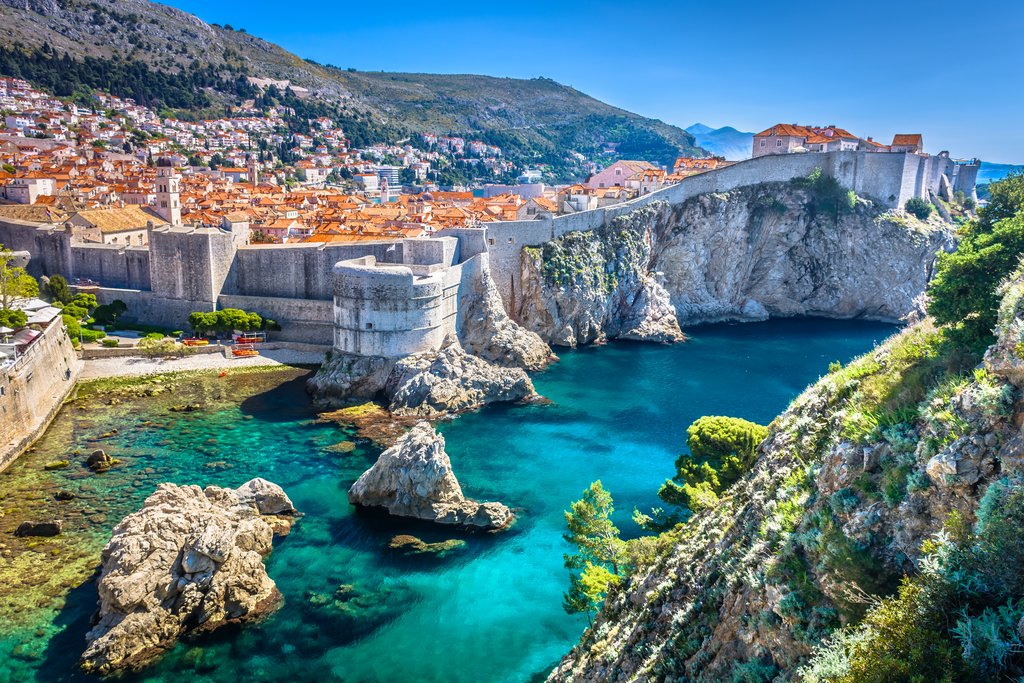
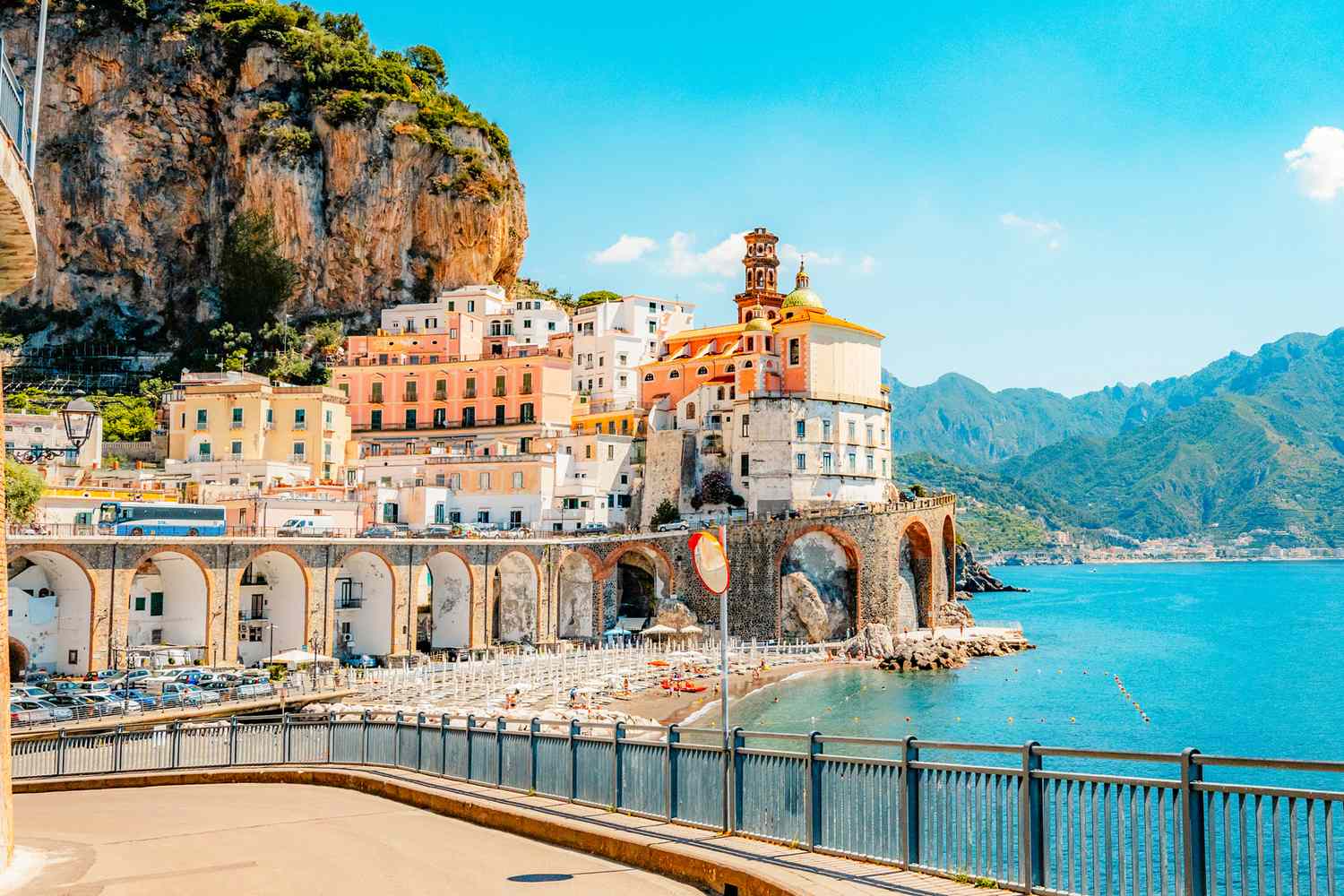
If you're after stunning natural beauty, a vibrant party scene, and more bang for your buck, the Dalmatian Coast is your go-to. For unparalleled romance, sophisticated dining, and iconic postcard views, the Amalfi Coast reigns supreme. Budget around $100-180 USD/day for the Dalmatian Coast, and $200-400+ USD/day for the Amalfi Coast.
- Choose Dalmatian Coast: Perfect for younger travelers, island-hoppers, nature lovers, and anyone seeking excellent value without sacrificing beauty. It's more active and adventurous.
- Choose Amalfi Coast: Ideal for couples, luxury seekers, foodies, and those prioritizing iconic scenery, charming villages, and a more relaxed, upscale atmosphere. It's about indulging.
- Choose Both: If you have 2-3 weeks and want to experience both vibrant energy and sophisticated charm. Fly into Naples (for Amalfi), then out of Dubrovnik or Split (for Dalmatia), or vice-versa, connecting via Rome or another major European hub.
Quick Comparison
| Category | Dalmatian Coast | Amalfi Coast | Winner |
|---|---|---|---|
| Costs & Value | Significantly more affordable across accommodation, food, and activities. Offers excellent value for money. | Premium pricing for almost everything. Expect to pay top dollar for a luxury experience. | Dalmatian Coast |
| Beaches & Nature | Pristine, mostly pebbly beaches with crystal-clear turquoise waters. Stunning national parks and rugged islands. | Dramatic cliffside coves, often requiring beach clubs. Limited sandy beaches, but iconic coastal views. | Dalmatian Coast |
| Food & Drink | Fresh seafood, Mediterranean flavors, olive oil, and robust wines. More rustic and hearty cuisine. | World-renowned Italian cuisine, fresh pasta, seafood, and the famous limoncello. Gourmet and refined. | Amalfi Coast |
| Getting Around | Efficient ferry system connects islands. Driving is manageable on the mainland. Less traffic. | Challenging driving conditions on narrow, winding roads. SITA buses can be crowded. Ferries are key for island hopping. | Dalmatian Coast |
| Accommodation | Wide range from budget hostels to luxury villas. Good value for money, especially apartments and guesthouses. | Dominated by high-end hotels and boutique B&Bs. Limited budget options, often with premium pricing for views. | Dalmatian Coast |
| Culture & History | Rich Roman, Venetian, and Slavic history. Ancient cities, fortresses, and unique island traditions. | Deep Roman and Greek roots, charming medieval towns, artistic heritage. Iconic ruins nearby. | Tie |
| Nightlife & Vibe | Vibrant and diverse, from superclubs in Hvar to relaxed waterfront bars in Split. More energetic and youthful. | More sophisticated and romantic. Focused on aperitivo, fine dining, and intimate bars. Less clubbing. | Dalmatian Coast |
| Day Trips & Activities | Numerous island hopping options, national parks, historical towns, and even cross-border excursions. | Iconic islands (Capri), ancient ruins (Pompeii), charming hill towns, and beautiful gardens. | Dalmatian Coast |
| Accessibility & Getting There | Direct flights to Split (SPU) and Dubrovnik (DBV) from major European hubs. Good internal ferry/bus network. | Fly into Naples (NAP), then train/bus/ferry. Direct flights to Naples from many European cities. Roads are challenging. | Tie |
| Crowds & Seasons | Gets busy in July/August, but islands offer escape. Shoulder seasons (May/June, Sept/Oct) are ideal. | Extremely crowded and expensive in peak summer. Shoulder seasons are still popular but more manageable. | Dalmatian Coast |
💰 Costs & Value
When it comes to your wallet, the Dalmatian Coast is the undisputed champion. A quality meal in Split or Zadar, say a grilled fish with sides, will set you back around 120-180 HRK (€16-24 / $17-26 USD). Local wine is cheap, often 25-40 HRK (€3.5-5.5 / $4-6 USD) a glass. Even a decent Airbnb or guesthouse in peak season can be found for €80-150 ($85-160 USD) per night. Ferries between islands are reasonably priced, like Split to Hvar for €6-10. Conversely, the Amalfi Coast is a splurge. A basic pasta dish in Positano can easily be €20-30 ($22-33 USD), and a limoncello cocktail will run €15-20 ($16-22 USD). Hotel rooms, even modest ones, rarely dip below €200 ($215 USD) per night in summer, often reaching €400-600 ($430-650 USD) for anything with a view. The SITA bus is cheap, but private transfers or expensive ferries add up. 'I spent more on one dinner in Positano than I did on three days of food in Croatia, no joke.' The Dalmatian Coast allows for a more extended, less stressful trip financially.
Winner takeaway
- Winner: Dalmatian Coast
- Why: It consistently offers a higher quality experience for a lower price point across all major travel categories.
- Who this matters for: Budget-conscious travelers, families, and those seeking extended trips without breaking the bank.
🏖️ Beaches & Nature
The Dalmatian Coast boasts an abundance of natural beauty, particularly its beaches and national parks. Think Zlatni Rat on Brač, known for its unique shape, or the secluded coves of Vis. Most beaches are pebble, leading to incredibly clear, swimmable waters. Beyond the coast, you have Krka and Plitvice Lakes National Parks with their stunning waterfalls, and the Kornati Islands, a sailing paradise. The sheer variety and accessibility to untouched nature are unparalleled. You can kayak through Mljet National Park or hike in Paklenica. The Amalfi Coast, while undeniably beautiful with its dramatic cliffs plunging into the sea, offers a different kind of beach experience. Beaches like Spiaggia Grande in Positano are often crowded, pebbly, and require renting sunbeds from private clubs for €30-50 ($33-55 USD) per day. While beautiful, they are more about the 'scene' and less about pristine nature exploration. Capri's Blue Grotto is iconic, but it's a small, touristy experience. 'Croatia's water just hits different, so clear, and you can always find a quiet spot even in summer.' The Dalmatian Coast offers a raw, authentic connection with nature.
Winner takeaway
- Winner: Dalmatian Coast
- Why: Offers a greater variety of pristine, accessible beaches and abundant natural parks for exploration and relaxation.
- Who this matters for: Nature lovers, active travelers, swimmers, and those who appreciate unspoiled landscapes.
🍝 Food & Drink
The Amalfi Coast is a foodie's paradise, leveraging Italy's unparalleled culinary reputation. Expect exquisite fresh pasta dishes like 'Scialatielli ai Frutti di Mare' for €25-35 ($27-38 USD) at places like Da Adolfo in Positano (reachable by boat!), or delectable pizza from a local pizzerias for €15-20 ($16-22 USD). Lemons are central, from limoncello to lemon desserts, and the seafood is caught daily. Fine dining is abundant, with Michelin-starred restaurants like Don Alfonso 1890 near Sant'Agata. The Dalmatian Coast offers fantastic food, but it's generally more rustic and less varied. Fresh grilled fish ('riba na žaru') for 150-250 HRK (€20-33 / $22-36 USD), 'peka' (meat and vegetables slow-cooked under a bell), and local olive oil are staples. While delicious, especially in konobas (taverns), it doesn't reach the same gourmet heights or diversity as the Amalfi Coast. 'You just can't beat fresh Italian pasta and seafood with that view. Croatia was good, but Italy is *Italy*.' The sheer quality, tradition, and innovation in Italian cuisine give the Amalfi Coast the edge.
Winner takeaway
- Winner: Amalfi Coast
- Why: Offers a more diverse, world-renowned, and consistently high-quality culinary experience, from casual to Michelin-starred.
- Who this matters for: Foodies, gourmands, and travelers who prioritize exceptional dining experiences.
🚗 Getting Around
Navigating the Dalmatian Coast is relatively straightforward, especially if you embrace the ferry system. Jadrolinija and Krilo operate frequent and affordable routes connecting major hubs like Split and Dubrovnik to islands like Hvar, Brač, and Korčula. A car is useful for exploring the mainland but not essential for island hopping. Roads are generally well-maintained, and traffic, while present, is less chaotic than Italy. Car rentals are reasonable, from €30-60 ($33-65 USD) per day. 'We rented a car for the mainland and then just hopped on ferries, it was so easy and chill.' The Amalfi Coast, conversely, is notoriously difficult to navigate. The iconic Strada Statale 163 is breathtaking but incredibly narrow, winding, and prone to severe traffic jams, especially in peak season. Parking is scarce and expensive (€5-10/hour). While the SITA bus is affordable (€2-4 per ride), it gets packed, and journeys can be slow. Ferries between towns like Amalfi, Positano, and Ravello, and to Capri, are often the best option, but they can be expensive (€15-25 one-way). Private drivers are convenient but cost €100+ for short distances. The sheer ease and variety of transport options make Croatia a smoother ride.
Winner takeaway
- Winner: Dalmatian Coast
- Why: Offers a more relaxed and efficient transport system, especially for island exploration, with fewer traffic headaches.
- Who this matters for: Independent travelers, those planning to island-hop, and anyone averse to stressful driving or crowded public transport.
🏨 Accommodation
The Dalmatian Coast offers a fantastic array of accommodation options that cater to various budgets, all while maintaining a good standard. In cities like Split, you can find charming boutique hotels like Hotel Marmont Heritage for €150-250 ($160-270 USD) or comfortable apartments for €80-120 ($85-130 USD) in shoulder season. Hostels are plentiful and modern, often costing €25-40 ($27-44 USD) per night. On islands like Hvar, you can find luxury villas, family-run guesthouses, or even camping. The choice and value are excellent. The Amalfi Coast's accommodation, while stunning, comes with a hefty price tag. Iconic hotels like Le Sirenuse in Positano can run €1000+ ($1100+ USD) per night. Even a modest room at a well-regarded B&B in Praiano, like Casa Angelina, will likely be €400-700 ($430-760 USD) or more. Budget options are rare, and anything with a view commands a significant premium. 'We managed to get a gorgeous apartment in Korčula with a sea view for what a tiny, no-view room cost in Amalfi.' The flexibility and affordability of Croatian accommodation truly make it stand out.
Winner takeaway
- Winner: Dalmatian Coast
- Why: Provides a far wider range of accommodation types and price points, offering significantly better value for quality.
- Who this matters for: All travelers, but especially those on a moderate budget, families, and groups.
🏛️ Culture & History
Both coasts are steeped in history and culture, offering distinct but equally fascinating experiences. The Dalmatian Coast boasts Diocletian's Palace in Split, a UNESCO World Heritage site and a living city within Roman ruins. Dubrovnik's Old Town, with its medieval walls, is another iconic gem. Hvar Town's Venetian architecture and Korčula's alleged birthplace of Marco Polo add layers of rich history. The blend of Roman, Venetian, and Ottoman influences creates a unique cultural tapestry. 'Walking through Diocletian's Palace at night felt like stepping back in time, just incredible.' The Amalfi Coast, meanwhile, is a gateway to ancient Roman history with the unparalleled archaeological sites of Pompeii and Herculaneum, easily accessible day trips from Sorrento or Naples. The charm of Ravello with its villas (Villa Rufolo, Villa Cimbrone) and gardens, the Duomo in Amalfi, and the artistic heritage of Positano are captivating. Both offer beautiful churches, local festivals, and a strong sense of place. The choice here depends on the specific historical period and architectural styles that appeal most to you. It's truly a tie, as both deliver rich cultural immersion.
Winner takeaway
- Winner: Tie
- Why: Both regions offer profoundly rich and distinct historical and cultural experiences, appealing to different tastes.
- Who this matters for: History buffs, architecture enthusiasts, and those seeking cultural immersion will find value in both.
🎉 Nightlife & Vibe
The Dalmatian Coast is known for its energetic and diverse nightlife, particularly on the island of Hvar. Hvar Town transforms into a party hub with famous clubs like Carpe Diem Beach and Veneranda, attracting a young, international crowd. Expect boat parties, sunset cocktails, and dancing until dawn. Split also offers a lively scene with numerous bars in and around Diocletian's Palace, such as Central Club, and waterfront cafes. Even smaller towns have charming konobas and bars. 'Hvar was insane, like Ibiza but way more chill and beautiful. Had the best time of my life.' The vibe is generally more youthful, adventurous, and focuses on outdoor revelry. The Amalfi Coast, in contrast, offers a more sophisticated and romantic evening experience. Nightlife revolves around elegant aperitivo hours at chic bars like Franco's Bar in Positano, followed by gourmet dinners, and perhaps a nightcap at a hotel lounge. There are no major nightclubs; the focus is on ambiance, stunning views, and quiet conversations. While enchanting, it's not the place for wild parties. The Dalmatian Coast simply offers more options for those seeking vibrant evening entertainment.
Winner takeaway
- Winner: Dalmatian Coast
- Why: Provides a more varied and energetic nightlife scene, from world-class clubs to lively waterfront bars.
- Who this matters for: Younger travelers, solo travelers, and those looking for a lively party atmosphere.
🗺️ Day Trips & Activities
The Dalmatian Coast excels in the sheer variety and accessibility of its day trips. From Split, you can easily visit the stunning Krka National Park (waterfalls!), the charming ancient town of Trogir, or explore islands like Brač, Hvar, and Šolta by ferry. From Dubrovnik, a popular excursion is a day trip to Mostar in Bosnia & Herzegovina, a unique cultural experience. Sailing and kayaking tours are abundant, offering unique perspectives of the coastline and hidden coves. 'We did a five-island boat tour from Split and swam in three different bays, it was epic.' The options for active exploration and cultural discovery are vast. The Amalfi Coast also offers fantastic day trips. Capri is a must-see, with its glamorous ambiance and the Blue Grotto. Pompeii and Herculaneum provide an unparalleled dive into Roman history. Ravello's Villa Rufolo and Villa Cimbrone offer breathtaking views and gardens. However, these trips often involve more complex logistics or higher costs due to the challenging terrain and premium pricing. While iconic, the options feel a bit more limited and concentrated than Croatia's sprawling possibilities.
Winner takeaway
- Winner: Dalmatian Coast
- Why: Offers a wider array of diverse day trip options, including national parks, numerous islands, and cross-border cultural experiences.
- Who this matters for: Adventurous travelers, those who love to explore, and cultural enthusiasts.
✈️ Accessibility & Getting There
Both destinations have their pros and cons regarding accessibility. For the Dalmatian Coast, the primary entry points are Split Airport (SPU) and Dubrovnik Airport (DBV), both with excellent direct flight connections from numerous European cities, especially during peak season. From North America, connecting through a major hub like London, Frankfurt, or Amsterdam is common. Once there, the ferry network is fantastic for inter-island travel. 'Flights into Split were surprisingly easy from London, way smoother than I expected.' For the Amalfi Coast, Naples Capodichino Airport (NAP) is the gateway. NAP also has strong direct connections from Europe. From Naples, you'll need to transfer via train, SITA bus, or ferry to reach your chosen Amalfi Coast town, which can add complexity and time. While direct flights into Naples are plentiful, the last-mile journey can be more taxing due to the region's challenging geography and traffic. Renting a car at either location is an option, but driving the Amalfi Coast is not for the faint of heart. Both destinations are well-served, but require a transfer from the main airport to the coastal towns. The choice here largely depends on your starting point and preferred mode of travel once you land.
Winner takeaway
- Winner: Tie
- Why: Both destinations are well-served by international airports, but require a subsequent transfer to reach the coastal towns.
- Who this matters for: Travelers prioritizing easy airport access and diverse flight options.
☀️ Crowds & Seasons
Both coasts experience high tourist volumes in the summer, but the Dalmatian Coast handles it better due to its expansive nature and numerous islands. While Dubrovnik and Split get packed in July and August, it's easier to escape the crowds by visiting less-frequented islands like Vis or Lastovo. Shoulder seasons (May, June, September, October) offer fantastic weather, fewer crowds, and better prices, making them ideal. Even in peak season, you can often find a quiet cove. 'We went to Hvar in mid-July and while the main town was buzzing, we rented a scooter and found totally secluded beaches.' The Amalfi Coast, however, can feel overwhelmingly crowded from June to early September. Positano, Amalfi, and Ravello's narrow streets become choked with tourists, and traffic on the main road is constant. This significantly detracts from the idyllic experience. Even in shoulder season, popular spots remain busy. Prices also soar. For a more relaxed and enjoyable experience without the constant jostle of crowds, the Dalmatian Coast offers more respite and flexibility, especially if you're traveling during peak summer months.
Winner takeaway
- Winner: Dalmatian Coast
- Why: Offers more opportunities to escape crowds due to its numerous islands and broader geographic spread, even in peak season.
- Who this matters for: Travelers sensitive to crowds, those seeking a more tranquil experience, and anyone planning a summer trip.
❓ Frequently Asked Questions
Which coast is better for a romantic honeymoon?
The Amalfi Coast is often cited as the epitome of romance. Its dramatic scenery, exquisite dining, charming boutique hotels, and sophisticated ambiance create an undeniably romantic setting. Think sunset aperitivos, private boat tours, and Michelin-star meals overlooking the sea. While the Dalmatian Coast is beautiful, Amalfi leans into luxury romance.
Is one coast significantly safer than the other?
Both the Dalmatian Coast and the Amalfi Coast are generally very safe for tourists. Petty crime like pickpocketing can occur in crowded areas, as in any popular tourist destination. Exercise standard precautions, keep valuables secure, and be aware of your surroundings. Neither region poses a significant safety concern beyond typical travel advisories.
Which coast is better for families with young children?
The Dalmatian Coast generally edges out the Amalfi Coast for families. It offers more family-friendly beaches (many with shallow entry), a more relaxed pace, and a wider range of activities that appeal to kids, like national parks and water sports. The Amalfi Coast's challenging terrain and emphasis on high-end dining can be less practical for young families.
Can I combine a trip to both the Dalmatian and Amalfi Coasts?
Yes, absolutely! With 2-3 weeks, you could fly into Naples for the Amalfi Coast, then take a connecting flight (perhaps via Rome or Venice) to Split or Dubrovnik for the Dalmatian Coast. It offers a fantastic contrast between the two regions, giving you a full Mediterranean experience. However, budget and time management are crucial due to inter-country travel.
What's the best time of year to visit each coast?
For both, the shoulder seasons (May, early June, September, early October) are ideal. You'll get fantastic weather, fewer crowds, and often better prices. July and August are peak season, with hot weather and maximum crowds. Late October through April sees cooler weather and many tourist services closing down, especially on the Amalfi Coast.
Which coast has better opportunities for hiking and outdoor activities?
The Dalmatian Coast wins here. While the Amalfi Coast offers some stunning coastal hikes (like the Path of the Gods), Croatia's mainland and islands provide more diverse and extensive options. From hiking in Paklenica National Park to kayaking around the Kornati Islands or cycling on Brač, the Dalmatian Coast is an outdoor enthusiast's dream.
Is it easy to get by speaking English on both coasts?
Yes, in most tourist-heavy areas on both coasts, you'll find English widely spoken by hotel staff, restaurant workers, and tour guides. Learning a few basic phrases in Italian or Croatian is always appreciated by locals and can enhance your experience, but it's not strictly necessary for communication in popular spots.
Which coast is better for a vibrant nightlife?
For a truly vibrant and varied nightlife, the Dalmatian Coast, particularly the island of Hvar, is the clear winner. Hvar is renowned for its lively beach clubs and late-night parties. Split also offers a dynamic evening scene. The Amalfi Coast's nightlife is generally more subdued, focusing on sophisticated dining and elegant cocktail bars rather than pumping clubs.
Ready to plan your unforgettable coastal trip?
Get a free custom itinerary for Dalmatian Coast, Amalfi Coast, or both — built from real traveler insights.
🎟️ Book Tours & Experiences
Hand-picked tours and activities for both destinations — book with free cancellation
Experiences via Viator — free cancellation on most tours