How we built this comparison
This page combines traveler discussion patterns, published price ranges, flight schedules, and seasonal data to help you decide between Darjeeling and Shimla.
- Reviewed 50+ Reddit threads from r/travel, r/solotravel, r/IndiaTravel, etc.
- Verified costs and logistics against current booking platforms (Booking.com, MakeMyTrip, Indian Railways)
- Cross-referenced seasonal patterns and weather data from meteorological sources and traveler reports
⚡ The TL;DR Verdict
If you're chasing raw Himalayan beauty, unique cultural blends, and a more laid-back, budget-friendly vibe, Darjeeling is your pick (expect ₹1500-2500 / day). For families, those seeking well-trodden colonial charm, and slightly more infrastructure and activity options, Shimla will serve you better (budget ₹2000-3500 / day).
- Choose Darjeeling: Perfect for budget travelers, tea enthusiasts, culture seekers interested in Tibetan/Nepali influences, and those who appreciate misty, old-world charm and dramatic Kanchenjunga views.
- Choose Shimla: Ideal for families, history buffs fascinated by the British Raj, and travelers who prefer more developed tourist infrastructure, a wider range of activities, and easier accessibility from major cities.
- Choose Both: If you have 10+ days and a love for scenic train journeys, consider flying into Delhi/Kolkata, taking the Toy Train in Shimla, and then flying to Bagdogra for Darjeeling. It’s a great way to experience different facets of the Indian Himalayas.
Quick Comparison
| Category | Darjeeling | Shimla | Winner |
|---|---|---|---|
| Getting There & Around | Fly to Bagdogra (IXB), then 3-4 hr shared jeep/taxi. Local travel mostly by foot or shared taxis. | Fly to Chandigarh (IXC) or Delhi (DEL), then 3-4 hr taxi/bus. Walkable Mall Road, lifts for convenience. | Shimla |
| Costs & Budget | Generally more budget-friendly for accommodation and food. Daily budget around ₹1500-2500. | Slightly pricier, especially for hotels and activities during peak season. Daily budget around ₹2000-3500. | Darjeeling |
| Culture & History | Rich blend of British colonial, Nepali, and Tibetan cultures. Famous for tea heritage and Buddhist sites. | Strong British Raj legacy with grand colonial architecture. More 'Indian' mainstream tourist feel. | Darjeeling |
| Nature & Scenery | Dramatic Kanchenjunga views, lush tea gardens, misty forests. Raw, rugged Himalayan beauty. | Pine and deodar forests, valley views, well-maintained parks. More manicured and accessible nature. | Darjeeling |
| Food & Drink | Authentic Nepali/Tibetan cuisine (momos, thukpa), and world-famous Darjeeling tea. Glenary's is iconic. | More diverse Indian cuisine, Himachali specialties (Sidu, Chha Gosht), decent cafes. Indian Coffee House is a classic. | Darjeeling |
| Accommodation | Charming colonial hotels, family-run guesthouses, cozy homestays. More boutique and rustic options. | Wide range from budget hostels to luxury resorts and mid-range hotels. More standardized choices. | Shimla |
| Day Trips & Activities | Tiger Hill sunrise, Happy Valley Tea Estate, Himalayan Mountaineering Institute, Rock Garden. Focus on nature and tea. | Kufri (adventure park, skiing), Mashobra, Naldehra (golf), Chail (palace). More varied adventure and leisure. | Shimla |
| Weather & Best Seasons | Best: March-May, Sept-Nov (clear views). Monsoon (June-Aug) very wet and foggy. Winters cold, sometimes clear. | Best: April-June, Sept-Oct (pleasant). Monsoon (July-Aug) wet. Winters cold with chances of snow. | Tie |
| Shopping & Souvenirs | World-renowned Darjeeling tea, Tibetan handicrafts, woolens, local art. Nehru Road is key. | Himachali caps, shawls, wooden crafts, local jams, colonial curios. Mall Road is the main hub. | Darjeeling |
| Vibe & Atmosphere | Misty, old-world, charmingly chaotic, laid-back, and less commercialized. Feels more 'authentic'. | Bustling, lively, more 'resort town' feel, can be crowded. More modern infrastructure and amenities. | Darjeeling |
✈️ Getting There & Around
Getting to Darjeeling involves flying into Bagdogra Airport (IXB), which, while well-connected, often means a subsequent 3-4 hour shared jeep ride costing around ₹200-300 (~$2.5-4) per person, or a private taxi for ₹2500-3500 (~$30-40). Once there, the town is quite walkable, though steep. The Darjeeling Himalayan Railway (Toy Train) is an experience but not practical for daily commute. Shimla, on the other hand, is arguably more accessible. You'd typically fly into Chandigarh (IXC) or even Delhi (DEL), then take a taxi (₹2500-4000 / ~$30-50 from Chandigarh) or a comfortable state bus (₹300-500 / ~$4-6) directly to Shimla. The Kalka-Shimla Toy Train is also a UNESCO World Heritage site and a fantastic option for a scenic approach. Within Shimla, the Ridge and Mall Road are pedestrian-only, and public lifts connect different levels, making local movement surprisingly smooth. "Honestly, getting to Shimla from Chandigarh was a breeze, the bus service is so frequent and way more comfortable than I expected for a hill station." The sheer volume and variety of transport options give Shimla an edge.
Winner takeaway
- Winner: Shimla
- Why: Shimla offers slightly more convenient and varied transport options from major hubs, with better local mobility.
- Who this matters for: Travelers prioritizing ease of access and internal town navigation, especially those with luggage or limited mobility.
💰 Costs & Budget
When it comes to stretching your rupees, Darjeeling generally offers better value. A decent guesthouse or homestay can be found for ₹1000-2000 (~$12-25) per night, and a filling meal of momos or thukpa at a local eatery will set you back only ₹200-400 (~$2.5-5). Taxi tours for sightseeing are negotiable and often shared, keeping costs down. Shimla, being a more established and popular tourist destination, commands slightly higher prices. Mid-range hotels typically start from ₹1500-3000 (~$18-35), and meals at popular spots on Mall Road can range from ₹300-600 (~$3.5-7) per person. Activities like Kufri's adventure park or skiing can add up quickly. "I stayed in a cozy homestay near Darjeeling station for like 1200 rupees a night, and the food was so cheap and good!" While both can be done on a shoestring, Darjeeling inherently feels less commercialized, allowing for a more authentic and economical experience.
Winner takeaway
- Winner: Darjeeling
- Why: Darjeeling provides a more budget-friendly travel experience across accommodation, food, and local transport.
- Who this matters for: Budget-conscious travelers, backpackers, and those seeking value without compromising experience.
📜 Culture & History
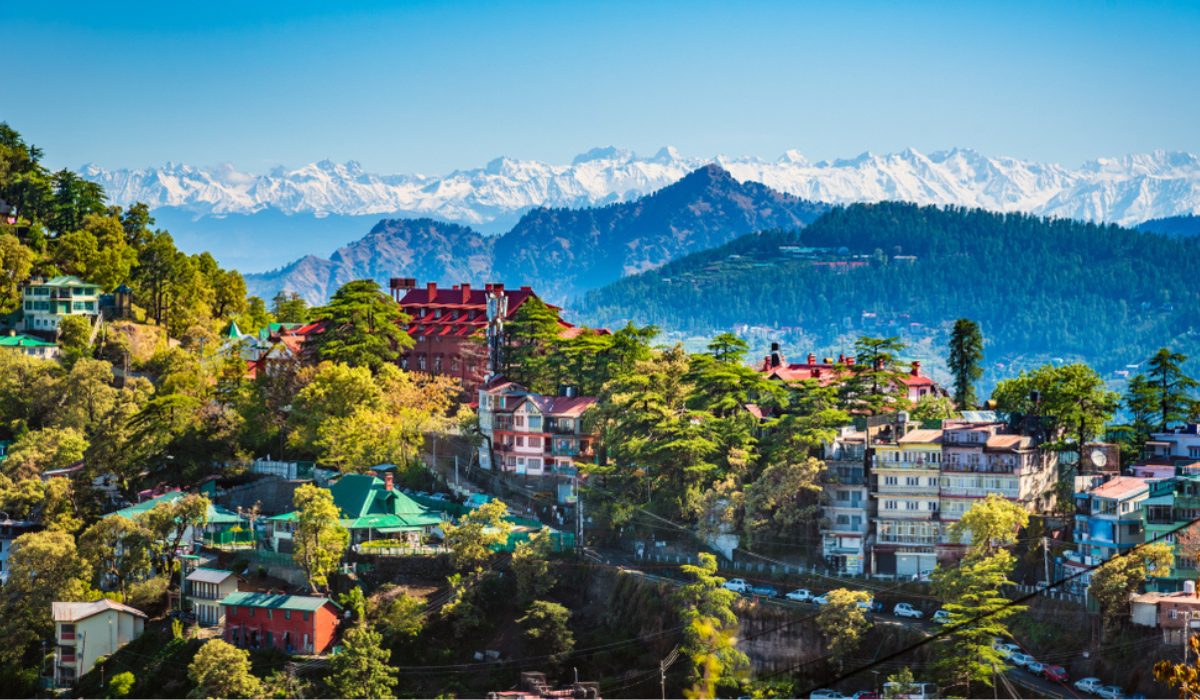
Darjeeling's cultural tapestry is a unique blend. You see the remnants of British colonial grandeur in architecture like the Windamere Hotel and Glenary's bakery, but it's beautifully intertwined with vibrant Nepali and Tibetan influences. Monasteries like Ghoom Monastery and the presence of Tibetan Refugee Self Help Centre offer deep insights into Buddhist culture and crafts. The entire region breathes tea history, from the Happy Valley Tea Estate tours to the Darjeeling Himalayan Railway, a UNESCO World Heritage site. Shimla, by contrast, is a living museum of the British Raj. The Viceregal Lodge, Christ Church, and Gaiety Theatre stand as impressive testaments to its past as the summer capital of British India. While it has its own Himachali culture, the dominant narrative for tourists often revolves around its colonial heritage. "Darjeeling just felt more 'real' with the mix of cultures and the tea plantations everywhere. Shimla felt a bit like a British theme park at times." Darjeeling offers a more diverse and organically integrated cultural experience.
Winner takeaway
- Winner: Darjeeling
- Why: Darjeeling provides a more unique and authentic cultural blend of British, Nepali, and Tibetan influences, centered around its iconic tea heritage.
- Who this matters for: History buffs interested in colonial and regional cultural fusion, and those passionate about tea history.
🏞️ Nature & Scenery
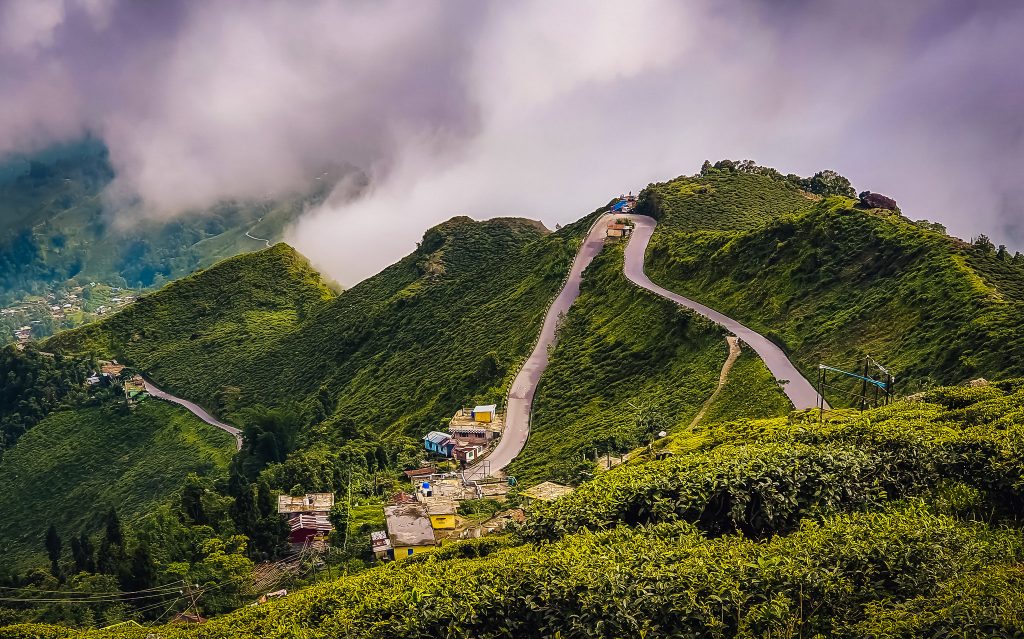
Darjeeling truly shines when it comes to breathtaking natural beauty. The star attraction is undoubtedly the panoramic view of Mount Kanchenjunga, especially at sunrise from Tiger Hill, an experience that is nothing short of spiritual. The endless, undulating slopes of the tea gardens, like Happy Valley or Makaibari, create a surreal, emerald landscape often cloaked in mist, giving it an ethereal quality. The dense forests around Senchal Wildlife Sanctuary offer opportunities for birdwatching and tranquil walks. It feels wilder, more untamed. Shimla's natural beauty is charming in its own right, characterized by vast pine and deodar forests that offer serene walks and pleasant valley views. Places like Chadwick Falls or the trails around Annandale provide peaceful escapes, but the views are generally less dramatic and expansive than Darjeeling's Kanchenjunga vista. "The Kanchenjunga sunrise from Tiger Hill in Darjeeling absolutely blew my mind. Nothing in Shimla really compares to that scale." Darjeeling offers that quintessential, majestic Himalayan experience.
Winner takeaway
- Winner: Darjeeling
- Why: Darjeeling boasts more dramatic, iconic Himalayan views (Kanchenjunga) and unique tea garden landscapes.
- Who this matters for: Photographers, nature lovers, trekkers, and those seeking awe-inspiring mountain vistas.
🍜 Food & Drink
For a distinctive culinary experience, Darjeeling takes the cake, largely thanks to its unique regional offerings. The town is a haven for lovers of Nepali and Tibetan cuisine; you'll find incredible momos, thukpa (noodle soup), shaphaley (fried bread with meat), and tingmo (steamed bread) at countless local eateries for as little as ₹100-200 (~$1.5-2.5). Of course, Darjeeling tea is paramount here – visit a tea estate like Happy Valley or simply enjoy a fresh brew at a local cafe. Glenary's, a colonial-era institution, offers excellent pastries and continental food. Shimla has a broader range of Indian options, including popular North Indian dishes and some Himachali specialties like Sidu (a local bread) or Chha Gosht (lamb curry), found at places like Himachali Rasoi. Cafes like Cafe Sol or the historic Indian Coffee House offer good options. "The momos in Darjeeling were next level, and drinking fresh Darjeeling tea at source was an experience. Shimla had good food, but nothing that felt as unique." Darjeeling's food scene feels more intrinsically tied to its location and culture.
Winner takeaway
- Winner: Darjeeling
- Why: Darjeeling offers a more unique and authentic culinary journey with its distinct Nepali/Tibetan cuisine and world-renowned tea.
- Who this matters for: Foodies, tea connoisseurs, and those eager to try local and regional specialties.
🏨 Accommodation
Shimla offers a more extensive and varied selection of accommodations catering to all budgets and preferences. From backpacker hostels like Zostel to mid-range hotels with all modern amenities, and even luxury resorts like The Oberoi Cecil (starting ₹15,000 / ~$180+ per night), Shimla has it all. The options are generally more standardized and widely available through major booking platforms. Darjeeling, while having its share of iconic colonial hotels like Windamere (starting ₹8,000 / ~$100+ per night) that exude old-world charm, generally leans towards smaller, family-run guesthouses and homestays. These can be incredibly charming and offer an authentic local experience (often ₹1000-2000 / ~$12-25), but the overall choice is less diverse and can sometimes feel more rustic. "It was easier to find a reliable, clean hotel in Shimla that fit my budget and had good facilities. Darjeeling was charming but sometimes a bit rough around the edges." If variety and modern amenities are a priority, Shimla wins.
Winner takeaway
- Winner: Shimla
- Why: Shimla provides a wider and more standardized range of accommodation options, suitable for all budgets and preferences.
- Who this matters for: Travelers seeking diverse hotel choices, modern amenities, and easier booking through established chains.
🗺️ Day Trips & Activities
Shimla offers a more diverse palette of day trips and activities catering to a broader audience, especially families. Kufri, just a short drive away, is a major draw with its adventure park, zoo, and opportunities for horse riding and even skiing in winter. Mashobra and Naldehra offer serene beauty, golfing, and forest walks. Chail Palace is another popular excursion. These locations often have well-developed tourist infrastructure. Darjeeling's day trips, while equally enchanting, lean more towards natural beauty and cultural experiences. The obligatory Tiger Hill sunrise trek (best arranged via shared taxi at ~₹150-200 / ~$2-3 per person) is a highlight. Visits to the Happy Valley Tea Estate (₹100 / ~$1.5 entry), Himalayan Mountaineering Institute (₹50 / ~$0.6 entry), Padmaja Naidu Himalayan Zoological Park, and a ride on the Toy Train are classic. "My kids loved Kufri near Shimla, there was so much to do for them beyond just sightseeing. Darjeeling was beautiful but less interactive for the little ones." Shimla's range of organized activities makes it a slightly stronger contender here.
Winner takeaway
- Winner: Shimla
- Why: Shimla offers a greater variety of day trips and organized activities, particularly for families and adventure seekers.
- Who this matters for: Families with children, adventure enthusiasts, and those looking for a diverse range of recreational activities beyond pure sightseeing.
☀️ Weather & Best Seasons
Both Darjeeling and Shimla share similar weather patterns typical of Himalayan hill stations, making it a tie. The best times to visit are generally spring (March to May) and autumn (September to November) when the weather is pleasant, and skies are clear, offering the best mountain views. In Darjeeling, this means unobstructed Kanchenjunga vistas. For Shimla, clear skies mean great visibility over the valleys. Monsoon season (June to August in Darjeeling, July to August in Shimla) brings heavy rainfall, which can lead to landslides and makes sightseeing difficult due to fog and continuous rain, though the greenery is lush. Winters (December to February) are cold in both. Darjeeling can be very chilly but often clears up for crisp, sunny days. Shimla frequently experiences snowfall during winter, transforming it into a winter wonderland, which is a major draw for some. "We went to Shimla in December and caught some amazing snowfall, it was magical! But my friends who went to Darjeeling in July said it was just constant fog and rain." Your choice depends on whether you prefer the misty charm of monsoon, the crisp clarity of autumn, or the potential for snow in winter.
Winner takeaway
- Winner: Tie
- Why: Both destinations offer distinct charm across different seasons, catering to varied preferences like clear views or snowfall.
- Who this matters for: Travelers with specific seasonal preferences, whether for snow, lush greenery, or clear mountain views.
🛍️ Shopping & Souvenirs
Darjeeling truly stands out for its unique and globally recognized souvenirs, making it the winner here. The absolute must-buy is, of course, authentic Darjeeling tea. You can purchase it directly from tea estates like Happy Valley or Makaibari, or from numerous shops on Nehru Road. Beyond tea, Darjeeling's strong Tibetan and Nepali influence means you'll find exquisite Tibetan handicrafts, thangkas (Buddhist paintings), prayer flags, warm woolen garments, and local art. The Tibetan Refugee Self Help Centre is a fantastic place to buy ethically made souvenirs. Shimla's shopping scene, primarily centered around Mall Road and Lakkar Bazaar, offers traditional Himachali items like vibrant caps, warm shawls, and wooden crafts. You'll also find local jams, fresh produce, and colonial-era curios. "I bought so much amazing tea and some beautiful Tibetan masks in Darjeeling; they felt really special. Shimla had nice stuff, but it was more generic tourist market fare." Darjeeling’s offerings feel more authentic and distinct to the region.
Winner takeaway
- Winner: Darjeeling
- Why: Darjeeling offers more unique and globally recognized souvenirs, particularly its famous tea and authentic Tibetan handicrafts.
- Who this matters for: Shoppers looking for distinct, high-quality local products, especially tea connoisseurs and craft enthusiasts.
✨ Vibe & Atmosphere
The vibe in Darjeeling is distinctly old-world, misty, and charmingly chaotic, giving it a unique character. It feels less polished and more 'authentic' with its narrow, winding lanes, colonial-era buildings, and the pervasive aroma of tea and local spices. There's a certain unhurried pace, even amidst the bustling markets, that invites slow travel and introspection. You often hear a mix of Nepali, Tibetan, and Bengali spoken, adding to its multicultural feel. Shimla, while beautiful, has a more bustling, resort-town atmosphere. Its pedestrian-only Mall Road and Ridge are often packed with tourists, giving it a lively but sometimes crowded feel. It's more developed, with a focus on organized tourism and modern amenities, which can sometimes dilute its historical charm for those seeking raw authenticity. "Darjeeling had this magical, slightly disheveled charm that just drew me in. Shimla felt a bit too 'touristy' and crowded for my taste, especially on the Mall." If you're after a truly unique and immersive atmosphere, Darjeeling is your pick.
Winner takeaway
- Winner: Darjeeling
- Why: Darjeeling offers a more unique, laid-back, and authentically charming old-world atmosphere, less commercialized than Shimla.
- Who this matters for: Travelers seeking a relaxed, immersive, and culturally rich atmosphere away from mainstream tourism.
❓ Frequently Asked Questions
Which destination is better for a family trip with young children?
Shimla generally offers more family-friendly activities, like the adventure park in Kufri and easier, well-paved walks on the Mall Road. Its infrastructure is also slightly more developed, which can be a plus with kids. Darjeeling is also lovely, but its steep terrain and fewer dedicated child activities might be less suitable for very young ones.
Which place offers better views of the Himalayan peaks?
Darjeeling is renowned for its spectacular, often dramatic views of Mount Kanchenjunga, the third-highest peak in the world. On a clear day, especially at sunrise from Tiger Hill, the vistas are unparalleled. Shimla offers beautiful valley and forest views, but generally not the same close-up, grand scale of snow-capped Himalayan giants.
Is the Toy Train experience similar in both Darjeeling and Shimla?
While both have UNESCO World Heritage 'Toy Trains,' the experiences are quite different. The Darjeeling Himalayan Railway offers a journey through tea gardens and town centers with dramatic loops. The Kalka-Shimla Railway is a longer journey through tunnels and bridges, showcasing dense pine forests. Both are highly recommended for their scenic charm.
Which destination is more suitable for a solo female traveler?
Both Darjeeling and Shimla are generally considered safe for solo female travelers, especially during the day. Basic precautions like avoiding isolated areas at night and being aware of your surroundings are always advisable. Shimla might feel slightly safer due to its more bustling nature and established tourist infrastructure, but Darjeeling's friendly locals and numerous homestays also offer a sense of security.
What's the best time of year to visit either Darjeeling or Shimla?
For pleasant weather, clear skies, and optimal mountain views, visit during spring (March to May) or autumn (September to November). If you wish to experience snowfall and a true winter wonderland, December to February is ideal for Shimla, and also offers crisp, clear days in Darjeeling (though less snow). Avoid the monsoon months (June-August) unless you enjoy heavy rain and mist.
Which destination has a better nightlife scene?
Neither Darjeeling nor Shimla are known for a vibrant nightlife akin to major cities. Both are primarily quiet hill stations. Shimla, being slightly larger and more commercialized, might have a few more options like hotel bars or cafes open later, but don't expect clubs. Darjeeling is mostly quiet after dinner, with a few charming old pubs like the Planter's Club offering a relaxed evening.
Can I easily combine a trip to Darjeeling with Sikkim?
Absolutely! Combining Darjeeling with Sikkim is a very popular and highly recommended itinerary. Darjeeling serves as an excellent gateway to Sikkim, with Gangtok (Sikkim's capital) being just a 3-4 hour drive away. This allows travelers to experience both the distinct cultures and stunning landscapes of West Bengal and Sikkim in one trip.
Which place has better internet connectivity for digital nomads?
While connectivity in Indian hill stations can be unpredictable, Shimla generally offers more reliable and faster internet due to its more developed infrastructure and larger population. Major hotels often have better Wi-Fi. Darjeeling has improved, but can still be a bit spotty, especially in homestays or during bad weather. Always carry a local SIM card with a good data plan (Jio or Airtel).
Ready to plan your Indian Himalayas trip?
Get a free custom itinerary for Darjeeling, Shimla, or both — built from real traveler insights.
🎟️ Book Tours & Experiences
Hand-picked tours and activities for both destinations — book with free cancellation
Experiences via Viator — free cancellation on most tours