How we built this comparison
This page combines traveler discussion patterns, published price ranges, flight schedules, and seasonal data to help you decide between Denmark and Germany.
- Reviewed 100+ Reddit threads from r/travel, r/solotravel, r/Denmark, r/Germany, r/Copenhagen, r/Berlin.
- Verified costs and logistics against current booking platforms like Booking.com, Deutsche Bahn, and Google Flights.
- Cross-referenced seasonal patterns and weather data from meteorological sources.
⚡ Quick Answers
⚡ The TL;DR Verdict
For most travelers seeking value and a broad range of experiences, Germany comes out ahead with daily budgets typically $70-140. Denmark, at $120-200 per day, suits those prioritizing design, smaller cities, and a slower pace. Pick Germany for a more expansive trip; choose Denmark for a focused, curated escape.
- Choose Denmark: Travelers who appreciate modern design, a cozy atmosphere, efficient public spaces, and are comfortable with higher costs for quality experiences.
- Choose Germany: Travelers looking for historical depth, diverse regional cultures, varied landscapes, lively cities, and better value across accommodations and food.
- Choose Both: If you have 10-14 days, combine a few days in Copenhagen with a train journey down to Hamburg or Berlin for a contrast in culture and cost.
Choose Denmark
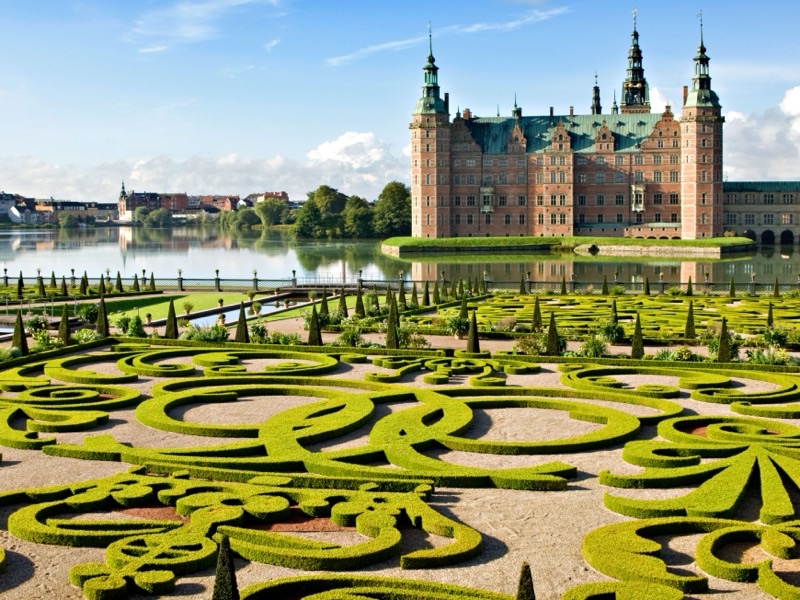
Choose Denmark for a meticulously curated escape, perfect for design enthusiasts and those who appreciate the concept of 'hygge'. Best for travelers seeking vibrant yet cozy city life, like exploring Copenhagen's Nørrebro district for cutting-edge design and delicious pastries, or enjoying pristine coastal landscapes. Expect a higher daily budget ($120-200) but unparalleled quality and a serene pace.
Choose Germany
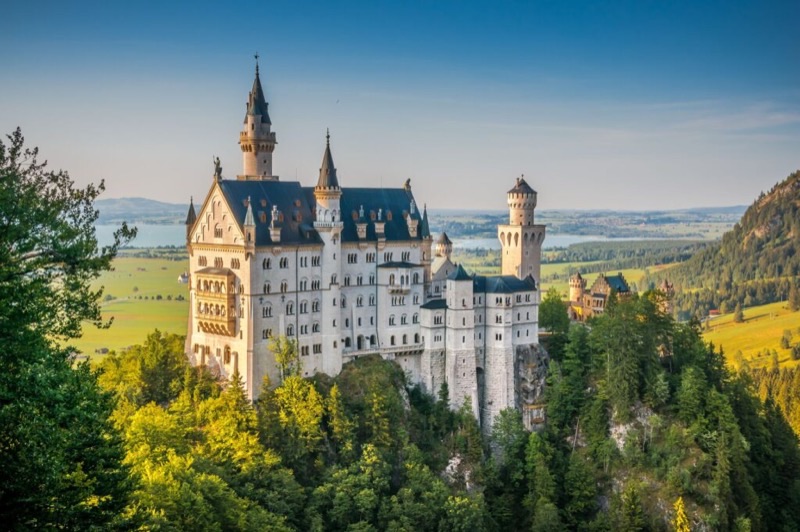
Opt for Germany if your journey seeks a robust blend of history, culture, and excellent value. Best for adventurers eager to explore diverse regions, from Berlin's iconic historical landmarks and vibrant arts scene to the scenic Bavarian Alps. You'll enjoy a wider range of experiences and a more budget-friendly trip, typically $70-140 daily, without compromising on quality or excitement.
📊 Visual Scorecard
🌤 When to Visit
Average high temperatures (°C). Green = best months, orange = avoid.
Quick Comparison
| Category | Denmark | Germany | Winner |
|---|---|---|---|
| Costs & Budget | Denmark is consistently more expensive for accommodation, food, and transport, reflecting high Scandinavian living costs. | Germany offers better value across the board, making it a more budget-friendly destination, especially outside of major cities. | Germany |
| Culture & History | Denmark's culture focuses on Viking history, royal heritage, and a strong emphasis on modern design and social well-being. | Germany's history is expansive, covering Roman settlements, medieval periods, Prussian royalty, World Wars, and Cold War divisions. | Germany |
| Food & Drink | Denmark is known for its New Nordic cuisine, open-faced sandwiches (smørrebrød), and pastries, though prices are high. | Germany offers hearty, traditional dishes, a strong beer culture, and regional specialties, generally at more affordable prices. | Germany |
| Nature & Outdoors | Denmark's natural spaces include flat coastlines, islands, and forested areas, well-suited for cycling and coastal walks. | Germany features diverse landscapes from Alpine mountains in the south to the North Sea coast, including forests, rivers, and lakes. | Germany |
| City Exploration | Copenhagen is Denmark's primary urban draw, offering design, canal areas, and a walkable center. Other cities are smaller. | Germany has multiple large, distinct cities like Berlin, Munich, Hamburg, and Cologne, each with its own character and attractions. | Germany |
| Getting Around | Denmark's public transport is efficient for its smaller size, with good train connections and excellent cycling infrastructure. | Germany boasts an extensive, high-speed rail network (Deutsche Bahn) and the Autobahn for efficient road travel. | Germany |
| Accommodation | Accommodation in Denmark is generally more expensive, with fewer budget options compared to its southern neighbor. | Germany offers a wider range of accommodation types at better price points, from budget hostels to luxury hotels. | Germany |
| Nightlife | Copenhagen has good bars and some clubs, generally with a more relaxed, social atmosphere and higher drink prices. | Germany, particularly Berlin, is famous for its extensive and diverse club scene, alongside traditional pubs and beer gardens. | Germany |
| Safety | Denmark is considered one of the safest countries globally, with very low crime rates across its cities and towns. | Germany is also a very safe country for travelers, with low rates of violent crime, though petty theft can occur in crowded areas. | Tie |
| Solo Travel | Denmark is safe and easy for solo travelers but can be expensive and sometimes less conducive to spontaneous social interactions. | Germany is highly accommodating for solo travelers, offering ample hostel options, diverse activities, and ease of meeting others. | Germany |
💰 Costs & Budget
Traveling through Denmark requires a higher daily budget. A mid-range hotel in Copenhagen might cost DKK 1000-1500 ($145-220) per night. A casual restaurant meal, like smørrebrød…
Denmark
Germany
Traveling through Denmark requires a higher daily budget. A mid-range hotel in Copenhagen might cost DKK 1000-1500 ($145-220) per night. A casual restaurant meal, like smørrebrød or a simple cafe dish, often runs DKK 120-250 ($17-37). Public transport, while efficient, adds up, with a single two-zone ticket in Copenhagen costing DKK 24 ($3.50). Groceries are also pricier, though cooking can help manage expenses. For example, a basic coffee in Copenhagen is DKK 40-50 ($6-7.50), significantly higher than many European cities.
Germany offers considerably better value. A comparable mid-range hotel in Berlin or Munich might cost EUR 80-130 ($85-140). A meal at a casual restaurant, such as a traditional German eatery, can be found for EUR 10-20 ($11-22). Local transport in Berlin, like a single ABC ticket, is EUR 3.80 ($4.10). Beer and groceries are notably cheaper, with a half-liter of local beer in a pub often costing EUR 4-6 ($4.30-6.50). Travelers can often find good deals on accommodation and food by exploring smaller towns or using budget supermarkets like Aldi or Lidl. Germany offers a more forgiving budget for extended trips. Tabiji verdict: Germany offers significantly more value for money across nearly all travel categories.
- Winner: Germany
- Why: Germany provides a more accessible travel budget for most people, allowing for longer trips or more activities.
- Who this matters for: Budget-conscious travelers, backpackers, and families looking to stretch their travel funds.
🏛️ Culture & History
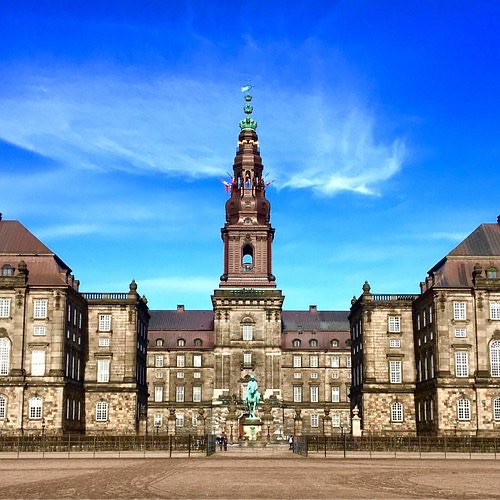
Denmark's historical narrative often revolves around its Viking past, with sites like the Viking Ship Museum in Roskilde showcasing preserved vessels. The Danish monarchy has a…
Denmark
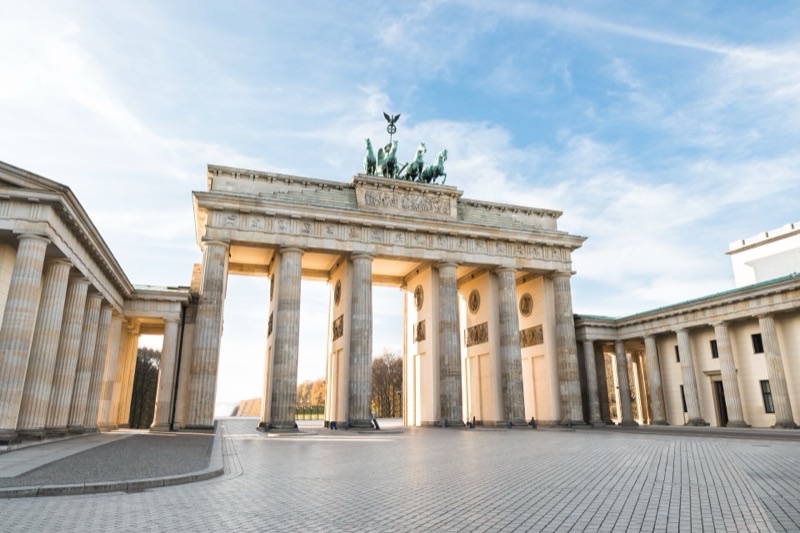
Germany
Denmark's historical narrative often revolves around its Viking past, with sites like the Viking Ship Museum in Roskilde showcasing preserved vessels. The Danish monarchy has a long lineage, visible in castles like Kronborg Castle in Helsingør (Hamlet's Elsinore) and Amalienborg Palace in Copenhagen. Modern Danish culture is characterized by hygge, a sense of cozy togetherness, and a strong design tradition evident in furniture and architecture. The Louisiana Museum of Modern Art near Copenhagen combines art with coastal landscapes, representing Danish aesthetic sensibilities. While its historical periods are fewer, the preservation and presentation are thorough.
Germany's history is layered and complex. You can explore Roman ruins in Trier, medieval castles like Neuschwanstein, the grandeur of Prussian palaces such as Sanssouci in Potsdam, and significant sites from World War II in Berlin, including the Brandenburg Gate and the Reichstag Building. The remnants of the Berlin Wall offer tangible connections to the Cold War era. Cities like Munich preserve beer hall culture, while Dresden rebuilds its Baroque heritage. Germany offers a deeper, more varied historical exploration. Tabiji verdict: Germany delivers a vastly more extensive and varied historical and cultural journey.
- Winner: Germany
- Why: Germany presents a wider range of historical periods and cultural movements, offering more depth and variety for history enthusiasts.
- Who this matters for: History buffs, those interested in diverse architectural styles, and travelers seeking significant historical education.
🍽️ Food & Drink
Danish cuisine, particularly the New Nordic movement, emphasizes local, seasonal ingredients and innovative preparation. Restaurants like Noma (though very high-end) exemplify…

Denmark
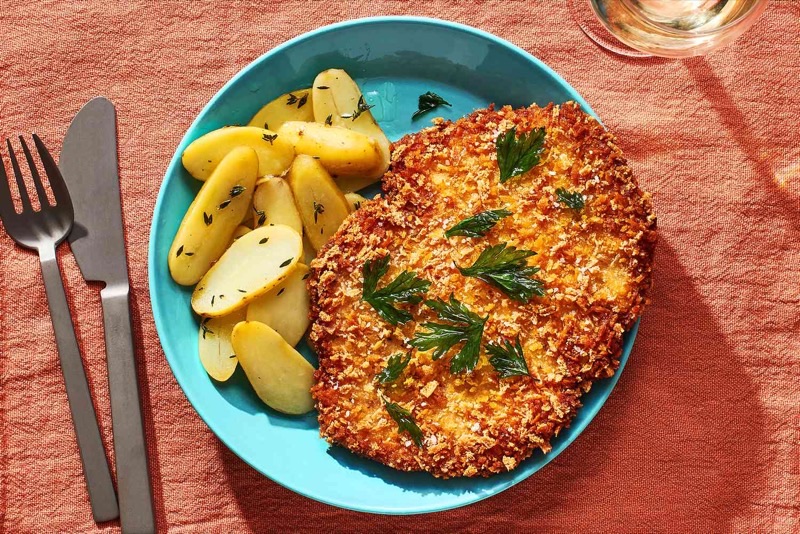
Germany
Danish cuisine, particularly the New Nordic movement, emphasizes local, seasonal ingredients and innovative preparation. Restaurants like Noma (though very high-end) exemplify this. More accessible options include a wide range of smørrebrød, which are rye bread slices with various toppings, costing DKK 80-150 ($12-22) at a good spot. Pastries like 'wienerbrød' (Danish pastry) are delicious. Craft beer scenes are growing in Copenhagen, but a pint can easily be DKK 60-80 ($9-12). Eating out frequently can strain a budget quickly.
German food is about comfort and regional identity. Expect dishes like schnitzel, sausages (Bratwurst, Currywurst), sauerkraut, and hearty potato dishes. A plate of Currywurst in Berlin might cost EUR 4-6 ($4.30-6.50), while a traditional Schnitzel dinner is around EUR 15-25 ($16-27). Germany's beer culture is legendary, with regional brews and beer gardens (Biergärten) especially prominent in Bavaria. A half-liter of beer typically costs EUR 4-6 ($4.30-6.50). Wine regions, like the Mosel Valley, also offer excellent local options. Germany provides broader choices and better value for everyday dining. Tabiji verdict: Germany wins for its hearty, accessible food and exceptional beer culture at reasonable prices.
- Winner: Germany
- Why: Germany offers a wider array of affordable, satisfying local dishes and a deeply ingrained, varied beer culture.
- Who this matters for: Foodies seeking traditional European fare, beer enthusiasts, and travelers prioritizing good value meals.
🌳 Nature & Outdoors
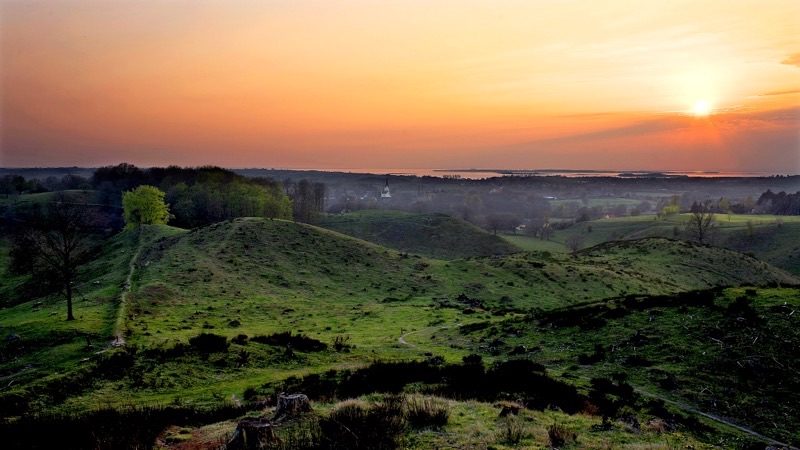
Denmark's natural appeal lies in its gentle, rolling landscapes and extensive coastline. Beaches along the North Sea, like those near Blåvand, offer long stretches of sand for…
Denmark
Germany
Denmark's natural appeal lies in its gentle, rolling landscapes and extensive coastline. Beaches along the North Sea, like those near Blåvand, offer long stretches of sand for walking. The country is relatively flat, making it ideal for cycling, with many dedicated routes through countryside and along fjords. Møns Klint, a chalk cliff formation, provides dramatic coastal views. The Faroe Islands, a self-governing Danish territory, offer rugged, volcanic landscapes and unique birdlife, though reaching them is a separate, costly trip. The Skagen area, where two seas meet, is another distinct natural point.
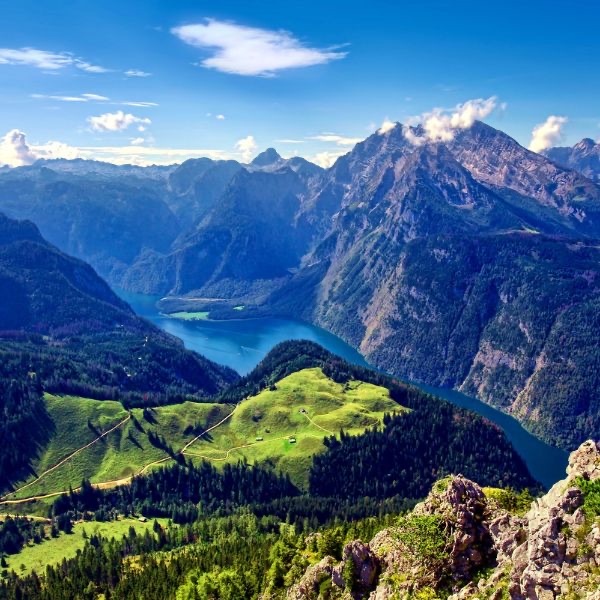
Germany offers a vastly more varied natural environment. In the south, the Bavarian Alps provide opportunities for hiking, skiing, and scenic drives, with Zugspitze being the highest peak. The Black Forest (Schwarzwald) is known for its dense woods, cuckoo clocks, and thermal spas. The Rhine River Valley features vineyards and castles, ideal for boat trips and walks. The Baltic and North Sea coasts offer different beach experiences. Large national parks like Jasmund National Park with its chalk cliffs, or the Saxon Switzerland National Park with its sandstone formations, provide extensive areas for outdoor activities. Tabiji verdict: Germany's landscape diversity provides a much broader and more dramatic range of outdoor activities.
- Winner: Germany
- Why: Germany's geography includes mountains, forests, and multiple coastlines, offering a greater variety of outdoor pursuits.
- Who this matters for: Hikers, nature photographers, adventurers seeking diverse terrain, and those wanting both mountains and coasts.
🏙️ City Exploration
Copenhagen is Denmark's main city for exploration, known for its focus on design, cycling culture, and the hygge concept. Areas like Nyhavn with its colorful houses, the Tivoli…
Denmark
Germany
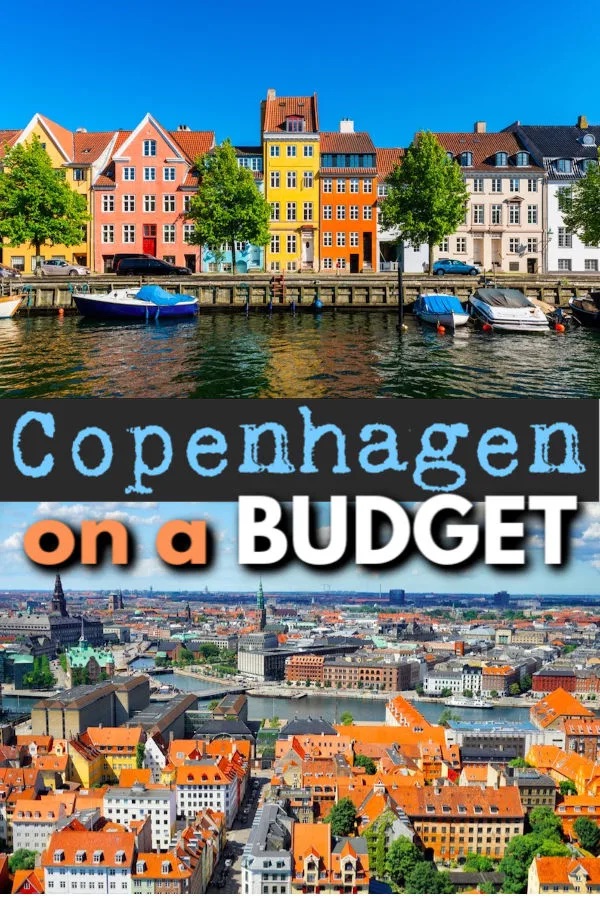
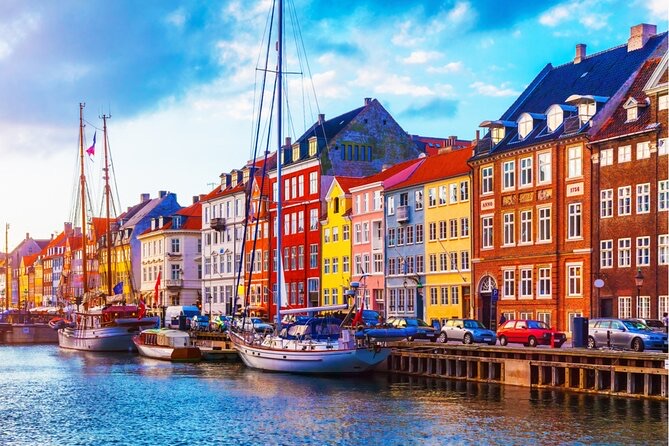
Copenhagen is Denmark's main city for exploration, known for its focus on design, cycling culture, and the hygge concept. Areas like Nyhavn with its colorful houses, the Tivoli Gardens amusement park, and the historic Latin Quarter offer distinct ambiances. The city is very walkable and has efficient public transport. Other Danish cities like Aarhus and Odense are smaller, offering pleasant experiences but not on the same scale of attractions or size as Copenhagen. Aalborg has some interesting architecture and nightlife. The urban experience in Denmark is concentrated and refined, generally feeling less overwhelming.
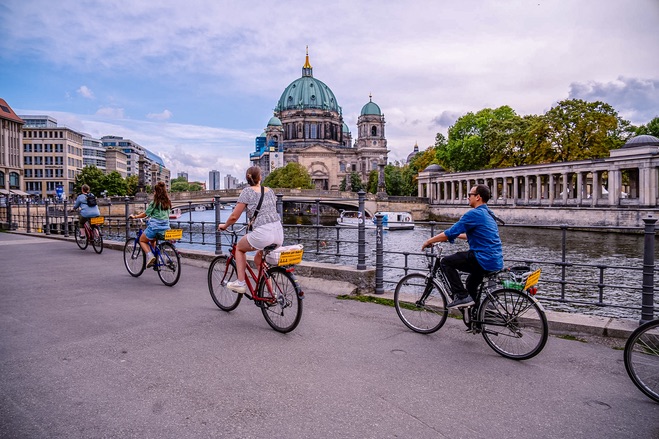
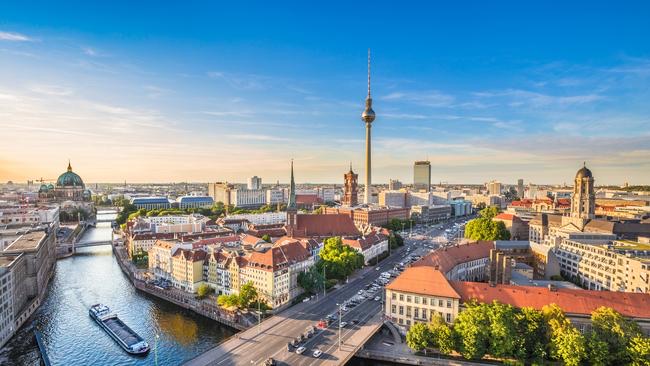
Germany offers a broad spectrum of urban experiences. Berlin is a sprawling metropolis with significant historical sites, diverse neighborhoods, and a prominent art scene. Munich offers Bavarian traditions, beer halls, and proximity to the Alps. Hamburg is a port city with canals, nightlife, and a large red-light district. Cologne boasts a grand cathedral and Roman heritage. Frankfurt is a financial hub with modern architecture, while smaller cities like Heidelberg offer medieval charm. Each German city has a distinct identity, making multi-city trips rewarding. Tabiji verdict: Germany’s extensive network of distinct cities provides a much richer urban exploration experience.
- Winner: Germany
- Why: Germany offers a greater number of large, distinct cities, each with unique attractions and a different feel.
- Who this matters for: Travelers who enjoy exploring multiple large cities, those seeking diverse urban environments, and city break enthusiasts.
🚆 Getting Around
Getting around Denmark is efficient. The train system connects major cities like Copenhagen, Aarhus, and Odense well. Within cities, particularly Copenhagen, cycling is the…
Getting around Denmark is efficient. The train system connects major cities like Copenhagen, Aarhus, and Odense well. Within cities, particularly Copenhagen, cycling is the preferred method, with dedicated bike lanes everywhere. Public buses and metro systems are clean and punctual. For exploring islands, ferries are necessary. Distances between points of interest are relatively short, making day trips straightforward. Renting a car is an option, but not strictly necessary for most itineraries focused on cities. Gas prices are high, similar to other Scandinavian nations.
Germany's transport infrastructure is a major advantage. Deutsche Bahn (DB) offers a comprehensive rail network, including high-speed ICE trains that connect major cities quickly and reliably. Regional trains serve smaller towns. Train passes can offer good value for extensive travel. The Autobahn system allows for fast road travel, and car rental is a popular option for exploring rural areas, though fuel costs can add up. Public transport within cities is excellent, with U-Bahn (subway), S-Bahn (commuter rail), trams, and buses. Germany's transport options cater to longer distances and multi-city itineraries with ease. Tabiji verdict: Germany's extensive and efficient rail network provides superior options for covering longer distances across the country.
- Winner: Germany
- Why: Germany's high-speed rail network and Autobahn system make inter-city and inter-regional travel faster and more flexible.
- Who this matters for: Travelers planning to visit multiple cities or regions, those who prefer train travel, and road-trippers.
🛌 Accommodation
Accommodation prices in Denmark, especially in Copenhagen, are high. A bed in a well-regarded hostel dormitory can cost DKK 250-400 ($37-60) per night. Mid-range hotels typically…
Accommodation prices in Denmark, especially in Copenhagen, are high. A bed in a well-regarded hostel dormitory can cost DKK 250-400 ($37-60) per night. Mid-range hotels typically start from DKK 1000 ($145) and go upwards. Airbnb options are available but also come with a higher price tag. There are fewer truly budget-friendly options, requiring more planning and booking in advance to secure reasonable rates. Even outside the capital, prices remain elevated compared to Central Europe. Campsites are an option in rural areas for summer travel, but hotel costs reflect the general cost of living.
Germany offers a much broader spectrum of accommodation and better value. Hostel dorm beds can be found for EUR 20-35 ($22-38) in major cities. Mid-range hotels in places like Berlin or Munich often cost EUR 80-130 ($85-140). Family-run guesthouses (Gasthäuser) in smaller towns offer authentic experiences at good prices. Airbnb and other rental platforms also tend to be more affordable. Germany provides more options for budget travelers and those seeking good value in comfortable settings, making it easier to find a place that fits your needs without overspending. Tabiji verdict: Germany is the clear winner for its greater availability of affordable and diverse accommodation options.
- Winner: Germany
- Why: Germany offers better value and a wider selection of accommodation types across all price ranges.
- Who this matters for: Budget travelers, those on longer trips, and anyone seeking good value for their lodging.
🍻 Nightlife
Copenhagen's nightlife is concentrated in areas like Nørrebro and Vesterbro. You'll find many cozy bars, cocktail lounges, and some smaller clubs. The atmosphere is typically more…
Copenhagen's nightlife is concentrated in areas like Nørrebro and Vesterbro. You'll find many cozy bars, cocktail lounges, and some smaller clubs. The atmosphere is typically more relaxed, centered around conversation and drinks rather than large-scale dancing. Drink prices are high; a beer often costs DKK 60-80 ($9-12), and cocktails can be DKK 100-140 ($15-20). While there are options for late-night entertainment, it doesn't have the same reputation for large-scale, all-night clubbing as some other European capitals. Live music venues are also present but less pervasive.
Germany's nightlife is extensive and varied, with Berlin standing out as a global clubbing destination. Clubs like Berghain, Sisyphos, and Watergate offer intense, often multi-day electronic music experiences. Beyond Berlin, cities like Hamburg (Reeperbahn district), Munich (with its beer halls like Hofbräuhaus), and Cologne also have active bar and club scenes. Traditional German pubs and beer gardens provide a more relaxed social setting, with beer prices typically EUR 4-6 ($4.30-6.50) for a half-liter. Germany offers options for all types of evening entertainment, from quiet drinks to dancing until morning. Tabiji verdict: Germany provides a much more expansive and diverse nightlife, especially for those seeking electronic music and late-night clubs.
- Winner: Germany
- Why: Germany has a more prominent and varied nightlife scene, particularly its renowned clubbing culture in Berlin.
- Who this matters for: Party-goers, electronic music enthusiasts, and those looking for lively late-night entertainment.
🛡️ Safety
Denmark consistently ranks among the safest countries in the world. Violent crime is extremely rare, and even petty crime like pickpocketing is less common than in many other…
Denmark consistently ranks among the safest countries in the world. Violent crime is extremely rare, and even petty crime like pickpocketing is less common than in many other European capitals. Walking alone at night in Copenhagen or any Danish city is generally considered safe. The public spaces are well-maintained, and people are generally respectful. Travelers should still exercise basic precautions, such as watching belongings in crowded tourist spots, but the overall feeling of security is very high. Danish society has a high level of trust, which extends to its public spaces and interactions.
Germany is also a very safe destination. Major cities have low violent crime rates. Petty theft, especially pickpocketing, can occur in busy tourist areas like train stations, crowded markets, or at large events like Oktoberfest. Being aware of your surroundings and securing valuables is advisable, as in any major city. Public transport is safe at night. Germany has a strong police presence, and emergency services are reliable. Overall, travelers can feel secure exploring Germany's cities and countryside. Tabiji verdict: Both Denmark and Germany offer an exceptionally safe travel environment, making them equal in this regard.
- Winner: Tie
- Why: Both countries maintain very high safety standards with low crime rates, offering peace of mind to travelers.
- Who this matters for: Solo travelers, families with children, and anyone prioritizing a sense of security during their trip.
🚶♀️ Solo Travel
Denmark is a very safe country for solo travelers, which is a major benefit. Navigating cities like Copenhagen alone is straightforward due to efficient public transport and…
Denmark is a very safe country for solo travelers, which is a major benefit. Navigating cities like Copenhagen alone is straightforward due to efficient public transport and widespread English proficiency. However, the higher costs can make solo travel more expensive, as you bear all accommodation and meal costs yourself. While Danes are friendly, they can be reserved, making spontaneous social connections a bit harder than in other countries. Hostels are available but sometimes pricier, and fewer organized social activities exist compared to Germany. It's a good choice for independent, self-contained solo trips.
Germany offers a strong environment for solo travelers. Its extensive hostel network across cities provides budget-friendly accommodation and social opportunities. There are many tours, free walking tours, and activities designed for individual participants. Germans, while sometimes perceived as direct, are generally helpful. The country's efficient transport system makes moving between cities simple. You can easily find companions for pub crawls in Berlin or explore historical sites at your own pace. The wider range of budget options also makes extended solo trips more feasible. Tabiji verdict: Germany provides more opportunities for social interaction and budget management for solo travelers.
- Winner: Germany
- Why: Germany's comprehensive hostel scene and diverse activity options make it easier for solo travelers to meet people and manage costs.
- Who this matters for: Solo travelers on a budget, those looking to meet other travelers, and individuals seeking varied activities.
🎯 The Decision Framework
Choose Denmark If…
- You prioritize modern design and architecture (e.g., Danish Design Museum, Royal Danish Library 'Black Diamond').
- You appreciate a clean, orderly environment and efficient public spaces.
- You're interested in Viking history and royal heritage (e.g., Roskilde Viking Ship Museum, Kronborg Castle).
- You prefer smaller, more concentrated city experiences (e.g., Copenhagen's walkable center).
- You enjoy cycling as a primary mode of transport.
- You want to experience 'hygge' – a concept of coziness and well-being.
- You are comfortable with a higher travel budget for quality experiences.
Choose Germany If…
- You want extensive historical exploration, from Roman ruins to Cold War sites (e.g., Trier, Berlin Wall).
- You enjoy a strong beer culture and traditional hearty food (e.g., Munich beer halls, Currywurst in Berlin).
- You seek diverse landscapes, including mountains, forests, and rivers (e.g., Bavarian Alps, Black Forest, Rhine Valley).
- You plan to visit multiple large, distinct cities with different personalities (e.g., Berlin, Munich, Hamburg, Cologne).
- You rely on a fast, efficient, and comprehensive train network for inter-city travel (e.g., Deutsche Bahn ICE trains).
- You need a more budget-friendly travel option, especially for accommodation and food.
- You're interested in a lively and varied nightlife scene, particularly electronic music clubs.
- You want a wide range of options for solo travelers to socialize and find activities.
📅 Sample Itineraries
Weekend in Copenhagen (3 Days)
💡 Purchase a Copenhagen Card for 24, 48, or 72 hours (starts around $60 for 24 hours) to cover public transport and entry to over 80 attractions, saving money if you plan extensive sightseeing.
Weekend in Berlin (3 Days)
💡 Buy a Berlin WelcomeCard (starts around $25 for 48 hours) for unlimited public transport and discounts on attractions, which can save a significant amount, especially if visiting multiple museums.
One Week in Denmark (7 Days)
💡 For train travel between cities, book tickets in advance through DSB (Danish Railways) to secure 'Orange' tickets, which can offer savings of up to 50% on standard fares.
One Week in Germany (7 Days)
💡 Utilize Deutsche Bahn's 'Sparpreis' (saver fare) tickets for long-distance train travel; booking 2-3 months in advance can result in significant savings, often 50% or more off the walk-up price.
❓ Frequently Asked Questions
What's the typical flight time from the US to Denmark vs Germany?
A direct flight from New York (JFK) to Copenhagen (CPH) takes approximately 7-8 hours. A direct flight from New York (JFK) to Frankfurt (FRA) or Berlin (BER) is typically 7.5-8.5 hours. Flight times are quite similar, with slightly longer durations often for Germany due to its more central European location.
Which country is better for a two-week trip?
For a two-week trip, Germany is generally better. Its larger size, diverse regions (Bavaria, Black Forest, Berlin, Northern Coast), and varied cities allow for a more expansive and contrasting itinerary over 14 days without feeling rushed. Denmark is better suited for 5-7 days unless you plan to explore beyond Copenhagen, like Aarhus or the Faroe Islands.
Is English widely spoken in Denmark and Germany?
Yes, English is widely spoken in both countries, particularly in tourist areas, major cities, and among younger populations. In Denmark, almost everyone speaks excellent English. In Germany, English proficiency is also very high, though you might encounter more limited English in smaller, rural towns, especially among older generations. Basic German phrases are appreciated there.
What's the best time of year to visit Denmark or Germany?
Both countries are best visited during late spring (May-June) or early autumn (September). Temperatures are pleasant (15-22°C / 60-72°F), crowds are manageable, and daylight hours are long. Summer (July-August) can be warm and busy, especially in major tourist spots. Winters are cold and often grey, with temperatures frequently below freezing.
Which country has better public transportation for tourists?
While both have efficient systems, Germany's public transportation network is superior for inter-city travel. Deutsche Bahn's high-speed trains connect nearly every corner of the country. Denmark's system is good for its size but covers smaller distances. Within cities, both offer comprehensive bus, tram, and metro networks. Germany also offers better value on long-distance train tickets.
Can I easily travel between Denmark and Germany?
Yes, traveling between Denmark and Germany is straightforward. Direct train services connect Copenhagen to Hamburg in about 5 hours, with tickets costing around EUR 40-70 ($43-75) if booked in advance. Buses like FlixBus also operate this route for a cheaper, though longer, journey. There are also short flights between Copenhagen and German cities like Berlin or Hamburg.
Which country is better for families with young children?
Germany offers more family-friendly options due to its size and variety. Large cities have numerous parks, museums, and attractions suitable for kids (e.g., Berlin Zoo, Europa-Park). Accommodation and food are more budget-friendly. Denmark is also safe and clean for families, with Tivoli Gardens in Copenhagen being a highlight, but the higher costs might be a factor for longer stays.
What are the visa requirements for US citizens for both countries?
US citizens can enter both Denmark and Germany (which are part of the Schengen Area) for tourism or business stays of up to 90 days within a 180-day period without a visa. This policy will change in mid-2025 when the ETIAS authorization becomes mandatory for entry to the Schengen Area. It's a simple online application.
Ready to plan your Northern Europe trip?
Get a free custom itinerary for Denmark, Germany, or both — built from real traveler insights.
👥 Travelers Also Compared
🎟️ Book Tours & Experiences
Hand-picked tours and activities for both destinations — book with free cancellation
Experiences via Viator — free cancellation on most tours