How we built this comparison
This page combines traveler discussion patterns, published price ranges, flight schedules, and seasonal data to help you decide between Denmark and Greece.
- Reviewed 50+ Reddit threads from r/travel, r/solotravel, r/Denmark, r/Greece, r/Copenhagen, r/Athens
- Verified costs and logistics against current booking platforms like Booking.com, Skyscanner, and local transport sites
- Cross-referenced seasonal patterns and weather data from meteorological sources
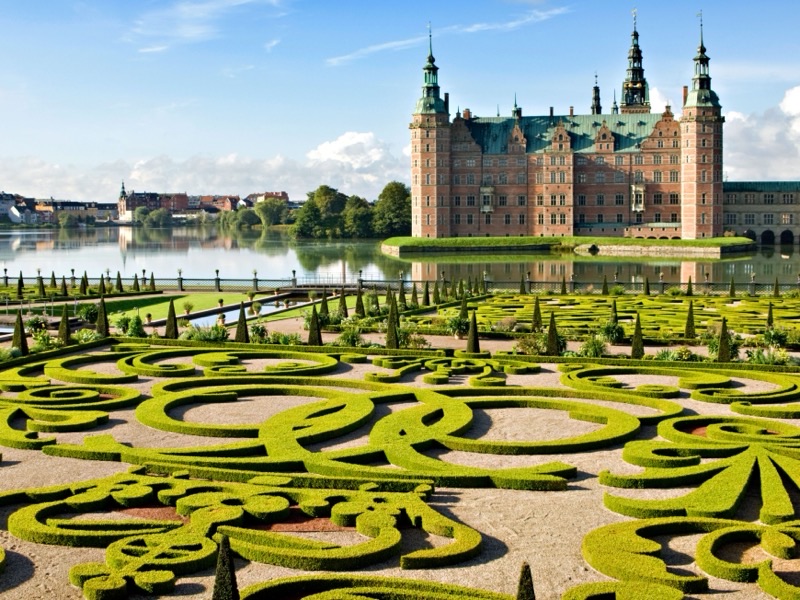
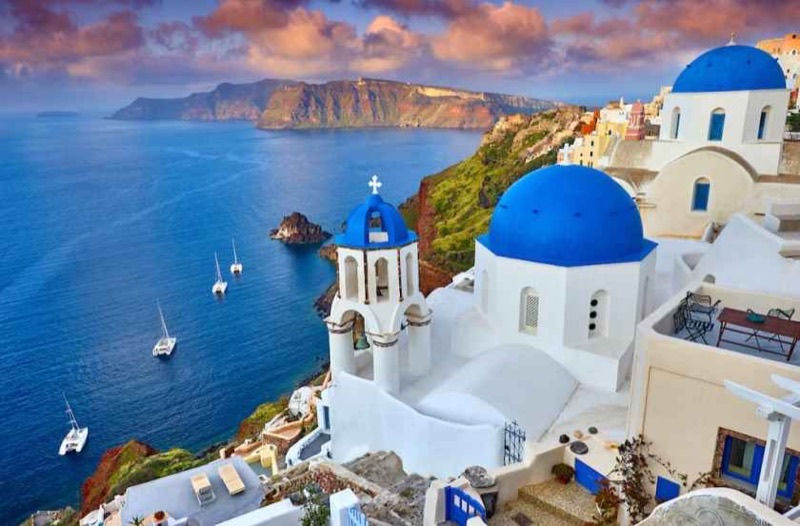
⚡ Quick Answers
⚡ The TL;DR Verdict
For travelers prioritizing budget, extended sunshine, and ancient sites, Greece is the clear choice, offering daily costs around $80-150. If you seek refined urban experiences, cutting-edge design, and efficient travel even at higher prices, Denmark, with its $150-250+ daily budget, delivers a different, equally rewarding experience. Most travelers seeking sunshine and value will lean towards Greece.
- Choose Denmark: Go for urban exploration, modern design, clean cities, and a structured, efficient travel experience, especially if budget isn't a primary concern.
- Choose Greece: Pick Greece for historical sites, beach relaxation, a more relaxed pace, and significantly lower costs, particularly for food and accommodation.
- Choose Both: If you have 3+ weeks and a flexible budget, you could experience both; start with the north in Denmark for a week, then fly south to Greece for two weeks of sun and history.
Choose Denmark
Denmark is ideal for travelers who prioritize sleek Scandinavian design, efficient city exploration, and a sophisticated culinary scene. Best for urban adventurers and design enthusiasts, you'll discover hygge in Copenhagen's charming Nørrebro cafes and immerse yourself in cutting-edge architecture, embracing a higher budget for quality experiences.
Choose Greece
Greece beckons to history enthusiasts and sun-seekers craving a vibrant cultural experience without breaking the bank. Best for those dreaming of island-hopping adventures, you can explore the ancient wonders of Athens' Acropolis, then relax on stunning beaches in the Cyclades, savoring delicious, affordable Mediterranean meals.
📊 Visual Scorecard
🌤 When to Visit
Average high temperatures (°C). Green = best months, orange = avoid.
Quick Comparison
| Category | Denmark | Greece | Winner |
|---|---|---|---|
| Costs & Budget | Significantly higher daily expenses, especially for food and drink. Expect $150-250+ per day. | More budget-friendly options for accommodation, food, and transport. Daily costs around $80-150. | Greece |
| Culture & History | Focus on Viking heritage, modern design, Andersen's fairy tales, and a strong emphasis on 'hygge'. | Ancient civilizations, mythological sites, Byzantine churches, and a legacy spanning thousands of years. | Greece |
| Food & Drink | Nordic cuisine with focus on seasonal ingredients, smørrebrød, pastries. Drinks are expensive. | Mediterranean diet staples: fresh seafood, olive oil, vegetables, grilled meats, diverse regional dishes. Drinks are affordable. | Greece |
| Nature & Outdoors | Flat landscapes, extensive coastlines, forests, and carefully designed urban parks. | Diverse terrain including mountains, volcanoes, beaches, ancient olive groves, and dramatic coastlines. | Greece |
| Beaches & Islands | Long, often windswept North Sea and Baltic Sea beaches, cooler water, fewer islands for classic beach holidays. | Thousands of islands, warm Mediterranean waters, diverse beaches (sandy, pebbly, volcanic), extensive options for island hopping. | Greece |
| Getting Around | Highly efficient public transport, excellent cycling infrastructure, good train connections. | Extensive bus networks on the mainland, reliable ferry system for islands, car rentals advisable in rural areas. | Denmark |
| Accommodation | Modern, well-designed hotels and apartments, but at a premium price point. | Wide range from budget hostels to luxury resorts, including family-run guesthouses, generally more affordable. | Greece |
| Nightlife & Entertainment | Copenhagen has a developed bar and club scene, craft breweries, live music, but drinks are expensive. | Athens offers diverse bars and clubs; islands like Mykonos and Ios are known for their party scenes. Drinks are affordable. | Greece |
| Weather & Seasons | Mild summers, cold and dark winters, often rainy. Peak travel is June-August. | Long, hot, dry summers; mild, wet winters. Extended shoulder seasons with pleasant temperatures. | Greece |
| Solo Travel & Safety | Very safe, easy to navigate solo, but can be less overtly social due to 'hygge' culture. | Generally safe, welcoming people, but petty crime can be an issue in crowded areas. Easy to meet others. | Denmark |
💰 Costs & Budget
Denmark is consistently one of Europes most expensive destinations. A basic hotel in Copenhagen starts around $150-200 (1000-1350 DKK) per night, and a casual meal like smørrebrød…
Denmark
Greece
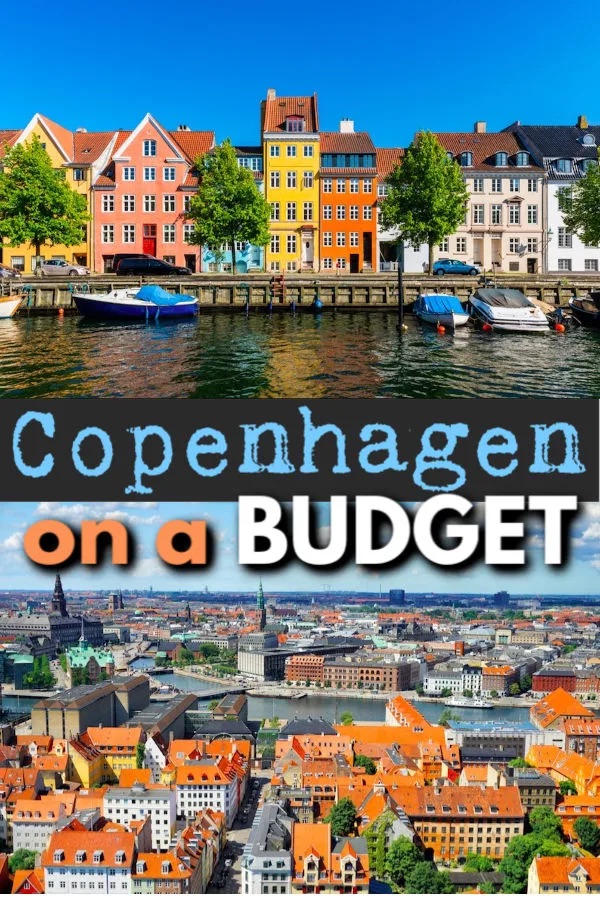
Denmark is consistently one of Europes most expensive destinations. A basic hotel in Copenhagen starts around $150-200 (1000-1350 DKK) per night, and a casual meal like smørrebrød at a place like Aamanns Replik can easily cost $20-30 (135-200 DKK). A pint of local beer typically runs $7-10 (50-70 DKK). Groceries from Netto or Føtex can help, but dining out adds up quickly. Public transport is efficient but not cheap; a single zone ticket in Copenhagen is $3.50-4 (24-28 DKK).
Greece offers a much more accessible price point. You can find decent hotels in Athens for $70-120 (65-110 EUR) per night, and a souvlaki meal from a street vendor costs only $3-5 (3-4.5 EUR). A pint of local beer is usually $4.50-7 (4-6 EUR). Island prices, particularly on Santorini or Mykonos, can approach Danish levels for premium experiences, but overall, everyday expenses are lower. Inter-island ferries and mainland buses are affordable. For budget-conscious travelers, Greece provides much more travel duration for the money. tabiji verdict: Greece provides significantly better value for most travelers' budgets.
- Winner: Greece
- Why: Greece offers substantially lower prices for food, accommodation, and activities, making it accessible to more travelers.
- Who this matters for: Budget travelers, those planning longer trips, and anyone prioritizing value for money.
🏛️ Culture & History
Denmark's cultural identity is rooted in its Viking past, visible at places like the Viking Ship Museum in Roskilde, where you can see preserved longships. Its modern culture…
Denmark

Greece
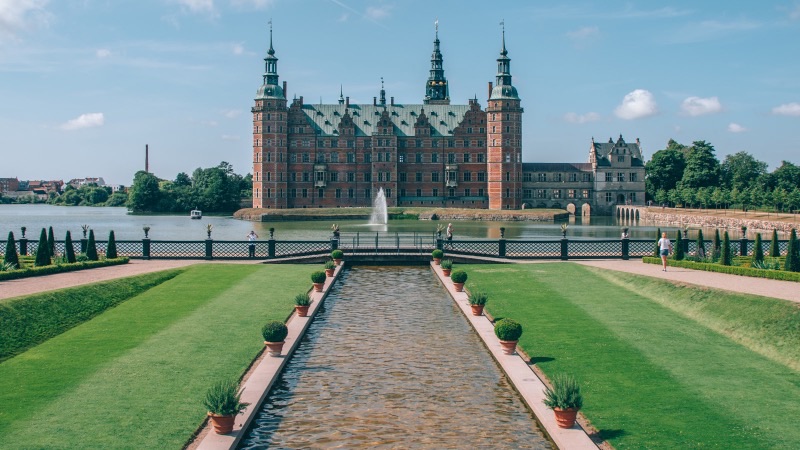
Denmark's cultural identity is rooted in its Viking past, visible at places like the Viking Ship Museum in Roskilde, where you can see preserved longships. Its modern culture revolves around Scandinavian design, architecture (e.g., The Black Diamond library in Copenhagen), and the concept of 'hygge,' emphasizing coziness and comfort. Literary heritage includes Hans Christian Andersen, whose influence is found in Copenhagen statues and park designs. The Danish Royal family and their palaces like Amalienborg also contribute to the country's story. It's a culture of understated elegance and functional beauty.
Greece is a living museum, with historical sites around every corner. The Acropolis in Athens, featuring the Parthenon, stands as a testament to ancient Greek civilization. Sites like Delphi, Olympia, and Mycenae offer direct connections to philosophy, democracy, and mythology. The Byzantine era is represented by numerous churches and monasteries, particularly in places like Meteora. Greek islands have their own histories, from Venetian influence in Crete to volcanic history in Santorini. Its sheer volume and depth of accessible ancient history surpass Denmark. tabiji verdict: Greece's historical footprint is simply unmatched, providing a profound journey into the origins of Western civilization.
- Winner: Greece
- Why: Greece holds thousands of years of ancient history, foundational to Western civilization, with iconic, well-preserved sites.
- Who this matters for: History enthusiasts, archeology buffs, and those seeking a deep dive into ancient cultures.
🍽️ Food & Drink
Danish food focuses on quality, seasonal ingredients, and often a New Nordic approach. Staple dishes include smørrebrød (open-faced sandwiches), frikadeller (meatballs), and a…
Denmark
Greece
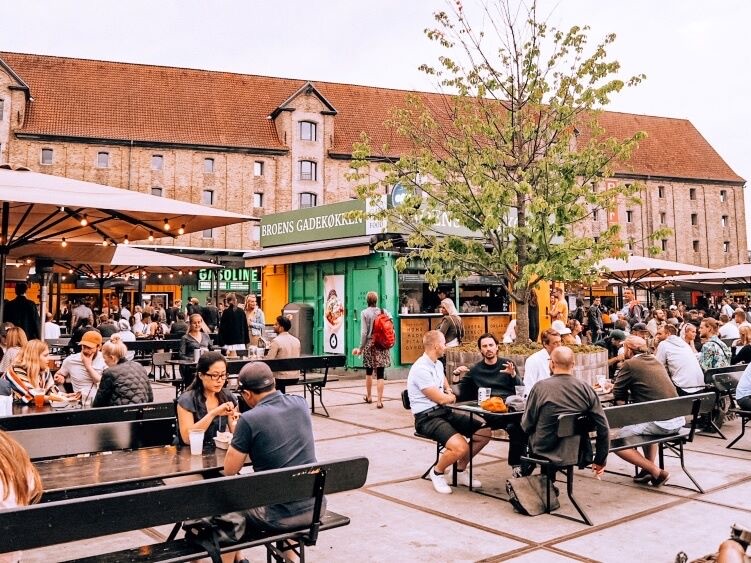
Danish food focuses on quality, seasonal ingredients, and often a New Nordic approach. Staple dishes include smørrebrød (open-faced sandwiches), frikadeller (meatballs), and a range of pastries like kanelsnegle (cinnamon rolls). While Copenhagen has several Michelin-starred restaurants, casual dining can be expensive. A hot dog from a street vendor (pølsevogn) is around $5-7 (35-50 DKK), and a basic coffee often costs $6-8 (40-55 DKK). The craft beer scene is present but pricey. Local specialties are good but limited in everyday variety compared to other European options.
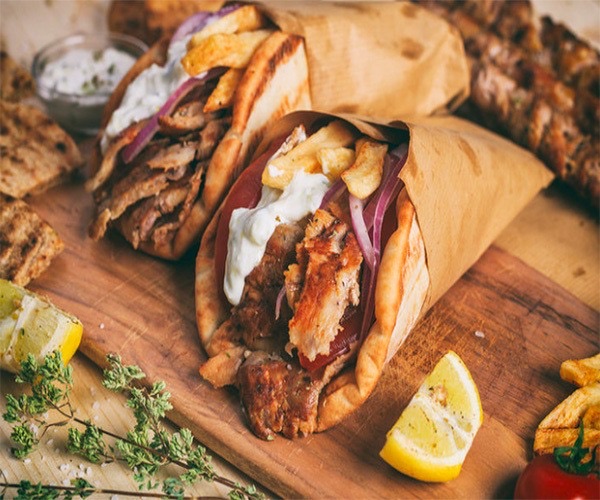
Greek cuisine is a highlight, built on fresh, local ingredients like olive oil, herbs, vegetables, and seafood. Expect dishes like souvlaki, moussaka, tzatziki, fresh salads, and grilled fish. Meals are often a communal affair, with mezze (small plates) common. A full, satisfying meal in a taverna can cost $15-25 (14-23 EUR) per person, and local wine or retsina is inexpensive. From street food to tavernas, the options are plentiful and generally delicious. The diversity, freshness, and affordability of Greek food give it a significant edge. tabiji verdict: Greece offers a more diverse, consistently delicious, and budget-friendly food experience for the average traveler.
- Winner: Greece
- Why: Greek cuisine offers wider variety, fresher ingredients, and significantly better value for money compared to Denmark's more niche and expensive Nordic fare.
- Who this matters for: Foodies, travelers on a budget, and those who enjoy a Mediterranean diet.
🌳 Nature & Outdoors
Denmark's landscape is generally flat, characterized by rolling farmlands, long coastlines (like the beaches of Skagen), and numerous small islands. Forests are often managed, and…
Denmark
Greece
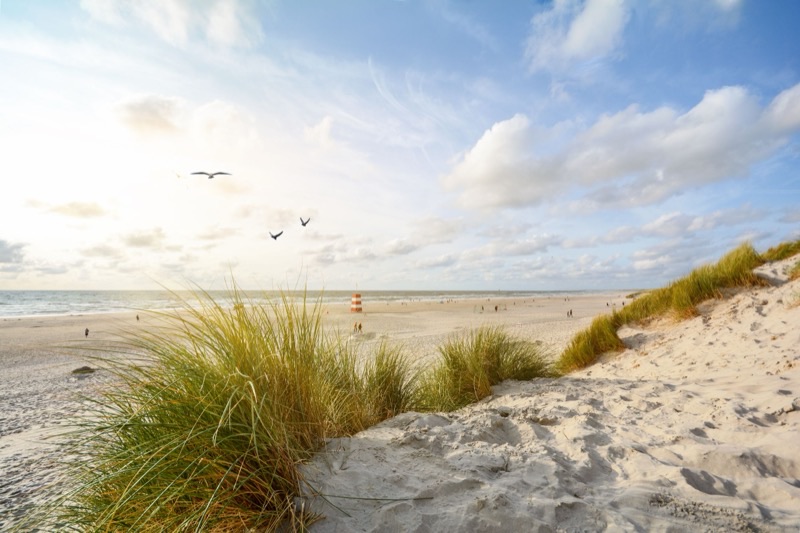
Denmark's landscape is generally flat, characterized by rolling farmlands, long coastlines (like the beaches of Skagen), and numerous small islands. Forests are often managed, and outdoor activities lean towards cycling, coastal walks, and kayaking in fjords or canals. Møns Klint offers impressive white chalk cliffs. While pleasant, the scenery lacks dramatic elevation or geological formations. It's an understated, gentle kind of natural beauty, often integrated with urban planning, like the parks in Copenhagen such as Fælledparken, or the deer park Dyrehaven.
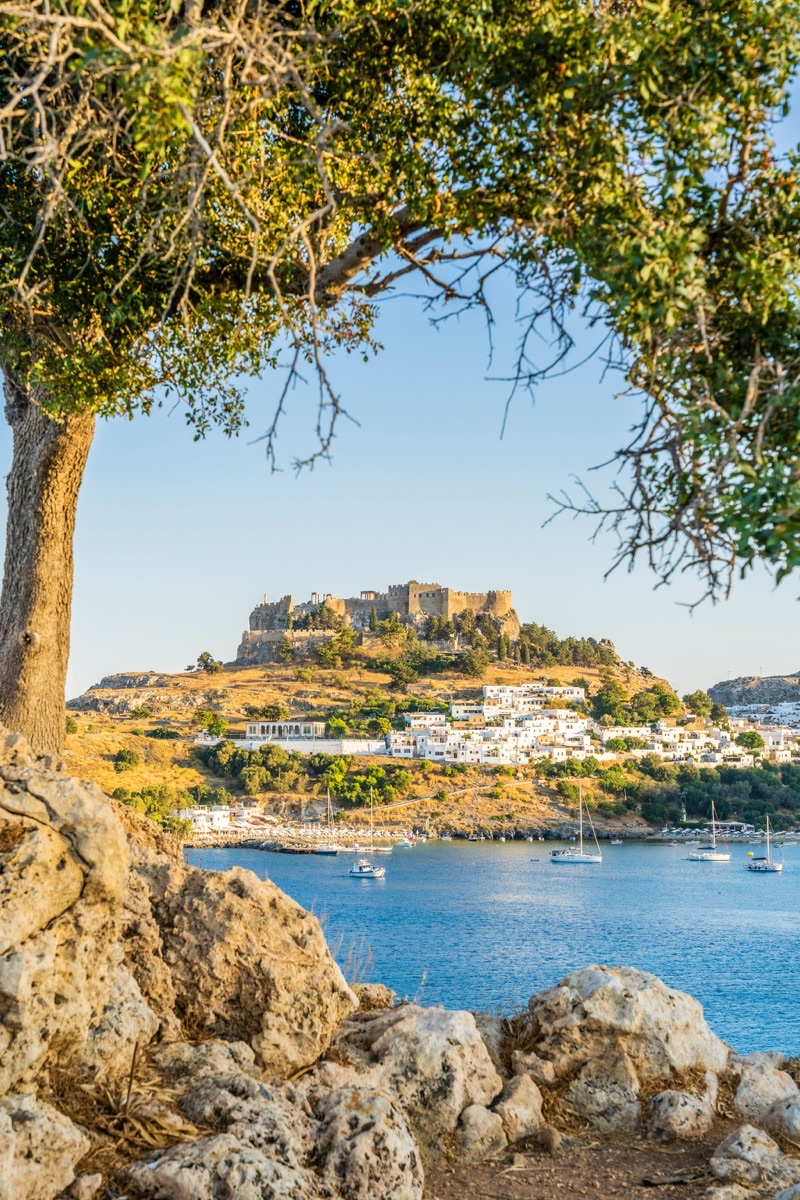
Greece presents a much more varied and dramatic natural landscape. From the volcanic caldera of Santorini to the towering peaks of Mount Olympus and the Meteora rock formations, there's significant geological diversity. The country boasts thousands of islands, each with unique coastlines, caves, and hiking trails. Beaches range from black sand on Santorini to pink sand on Elafonisi, Crete. The Samaria Gorge in Crete offers a challenging hiking experience. Olive groves, vineyards, and pine forests cover much of the mainland and larger islands. The sheer scale and variety of natural features in Greece provide more extensive outdoor exploration opportunities. tabiji verdict: Greece's diverse geography provides a richer, more visually striking, and adventurous natural environment.
- Winner: Greece
- Why: Greece offers a wider range of dramatic landscapes, from mountains and volcanoes to diverse island coastlines, providing more varied outdoor activities.
- Who this matters for: Hikers, adventure seekers, landscape photographers, and those seeking varied natural environments.
🏖️ Beaches & Islands
Denmark has extensive coastlines with numerous beaches, particularly along the North Sea and Baltic Sea. Popular spots include Fanø and Rømø, known for their wide, sandy expanses,…
Denmark
Greece
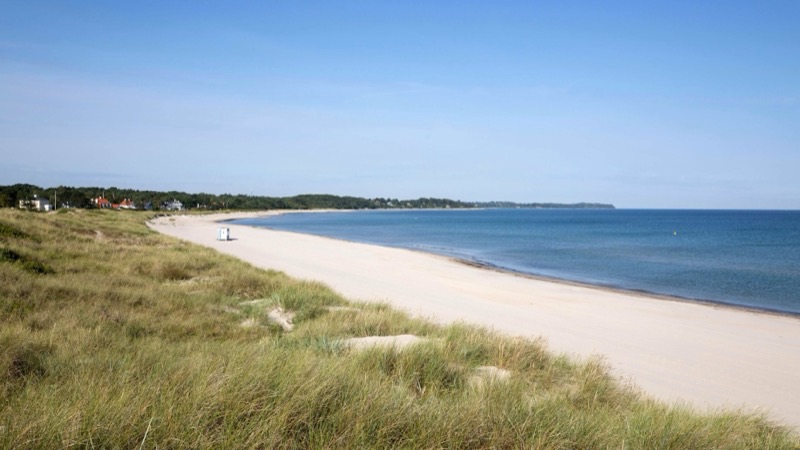
Denmark has extensive coastlines with numerous beaches, particularly along the North Sea and Baltic Sea. Popular spots include Fanø and Rømø, known for their wide, sandy expanses, and the more rugged shores near Skagen. However, the water is generally cooler, and beach weather is limited to summer. The concept of a classic 'beach holiday' with sunbathing and swimming is less prevalent here; instead, people enjoy walks, kite flying, and enjoying the coastal air. There are fewer islands specifically for resort-style relaxation, though Bornholm offers a charming island experience with cliffs and sandy coves.
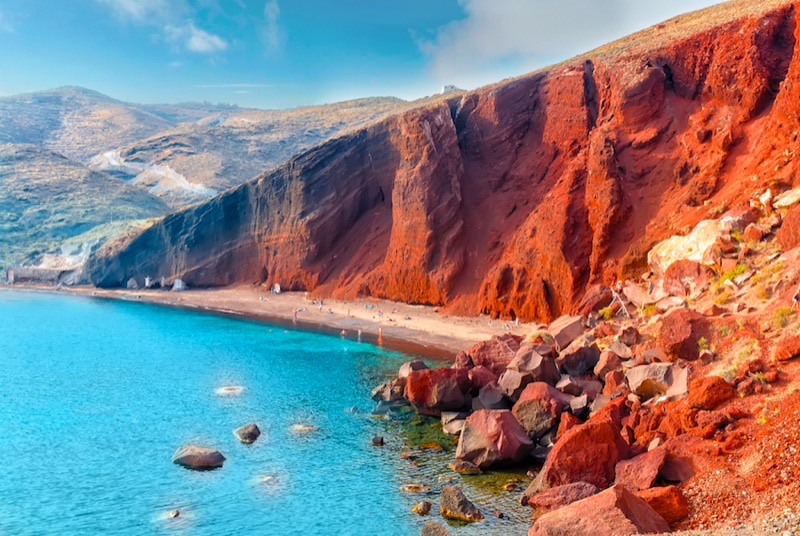
Greece is synonymous with island holidays, boasting thousands of islands across the Aegean and Ionian Seas. From the iconic white-washed villages and volcanic beaches of Santorini and Mykonos to the party atmosphere of Ios and the ancient ruins of Delos, there's an island experience for every preference. The waters are warm, clear, and ideal for swimming, snorkeling, and diving. Famous beaches include Navagio (Shipwreck Beach) in Zakynthos, Elafonisi in Crete, and Myrtos in Kefalonia. The extensive ferry system makes island hopping easy and affordable, allowing for weeks of exploration. The sheer volume and quality of beach and island experiences in Greece are unparalleled. tabiji verdict: Greece is the undisputed leader for beaches and island exploration, offering a vast array of choices and warmer conditions.
- Winner: Greece
- Why: Greece offers thousands of islands with consistently warm, clear waters and diverse beach types, making it a premier destination for classic beach and island holidays.
- Who this matters for: Beach lovers, island hoppers, sun worshippers, and those seeking water activities.
🚆 Getting Around
Denmark boasts some of the most efficient public transport in Europe. Copenhagen's metro, S-trains, and bus system are punctual and cover the city comprehensively. A Rejsekort…
Denmark boasts some of the most efficient public transport in Europe. Copenhagen's metro, S-trains, and bus system are punctual and cover the city comprehensively. A Rejsekort (travel card) simplifies fares. Cycling is a primary mode of transport, with dedicated bike lanes everywhere; renting a bike is easy and affordable, around $15-20 (100-135 DKK) per day. Intercity travel by train is fast and comfortable, connecting major cities like Aarhus and Odense effectively. Driving is straightforward, but parking can be expensive, especially in cities. The country's infrastructure is designed for smooth movement.
Greece relies on a combination of transport methods. Athens has a metro system, and city buses are common. For intercity travel on the mainland, KTEL buses are extensive and affordable. However, the true Greek transport experience involves ferries for island hopping; companies like Blue Star Ferries connect most islands reliably. Car rental is highly recommended for exploring the mainland or larger islands like Crete, as public transport can be infrequent in rural areas. While the ferry system works, it requires more planning and can be subject to delays from weather. Overall, Denmark's integrated and consistently punctual system offers a less stressful travel experience. tabiji verdict: Denmark's superior and seamless transport infrastructure makes getting around a breeze.
- Winner: Denmark
- Why: Denmark's public transport is exceptionally efficient, punctual, and integrates cycling seamlessly, providing a smoother travel experience.
- Who this matters for: Travelers prioritizing ease of movement, those without a car, and cyclists.
🏨 Accommodation
Accommodation in Denmark, particularly Copenhagen, adheres to high standards of design and cleanliness but comes with a high price tag. Expect to pay $150-250 (1000-1700 DKK) for…
Accommodation in Denmark, particularly Copenhagen, adheres to high standards of design and cleanliness but comes with a high price tag. Expect to pay $150-250 (1000-1700 DKK) for a basic but well-located hotel room, like at Cabinn City. Hostels are available, such as Generator Copenhagen, typically starting around $50-70 (350-480 DKK) for a dorm bed. Airbnb options are popular but still costly. Outside Copenhagen, prices might drop slightly, but Denmark generally maintains its premium pricing across various accommodation types. The quality is reliable, but budget options are harder to find.
Greece offers a much broader spectrum of accommodation for varying budgets. In Athens, you can find clean, centrally located hotels for $70-120 (65-110 EUR), and hostels for $25-40 (23-37 EUR) a night, like Athens Backpackers. On the islands, prices fluctuate seasonally and by popularity; a charming guesthouse on a less frequented island might be $50-80 (46-74 EUR), while a cave hotel in Oia, Santorini, can easily exceed $300 (275 EUR). However, the sheer volume of choices, including family-run 'domatia' (rooms to let), means there are always more affordable, character-filled options. You get more space and amenities for your money in Greece. tabiji verdict: Greece provides better value and more diverse accommodation choices across all budget levels.
- Winner: Greece
- Why: Greece offers a wider variety of accommodation types at significantly lower prices, making comfort more accessible for all budgets.
- Who this matters for: Budget-conscious travelers, families, and those seeking authentic, local guesthouse experiences.
🌃 Nightlife & Entertainment
Copenhagen has a developed nightlife, especially in areas like Nørrebro and Vesterbro. There are numerous craft breweries, cocktail bars, and clubs. Venues like Culture Box offer…
Copenhagen has a developed nightlife, especially in areas like Nørrebro and Vesterbro. There are numerous craft breweries, cocktail bars, and clubs. Venues like Culture Box offer electronic music, while dive bars provide a more casual atmosphere. Live music venues are also present. However, the cost of drinks is a major deterrent; a cocktail can easily be $15-20 (100-135 DKK), and beer is similarly pricey. This means a night out can become very expensive very quickly, which might limit how long many travelers stay out or how much they consume. The scene is sophisticated but comes at a cost.
Greece offers a more varied and generally more affordable nightlife experience. Athens has a lively bar scene in areas like Psyrri and Gazi, with rooftop bars near the Acropolis, and clubs open late. On the islands, places like Mykonos and Ios are globally known for their intense party atmosphere, with beach clubs and nightclubs running until dawn. Even quieter islands have charming tavernas and bars where locals and tourists socialize late into the evening. The affordability of drinks—a beer for $4.50-7 (4-6 EUR), a basic cocktail for $8-12 (7-11 EUR)—allows for a more extended and frequent engagement with the entertainment. tabiji verdict: Greece provides a more diverse, energetic, and budget-friendly nightlife experience across its mainland and islands.
- Winner: Greece
- Why: Greece's nightlife is more diverse, often more energetic, and significantly more affordable for drinks, especially on its party islands.
- Who this matters for: Partygoers, budget-conscious socializers, and those seeking lively evening entertainment.
☀️ Weather & Seasons
Denmark experiences mild summers (June-August) with average temperatures around 18-22°C (64-72°F) and long daylight hours. However, summer weather can be unpredictable, with…
Denmark experiences mild summers (June-August) with average temperatures around 18-22°C (64-72°F) and long daylight hours. However, summer weather can be unpredictable, with sudden rain showers common. Spring and autumn are cool and often wet. Winters (November-March) are cold, dark, and frequently overcast, with temperatures often hovering around freezing. Snow is possible but not guaranteed. The short, sometimes inconsistent summer means beach weather is limited, and outdoor activities depend heavily on the day's conditions. Travelers planning extensive outdoor time need to be prepared for varied weather even in summer.
Greece, by contrast, has a classic Mediterranean climate with long, hot, and dry summers (June-September), where temperatures often exceed 30°C (86°F). This is ideal for beach and island activities. Spring (April-May) and autumn (October-November) are pleasant, with warm days and fewer crowds, making them excellent shoulder seasons for sightseeing and hiking. Winters are mild and wet, especially in the south, though mountainous regions can see snow. The consistent sunshine and warm temperatures for a significant portion of the year make Greece a far more reliable destination for pleasant weather. tabiji verdict: Greece offers consistently warmer, sunnier, and more predictable weather for most of the year, ideal for outdoor travel.
- Winner: Greece
- Why: Greece provides a longer season of consistently warm and sunny weather, perfect for outdoor activities and beach holidays.
- Who this matters for: Sun seekers, beach lovers, those sensitive to cold, and travelers wanting reliable good weather.
🚶♀️ Solo Travel & Safety
Denmark is exceptionally safe for solo travelers. Crime rates are low, even in major cities like Copenhagen, and you can comfortably walk around at night. Public transport is…
Denmark is exceptionally safe for solo travelers. Crime rates are low, even in major cities like Copenhagen, and you can comfortably walk around at night. Public transport is secure and reliable. The structured nature of Danish society means things generally run smoothly, minimizing unexpected issues. However, the cultural emphasis on 'hygge' can sometimes make Danes seem less overtly social or harder to strike up spontaneous conversations with, especially in bars or cafes compared to more outgoing cultures. This might require a solo traveler to be more proactive in seeking out social interactions, perhaps through organized tours or specific social events. There are many well-maintained walking and cycling paths.
Greece is generally safe for solo travelers, particularly outside of major urban centers. People are hospitable and often eager to assist. However, in crowded tourist areas of Athens (like around the Acropolis or Monastiraki Square) and on popular islands (like Mykonos), petty crime such as pickpocketing can occur, requiring vigilance. The open, social culture makes it relatively easy to meet other travelers or locals, especially in tavernas or hostels. Navigating the country solo via ferries and buses is straightforward. While overall safety is good, the minor risk of petty crime compared to Denmark gives Denmark a slight edge. tabiji verdict: Denmark offers a marginally safer and less complicated environment for solo navigation, despite potentially less spontaneous social interaction.
- Winner: Denmark
- Why: Denmark has lower crime rates and a more predictable, secure environment, making it a slightly safer and less stressful option for solo exploration.
- Who this matters for: First-time solo travelers, those prioritizing security above all else, and travelers who appreciate order.
🎯 The Decision Framework
Choose Denmark If…
- You prioritize personal safety and a low crime rate.
- You appreciate minimalist design and efficient urban planning.
- You enjoy cycling as a primary mode of transport.
- You are interested in Viking history and modern Scandinavian culture.
- You don't mind higher daily expenses for quality and convenience.
- You prefer cooler climates and long summer daylight hours.
- You value quiet, clean cities over bustling, ancient ones.
- You want to experience 'hygge' and a relaxed, cozy atmosphere.
Choose Greece If…
- You are on a tighter budget and want more travel for your money.
- You want to explore ancient historical sites and mythological landscapes.
- You seek warm, sunny beaches and extensive island hopping opportunities.
- You enjoy fresh Mediterranean food and inexpensive local wine.
- You prefer a more spontaneous, lively, and social atmosphere.
- You want to experience a diverse range of natural environments, from mountains to volcanoes.
- You appreciate a relaxed pace of life and late-night dining culture.
- You are eager to visit thousands of islands, each with a distinct character.
📅 Sample Itineraries
Weekend in Denmark (3 Days)
💡 Purchase a Copenhagen Card for 72 hours (approx. $110-120) for free public transport and entry to many attractions, potentially saving significantly on individual tickets.
Weekend in Greece (3 Days)
💡 Opt for a combined ticket for the Acropolis and other archaeological sites ($30) if you plan to visit multiple historical locations within five days.
One Week in Denmark (7 Days)
💡 Utilize the efficient Danish train network; booking regional tickets like Copenhagen to Aarhus in advance can save 20-30% off the standard fare, costing around $50 instead of $70.
One Week in Greece (7 Days)
💡 Book ferries between islands, especially for popular routes like Santorini to Mykonos, well in advance to secure seats and potentially lower fares, which can range from $40-60.
❓ Frequently Asked Questions
Which destination is more affordable for a typical vacation?
Greece is significantly more affordable for most travelers. Daily budgets in Greece can range from $80-150 (75-140 EUR) for food, accommodation, and transport, especially on the mainland or less-visited islands. Denmark, by contrast, typically requires $150-250+ (1000-1700 DKK) per day, making it one of Europe's pricier destinations.
What is the best time of year to visit Denmark versus Greece?
For Denmark, the best time is June to August for mild temperatures and long daylight. For Greece, the shoulder seasons of April-May and September-October offer pleasant warmth, fewer crowds, and lower prices than peak summer (June-August) when temperatures often exceed 30°C (86°F).
How do flight times compare from the US to each country?
Direct flights from major East Coast US cities (e.g., NYC) to Copenhagen (CPH) typically take around 7.5-8 hours. Flights to Athens (ATH) are slightly longer, usually 9-10 hours direct. Both destinations are accessible with direct routes from many international hubs.
Which destination is better for families with children?
Both offer family-friendly activities. Denmark has Tivoli Gardens, Experimentarium, and numerous parks, plus a very safe environment. Greece provides warm beaches, ancient sites to explore, and generally welcoming locals, often with more budget-friendly accommodation and food for families. Greece's warmer climate and beach focus might appeal more to many families.
Is English widely spoken in both Denmark and Greece?
Yes, English is widely spoken in both countries, particularly in tourist areas, hotels, and major cities. In Denmark, almost everyone, especially younger generations, speaks fluent English. In Greece, while not as universally fluent, communication in English is generally easy in tourist-centric areas and with younger Greeks.
What are the main cultural differences a traveler would notice?
Denmark values efficiency, punctuality, and a relaxed, cozy atmosphere ('hygge'). Social interactions can be reserved initially. Greece offers a more open, lively, and communal culture, with a strong emphasis on family, food, and history. The pace of life is generally slower and more relaxed.
Which country offers better outdoor adventure opportunities?
Greece offers more varied and dramatic outdoor adventure opportunities. Its diverse geography includes mountains for hiking (e.g., Mount Olympus), deep gorges (Samaria Gorge), volcanic landscapes, and extensive water sports across its thousands of islands. Denmark offers cycling, coastal walks, and kayaking, but with less dramatic terrain.
Are there specific visa requirements for US citizens for either country?
No, US citizens can visit both Denmark and Greece for tourism for up to 90 days within a 180-day period without a visa, as both are part of the Schengen Area. Starting in mid-2025, US citizens will need to apply for an ETIAS authorization before travel, but it is not a visa.
Ready to plan your European trip?
Get a free custom itinerary for Denmark, Greece, or both — built from real traveler insights.
👥 Travelers Also Compared
🎟️ Book Tours & Experiences
Hand-picked tours and activities for both destinations — book with free cancellation
Experiences via Viator — free cancellation on most tours