How we built this comparison
This page combines traveler discussion patterns, published price ranges, flight schedules, and seasonal data to help you decide between Denmark and Lithuania.
- Reviewed 100+ Reddit threads from r/travel, r/solotravel, r/Denmark, r/Lithuania, r/europe and related communities.
- Verified costs and logistics against current booking platforms like Booking.com, Skyscanner, and local transport sites.
- Cross-referenced seasonal patterns and weather data for optimal travel timing.
⚡ Quick Answers
⚡ The TL;DR Verdict
For most travelers seeking value and a compelling history lesson, Lithuania is the clear winner. Its lower costs make longer trips feasible, and its cultural depth is accessible. Denmark is for those prioritizing design, efficiency, and who have a higher budget available for travel.
- Choose Denmark: Travelers who prioritize efficient public transport, modern design, high-quality food, and dont mind a higher daily budget will appreciate Denmark. It suits those seeking comfortable, well-organized travel.
- Choose Lithuania: Budget-conscious travelers, solo explorers, and those fascinated by post-Soviet history, medieval architecture, and distinctive nature will find Lithuania rewarding. Its affordability allows for deeper exploration.
- Choose Both: If you have 10-14 days and want to experience both modern Nordic living and Baltic resilience, fly into Copenhagen for 3-4 days, then take a budget flight to Vilnius for 5-7 days. This combination provides a broad European perspective.
Choose Denmark
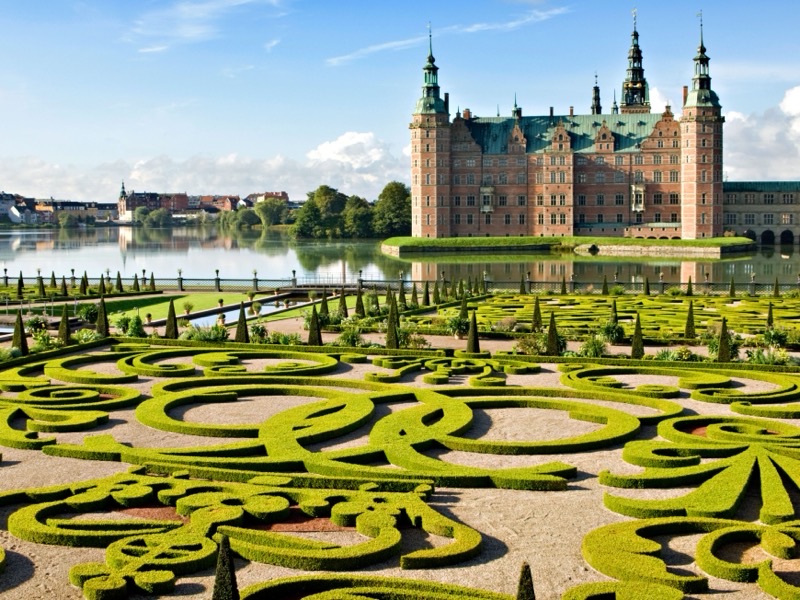
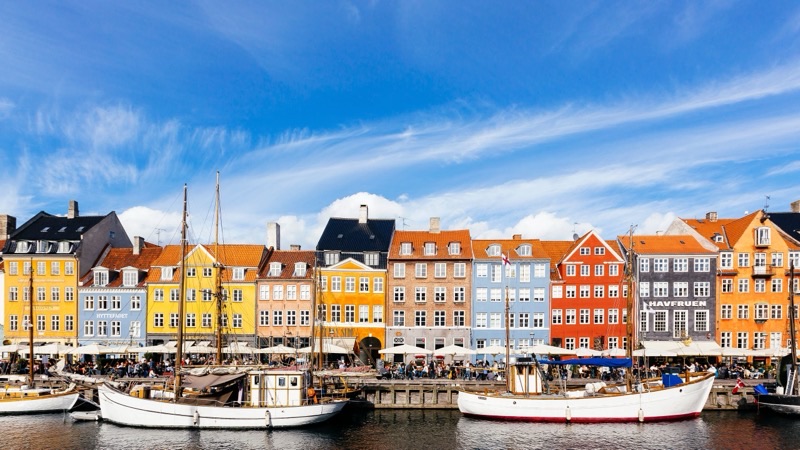
Choose Denmark if you prioritize sleek Scandinavian design, Michelin-starred dining in Copenhagen's Nørrebro, and seamless, efficient travel. It's best for travelers with a generous budget seeking curated cultural experiences, historic sites like Nyhavn, and a sophisticated, comfortable trip, appreciating its modern infrastructure and high quality of life.
Choose Lithuania
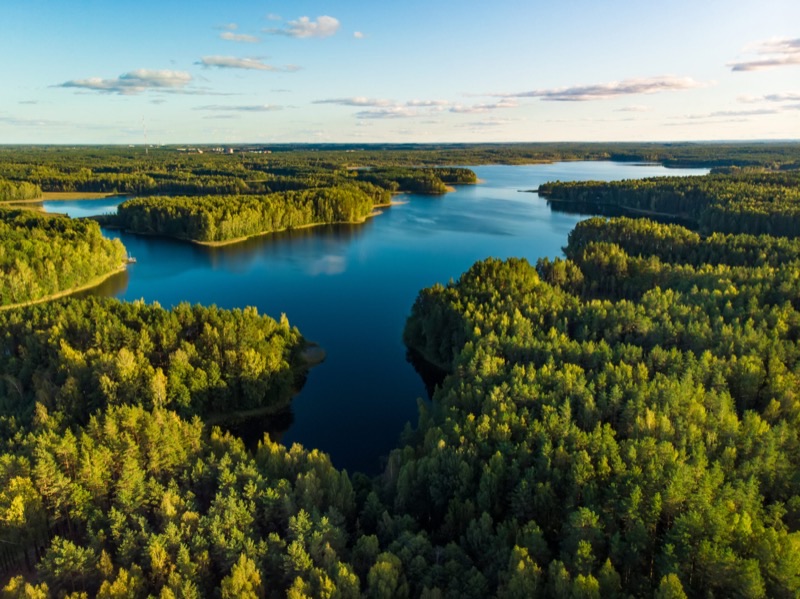
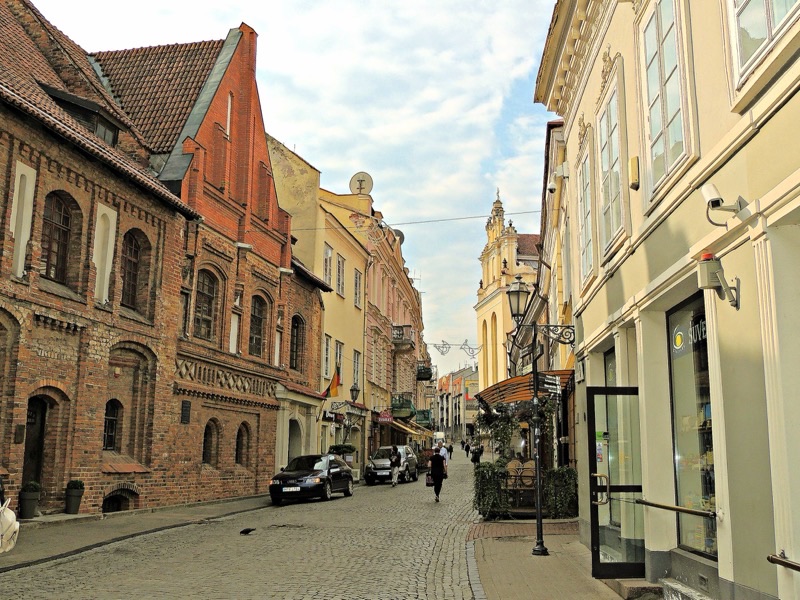
Opt for Lithuania to immerse yourself in rich medieval history, explore the UNESCO-listed Vilnius Old Town, and discover the poignant post-Soviet narrative. It's ideal for budget-conscious adventurers, solo explorers, and history enthusiasts eager to visit Trakai Island Castle or traverse the unique landscapes of the Curonian Spit, offering deep cultural insights for less.
📊 Visual Scorecard
🌤 When to Visit
Average high temperatures (°C). Green = best months, orange = avoid.
Quick Comparison
| Category | Denmark | Lithuania | Winner |
|---|---|---|---|
| Costs | Significantly higher daily expenses, particularly for accommodation, food, and alcohol. | Among Europes most budget-friendly countries, offering good value for all aspects of travel. | Lithuania |
| Food & Drink | Emphasis on modern Nordic cuisine, high-quality ingredients, and a strong cafe culture. Expensive. | Hearty, potato-based dishes, meat, dairy, and a growing craft beer scene. Affordable. | Lithuania |
| Culture & History | Viking heritage, royal history, modern design, Hans Christian Andersen connections. | Medieval castles, Soviet occupation history, Amber Road legacy, strong folk traditions. | Lithuania |
| Nightlife | Copenhagen has a quality bar and club scene, but prices are very high. | Vilnius has a lively, affordable nightlife concentrated in its Old Town, appealing to diverse tastes. | Lithuania |
| Nature & Outdoors | Coastal landscapes, rolling hills, forests, and accessible urban parks. | Extensive forests, thousands of lakes, unique sand dunes of the Curonian Spit, Baltic Sea coast. | Lithuania |
| Getting Around | Efficient and extensive public transport network, excellent cycling infrastructure, high costs. | Reliable intercity buses and trains, good public transport in cities, affordable. | Denmark |
| Accommodation | High-quality but very expensive hotels, hostels, and Airbnb options. | Wide range of affordable accommodation from hostels to boutique hotels and guesthouses. | Lithuania |
| Day Trips | Historical castles, Viking heritage sites, coastal towns, and easy access to Sweden. | Medieval castles, unique sand dunes, spiritual sites, and charming regional cities. | Lithuania |
| Solo Travel | Very safe, efficient, but can be expensive and sometimes less spontaneous for meeting people. | Safe, affordable, easier to meet people due to hostel culture and lower costs for social activities. | Lithuania |
| Safety & Security | Extremely safe with very low crime rates, even in major cities. | Very safe overall, low violent crime, with minor concerns for petty theft in tourist areas. | Tie |
💸 Costs
Denmark is consistently ranked among the most expensive countries in Europe. A daily budget for a mid-range traveler often falls between $120-$200 (800-1350 DKK) excluding…
Denmark
Lithuania
Denmark is consistently ranked among the most expensive countries in Europe. A daily budget for a mid-range traveler often falls between $120-$200 (800-1350 DKK) excluding long-distance transport. A simple meal in Copenhagen can be $20-30 (135-200 DKK), a beer $8-10 (55-70 DKK), and hostel dorms start at $40-60 (270-400 DKK). Public transport passes are efficient but add up; a 24-hour pass in Copenhagen is about $12 (80 DKK). Groceries from Netto or Fakta can help reduce food expenses, but overall, be prepared to pay more for comfort and convenience here. Even outside Copenhagen, prices remain elevated.
Lithuania provides excellent value for money. A mid-range daily budget often ranges from $50-$90 (45-80 EUR), allowing for comfortable stays and varied activities. A meal in Vilnius can cost $10-15 (9-13 EUR), and local beer $3-5 (2.5-4.5 EUR). Hostel dorms start around $20-30 (18-27 EUR), and a 24-hour public transport ticket in Vilnius is about $5 (4.5 EUR). Exploring cities like Kaunas or Klaipėda offers similar affordability. For those prioritizing financial efficiency and extended travel, Lithuania is the clear choice.
- Winner: Lithuania
- Why: Lithuania provides a significantly more budget-friendly travel experience across all categories, making it accessible for a wider range of travelers.
- Who this matters for: Budget travelers, long-term backpackers, and anyone who wants their money to go further.
🍽️ Food & Drink
Denmark excels in modern Nordic cuisine, characterized by fresh, seasonal ingredients and innovative presentation. Copenhagen is home to several acclaimed restaurants, but even…
Denmark
Lithuania
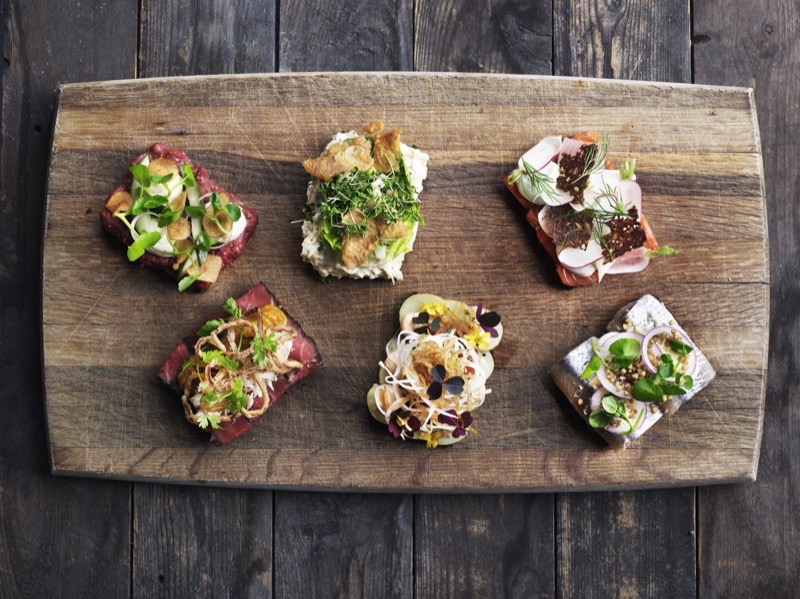
Denmark excels in modern Nordic cuisine, characterized by fresh, seasonal ingredients and innovative presentation. Copenhagen is home to several acclaimed restaurants, but even casual eateries focus on quality. Expect dishes like smørrebrød (open-faced sandwiches), frikadeller (meatballs), and a strong baking tradition with pastries like wienerbrød. Prices are high; a sit-down dinner at a decent restaurant like Høst might cost $70-100+ (470-670+ DKK) per person. Craft beer and coffee culture are prominent, with places like Mikkeller Bar offering extensive selections. While quality is high, the cost can be prohibitive for extended culinary exploration. Street food markets like Reffen offer some cheaper options, but still more than elsewhere in Europe.
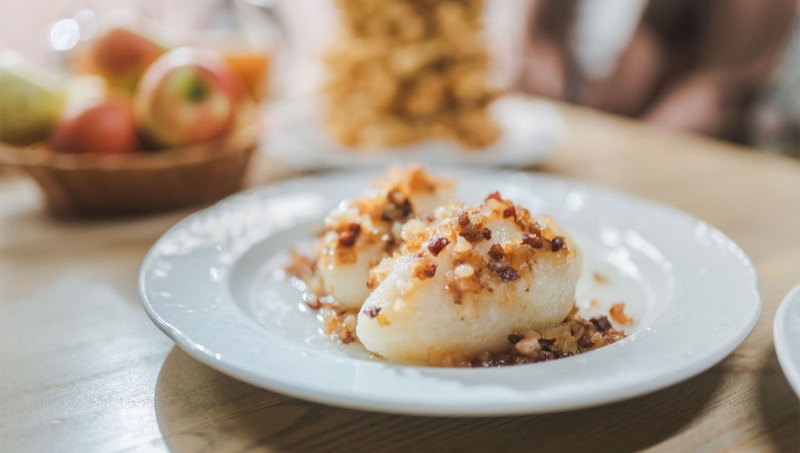
Lithuanian cuisine is defined by its hearty, traditional dishes, often featuring potatoes, meat, and dairy. Staples include cepelinai (potato dumplings with meat filling), kibinai (meat pastries from Trakai), šaltibarščiai (cold beet soup), and various rye bread preparations. These dishes are flavorful, filling, and inexpensive; a large portion of cepelinai at a traditional restaurant like Bernelių Užeiga can be $7-10 (6-9 EUR). The craft beer scene has developed significantly, especially in Vilnius, with bars like Alaus Biblioteka offering a broad range of local and international brews for $4-6 (3.5-5.5 EUR). Lithuania wins for its accessible, authentic, and satisfying traditional food that provides great value.
- Winner: Lithuania
- Why: Lithuania offers authentic, filling, and significantly more affordable traditional food that is accessible to all budgets.
- Who this matters for: Travelers seeking authentic, hearty meals on a budget, and those interested in a growing craft beer culture.
🏛️ Culture & History
Denmark showcases a history deeply rooted in Viking exploration and a long-standing monarchy. Attractions like the National Museum of Denmark in Copenhagen (entry about $15 / 100…
Denmark
Lithuania
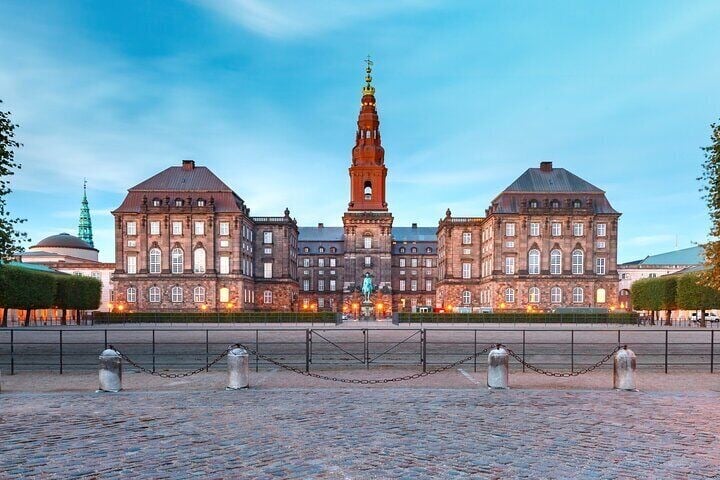
Denmark showcases a history deeply rooted in Viking exploration and a long-standing monarchy. Attractions like the National Museum of Denmark in Copenhagen (entry about $15 / 100 DKK) provide insights into ancient artifacts and royal lineages. Kronborg Castle, near Helsingør (entry about $19 / 130 DKK), is famous as Elsinore in Shakespeare's Hamlet. Modern Danish design and architecture are prominent, visible in buildings like the Royal Danish Opera House and the 'Black Diamond' Royal Library. While its history is well-preserved and presented, it often feels more polished and integrated into modern life, perhaps lacking some of the raw, recent historical impact found elsewhere.
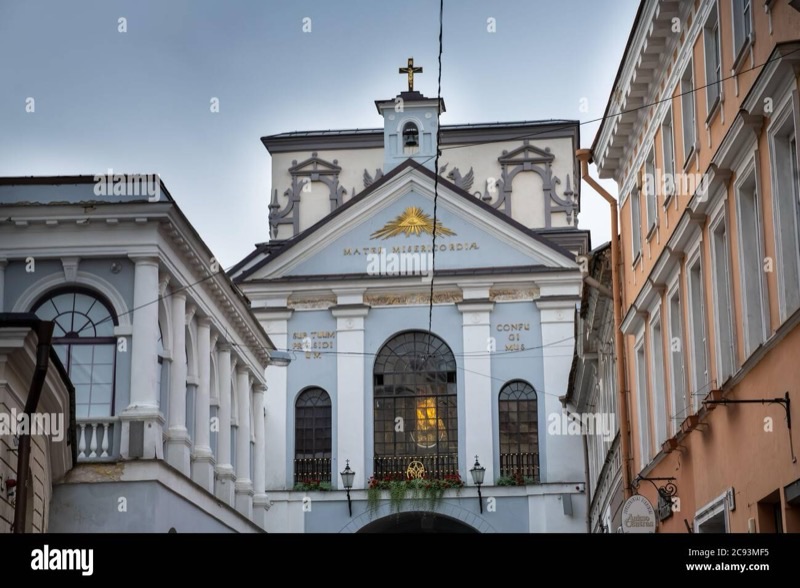
Lithuania provides a compelling and layered historical narrative, from medieval Grand Duchy power to centuries of foreign occupation, culminating in Soviet rule and a dramatic path to independence. Sites like Gediminas Castle Tower in Vilnius (entry about $6 / 5.5 EUR) offer medieval perspectives. The Museum of Occupations and Freedom Fights (KGB Museum) in Vilnius (entry about $6 / 5.5 EUR) delivers a sobering, important account of Soviet repression and resistance, offering a powerful emotional experience. Trakai Island Castle (entry about $12 / 11 EUR) is a fairytale-like medieval fortress on a lake. The historical trajectory of Lithuania, marked by periods of resilience and cultural preservation despite adversity, gives it a depth of cultural experience that feels more visceral and immediate. Lithuania wins for its distinct, emotionally impactful, and accessible historical narrative.
- Winner: Lithuania
- Why: Lithuania offers a distinct, compelling, and emotionally resonant historical narrative, particularly concerning its recent past and resilience.
- Who this matters for: Travelers interested in impactful recent history, medieval architecture, and stories of national resilience.
🍸 Nightlife
Copenhagen's nightlife is well-regarded for its sophisticated cocktail bars, craft beer spots, and electronic music clubs, especially in areas like Nørrebro and Vesterbro. Places…
Denmark
Lithuania
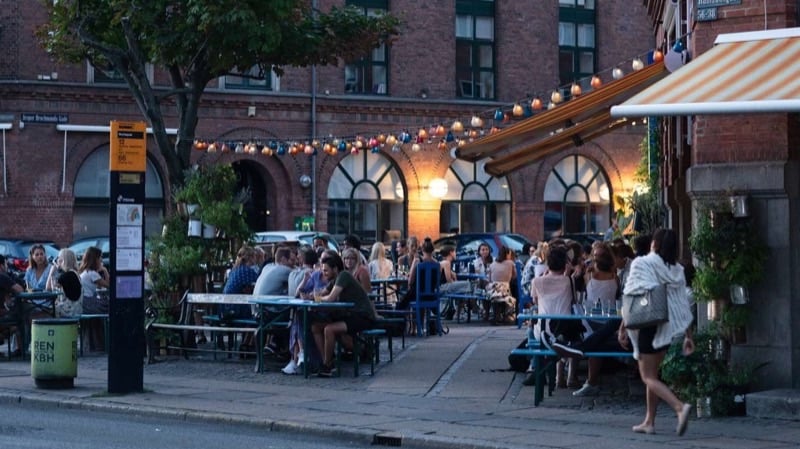
Copenhagen's nightlife is well-regarded for its sophisticated cocktail bars, craft beer spots, and electronic music clubs, especially in areas like Nørrebro and Vesterbro. Places like The Jane offer upscale cocktail experiences, while Bakken Kbh is a popular club. However, the cost of a night out can be a significant barrier. A single cocktail can easily cost $15-20 (100-135 DKK), and club entry fees can be $15-25 (100-170 DKK). While the quality of venues and drinks is high, the financial commitment required for a full evening can be substantial, limiting spontaneous enjoyment. Many locals pre-drink to manage costs.
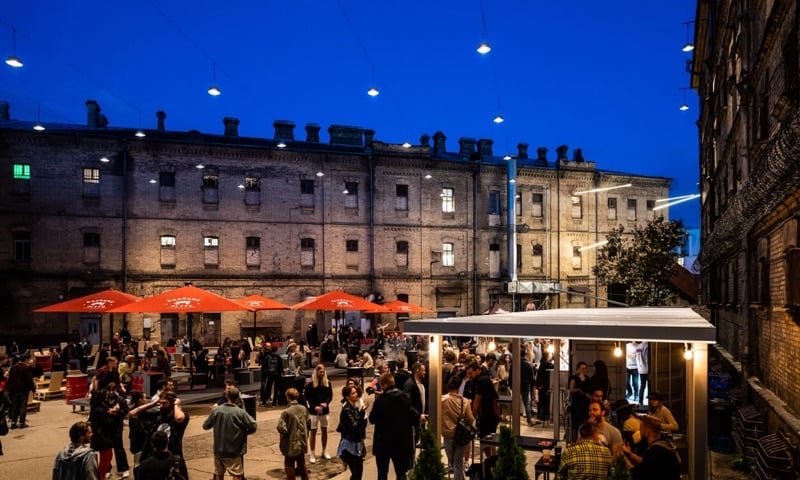
Vilnius boasts a spirited and much more affordable nightlife, primarily centered around its Old Town and surrounding areas. Streets like Vilniaus gatvė are packed with bars ranging from cozy pubs and live music venues to contemporary cocktail lounges and dance clubs. Places like Salionas and Loftas regularly host DJs and events. A craft beer costs $3-5 (2.5-4.5 EUR), and cocktails are typically $8-12 (7-11 EUR). Entry fees to clubs are often lower, if any, around $5-10 (4.5-9 EUR). The atmosphere is generally relaxed and social, making it easy to hop between venues and meet locals or other travelers. Lithuania wins for its combination of affordability, variety, and a genuinely lively and accessible social scene.
- Winner: Lithuania
- Why: Lithuania offers a significantly more affordable and equally diverse nightlife, making it easier to enjoy multiple venues and social interactions.
- Who this matters for: Younger travelers, budget-conscious individuals, and those seeking a lively, social evening experience without excessive spending.
🌲 Nature & Outdoors
Denmark's natural spaces are characterized by its long coastline, numerous islands, and relatively flat, cultivated landscapes. Popular outdoor activities include cycling along…
Denmark
Lithuania
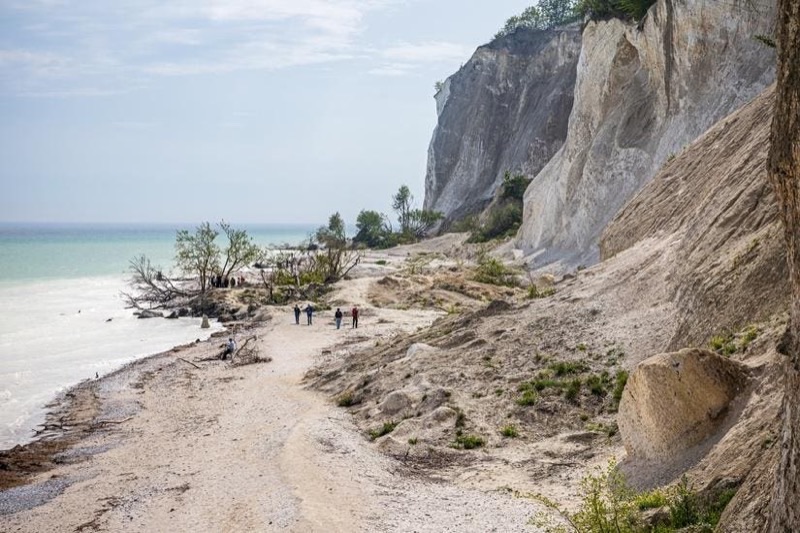
Denmark's natural spaces are characterized by its long coastline, numerous islands, and relatively flat, cultivated landscapes. Popular outdoor activities include cycling along coastal paths, exploring the cliffs of Møns Klint (a chalk cliff formation), and visiting national parks like Thy National Park for dune and heathland walks. Urban green spaces such as Fælledparken in Copenhagen provide easy access to nature. While pleasant and well-maintained, the landscapes are generally gentle and lack dramatic elevation or wilderness. The scenery is often pastoral and well-integrated with human activity, making it easy to access but perhaps less wild than some might expect.
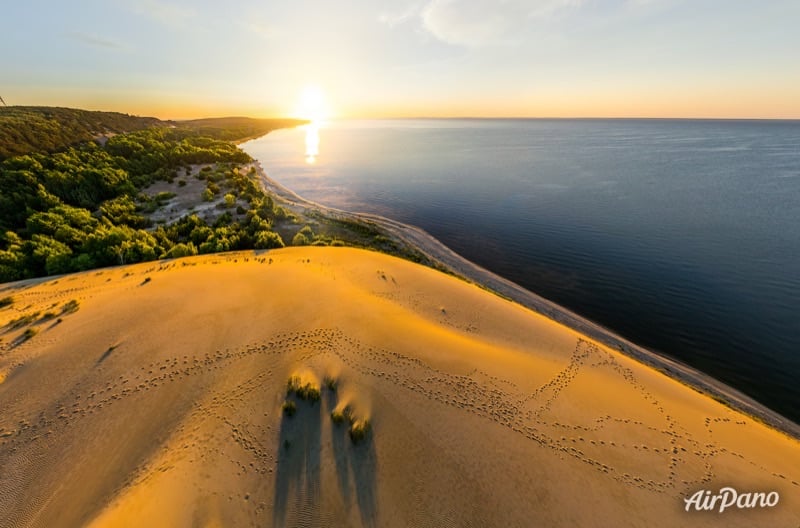
Lithuania offers a broader range of natural environments, from dense, ancient forests covering a third of its territory to over 3,000 lakes and a Baltic Sea coastline. The Curonian Spit, a UNESCO area shared with Russia, is a standout, featuring dramatic shifting sand dunes, pine forests, and charming fishing villages like Nida (a ferry ride to Smiltynė then bus to Nida, total about $20-30 / 18-27 EUR for transport/entry). Aukštaitija National Park is known for its extensive lake system and opportunities for kayaking and hiking. The country's deep connection to its natural environment provides more diverse and distinctive landscapes for exploration. Lithuania wins for its greater variety of natural features, particularly the unique Curonian Spit and extensive forests and lakes.
- Winner: Lithuania
- Why: Lithuania offers a greater diversity of natural environments, including the unique Curonian Spit sand dunes, extensive forests, and numerous lakes.
- Who this matters for: Nature photographers, hikers, cyclists seeking varied terrain, and those interested in distinctive geological formations.
🚆 Getting Around
Denmark boasts one of the most efficient and integrated public transport systems in Europe, particularly within cities like Copenhagen where S-trains, metro, and buses cover every…
Denmark boasts one of the most efficient and integrated public transport systems in Europe, particularly within cities like Copenhagen where S-trains, metro, and buses cover every corner. A 24-hour city pass in Copenhagen costs about $12 (80 DKK). Intercity trains are punctual and connect major towns, though fares can be high; a train from Copenhagen to Aarhus can be $60-80 (400-540 DKK) if not booked in advance. Cycling is a central part of Danish life, with dedicated, safe bike lanes everywhere, making it a convenient and cost-effective way to navigate cities. Bike rentals are widely available, typically $15-25 (100-170 DKK) per day. The sheer ease and seamlessness of movement, despite the cost, are very high.
Lithuania has a reliable and affordable public transport network, especially for intercity travel. Buses are often the most convenient and extensive option for reaching smaller towns, with tickets between major cities like Vilnius and Kaunas costing around $7-10 (6-9 EUR). Trains are also available for key routes. Within cities, buses and trolleybuses are efficient and very cheap; a single ticket in Vilnius is about $1 (0.9 EUR), and a 24-hour pass is about $5 (4.5 EUR). While less focused on cycling infrastructure compared to Denmark, major cities do have some bike paths. The public transport system is good for its price point but doesnt quite match the density and seamlessness of Denmark's system, particularly for integrated bike travel. Denmark wins for its comprehensive, highly efficient, and bike-centric transport system.
- Winner: Denmark
- Why: Denmark offers a more comprehensive, efficient, and exceptionally bike-friendly transport system that makes navigating cities and the country incredibly easy.
- Who this matters for: Travelers prioritizing convenience, efficiency, and cycling as a primary mode of transport.
🏨 Accommodation
Accommodation in Denmark is consistently one of the biggest expenses for travelers. Even basic hostel dorm beds in Copenhagen start from $40-60 (270-400 DKK) per night. Mid-range…
Accommodation in Denmark is consistently one of the biggest expenses for travelers. Even basic hostel dorm beds in Copenhagen start from $40-60 (270-400 DKK) per night. Mid-range hotels typically cost $150-250 (1000-1700 DKK) per night, and budget hotels or guesthouses are rare in city centers. Airbnb can sometimes offer slightly better value but is still expensive. While the quality is usually high, with good design and cleanliness, securing affordable lodging requires booking well in advance and possibly staying further from central areas. Expect compact rooms and minimal amenities at lower price points.
Lithuania offers a broad spectrum of accommodation options at significantly more affordable prices. Hostel dorms in Vilnius can be found for $15-25 (13-23 EUR) per night, and private rooms in guesthouses or budget hotels start around $40-70 (36-63 EUR). Mid-range boutique hotels are often available for $80-120 (72-108 EUR) per night, offering excellent value for their quality and location, such as Artagonist Art Hotel in Vilnius. Airbnb also provides many affordable choices, particularly for longer stays. The range of options, combined with the low prices, makes it easy to find comfortable and well-located lodging without breaking the bank. Lithuania wins for its superior value and accessibility in accommodation.
- Winner: Lithuania
- Why: Lithuania provides significantly more affordable and varied accommodation options, making comfortable stays accessible to all budget levels.
- Who this matters for: All travelers, especially budget-conscious individuals and those seeking good value for their lodging.
🗺️ Day Trips
Denmark offers several compelling day trip options from Copenhagen. Roskilde, a short train ride away (about 30 mins, $10 / 70 DKK return), is home to the Viking Ship Museum…
Denmark offers several compelling day trip options from Copenhagen. Roskilde, a short train ride away (about 30 mins, $10 / 70 DKK return), is home to the Viking Ship Museum (entry about $18 / 120 DKK) and the Roskilde Cathedral, a UNESCO site. Kronborg Castle in Helsingør (about 1 hour train, $15 / 100 DKK return) is another popular choice. For a cross-country experience, a quick train ride over the Øresund Bridge takes you to Malmö, Sweden (about 40 mins, $15 / 100 DKK return). Legoland Billund is a longer trip but an option for families. While these are good, some of them are quite expensive to access and enter.
Lithuania provides a diverse and highly appealing set of day trips. Trakai Island Castle, a medieval fortress on a lake, is an absolute highlight and a short, easy bus ride from Vilnius (about 30 mins, $2-3 / 2-3 EUR return). The Hill of Crosses, a spiritual site with thousands of crosses, offers a unique, reflective experience (requires a longer journey, often by rental car or tour from Šiauliai). Kaunas, Lithuania's second-largest city, is easily reachable by train or bus (about 1.5 hours, $7-10 / 6-9 EUR return) and offers its own Old Town and museums. The Curonian Spit, though requiring more time (an overnight stay is recommended but a long day trip is feasible from Klaipėda), provides distinct natural beauty. Lithuania wins for its distinctive, accessible, and historically rich day trip options that offer compelling experiences beyond the capital.
- Winner: Lithuania
- Why: Lithuania offers more distinctive, accessible, and historically significant day trip destinations, particularly Trakai Castle and the Curonian Spit.
- Who this matters for: Travelers who enjoy exploring beyond the capital, history enthusiasts, and those seeking unique natural and cultural sites.
🚶♀️ Solo Travel
Denmark is an exceptionally safe country for solo travelers, with very low crime rates. Navigating is simple due to excellent public transport and widespread English proficiency.…
Denmark is an exceptionally safe country for solo travelers, with very low crime rates. Navigating is simple due to excellent public transport and widespread English proficiency. However, the high costs can make spontaneous social activities expensive, potentially limiting opportunities to meet other travelers or locals in casual settings. Dining alone can be pricey, and while Danes are polite, they can be reserved, making it a bit harder to strike up conversations compared to some other European nations. Hostels provide the best social hubs, but even these are expensive.
Lithuania is also a very safe country, and its affordability makes solo travel much more manageable. The lower cost of accommodation, food, and social activities means solo travelers can more easily participate in tours, enjoy meals out, and frequent bars, increasing opportunities for interaction. Hostels in Vilnius and Kaunas are popular and social, providing a good base for meeting other travelers. Lithuanians, while initially reserved, can be very friendly once approached, especially younger generations who speak English. The overall affordability and accessibility of social venues mean a solo traveler can have a more active and connected experience. Lithuania wins for its combination of safety, affordability, and ease of social interaction, making it more conducive to a spontaneous and connected solo trip.
- Winner: Lithuania
- Why: Lithuania offers a safe, highly affordable environment for solo travelers, which facilitates more spontaneous social interactions and a richer experience.
- Who this matters for: Budget solo travelers, those looking to meet other travelers easily, and individuals comfortable with a bit more initiative in social settings.
🔒 Safety & Security
Denmark consistently ranks among the safest countries in the world. Violent crime is extremely rare, and even petty theft is uncommon. Travelers can generally feel secure walking…
Denmark consistently ranks among the safest countries in the world. Violent crime is extremely rare, and even petty theft is uncommon. Travelers can generally feel secure walking alone at night in cities like Copenhagen, even in less central areas. Standard precautions apply, but the overall risk level is exceptionally low. Public transport is safe at all hours, and locals are generally trustworthy and helpful if assistance is needed. The main concern might be bike theft, so securing rented bikes properly is advisable. You can expect a very worry-free travel experience from a safety perspective in Denmark.
Lithuania is also a very safe country for travelers. Violent crime is rare, and the main concerns are typically petty theft, like pickpocketing, in crowded tourist areas or on public transport, particularly late at night in Vilnius Old Town. Awareness of surroundings and securing belongings is sufficient to avoid most issues. Taxis can sometimes overcharge if not pre-booked or from official stands, but ride-sharing apps are widely available and reliable. Solo female travelers generally report feeling safe. While Denmark might statistically have a slight edge in absolute safety, both countries offer a very secure environment for travelers. It is a tie as both provide a high level of security.
- Winner: Tie
- Why: Both Denmark and Lithuania are exceptionally safe countries with very low crime rates, providing travelers with a secure and worry-free experience.
- Who this matters for: All travelers, as safety is a baseline expectation, but particularly those who prioritize peace of mind above all else.
🎯 The Decision Framework
Choose Denmark If…
- You prioritize efficient public transport and clean cities.
- You appreciate minimalist design and functional architecture.
- You enjoy high-quality, innovative Nordic cuisine.
- You want to explore Hans Christian Andersen's legacy.
- You prefer cycling as a primary mode of urban transport.
- You are comfortable with higher travel expenses.
- You seek a calm, well-organized travel environment.
- You plan to easily visit Malmö, Sweden, as a day trip.
Choose Lithuania If…
- You seek an affordable European travel destination.
- You are fascinated by post-Soviet history and resilience.
- You want to explore medieval castles like Trakai.
- You prefer hearty, traditional, and inexpensive food.
- You enjoy lively, affordable nightlife.
- You want to see unique natural sites like the Curonian Spit.
- You are a solo traveler looking for social opportunities.
- You appreciate extensive forests and lakes for outdoor activities.
📅 Sample Itineraries
Weekend in Copenhagen (3 Days)
💡 Save money on attractions and transport by purchasing a Copenhagen Card, which can cover public transport and entry to over 80 attractions, costing around $60-70 for 24 hours.
Weekend in Vilnius (3 Days)
💡 Consider purchasing a Vilnius Pass for 24, 48, or 72 hours. It includes free public transport and discounts on museums and tours, potentially saving you $15-20 on a 48-hour visit.
One Week in Denmark (7 Days)
💡 Book train tickets for longer day trips in advance online through DSB to potentially secure cheaper fares, often saving 10-20% compared to buying at the station on the day.
One Week in Lithuania (7 Days)
💡 For longer bus journeys like to Kaunas or Klaipėda, book tickets online via sites like Autobusubilietai.lt a few days in advance to ensure a seat and sometimes get slightly better prices, saving a few dollars per ticket.
❓ Frequently Asked Questions
What is the typical flight time from major European hubs to Denmark and Lithuania?
From cities like London or Berlin, direct flights to Copenhagen (CPH) are typically 1.5 to 2 hours. Flights to Vilnius (VNO) from the same hubs are generally 2 to 2.5 hours. Both countries are easily accessible within Europe.
Is English widely spoken in Denmark and Lithuania?
In Denmark, English proficiency is exceptionally high, especially among younger generations and in tourist-facing roles. You will have no communication issues. In Lithuania, English is also widely spoken in cities, particularly by younger people. Older generations might speak Russian or Lithuanian, but tourist areas are well-equipped for English speakers.
What is the best time of year to visit Denmark vs Lithuania?
For Denmark, late spring (May-June) and early autumn (September) offer pleasant temperatures (15-20°C) and fewer crowds. Summer (July-August) is also popular but more expensive. For Lithuania, summer (June-August) is ideal for warm weather (20-25°C) and outdoor activities, including the Curonian Spit. Spring and early autumn are also good, but can be cooler.
Are both countries good for families with children?
Denmark is very family-friendly, with attractions like Legoland (Billund) and numerous parks and museums designed for children. However, costs for family activities and accommodation add up quickly. Lithuania is also good for families, offering historical sites, nature, and cultural experiences at a much lower cost, making it easier to plan a diverse trip for a family budget.
Can I use Euros in both countries?
Lithuania uses the Euro (EUR) as its official currency, so you can use it directly. Denmark uses the Danish Krone (DKK), though some places, especially in tourist areas, might accept Euros at an unfavorable exchange rate. It is best to use DKK in Denmark.
What are some unique souvenirs to buy in each country?
In Denmark, consider minimalist design items, Lego products, or traditional Danish ceramics. In Lithuania, popular souvenirs include amber jewelry, linen products, wooden crafts, and traditional Lithuanian food items like local cheeses or honey.
How do the coffee cultures compare?
Denmark has a strong, high-quality coffee culture, with numerous specialty cafes in cities like Copenhagen, though prices are high (around $6-8 / 40-55 DKK per coffee). Lithuania also has a growing cafe scene, particularly in Vilnius, offering good quality coffee at more affordable prices (around $3-5 / 2.5-4.5 EUR per coffee), making it easier to enjoy multiple coffee breaks.
Are credit cards widely accepted in both countries?
Yes, credit and debit cards are widely accepted in both Denmark and Lithuania, especially in urban areas and major tourist spots. Contactless payment is common. While cards are preferred, it is always a good idea to carry some local cash for smaller purchases or markets.
Ready to plan your Northern Europe trip?
Get a free custom itinerary for Denmark, Lithuania, or both — built from real traveler insights.
👥 Travelers Also Compared
🎟️ Book Tours & Experiences
Hand-picked tours and activities for both destinations — book with free cancellation
Experiences via Viator — free cancellation on most tours