How we built this comparison
This page combines traveler discussion patterns, published price ranges, flight schedules, and seasonal data to help you decide between Denmark and Portugal.
- Reviewed 100+ Reddit threads from r/travel, r/solotravel, r/denmark, r/portugal, r/copenhagen, and r/lisbon for real experiences and budget tips.
- Verified costs for accommodation, transport, and dining against current booking platforms and local restaurant menus in DKK and EUR.
- Cross-referenced seasonal weather patterns and average temperatures for accurate climate advice across both regions.
⚡ Quick Answers
⚡ The TL;DR Verdict
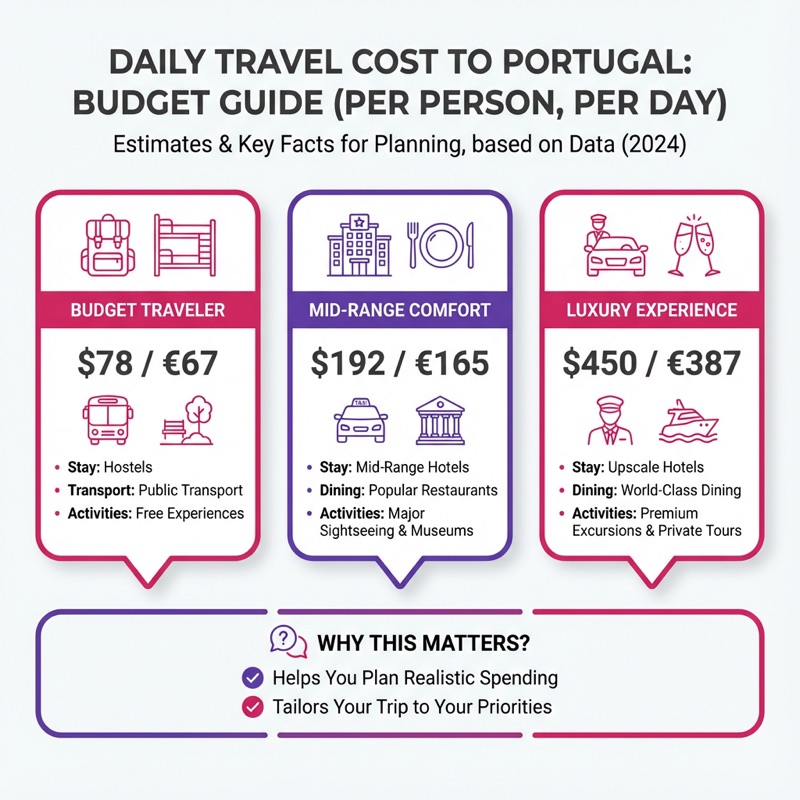
For most travelers seeking value and diverse experiences without breaking the bank, Portugal offers a stronger proposition. If you prioritize efficiency, design, and a quieter pace with a larger budget, Denmark delivers. Portugal wins for general appeal due to its cost-effectiveness, warm climate, and varied activities, typically around $70-150 per day. Denmark caters to a niche with a daily budget closer to $150-250.
- Choose Denmark: You have a generous budget, value minimalist design, efficient public services, cycling culture, and appreciate cool, crisp weather.
- Choose Portugal: You want good value for your money, enjoy warm weather, coastal activities, hearty food, historic cities, and a lively atmosphere.
- Choose Both: Allocate at least 2 weeks to experience both, focusing on 4-5 days in Copenhagen and 7-9 days split between Lisbon and Porto, factoring in significant travel time and costs.
Choose Denmark
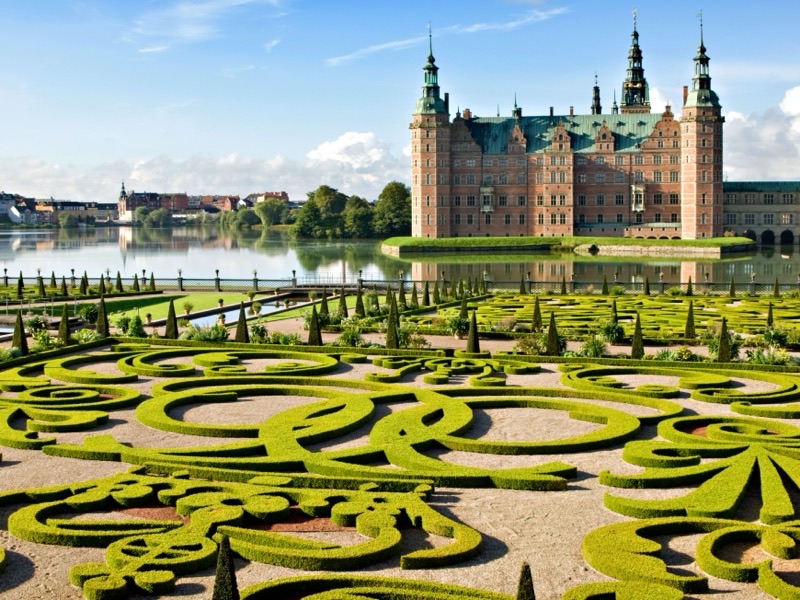
Choose Denmark if you're a design enthusiast or a foodie seeking Michelin-starred Nordic cuisine and a tranquil, efficient urban experience. It's best for travelers with a higher budget who appreciate cycling through Copenhagen, exploring contemporary art, and embracing 'hygge' in cozy cafes, even amidst cooler weather.
Choose Portugal
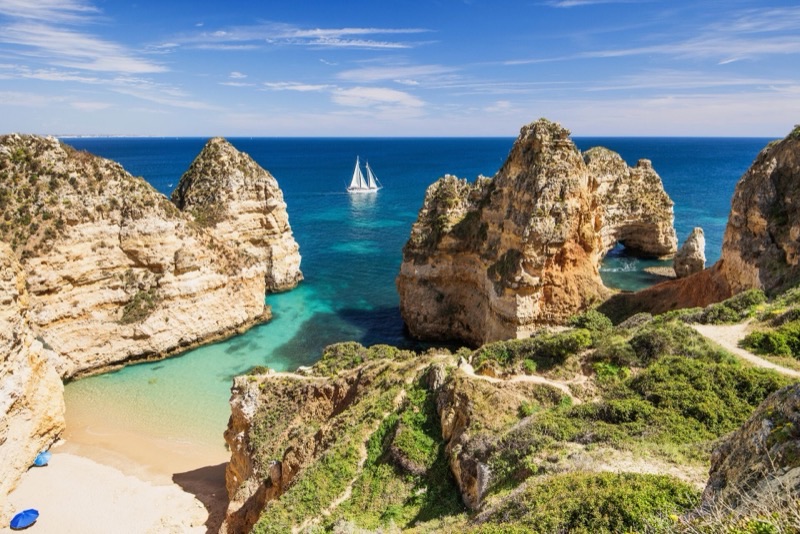
Opt for Portugal if you crave vibrant culture, sun-drenched beaches, and incredible value for your money. This destination is best for those who love exploring historic Alfama, indulging in fresh seafood and pastel de nata, catching Fado shows, and surfing along the Algarve coast, all on a moderate budget.
📊 Visual Scorecard
🌤 When to Visit
Average high temperatures (°C). Green = best months, orange = avoid.
Quick Comparison
| Category | Denmark | Portugal | Winner |
|---|---|---|---|
| Costs & Budget | Significantly higher daily expenses for accommodation, food, and transport. Expect to pay more for almost everything. | Considerably more affordable, offering better value across all categories, making extended stays more feasible. | Portugal |
| Food & Drink | Known for New Nordic cuisine, smørrebrød, and a strong craft beer scene. Focus on fresh, seasonal ingredients. | Rich in seafood, hearty stews, pastries like pastel de nata, and inexpensive, good quality wine. | Portugal |
| Culture & History | Viking heritage, royal history, modern design, and a focus on hygge. Many castles and museums. | A long history of exploration, Moorish influences, Roman ruins, and a distinctive Fado music tradition. | Portugal |
| Nature & Outdoors | Flat landscapes, extensive coastlines, forests, and easy access to cycling paths. Focus on gentle scenery. | Diverse landscapes including dramatic Atlantic cliffs, mountains, national parks, and extensive hiking trails. | Portugal |
| Beaches | Clean, often sandy beaches along the North Sea and Baltic, but typically cold water and a focus on family relaxation. | Extensive Atlantic coastline with warm waters, dramatic cliffs, surfing spots, and a mix of calm and lively beaches. | Portugal |
| Getting Around | Highly efficient public transport systems, extensive cycling infrastructure, and easy to navigate cities. | Good intercity trains and buses, but cities can be hilly and require walking or using specific local transport. Driving can be challenging. | Denmark |
| Accommodation | Modern, minimalist hotels and hostels, often with a focus on design. Higher prices across all categories. | Diverse options from boutique hotels to guesthouses and apartments. Generally lower prices and good value. | Portugal |
| Nightlife | Sophisticated bar scene, craft cocktails, and late-night clubs mostly concentrated in Copenhagen. Can be expensive. | Lively evenings with Fado music, late-night bars, and clubs in major cities, often more affordable and energetic. | Portugal |
| Weather & Seasons | Cool summers, cold winters with short daylight hours, and generally moderate rainfall. Best in summer. | Hot, dry summers, mild and wet winters, and long shoulder seasons. Plenty of sunshine. | Portugal |
| Safety | One of the safest countries globally, with very low crime rates and a high sense of security. | Generally safe, with low violent crime, but petty theft and pickpocketing can occur in busy tourist areas. | Denmark |
💰 Costs & Budget
Denmark is a costly destination. A budget hotel room in Copenhagen runs about 1000-1500 DKK (145-215 USD) per night. A casual meal costs 100-150 DKK (14-22 USD), and a pint of…

Denmark
Portugal
Denmark is a costly destination. A budget hotel room in Copenhagen runs about 1000-1500 DKK (145-215 USD) per night. A casual meal costs 100-150 DKK (14-22 USD), and a pint of craft beer is typically 60-70 DKK (8-10 USD). Public transport is efficient but not cheap; a 24-hour city pass is 80 DKK (11.50 USD). Travelers often find themselves spending 150-250 USD per day for a mid-range experience, not including major tours or fancy dinners. Grocery shopping and cooking some meals can help, but dining out adds up quickly.
Portugal offers far greater value. A mid-range hotel in Lisbon or Porto can be found for 70-120 EUR (75-130 USD) per night. A hearty meal with a drink in a local tasca often costs 12-18 EUR (13-19 USD), and a beer is typically 2-4 EUR (2-4.50 USD). Public transport is inexpensive; a single metro ticket in Lisbon is 1.65 EUR (1.75 USD). A comfortable daily budget for a mid-range traveler is 70-150 USD, allowing for good food, activities, and comfortable lodging. Portugal wins handily for anyone mindful of their budget.
- Winner: Portugal
- Why: Portugal provides significantly better value for accommodation, food, and activities, making travel more accessible for most budgets.
- Who this matters for: Budget-conscious travelers, backpackers, and anyone planning an extended trip.
🍽️ Food & Drink
Denmark's food scene emphasizes fresh, local, and often organic ingredients. Iconic dishes include smørrebrød (open-faced sandwiches), often served at places like Aamanns Deli &…

Denmark

Portugal
Denmark's food scene emphasizes fresh, local, and often organic ingredients. Iconic dishes include smørrebrød (open-faced sandwiches), often served at places like Aamanns Deli & Take Away, costing 90-130 DKK (13-19 USD) per piece. Hot dog stands, like Johns Hotdog Deli, offer a quick meal for 40-60 DKK (6-9 USD). Copenhagen has many excellent bakeries, and its craft beer scene is active, with breweries like Mikkeller and Warpigs offering pints for 60-80 DKK (8-11.50 USD). While quality is high, the price point for dining out makes it less of an everyday indulgence.
Portugal offers a more approachable and universally appealing food experience for most. Seafood is a staple, from grilled sardines to bacalhau (codfish) dishes, available at places like Cervejaria Ramiro in Lisbon for 25-40 EUR (27-43 USD) per person. Hearty meat dishes, like francesinha in Porto, are also popular, costing 10-15 EUR (11-16 USD). Pastel de nata from Pastéis de Belém costs around 1.30 EUR (1.40 USD) a piece. Local wine is inexpensive and good, with a bottle often 5-10 EUR (5.50-11 USD) in a supermarket. The everyday eating options are more diverse and affordable. Portugal is a clearer winner for its sheer variety, quality, and affordability of its food and drink.
- Winner: Portugal
- Why: Portugal delivers an impressive range of delicious, accessible dishes and beverages at prices that allow for extensive exploration of its culinary landscape.
- Who this matters for: Foodies, travelers seeking culinary exploration, and those who enjoy dining out frequently.
🏛️ Culture & History
Denmark's cultural narrative revolves around its Viking past, exemplified at the Viking Ship Museum in Roskilde, entry around 160 DKK (23 USD). The country also features a rich…
Denmark

Portugal
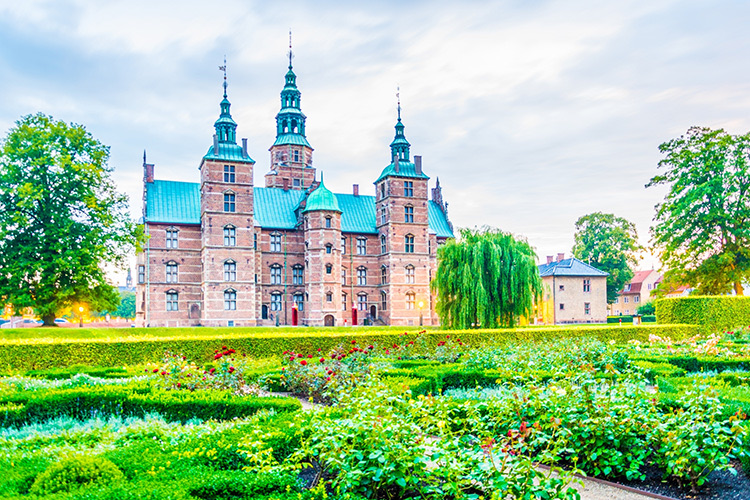
Denmark's cultural narrative revolves around its Viking past, exemplified at the Viking Ship Museum in Roskilde, entry around 160 DKK (23 USD). The country also features a rich royal history, with castles like Kronborg Slot (entry 145 DKK / 21 USD) and Amalienborg Palace. Modern Danish design is globally recognized, and visitors can explore this at the Designmuseum Danmark (entry 130 DKK / 19 USD). The concept of 'hygge' is central to Danish life, emphasizing coziness and comfort, often experienced in cafes or during social gatherings. While Denmark has significant cultural sites, they are spread out and often involve specific entry fees that add up.
Portugal offers a more expansive and tangible historical narrative that feels more immediately present. Its Age of Discoveries legacy is apparent in Lisbon's Belém Tower (entry 6 EUR / 6.50 USD) and Jerónimos Monastery (entry 10 EUR / 10.70 USD). Moorish influences are evident in architecture across the south, and Roman ruins can be found in places like Évora. The melancholic Fado music, often heard in Alfama district taverns, is a powerful cultural expression. The historical sites are often grander, more concentrated, and integrate into city life with greater prominence. For a broader, more visibly layered historical and cultural experience, Portugal takes the lead.
- Winner: Portugal
- Why: Portugal presents a more diverse and immediately apparent historical narrative, from Moorish influences to the Age of Discoveries, interwoven with accessible cultural traditions like Fado.
- Who this matters for: History buffs, architecture enthusiasts, and those interested in deep cultural immersion through music and tradition.
🌳 Nature & Outdoors
Denmark's outdoor appeal lies in its gentle, understated nature. The country is largely flat, making it ideal for cycling, with many well-maintained routes through forests like…
Denmark

Portugal
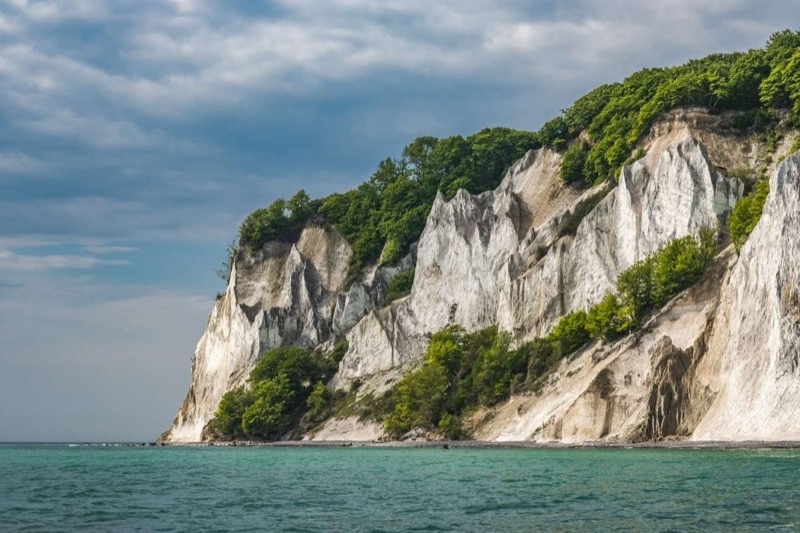
Denmark's outdoor appeal lies in its gentle, understated nature. The country is largely flat, making it ideal for cycling, with many well-maintained routes through forests like Dyrehaven just north of Copenhagen. Its extensive coastline offers sandy beaches, though the North Sea water is generally cold, even in summer. Møns Klint on the island of Møn provides impressive white chalk cliffs and coastal walks. Nature experiences here are often serene and accessible but lack the dramatic changes in elevation or varied ecosystems found elsewhere. Think pleasant walks and rides rather than strenuous adventures.
Portugal offers a much wider spectrum of natural environments. The Algarve coast is famous for its golden cliffs, sea caves (like Benagil Cave), and beaches, with opportunities for kayaking and boat tours. The Parque Natural da Arrábida, near Lisbon, provides green hills meeting turquoise waters. Inland, the Serra da Estrela mountains offer hiking and, surprisingly, winter sports. Peneda-Gerês National Park in the north boasts waterfalls, ancient villages, and hiking for several days. From rugged coastlines for surfing to mountainous interior trails, Portugal provides a more varied and thrilling outdoor playground. Portugal is the better choice for diverse outdoor activities and impressive natural scenery.
- Winner: Portugal
- Why: Portugal features a greater diversity of landscapes, from dramatic Atlantic coastlines and sea caves to mountains and national parks, providing more varied outdoor activity options.
- Who this matters for: Hikers, surfers, nature photographers, and travelers seeking diverse outdoor adventures.
🏖️ Beaches
Denmark has many beaches, especially along its North Sea and Baltic Sea coasts. Popular spots include Amager Strandpark near Copenhagen, which has facilities and swimming areas,…
Denmark
Portugal
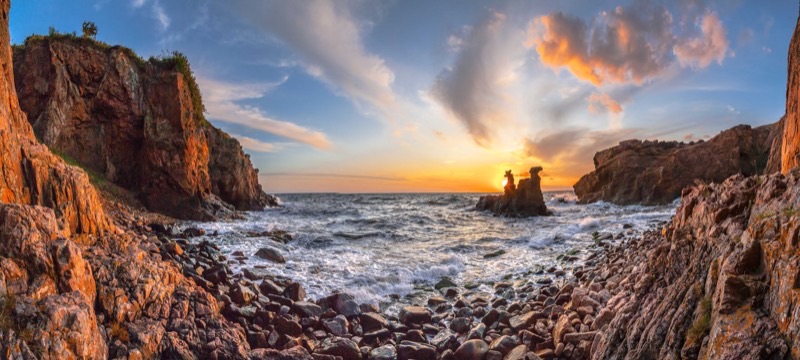
Denmark has many beaches, especially along its North Sea and Baltic Sea coasts. Popular spots include Amager Strandpark near Copenhagen, which has facilities and swimming areas, but the water rarely gets above 18-20°C (64-68°F) even in peak summer. The beaches of Skagen or Fanø offer wide sandy stretches, often backed by dunes, good for walking and enjoying the crisp air. Lifeguard services are common in summer. These beaches are generally clean and well-maintained, but they are more for enjoying the coastal scenery and fresh air than for swimming in warm water or sunbathing for extended periods.
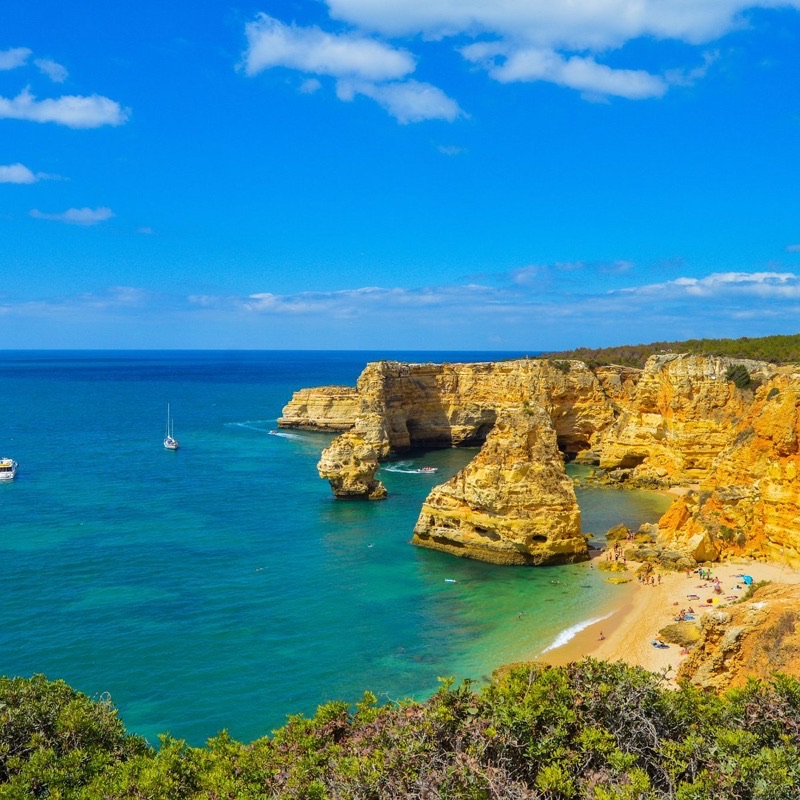
Portugal's beaches are a major draw. The Algarve region is renowned for its golden sands, calm waters, and dramatic rock formations in places like Praia da Marinha and Praia da Falésia. Water temperatures in the south reach 22-25°C (72-77°F) in summer. The west coast, from Lisbon up to Porto, offers large sandy beaches and consistent waves for surfing, particularly around Peniche and Nazaré. Praia da Adraga, near Sintra, is a wilder, scenic option. Portugal offers a broader appeal for beachgoers, whether they seek relaxation, watersports, or dramatic coastal views. Portugal wins for its warmer waters, more diverse coastal scenery, and better opportunities for swimming and surfing.
- Winner: Portugal
- Why: Portugal offers warmer Atlantic waters, a wider variety of beach types from serene coves to surf havens, and more dramatic coastal scenery.
- Who this matters for: Sunbathers, swimmers, surfers, and anyone prioritizing warm ocean access and scenic coastlines.
🚆 Getting Around
Denmark boasts an extremely efficient public transport network. Copenhagen's metro and S-train system is reliable, clean, and runs frequently. A single zone ticket costs 24 DKK…
Denmark boasts an extremely efficient public transport network. Copenhagen's metro and S-train system is reliable, clean, and runs frequently. A single zone ticket costs 24 DKK (3.50 USD), and a Rejsekort (travel card) offers better value for longer stays. Cycling is a central part of Danish life, with dedicated bike lanes everywhere; rentals are widely available for 100-150 DKK (14-22 USD) per day. Outside the cities, regional trains and buses connect towns effectively. Distances are short, making travel quick and straightforward. Getting around Denmark is generally stress-free and very convenient, even without a car.
Portugal's intercity travel is good, with comfortable trains connecting Lisbon, Porto, and the Algarve. A train from Lisbon to Porto costs around 25-35 EUR (27-38 USD) and takes 3 hours. City transport, especially in Lisbon, involves metro, trams (Tram 28 is famous but often crowded, 3 EUR / 3.20 USD per ride), and funiculars to navigate its many hills. Walking in Lisbon and Porto can be strenuous due to steep streets. Driving outside major cities is feasible but navigating narrow, historic city centers and finding parking can be frustrating. For overall ease, efficiency, and integrated urban/rural networks, Denmark is superior for getting around.
- Winner: Denmark
- Why: Denmark's public transport is exceptionally efficient, punctual, and easy to use, complemented by extensive, safe cycling infrastructure.
- Who this matters for: Travelers who prefer public transport, enjoy cycling, and want minimal logistical hassle.
🏨 Accommodation
Accommodation in Denmark, particularly in Copenhagen, is known for its quality and high prices. A budget-friendly hostel bed typically starts at 300-500 DKK (43-72 USD) per night…
Accommodation in Denmark, particularly in Copenhagen, is known for its quality and high prices. A budget-friendly hostel bed typically starts at 300-500 DKK (43-72 USD) per night at places like Generator Hostel. Mid-range hotels, such as Steel House Copenhagen (a 'luxury hostel' concept), might cost 1000-1500 DKK (145-215 USD) for a private room. Boutique hotels can easily exceed 2000 DKK (290 USD). While the standard of lodging is high, offering clean, well-designed spaces, the cost significantly impacts a travelers budget. Booking far in advance is crucial, especially during peak season.
Portugal offers a much broader range of accommodation types at more accessible price points. In Lisbon or Porto, a bed in a well-regarded hostel like The Independente Hostel & Suites can be 25-40 EUR (27-43 USD). Mid-range boutique hotels or comfortable guesthouses, such as Hotel Borges Chiado in Lisbon, are typically 70-120 EUR (75-130 USD). Private apartments through platforms like Airbnb are also plentiful and offer good value, often around 60-100 EUR (65-107 USD) outside the absolute peak. This affordability allows for longer stays or more luxurious options within a similar budget. Portugal provides better choices and value for money in accommodation.
- Winner: Portugal
- Why: Portugal offers a greater variety of accommodation options across all price points, providing significantly better value for money, from hostels to boutique hotels.
- Who this matters for: Budget-conscious travelers, those seeking good value, and anyone planning longer stays.
🍻 Nightlife
Denmark's nightlife is primarily centered in Copenhagen. The city has a refined bar scene with a focus on craft cocktails at places like Ruby, where a drink can cost 100-140 DKK…
Denmark's nightlife is primarily centered in Copenhagen. The city has a refined bar scene with a focus on craft cocktails at places like Ruby, where a drink can cost 100-140 DKK (14-20 USD). Many bars close around 2 AM, though some clubs, particularly around Kødbyen (Meatpacking District), stay open later, such as Culture Box. Alcohol prices are high, which can deter casual pub crawling. The atmosphere is generally relaxed and social, but it requires a larger budget to fully experience. Outside Copenhagen, nightlife is more subdued, often revolving around local pubs.
Portugal offers a more expansive and often spontaneous nightlife experience, especially in Lisbon and Porto. Lisbon's Bairro Alto district becomes a pedestrian party zone at night, with small bars spilling out onto the streets, and a beer costs 2-4 EUR (2-4.50 USD). Clubs in areas like Cais do Sodré (e.g., Pink Street or Musicbox) stay open until early morning. Porto also has a lively scene, particularly around the Galerias de Paris. Fado houses in Lisbon's Alfama district offer a cultural evening with music and dinner, often 30-50 EUR (32-54 USD) per person. Portugal wins for its more energetic, diverse, and accessible nightlife, appealing to a broader range of preferences and budgets.
- Winner: Portugal
- Why: Portugal offers a more dynamic and affordable nightlife, with late-night options from traditional Fado to lively street bars and clubs in major cities.
- Who this matters for: Partygoers, social travelers, and those who enjoy late-night entertainment without excessive spending.
☀️ Weather & Seasons
Denmark experiences distinct seasons. Summers (June-August) are generally mild and pleasant, with average temperatures around 18-22°C (64-72°F) and long daylight hours, often…
Denmark experiences distinct seasons. Summers (June-August) are generally mild and pleasant, with average temperatures around 18-22°C (64-72°F) and long daylight hours, often extending past 9 PM. This is the best time to visit for outdoor activities and city exploration. Winters (December-February) are cold, with temperatures often near or below freezing, average 0-5°C (32-41°F), short daylight, and occasional snow. Spring and autumn are cool and can be rainy. The weather is unpredictable, and even summer days can be chilly or wet, requiring layers. Planning around summer is essential for comfortable outdoor activities.
Portugal offers a more consistently warm and sunny climate, making it a stronger contender for many travelers. Summers (June-August) are hot and dry, especially inland, with temperatures in Lisbon often reaching 28-35°C (82-95°F), and the Algarve even warmer. Winters (December-February) are mild, particularly along the coast, with temperatures around 10-15°C (50-59°F) and more rainfall. Spring and autumn (shoulder seasons) are long and very pleasant, with comfortable temperatures and fewer crowds, ideal for sightseeing and hiking. The Algarve boasts nearly 300 days of sunshine a year. For reliable warmth and sun, Portugal is the clear winner.
- Winner: Portugal
- Why: Portugal provides a more consistently warm and sunny climate throughout much of the year, offering pleasant conditions for travel even outside peak summer.
- Who this matters for: Sun-seekers, those sensitive to cold, and travelers looking for reliable good weather.
👮 Safety
Denmark consistently ranks among the safest countries in the world. Violent crime is extremely rare, and even petty crime like pickpocketing is not a major concern, particularly…
Denmark consistently ranks among the safest countries in the world. Violent crime is extremely rare, and even petty crime like pickpocketing is not a major concern, particularly outside of isolated incidents in crowded areas. Travelers can feel comfortable walking alone at night in cities like Copenhagen. The police are visible and responsive. You can expect a very high level of personal security and peace of mind during your visit. Leaving a phone on a table at a cafe, while not advised anywhere, is less likely to result in theft here than in many other places. This makes for a very relaxed travel experience.
Portugal is also a very safe country with low rates of violent crime. However, petty theft, especially pickpocketing, is more common in crowded tourist areas of Lisbon (like Tram 28, Baixa-Chiado, Alfama) and Porto. Visitors should exercise standard precautions, such as keeping valuables out of sight and being aware of their surroundings. While serious incidents are rare, it is wise to secure belongings and remain vigilant in busy locations. Overall, both destinations are safe, but Denmark offers a marginally higher level of security and less need for constant vigilance. Denmark is the winner for its exceptional safety record.
- Winner: Denmark
- Why: Denmark has an exceptionally low crime rate and a consistently high ranking for safety, offering travelers a superior sense of security.
- Who this matters for: Solo travelers, families with young children, and anyone prioritizing peace of mind and minimal risk.
🎯 The Decision Framework
Choose Denmark If…
- You appreciate minimalist design and efficient urban planning.
- You want to experience 'hygge' in cozy cafes and comfortable settings.
- Your budget allows for higher costs for quality experiences.
- You enjoy cycling as a primary mode of transport.
- You prefer cooler weather and long summer daylight hours.
- You prioritize safety and a relaxed, quiet travel pace.
- You are interested in Viking history and royal heritage.
- You value clean cities and environmentally conscious practices.
Choose Portugal If…
- You are looking for excellent value for your money across all categories.
- You want a sunny escape with warm beaches and Atlantic surf.
- You enjoy late-night dining and active nightlife scenes.
- You are a fan of fresh seafood, hearty stews, and good, inexpensive wine.
- You want to explore a rich history of maritime exploration and Moorish influence.
- You appreciate diverse landscapes from dramatic cliffs to mountains.
- You prefer walking through hilly, historic city streets.
- You are interested in traditional music like Fado.
📅 Sample Itineraries
Weekend in Copenhagen (3 Days)
💡 Purchase a Copenhagen Card for $80 for 72 hours; it includes public transport and free entry to over 80 attractions like Tivoli and Rosenborg Castle, saving you about $40 on admissions alone.
Weekend in Lisbon (3 Days)
💡 Buy a Viva Viagem card for €0.50 and load it with 'Zapping' credit. This gives you cheaper fares on metro, bus, tram, and even ferries, saving you up to 50% on individual tickets.
One Week in Denmark (7 Days)
💡 For intercity travel, book train tickets in advance through DSB's Orange tickets for significant discounts, potentially saving up to 50% on standard fares between major cities.
One Week in Portugal (7 Days)
💡 When dining in Portugal, decline the couvert (bread, olives, cheese) if you don't intend to eat it, as it's not free and can add $5-10 to your bill.
❓ Frequently Asked Questions
What is the typical flight time from the US to Denmark or Portugal?
Direct flights from major US East Coast cities to Copenhagen (CPH) or Lisbon (LIS) typically range from 7 to 8 hours. From the West Coast, flights usually involve a layover and can take 11 to 14 hours total.
Which country is better for a solo traveler?
Both countries are good for solo travelers. Denmark offers a higher sense of safety and easy navigation with efficient public transport. Portugal provides more budget-friendly options, a lively hostel scene for meeting people, and a warmer climate, making it slightly more appealing for social solo travelers.
Can I get by with English in both countries?
Yes, English is widely spoken in both Denmark and Portugal, especially in tourist areas and among younger generations. You should have no trouble communicating for travel purposes in either country.
Which country has better public transportation for getting around without a car?
Denmark has a superior public transportation system. Its metro, S-train, and bus networks are highly efficient, punctual, and cover cities and intercity routes well. Portugal's intercity trains are good, but city-specific transport can be less integrated and more challenging due to hilly terrain.
What kind of clothing should I pack for each country?
For Denmark, pack layers, even in summer, as temperatures can fluctuate; a waterproof jacket is advisable. In winter, warm coats, hats, and gloves are essential. For Portugal, light clothing for hot summers, with a light jacket for evenings. In winter, a medium-weight coat and umbrella are sufficient for mild, rainy conditions.
Is one country more family-friendly than the other?
Both are family-friendly, but in different ways. Denmark offers many parks, kid-focused museums, and a very safe environment, but at a higher cost. Portugal has warmer beaches, more outdoor play opportunities, and is more budget-friendly for families, making it generally more accessible.
What is the currency difference and how does it affect travel?
Denmark uses the Danish Krone (DKK), while Portugal uses the Euro (EUR). The DKK is a stronger currency relative to the USD than the EUR. This means prices in Denmark, when converted to USD, are often significantly higher than equivalent goods and services priced in EUR in Portugal.
Which country is better for digital nomads?
Portugal is generally better for digital nomads due to its lower cost of living, good weather, digital nomad visa program, and strong community in cities like Lisbon and Porto. Denmark's high cost of living makes it less attractive for long-term stays on a typical nomad budget, despite its high quality of life.
Ready to plan your European adventure?
Get a free custom itinerary for Denmark, Portugal, or both — built from real traveler insights.
👥 Travelers Also Compared
🎟️ Book Tours & Experiences
Hand-picked tours and activities for both destinations — book with free cancellation
Experiences via Viator — free cancellation on most tours