How we built this comparison
This page combines traveler discussion patterns, published price ranges, flight schedules, and seasonal data to help you decide between Denmark and Scotland.
- Reviewed 70+ Reddit threads from r/travel, r/solotravel, r/Denmark, r/Scotland, r/Copenhagen, r/Edinburgh
- Verified costs and logistics against current booking platforms like Google Flights, Booking.com, Hostelworld, and local transport sites
- Cross-referenced seasonal patterns and weather data from meteorological sources for accurate climate descriptions
⚡ Quick Answers
⚡ The TL;DR Verdict
For most travelers seeking a well-rounded European trip without breaking the bank, Scotland is the stronger choice, offering dramatic landscapes and history at a more accessible price point (roughly $100-180 USD/day). Denmark, while charming, commands a higher daily budget (expect $140-250 USD/day) and caters to those prioritizing modern design and a slower pace.
- Choose Denmark: You prioritize modern design, efficient city experiences, a focus on food culture, and a refined, relaxed pace, with a budget to match its higher costs.
- Choose Scotland: You seek dramatic natural beauty, deep historical sites, whisky trails, and a more budget-friendly adventure, especially for extended stays or car rentals.
- Choose Both: If you have at least 2.5-3 weeks and a generous budget, connect them via a direct flight from Copenhagen to Edinburgh (around 1.5 hours, $50-150 USD). Start in Denmark for urban exploration, then move to Scotland for nature and history.
Choose Denmark
Choose Denmark if you're drawn to cutting-edge design, Michelin-starred Nordic cuisine in neighborhoods like Nørrebro, and a uniquely 'hygge' urban experience. It's best for travelers who appreciate refined city living, efficient public transport, and don't mind a higher daily spend for a relaxed, design-forward adventure.
Choose Scotland
Opt for Scotland to immerse yourself in dramatic natural beauty, ancient history, and a vibrant pub culture without stretching your budget. It's ideal for adventurers eager to hike the Highlands, explore iconic castles like Stirling or Edinburgh, and discover whisky distilleries, offering incredible value for epic road trips.
📊 Visual Scorecard
🌤 When to Visit
Average high temperatures (°C). Green = best months, orange = avoid.
Quick Comparison
| Category | Denmark | Scotland | Winner |
|---|---|---|---|
| Costs & Budget | Significantly more expensive across the board for accommodation, food, and transport. | More budget-friendly, especially outside major cities and for activities. | Scotland |
| Nature & Scenery | Gentle, coastal landscapes, rolling hills, and expansive forests; less dramatic. | Dramatic mountains, deep lochs, rugged coastlines, and expansive wilderness areas. | Scotland |
| Culture & History | Viking heritage, modern design, fairytale castles, and the concept of hygge. | Ancient castles, clan history, Jacobite legends, whisky traditions, and a strong folk heritage. | Scotland |
| Food & Drink | New Nordic cuisine, smørrebrød, pastries, and a thriving craft beer scene. | Hearty pub fare, seafood, whisky, haggis, and a growing fine dining presence. | Denmark |
| Getting There & Around | Excellent public transport within cities; good train network, car rental for rural areas. | Good city public transport; car rental is essential for exploring outside urban hubs. | Denmark |
| Accommodation | Higher prices for quality, design-focused hotels, and boutique hostels. | More affordable options, including guesthouses, B&Bs, and budget hotels. | Scotland |
| Nightlife | Sophisticated cocktail bars, craft beer spots, and late-night clubs in Copenhagen. | Lively pubs, traditional music sessions, and a growing club scene in major cities. | Tie |
| Weather & Seasons | Temperate, often windy, with distinct seasons; summer is mildest. | Highly changeable, often wet and cool even in summer; prepare for all conditions. | Denmark |
| Solo Travel | Very safe, easy to navigate, but can be expensive; less overt social interaction. | Safe, friendly locals, good hostel network, more opportunities for shared experiences. | Scotland |
| Family Travel | Family-friendly cities, Legoland, Tivoli Gardens, safe and easy to navigate. | Castles, outdoor adventures, less structured activities, good for older children. | Denmark |
💰 Costs & Budget
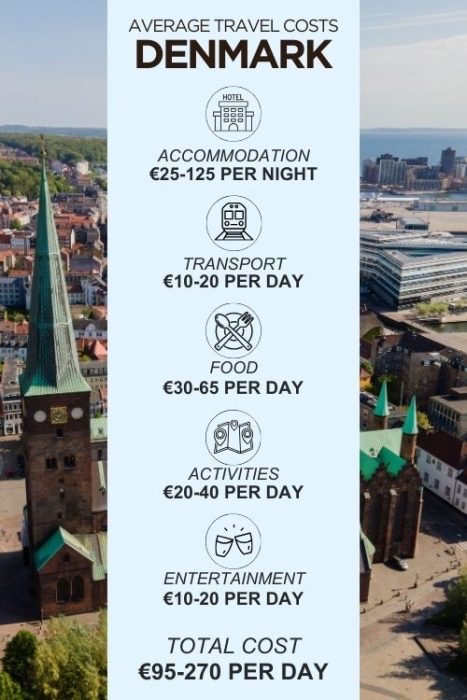
Denmark is a costly destination. A budget traveler staying in hostels, cooking some meals, and relying on public transport will still struggle to keep costs below DKK 700-900…
Denmark
Scotland
Denmark is a costly destination. A budget traveler staying in hostels, cooking some meals, and relying on public transport will still struggle to keep costs below DKK 700-900 ($100-130 USD) per day in Copenhagen. Mid-range hotels typically start at DKK 1000 ($145 USD) per night, and a decent restaurant meal with a drink can easily reach DKK 300 ($45 USD). Public transport passes are efficient but not cheap, with a 24-hour city pass costing DKK 80 ($12 USD).
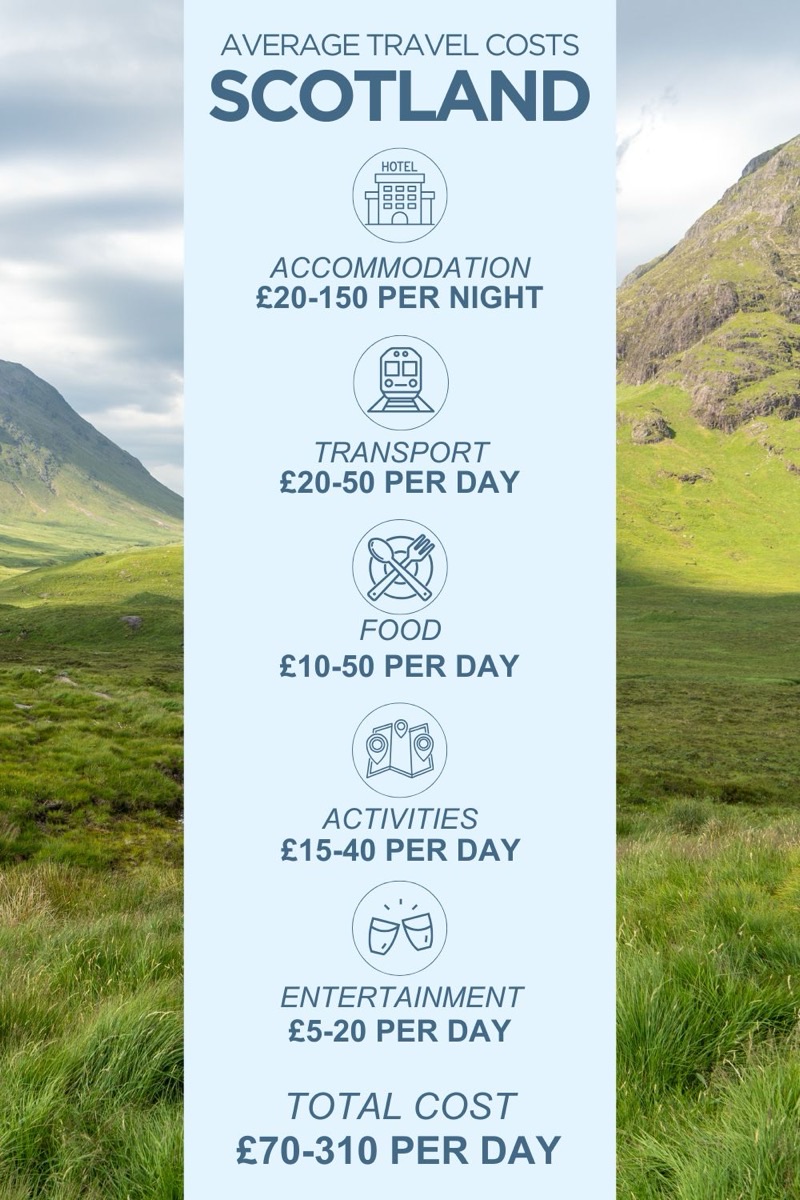
Scotland offers a more forgiving budget. Hostels in Edinburgh or Glasgow run about GBP 25-40 ($30-50 USD) a night, and basic hotel rooms start from GBP 80 ($100 USD). Pub meals are a staple, often under GBP 15 ($19 USD) for a main course. Intercity trains are reasonably priced if booked in advance, and renting a car for the Highlands can be affordable, especially if shared. A budget traveler can manage on GBP 60-90 ($75-115 USD) per day. Scotland wins this category for its wider accessibility and less severe impact on your wallet.
- Winner: Scotland
- Why: Scotland offers a more accessible price point for accommodation, food, and activities, making a longer trip more feasible.
- Who this matters for: Travelers on a tighter budget or those wanting to extend their trip duration.
⛰️ Nature & Scenery
Denmark's natural spaces are characterized by a softer, understated beauty. You will find miles of sandy beaches along the North Sea coast, like those near Blåvand, and serene…
Denmark
Scotland
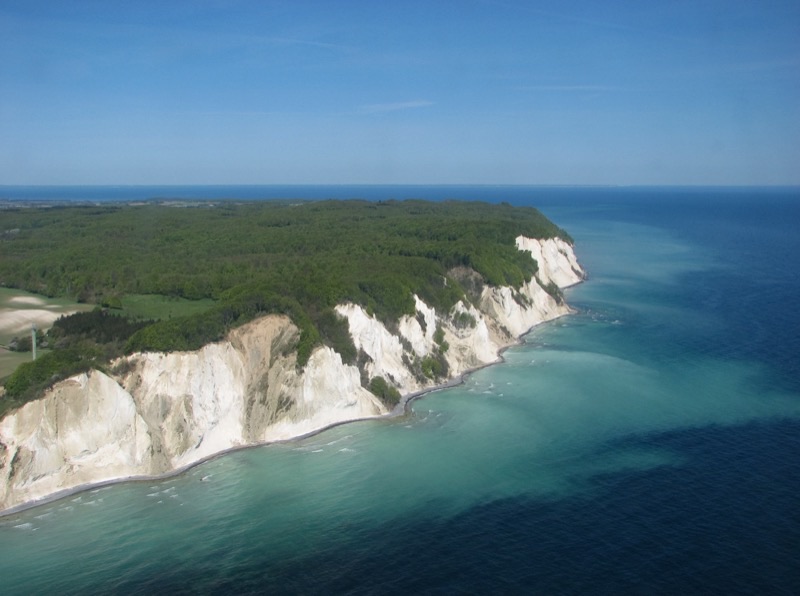
Denmark's natural spaces are characterized by a softer, understated beauty. You will find miles of sandy beaches along the North Sea coast, like those near Blåvand, and serene forests. The chalk cliffs of Møns Klint offer a dramatic coastal walk, and the Danish islands, such as Bornholm, provide a peaceful escape with unique rock formations. The landscape is generally flat or gently rolling, suitable for cycling and easy hikes. It is a landscape for quiet contemplation and appreciation of subtle shifts in light and water, rather than grand vistas.
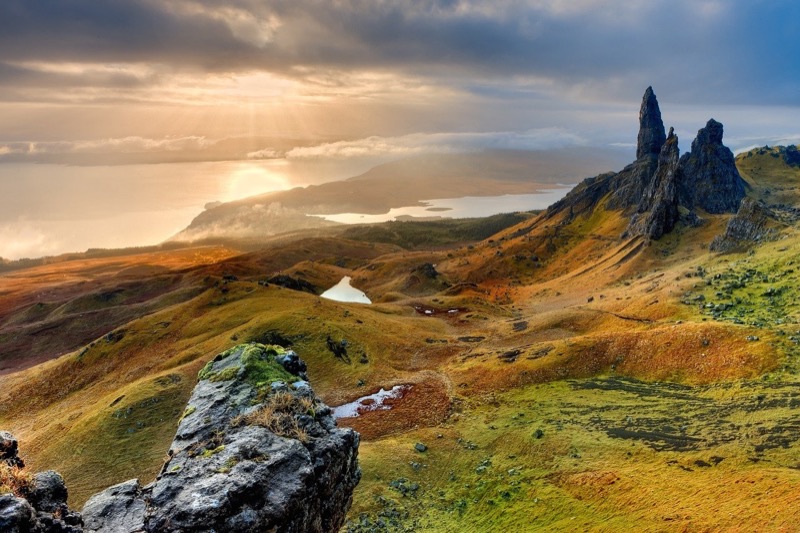
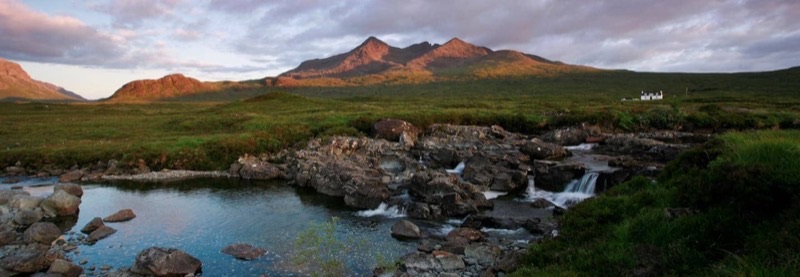
Scotland, by contrast, offers landscapes that demand attention. The Scottish Highlands are defined by Munros (mountains over 3,000 feet), deep glens, and mysterious lochs like Loch Ness. The Isle of Skye presents incredible rock formations like the Old Man of Storr and the Quiraing. Coastal areas around the North Coast 500 route feature sea stacks and empty beaches. You can explore ancient Caledonian forests or experience the vast emptiness of Rannoch Moor. Scotland delivers a more impactful and varied natural experience, catering to those seeking adventure and awe-inspiring views. Scotland wins because its natural grandeur and variety are simply on another level.
- Winner: Scotland
- Why: Scotland provides dramatically varied and intense natural landscapes, from towering mountains to deep lochs, unmatched by Denmark's gentler scenery.
- Who this matters for: Outdoors enthusiasts, hikers, photographers, and those seeking awe-inspiring natural environments.
🏰 Culture & History
Denmark's history is deeply rooted in its Viking past, evident at places like the Viking Ship Museum in Roskilde. Its royal history is visible in castles like Kronborg (Hamlet's…
Denmark
Scotland
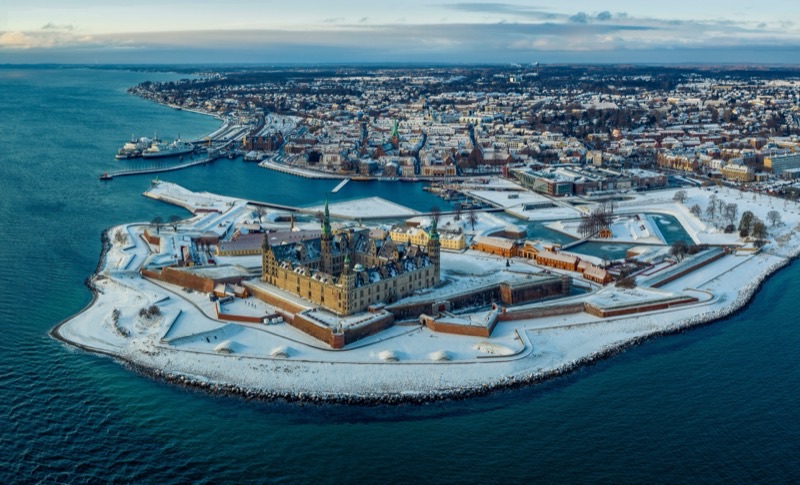
Denmark's history is deeply rooted in its Viking past, evident at places like the Viking Ship Museum in Roskilde. Its royal history is visible in castles like Kronborg (Hamlet's Elsinore) and Frederiksberg Palace. Modern Danish culture emphasizes design, with museums like the Designmuseum Danmark in Copenhagen showcasing furniture and product innovation. The concept of 'hygge' – a feeling of coziness and contentment – is central to Danish daily life, influencing everything from café culture to home decor. It is a culture that balances ancient roots with contemporary living.
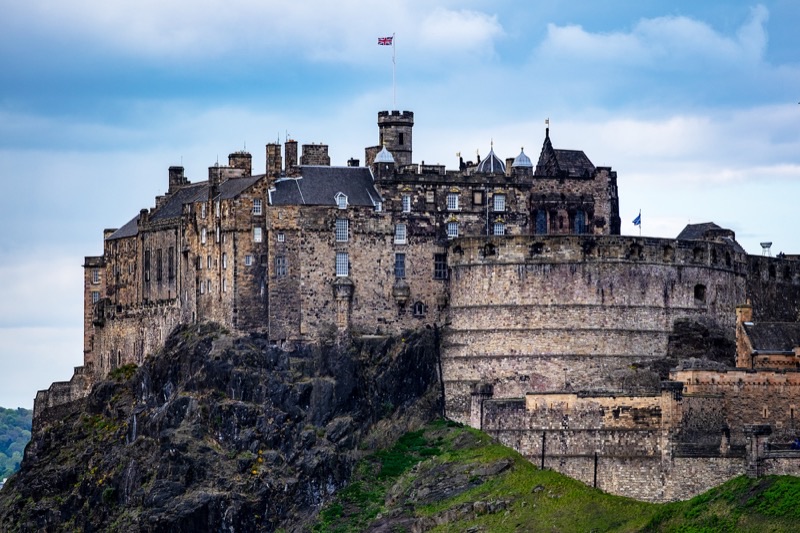
Scotland's historical narrative is one of clans, battles, and dramatic resistance. Edinburgh Castle dominates the capital, a testament to centuries of conflict. Culloden Battlefield offers a somber look at the Jacobite uprising. Throughout the country, you find ancient standing stones, Roman forts, and ruined abbeys. The vibrant tradition of ceilidhs (folk dances), bagpipes, and storytelling is still present. Whisky distilleries, such as Glenfiddich or Talisker, are integral to the cultural fabric, offering tours and tastings. Scotland's history feels more tangible and dramatic, and its cultural traditions are more overtly expressed, giving it the edge for a deeper historical immersion. Scotland wins due to its more visible and dramatic historical layers and pervasive cultural traditions.
- Winner: Scotland
- Why: Scotland offers a more overtly dramatic and historically layered experience with its castles, battlefields, clan stories, and strong folk traditions.
- Who this matters for: History buffs, those interested in ancient lore, castles, and traditional music/storytelling.
🍽️ Food & Drink
Denmark has evolved into a global culinary hotspot, spearheaded by the New Nordic movement. While Noma might be out of reach, you can experience elements of this philosophy at…
Denmark
Scotland
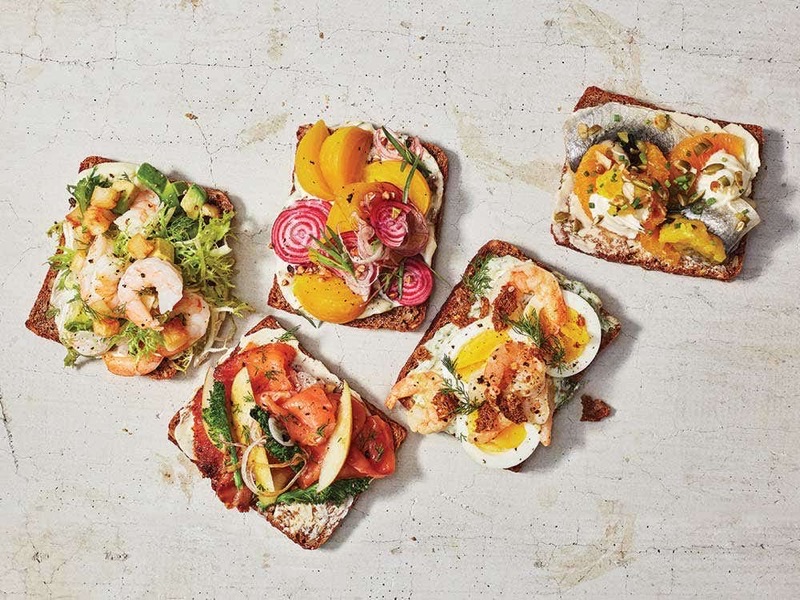
Denmark has evolved into a global culinary hotspot, spearheaded by the New Nordic movement. While Noma might be out of reach, you can experience elements of this philosophy at restaurants like Høst in Copenhagen (multi-course tasting menus often start at DKK 600 / $90 USD). Everyday Danish food includes the iconic smørrebrød (open-faced sandwiches, DKK 80-150 / $12-22 USD), excellent pastries (Wienerbrød), and hot dogs from street vendors (DKK 30 / $4.50 USD). The craft beer scene is also robust, with breweries like Mikkeller offering many innovative options. Ingredient quality is high, even at casual spots.
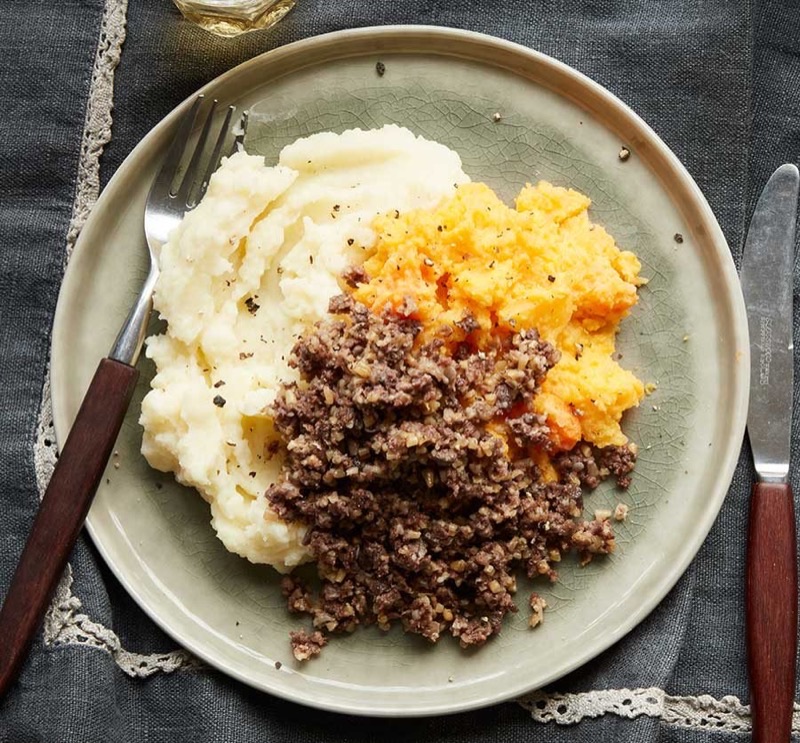
Scottish food is hearty and traditional. Staples include haggis (often served with neeps and tatties, GBP 10-15 / $13-20 USD), fish and chips (GBP 8-12 / $10-16 USD), and fresh seafood, especially in coastal towns. Edinburgh and Glasgow have a growing number of modern restaurants pushing culinary boundaries, but the general landscape is still dominated by comforting pub fare. Whisky, of course, is a national institution, with distilleries offering tours and tastings (e.g., The Scotch Whisky Experience in Edinburgh, tours from GBP 20 / $25 USD). Denmark wins this category for its consistent quality, innovative culinary scene, and broader everyday deliciousness. Denmark takes the win for its more diverse and consistently high-quality food experiences, from street food to fine dining.
- Winner: Denmark
- Why: Denmark offers a more developed and innovative culinary scene, from its famous New Nordic cuisine to consistently high-quality casual dining and pastries.
- Who this matters for: Foodies, those interested in modern gastronomy, and travelers who prioritize diverse and high-quality dining experiences.
✈️ Getting There & Around
Getting to Copenhagen is straightforward, with direct flights from major North American cities taking around 7.5-8 hours (e.g., NYC to CPH from $600-900 USD roundtrip) and quick…
Denmark
Scotland
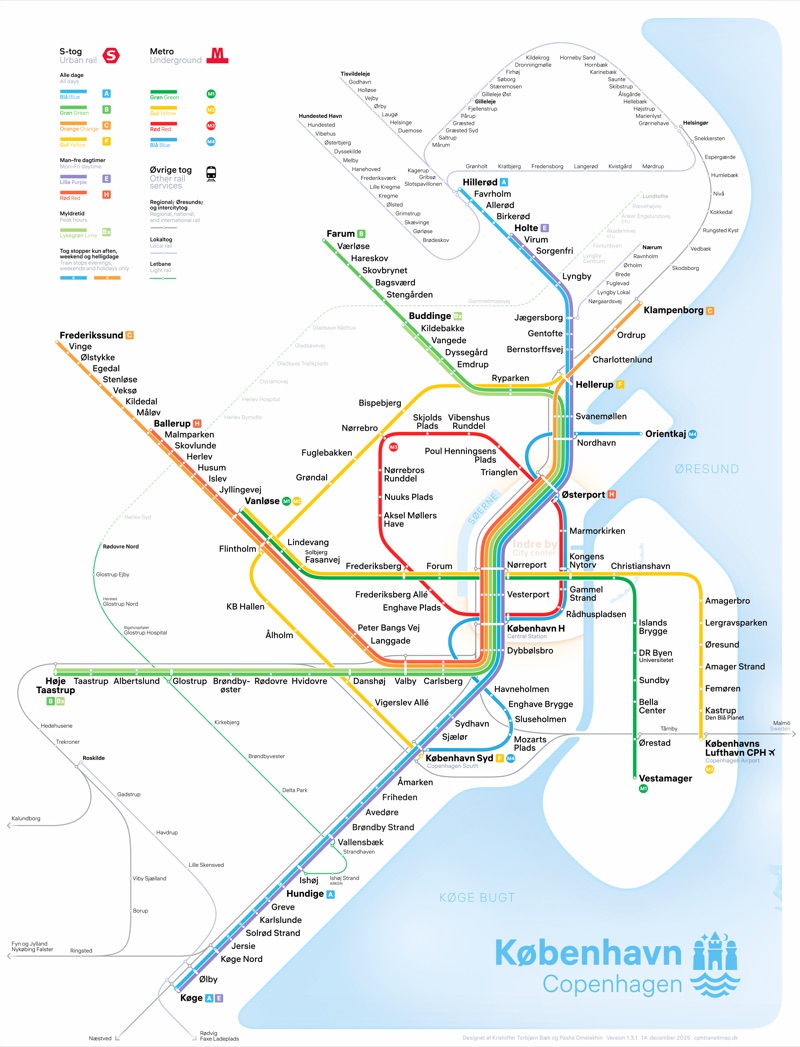
Getting to Copenhagen is straightforward, with direct flights from major North American cities taking around 7.5-8 hours (e.g., NYC to CPH from $600-900 USD roundtrip) and quick connections from European hubs (e.g., London to CPH in 1.5-2 hours from $50-150 USD). Once in Denmark, the public transport system is outstanding. Copenhagen's metro and S-trains are efficient and cover the city well. DSB trains connect major cities like Aarhus and Odense reliably. Renting a car is easy for exploring rural areas, though not strictly necessary for city-focused trips. Everything feels connected and user-friendly.
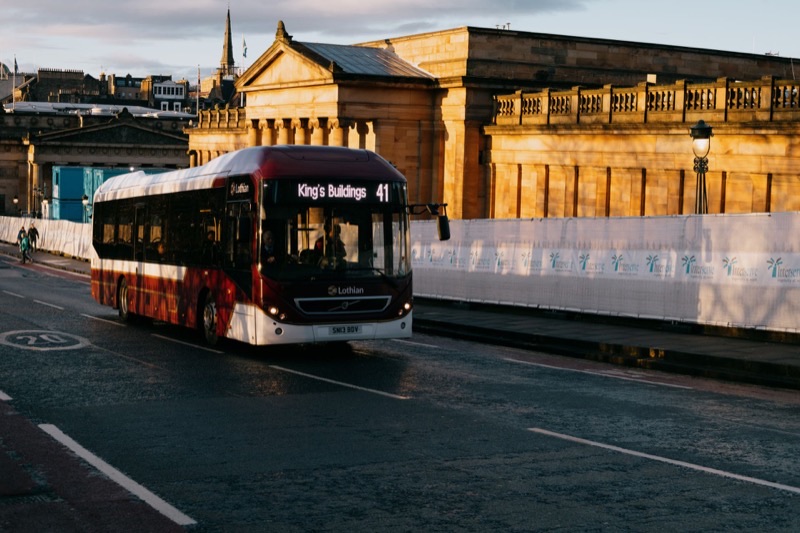
Flights to Edinburgh or Glasgow are also readily available, with direct routes from North America typically taking 6-7 hours (e.g., NYC to EDI from $500-800 USD roundtrip) and short hops from the UK (e.g., London to EDI in 1-1.5 hours from $40-100 USD). Within Edinburgh and Glasgow, bus networks are extensive. However, to truly experience Scotland's Highlands and islands, a rental car is almost essential. The train network serves major routes but is less comprehensive for scenic rural exploration compared to driving. Danish public transport feels more complete and less reliant on a rental car for a fulfilling experience. Denmark wins this category for its superior, integrated public transportation system, making travel easier without a car.
- Winner: Denmark
- Why: Denmark's integrated and highly efficient public transport system makes getting around easy and comprehensive, reducing the need for a rental car.
- Who this matters for: Travelers preferring public transport, those avoiding car rentals, and people focused on city-to-city travel.
🏨 Accommodation
Accommodation in Denmark, particularly Copenhagen, is consistently more expensive. A well-regarded hostel like Steel House Copenhagen or Generator Hostel starts at DKK 300-400…
Accommodation in Denmark, particularly Copenhagen, is consistently more expensive. A well-regarded hostel like Steel House Copenhagen or Generator Hostel starts at DKK 300-400 ($45-60 USD) for a dorm bed. Mid-range hotels such as Hotel SP34 or Wakeup Copenhagen often begin at DKK 1100 ($160 USD) per night for a double room. Expect to pay a premium for locations in central areas or for design-centric properties. Outside the capital, prices are slightly lower but still reflect the countrys general cost of living. Booking well in advance is highly advisable, especially for peak season.
Scotland offers a wider array of accommodation types at more accessible price points. Hostels in Edinburgh or Glasgow, like CoDE Pod Hostels or Castle Rock Hostel, can be found for GBP 20-35 ($25-45 USD) for a dorm. Guesthouses and traditional B&Bs are popular and often provide good value, with rooms starting from GBP 70-100 ($90-130 USD) in cities, and even less in smaller towns. Hotel chains are present, and boutique hotels are emerging, but the overall cost structure is lower. For those exploring rural areas, independent cottages and farm stays provide unique, often budget-friendly experiences. Scotland wins this category for offering better value and more diverse options across various budget ranges. Scotland wins for providing more affordable and varied accommodation options, from hostels to charming B&Bs.
- Winner: Scotland
- Why: Scotland provides a broader range of accommodation choices at more budget-friendly prices, including many charming independent guesthouses and B&Bs.
- Who this matters for: Budget travelers, those looking for traditional hospitality, and people on extended trips.
🍻 Nightlife
Copenhagen's nightlife is sophisticated and varied. You will find many craft beer bars like Mikkeller & Friends, elegant cocktail lounges such as Ruby, and a robust electronic…
Copenhagen's nightlife is sophisticated and varied. You will find many craft beer bars like Mikkeller & Friends, elegant cocktail lounges such as Ruby, and a robust electronic music club scene, particularly in areas like Vesterbro. Prices for drinks are high; a cocktail can easily cost DKK 100-140 ($15-20 USD), and a pint of craft beer DKK 60-80 ($9-12 USD). The atmosphere is generally relaxed, leaning towards conversations over loud music, though clubs get energetic late. Most places stay open until 2-3 AM on weekdays and later on weekends.
Scotland's nightlife revolves around its pubs, which are social hubs offering a warm atmosphere and often live traditional music sessions. Cities like Edinburgh and Glasgow have a strong pub culture, with places like The Clachan or The Royal Oak known for their music. There is also a developing club scene, especially in Glasgow, which is known for its electronic music venues like Sub Club. Whisky bars are plentiful, offering extensive selections. A pint of beer typically costs GBP 4-6 ($5-8 USD), and spirits are similar. The energy is often more boisterous and communal. Both destinations offer distinct but equally compelling nightlife experiences. It is a tie because both offer distinct but equally enjoyable nighttime atmospheres that cater to different tastes.
- Winner: Tie
- Why: Both destinations offer distinct, enjoyable, and well-developed nightlife scenes that cater to different preferences, from sophisticated bars to lively pubs.
- Who this matters for: Travelers looking for either refined cocktail experiences or traditional pub atmospheres with live music.
☀️ Weather & Seasons
Denmark experiences a temperate climate with four distinct seasons. Summers (June-August) are mild and pleasant, with average temperatures around 18-22°C (64-72°F), long daylight…
Denmark experiences a temperate climate with four distinct seasons. Summers (June-August) are mild and pleasant, with average temperatures around 18-22°C (64-72°F), long daylight hours, and moderate rainfall. This is the best time to visit for outdoor activities. Winters (December-February) are cold, often hovering around 0°C (32°F), with snow possible, and significantly shorter daylight. Spring and autumn are transitional, with variable temperatures and more wind. Denmark is generally less prone to sudden, drastic weather shifts compared to Scotland, offering a more predictable experience, particularly in summer. Copenhagen generally sees fewer rainy days per year than Edinburgh.
Scotland's weather is notoriously unpredictable and can change rapidly, even within a single day. Summers (June-August) are cool, with average temperatures around 15-19°C (59-66°F), and rain is a frequent occurrence. While you can get sunny spells, it is not uncommon to experience all four seasons in one day, especially in the Highlands. Winters are milder than many parts of continental Europe but are wet and often overcast, with temperatures around 2-7°C (35-45°F). Midges (small biting insects) can be a nuisance in the Highlands during summer. Denmark offers a more reliably mild and less temperamental climate, especially for summer travel. Denmark wins for its more predictable and generally milder weather conditions, especially during the popular summer travel months.
- Winner: Denmark
- Why: Denmark offers a more predictable and generally milder climate, with less rain and more stable temperatures, especially during summer.
- Who this matters for: Travelers prioritizing comfortable, predictable weather for outdoor activities and city exploration.
🚶♀️ Solo Travel
Solo travel in Denmark is very safe and straightforward. Public transport is efficient, and crime rates are low. Locals generally speak excellent English. Hostels in Copenhagen…
Solo travel in Denmark is very safe and straightforward. Public transport is efficient, and crime rates are low. Locals generally speak excellent English. Hostels in Copenhagen are well-designed and offer social opportunities, but the Danish culture can be more reserved, meaning casual conversations might be less frequent than in other countries. The main challenge for solo travelers is the high cost of activities and meals, which cannot be easily split. For example, a single museum ticket might be DKK 120-160 ($18-24 USD), and a solo dinner can feel pricey. It is a good choice for independent, self-sufficient solo travelers.
Scotland is an excellent destination for solo travelers. Its friendly and open culture makes it easy to strike up conversations, especially in pubs. There is a strong hostel network, particularly in popular cities like Edinburgh and Glasgow, and many offer organized social events or tours. Day tours to the Highlands are popular and a great way to meet others. Safety is generally high, and English is the local language. The slightly lower cost of living compared to Denmark also helps solo budgets. Opportunities for shared experiences, such as hiking groups or pub crawls, are abundant. Scotland wins for its more welcoming social atmosphere and easier budget management for solo adventurers. Scotland wins this category due to its friendly social environment, strong hostel network, and more budget-friendly solo travel options.
- Winner: Scotland
- Why: Scotland offers a more immediately welcoming social environment, making it easier to meet people, combined with a robust hostel network and more forgiving costs for solo travelers.
- Who this matters for: Solo travelers seeking social interaction, a strong hostel culture, and a more budget-conscious trip.
👨👩👧👦 Family Travel
Denmark is a fantastic family destination, especially with younger children. Copenhagen boasts Tivoli Gardens, one of the oldest amusement parks, offering charm and rides for all…
Denmark is a fantastic family destination, especially with younger children. Copenhagen boasts Tivoli Gardens, one of the oldest amusement parks, offering charm and rides for all ages. Legoland Billund is a major draw, providing days of entertainment for Lego enthusiasts. Museums often have interactive exhibits, and public spaces are designed with children in mind. Safety is paramount, public transport is easy with strollers, and restaurant staff are generally accommodating. The focus on 'hygge' extends to creating comfortable, family-friendly environments. Prices for family activities and meals can add up quickly, though.
Scotland offers a different kind of family adventure, perhaps more suited to older children or those who enjoy the outdoors. Exploring ancient castles like Edinburgh Castle or Urquhart Castle on Loch Ness can be captivating. The rugged landscapes provide opportunities for hiking, boat trips, and spotting wildlife. There are fewer theme-park style attractions, but activities like the Edinburgh Dungeon or Camera Obscura offer interactive fun. The changeable weather can impact outdoor plans. Pubs are generally family-friendly earlier in the day. Denmark wins this category due to its specific attractions tailored for children and its consistently safe, accessible, and child-focused urban environments. Denmark wins for its abundance of child-specific attractions and a generally easier, more accommodating environment for families with younger children.
- Winner: Denmark
- Why: Denmark offers dedicated, top-tier family attractions like Legoland and Tivoli Gardens, coupled with a highly accommodating and safe environment for children.
- Who this matters for: Families with younger children seeking structured, child-focused attractions and a very safe environment.
🎯 The Decision Framework
Choose Denmark If…
- You want to experience cutting-edge design and architecture.
- You value efficient, quiet city living and excellent public transport.
- You are interested in a sophisticated, innovative food scene.
- You appreciate a gentle, coastal landscape for cycling and relaxation.
- You prioritize safety and ease of navigation above all else.
- You are traveling with young children and want specific child-focused attractions.
- You have a generous budget and dont mind paying a premium for quality.
Choose Scotland If…
- You crave dramatic natural landscapes, mountains, and lochs.
- You want to explore ancient castles, battlefields, and rich clan history.
- You are keen on experiencing traditional pub culture and live folk music.
- You prefer a more budget-friendly European adventure, especially outside cities.
- You are comfortable driving on the left to explore rural areas.
- You enjoy whisky and want to visit distilleries.
- You are a solo traveler looking for social interaction and a welcoming atmosphere.
📅 Sample Itineraries
Weekend in Denmark (3 Days)
💡 Purchase a Copenhagen Card for around $80 for 72 hours, which includes free public transport and entry to many attractions, saving you around 20-30% on popular sights.
Weekend in Scotland (3 Days)
💡 Many of Edinburgh's museums and galleries offer free entry, allowing you to save significantly on cultural activities. Consider walking between sights to save on local transport costs.
One Week in Denmark (7 Days)
💡 Utilize Denmark's efficient train system. Booking tickets in advance online can sometimes offer discounts compared to purchasing on the day, particularly for longer journeys like Copenhagen to Aarhus.
One Week in Scotland (7 Days)
💡 If planning to explore the Highlands independently, renting a car offers the most flexibility, with daily rates starting around $40-60. Be prepared for narrow roads and single-track sections.
❓ Frequently Asked Questions
Which destination is more affordable for a week-long trip?
Scotland is generally more affordable. A week in Denmark for a mid-range traveler could cost around $1000-1750 USD (DKK 7000-12000) excluding flights, while Scotland might run $700-1260 USD (GBP 550-1000) for a similar trip, offering better value for money.
What are the typical flight times from the East Coast of the US?
Direct flights from major East Coast cities like New York or Boston to Copenhagen typically take around 7.5 to 8 hours. Flights to Edinburgh or Glasgow are slightly shorter, usually taking 6.5 to 7 hours direct. Always check specific routes for variations.
Is it easy to get around without a car in both countries?
Denmark has an excellent, integrated public transport system making car-free travel in cities and between major towns very easy. In Scotland, cities are well-served by buses, but to properly explore the Highlands and islands, a rental car is almost essential for flexibility and access to remote sites.
Which country offers better hiking opportunities?
Scotland unquestionably offers better and more diverse hiking. From challenging Munro bagging in the Highlands to coastal paths on the Isle of Skye, the terrain is varied and dramatic. Denmark offers pleasant coastal and forest walks, but lacks the elevation and ruggedness of Scottish trails.
How do the people and culture differ?
Danes are often perceived as more reserved initially, prioritizing 'hygge' and efficiency. Scottish people are generally known for being warm, friendly, and more outwardly social, especially in pub settings, with a strong sense of national pride and storytelling.
Which is better for a first-time European traveler?
For a first-time European traveler, Scotland might be slightly more approachable due to its generally lower costs and the immediate warmth of its people. Both are English-speaking countries, but Scotland often feels more familiar in its welcome, with an average daily budget around $100-180 USD.
What is the best time of year to visit each destination?
For both, summer (June-August) is generally the best for weather and daylight hours, though Scotland can still be cool and wet. Denmark's summers are milder and more predictable. Spring (April-May) and early autumn (September-October) can also be pleasant in both, with fewer crowds and potentially lower prices, but expect colder temperatures.
Are there any significant language barriers?
No significant language barriers exist in either country. English is spoken universally in Scotland. In Denmark, while Danish is the official language, the vast majority of Danes, especially in service industries and younger generations, speak fluent English, making communication easy for travelers.
Ready to plan your Northern Europe trip?
Get a free custom itinerary for Denmark, Scotland, or both — built from real traveler insights.
👥 Travelers Also Compared
🎟️ Book Tours & Experiences
Hand-picked tours and activities for both destinations — book with free cancellation
Experiences via Viator — free cancellation on most tours