How we built this comparison
This page combines traveler discussion patterns, published price ranges, flight schedules, and seasonal data to help you decide between Denmark and Sweden.
- Reviewed 100+ Reddit threads from r/travel, r/solotravel, r/Denmark, r/Sweden, r/Copenhagen, and r/Stockholm for authentic traveler experiences and advice.
- Verified current costs for accommodation, dining, and transportation against booking platforms, government tourism sites, and recent travel blogs.
- Cross-referenced seasonal patterns, weather data, and major event calendars to provide optimal visiting times and activity suggestions.
⚡ The TL;DR Verdict
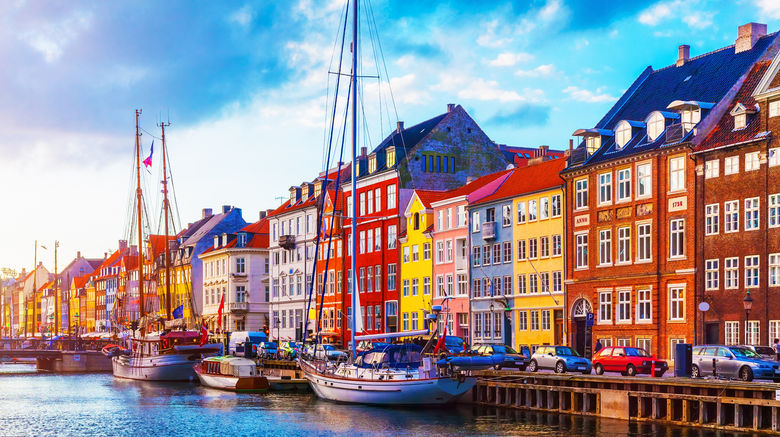
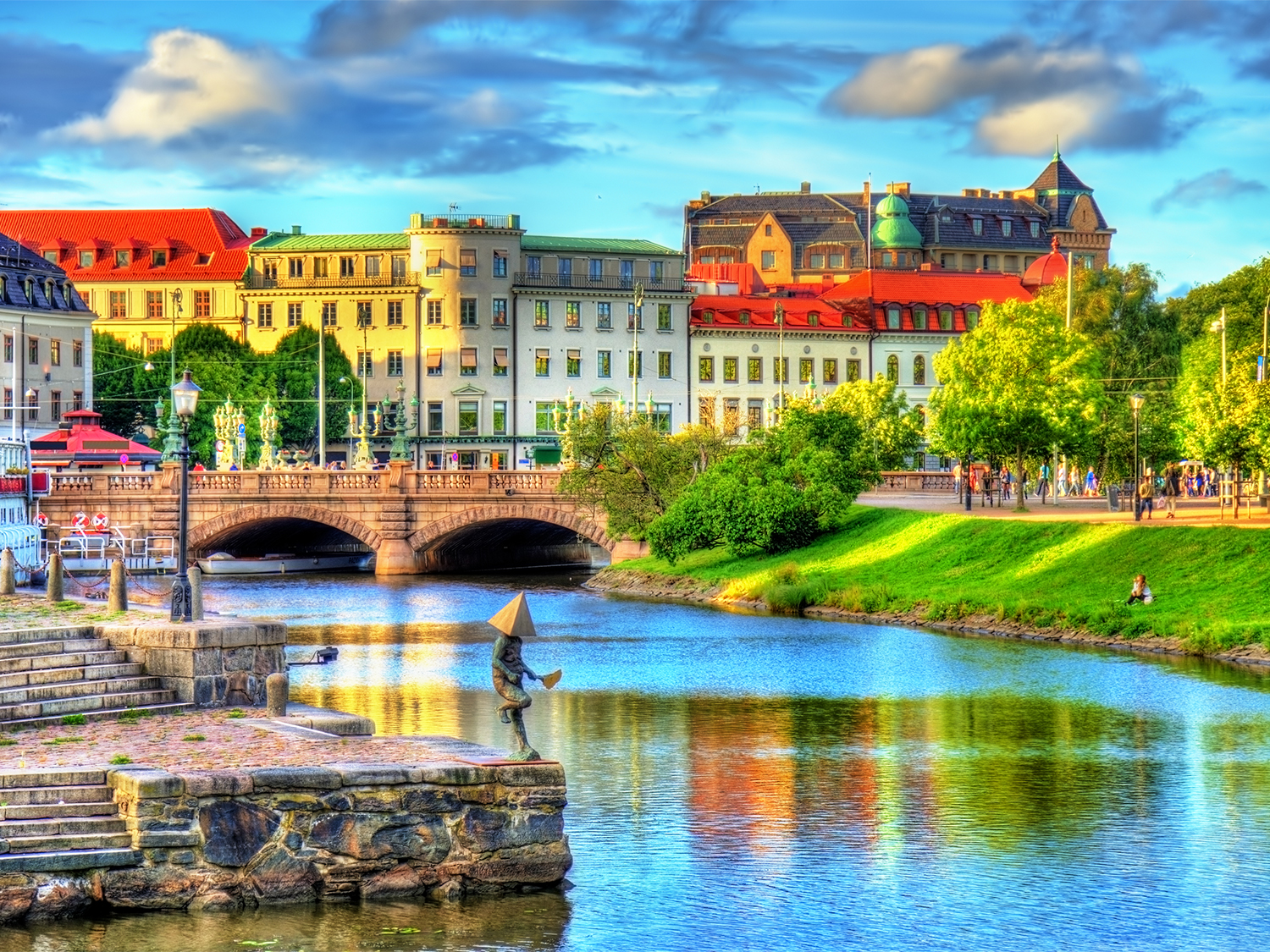
For those seeking cozy city vibes, world-class dining, and a slightly higher budget (around $150-250/day excluding accommodation), Denmark is your pick. If you crave expansive nature, a vibrant design scene, and a slightly more budget-friendly experience (closer to $120-200/day), Sweden beckons. Both offer unforgettable Nordic adventures.
- Choose Denmark: Choose Denmark for a focused city break in Copenhagen, exceptional food experiences (from Michelin stars to street food), unique design, and the quintessential 'hygge' feeling. Ideal for couples or solo travelers who appreciate urban charm and don't mind a higher price tag.
- Choose Sweden: Opt for Sweden if you're drawn to vast wilderness, archipelagos, stunning national parks, and a slightly more diverse geography. Stockholm offers grand architecture and a sophisticated cultural scene, while the rest of the country provides ample opportunities for outdoor adventure. Great for nature lovers, families, or those wanting to explore beyond a single city.
- Choose Both: Combine both with a scenic train journey over the Øresund Bridge. Start in Copenhagen for 3-4 days, then take the train (approx. 45 min) to Malmö, Sweden, before flying or training to Stockholm for another 3-5 days. This allows you to experience the best of both worlds in a 7-10 day trip, balancing urban exploration with a taste of Swedish nature or coastal towns.
Quick Comparison
| Category | Denmark | Sweden | Winner |
|---|---|---|---|
| Costs & Budget | Generally more expensive, especially for dining and alcohol. Public transport is efficient but adds up. | Slightly more budget-friendly than Denmark, particularly outside Stockholm. Alc. prices are high due to Systembolaget. | Sweden |
| Food Scene & Dining | World-renowned New Nordic cuisine, Michelin stars, incredible bakeries, and diverse street food markets. | Modern Swedish cuisine, traditional dishes (meatballs, herring), 'fika' culture, and excellent seafood. | Denmark |
| Nightlife & Social Scene | Vibrant and diverse, especially in Copenhagen, with a mix of cozy bars, cocktail lounges, and pulsating clubs. | Sophisticated and often more exclusive, particularly in Stockholm. Great cocktail bars and late-night spots. | Denmark |
| Culture & History | Viking history, royal heritage, Hans Christian Andersen fairy tales, and world-renowned modern design. | Grand royal history, Viking heritage, Nobel Prize legacy, and a strong emphasis on modern innovation and design. | Tie |
| Nature & Outdoors | Gentle rolling landscapes, beautiful coastlines, and accessible forests. City parks are well-integrated. | Vast forests, thousands of lakes, archipelagos, mountains (north), and opportunities for Northern Lights. | Sweden |
| Getting Around | Excellent public transport in Copenhagen (metro, bus, train), extremely bike-friendly. Easy connections to Malmö. | Efficient public transport in cities (metro, tram, bus). Good national rail network, but distances can be long. | Denmark |
| Accommodation | Hotels can be very expensive; boutique hotels and Airbnb are popular. Hostels offer good value. | Slightly more affordable overall, with a good range of hotels, hostels, and unique options like ice hotels in the north. | Sweden |
| Family Travel | Family-friendly attractions like Tivoli Gardens, Experimentarium, and numerous parks. Easy to navigate with strollers. | Excellent children's museums, Abba Museum, vast natural spaces for outdoor play. Good public infrastructure. | Denmark |
| Solo Travel & Safety | Extremely safe, easy to navigate solo. Friendly locals and vibrant hostel scene encourage social interaction. | Very safe, excellent infrastructure. Slightly more reserved locals, but easy to meet fellow travelers in hostels. | Denmark |
| Shopping & Design | World-renowned Danish design (furniture, fashion), independent boutiques, and charming shopping streets. | Global leader in modern Scandinavian design, innovative fashion, and home goods. Iconic brands and unique concept stores. | Sweden |
💰 Costs & Budget
When it comes to stretching your travel dollar, Sweden generally offers a bit more wiggle room, though both countries are undeniably pricey by European standards. In Copenhagen, a casual restaurant meal can easily run you 150-250 DKK (~$21-35 USD), and a pint of local beer is often 50-70 DKK (~$7-10 USD). Groceries are expensive, but less so than eating out. In Stockholm, you might find similar meals for 120-200 SEK (~$11-19 USD) and beer for 50-65 SEK (~$5-6.50 USD), making it slightly more affordable, particularly if you're not constantly drinking. Accommodation tends to follow a similar pattern; you might save 10-20% on a comparable hotel or Airbnb in Stockholm versus Copenhagen. Transportation, while excellent in both, can feel a bit steeper in Copenhagen too. The biggest cost differentiator can be alcohol; Sweden's state-run Systembolaget means higher prices but also controls consumption, so if you're planning on moderate drinking, Sweden's overall daily spend might be lower. "Honestly, I thought Copenhagen would break the bank, but Stockholm was just a *little* kinder to my wallet, especially for food outside the tourist traps." - r/solotravel.
Winner takeaway
- Winner: Sweden
- Why: Sweden offers a marginally lower cost of living and travel, especially for food and accommodation, making it the more budget-conscious choice.
- Who this matters for: Budget travelers, long-term visitors, and those prioritizing extensive exploration.
🍽️ Food Scene & Dining
Denmark, specifically Copenhagen, is a bonafide culinary superstar. Home to Noma (multiple times 'world's best'), Geranium, and countless other Michelin-starred establishments, it's a paradise for fine dining. But it's not just high-end; the street food scene at places like Reffen offers incredibly diverse and delicious options for 70-120 DKK (~$10-17 USD), and bakeries like Hart Bageri are legendary. You absolutely *must* try a traditional Smørrebrød (open-faced sandwich) at a place like Aamanns for around 100-150 DKK (~$14-21 USD). Sweden, on the other hand, excels with its modern takes on traditional dishes, fantastic seafood, and the ingrained culture of 'fika' – a coffee and pastry break that's essential to daily life. Cafes like Vete-Katten in Stockholm serve up amazing pastries for 40-60 SEK (~$4-6 USD). While Stockholm has its own Michelin gems like Frantzén, the sheer breadth of innovative and accessible high-quality food experiences tips the scales for Denmark. "Copenhagen's food markets were just unreal, every bite was an experience. Sweden was good, but Copenhagen was next level for foodies." - r/Copenhagen.
Winner takeaway
- Winner: Denmark
- Why: Denmark, particularly Copenhagen, offers a more diverse, innovative, and globally recognized culinary scene, from street food to Michelin-starred dining.
- Who this matters for: Foodies, gourmands, and travelers who prioritize culinary experiences.
🍻 Nightlife & Social Scene
Copenhagen's nightlife is famously lively and accessible, reflecting its 'hygge' culture even in its more boisterous moments. You'll find everything from cozy 'bodegas' (traditional pubs) in Vesterbro where a beer is 30-40 DKK (~$4-5.50 USD) to trendy cocktail bars in Nørrebro like Ruby or Lidkoeb, where drinks are 100-140 DKK (~$14-20 USD). The summer months see outdoor events and a relaxed, social atmosphere spilling onto the streets. The party often starts later and can go on until the early morning. Stockholm's nightlife is also excellent, but often feels a bit more structured, upscale, and at times, exclusive. Areas like Stureplan are known for their chic clubs where cover charges can be 150-250 SEK (~$14-24 USD) and drinks are similarly priced to Copenhagen. There are also plenty of relaxed pubs and dive bars in Södermalm, but the overall vibe is generally a bit more reserved and less spontaneous than Copenhagen. "If you want to just walk into a random bar and have a good time with friendly locals, Copenhagen wins hands down. Stockholm felt a bit more cliquey." - r/travel.
Winner takeaway
- Winner: Denmark
- Why: Copenhagen's nightlife is more diverse, accessible, and generally has a more vibrant, spontaneous social atmosphere.
- Who this matters for: Social butterflies, solo travelers looking to meet people, and those who enjoy a lively late-night scene.
🏛️ Culture & History
Both Denmark and Sweden boast incredibly rich histories and vibrant modern cultures. In Denmark, you can dive into Viking lore at the Viking Ship Museum in Roskilde (160 DKK / ~$22 USD), explore centuries of royal history at Christiansborg Palace or Rosenborg Castle in Copenhagen (120-170 DKK / ~$17-24 USD), and wander through the charming streets that inspired Hans Christian Andersen. Modern Danish design is globally influential, seen in everything from furniture to architecture. Sweden counters with the stunning Vasa Museum in Stockholm (170 SEK / ~$16 USD), home to a remarkably preserved 17th-century warship, and the Royal Palace, one of the largest palaces in Europe (180 SEK / ~$17 USD). Gamla Stan (Old Town) in Stockholm is an incredibly well-preserved medieval center. Sweden also has a powerful legacy through the Nobel Prize and its commitment to innovation. The cultural experiences are equally deep and engaging, just with different flavors. Denmark feels more fairy-tale and 'hygge,' while Sweden feels more grand, design-forward, and rooted in a longer, more impactful royal and industrial history. "I loved the Viking stuff in Denmark, but then the Vasa Museum in Stockholm just blew me away. Both have such cool, distinct histories." - r/travel.
Winner takeaway
- Winner: Tie
- Why: Both countries offer deep, engaging, and distinct cultural and historical experiences, making it impossible to pick a clear winner without personal preference.
- Who this matters for: History buffs, art and design enthusiasts, and anyone interested in understanding Nordic heritage.
🏞️ Nature & Outdoors
If you're chasing truly expansive and diverse natural beauty, Sweden is your undisputed champion. From the dramatic archipelagos around Stockholm and Gothenburg (easily accessible by ferry for 100-200 SEK / ~$9-19 USD return) to the seemingly endless forests and thousands of lakes in its interior, Sweden offers incredible opportunities for hiking, kayaking, and wild camping (thanks to 'Allemansrätten' – the right to roam). Head north to places like Abisko National Park (a train from Stockholm takes about 17 hours, but it's worth it for the Aurora Borealis) for stunning Arctic landscapes and a chance to see the Northern Lights. Denmark's nature is beautiful in its own right, characterized by gentle rolling hills, picturesque coastlines (especially Bornholm or the North Sea coast), and charming forests. Dyrehaven just north of Copenhagen offers lovely deer parks, and you can easily cycle along scenic coastal routes. However, it lacks the dramatic scale and wilderness of Sweden. While Denmark's nature is accessible and charming, Sweden's is epic and truly wild, providing a broader range of outdoor adventures. "I went to Denmark for cities, but Sweden's nature just blew me away – the archipelago was stunning, and I can't wait to go back for the mountains." - r/Sweden.
Winner takeaway
- Winner: Sweden
- Why: Sweden offers vastly more diverse, extensive, and dramatic natural landscapes, from archipelagos to Arctic mountains, perfect for outdoor enthusiasts.
- Who this matters for: Adventure seekers, hikers, photographers, and anyone prioritizing wild, expansive natural beauty.
🚇 Getting Around
Both countries excel in public transportation, but Denmark, particularly Copenhagen, offers an unparalleled ease of movement. Copenhagen's metro system is incredibly efficient, clean, and runs 24/7, linking key areas including the airport directly to the city center (a single ticket is 30 DKK / ~$4.20 USD). The city is also a global leader in cycling infrastructure; renting a bike for a day (around 100-150 DKK / ~$14-21 USD) is the best way to experience Copenhagen. Traveling beyond the city is easy, with reliable train networks connecting to places like Roskilde or Helsingør (around 100 DKK / ~$14 USD return). A major plus is the easy train connection to Malmö, Sweden, over the Øresund Bridge. Sweden's public transport in cities like Stockholm is also top-notch, with the T-Bana (metro) being a highlight for its art-filled stations (a single ticket 39 SEK / ~$3.70 USD). The national rail network (SJ) is efficient but covering long distances to regions like Lapland can be time-consuming and expensive. While Sweden's infrastructure is great, Denmark's compact size and Copenhagen's superior cycling culture make it slightly more user-friendly for tourists, especially for city exploration and short day trips. "Copenhagen is literally designed for bikes, you can get everywhere so easily. Sweden felt more spread out, even within Stockholm." - r/Copenhagen.
Winner takeaway
- Winner: Denmark
- Why: Denmark's compact size and Copenhagen's world-class cycling infrastructure combined with an excellent public transport system make getting around incredibly easy and enjoyable.
- Who this matters for: City explorers, eco-conscious travelers, and those who prefer convenient and affordable local transportation.
🏨 Accommodation
Accommodation in both Denmark and Sweden can be a significant portion of your travel budget, but Sweden generally offers more variety and slightly better value. In Copenhagen, a decent mid-range hotel often starts from 1200-1800 DKK (~$170-250 USD) per night, especially in popular areas. Boutique hotels like Hotel SP34 or Nimb Hotel are stunning but command premium prices. Hostels like Steel House Copenhagen or Generator Hostel offer beds from 250-400 DKK (~$35-55 USD). Airbnb is a viable option but prices remain high. In Stockholm, you might find comparable mid-range hotels for 1000-1600 SEK (~$95-150 USD), offering a small but noticeable saving. Hostels like City Backpackers Hostel (a traveler favorite) offer beds from 200-350 SEK (~$19-33 USD). Sweden also boasts more unique accommodation options, particularly outside its major cities, from cozy cabins by lakes to the iconic Icehotel in Jukkasjärvi (though this is a luxury experience). The slightly lower baseline cost and wider array of unique regional options give Sweden the edge for accommodation. "I found good hostel deals in Stockholm that were cleaner and cheaper than what I saw in Copenhagen. Hotels felt less punishing too." - r/solotravel.
Winner takeaway
- Winner: Sweden
- Why: Sweden offers slightly more affordable accommodation options across various categories, with a greater diversity of unique stays, especially outside the main cities.
- Who this matters for: Budget-conscious travelers, those looking for unique regional stays, and families needing more space.
👨👩👧👦 Family Travel
Both Denmark and Sweden are incredibly family-friendly, but Denmark edges out slightly due to the sheer concentration of world-class, accessible attractions for all ages. Copenhagen alone offers Tivoli Gardens (entry 155 DKK / ~$22 USD, rides extra), an enchanting amusement park beloved by generations, and Experimentarium (entry 215 DKK / ~$30 USD), an interactive science center. The city's flat terrain and extensive cycling paths make it easy to get around with strollers or bike seats. The Louisiana Museum of Modern Art, while not exclusively for kids, often has family programs. Sweden counters with Junibacken (195 SEK / ~$18 USD), a children's museum dedicated to Swedish authors like Astrid Lindgren, and the Vasa Museum which captivates kids with its massive ship. The Abba Museum (280 SEK / ~$26 USD) is also a hit. However, Denmark's iconic attractions like Legoland (in Billund, a bit of a journey but worth it) and the overall 'hygge' environment that makes even simple park visits special, gives it the win. The compact nature of Copenhagen means less travel time between activities, a huge plus for families. "Tivoli was magical for our kids, and just being able to bike everywhere felt so safe and easy with them. Denmark just 'gets' families." - r/Denmark.
Winner takeaway
- Winner: Denmark
- Why: Denmark offers a higher concentration of iconic, world-class family attractions and a more easily navigable urban environment for families with young children.
- Who this matters for: Families with children of all ages, especially those seeking engaging and memorable experiences.
🚶♀️ Solo Travel & Safety
Both Denmark and Sweden consistently rank among the safest countries in the world, making them fantastic choices for solo travelers. Violent crime is extremely rare, and pickpocketing is minimal, especially outside major tourist hotspots. You can confidently walk alone at night in most areas. Where Denmark pulls ahead for solo travelers is its slightly more open and less reserved social scene, particularly in Copenhagen. The concept of 'hygge' extends to its social atmosphere, making it relatively easier to strike up conversations in bars, cafes, or even on public transport. Hostels like Steel House Copenhagen are designed with social spaces that facilitate meeting other travelers. Stockholm is also incredibly safe and easy to navigate alone, with an efficient metro and well-marked attractions. However, Swedes can sometimes be perceived as more reserved initially, which might require a bit more effort for solo travelers looking to make local connections. The excellent public transport in both means you're never truly stranded. "As a solo female traveler, I felt completely safe in both, but I found it a bit easier to just organically chat with people in Copenhagen's pubs." - r/solotravel.
Winner takeaway
- Winner: Denmark
- Why: Denmark's slightly more open and less reserved social atmosphere, combined with its renowned safety, makes it marginally easier for solo travelers to connect and feel at home.
- Who this matters for: Solo travelers, particularly those keen on meeting locals or other travelers, and anyone prioritizing a sense of security.
🛍️ Shopping & Design
Both Denmark and Sweden are global powerhouses in design, but Sweden offers a slightly more expansive and diverse shopping experience, particularly in fashion and home goods. In Copenhagen, you'll find iconic Danish design brands like Georg Jensen, Hay, and Normann Copenhagen, alongside charming independent boutiques along Strøget (Europe's longest pedestrian street) and in areas like Nørrebro. A Danish design vase might cost 500-1000 DKK (~$70-140 USD). However, Stockholm is often seen as a trendsetter in modern Scandinavian design and fashion. It's home to global giants like H&M (which started there) but also a myriad of smaller, innovative brands. Areas like Södermalm are brimming with unique concept stores, vintage shops, and local designer boutiques. The Nordiska Galleriet offers a curated selection of high-end furniture, while smaller shops offer accessories for 200-500 SEK (~$19-48 USD). Sweden's 'lagom' philosophy (just enough) translates into minimalist, functional, yet stylish designs that are widely accessible. While Danish design has a classic, timeless appeal, Sweden's constantly evolving scene feels a bit more dynamic and offers more variety across different price points. "I found so many cool, unique fashion pieces and home decor in Stockholm that I didn't see anywhere else. Copenhagen was great for classics, but Sweden was more cutting-edge." - r/travel.
Winner takeaway
- Winner: Sweden
- Why: Sweden offers a broader and more dynamically evolving range of modern Scandinavian design and fashion, with a greater variety of unique boutiques and concept stores.
- Who this matters for: Design enthusiasts, fashionistas, and travelers looking for unique home goods or stylish souvenirs.
❓ Frequently Asked Questions
Is it easy to travel between Denmark and Sweden?
Absolutely! The Øresund Bridge connects Copenhagen (Denmark) directly to Malmö (Sweden) by train in about 45 minutes. It's a very scenic and efficient way to cross borders, making a multi-country Nordic trip quite feasible and popular.
Which country is better for a first-time Nordic visitor?
For a first-time Nordic visitor, Denmark (Copenhagen specifically) often feels a bit more accessible and compact, offering a concentrated taste of Nordic charm. Sweden is fantastic too, but its vastness might require more planning for a comprehensive first-time experience unless you focus just on Stockholm.
What's the best time of year to visit Denmark or Sweden?
Summer (June-August) offers the best weather, long daylight hours, and vibrant outdoor activities in both, but also higher prices and crowds. Shoulder seasons (April-May, September-October) offer milder weather, fewer tourists, and beautiful autumn colors in Sweden. Winter is magical for Christmas markets in Denmark and potential Northern Lights in northern Sweden.
Do I need to learn Danish or Swedish?
No, not at all! English proficiency in both Denmark and Sweden is exceptionally high, especially among younger generations and in service industries. You'll have no trouble communicating in English in cities and most tourist areas.
Which country has better public transportation?
Both countries boast excellent, efficient, and clean public transportation systems. Copenhagen's metro and bike infrastructure might feel slightly more intuitive and comprehensive for tourists within the city itself, while Sweden's long-distance train network is essential for exploring its larger expanse.
Are Denmark and Sweden good for vegetarian/vegan travelers?
Yes! Both countries are increasingly vegetarian and vegan-friendly, particularly in their major cities. Copenhagen and Stockholm have a growing number of dedicated plant-based restaurants and many traditional eateries offer good veggie options. Grocery stores also stock a wide array of vegan products.
What's the main difference in 'vibe' between the two?
Denmark, especially Copenhagen, often exudes a 'hygge' vibe – cozy, charming, and focused on comfortable social living. Sweden, particularly Stockholm, feels more grand, sophisticated, and design-forward, with a slightly more reserved but equally welcoming demeanor. Denmark often feels a bit more laid-back.
How long should I spend in each country?
For a focused city trip, 3-4 days in Copenhagen or Stockholm is ideal. If you want to explore more broadly, allocate 5-7 days for either Denmark (Copenhagen + day trips/Bornholm) or Sweden (Stockholm + archipelago/southern cities). For both, plan at least 7-10 days to avoid rushing.
Ready to plan your Nordic adventure?
Get a free custom itinerary for Denmark, Sweden, or both — built from real traveler insights, tailored to your budget and interests.
🎟️ Book Tours & Experiences
Hand-picked tours and activities for both destinations — book with free cancellation
Experiences via Viator — free cancellation on most tours