How we built this comparison
This page combines traveler discussion patterns, published price ranges, flight schedules, and seasonal data to help you decide between Denver and Salt Lake City.
- Reviewed 100+ Reddit threads from r/travel, r/solotravel, r/denver, r/saltlakecity, etc.
- Verified costs and logistics against current booking platforms (e.g., Google Flights, Booking.com, TripAdvisor)
- Cross-referenced seasonal patterns, weather data, and local event calendars for optimal timing.
⚡ The TL;DR Verdict
Denver is your pick for a more diverse urban experience, craft beer culture, and a bustling social scene, ideal for those with a daily budget of $120-200 USD. Salt Lake City offers closer proximity to world-class skiing and stunning national parks, catering to a slightly more budget-conscious traveler or nature enthusiast, with a daily spend closer to $100-180 USD.
- Choose Denver: If you crave a vibrant city with diverse dining, robust nightlife, ample cultural attractions, and a broader array of day trips (including the iconic Rocky Mountain National Park), Denver is your urban-adventure hub.
- Choose Salt Lake City: Opt for SLC if immediate access to world-class ski resorts (like Alta and Snowbird), stunning Wasatch Front hiking, and a slightly more laid-back, family-friendly atmosphere is your priority, often at a slightly lower overall cost.
- Choose Both: Consider a scenic road trip between the two (approx. 8-9 hours) for 7-10 days, splitting time to experience both the urban grit of Denver and the mountain majesty of Salt Lake City, especially for a comprehensive Mountain West adventure combining city and nature.
Quick Comparison
| Category | Denver | Salt Lake City | Winner |
|---|---|---|---|
| Getting There & Around | Major airline hub (DIA), excellent public transport (RTD light rail, buses), good walkability in core neighborhoods. | Delta hub (SLC), decent public transport (TRAX light rail, buses), generally good walkability downtown. | Denver |
| Nature & Outdoors | Gateway to Rocky Mountain National Park, Red Rocks Park, numerous hiking trails within an hour's drive. | Immediate access to world-class ski resorts (Alta, Snowbird), stunning Wasatch Front hiking, closer to Utah's 'Mighty 5' national parks. | Salt Lake City |
| Food Scene | Diverse, vibrant culinary scene with craft breweries, farm-to-table, ethnic eats, and upscale dining. | Growing food scene, particularly strong in comfort food and some international options, but more limited on Sundays and with alcohol laws. | Denver |
| Nightlife & Social Scene | Lively and diverse nightlife, from breweries and distilleries to live music venues and upscale lounges. | More subdued nightlife, influenced by state alcohol laws, with fewer options and earlier closing times. | Denver |
| Culture & Attractions | Rich arts scene, diverse museums, historic districts, and iconic Red Rocks Amphitheatre. | Unique LDS culture, impressive Temple Square, strong natural history focus, and state capitol building. | Denver |
| Costs & Budget | Generally higher costs for accommodation, dining, and activities, reflecting its status as a major city. | Slightly more budget-friendly overall, especially outside peak ski season, but resort areas can be very expensive. | Salt Lake City |
| Accommodation | Wide range of hotels from luxury to boutique, many Airbnbs, diverse neighborhoods for different vibes. | Good selection of major chains, some boutique options, but less variety and can be very expensive during ski season. | Denver |
| Day Trips | Excellent day trip options including Rocky Mountain National Park, Boulder, Colorado Springs, and mountain towns. | Fantastic day trips to Park City, Ogden, Antelope Island, and the Uinta Mountains, with Zion/Bryce as longer options. | Tie |
| Weather & Seasons | Known for '300 days of sunshine,' mild but snowy winters, hot and dry summers, pleasant shoulder seasons. | Heavier, longer winters with abundant 'lake effect' snow, hot and dry summers, distinct shoulder seasons. | Denver |
| Vibe & Demographic | Progressive, outdoor-focused, young and transient population, strong craft beer and tech scene. | More family-oriented, conservative, strong LDS influence, friendly and community-focused, ski-centric. | Denver |
✈️ Getting There & Around
Denver International Airport (DIA) is a massive United and Southwest hub, often offering more direct flights and competitive pricing from major US cities like Chicago (ORD) or Los Angeles (LAX), with typical flight times around 2.5-3 hours and costs ranging from $150-300 USD round trip. Getting from DIA to downtown is a breeze with the RTD A-Line train for about $10.75 USD. Once in Denver, the RTD light rail and bus system covers most key areas, and neighborhoods like LoDo, RiNo, and Capitol Hill are very walkable. While Salt Lake City International Airport (SLC) is a strong Delta hub, it generally serves fewer routes than DIA, though flights from LAX or SFO can be similarly priced. TRAX light rail connects SLC airport to downtown for around $2.50 USD. SLC's downtown is walkable, but to truly explore the surrounding canyons or reach ski resorts, a rental car is highly recommended. "Honestly, DIA is just so much easier to fly into and out of. Cheaper flights, more options. SLC's airport is nice, but it feels like you're always connecting through Denver or Vegas anyway if you're not flying Delta." - u/MountainMan789
Winner takeaway
- Winner: Denver
- Why: Denver offers greater flight flexibility, more competitive pricing, and a more comprehensive public transportation system for city exploration.
- Who this matters for: Budget travelers, those looking for maximum flight options, and visitors relying on public transit.
⛰️ Nature & Outdoors
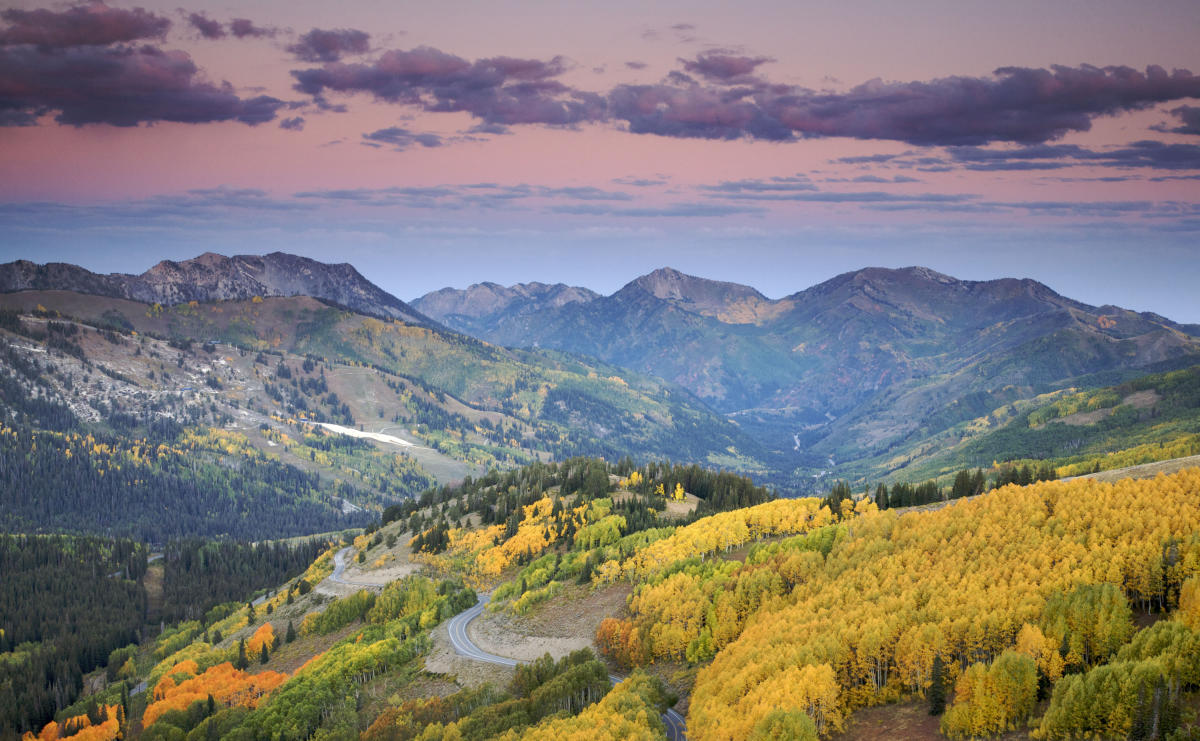
Both cities are outdoor paradises, but Salt Lake City edges out Denver for sheer immediate access to a wider variety of world-class outdoor activities. Within a 30-45 minute drive from downtown SLC, you can be hitting the slopes at Alta, Snowbird, Park City, or Brighton/Solitude, renowned for their 'greatest snow on Earth.' The hiking in Big and Little Cottonwood Canyons is exceptional right outside the city. Furthermore, SLC serves as a better base for multi-day trips to Utah's 'Mighty 5' National Parks (Zion, Bryce Canyon, Arches, Canyonlands, Capitol Reef), which are 3-5 hours away. Denver offers incredible access to Rocky Mountain National Park (1.5-2 hours drive), hundreds of Front Range trails (e.g., Eldorado Canyon, Golden Gate Canyon State Park), and the iconic Red Rocks Park for hiking and concerts. However, the sheer density and quality of *immediate* mountain access from SLC, especially for winter sports, is unmatched. "If you're into serious skiing or want to hit multiple epic hikes without driving for hours, SLC is the move. Denver's great, but RMNP is a solid drive, and the canyons here are literally 20 minutes away." - u/SkiBumSLC
Winner takeaway
- Winner: Salt Lake City
- Why: Salt Lake City provides more immediate access to a greater concentration of world-class ski resorts and stunning mountain hiking, plus closer proximity to Utah's iconic national parks.
- Who this matters for: Skiers, snowboarders, serious hikers, and those planning a multi-park national park road trip.
🍔 Food Scene
Denver's food scene is a culinary explosion compared to SLC, boasting a wider variety and more innovative options. Neighborhoods like RiNo (River North Art District) are packed with trendy eateries like Acorn (contemporary American) and Denver Central Market, offering diverse food stalls. The city is a craft beer mecca, with hundreds of breweries like Great Divide Brewing Co. and Blue Moon RiNo. You'll find everything from upscale dining (Guard and Grace) to fantastic ethnic food (Federal Blvd for Vietnamese/Mexican) and brunch spots (Denver Biscuit Company). A typical dinner at a mid-range restaurant costs $25-45 USD per person. Salt Lake City's food scene is growing, with notable spots like Red Iguana (famous Mexican food, expect a wait) and Valter's Osteria (upscale Italian). However, the overall variety is less extensive, and dining can be more challenging on Sundays due to closures or limited hours, and alcohol laws (e.g., 3.2% beer on tap in many places, 'private club' requirements for some bars) impact the experience. "Denver's food scene blows SLC out of the water. You can find literally anything, and the brewery culture is insane. SLC has some gems, but it's not the same vibe at all." - u/MileHighFoodie
Winner takeaway
- Winner: Denver
- Why: Denver offers a significantly more diverse, dynamic, and expansive culinary landscape with a strong emphasis on craft beverages.
- Who this matters for: Foodies, craft beer enthusiasts, and travelers seeking diverse dining experiences at any time.
🍻 Nightlife & Social Scene
Denver's nightlife is robust and diverse, offering something for everyone. LoDo (Lower Downtown) is packed with bars, clubs, and sports venues, while RiNo buzzes with breweries, distilleries (like Ironton Distillery), and live music at venues like Mission Ballroom or Cervantes' Masterpiece Ballroom. Capitol Hill and South Broadway also offer a mix of dive bars, music venues, and LGBTQ+ friendly spots. You can easily find a late-night bite or a bar open past midnight. A craft beer typically costs $6-8 USD, cocktails $10-14 USD. Salt Lake City's nightlife is much more subdued due to Utah's strict alcohol regulations. While there are some excellent bars, like Bar X or Whiskey Street, finding a truly lively scene can be a challenge. Many bars operate under a 'private club' license (though this has relaxed somewhat), and full-strength beer and liquor are often only served in specific establishments. Last call is generally earlier, around 1:00 AM. "If you're looking to party or just have a few casual drinks, Denver is a no-brainer. SLC's bars are fine, but the DABC rules just make it a whole different game. It's not a party town." - u/UtahTraveler
Winner takeaway
- Winner: Denver
- Why: Denver provides a significantly more vibrant, diverse, and accessible nightlife experience with fewer restrictions and more options.
- Who this matters for: Solo travelers, groups of friends, and anyone prioritizing a lively evening social scene.
🏛️ Culture & Attractions
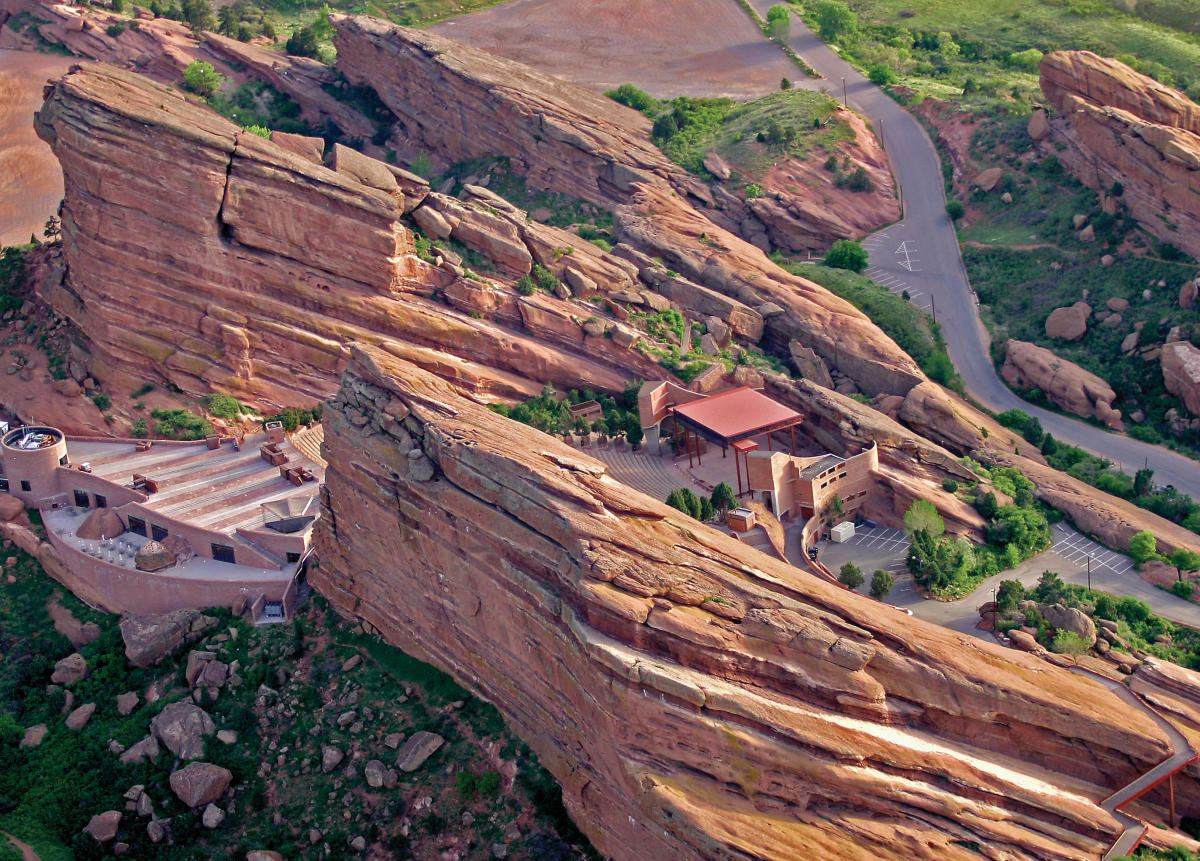
Denver offers a broader and more diverse range of cultural attractions. The Denver Art Museum houses an impressive collection, while Meow Wolf Denver Convergence Station provides an immersive, psychedelic art experience (tickets typically $35-50 USD). History buffs will enjoy the History Colorado Center and the opulent Colorado State Capitol. The iconic Red Rocks Amphitheatre, just outside the city, is a geological marvel and world-renowned music venue, offering hikes during the day and unforgettable concerts by night. Denver's RiNo Art District is also fantastic for street art and galleries. Salt Lake City's cultural offerings are heavily influenced by the Church of Jesus Christ of Latter-day Saints, with the stunning Temple Square as its centerpiece (free tours available). The Natural History Museum of Utah ($15-20 USD) is excellent, and the Utah State Capitol offers grand architecture. While unique, SLC's secular cultural scene is less expansive and varied than Denver's. "Denver has Meow Wolf, the Art Museum, and Red Rocks. That's a full trip right there. SLC has Temple Square, which is cool, but it's a different kind of 'culture'." - u/ArtNerdColorado
Winner takeaway
- Winner: Denver
- Why: Denver presents a more diverse and extensive array of cultural institutions, artistic expressions, and iconic attractions.
- Who this matters for: Art enthusiasts, history buffs, music lovers, and those seeking a variety of urban cultural experiences.
💰 Costs & Budget
While both cities are in popular mountain regions, Salt Lake City generally offers a slightly more budget-friendly experience, especially when comparing general city costs. Mid-range hotels in Denver can easily run $180-300+ USD per night, particularly in popular areas like LoDo or RiNo. Dining in Denver often starts around $20-30 USD per person for a casual meal, with craft beers at $6-8 USD. Attractions like Meow Wolf or museum entry also add up. In Salt Lake City, a comparable mid-range hotel might be $150-250+ USD, though prices surge dramatically during peak ski season (expect $300-500+ for resort hotels). Casual dining can be found for $15-25 USD per person, and non-alcoholic options are often cheaper. Groceries and basic services tend to be a bit less in SLC. Public transport is cheaper in SLC ($2.50 for a single TRAX ride vs. $3-10.75 for RTD in Denver). "SLC is definitely cheaper if you're not staying right on the mountain during ski season. Hotels are usually a bit less, and food is more reasonable. Denver just feels more expensive everywhere." - u/ThriftyTravelerUT
Winner takeaway
- Winner: Salt Lake City
- Why: Salt Lake City typically offers lower costs for general accommodation, dining, and transportation, making it a more budget-friendly option outside of peak ski resort demand.
- Who this matters for: Budget-conscious travelers looking to stretch their dollar further, especially those not visiting during ski season.
🏨 Accommodation
Denver offers a significantly wider and more diverse range of accommodation options. You'll find everything from luxurious downtown hotels like The Brown Palace Hotel & Spa (often $300-500+ USD/night) to trendy boutique hotels in RiNo (e.g., The Ramble Hotel, $250-400+ USD/night), and countless Airbnbs across various vibrant neighborhoods like LoDo, Capitol Hill, or Highlands, each offering a distinct feel. This variety allows travelers to find lodging that perfectly matches their budget and desired atmosphere. Salt Lake City has a solid selection of major hotel chains downtown (e.g., Marriott, Hilton, typically $150-300 USD/night), and some charming boutique options in areas like Sugar House. However, the overall number of unique hotels is smaller. During ski season (December-March), accommodation prices, especially for hotels or rentals near the resorts or even in downtown SLC, can skyrocket, easily reaching $400-800+ USD/night. This seasonal volatility makes planning more challenging for budget travelers. "Denver has way more unique hotels and Airbnbs, you can pick a neighborhood that fits your vibe. SLC is mostly standard chains unless you shell out big money for a resort." - u/ExploreColorado
Winner takeaway
- Winner: Denver
- Why: Denver provides a greater variety of accommodation types, styles, and price points across more diverse neighborhoods, with less extreme seasonal pricing swings.
- Who this matters for: Travelers seeking unique boutique stays, specific neighborhood vibes, or those needing consistent pricing outside of peak winter.
🚗 Day Trips
Both Denver and Salt Lake City are phenomenal hubs for day trips, making this category a true tie, depending entirely on your preference. From Denver, you can easily visit the stunning Rocky Mountain National Park (1.5-2 hours drive, requires timed entry in peak season), explore the vibrant college town of Boulder (45 mins), hike or drive up Pikes Peak in Colorado Springs (1.5 hours), or visit charming mountain towns like Golden or Georgetown. There's a rich variety from urban to alpine. Salt Lake City also boasts incredible options within an hour's drive: the renowned ski town of Park City (35 mins), historic Ogden (40 mins), the unique wildlife and scenery of Antelope Island State Park (1 hour), and the majestic Uinta Mountains. For longer day trips or overnights, SLC is a springboard to Zion and Bryce Canyon National Parks (4-5 hours), which are truly world-class. "You really can't go wrong with either for day trips. Denver has RMNP and Boulder, which are amazing. But SLC's access to Park City and Antelope Island is equally impressive, plus the 'Mighty 5' for longer drives." - u/AdventureSeeker_88
Winner takeaway
- Winner: Tie
- Why: Both cities offer an equally impressive and diverse array of world-class day trip destinations, catering to different interests but with similar travel times.
- Who this matters for: Any traveler who loves to explore beyond the city limits and wants a diverse range of natural and cultural excursions.
☀️ Weather & Seasons
Denver generally offers a more appealing year-round climate for a broader range of travelers. It famously boasts '300 days of sunshine,' meaning even winter snow often melts quickly, leading to mild, sunny days interspersed with snowstorms. Winters (Dec-Feb) see average highs of 45-50°F (7-10°C) but can drop below freezing with snow; summer (June-Aug) is hot and dry, often 85-95°F (29-35°C). Spring and Fall are delightful, with crisp air and changing foliage. Salt Lake City experiences more extreme winters due to 'lake effect' snow from the Great Salt Lake, resulting in heavier and longer periods of snow, especially in the canyons. Average winter highs are closer to 35-40°F (2-4°C). Summers are also hot and dry, similar to Denver, often reaching 90-100°F (32-38°C). While SLC's snow is a boon for skiers, its colder, cloudier winters can be less inviting for general tourism. "Denver's weather is just better for more activities year-round. You get snow, but it's usually sunny by the afternoon. SLC's winters feel longer and grayer unless you're literally on the slopes." - u/ColoradoSunLover
Winner takeaway
- Winner: Denver
- Why: Denver's climate offers more consistent sunshine and milder winters, appealing to a wider range of travelers outside of specific winter sports enthusiasts.
- Who this matters for: Travelers seeking pleasant weather year-round, those averse to very cold or cloudy winters, and visitors planning non-skiing winter activities.
👯 Vibe & Demographic
Denver exudes a more liberal, dynamic, and diverse vibe, attracting a younger, transient population often drawn by the outdoor lifestyle, burgeoning tech scene, and cannabis culture. It feels more like a 'big city' with a laid-back, progressive attitude. You'll find a mix of professionals, outdoor adventurers, artists, and students, creating a vibrant, inclusive atmosphere ideal for solo travelers or groups looking to socialize. The city's neighborhoods each have distinct personalities, from the artsy RiNo to the historic LoDo. Salt Lake City has a distinct, more conservative, and family-oriented feel, largely influenced by the strong presence of the Church of Jesus Christ of Latter-day Saints. While increasingly diverse and welcoming, particularly around the downtown core and university areas, the overall pace is slower, and the social scene is less overtly boisterous. Locals are generally very friendly, and there's a strong sense of community, making it feel safe and welcoming for families. "Denver feels more like a big, progressive city that just happens to be next to mountains. SLC is a big town with amazing mountains right there, but the culture is just different – quieter, more family-focused. It depends what you're looking for." - u/CityDwellerVsMountains
Winner takeaway
- Winner: Denver
- Why: Denver offers a more diverse, progressive, and generally more 'city-like' social scene that appeals to a broader demographic of travelers seeking urban vibrancy.
- Who this matters for: Solo travelers, young adults, those seeking a progressive and diverse urban environment, and visitors keen on an active social scene.
❓ Frequently Asked Questions
Is Denver or Salt Lake City better for skiing/snowboarding?
Salt Lake City is generally considered superior for immediate access to world-class skiing and snowboarding. Resorts like Alta, Snowbird, Park City, Brighton, and Solitude are all within a 30-45 minute drive from downtown SLC, renowned for their abundant 'greatest snow on Earth.' Denver, while close to many great resorts like Breckenridge or Vail, requires a longer drive (1.5-3 hours), often involving heavy mountain traffic.
Which city is more family-friendly?
Salt Lake City leans more family-friendly, offering a slightly more conservative and community-focused atmosphere. It has excellent museums like the Natural History Museum of Utah, numerous parks, and close proximity to outdoor adventures without the same level of urban nightlife or congestion as Denver. Denver is also family-friendly but offers a more 'big city' experience.
How do the altitudes compare, and will I feel it?
Denver's official elevation is 5,280 feet (1,609 m), while Salt Lake City is slightly lower at 4,226 feet (1,288 m). Many people visiting either city will feel the effects of altitude, especially if coming from sea level. Symptoms include shortness of breath, fatigue, and headaches. It's crucial to stay hydrated, limit alcohol, and avoid strenuous activity for the first 24-48 hours in both locations.
What's the best time of year to visit each city?
For Denver, late spring (April-May) and early fall (September-October) offer pleasant weather, fewer crowds, and beautiful scenery. Summer (June-August) is great for hiking and festivals but can be hot. For Salt Lake City, winter (December-March) is prime for ski enthusiasts. For hiking and general outdoor activities, late spring and early fall are also ideal, avoiding the extreme summer heat.
Is a rental car necessary in Denver or Salt Lake City?
While both cities have decent public transportation for getting around downtown and key neighborhoods, a rental car is highly recommended for exploring the surrounding mountains and national parks. Denver's RTD light rail and bus system is extensive, but a car is essential for Rocky Mountain National Park. In SLC, TRAX light rail is useful, but a car is vital for accessing ski resorts or the canyons.
Which city has better hiking trails nearby?
Both cities offer incredible hiking, making this a tough call. Denver is the gateway to Rocky Mountain National Park and offers countless trails in the Front Range (e.g., Golden, Boulder). Salt Lake City provides immediate access to stunning trails in Big and Little Cottonwood Canyons (Wasatch Front) and is a closer base for Utah's 'Mighty 5' national parks. Your preference depends on whether you seek national park grandeur or more immediate, varied mountain trails.
Can I visit both Denver and Salt Lake City on one trip?
Absolutely! A road trip between Denver and Salt Lake City is a fantastic way to experience the Mountain West. The drive is approximately 8-9 hours along I-70 (often considered one of America's most scenic interstates). You could easily spend 3-4 days in each city, plus a day or two for the drive itself, perhaps stopping in places like Glenwood Springs, Colorado, or Moab, Utah, for a longer adventure.
Are there good options for solo travelers in either city?
Yes, both cities are generally safe and welcoming for solo travelers, but Denver offers a more vibrant social scene with abundant breweries, lively neighborhoods, and diverse cultural events that might make it easier to meet people or simply enjoy the urban energy alone. Salt Lake City is also safe, with friendly locals, and excellent for solo outdoor adventures, but its nightlife is more subdued.
Ready to plan your Mountain West trip?
Get a free custom itinerary for Denver, Salt Lake City, or both — built from real traveler insights.
🎟️ Book Tours & Experiences
Hand-picked tours and activities for both destinations — book with free cancellation
Experiences via Viator — free cancellation on most tours