How we built this comparison
This page combines traveler discussion patterns, published price ranges, flight schedules, and seasonal data to help you decide between Denver and San Francisco.
- Reviewed 100+ Reddit threads from r/travel, r/solotravel, r/Denver, r/sanfrancisco, etc.
- Verified costs and logistics against current booking platforms (e.g., Google Flights, Booking.com, local transit sites)
- Cross-referenced seasonal patterns, weather data, and major event calendars for optimal travel times
⚡ The TL;DR Verdict
Choose San Francisco if you crave iconic cityscapes, world-class dining, and a vibrant cultural scene, but be prepared for a higher daily budget of $200-$400+. Opt for Denver if your heart calls for mountain adventures, craft beer, and a more laid-back urban experience, where a daily budget of $150-$300+ will get you far.
- Choose Denver: For outdoor enthusiasts, beer lovers, and those seeking a more relaxed, approachable city with incredible access to the Rocky Mountains. It's generally more budget-friendly than SF.
- Choose San Francisco: For foodies, culture vultures, and travelers who want to tick off iconic landmarks, experience unique neighborhoods, and don't mind a premium price tag for unforgettable urban exploration.
- Choose Both: If you have 10-14 days and want to experience both urban sophistication and stunning mountain landscapes. You could fly into one, spend 4-5 days, take a domestic flight to the other, and explore for another 4-5 days before flying home.
Quick Comparison
| Category | Denver | San Francisco | Winner |
|---|---|---|---|
| Costs & Budget | More affordable, especially for accommodation and dining out, but still a major US city. | One of the most expensive cities in the US, expect high prices for everything. | Denver |
| Getting There (Flights) | Denver International Airport (DEN) is a major hub, often offers competitive flight prices. | San Francisco International Airport (SFO) is a massive international hub, good connectivity. | Tie |
| Getting Around | Walkable downtown, extensive light rail, but can be spread out; car rental often recommended for day trips. | Excellent public transit (BART, Muni, Cable Cars), but hills make walking challenging; driving is difficult. | San Francisco |
| Accommodation | Wider range of options for various budgets, especially outside peak season. | Limited budget options, premium prices for even basic hotels, book well in advance. | Denver |
| Food & Drink | Excellent craft beer scene, farm-to-table focus, growing culinary diversity. | World-renowned culinary hub, incredible diversity, Michelin-starred dining, unique local specialties. | San Francisco |
| Nightlife | Vibrant craft beer and cocktail bar scene, live music, more relaxed vibe. | Diverse nightlife from high-end clubs to dive bars, live music venues, LGBTQ+ scene. | San Francisco |
| Nature & Outdoors | Gateway to the Rocky Mountains, endless hiking, skiing, and stunning alpine scenery. | Coastal beauty, urban parks, bay views, but major outdoor adventures require travel. | Denver |
| Culture & Attractions | Western art, craft beer culture, historic LoDo, vibrant RiNo Art District. | Iconic landmarks, diverse neighborhoods, world-class museums, rich history. | San Francisco |
| Day Trips | Easy access to Rocky Mountain National Park, charming mountain towns, hot springs. | Wine Country (Napa/Sonoma), coastal towns (Sausalito, Monterey), Muir Woods. | Denver |
| Weather & Seasons | Four distinct seasons, sunny year-round, mild summers, snowy but often sunny winters. | Mild, consistent climate year-round, foggy summers, less extreme temperatures. | Denver |
💰 Costs & Budget
When it comes to your wallet, Denver generally offers a more forgiving experience. A mid-range hotel in Denver might run you $150-$250 USD per night, while a comparable stay in San Francisco often starts at $250-$400+ USD. Dining out in Denver, you can find a good meal for $15-$30 USD, whereas in SF, that same quality meal could easily be $25-$50+ USD. Transportation in Denver, like a day pass on RTD Light Rail for about $10.50, is also more budget-friendly than SF's combination of BART, Muni, and those iconic, but pricey, Cable Cars ($8 USD per ride). Even a craft beer in Denver's RiNo Arts District might be $7-9 USD, while a similar pour in SF's Mission District could be $9-12 USD. Free attractions are plentiful in both, but daily essentials will hit harder in SF. "Honestly, my Airbnb in SF cost more than a decent hotel in Denver, and SF food just kept adding up. Denver felt like a relief after," shared one Redditor.
Winner takeaway
- Winner: Denver
- Why: Denver offers a significantly better value for money across accommodation, dining, and local transportation.
- Who this matters for: Budget-conscious travelers, families, and digital nomads.
✈️ Getting There (Flights)
Both Denver International Airport (DEN) and San Francisco International Airport (SFO) are major hubs, offering excellent connectivity across the U.S. and internationally. From a city like New York (JFK/LGA), flights to DEN or SFO typically range from 4-6 hours, with prices often between $200-$400 USD round trip, though this can vary wildly by season and booking lead time. From Los Angeles (LAX), flights are shorter, around 1.5-2 hours, usually priced between $100-$250 USD. DEN is known for its efficiency and serves as a major connecting point for destinations further west, while SFO is a gateway to Asia and Europe, offering a vast array of direct flights. Both airports have decent public transit options into their respective downtowns; DEN's A-Line commuter rail costs $10.75 USD to Union Station, and SFO's BART ride to downtown is around $10 USD. "Both airports are super easy to get in and out of, good public transit to the city. No real winner here, depends more on where you're flying from," a traveler noted.
Winner takeaway
- Winner: Tie
- Why: Both cities boast highly connected, efficient international airports with comparable flight durations and costs from major US cities.
- Who this matters for: All travelers, as ease and cost of access are universal concerns.
🚶 Getting Around
San Francisco's public transportation network, while sometimes confusing, is incredibly robust. BART connects the airport and East Bay, Muni offers buses and streetcars all over the city, and the iconic Cable Cars are a must-try for both novelty and practicality on the steep hills. A Muni day pass is $5 USD for unlimited rides (excluding Cable Car), or you can use a Clipper card. While extremely walkable in individual neighborhoods, getting across the city often requires transit due to the famous inclines. Parking is notoriously difficult and expensive ($30-60+ USD per day). Denver's downtown core, especially the 16th Street Mall, is very walkable, and the RTD Light Rail serves many areas, including the airport. However, outside of downtown, Denver is more spread out, and many popular attractions (like Red Rocks Amphitheatre or Rocky Mountain National Park) require a car or rideshare. "SF's public transit is amazing, you don't need a car at all unless you're leaving the city. Denver feels more car-dependent for anything beyond the immediate downtown," one Redditor shared. The sheer variety and reach of SF's transit, combined with its compact, albeit hilly, nature, makes it easier to navigate without a personal vehicle.
Winner takeaway
- Winner: San Francisco
- Why: San Francisco's extensive and efficient public transit network makes navigating its compact, hilly terrain easier for tourists without a car.
- Who this matters for: Travelers who prefer not to rent a car, solo travelers, and those who enjoy urban exploration on foot and via public transport.
🏨 Accommodation
Accommodation in San Francisco is notoriously expensive, with even basic 3-star hotels in areas like Union Square or Fisherman's Wharf often starting at $250-$400+ USD per night. Boutique hotels in trendier areas like the Mission District or Hayes Valley can easily exceed $350-$500 USD. Hostels are an option (e.g., HI San Francisco Downtown Hostel, beds from $50-80 USD), but quality can vary. Denver offers more breathing room for your budget. You can find well-regarded 3-star hotels downtown or in areas like LoDo (Lower Downtown) for $150-$250 USD per night, such as the Art Hotel or Maven Hotel. Hostels like Hostel Fish offer beds from $35-$60 USD. Even luxury options in Denver, like The Crawford Hotel at Union Station, are often more competitive than their SF equivalents. "Finding a decent, affordable place in SF felt like winning the lottery, even months out. Denver had so many more options that didn't break the bank," a traveler commented. The sheer volume of reasonably priced, quality lodging makes Denver the clear winner.
Winner takeaway
- Winner: Denver
- Why: Denver provides a significantly broader range of accommodation options that offer better value for money compared to San Francisco's consistently high prices.
- Who this matters for: Budget-conscious travelers, families, and anyone looking for more bang for their buck on lodging.
🍔 Food & Drink
San Francisco is a culinary titan, offering an unparalleled diversity of world-class dining experiences. From Michelin-starred restaurants like Benu or Atelier Crenn to casual, iconic eats like a Boudin sourdough bread bowl at Fisherman's Wharf (around $10-15 USD) or a Mission-style burrito from La Taqueria (around $10 USD), your taste buds will be on a constant adventure. Neighborhoods like the Mission District, North Beach, and Japantown each offer distinct and authentic flavors. Denver has a fantastic and rapidly growing food scene, particularly known for its craft breweries (e.g., Great Divide Brewing, beers $7-9 USD) and farm-to-table restaurants (e.g., Acorn or Mercantile Dining & Provision, entrees $25-45 USD). While Denver excels in quality and innovative American cuisine, it doesn't quite match the sheer breadth, historical depth, or cultural authenticity of SF's offerings, especially in areas like Asian cuisine or high-end fine dining. "You could eat a different cuisine every night for a month in SF and never repeat. Denver's good, but SF's food game is just on another level," a food enthusiast explained.
Winner takeaway
- Winner: San Francisco
- Why: San Francisco boasts a more diverse, world-renowned, and historically rich culinary scene with options from iconic street food to Michelin-starred dining.
- Who this matters for: Foodies, gourmands, and anyone who considers eating a central part of their travel experience.
🍻 Nightlife
San Francisco’s nightlife is as diverse as its population, offering something for every taste. From the high-energy dance clubs in the SoMa district to the historic jazz clubs in North Beach, the trendy cocktail bars of the Mission District, and the legendary LGBTQ+ scene in the Castro, SF pulsates after dark. Live music venues like The Fillmore or The Warfield host major acts, while countless smaller bars offer intimate performances. Expect drinks to be on the pricier side, often $12-18 USD for a cocktail. Denver's nightlife is excellent in its own right, especially for craft beer aficionados. The RiNo Art District and LoDo are packed with breweries, distilleries, and stylish cocktail bars (e.g., Williams & Graham, cocktails $14-18 USD). There's a thriving live music scene, particularly at venues like the Ogden Theatre or the legendary Red Rocks Amphitheatre (though that's technically a day trip/concert venue), but it generally feels more laid-back and less intensely varied than SF's. "SF just has more options, more energy, and so many different vibes depending on the neighborhood. Denver's great for breweries, but SF just keeps going," a club-goer noted. The sheer scale and variety give SF the edge.
Winner takeaway
- Winner: San Francisco
- Why: San Francisco offers a more varied, energetic, and culturally diverse nightlife scene, catering to a wider range of preferences.
- Who this matters for: Party-goers, music lovers, and anyone seeking a broad spectrum of evening entertainment.
⛰️ Nature & Outdoors
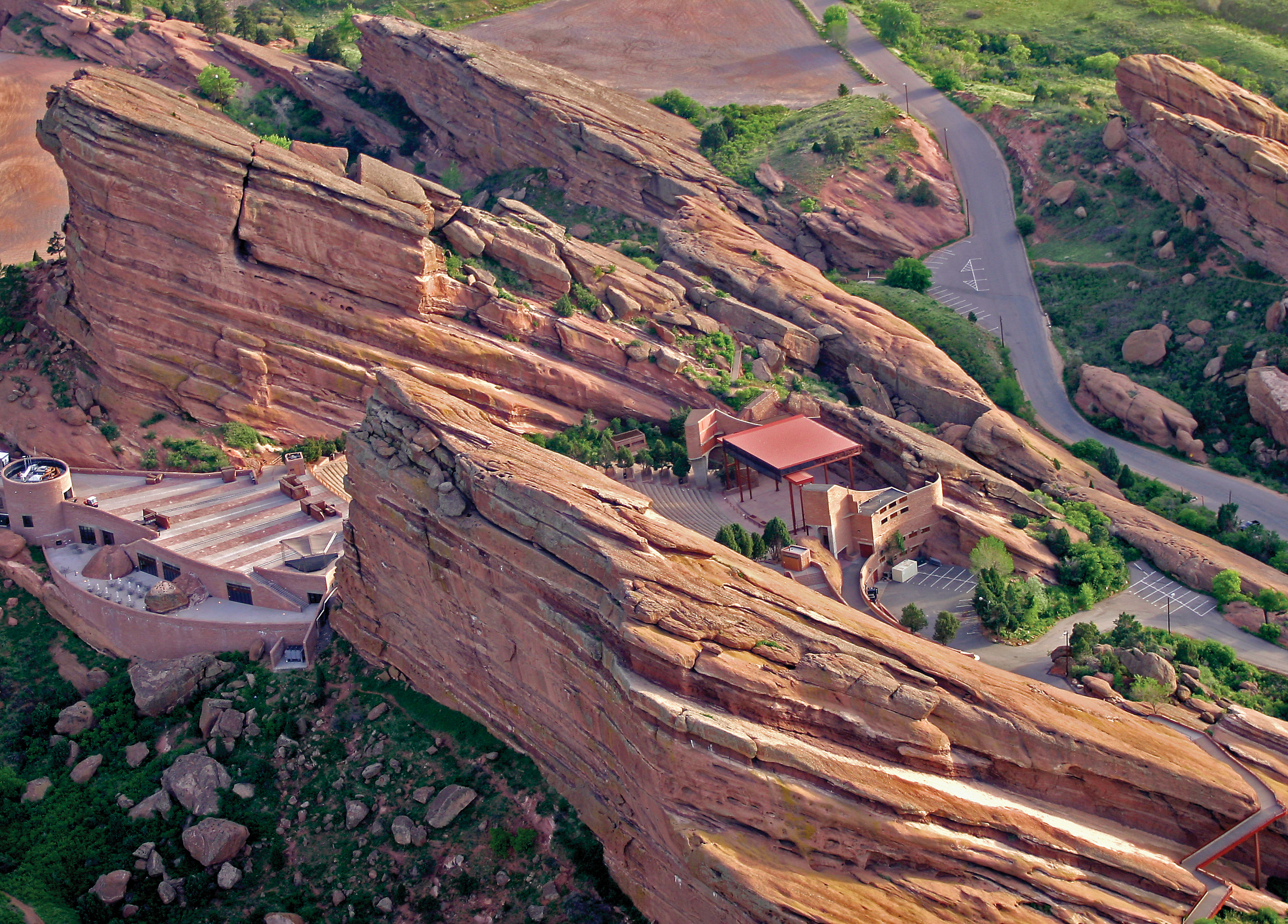
Denver is the undisputed champion for immediate access to epic nature and outdoor adventures. Within an hour's drive, you can be hiking in the foothills (e.g., Golden's North Table Mountain Park), marveling at Red Rocks Park and Amphitheatre, or even starting your journey into Rocky Mountain National Park (about 1.5-2 hours away, entry fee $30 USD per car). Ski resorts like Loveland or Winter Park are also within a 1.5-2 hour drive. The sheer scale and accessibility of world-class mountains, hiking, and winter sports from Denver are unparalleled. San Francisco offers stunning urban nature, including the iconic Presidio and Golden Gate Park, panoramic views from Twin Peaks, and beautiful coastal walks along Baker Beach or Lands End. However, for true wilderness, you're looking at a longer drive to places like Muir Woods National Monument (about 45 mins, entry $15 USD per person) or further afield to Yosemite National Park (4-5 hours). "Denver's backyard is literally the Rockies. You can wake up, drive an hour, and be on a serious mountain trail. SF has great parks, but it's not the same level of raw nature access," one outdoor enthusiast explained.
Winner takeaway
- Winner: Denver
- Why: Denver serves as a direct gateway to the majestic Rocky Mountains, offering unparalleled, immediate access to hiking, skiing, and alpine wilderness.
- Who this matters for: Hikers, skiers, nature photographers, and anyone prioritizing outdoor adventure.
🏛️ Culture & Attractions
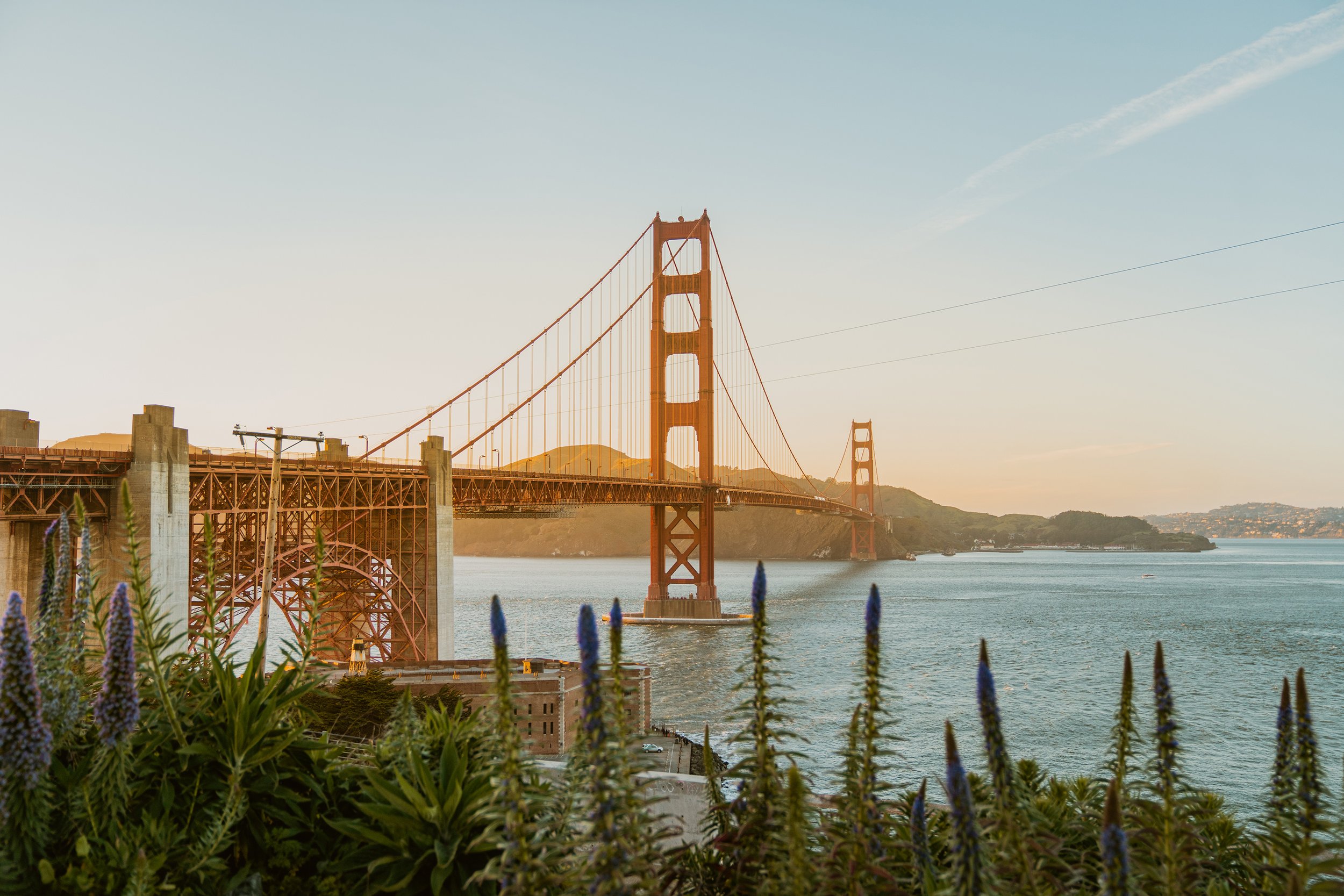
San Francisco boasts an extraordinary array of world-famous attractions and a deep, diverse cultural tapestry. From the Golden Gate Bridge (free to walk/bike) and Alcatraz Island (ferry tickets ~$41-50 USD, book months ahead) to the vibrant street art of the Mission District, the historic Cable Cars, and Fisherman's Wharf, SF is packed with iconic sights. Its museums, like the de Young Museum or SFMOMA ($25-30 USD entry), are world-class, and its distinct neighborhoods like Chinatown, North Beach, and the Castro offer unique cultural immersion. Denver offers a rich Western and art culture, with institutions like the Denver Art Museum ($18-22 USD entry), the Molly Brown House Museum ($18 USD), and the lively RiNo Art District known for its murals and galleries. Union Station is a beautiful historic hub, and the US Mint provides free tours. While Denver's cultural scene is growing and engaging, it simply cannot compete with the sheer volume, historical significance, and global recognition of San Francisco's landmarks and diverse cultural offerings. "SF has those 'bucket list' items you see on TV, plus so much hidden cultural depth in its neighborhoods. Denver's cool, but it's not the same level of iconic history," a traveler commented.
Winner takeaway
- Winner: San Francisco
- Why: San Francisco offers a greater density of globally recognized iconic landmarks and a more diverse, historically rich cultural experience across its unique neighborhoods.
- Who this matters for: First-time visitors to the US, history buffs, art lovers, and those seeking iconic sightseeing experiences.
🚗 Day Trips
Denver's proximity to the Rocky Mountains makes it an unparalleled base for day trips centered around nature. Rocky Mountain National Park is a must-do (1.5-2 hours drive), offering breathtaking scenery, hiking, and wildlife viewing. Quaint mountain towns like Estes Park (gateway to RMNP), Evergreen, or Idaho Springs (known for hot springs like Indian Hot Springs, ~$20-30 USD entry) are easily accessible. The drive to Mount Evans Scenic Byway (seasonal, toll $15 USD per car) offers incredible views. San Francisco also boasts excellent day trip options, primarily focused on charming coastal towns and world-famous wine regions. Napa and Sonoma Valleys (1.5-2 hours drive) are perfect for wine tasting tours (often $50-100+ USD per tasting). The picturesque town of Sausalito (30 mins drive/ferry), the majestic redwoods of Muir Woods National Monument (45 mins drive, $15 USD entry), and the scenic drive down Highway 1 to Monterey and Carmel-by-the-Sea (2-2.5 hours drive) are also popular. "For pure jaw-dropping natural beauty and a real escape, Denver wins the day trip game hands down with the Rockies. SF's wine country is awesome, but it's a different vibe," a traveler opined. While both offer fantastic options, Denver's provide a more dramatic contrast to the urban experience.
Winner takeaway
- Winner: Denver
- Why: Denver offers more immediate and dramatic access to world-class natural attractions and mountain adventures for day trips.
- Who this matters for: Nature lovers, hikers, and those seeking a significant change of scenery from city life.
☀️ Weather & Seasons
Denver experiences four distinct seasons, each with its charm, and famously boasts over 300 days of sunshine annually. Summers are warm and dry (avg. 70s-80s °F / 20s °C), perfect for hiking. Fall brings beautiful foliage and crisp air. Winters are snowy but often surprisingly mild due to the abundant sunshine, with temperatures frequently reaching into the 40s-50s °F (5-10 °C) even after a snowfall, making it excellent for winter sports followed by city exploration. Spring can be unpredictable with late snows but also lovely warm days. San Francisco, on the other hand, is known for its mild, consistent climate year-round – often described as 'perpetual spring.' Summers are cool and frequently foggy, especially near the coast (avg. 60s °F / 15-20 °C), hence Mark Twain's famous quote. Winters are mild and wet (avg. 50s °F / 10-15 °C) but rarely see frost. While SF's consistency can be appealing, the lack of traditional summer warmth and pervasive fog can be a turn-off for some. "Denver's weather is just more dynamic and usually sunnier. SF's summer fog can really dampen your spirits if you're expecting warmth," a traveler mentioned. Denver's sunny disposition and distinct seasonal beauty offer a more varied and generally pleasant experience.
Winner takeaway
- Winner: Denver
- Why: Denver offers more sunny days and four distinct, enjoyable seasons, including pleasant summers and sunny, manageable winters for outdoor activities.
- Who this matters for: Travelers who enjoy distinct seasonal changes, sunshine, and a variety of weather experiences.
❓ Frequently Asked Questions
Is San Francisco really that much more expensive than Denver?
Yes, San Francisco is consistently ranked among the most expensive cities in the U.S. Expect to pay significantly more for accommodation, dining, and even basic services compared to Denver. This difference can impact your daily budget by $50-$100+ USD, especially for hotels.
Which city is better for outdoor activities?
Denver is the clear winner for immediate and extensive outdoor activities. It's the gateway to the Rocky Mountains, offering unparalleled hiking, skiing, and scenic drives within a short distance. San Francisco offers beautiful urban parks and coastal walks, but major wilderness adventures require more travel.
Do I need a car in Denver or San Francisco?
In San Francisco, you absolutely do not need a car; its excellent public transit system (BART, Muni, Cable Cars) covers most areas. In Denver, a car is recommended if you plan to explore beyond the downtown core or take day trips to the mountains, as public transit is less extensive for those purposes.
Which city has better food?
San Francisco generally has a more diverse, historically rich, and world-renowned food scene, with everything from iconic street food to Michelin-starred restaurants across many different cuisines. Denver has a fantastic and growing culinary scene, particularly strong in craft beer and farm-to-table, but it doesn't match SF's sheer breadth and global recognition.
What's the best time of year to visit each city?
For Denver, late spring (May-June) or early fall (September-October) offer pleasant weather for both city exploration and mountain access. For San Francisco, late summer to early fall (September-November) typically brings the warmest, clearest weather, avoiding the infamous 'fogust' of mid-summer.
Is Denver or San Francisco better for solo travelers?
Both cities are great for solo travelers, but for different reasons. San Francisco offers endless iconic sights, walkable neighborhoods, and a robust hostel scene for meeting people. Denver offers a more laid-back vibe, easy access to group outdoor activities, and a friendly atmosphere for solo exploration, often at a lower cost.
Which city has better museums and art scenes?
San Francisco takes the lead with world-class museums like SFMOMA and the de Young, plus iconic street art in the Mission and culturally rich neighborhoods. Denver has a strong Western art focus at the Denver Art Museum and a vibrant contemporary art scene in the RiNo Art District, but SF's overall collection is broader and more globally recognized.
Can I visit both Denver and San Francisco in one trip?
Yes, but allocate at least 4-5 full days for each city to truly experience them without feeling rushed. A domestic flight between the two cities takes around 2-2.5 hours, making it a feasible connection for a longer trip (e.g., 10-14 days total).
Ready to plan your USA trip?
Get a free custom itinerary for Denver, San Francisco, or both — built from real traveler insights.
🎟️ Book Tours & Experiences
Hand-picked tours and activities for both destinations — book with free cancellation
Experiences via Viator — free cancellation on most tours