How we built this comparison
This page combines traveler discussion patterns, published price ranges, flight schedules, and seasonal data to help you decide between Djerba and Hammamet.
- Reviewed 30+ Reddit threads from r/travel, r/solotravel, r/Tunisia, and r/visitingtunisia for authentic traveler insights.
- Verified costs and logistics against current booking platforms (e.g., Booking.com, Skyscanner) and local tour operators.
- Cross-referenced seasonal patterns and weather data from meteorological sources for optimal travel times.
⚡ The TL;DR Verdict
For cultural immersion, authentic experiences, and a laid-back vibe, Djerba is your go-to, with a daily budget around $40-$80. If you crave resort amenities, bustling nightlife, and easy access to major historical sites, Hammamet shines, typically budgeting $60-$120 daily depending on your resort choice.
- Choose Djerba: Choose Djerba for an authentic island experience, rich Berber and Jewish culture, tranquil beaches, and a slower pace of life. Ideal for culture enthusiasts, couples seeking relaxation, and those wanting to explore the Sahara's fringes.
- Choose Hammamet: Pick Hammamet for classic beach resort holidays, vibrant nightlife, family-friendly amenities, and convenient access to Tunis, Carthage, and Sidi Bou Said. Best for families, groups, and travelers looking for a lively, all-inclusive experience.
- Choose Both: Consider both if you have at least 10-14 days and want a comprehensive Tunisian experience. Start with Hammamet for its resort comfort and northern excursions, then fly or take a long transfer to Djerba for a cultural island retreat and desert adventure. It’s a great way to see two very different sides of Tunisia.
Quick Comparison
| Category | Djerba | Hammamet | Winner |
|---|---|---|---|
| Beaches & Water Sports | Natural, uncrowded beaches like Sidi Mahres; ideal for kitesurfing and tranquil swims. | Bustling resort beaches, extensive water sports facilities, and lively atmosphere. | Djerba |
| Culture & History | Unique Berber and Jewish heritage, ancient synagogues, 'Star Wars' filming locations. | Historic Medina, Kasbah fortress, Roman ruins nearby; a more generalized Tunisian cultural experience. | Djerba |
| Food & Dining | Authentic island cuisine, fresh seafood, local markets, and traditional eateries. | Diverse international resort dining, some excellent local restaurants, and tourist-friendly options. | Djerba |
| Nightlife & Entertainment | Quiet, relaxed evenings in cafes, occasional cultural shows, and stargazing. | Vibrant resort bars, nightclubs, live music, and family-friendly evening entertainment. | Hammamet |
| Overall Vibe & Authenticity | Relaxed, traditional island life with a strong sense of local culture and history. | Bustling, modern tourist hub with a focus on resort comforts and international amenities. | Djerba |
| Cost of Travel | Generally more budget-friendly for independent travel; lower costs for food and local transport. | Can be pricier due to resort focus, but package deals can offer value. Taxis and upscale dining cost more. | Djerba |
| Getting There & Around | Direct flights to DJE from Europe; local taxis and louages for island transport. | Easy access via Tunis (TUN), excellent public transport connections, good local taxi network. | Hammamet |
| Accommodation Options | Boutique hotels, charming guesthouses, smaller traditional resorts, and independent rentals. | Wide array of large all-inclusive resorts, international hotel chains, and family-focused complexes. | Hammamet |
| Day Trips & Excursions | Sahara desert tours, Berber villages, Ksar Ouled Soltane, Matmata cave dwellings. | Tunis, Carthage, Sidi Bou Said, Roman ruins of Dougga and Thuburbo Majus. | Djerba |
| Family Friendliness | Safe, calm beaches, cultural learning opportunities, gentle pace, authentic experiences. | Numerous resorts with kids' clubs, water parks, dedicated family entertainment, and child-friendly amenities. | Hammamet |
🏖️ Beaches & Water Sports
Djerba boasts some of Tunisia's most pristine and less crowded beaches, notably Sidi Mahres and Seguia, known for their soft white sands and calm, turquoise waters. It’s a haven for relaxation and water activities like kitesurfing and windsurfing, especially around the Aghir area, where schools offer lessons starting from 250 TND ($85) for a beginner package. The natural beauty here feels untouched, perfect for long walks or quiet contemplation. Hammamet, on the other hand, offers more developed, bustling beaches, particularly around Yasmine Hammamet. Here, you'll find a plethora of organized water sports, from jet skiing (around 80 TND / $27 for 15 mins) to parasailing (120 TND / $40). While the infrastructure is superior, the beaches can feel crowded, especially during peak season, lacking the serene charm of Djerba's coastlines. “Djerba's beaches felt like finding a secret paradise, Hammamet was more like a packed fairground, fun but not relaxing.”
Winner takeaway
- Winner: Djerba
- Why: Djerba wins for its natural, serene, and less commercialized beaches, offering a more authentic and tranquil seaside experience.
- Who this matters for: Couples, relaxation seekers, kitesurfers, and those who prefer natural beauty over bustling resort scenes.
🕌 Culture & History
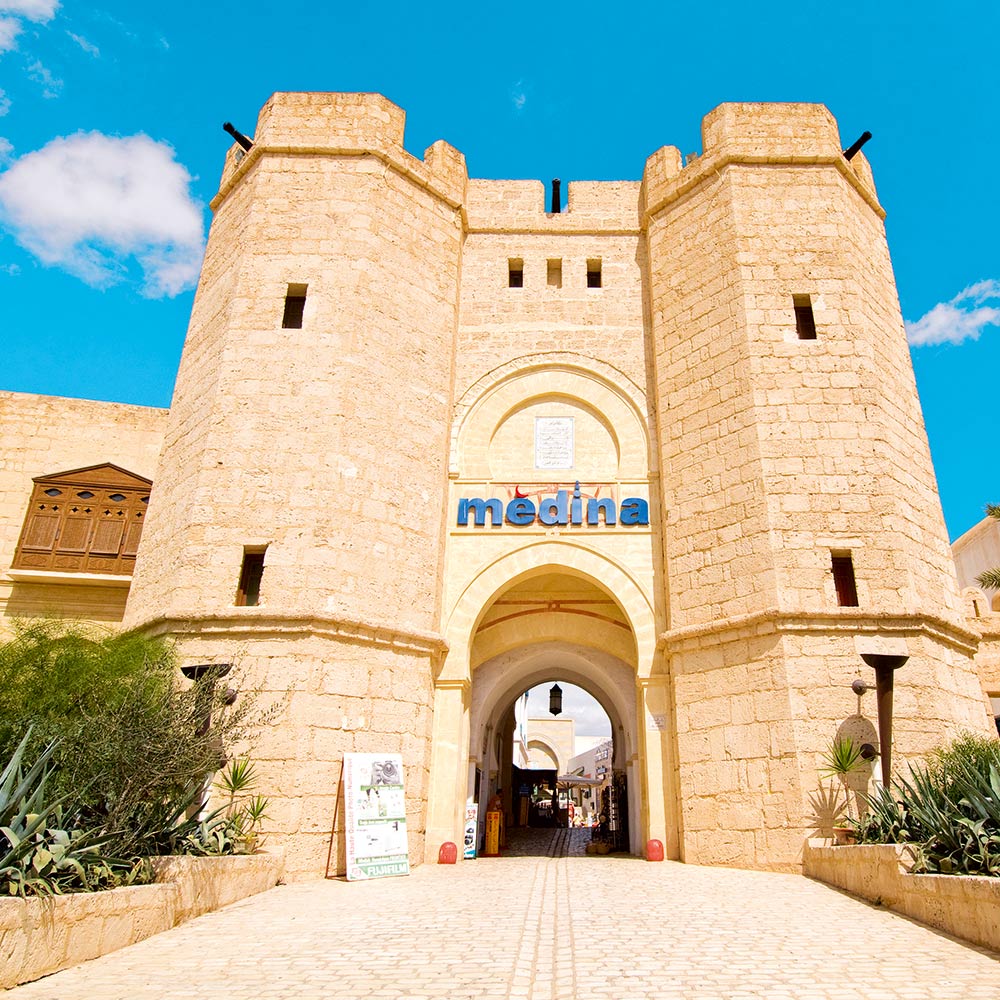
Djerba is a melting pot of unique cultures, primarily Berber and Jewish, offering a depth of history unmatched by Hammamet. The El Ghriba Synagogue, one of Africa's oldest, is a poignant site. Houmt Souk's bustling souks and the Djerbahood street art project in Erriadh provide vibrant cultural immersion. Beyond that, the island served as a backdrop for several 'Star Wars' scenes; a visit to Sidi Jemour or the 'Lars Homestead' in Chott el Djerid is a must for fans. Hammamet's historical offerings center around its charming 13th-century Medina and the impressive Kasbah fortress, which offers panoramic views. While picturesque, it presents a more generalized Tunisian history without the distinct cultural narratives found on Djerba. Day trips from Hammamet can access Roman ruins like Thuburbo Majus or Dougga, but Djerba itself holds more unique, on-island cultural treasures. “Djerba felt like stepping back in time, Hammamet’s history was nice but less 'wow'.”
Winner takeaway
- Winner: Djerba
- Why: Djerba provides a more distinct and diverse cultural tapestry, including ancient Jewish heritage and iconic cinematic history, directly within the island.
- Who this matters for: History buffs, cultural explorers, Star Wars fans, and travelers seeking unique local traditions.
🍽️ Food & Dining
Djerba excels in offering an authentic culinary journey, focusing on fresh seafood and traditional Tunisian dishes. In Houmt Souk, you can find incredible grilled fish at places like Restaurant Haroun, where a whole fish often costs around 30-50 TND ($10-$17). Local specialties include 'Kamounia' (beef liver stew) and 'Ojja aux Merguez', easily found in unassuming local eateries for 10-20 TND ($3-$7). The markets are vibrant, selling local spices, dates, and olive oil. Hammamet, while having its share of local gems like the classic Chez Achour for seafood (mains 40-70 TND / $13-$23), is largely dominated by international resort buffets and tourist-centric restaurants. You’ll find more variety in cuisines, but often at the expense of authenticity. While delicious, the food scene leans more towards catering to a broad international palate rather than showcasing deep local flavors. “Djerba’s street food was incredible, just simple, fresh, and cheap. Hammamet was good but mostly resort stuff.”
Winner takeaway
- Winner: Djerba
- Why: Djerba offers a more authentic, budget-friendly, and distinct Tunisian culinary experience with an emphasis on fresh, local ingredients.
- Who this matters for: Foodies, budget travelers, those seeking authentic local flavors, and seafood lovers.
💃 Nightlife & Entertainment
If you're looking for a lively night out, Hammamet is undoubtedly the winner. The Yasmine Hammamet area is particularly known for its hotels hosting vibrant bars, discos, and nightly entertainment, often included in all-inclusive packages. Places like The Latino and Calypso Club attract both tourists and locals with DJs playing a mix of international and Arabic music, with drinks costing around 15-30 TND ($5-$10). Beyond the resorts, there are beachfront lounges and cafes offering a more relaxed but still social atmosphere. Djerba, in contrast, offers a much quieter nightlife scene. Evenings are typically spent in traditional cafes in Houmt Souk, sipping mint tea and engaging in conversation, or enjoying a leisurely dinner. Some hotels might have low-key evening shows, but serious clubbing or bar-hopping is largely absent. It’s more about stargazing on a quiet beach or enjoying the peace. “Hammamet clubs were decent for a resort town, Djerba was definitely wind-down-early vibes.”
Winner takeaway
- Winner: Hammamet
- Why: Hammamet provides a far more vibrant and diverse nightlife experience, catering to those seeking evening entertainment beyond quiet dinners.
- Who this matters for: Party-goers, young travelers, groups, and those who enjoy live music and dancing.
✨ Overall Vibe & Authenticity
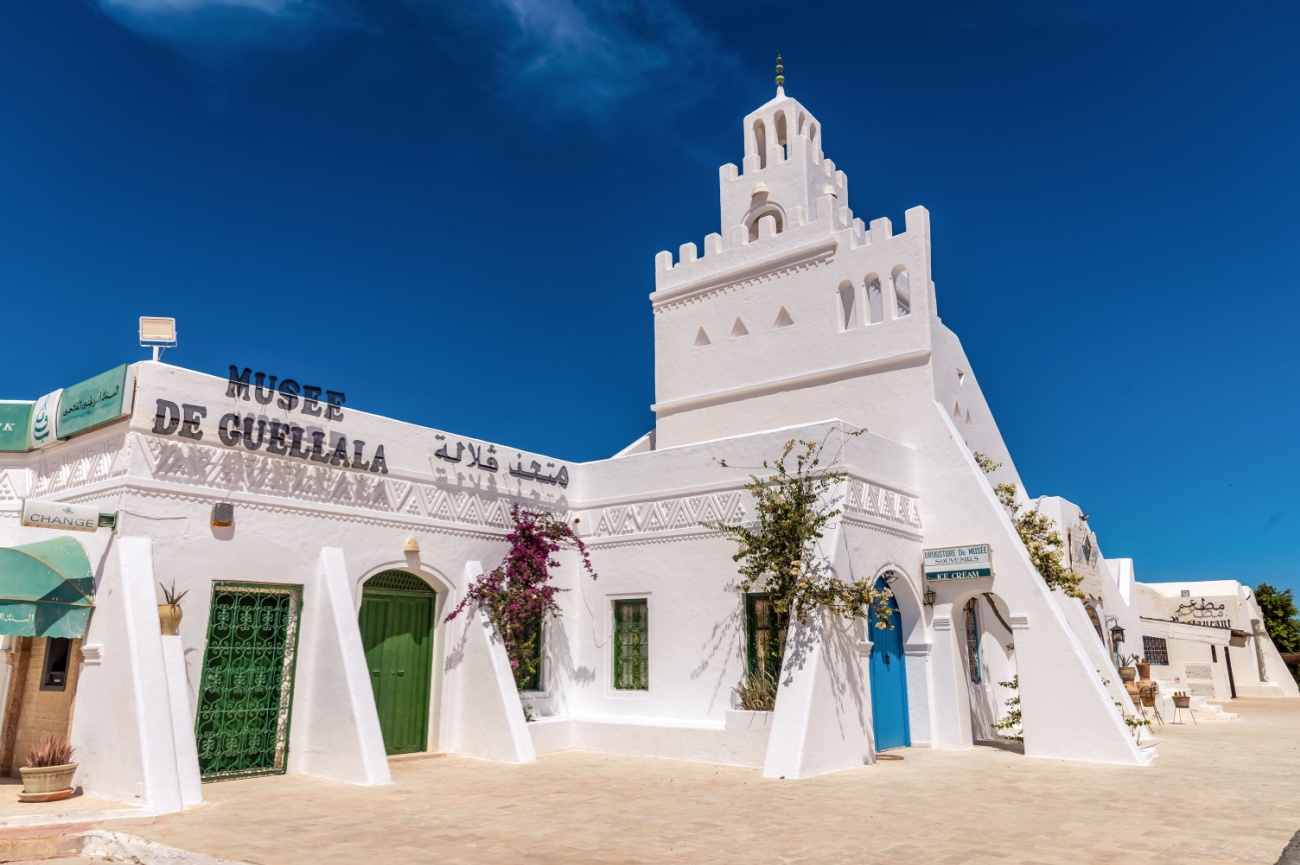
Djerba exudes an authentic, laid-back island charm that feels genuinely Tunisian. Life moves at a slower pace here, punctuated by the rhythms of local markets, fishing villages, and ancient traditions. There’s a strong sense of community and history, especially in the pottery village of Guellala or the artistic haven of Erriadh. You'll encounter more opportunities for genuine interactions with locals away from tourist traps. Hammamet, particularly Yasmine Hammamet, feels much more like a purpose-built tourist destination. While its Medina offers historical charm, the overall atmosphere is busier, more commercialized, and geared towards vacation packages. It's clean, organized, and offers convenience, but often at the expense of deep authenticity. You'll find more international brands and less of the raw, traditional feel. “Djerba felt like the 'real' Tunisia, Hammamet was just another nice beach resort, albeit in Tunisia.”
Winner takeaway
- Winner: Djerba
- Why: Djerba offers a more authentic, traditional, and relaxed Tunisian island experience, allowing for deeper cultural immersion.
- Who this matters for: Cultural travelers, those seeking peace and quiet, and travelers who prioritize authenticity over modern conveniences.
💰 Cost of Travel
For independent travelers, Djerba generally offers better value. Budget guesthouses can be found for 80-150 TND ($27-$50) per night, and local meals are readily available for 10-25 TND ($3-$8). Shared taxis (louages) are inexpensive, often costing just a few TND for inter-village trips. Even private taxis are reasonable, with an hour-long ride around 30-40 TND ($10-$13). Hammamet, with its abundance of larger resorts and focus on package holidays, can appear more expensive if you're booking à la carte. A mid-range hotel might start at 150-250 TND ($50-$85), and resort dining can quickly add up. However, all-inclusive packages in Hammamet can offer excellent value, bundling accommodation, food, and drinks for a set price, making it appear cheaper for certain travel styles. Without a package, daily expenses for food and activities can creep higher. “Djerba felt like my money went further, Hammamet was fine if you stick to all-inclusive but otherwise things add up.”
Winner takeaway
- Winner: Djerba
- Why: Djerba offers a more budget-friendly experience for independent travelers, with lower costs for food, accommodation, and local transport.
- Who this matters for: Budget-conscious travelers, backpackers, and those who prefer local dining and accommodation over resort amenities.
✈️ Getting There & Around
Hammamet wins for sheer accessibility and ease of transit from Tunisia’s main international gateway. Most international flights arrive at Tunis-Carthage International Airport (TUN), which is just an hour's drive from Hammamet. A louage (shared taxi) from Tunis to Hammamet costs about 10-15 TND ($3-$5), while a private taxi is around 80-120 TND ($27-$40). Once there, getting around Hammamet and Yasmine Hammamet is easy with plentiful taxis (5-15 TND / $1.5-$5 for most local trips) and even a tourist train. Djerba has its own international airport (DJE), offering direct flights from several European cities, which is convenient. However, these flights can be less frequent or more expensive than those to TUN. On the island, taxis are the main way to get around (e.g., Houmt Souk to Midoun for 10-15 TND / $3-$5), and louages connect major towns. The 'causeway' also connects Djerba to the mainland, but it's a longer drive from Tunis (approx. 6-7 hours). “Getting to Hammamet from Tunis was a breeze, Djerba felt a bit more isolated for initial arrival.”
Winner takeaway
- Winner: Hammamet
- Why: Hammamet is more easily accessible from Tunisia's main international airport (TUN) and has excellent, convenient local transport options.
- Who this matters for: Travelers seeking ease of arrival and departure, those flying into Tunis, and those who prefer simple local transportation.
🏨 Accommodation Options
Hammamet, particularly Yasmine Hammamet, offers an unparalleled range of accommodation, predominantly dominated by large, all-inclusive resorts and international hotel chains like Radisson Blu Resort & Thalasso or Iberostar Averroes. These resorts cater to every need, from sprawling pools and private beach access to kids' clubs and multiple dining options. A week in a 4-star all-inclusive can range from 1500-3000 TND ($500-$1000) per person depending on the season. In contrast, Djerba leans towards more intimate and traditional accommodations. You'll find charming boutique hotels in Houmt Souk, authentic guesthouses (dars), and smaller, locally-run hotels. While there are a few larger resorts, the focus is less on mega-complexes. For example, a stay at Dar Dhiafa, a beautifully restored guesthouse, might cost 300-600 TND ($100-$200) per night. This provides a more unique stay, but less choice for those who prefer the full-service resort experience. “Hammamet had so many good resort options, Djerba was more about finding a cute boutique place.”
Winner takeaway
- Winner: Hammamet
- Why: Hammamet offers a significantly broader selection of large, modern, and often all-inclusive resorts, catering to diverse preferences for luxury and amenities.
- Who this matters for: Families, groups, travelers seeking all-inclusive deals, and those who prefer full-service resort experiences.
🗺️ Day Trips & Excursions
Djerba is the gateway to truly iconic and unique excursions into the Tunisian south. A multi-day Sahara desert tour, often including overnight stays in a desert camp (from 400 TND / $135 per person), exploring the Ksar Ouled Soltane (a fortified granary), and visiting the troglodyte dwellings of Matmata (another 'Star Wars' location), is an unforgettable experience. These trips offer a deep dive into Berber culture and stunning desert landscapes. While Hammamet offers excellent day trips to the historical wonders of Tunis, Carthage, and the picturesque blue and white village of Sidi Bou Said (around 100-150 TND / $33-$50 for a full-day tour), these are more urban and classical historical sites. The unique allure of the desert and ancient Berber villages accessible from Djerba gives it the edge for truly distinctive excursions. “Djerba's desert trips were life-changing, something you can't really do from Hammamet.”
Winner takeaway
- Winner: Djerba
- Why: Djerba provides access to more unique and iconic excursions, particularly the captivating Sahara Desert and ancient Berber strongholds.
- Who this matters for: Adventure seekers, photographers, history enthusiasts, and those wanting to explore the Sahara.
👨👩👧👦 Family Friendliness
Hammamet is arguably more family-friendly, especially for those with young children seeking structured entertainment. The majority of its large resorts, particularly in Yasmine Hammamet, are designed with families in mind, offering extensive kids' clubs, dedicated children's pools, water slides, and daily entertainment programs. Attractions like Carthage Land amusement park and Flipper Water Park (entry around 40-60 TND / $13-$20 per person) provide endless fun. Djerba is also family-friendly in a different way; its calm, shallow beaches are safe for swimming, and the relaxed pace can be appealing. Cultural experiences like visiting the pottery village of Guellala or exploring the Djerbahood street art can be engaging for older children. However, it lacks the dedicated, organized entertainment and water parks that Hammamet offers in abundance. “Hammamet was perfect for our kids, they loved the water slides and the kids' club. Djerba would be better for older kids who appreciate culture.”
Winner takeaway
- Winner: Hammamet
- Why: Hammamet offers a wider array of dedicated family-focused resorts, water parks, and structured entertainment specifically designed for children.
- Who this matters for: Families with young children, those seeking all-inclusive amenities, and parents looking for managed entertainment for kids.
❓ Frequently Asked Questions
What's the best time of year to visit Djerba or Hammamet?
The shoulder seasons (April-May and September-October) are ideal for both. You'll enjoy pleasant temperatures (20-28°C / 68-82°F) for beach activities and sightseeing, fewer crowds, and generally better prices. Summer (June-August) can be very hot and crowded, especially in Hammamet.
Is it safe for solo female travelers in Djerba or Hammamet?
Both destinations are generally safe for solo female travelers, particularly within resort areas and main tourist zones. Common sense precautions apply: dress modestly, avoid walking alone at night in unlit areas, and be firm but polite if approached by vendors. Djerba's laid-back nature often feels slightly more relaxed for solo travel outside of resorts.
How can I travel between Djerba and Hammamet?
The most efficient way is a domestic flight from Djerba (DJE) to Tunis (TUN), then a louage (shared taxi) or private taxi to Hammamet. This typically takes 3-4 hours including transit. A direct long-distance louage or private taxi drive will take 6-7 hours and cost around 200-300 TND ($67-$100).
What is the local currency and how should I manage money?
The local currency is the Tunisian Dinar (TND). It's a closed currency, meaning you can only obtain it within Tunisia. ATMs are widely available, especially in tourist areas. Major credit cards are accepted in larger hotels and restaurants, but cash is essential for smaller shops, markets, and taxis.
Do I need a visa to visit Tunisia?
Many nationalities, including citizens of the EU, UK, US, Canada, and Australia, do not require a visa for stays up to 90 days. Always check the latest visa requirements for your specific nationality with the Tunisian embassy or consulate before traveling.
Can I rent a car in Djerba or Hammamet?
Yes, car rental is available in both locations, especially at the airports and through major hotels. Prices start from around 80-120 TND ($27-$40) per day. Renting a car can offer flexibility for exploring, particularly in Djerba, but be aware that driving styles can be assertive and road signage may be limited in rural areas.
Are Djerba and Hammamet suitable for a honeymoon?
Both can be, depending on your preferences. Djerba offers a more romantic, tranquil escape with boutique hotels and unique cultural experiences. Hammamet provides luxurious resort amenities, spa treatments, and a more vibrant atmosphere for couples who enjoy resort life and nightlife. Consider what kind of romantic getaway you envision.
What kind of shopping can I expect in each destination?
In Djerba, expect traditional souks in Houmt Souk with pottery (from Guellala), woven textiles, leather goods, spices, and local jewelry. Hammamet's Medina also offers similar traditional goods, but Yasmine Hammamet provides more modern shopping centers with international brands and fixed-price tourist shops. Bargaining is expected in traditional markets in both.
Ready to plan your Tunisia trip?
Get a free custom itinerary for Djerba, Hammamet, or both — built from real traveler insights.
🎟️ Book Tours & Experiences
Hand-picked tours and activities for both destinations — book with free cancellation
Experiences via Viator — free cancellation on most tours