How we built this comparison
This page combines traveler discussion patterns, published price ranges, flight schedules, and seasonal data to help you decide between Dolomites and Patagonia.
- Reviewed 50+ Reddit threads from r/travel, r/solotravel, r/ItalyTravel, r/Argentina, r/Chile for firsthand experiences and tips.
- Verified costs and logistics against current booking platforms (Booking.com, Skyscanner, local bus/train websites) and recent travel blogs.
- Cross-referenced seasonal patterns, average temperatures, and weather data from meteorological sources to provide accurate best-time-to-visit advice.
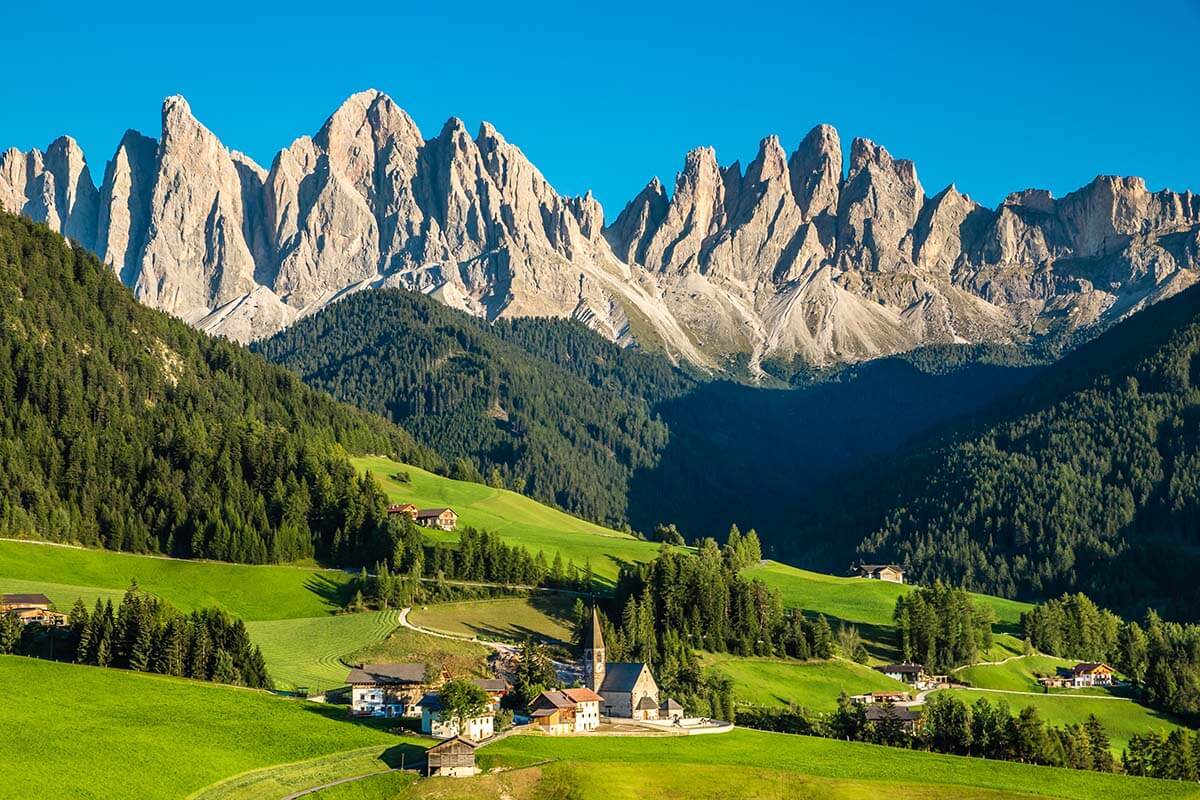
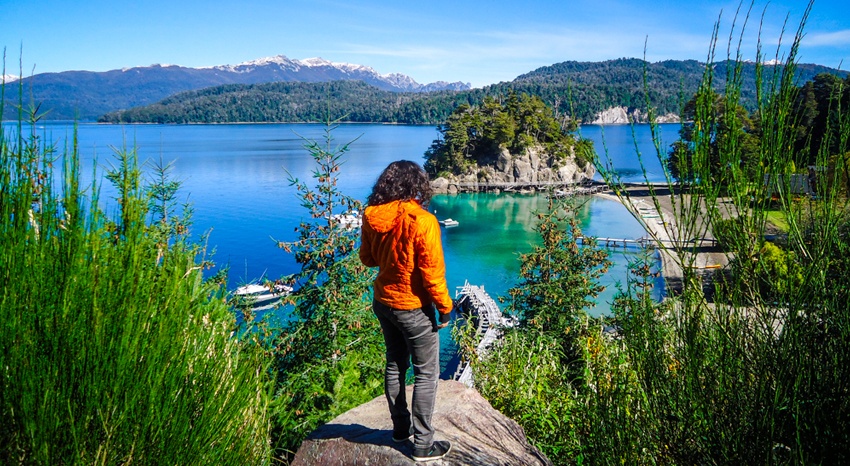
⚡ The TL;DR Verdict
If you crave efficient, comfortable, and gastronomically delightful alpine adventures with stunning scenery and easy logistics, the Dolomites are your winner, likely costing $150-300+ USD per day. For those dreaming of raw, expansive wilderness, multi-day treks, and a true sense of remoteness, Patagonia offers an unparalleled, though more challenging, experience, with daily budgets ranging from $100-250+ USD (excluding significant international flights).
- Choose Dolomites: Choose the Dolomites if you value convenience, comfort, incredible food, well-marked trails, and a rich cultural experience. It's ideal for shorter trips, families, or those seeking a more luxurious mountain escape without sacrificing adventure.
- Choose Patagonia: Choose Patagonia if you're an experienced hiker, love wild, dramatic landscapes, and are prepared for longer travel times and more unpredictable weather. It's perfect for multi-day trekking and a profound sense of isolation and grandeur.
- Choose Both: Both destinations offer distinct beauty; combining them in a single trip is a logistical and financial challenge due to immense distances and flight costs. If you have unlimited time (4+ weeks) and budget, you could experience both, but it's best to plan two separate, dedicated trips to fully appreciate each region.
Quick Comparison
| Category | Dolomites | Patagonia | Winner |
|---|---|---|---|
| Nature & Scenery | Jagged limestone peaks, emerald lakes, lush meadows. Quintessential European alpine beauty. | Dramatic granite spires, vast glaciers, windswept plains, turquoise lakes. Raw, epic, immense. | Patagonia |
| Costs & Budget | Generally mid-to-high European prices. Accommodation and lift passes are main expenses. | International flights are huge. In-country costs can be cheaper than Dolomites, but vary wildly by country (Argentina vs. Chile) and inflation. | Tie |
| Getting There & Logistics | Well-connected to major European airports (Venice, Innsbruck, Verona, Milan). Easy train/bus connections. | Requires long-haul international flights, then often multiple domestic flights. Travel days are long and complex. | Dolomites |
| Getting Around | Excellent public bus system, cable cars, optional car rental for flexibility. Well-marked trails. | Long-distance buses between towns, limited local transport. Car rental for flexibility, but roads can be rough. Hitchhiking common. | Dolomites |
| Accommodation & Comfort | Charming hotels, guesthouses, and unique rifugios (mountain huts) offering incredible comfort and food. | Hostels, basic guesthouses, and campsites. Limited luxury options. Mountain refugios/domes are more rustic. | Dolomites |
| Food & Drink | A delightful blend of Italian and Austrian/Tyrolean cuisine. Hearty, delicious, and wine-focused. | Meat-heavy (asado), empanadas, some seafood. More rustic, less variety, especially for vegetarians. | Dolomites |
| Activities & Adventure | Hiking, via ferratas, cycling, skiing in winter. Well-maintained trails, accessible for varied skill levels. | World-class multi-day trekking, glacier hiking, kayaking, horseback riding. More challenging, wilder, and remote. | Tie |
| Best Season & Weather | Summer (June-Sept) is ideal for hiking, pleasant temperatures. Winter (Dec-March) for skiing. | Summer (Nov-March) is prime for hiking, but still highly unpredictable with strong winds and rapid changes. | Dolomites |
| Safety & Solo Travel | Extremely safe, low crime rates. Well-marked trails, easy to navigate solo. | Generally safe in tourist areas, but remote nature means self-reliance is key. Some petty crime in larger cities. Solo trekking requires caution. | Dolomites |
| Culture & Local Experience | Rich blend of Italian, Austrian, and Ladin cultures. Charming alpine villages, unique rifugio culture, local festivals. | Gaucho culture (Argentina), isolated Patagonian towns, national park visitor centers. More wilderness-focused than culturally immersive. | Dolomites |
⛰️ Nature & Scenery
When it comes to sheer, jaw-dropping grandeur and scale, Patagonia just edges out the Dolomites. While the Dolomites boast iconic, picturesque formations like Tre Cime di Lavaredo and the vibrant Lago di Braies, Patagonia presents an untamed, almost primeval beauty. Imagine the towering granite spires of Torres del Paine, the immense Perito Moreno Glacier calving into Lago Argentino, or the Fitz Roy massifs piercing the sky. The landscapes here feel truly boundless, often wilder and less 'groomed' than their European counterparts. You might spend days trekking through landscapes with no signs of civilization, a stark contrast to the frequent rifugios in the Dolomites. The sheer variety, from arid steppe to dense subpolar forests and glacial fields, is astonishing. One traveler put it perfectly: "Dolomites are beautiful, like a perfectly painted landscape. Patagonia feels like you're standing on the edge of the world, truly humbling." While both are breathtaking, Patagonia offers a more raw, epic, and diverse natural spectacle.
Winner takeaway
- Winner: Patagonia
- Why: Patagonia wins for its sheer scale, raw wilderness, and diverse, untamed landscapes that evoke a profound sense of grandeur.
- Who this matters for: Adventurers and photographers seeking immense, dramatic, and less manicured natural wonders.
💸 Costs & Budget
This category is a tricky one and often depends heavily on your starting point and travel style. For a typical European traveler, the Dolomites are generally more accessible. A rifugio stay with half-board can cost €60-€120 ($65-$130 USD) per person, while a comfortable hotel room might run €150-€300+ ($160-$325+ USD) per night. Food is reasonable, with a pasta dish around €12-€18 ($13-$20 USD) and a main course €20-€30 ($22-$33 USD). Public transport passes are efficient and reasonably priced. Patagonia's main cost barrier is the international flights, easily $1,000-$2,000+ USD from North America/Europe. Once there, especially in Argentina, costs can be surprisingly low due to inflation; a nice meal might be 8,000-15,000 ARS ($8-$15 USD at unofficial exchange rates), and hostels around 8,000-15,000 ARS ($8-$15 USD). Chile is more expensive, with hostels costing $25-$40 USD and meals $15-$30 USD. Park fees like Torres del Paine's $35,000 CLP ($40 USD) add up. "Patagonia feels cheap once you're there, but getting there and all those internal flights? That's where the budget really takes a hit." If you're coming from Europe, Dolomites might be cheaper overall. From the Americas, Patagonia might be cheaper on the ground, but total cost heavily skewed by flights. Hence, it's a tie, depending on your origin and specific travel choices.
Winner takeaway
- Winner: Tie
- Why: It's a tie because while Dolomites have higher daily costs, Patagonia's international flight expenses often make the total trip cost higher, especially from distant origins.
- Who this matters for: Budget-conscious travelers, especially those planning multi-week trips or traveling from far away.
✈️ Getting There & Logistics
Getting to the Dolomites is remarkably straightforward, making it a clear winner here. You can fly into major hubs like Venice Marco Polo (VCE), Innsbruck (INN), Verona (VRN), or even Milan (MXP/BGY). From there, direct bus services (e.g., Alto Adige Bus from Innsbruck or Venice) or train connections to towns like Bolzano or Bressanone, followed by local buses, get you into the heart of the mountains within a few hours. For example, a flight from NYC to Venice is around 8-9 hours, then a 2-3 hour bus ride. The total travel time from touchdown to your first mountain view is efficient. Patagonia, on the other hand, is a saga. First, an international flight to Buenos Aires (EZE) or Santiago (SCL) – think 10-12 hours from NYC or 14-16+ hours from Europe. Then, you'll almost certainly need another domestic flight (e.g., Buenos Aires to El Calafate (FTE) or Ushuaia (USH), which is another 3-4 hours, often with delays). "I spent 30 hours traveling to get to El Chalten. Totally worth it, but definitely not a quick weekend trip." Expect multiple full travel days, potential overnight stays in gateway cities, and the need for more flexible planning due to potential flight disruptions. The sheer distance and multiple legs make it significantly more logistically challenging.
Winner takeaway
- Winner: Dolomites
- Why: The Dolomites are vastly easier and quicker to access from major international hubs, offering efficient onward connections.
- Who this matters for: Travelers with limited time, those seeking convenience, and anyone who dislikes long, complex travel itineraries.
🚌 Getting Around
Once you're in the Dolomites, getting around is a breeze. The public bus network (Südtirol Mobil / Alto Adige Mobilità) is incredibly efficient, connecting all major towns, trailheads, and cable car stations. Many accommodation providers offer a complimentary guest card (like the Val Gardena Card or Dolomiti Mobil Card) that includes free public transport and discounts on lifts, making it easy to ditch the car. Cable cars are abundant, whisking you up to high-altitude trails in minutes, meaning less grunt work if you prefer. "We didn't rent a car in the Dolomites and never felt like we missed out. The buses and lifts were so good." Renting a car offers more flexibility for scenic drives (e.g., Great Dolomites Road) but isn't strictly necessary. In Patagonia, getting around requires more patience and planning. Long-distance buses connect major towns like El Calafate, El Chaltén, and Puerto Natales, but schedules can be infrequent. Local transport to trailheads is often limited to specific tour operator shuttles or expensive taxis. Renting a car provides freedom, particularly for exploring areas like Ruta 40, but be prepared for gravel roads, strong winds, and long stretches without services. Hitchhiking is a common and accepted mode of transport in parts of Patagonia, especially around El Chaltén, but it's not always reliable or quick. The distances are vast, and the infrastructure is less developed compared to the Dolomites.
Winner takeaway
- Winner: Dolomites
- Why: The Dolomites boast a superior, highly efficient, and integrated public transport system with extensive cable car access, making exploration effortless.
- Who this matters for: Travelers who prefer not to rent a car, those seeking convenience, and anyone wanting to maximize their time on trails rather than in transit.
🛏️ Accommodation & Comfort
The Dolomites are renowned for their incredible range of comfortable and charming accommodations, making them a clear winner for comfort. Beyond cozy hotels and family-run guesthouses in towns like Ortisei or Cortina d'Ampezzo (a 4-star hotel might be €200-€400+ / $215-$430+ USD), the real highlight are the 'rifugios' – mountain huts that are often more akin to boutique hotels. These offer private rooms or dorms, delicious multi-course meals (half-board is common and highly recommended, costing €60-€120 / $65-$130 USD per person), hot showers, and stunning views. Many are easily accessible by cable car or a short hike, providing a truly unique and comfortable multi-day trekking experience. "The rifugios in the Dolomites were a game changer. Hot shower and a gourmet meal after a long hike? Yes please!" Patagonia, in contrast, offers more basic accommodations. Hostels are prevalent (a dorm bed in El Chaltén or Puerto Natales might be $15-$40 USD), guesthouses are simple, and luxury hotels are scarce and expensive. The mountain huts (refugios) in Torres del Paine or the lodges along the Carretera Austral are generally more rustic, though some upscale 'domes' exist (like those at EcoCamp Patagonia, which can cost $500-$1000+ USD per night). Camping is very popular and often essential for multi-day treks. While there's certainly charm in Patagonia's simplicity, the overall level of comfort and amenities is significantly higher and more consistent in the Dolomites.
Winner takeaway
- Winner: Dolomites
- Why: The Dolomites offer a wider range of comfortable, high-quality accommodations, especially the unique and luxurious rifugios.
- Who this matters for: Travelers who prioritize comfort, good food, and a more pampered experience after a day of hiking.
🍝 Food & Drink
Prepare your taste buds for a treat in the Dolomites – this region is a gastronomic paradise and a clear winner. The cuisine is a delightful fusion of Italian and Austrian/Tyrolean influences. Imagine enjoying homemade pasta like Casunziei (beetroot ravioli), hearty Schlutzkrapfen (spinach ravioli), speck (cured ham), dumplings (Canederli), and apple strudel. Every rifugio offers incredible, freshly prepared meals, often with a focus on local ingredients and fantastic regional wines. "The food in the Dolomites was just as memorable as the views. I swear I gained weight from all the delicious pasta and strudel!" Even a simple mountain hut provides a multi-course dinner that feels gourmet. Expect to pay €12-€18 ($13-$20 USD) for a pasta dish, €20-€30 ($22-$33 USD) for a main, and €5-€8 ($5.50-$9 USD) for a glass of local wine. Patagonia, while offering its own rustic charm, can't compete on culinary diversity or sophistication. The food scene is heavily dominated by meat, particularly incredible 'asado' (BBQ) in Argentina, and lamb in Chile. Empanadas, choripán (sausage sandwich), and some seafood in coastal areas are staples. Vegetarian options are often limited to salads or basic pasta dishes. While the quality of the grilled meat is exceptional (a steak dinner might be $20-$40 USD in Chile, or $10-$25 USD in Argentina with unofficial exchange rates), the overall culinary experience is less varied and refined. Craft beer is popular, but wine selections are generally less curated than in Italy.
Winner takeaway
- Winner: Dolomites
- Why: The Dolomites offer a superior, more diverse, and refined culinary experience, blending Italian and Tyrolean flavors with high-quality local ingredients.
- Who this matters for: Foodies, gourmands, and anyone who believes delicious meals are an integral part of their travel experience.
🥾 Activities & Adventure
Both regions are adventure powerhouses, but they cater to different types of adventurers, hence a tie. The Dolomites excel in accessible, varied hiking for all skill levels, from gentle strolls around Lago di Carezza to challenging multi-day Alta Via treks. A unique draw is the extensive network of via ferratas (protected climbing routes), offering exhilarating experiences for those new to climbing, with gear rental readily available (e.g., €20-€30 / $22-$33 USD for a full kit). Road and mountain biking are also huge. In winter, it's a world-class ski destination. "Dolomites hiking is like a choose-your-own-adventure park for trails. So many options and you're never too far from a good meal!" Patagonia, on the other hand, is synonymous with epic, multi-day trekking in truly wild, challenging conditions. The 'W Trek' and 'O Circuit' in Torres del Paine, or the trails to Laguna de los Tres and Cerro Torre in El Chaltén, are legendary. Glacier trekking on Perito Moreno Glacier (€150-€200 / $160-$215 USD for a mini-trek) offers an experience unavailable in the Dolomites. The scale of the wilderness means adventures often feel more remote and require greater self-sufficiency. While the Dolomites offer a refined adventure playground, Patagonia presents a raw, untamed wilderness demanding more from its explorers. Both are phenomenal, but for different audiences. The choice depends entirely on your preferred style of adventure and how much 'wilderness' you crave.
Winner takeaway
- Winner: Tie
- Why: It's a tie as both offer world-class adventure, but the Dolomites provide more accessible and varied activities (like via ferratas), while Patagonia offers more remote, epic, multi-day trekking and unique glacier experiences.
- Who this matters for: Adventure seekers: Dolomites for varied, accessible, and via ferrata adventures; Patagonia for epic, multi-day, wilderness treks.
☀️ Best Season & Weather
The Dolomites offer a more predictable and generally pleasant weather experience, giving them the edge. The prime hiking season is from late June to mid-September. Temperatures are comfortably warm (15-25°C / 59-77°F), though afternoon thunderstorms can occur. The trails are usually snow-free, and all facilities are open. "We went to the Dolomites in early September, and the weather was perfect every day – sunny, warm, no strong winds. Ideal for hiking." Winter (December to March) brings reliable snow and sunshine for world-class skiing. Patagonia's weather, even in its 'summer' prime (November to March), is famously fickle and extreme. While temperatures can reach 20°C (68°F), fierce, relentless winds (gusts of 80-100 km/h / 50-60 mph are common) are a constant companion, especially in regions like Torres del Paine. Rain, snow, and bright sunshine can all appear within an hour. This unpredictability means you need to be prepared for all four seasons in one day, and sometimes plans need to be changed or hikes postponed due to severe conditions. "Patagonia weather is no joke. I saw sun, rain, hail, and gale-force winds all before lunch on the W Trek. Pack layers!" This adds a significant challenge and planning consideration that is less prevalent in the Dolomites.
Winner takeaway
- Winner: Dolomites
- Why: The Dolomites offer more predictable and generally milder weather during their prime hiking season, reducing travel uncertainty.
- Who this matters for: Travelers sensitive to extreme weather, those seeking more comfortable conditions, and those with less flexibility in their travel dates.
✅ Safety & Solo Travel
For safety and ease of solo travel, the Dolomites are a clear standout. Italy, and particularly the Alto Adige region, has very low crime rates, especially in the mountain towns. Trails are exceptionally well-marked, and the frequent rifugios mean you're rarely truly isolated, making solo hiking very comfortable and safe. Emergency services are efficient, and cellular reception is generally good. "I hiked solo in the Dolomites for two weeks and never once felt unsafe, even on remote trails. Everyone is so friendly." Even for a solo female traveler, the region is highly recommended. Patagonia is generally safe in its major tourist hubs like El Calafate, El Chaltén, and Puerto Natales. However, in larger gateway cities like Buenos Aires or Santiago, petty crime (pickpocketing, bag snatching) is a concern, as it is in any major city. When it comes to the wilderness, the challenge shifts from human-related crime to environmental safety. The remote nature of many trails, combined with unpredictable weather and vast distances, means solo trekkers need to be highly self-reliant, experienced, and well-prepared. Cellular service is often non-existent in national parks. While solo travel is absolutely possible and rewarding, it demands a higher level of caution and preparedness, especially on multi-day treks. Emergency response can also be slower due to remoteness.
Winner takeaway
- Winner: Dolomites
- Why: The Dolomites offer superior safety with extremely low crime, excellent trail infrastructure, and reliable support, making solo travel effortless.
- Who this matters for: Solo travelers, particularly women, and anyone prioritizing a worry-free and secure travel experience.
🏘️ Culture & Local Experience
The Dolomites provide a much richer, more accessible, and layered cultural experience. This region is a fascinating melting pot of Italian, Austrian, and the ancient Ladin culture, evident in the trilingual signage, architecture, and cuisine. Charming alpine villages like Ortisei, San Candido, or Corvara are packed with history, local crafts, and lively markets. The rifugio culture is a central part of the experience – these mountain huts aren't just for sleeping; they are social hubs where hikers from around the world share stories over a hearty meal and local wine. "Staying at the rifugios was like a mini cultural exchange every night. So much camaraderie and local flavor." You'll find traditional festivals, historical museums (like the Messner Mountain Museums), and a strong sense of community. Patagonia, while having its own unique character, is primarily a wilderness destination. The 'culture' is often more about the spirit of adventure, the 'gaucho' (cowboy) traditions in certain areas of Argentina, or the frontier towns that serve as gateways to national parks. Towns like El Calafate or Puerto Natales are functional tourist hubs rather than deeply culturally immersive destinations. While you'll meet fellow travelers from across the globe, the interaction with distinct local traditions and daily life is less pronounced than in the Dolomites. You're there for the mountains, not necessarily the local folklore or historical architecture. The focus is on the vast, empty landscapes.
Winner takeaway
- Winner: Dolomites
- Why: The Dolomites offer a more vibrant, accessible, and distinct cultural experience with charming villages, unique rifugio traditions, and a rich historical blend.
- Who this matters for: Travelers who appreciate local culture, history, charming towns, and social interactions as much as the natural scenery.
❓ Frequently Asked Questions
Which is better for families with young children?
The Dolomites are generally better for families. With excellent public transport, abundant cable cars to access high-altitude trails, and family-friendly rifugios, it's easier to manage logistics and keep kids engaged. Many trails are suitable for strollers or young walkers, and there are playgrounds and interactive nature experiences.
Do I need to speak the local language in either region?
In the Dolomites, German and Italian are spoken, but English is widely understood in tourist areas. In Patagonia (Argentina/Chile), Spanish is essential for deeper interaction, though English is common in tourist-heavy towns like El Chaltén or Puerto Natales. Learning a few basic phrases in both regions will enhance your experience significantly.
What about altitude sickness in these areas?
While parts of the Dolomites are high, reaching peaks around 3,000 meters (10,000 ft), most hiking starts at lower elevations (1,500-2,000m). Altitude sickness is rare unless you ascend very quickly without acclimatization. Patagonia's trekking routes are generally at lower altitudes, typically not exceeding 1,500-2,000 meters, so altitude sickness is not a primary concern.
Which destination is more physically demanding?
Patagonia, particularly for its iconic multi-day treks like the W Trek or O Circuit, is generally more physically demanding due to longer distances, often challenging terrain, and highly unpredictable weather conditions. While the Dolomites offer strenuous hikes and via ferratas, there are more options for shorter, less demanding routes and easy access via lifts.
Can I combine both the Dolomites and Patagonia in one trip?
Combining both is logistically challenging and expensive. The vast geographical distance requires multiple long-haul flights between continents, consuming significant time and budget. It's highly recommended to plan separate, dedicated trips to each region to fully immerse yourself and avoid travel burnout.
What's the internet and connectivity like?
In the Dolomites, you'll generally find good Wi-Fi in hotels and many rifugios, and cellular coverage is decent across most populated areas and even many trails. In Patagonia, Wi-Fi can be slower and less reliable, especially in remote towns like El Chaltén. Cellular coverage is sparse to non-existent in national parks and wilderness areas, so be prepared for periods of being offline.
Is camping a popular option in both destinations?
Yes, but with differences. Camping is very popular and often essential for multi-day treks in Patagonia, with designated campsites in national parks (some requiring reservations). In the Dolomites, while wild camping is generally prohibited, many rifugios have small areas for tents, and there are organized campsites in the valleys, offering a different, more structured camping experience.
Which destination offers more non-hiking activities?
The Dolomites offer a wider array of non-hiking activities. Beyond trails, you can enjoy charming village exploration, culinary tours, wine tasting, historical sites, wellness centers, and in winter, world-class skiing and snowboarding. Patagonia's focus is overwhelmingly on its natural wonders, with fewer developed cultural or leisure activities beyond nature-based excursions like glacier tours or horseback riding.
Ready to plan your unforgettable mountain trip?
Get a free custom itinerary for Dolomites, Patagonia, or both — built from real traveler insights, tailored to your budget and style.
🎟️ Book Tours & Experiences
Hand-picked tours and activities for both destinations — book with free cancellation
Experiences via Viator — free cancellation on most tours