How we built this comparison
This page combines traveler discussion patterns, published price ranges, flight schedules, and seasonal data to help you decide between Dominica and St. Lucia.
- Reviewed 70+ Reddit threads from r/travel, r/solotravel, r/Caribbean, r/StLucia, and r/Dominica
- Verified costs and logistics against current booking platforms (e.g., Google Flights, Booking.com, local tour operators)
- Cross-referenced seasonal patterns, average rainfall data, and weather advisories for accuracy
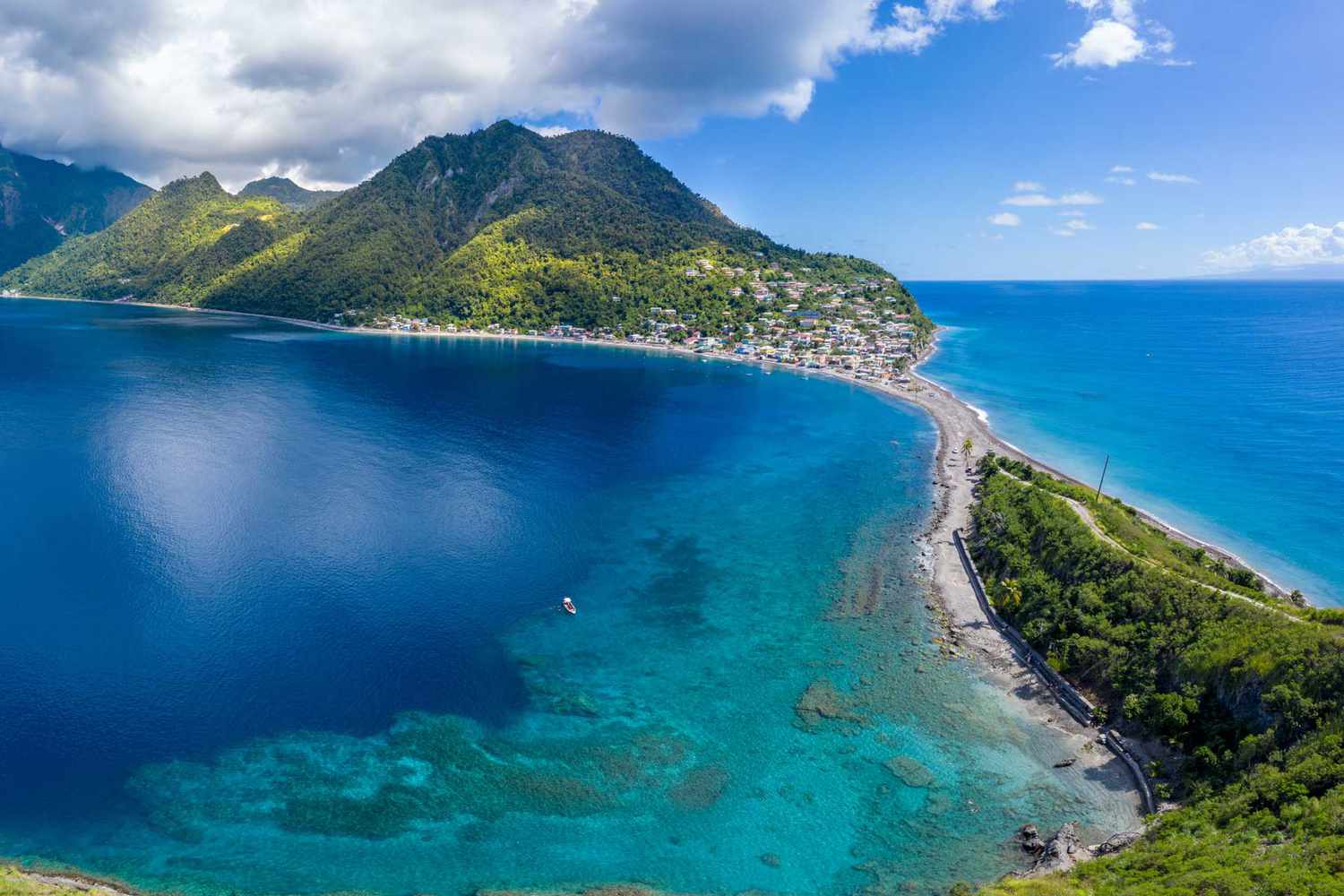
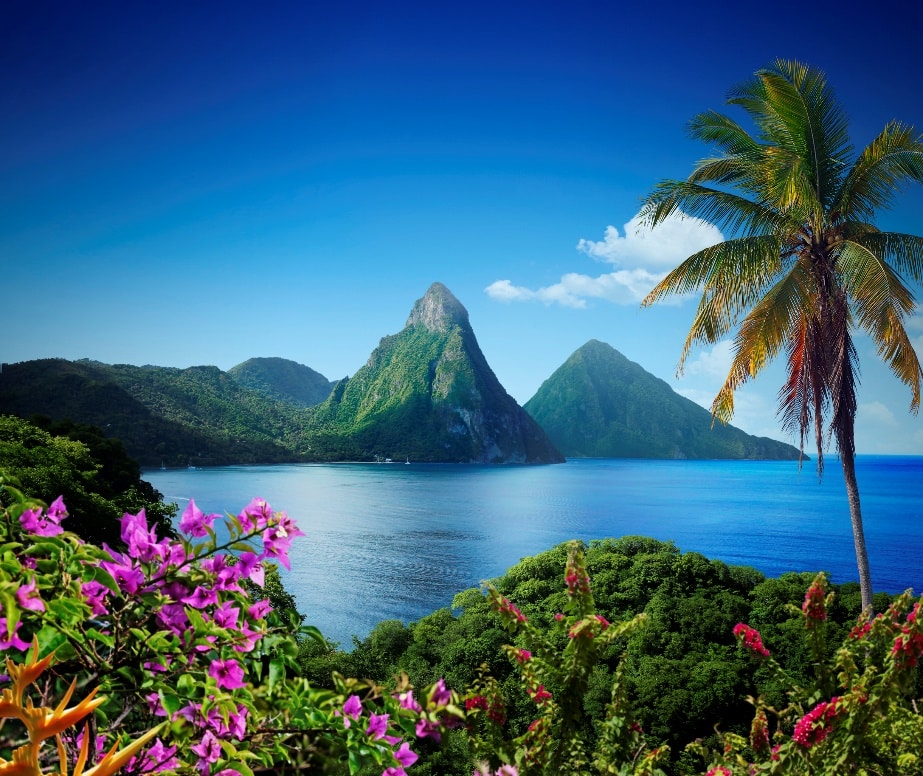
⚡ The TL;DR Verdict
For the adventurous soul craving rugged nature, volcanic landscapes, and an authentic, budget-friendly experience, Dominica is your island. If stunning beaches, luxurious resorts, iconic views, and a more developed tourist infrastructure are your priority, St. Lucia beckons. Expect to spend $80-150/day in Dominica and $150-400+/day in St. Lucia, depending on your style.
- Choose Dominica: Pick Dominica if you're a nature enthusiast, a hiker, a diver, or someone who prefers an off-the-beaten-path adventure over pristine beaches and resort luxury. It's for those who appreciate raw, untouched beauty and a slower pace.
- Choose St. Lucia: Go for St. Lucia if you dream of postcard-perfect beaches, dramatic Piton views, upscale dining, and a wider range of resort options for relaxation and romance. It's ideal for honeymooners, families seeking amenities, and travelers who enjoy a more polished tourist experience.
- Choose Both: If you have 10-14 days and want the best of both worlds, consider flying into St. Lucia (UVF), enjoying its beaches and Pitons for 4-5 days, then taking a short inter-island flight (e.g., Liat or interCaribbean) to Dominica for another 5-6 days of hiking and nature exploration, before flying out from Dominica (DOM).
Quick Comparison
| Category | Dominica | St. Lucia | Winner |
|---|---|---|---|
| Nature & Hiking | The 'Nature Isle' lives up to its name with dense rainforests, 365 rivers, waterfalls, and the world's second-largest boiling lake. Unrivaled for raw, volcanic landscapes and challenging trails. | Famous for the iconic Pitons and lush interior, offering rewarding hikes and beautiful botanical gardens. While stunning, it doesn't match Dominica's sheer volume of untamed natural wonders. | Dominica |
| Beaches & Water Sports | Known more for black sand beaches and rocky coves, offering excellent diving and snorkeling. Not ideal for classic 'lounge on white sand' experiences. | Home to iconic white and golden sand beaches, often framed by the Pitons. Excellent for swimming, sunbathing, snorkeling, diving, and a wide array of water sports. | St. Lucia |
| Costs & Budget | Generally more affordable for accommodation, food, and activities. Ideal for budget travelers and those seeking value. | Significantly more expensive, especially for luxury resorts and high-end dining. Budget options exist but require more effort to find. | Dominica |
| Getting There & Around | Smaller airport (DOM) often requires a connection through other Caribbean islands. Getting around requires taxis or sturdy rental cars on challenging roads. | Two airports (UVF and SLU), with UVF receiving many direct international flights. Roads are better maintained, and taxis/rental cars are readily available. | St. Lucia |
| Accommodation | Primarily features eco-lodges, guesthouses, and boutique hotels, often blending into nature. Less luxury, more authentic and sustainable options. | Wide spectrum from ultra-luxurious resorts (Jade Mountain, Sugar Beach) to boutique hotels, villas, and guesthouses. Caters heavily to the high-end market. | St. Lucia |
| Food & Drink | Focuses on fresh, local produce and hearty Creole dishes. More authentic and less tourist-oriented dining scene. | Diverse culinary scene ranging from high-end international cuisine to local Creole dishes. More options for fine dining and varied international flavors. | St. Lucia |
| Nightlife & Culture | Quieter nightlife, focused on local bars and community events. Rich Creole and Carib indigenous culture, more preserved. | Livelier nightlife, especially in Rodney Bay, with bars, clubs, and street parties. Vibrant blend of African, French, and British influences in its culture. | St. Lucia |
| Safety & Vibe | Generally very safe and welcoming, with a relaxed, off-the-beaten-path vibe. Less tourist hustle, more authentic interactions. | Generally safe, but more tourist-oriented areas can attract petty crime. More developed and resort-focused vibe, can feel less 'local'. | Dominica |
| Family Friendliness | Best for adventurous families with older children who enjoy nature, hiking, and educational eco-experiences. | Excellent for families of all ages, offering resorts with kids' clubs, calm beaches, and a variety of activities for different interests. | St. Lucia |
| Best Time to Visit / Weather | Dry season (Dec-May) is ideal. High chance of rain year-round due to rainforest climate, but usually short showers. | Dry season (Dec-May) is prime. Less rain overall compared to Dominica, with more consistent sunshine. | St. Lucia |
🏞️ Nature & Hiking
Dominica is unparalleled for its raw, untamed nature. It boasts the Waitukubuli National Trail, a 115-mile long-distance hiking trail that crosses the entire island, taking weeks to complete but offering incredible day sections. Highlights include hiking to the otherworldly Boiling Lake, rappelling down Trafalgar Falls (permit required, ~$10 USD), or swimming in the refreshingly cold Emerald Pool (EC$15 / ~$5.50 USD entry). The Morne Trois Pitons National Park, a UNESCO World Heritage Site, is the heart of its natural beauty. You can easily spend a week just exploring waterfalls and hot springs, like the Ti Tou Gorge or Wotten Waven Hot Springs (EC$10-20 / ~$3.70-7.40 USD). St. Lucia has its own gems, notably the Gros Piton and Petit Piton hikes (guided Gros Piton hike ~$50-75 USD), and Diamond Falls Botanical Gardens (EC$25 / ~$9 USD). However, its natural attractions feel more curated and less expansive than Dominica's. "Dominica felt like Jurassic Park, but real. The Boiling Lake hike was absolutely brutal but worth every single step. St. Lucia's Pitons are gorgeous, but Dominica just keeps delivering more and more wild places to explore." For the serious outdoors enthusiast, Dominica is a clear winner.
Winner takeaway
- Winner: Dominica
- Why: Dominica offers a more extensive, rugged, and diverse range of natural attractions and hiking opportunities, truly earning its 'Nature Isle' moniker.
- Who this matters for: Adventure seekers, serious hikers, nature photographers, and those who prioritize authentic natural exploration over groomed landscapes.
🏖️ Beaches & Water Sports
When it comes to quintessential Caribbean beaches, St. Lucia takes the crown without contest. Its stunning strips of white and golden sand, like Sugar Beach (Jalousie Beach) nestled between the Pitons, or Reduit Beach in Rodney Bay, are postcard-perfect. You can easily spend days lounging, swimming, or indulging in water sports like jet-skiing (starts around $60-80 USD for 30 mins) or parasailing ($80-100 USD). The snorkeling and diving around the Pitons and Anse Chastanet Marine Reserve are world-class, with vibrant coral reefs and abundant marine life. Dominica, by contrast, is known for its volcanic black sand beaches, such as Mero Beach or Champagne Reef. While these offer unique beauty and incredible snorkeling/diving (Champagne Reef has underwater hot springs, a truly unique experience with dive tours starting around $60-80 USD per tank), they aren't the soft, white sands many associate with a Caribbean getaway. "If you want that classic 'sit on a white sand beach with a fancy drink' vibe, St. Lucia is it. Dominica's beaches are cool for diving, but you're not going there for tanning." St. Lucia's vibrant beach culture and variety of water-based activities make it the superior choice for beach lovers.
Winner takeaway
- Winner: St. Lucia
- Why: St. Lucia offers a wider variety of iconic, picturesque white and golden sand beaches, perfect for relaxation and traditional water sports.
- Who this matters for: Beach lovers, sunbathers, families with young children, honeymooners seeking romantic beach settings, and those prioritizing easy access to water sports.
💰 Costs & Budget
Dominica is a clear winner for budget-conscious travelers. Accommodation in a comfortable guesthouse or eco-lodge can be found for $50-100 USD per night. Local meals, like 'provision and saltfish' or a 'roast bake' from a roadside stand, are incredibly cheap, often just EC$10-25 (~$3.70-9.25 USD). Even a sit-down meal at a local restaurant like Pearl's Cuisine in Roseau will be around EC$40-70 (~$15-26 USD). Transportation via local buses (EC$4-10 / ~$1.50-3.70 USD) is very affordable, though they don't cover all routes. Tour guides for hikes might be $50-100 USD for a half-day. St. Lucia, especially in areas like Soufrière or Rodney Bay, caters to a more upscale clientele. Luxury resorts can easily run $500-1000+ USD per night. Even mid-range hotels are often $150-300 USD. A decent dinner can easily be $50-100 USD per person at a nicer restaurant. While local 'roti' shops offer cheaper eats (EC$15-25 / ~$5.50-9.25 USD), they are less common in tourist-heavy areas. Taxis are pricey (e.g., UVF airport to Soufrière can be $75-100 USD). "I spent a week in Dominica for what I'd budget for 3 days in St. Lucia. Everything just felt more accessible and less inflated for tourists." Dominica offers far better value for money across the board.
Winner takeaway
- Winner: Dominica
- Why: Dominica is significantly more affordable for accommodation, food, transportation, and activities, making it ideal for budget travelers.
- Who this matters for: Budget travelers, backpackers, long-term travelers, and anyone looking to maximize their travel funds.
✈️ Getting There & Around
St. Lucia has a significant advantage in accessibility. Hewanorra International Airport (UVF) on the south of the island receives direct flights from major hubs in the US, Canada, and the UK (e.g., from Miami, NYC, Toronto, London). George F. L. Charles Airport (SLU) near Castries handles inter-island flights. From UVF, it's about a 1-1.5 hour scenic drive to Soufrière or 1.5-2 hours to Rodney Bay (taxis from UVF to Rodney Bay are around $75-90 USD, private transfers can be more). Roads are generally paved and manageable, though winding. Renting a car (starts around $40-60 USD/day) is popular, but taxis are plentiful. Dominica's Douglas-Charles Airport (DOM) is smaller and primarily serves inter-Caribbean flights. Most international travelers will need to connect through islands like Barbados (BGI), Antigua (ANU), or St. Maarten (SXM), adding travel time and cost. For example, a flight from Miami might involve a layover in Barbados. Once there, getting around Dominica can be challenging. Roads are steep, narrow, and often riddled with potholes, making a 4x4 rental (starts around $50-70 USD/day) almost a necessity if you plan to explore independently. Local buses are cheap but infrequent and don't cover all tourist spots. "Getting to Dominica felt like an adventure in itself with all the connections, but once there, driving was a whole other beast. St. Lucia was way smoother, even with the long drive from UVF." St. Lucia offers a more direct and comfortable travel experience.
Winner takeaway
- Winner: St. Lucia
- Why: St. Lucia benefits from more direct international flights and a more developed, easier-to-navigate road infrastructure.
- Who this matters for: Travelers seeking convenience, direct flights, and easier self-driving options; those who get travel-weary easily.
🏨 Accommodation
St. Lucia offers a much broader and more luxurious range of accommodation options, catering to virtually every taste, but particularly excelling in the high-end resort market. Iconic properties like Jade Mountain and Sugar Beach (formerly Jalousie Plantation) are world-renowned for their stunning views of the Pitons, impeccable service, and unique architecture, though a stay can cost $1000-2000+ USD per night. Even mid-range options in Rodney Bay, like The Landings or Bay Gardens Beach Resort, offer excellent amenities and beachfront access, typically in the $250-500 USD range. For budget travelers, guesthouses and smaller apartments in areas like Soufrière or Gros Islet can be found for $70-150 USD. Dominica's accommodation scene is more focused on eco-tourism and authentic experiences. You'll find charming eco-lodges like Rosalie Bay Resort (around $200-400 USD), quaint guesthouses, and modest hotels, often built to coexist with the natural environment. While there are some beautiful boutique properties, the sheer volume and lavishness of St. Lucia's offerings are unmatched. "We stayed at a gorgeous eco-lodge in Dominica, which was perfect for our nature trip. But for our honeymoon, St. Lucia's luxury resorts were exactly what we dreamed of, even if it broke the bank a bit." If you're looking for pampering and a resort experience, St. Lucia is the clear choice.
Winner takeaway
- Winner: St. Lucia
- Why: St. Lucia boasts a significantly wider range of accommodation, particularly excelling in luxury resorts with world-class amenities and iconic views.
- Who this matters for: Honeymooners, luxury travelers, families seeking all-inclusive resorts, and those who prioritize comfort and amenities.
🍽️ Food & Drink
While both islands offer delicious local cuisine, St. Lucia provides a more diverse and refined culinary experience, especially for those seeking upscale dining. You'll find world-class restaurants like Dasheene at Ladera or The Mango Tree at Stonefield Villa Resort, offering incredible views alongside gourmet Caribbean and international fusion dishes (expect $70-150 USD per person for dinner). Rodney Bay also has a lively restaurant scene with various cuisines. Locally, you can find fantastic Creole food, especially fresh seafood and 'roti' (curried fillings in flatbread, around EC$15-25 / ~$5.50-9.25 USD). Dominica's food scene is more rustic and authentic, focusing on fresh, locally sourced ingredients. Dishes like 'callaloo soup,' 'provision and saltfish' (starchy root vegetables with salted cod), and plantains are staples. Restaurants like Old Stone Bar & Grill in Roseau or Papillote Tropical Gardens offer delicious local fare, with meals typically costing EC$40-70 (~$15-26 USD). While less variety, the freshness and authenticity are top-notch. "Dominica's food was delicious, really fresh and hearty, but St. Lucia had those 'wow' dining experiences with views that just can't be beaten." St. Lucia's ability to combine local flavors with high-end dining and international options gives it the edge.
Winner takeaway
- Winner: St. Lucia
- Why: St. Lucia offers a broader range of dining experiences, including more upscale and international options, alongside its local cuisine.
- Who this matters for: Foodies, couples seeking romantic fine dining, and travelers who enjoy culinary diversity.
🎉 Nightlife & Culture
For those seeking vibrant nightlife, St. Lucia is the clear winner. Rodney Bay is the island's hub for evening entertainment, with a strip of bars, clubs, and restaurants that come alive after dark. The Gros Islet Friday Night Street Party (known as the 'Jump Up') is a must-experience, offering loud music, BBQ, and dancing until late (food items often EC$15-30 / ~$5.50-11 USD). There are also numerous beach bars and resort entertainment options. Culturally, St. Lucia's heritage is a blend of African, French, and British influences, evident in its Creole language and traditions. Dominica's nightlife is significantly more subdued, focusing on local rum shops and small bars where you can enjoy local music and conversation. Roseau has a few spots, but it's not a party destination. However, Dominica offers a deeper dive into indigenous culture, being home to the last remaining community of Kalinago people in the Caribbean (the Kalinago Territory offers cultural tours starting around EC$50 / ~$18.50 USD). This provides a unique cultural experience not found elsewhere. "St. Lucia's Friday night Jump Up was epic, a real party vibe. Dominica was more about chill evenings, talking with locals at a rum bar, which I also loved, but it's a different energy." While Dominica offers profound cultural insight, St. Lucia wins for conventional nightlife.
Winner takeaway
- Winner: St. Lucia
- Why: St. Lucia offers a more developed and lively nightlife scene, particularly in Rodney Bay, with popular street parties and a greater selection of bars and clubs.
- Who this matters for: Party-goers, young adults, groups of friends, and those who enjoy a vibrant evening scene after a day of exploring.
🛡️ Safety & Vibe
Both islands are generally safe for tourists, but Dominica often feels more genuinely welcoming and less prone to the petty crime sometimes associated with more tourist-heavy destinations. Dominica's vibe is laid-back, rugged, and authentic. Locals are friendly and genuinely curious, happy to share their island without the constant pressure of selling tours or goods. This creates a very relaxed and immersive experience. As a less-traveled destination, it feels more like you're truly exploring a local culture. Crime rates are low, though standard precautions (don't leave valuables unattended, avoid isolated areas at night) always apply. St. Lucia is also safe, but the more prominent tourist infrastructure means there can be more opportunistic petty theft, particularly in crowded areas or popular beaches. While locals are friendly, the interactions can sometimes feel more transactional. The resort areas can feel somewhat insulated from the 'real' island. "I felt completely at ease exploring Dominica solo, hitchhiking even. In St. Lucia, I was a bit more aware of my surroundings, especially in Castries. Dominica just felt more open and less 'for tourists'." Dominica's authentic, low-key, and genuinely hospitable atmosphere gives it the edge for overall safety and a more 'real' island vibe.
Winner takeaway
- Winner: Dominica
- Why: Dominica offers a more relaxed, authentic, and less tourist-driven vibe, fostering deeper local interactions and a strong sense of personal safety.
- Who this matters for: Solo travelers, those seeking authentic cultural immersion, and travelers who prefer a peaceful, less commercialized environment.
👨👩👧👦 Family Friendliness
St. Lucia is generally more family-friendly, especially for families with younger children or those seeking convenience and amenities. Its numerous resorts, many with dedicated kids' clubs, pools, and organized activities, make it easy for parents to relax while children are entertained. Beaches like Reduit Beach offer calm waters for swimming, and there are activities like dolphin watching tours (starts around $60-80 USD per person) and zip-lining (starts around $70-90 USD per person) suitable for various ages. The more developed infrastructure also means easier access to medical facilities and familiar food options. Dominica, while incredible, is better suited for adventurous families with older children (8+) who are keen on hiking, exploring waterfalls, and engaging with raw nature. The terrain can be challenging, and while there are amazing experiences like snorkeling at Champagne Reef, the general lack of resort amenities, kids' clubs, and pristine calm beaches makes it less ideal for very young children. "St. Lucia resorts meant my kids were entertained all day, and we could actually relax. Dominica would be amazing with my older teens, but definitely not with toddlers." St. Lucia's blend of amenities, diverse activities, and easier accessibility makes it the preferred choice for most families.
Winner takeaway
- Winner: St. Lucia
- Why: St. Lucia offers a wider range of family-oriented resorts with amenities, calmer beaches, and activities suitable for all ages.
- Who this matters for: Families with young children, those seeking resort amenities and organized activities, and multi-generational family groups.
☀️ Best Time to Visit / Weather
Both islands share a similar tropical climate with a dry season (roughly December to May) and a wet season (June to November). However, Dominica's dense rainforest interior means it receives significantly more rainfall throughout the year, even during the 'dry' season, though these are often short, heavy showers rather than all-day downpours. The average temperature is around 27°C (80°F). The best time to visit for hiking is the dry season when trails are less muddy. St. Lucia, while also tropical, generally experiences less overall rainfall and more consistent sunshine, especially along its coastlines. This makes its dry season particularly appealing for beach-goers and those looking for reliable sunny weather. The temperatures are similar to Dominica, often hovering around 29°C (84°F). Both islands are susceptible to hurricanes during the wet season (June-November), with September and October being the peak months. "We went to St. Lucia in March, and it was perfect beach weather every single day. When we were in Dominica the week before, we definitely got more rain, even though it was still the 'dry season'." For consistently good beach weather and fewer rain interruptions, St. Lucia has a slight advantage.
Winner takeaway
- Winner: St. Lucia
- Why: St. Lucia generally experiences less rainfall and more consistent sunshine, making its dry season more reliable for beach and outdoor activities.
- Who this matters for: Travelers prioritizing consistent sunshine, beach activities, and those sensitive to rain during their vacation.
❓ Frequently Asked Questions
Which island is better for a honeymoon?
St. Lucia is generally considered superior for honeymoons due to its luxurious resorts, iconic romantic views of the Pitons, and fine dining experiences. Dominica offers a unique, adventurous honeymoon for nature-loving couples, but lacks the traditional romantic luxury.
Is Dominica or St. Lucia better for diving?
Both offer excellent diving, but for different reasons. Dominica is renowned for its volcanic underwater topography, vibrant reefs, and unique 'Champagne Reef' with bubbling hot springs. St. Lucia offers healthy reefs, shipwrecks, and diving around the Pitons with diverse marine life. Dominica has a slight edge for its unique volcanic features and less crowded sites.
Can I visit both islands on one trip?
Yes, it's possible! Inter-island flights are available, typically via airlines like Liat or interCaribbean, often connecting through Barbados or Antigua. The flights are short, usually 30-60 minutes, but can be expensive (around $100-200 USD each way) and sometimes subject to delays. Plan at least 10-14 days to fully enjoy both.
Which island has better nightlife?
St. Lucia has significantly better nightlife, centered around Rodney Bay. The Gros Islet Friday Night Street Party (Jump Up) is legendary. Dominica's nightlife is much quieter, focused on local rum shops and community gatherings, appealing to those seeking a more subdued evening.
Do I need a rental car on both islands?
While not strictly necessary, a rental car is highly recommended for exploring both islands independently. Dominica's roads are more challenging, often requiring a 4x4. St. Lucia's roads are better, but a car gives you flexibility, as taxis can be pricey on both islands.
Which island is more affected by hurricanes?
Both islands are in the hurricane belt, with the season running from June to November. Dominica, being less mountainous in some areas, can be particularly vulnerable to widespread damage from strong storms, as seen with Hurricane Maria. St. Lucia is also at risk but has a more robust infrastructure for recovery. Always check hurricane forecasts when traveling during these months.
Are there direct flights from the US to Dominica?
Direct flights from the US to Dominica (DOM) are rare. Most travelers will need to connect through other Caribbean hubs like Miami (MIA) via American Airlines to Barbados (BGI), or through Puerto Rico (SJU), Antigua (ANU), or St. Maarten (SXM) on regional carriers. St. Lucia (UVF) has many more direct international flight options.
What local dishes should I try on each island?
In Dominica, try 'provision and saltfish' (salted cod with root vegetables), Callaloo soup, and fresh seafood. In St. Lucia, savor Green Fig and Saltfish (the national dish), delicious rotis (curried fillings in flatbread), and fresh grilled fish, especially at the Gros Islet Jump Up.
Ready to plan your Caribbean trip?
Get a free custom itinerary for Dominica, St. Lucia, or both — built from real traveler insights.
🎟️ Book Tours & Experiences
Hand-picked tours and activities for both destinations — book with free cancellation
Experiences via Viator — free cancellation on most tours