How we built this comparison
This page combines traveler discussion patterns, published price ranges, flight schedules, and seasonal data to help you decide between Dominican Republic and Mexico.
- Reviewed 500+ Reddit threads from r/travel, r/solotravel, r/Dominican, r/Mexico, r/mexicocity, r/cancun for direct traveler experiences and advice.
- Verified costs and logistics against current booking platforms like Google Flights, Booking.com, and local tour operators.
- Cross-referenced seasonal patterns, weather data, and safety advisories from government sources and travel forums.
⚡ Quick Answers
⚡ The TL;DR Verdict
For most first-time travelers prioritizing diverse experiences, deep culture, and a wide array of food, Mexico is the stronger choice. Travelers seeking a straightforward beach vacation, resorts, and a more relaxed pace might prefer the Dominican Republic. Budget travelers can find value in both, with daily costs ranging from $50-150 USD depending on region and travel style.
- Choose Dominican Republic: You want a classic resort vacation, direct beach access, or a relaxed itinerary focused on sun and sand with minimal planning. This destination suits families and couples seeking straightforward relaxation.
- Choose Mexico: You prioritize exploring ancient civilizations, diverse culinary experiences, large city culture, and a broader range of geographical features from deserts to mountains. This is for travelers who want to explore beyond a single resort area.
- Choose Both: Consider both if you have 3+ weeks and seek a comprehensive Latin American experience. Start with Mexico for 2 weeks to explore culture and food, then a week in the Dominican Republic for beach time before returning home.
Choose Dominican Republic
Opt for the Dominican Republic if your ideal vacation involves pristine beaches, all-inclusive resorts in Punta Cana, and a truly relaxed pace. It's perfect for families and couples seeking a straightforward, sun-soaked escape with minimal planning, where days are spent by the ocean or pool, perhaps enjoying snorkeling or a catamaran tour.
Choose Mexico
Mexico calls to travelers craving a vibrant mix of ancient history, diverse culinary adventures, and bustling city life beyond the beach. Explore Mayan ruins like Chichen Itza, savor street food in Oaxaca or Mexico City, and discover a spectrum of landscapes from colonial towns to cenotes. It's best for adventurous explorers and foodies eager to immerse themselves in rich culture.
📊 Visual Scorecard
🌤 When to Visit
Average high temperatures (°C). Green = best months, orange = avoid.
Quick Comparison
| Category | Dominican Republic | Mexico | Winner |
|---|---|---|---|
| Beaches & Water Activities | Long stretches of white sand, turquoise water, ideal for resort stays. Punta Cana is the main draw. | Extensive coastlines on both Pacific and Caribbean sides, cenotes, diverse marine life. Cancun, Tulum, Oaxaca coast. | Mexico |
| Food & Drink | Hearty, comforting dishes like mofongo and sancocho. Simple, flavorful, often plantain-based. | Globally recognized, highly diverse cuisine with regional specialties, street food, and fine dining. | Mexico |
| Culture & History | First European city in the Americas (Santo Domingo Colonial Zone), Taino heritage, merengue music. | Ancient Mayan and Aztec civilizations, Spanish colonial cities, deep indigenous traditions, diverse arts. | Mexico |
| Nightlife | Merengue and bachata clubs, resort entertainment, casual bars. | Large clubs, diverse bars, live music venues, mariachi, beach parties. | Mexico |
| Costs & Budget | Moderate, particularly outside resorts. All-inclusive resorts can be a good value for some. | Highly variable; budget-friendly outside tourist zones, can be expensive in resort areas like Cancun. | Tie |
| Getting There & Around | Direct flights to Punta Cana (PUJ) and Santo Domingo (SDQ). Internal travel often by bus or taxi. | Extensive flight connections to major hubs (CDMX, CUN). Good bus network, collectivos, ride-sharing in cities. | Mexico |
| Accommodation | Heavy focus on all-inclusive resorts, especially in Punta Cana. Hostels and guesthouses in cities. | Wide range: luxury resorts, boutique hotels, hostels, Airbnbs, eco-lodges. More diverse options. | Mexico |
| Day Trips & Excursions | Colonial Zone exploration, island tours (Saona, Catalina), waterfall visits, ziplining. | Ancient ruins, cenotes, colonial towns, Pueblos Mágicos, natural parks, island visits. | Mexico |
| Safety & Security | Generally safe in tourist areas and resorts, but petty crime is present outside these zones. Awareness is key. | Varies significantly by region; tourist zones are generally safe, but some areas have higher crime rates. Vigilance is advised. | Dominican Republic |
| Nature & Outdoors | Rainforests, waterfalls, beaches, whale watching in Samaná. Focus on classic tropical landscapes. | Deserts, mountains, volcanoes, vast coastlines, cenotes, cloud forests, diverse ecosystems. | Mexico |
🏖️ Beaches & Water Activities
The Dominican Republic offers many postcard-ready beaches, particularly around Punta Cana, Bávaro, and the Samaná Peninsula. These are often associated with large all-inclusive…
Dominican Republic
Mexico
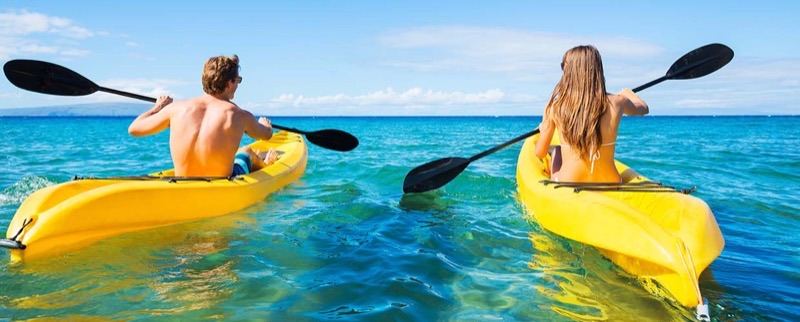
The Dominican Republic offers many postcard-ready beaches, particularly around Punta Cana, Bávaro, and the Samaná Peninsula. These are often associated with large all-inclusive resorts, providing direct access to clear, calm waters suitable for swimming, snorkeling, and paddleboarding. Playa Macao is a public option for surfing. Expect to pay around $40-60 USD for a basic snorkeling trip outside a resort. The appeal here is the ease of access and the consistent tropical climate, making it simple to find a spot to relax.
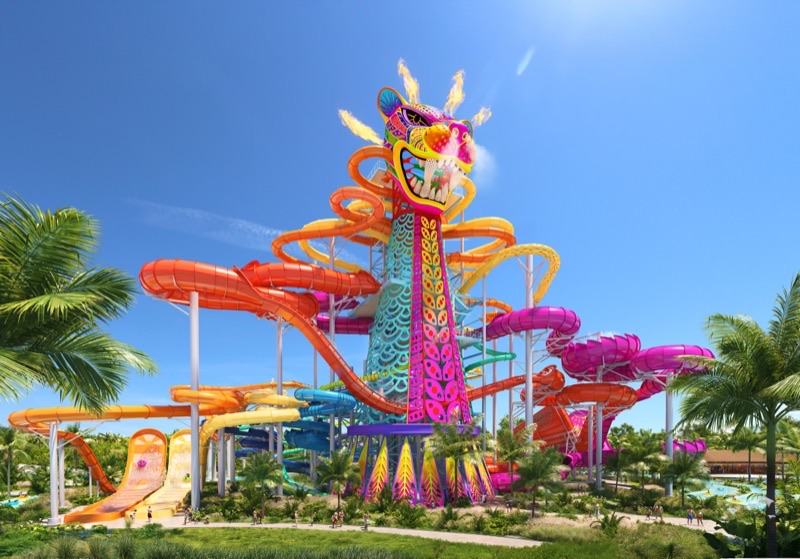
Mexico presents a far greater variety of aquatic experiences. On the Caribbean side, Quintana Roo boasts the white sands of Playa Delfines in Cancun, the bohemian feel of Tulum’s beaches, and the inland freshwater cenotes like Gran Cenote or Dos Ojos (entrance typically 350-500 MXN / $18-25 USD), which are unique for swimming and diving. The Pacific coast offers surfing at Sayulita and Puerto Escondido, alongside whale watching opportunities near Baja California. The sheer range from tranquil lagoons to big surf and cave diving gives Mexico a clear advantage in aquatic adventure. Tabiji verdict: Mexico provides a more varied and engaging set of water activities for all traveler types.
- Winner: Mexico
- Why: Mexico offers greater diversity in its aquatic environments, from cenotes to both Caribbean and Pacific coastlines, providing more options than the DR's primarily resort-focused beaches.
- Who this matters for: Travelers who want more than just a resort beach, including surfers, divers, and those interested in freshwater swimming holes.
🍽️ Food & Drink
Dominican Republic's cuisine is built on staples like rice, beans, plantains, and various meats. Standout dishes include mofongo (fried plantains mashed with garlic and pork…
Dominican Republic
Mexico
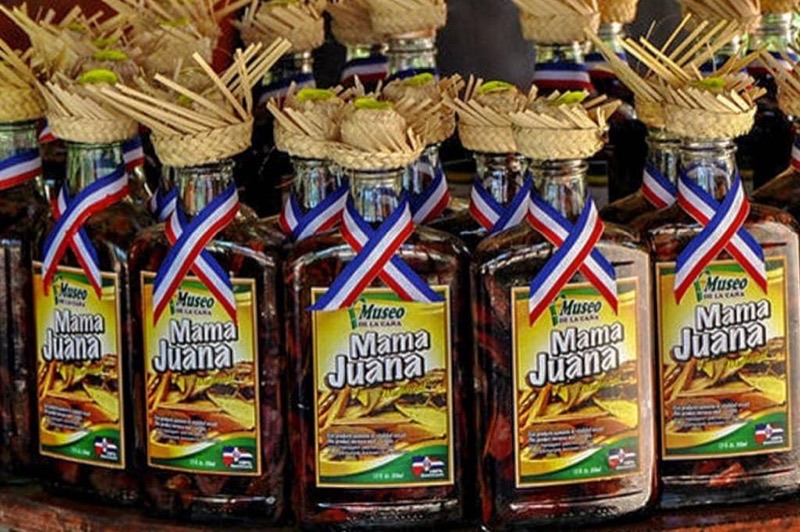
Dominican Republic's cuisine is built on staples like rice, beans, plantains, and various meats. Standout dishes include mofongo (fried plantains mashed with garlic and pork cracklings), sancocho (a seven-meat stew), and fresh seafood, especially near coastal areas. A typical meal at a local 'colmado' or 'comedore' might cost 300-500 DOP ($5-8 USD), while a dinner at a mid-range restaurant in Santo Domingo can be 800-1500 DOP ($14-25 USD). The flavors are robust and satisfying, but the range is narrower compared to Mexico.
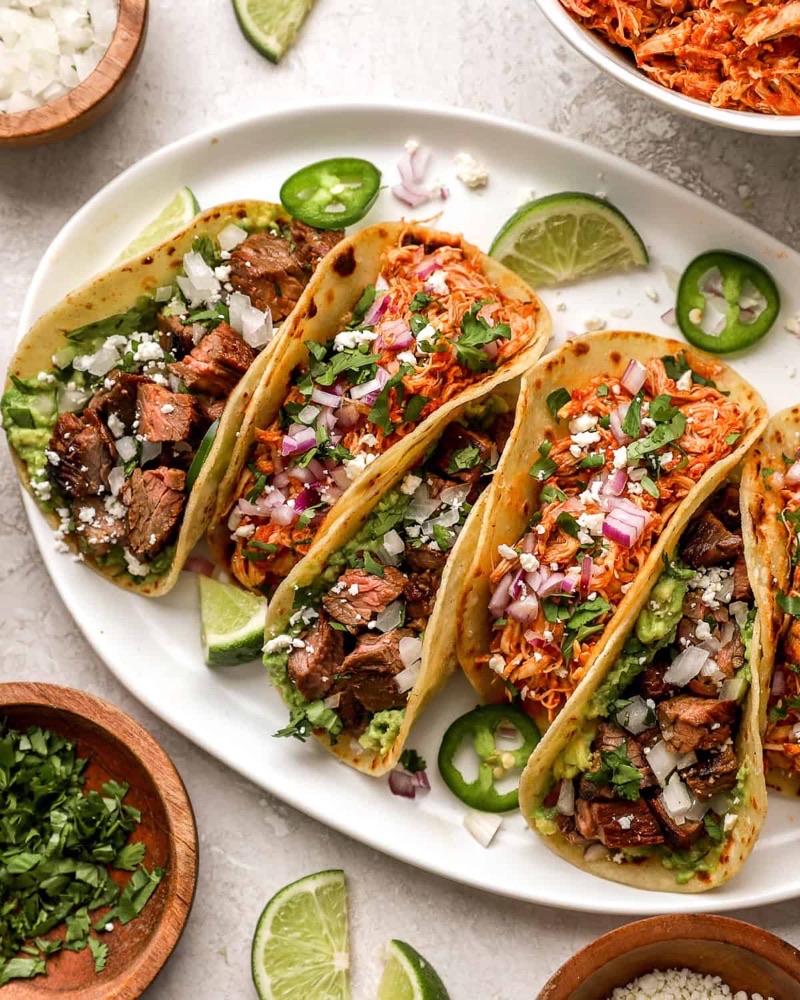
Mexico’s culinary landscape is expansive and complex, from the street food of Mexico City to the mole sauces of Oaxaca and the cochinita pibil of Yucatán. You can find everything from $1-2 USD tacos at a street stand to Michelin-starred dining. Explore Mercado de San Juan in CDMX for exotic meats or enjoy a fine dining experience at Pujol. Oaxaca offers cooking classes focusing on regional moles. A casual meal is often 80-150 MXN ($4-8 USD), while a good sit-down dinner could be 300-700 MXN ($15-35 USD). The regional variations, ingredient diversity, and historical depth of Mexican food are unparalleled in the region. Tabiji verdict: Mexico is a culinary powerhouse with an unmatched variety of flavors and experiences.
- Winner: Mexico
- Why: Mexico's food scene is vastly more diverse, deeply historical, and globally celebrated, offering an incredible range of street food, regional specialties, and fine dining.
- Who this matters for: Foodies, adventurous eaters, and travelers who consider cuisine a central part of their travel experience.
🏛️ Culture & History
The Dominican Republic holds historical significance as the site of the first permanent European settlement in the Americas, Santo Domingo. Its Colonial Zone, a UNESCO site,…
Dominican Republic
Mexico
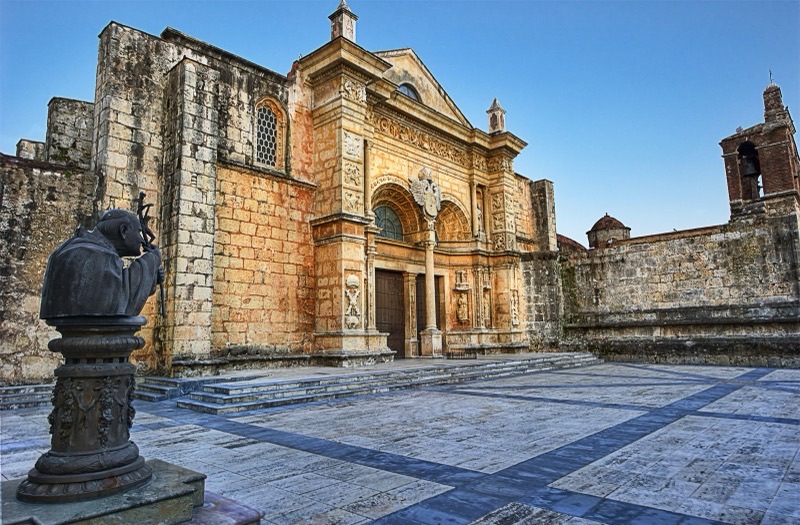
The Dominican Republic holds historical significance as the site of the first permanent European settlement in the Americas, Santo Domingo. Its Colonial Zone, a UNESCO site, features structures like the Alcázar de Colón and the Catedral Primada de América. Beyond that, the country's cultural expression is strongly tied to music and dance, particularly merengue and bachata, which you can experience at local dance halls or 'colmados'. Taino heritage is present but less overtly visible than pre-Columbian cultures in Mexico. Entry to historical sites is typically 100-300 DOP ($2-5 USD).
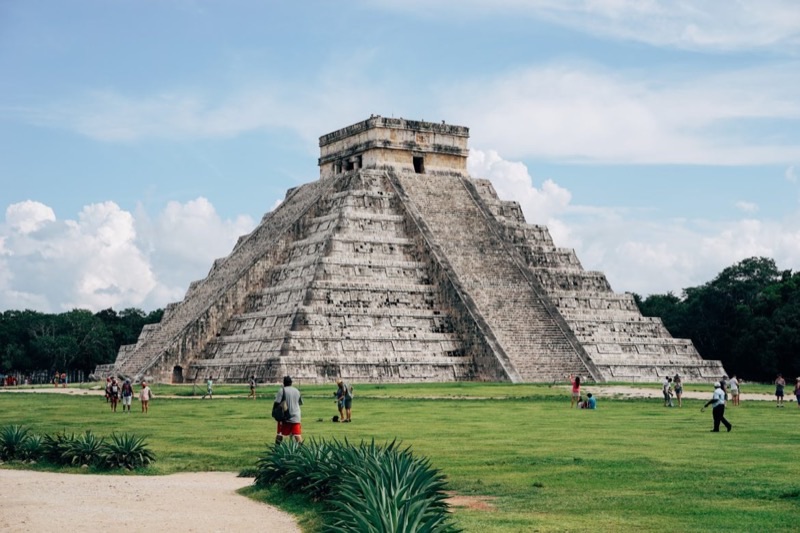
Mexico’s cultural and historical depth is immense and multi-layered. From the ancient pyramids of Chichen Itza (entrance ~600 MXN / $30 USD) and Teotihuacan, to the grand colonial architecture of Mexico City, Oaxaca, and San Miguel de Allende, the country offers centuries of history. Indigenous cultures remain a strong, visible force, especially in Oaxaca and Chiapas, reflected in their textiles, crafts, and languages. Major museums like the Museo Nacional de Antropología in Mexico City (entrance ~90 MXN / $4.50 USD) house extensive collections. The sheer scale and preservation of pre-Columbian and colonial history, combined with strong contemporary artistic and indigenous expressions, make Mexico an undisputed leader in cultural immersion. Tabiji verdict: Mexico provides a far richer and more varied cultural and historical experience across multiple eras.
- Winner: Mexico
- Why: Mexico's extensive ancient civilizations (Mayan, Aztec), preserved colonial cities, and strong indigenous cultures offer a deeper and more varied historical and cultural exploration.
- Who this matters for: History buffs, anthropologists, art enthusiasts, and travelers seeking profound cultural immersion beyond European colonial influences.
🌃 Nightlife
In the Dominican Republic, nightlife often revolves around merengue and bachata clubs, especially in Santo Domingo, where places like El Sartén or Jet Set Club host live music and…

Dominican Republic
Mexico
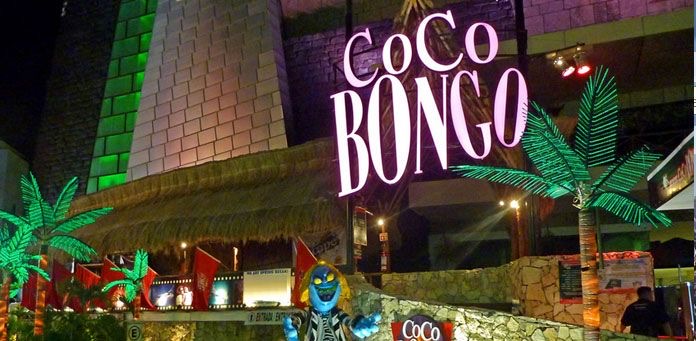
In the Dominican Republic, nightlife often revolves around merengue and bachata clubs, especially in Santo Domingo, where places like El Sartén or Jet Set Club host live music and dancing. In resort areas like Punta Cana, the entertainment is typically within the resort complexes or at large tourist-focused venues like Coco Bongo (tickets around $70-90 USD, includes open bar). Beyond these, local 'colmados' serve as informal community gathering spots for drinks and music. It’s generally a relaxed scene focused on Latin music and dancing.
Mexico offers a broader and more sophisticated nightlife. Mexico City has a vast array of bars, speakeasies, and nightclubs in neighborhoods like Roma Norte and Condesa. Cancun and Playa del Carmen are famous for their large-scale clubs (Coco Bongo and Mandala Beach Club in Cancun) with entrance fees around $70-100 USD including drinks. Smaller towns have lively central squares where mariachi bands play. Oaxaca has mezcal bars, and Puerto Escondido offers beach parties. The diversity from high-energy super-clubs to intimate mezcalerías and traditional music performances gives Mexico a significant edge. Tabiji verdict: Mexico offers a more diverse and extensive nightlife catering to a wider range of preferences.
- Winner: Mexico
- Why: Mexico has a wider range of nightlife options, from major city clubs and speakeasies to beach parties and traditional mariachi performances.
- Who this matters for: Partygoers, live music enthusiasts, and those looking for varied evening entertainment beyond a resort setting.
💰 Costs & Budget
For a budget traveler in the Dominican Republic, excluding all-inclusive resorts, expect to spend $50-80 USD per day for hostels, local food, and public transport. Mid-range…
Dominican Republic
Mexico
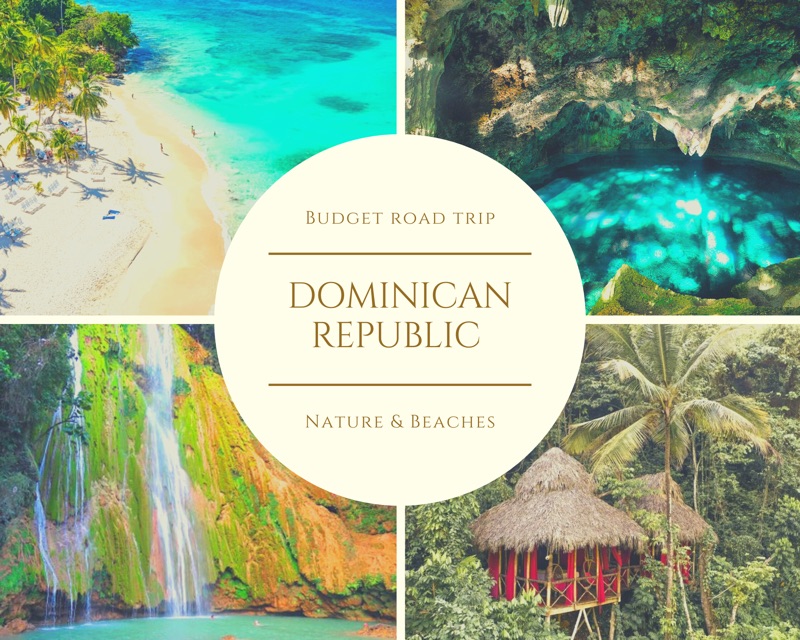
For a budget traveler in the Dominican Republic, excluding all-inclusive resorts, expect to spend $50-80 USD per day for hostels, local food, and public transport. Mid-range travelers might budget $100-150 USD per day for boutique hotels, nicer meals, and a few tours. All-inclusive resorts in Punta Cana can range from $150-300+ USD per person per night. A local bus (guagua) ride is about 30-50 DOP ($0.50-0.90 USD), and a basic hotel room in a city like Santo Domingo can be found for 2000-3500 DOP ($35-60 USD).
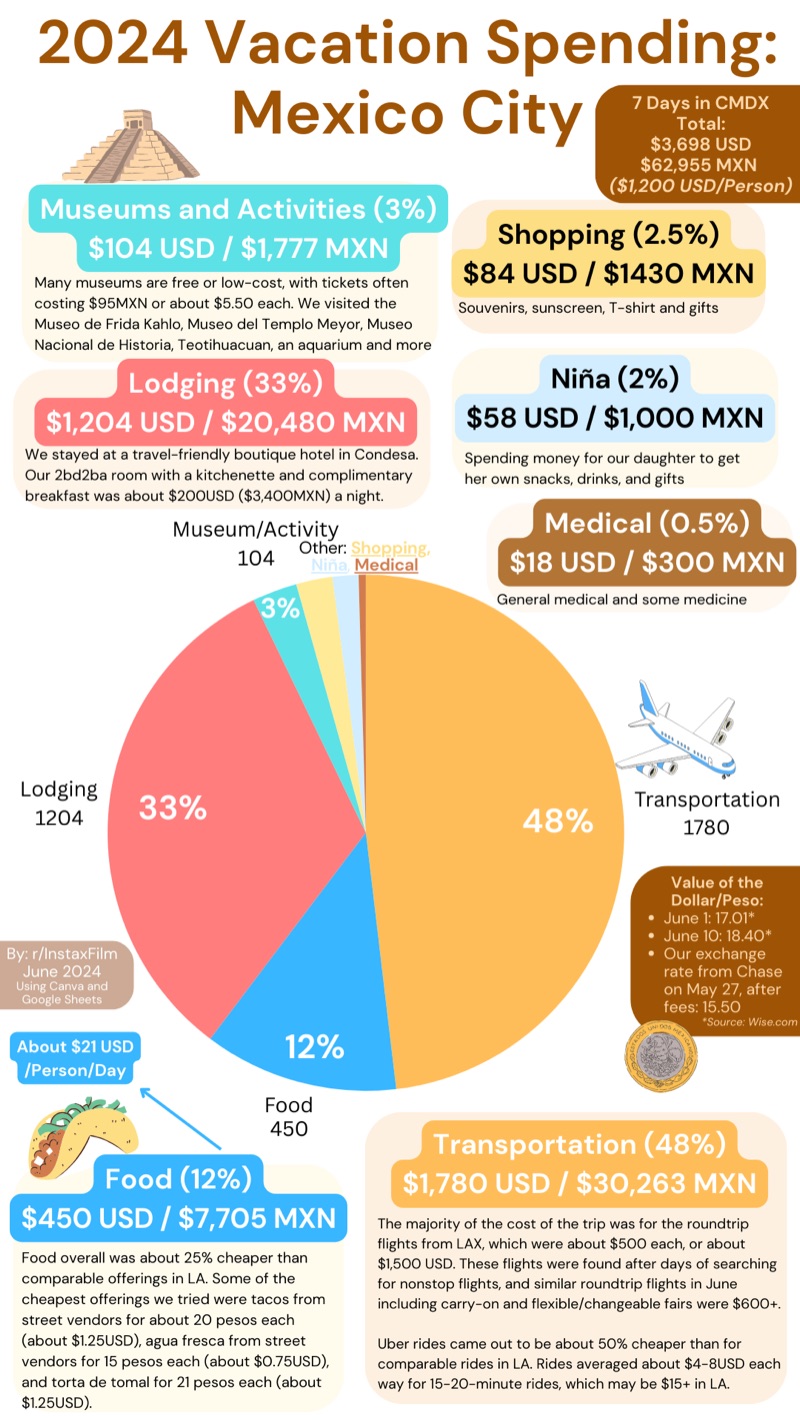
Mexico's costs are highly regional. In Oaxaca or Mexico City, a budget traveler can manage on $40-70 USD per day, staying in hostels (200-400 MXN / $10-20 USD), eating street food, and using public transport (5-10 MXN / $0.25-0.50 USD subway ride). Mid-range travelers in these cities might spend $80-150 USD daily. However, resort areas like Cancun or Tulum can easily push daily costs to $150-300+ USD for similar-level accommodation and activities. Overall, Mexico offers more extreme ends of the budget spectrum, with some areas being cheaper than DR and others significantly more expensive. Tabiji verdict: Both destinations offer good value if you avoid prime tourist traps, making them comparable for budget-conscious independent travel.
- Winner: Tie
- Why: Both countries offer competitive pricing for budget and mid-range travelers, though Mexico has more extreme ends of the cost spectrum.
- Who this matters for: Budget-conscious travelers and those looking for value; the choice depends on the specific region and travel style.
✈️ Getting There & Around
Flights to the Dominican Republic are straightforward from major North American and European cities. Direct flights from New York to Punta Cana (PUJ) are typically 3.5-4 hours,…
Flights to the Dominican Republic are straightforward from major North American and European cities. Direct flights from New York to Punta Cana (PUJ) are typically 3.5-4 hours, costing $300-500 USD round trip. From Miami, it's about 2 hours, often $200-350 USD. Internal travel relies on long-distance buses (e.g., Caribe Tours or Metro Bus between Santo Domingo and Santiago, costing 400-600 DOP / $7-10 USD) or taxis. Ride-sharing apps like Uber are available in cities like Santo Domingo. Renting a car is possible but not always recommended due to local driving styles.
Mexico has a far more developed and extensive transportation infrastructure. Major international airports like Mexico City (MEX) and Cancun (CUN) have frequent direct flights from across the globe. Flights from Los Angeles to Mexico City are around 4.5-5 hours, typically $350-600 USD round trip. From Houston to Cancun, it's 2 hours, $200-400 USD. The country boasts an excellent and affordable long-distance bus system (ADO is a prime example, with tickets from Mexico City to Oaxaca around 600-800 MXN / $30-40 USD). Ride-sharing is prevalent in major cities, and 'collectivos' offer cheap local transport. For independent exploration, Mexico’s transport networks are superior. Tabiji verdict: Mexico’s comprehensive and efficient transportation network makes internal travel much simpler and more accessible.
- Winner: Mexico
- Why: Mexico's extensive flight connections to diverse regions and its well-developed, affordable internal bus system provide superior ease of access and movement.
- Who this matters for: Independent travelers, those planning multi-city itineraries, and travelers preferring public transportation.
🏨 Accommodation
The Dominican Republic is well-known for its large all-inclusive resorts, particularly in Punta Cana. These offer a complete package with food, drinks, and entertainment, making…
The Dominican Republic is well-known for its large all-inclusive resorts, particularly in Punta Cana. These offer a complete package with food, drinks, and entertainment, making them a popular choice for families and couples seeking convenience. Brands like Hard Rock Hotel Punta Cana or Secrets Cap Cana are common, with prices starting from $250-400+ USD per night. Outside the resort zones, in cities like Santo Domingo or Puerto Plata, you can find more budget-friendly guesthouses and small hotels for 2500-4500 DOP ($45-80 USD) or hostels for 1000-1500 DOP ($18-27 USD) per night. The variety leans heavily towards resorts in prime tourist areas.
Mexico’s accommodation spectrum is far broader. You can find everything from high-end luxury resorts in Los Cabos or the Riviera Maya (e.g., Rosewood Mayakoba, $800+ USD/night) to charming boutique hotels in colonial cities (e.g., Hotel Carlota in Mexico City, $150-250 USD/night). Hostels are abundant in most tourist and city areas, costing 250-500 MXN ($12-25 USD) per night. Mexico also has a strong presence of unique Airbnbs, eco-lodges in places like Bacalar, and traditional 'haciendas'. This diversity allows travelers to find accommodation that precisely matches their style and budget, regardless of the region. Tabiji verdict: Mexico offers a significantly more varied and adaptable range of accommodation choices for all travel styles and budgets.
- Winner: Mexico
- Why: Mexico provides a much wider and more diverse selection of accommodation types, from luxury resorts to unique boutique hotels and eco-lodges, catering to all traveler preferences.
- Who this matters for: Travelers who seek specific lodging experiences beyond standard resorts, including boutique hotels, hostels, or unique local stays.
🗺️ Day Trips & Excursions
Day trips from Dominican Republic's resort areas often include visits to Saona Island or Catalina Island for beach relaxation and snorkeling (around $70-100 USD per person). From…
Day trips from Dominican Republic's resort areas often include visits to Saona Island or Catalina Island for beach relaxation and snorkeling (around $70-100 USD per person). From Santo Domingo, exploring the Colonial Zone is a common activity. Other excursions might involve a trip to El Limón waterfall in Samaná or ziplining adventures in areas like La Romana (typically $60-90 USD). The focus is generally on natural attractions, beaches, or light adventure, with fewer options for deep historical or cultural site exploration beyond Santo Domingo.
Mexico excels in day trip potential due to its vast geographical and cultural diversity. From Cancun, you can visit Mayan ruins like Chichen Itza or Tulum, explore multiple cenotes, or wander through the colonial city of Valladolid. From Mexico City, day trips to the Teotihuacan pyramids, the 'Pueblo Mágico' of Cholula with its pyramid under a church, or the floating gardens of Xochimilco are popular. Oaxaca offers tours to Hierve el Agua or the ancient Zapotec ruins of Monte Albán (entrance ~85 MXN / $4.25 USD). The range of ancient sites, unique geological features, and charming towns provides a far richer selection of excursions. Tabiji verdict: Mexico offers an unparalleled variety of historically, culturally, and naturally significant day trips.
- Winner: Mexico
- Why: Mexico's abundance of ancient ruins, diverse natural wonders (cenotes, unique rock formations), and charming colonial towns offers a much richer array of day trips.
- Who this matters for: Travelers who enjoy exploring historical sites, natural wonders, and cultural towns on day excursions.
🚨 Safety & Security
The Dominican Republic is generally safe for tourists, especially within established resort areas and popular tourist zones like the Colonial Zone in Santo Domingo. Petty crime,…
The Dominican Republic is generally safe for tourists, especially within established resort areas and popular tourist zones like the Colonial Zone in Santo Domingo. Petty crime, such as pickpocketing and bag snatching, occurs in crowded areas and on public transport, particularly in larger cities. It is advisable to avoid walking alone at night in less-trafficked areas and to use reputable taxis or ride-share services. Major incidents targeting tourists are uncommon, but basic precautions like keeping valuables out of sight and being aware of surroundings are always recommended. The country's safety profile is fairly consistent across its main tourist destinations.
Mexico’s safety situation is more complex and varies greatly by state and city. Tourist areas like Cancun, Playa del Carmen, and Los Cabos generally have a strong police presence and are considered safe for visitors, though petty crime can still occur. However, certain regions, particularly those near borders or with cartel activity, carry higher travel advisories. Major cities like Mexico City have areas that are very safe for tourists (e.g., Roma Norte, Condesa) but also areas where caution is needed. While millions visit Mexico without incident, the overall perceived risk and the documented higher crime rates in certain non-tourist regions make it a more variable destination for safety. Tabiji verdict: The Dominican Republic offers a more consistent and generally lower-risk environment for tourists, especially outside specific isolated regions.
- Winner: Dominican Republic
- Why: The Dominican Republic presents a more consistent and generally lower-risk environment for tourists, with safety concerns primarily limited to petty crime in specific urban areas.
- Who this matters for: Solo travelers, families with young children, and those who prioritize a low-stress travel environment.
⛰️ Nature & Outdoors
The Dominican Republic offers compelling natural beauty, primarily focused on its Caribbean landscapes. This includes the lush rainforests of the Cordillera Central, home to Pico…
The Dominican Republic offers compelling natural beauty, primarily focused on its Caribbean landscapes. This includes the lush rainforests of the Cordillera Central, home to Pico Duarte, the Caribbean’s highest peak (requiring a multi-day hike). Waterfalls like Salto El Limón are popular for horseback riding and swimming. The Samaná Peninsula is known for seasonal humpback whale watching (January-March). Beyond the beaches, the country provides opportunities for ziplining, caving, and exploring national parks like Los Haitises, with its mangrove forests and Taino cave art. The natural appeal is strong but concentrates on tropical, verdant environments.
Mexico’s geographical diversity is immense, covering nearly every type of ecosystem. From the arid deserts of Baja California and the copper canyons in Chihuahua, to the snow-capped volcanoes outside Mexico City (e.g., Popocatépetl), the dense jungles of Chiapas, and the unique underwater cave systems of the Yucatán Peninsula (cenotes), the country is a naturalist’s dream. Biosphere reserves like Sian Ka’an near Tulum protect diverse marine and terrestrial life. Monarch butterfly sanctuaries in Michoacán (November-March) offer a unique natural spectacle. This incredible range of landscapes and biodiversity allows for a far greater variety of outdoor adventures and experiences. Tabiji verdict: Mexico’s unparalleled geographical and ecological diversity provides a far broader range of outdoor and nature-focused activities.
- Winner: Mexico
- Why: Mexico's vast geographical expanse includes deserts, mountains, volcanoes, multiple coastlines, and unique geological formations like cenotes, offering an unmatched variety of natural environments.
- Who this matters for: Adventure seekers, naturalists, hikers, and travelers who want to experience multiple distinct ecosystems within one country.
🎯 The Decision Framework
Choose Dominican Republic If…
- You want an all-inclusive resort experience with minimal planning.
- Your priority is straightforward beach relaxation on white sands.
- You are traveling with young children and prefer contained environments.
- You enjoy merengue and bachata music and dancing.
- You want to explore the first European city in the Americas (Santo Domingo).
- You seek a more consistent and generally lower-risk travel environment.
- You prefer direct, relatively short flights from the East Coast of the US.
- You are interested in whale watching during winter months in Samaná.
Choose Mexico If…
- You want to explore ancient Mayan and Aztec ruins.
- You prioritize diverse and celebrated culinary experiences, from street food to fine dining.
- You are interested in deep cultural immersion and indigenous traditions.
- You want a wide range of accommodation, from hostels to boutique hotels.
- You enjoy extensive public transportation networks for independent travel.
- You seek varied nightlife, from large clubs to intimate mezcal bars.
- You want to explore diverse natural landscapes, including deserts, mountains, and cenotes.
- You appreciate world-class museums and large, historic cities like Mexico City.
📅 Sample Itineraries
Weekend in Dominican Republic (3 Days)
💡 To save on local transport, use public 'carros públicos' or shared taxis, which cost around $1-2 per ride within cities, significantly less than private taxis.
Weekend in Mexico (3 Days)
💡 For day trips to Mayan ruins like Chichen Itza, book a tour that includes transportation and cenote stops. This often saves time and coordination compared to arranging separate transport and entries, usually for $60-90.
One Week in Dominican Republic (7 Days)
💡 When planning multi-city trips in the DR, use the inexpensive Caribe Tours or Expreso Bávaro bus services. A trip from Santo Domingo to Punta Cana costs about $10-15 and is reliable.
One Week in Mexico (7 Days)
💡 Utilize 'collectivos' (shared vans) for economical travel between towns like Playa del Carmen, Tulum, and Akumal in the Riviera Maya; they are significantly cheaper than taxis, costing $2-5 per ride.
❓ Frequently Asked Questions
Which destination is better for families with young children?
The Dominican Republic is often a simpler choice for families due to its strong focus on all-inclusive resorts, particularly in Punta Cana. These resorts offer kids' clubs, dedicated pools, and easy beach access, simplifying meal planning and activities. Mexico also has family-friendly resorts, but if you venture beyond them, the logistics for families can become more complex due to varied terrain and larger cities. DR offers a more contained and predictable family vacation model.
What are the typical flight times from the US to each country?
From major East Coast US cities (e.g., New York, Miami), direct flights to the Dominican Republic (Punta Cana, Santo Domingo) typically range from 2 to 4 hours. For Mexico, flights to Cancun (CUN) from the East Coast are also around 2-3 hours. Flights to Mexico City (MEX) from the West Coast (e.g., Los Angeles) are about 4.5-5 hours, while from the East Coast they are around 4 hours. Mexico’s vastness means flight times vary more depending on your specific destination within the country.
Can I easily travel independently in both countries, or are tours necessary?
You can travel independently in both countries. Mexico has a more robust and affordable long-distance bus system (like ADO) that connects most major cities and tourist sites, making independent travel very feasible. The Dominican Republic also has intercity buses (Caribe Tours, Metro Bus), but its network is less extensive, and private taxis or rental cars are more commonly used for specific routes or excursions. For remote areas in either country, tours might be more convenient, but they are rarely strictly necessary.
Which country offers better value for budget travelers?
Both countries offer good value for budget travelers, but Mexico often has a slight edge outside of its most popular resort zones. In cities like Oaxaca or Mexico City, you can find street food for $1-2 USD, hostel beds for $10-20 USD, and cheap public transport. The Dominican Republic's local eateries are also affordable (meals for $5-8 USD), and hostels are available for $18-27 USD, but a strong reliance on all-inclusive resorts in prime areas can make the average cost higher if you aren't seeking those local options.
Are there good options for adventure sports in either place?
Yes, both have adventure sports. The Dominican Republic offers ziplining, white-water rafting in Jarabacoa, and hiking Pico Duarte. Mexico, however, has a wider array due to its diverse geography: surfing in Puerto Escondido, diving in cenotes, mountain biking in various national parks, volcano trekking near Mexico City, and extensive rock climbing opportunities. Mexico generally provides more varied and extreme adventure sports options.
What's the best time to visit each country for good weather?
The best time to visit both the Dominican Republic and Mexico is generally during their dry seasons, from December to April. During these months, temperatures are pleasant, and humidity is lower, with minimal rainfall. Hurricane season runs from June to November for both, which can bring heavy rains and storms. Shoulder seasons (May, November) can offer good weather with fewer crowds and lower prices.
Which country has more historical sites to explore?
Mexico has a significantly larger and more diverse collection of historical sites. It features extensive pre-Columbian ruins from civilizations like the Maya (Chichen Itza, Palenque) and Aztecs (Teotihuacan, Tenochtitlan/Mexico City), alongside numerous well-preserved colonial cities. The Dominican Republic's primary historical draw is the Colonial Zone of Santo Domingo, the first European city in the Americas, with some Taino cave art, but its scope is much smaller than Mexico's.
Is it safe to drink tap water in either country?
In general, it is not recommended to drink tap water directly in either the Dominican Republic or Mexico. Travelers should stick to bottled water, which is widely available and inexpensive. Most hotels and resorts provide purified water, and many restaurants use purified water for cooking and drinks. Using bottled water for brushing teeth is also a good precaution.
Ready to plan your Caribbean or Mexico trip?
Get a free custom itinerary for Dominican Republic, Mexico, or both — built from real traveler insights.
👥 Travelers Also Compared
🎟️ Book Tours & Experiences
Hand-picked tours and activities for both destinations — book with free cancellation
Experiences via Viator — free cancellation on most tours