How we built this comparison
This page combines traveler discussion patterns, published price ranges, flight schedules, and seasonal data to help you decide between Douro Valley and Algarve.
- Reviewed 50+ Reddit threads from r/travel, r/Portugal, r/solotravel, and r/digitalnomad.
- Verified costs for accommodation, transport, and activities against current booking platforms (e.g., Booking.com, Kayak, local tour operators).
- Cross-referenced seasonal patterns, weather data, and major events to inform 'best time to visit' recommendations.
⚡ The TL;DR Verdict
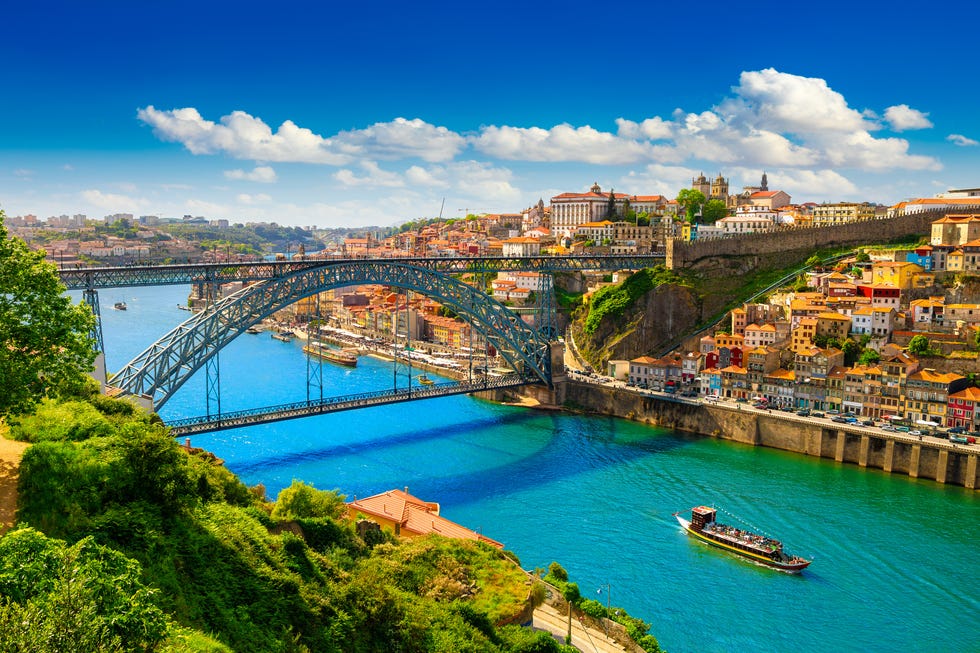
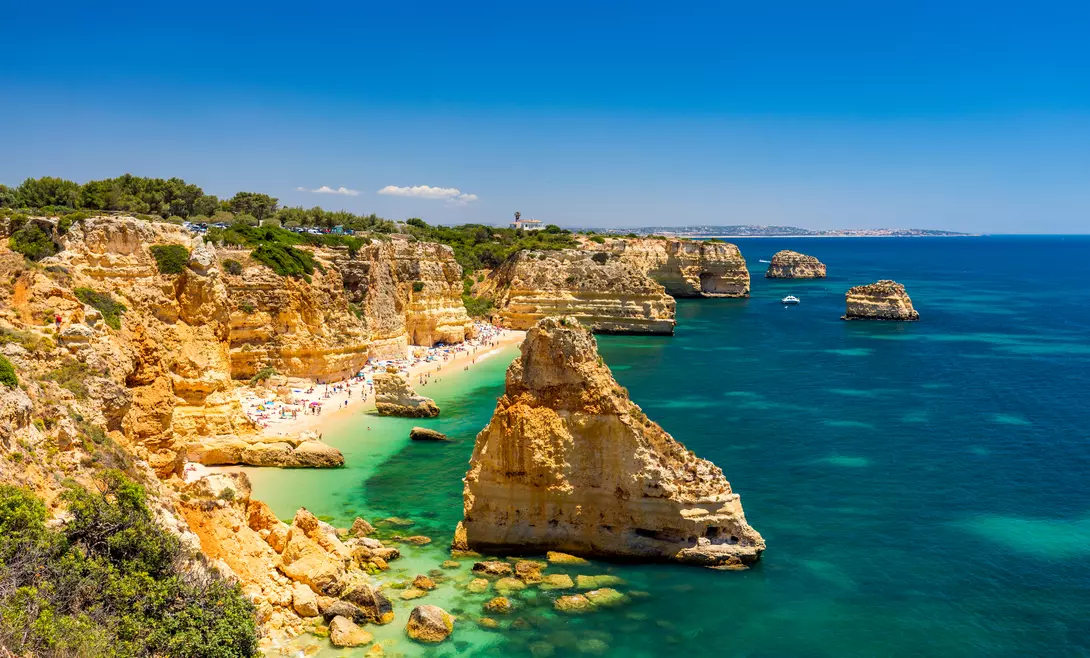
If your ideal trip involves rolling vineyards, world-class wine, and a deep dive into Portuguese culture, the Douro Valley is your winner, budget around €150-250 / $160-270 per day. For endless sunshine, stunning beaches, and a more resort-focused, lively vibe, the Algarve is calling, expect to spend €100-200 / $110-220 daily. Pick your poison!
- Choose Douro Valley: Choose Douro for an immersive, slower-paced cultural experience centered around wine, breathtaking river landscapes, and gourmet food. Ideal for couples, foodies, and those seeking relaxation and natural beauty away from the crowds.
- Choose Algarve: Opt for the Algarve if your priorities are pristine beaches, water sports, vibrant nightlife, and a wider range of family-friendly activities. Perfect for beach lovers, groups, and families looking for a classic sun-and-sea holiday.
- Choose Both: If you have 10+ days, combine both! Start with 3-4 days in Douro (fly into Porto) for culture and wine, then take a flight or train to Faro for 5-7 days of Algarve beaches. It’s a fantastic way to experience Portugal's diverse offerings.
Quick Comparison
| Category | Douro Valley | Algarve | Winner |
|---|---|---|---|
| Wine & Gastronomy | World-renowned Port wine, traditional Portuguese cuisine, vineyard tours, Michelin-starred restaurants. | Fresh seafood, Mediterranean flavors, vibrant markets, fewer fine-dining options than Douro. | Douro Valley |
| Beaches & Coastline | No beaches, but stunning river views and boat trips along the Douro River. | Golden sands, dramatic cliffs, sea caves, and clear turquoise waters. | Algarve |
| Culture & History | Ancient wine-making traditions, UNESCO World Heritage landscape, charming historic villages, close to Porto. | Moorish influences, fishing village heritage, historic Faro, less emphasis on ancient history than Douro. | Douro Valley |
| Costs & Budget | Mid-range to expensive accommodation (Quintas), food and wine can be good value, car rental essential. | Wide range of accommodation, cheap eats available, but tourist traps can inflate prices, public transport limited. | Douro Valley |
| Getting Around | Car rental highly recommended; train links exist but are slower and less flexible. | Car rental ideal for exploring; limited but functional bus network, taxis/Ubers available in main towns. | Algarve |
| Accommodation | Stunning Quintas (wine estates), charming guesthouses, boutique hotels with river views. | Wide range from luxury resorts, self-catering apartments, budget hostels, to villas. | Douro Valley |
| Nature & Scenery | Dramatic terraced vineyards, winding river, verdant valleys, lush hillsides. | Stunning coastal cliffs, sea caves, golden beaches, natural parks, arid interior. | Douro Valley |
| Nightlife & Entertainment | Quiet evenings, fine dining, wine tastings, stargazing, cultural events in larger towns. | Vibrant bars, nightclubs, beach parties, live music, family-friendly entertainment. | Algarve |
| Day Trips & Excursions | Easy access to Porto, Guimarães, Braga; boat tours on the Douro River; scenic drives. | Boat trips to caves, Sagres, Tavira, Silves Castle; various water parks and theme parks. | Douro Valley |
| Weather & Seasons | Hot summers, cold winters, beautiful shoulder seasons (spring/autumn) for harvest. | Mild winters, hot and dry summers, extended beach season, year-round sunshine. | Algarve |
🍷 Wine & Gastronomy
The Douro Valley is the undisputed king for wine and gastronomy, especially if you're a Port wine enthusiast. You can spend days hopping between Quintas like Quinta do Crasto or Quinta do Vallado, enjoying tastings for €15-€30 ($16-$32) and vineyard tours. The region's food is hearty and traditional, featuring dishes like 'arroz de cabidela' (rice with chicken blood) or 'bacalhau à Gomes de Sá' (codfish), often enjoyed with excellent local table wines. Many Quintas offer incredible farm-to-table dining experiences, with multi-course meals costing €60-€100 ($65-$110) per person. In contrast, the Algarve excels in fresh seafood – think grilled sardines, 'cataplana' (seafood stew), and vibrant fish markets in Olhão. While delicious, the culinary scene isn't as focused on high-end, traditional Portuguese dining as the Douro. "Honestly, nothing beats sipping a glass of Port overlooking the Douro River after a fantastic meal at a Quinta, it’s just pure magic." The Douro experience feels more curated and deeply rooted in its produce.
Winner takeaway
- Winner: Douro Valley
- Why: The Douro Valley offers an unparalleled, authentic wine and culinary journey, deeply integrated with its landscape and heritage.
- Who this matters for: Wine lovers, foodies, and those seeking an authentic, high-quality gastronomic experience.
🏖️ Beaches & Coastline
When it comes to beaches, the Algarve is in a league of its own. Imagine postcard-perfect Praia da Marinha, the iconic caves of Benagil accessible by boat tour (€25-€40 / $27-$43), or the dramatic cliffs of Ponta da Piedade near Lagos. The region boasts hundreds of kilometers of diverse coastline, from quiet coves to bustling resort beaches like Praia da Rocha in Portimão. Water sports are abundant, including surfing lessons (€50 / $55), paddleboarding, and kayaking. The water is generally warmer and calmer than the Atlantic coast further north, making it ideal for swimming and family fun. The Douro Valley, by contrast, is an inland region defined by its river. While beautiful, your 'beach' experience here would be a dip in a hotel pool overlooking the vineyards or a scenic 'Rabelo' boat cruise along the Douro, which is a different kind of aquatic pleasure entirely. "For actual beach days, sand between your toes, and amazing cliff walks, Algarve wins hands down, no contest."
Winner takeaway
- Winner: Algarve
- Why: The Algarve's vast and varied coastline offers world-class beaches, dramatic cliffs, and abundant water activities that the Douro simply cannot match.
- Who this matters for: Beach lovers, sun-seekers, families, and anyone looking for water-based activities.
🏛️ Culture & History
The Douro Valley is steeped in centuries of winemaking history, its terraced vineyards designated a UNESCO World Heritage site since 2001. The culture here is tangible, from the traditional 'Rabelo' boats that once transported Port wine barrels to the historic Quintas (wine estates), some dating back to the 17th century. Exploring towns like Lamego with its Sanctuary of Nossa Senhora dos Remédios, or Peso da Régua with its Douro Museum, offers deep insights into rural Portuguese life and traditions. Plus, you're a short drive or train ride from Porto, another UNESCO site, making incredible day trips easy. The Algarve has its own distinct culture, particularly evident in places like Faro's Old Town or the Moorish-influenced Silves Castle (€2.80 / $3), but it's often overshadowed by the resort-centric tourism. It feels more like a collection of pretty fishing villages turned tourist hubs, rather than a living, breathing historical landscape. "If you want to feel like you're stepping back in time and really understand Portugal's soul, Douro is it. Algarve is more about modern leisure."
Winner takeaway
- Winner: Douro Valley
- Why: The Douro Valley offers a richer, more immersive historical and cultural experience, particularly with its UNESCO-recognized landscape and winemaking heritage.
- Who this matters for: History buffs, culture seekers, and travelers interested in traditional industries and landscapes.
💰 Costs & Budget
This one is tricky, but I'll give a slight edge to Douro for value *if you plan right*. While luxury Quintas can be pricey (€200-€500 / $220-$550 per night), charming guesthouses in smaller towns like Pinhão or Régua offer rooms for €80-€150 ($87-$163). Meals at local restaurants are often excellent value, with a two-course meal and wine for €20-€30 ($22-$33). The main expense is often a rental car (€30-€50 / $33-$55 per day) and activities like boat tours or tastings. The Algarve, while offering budget hostels (€30-€50 / $33-$55) and apartments, can quickly add up. Tourist hotspots like Albufeira or Lagos have inflated prices for food and drinks, especially near the beach. A decent meal can easily be €25-€40 ($27-$43), and activities like boat trips are similarly priced. "I actually found Douro more budget-friendly for a truly unique experience. In Algarve, you can spend a lot trying to avoid the tourist trap prices for things that aren't even that special." For a similar 'quality' of experience, Douro often feels like a better spend.
Winner takeaway
- Winner: Douro Valley
- Why: While both can be expensive, the Douro offers higher perceived value for its unique, authentic experiences, especially for food and wine, when compared to the Algarve's common tourist markups.
- Who this matters for: Travelers seeking unique experiences without excessive resort-town premiums, willing to spend on quality over quantity.
🚗 Getting Around
Getting around in both regions usually necessitates a car, but the Algarve wins due to better road infrastructure and slightly more forgiving distances. Flying into Faro Airport (FAO) gives you immediate access to rental car agencies, and the A22 motorway connects most major towns efficiently. Distances between popular spots like Lagos, Albufeira, and Tavira are manageable, typically 30-60 minute drives. Public buses exist (EVA Transportes) but are infrequent and often don't reach smaller beaches or attractions. Taxis and ride-sharing apps (Uber, Bolt) are readily available in larger towns. In the Douro, a car is almost essential for truly exploring the Quintas and viewpoints, as public transport is very limited outside of the scenic Linha do Douro train (Porto to Pocinho, ~€15 / $16 one-way) which is great for views but not for flexibility. The roads are winding and steep, which can be challenging for some drivers. "Driving in Douro is gorgeous but intense; in Algarve, it's just easy cruising between beaches. Definitely prefer driving there."
Winner takeaway
- Winner: Algarve
- Why: The Algarve offers a more straightforward and slightly less challenging driving experience, with better road infrastructure and more reliable public transport options (though still limited).
- Who this matters for: Drivers who prefer easier navigation, and those who might rely on a mix of transport options, including ride-sharing.
🛌 Accommodation
While the Algarve offers sheer *volume* and *variety* in accommodation, the Douro Valley wins for its unique, immersive, and often luxurious options that are intrinsically tied to the region's identity. Staying at a Quinta, like The Vintage House in Pinhão or Quinta Nova de Nossa Senhora do Carmo, isn't just a place to sleep; it's an experience with vineyard tours, tastings, and often gourmet dining on-site. These experiences typically start from €180-€250 ($195-$270) per night, but smaller guesthouses can be found for less. The charm, history, and often breathtaking river views are unparalleled. The Algarve, conversely, is dominated by larger resorts (e.g., Pine Cliffs Resort, starting €300 / $325 in peak), sprawling apartment complexes, and numerous hostels. While there are beautiful boutique hotels and villas, the overall feel is often more commercial and less distinctly 'Portuguese' compared to the Douro. "Staying at a Quinta in Douro was the highlight of our trip. It felt so authentic and special, like nowhere else we’ve ever been. Algarve hotels are fine, but generic." For unique, memorable stays, Douro takes the cake.
Winner takeaway
- Winner: Douro Valley
- Why: The Douro Valley offers truly unique and authentic accommodation experiences, particularly its historic Quintas, which are an integral part of the region's charm.
- Who this matters for: Travelers seeking unique, experiential, and luxury accommodations deeply connected to the local culture.
🏞️ Nature & Scenery
The Douro Valley's scenery is nothing short of majestic, a testament to human ingenuity harmonizing with nature. The endlessly terraced vineyards, carved into steep hillsides, plunge dramatically into the Douro River, creating a landscape that feels both ancient and alive. Whether you're cruising the river, hiking through vineyards, or simply gazing from a viewpoint like Miradouro de São Gabriel, the vistas are consistently breathtaking. The colors shift with the seasons, from vibrant greens in spring to golden hues in autumn. The Algarve's natural beauty is equally stunning but distinctly different, focusing on its iconic coastline: the golden cliffs of Praia da Marinha, the intricate sea caves of Benagil, and the wild, windswept Sagres peninsula. While beautiful, the inland areas can be quite arid and less visually captivating than the Douro's verdant expanse. "The Douro just hits different. Every turn in the road is a new, epic panorama. Algarve is beautiful, but it’s mostly coastal. Douro is just *more* everywhere you look." For sheer dramatic, expansive natural beauty that feels unique to the region, Douro is the winner.
Winner takeaway
- Winner: Douro Valley
- Why: The Douro Valley offers a more unique, expansive, and breathtaking landscape of terraced vineyards and a majestic river, a UNESCO-recognized marvel.
- Who this matters for: Nature photographers, hikers, and travelers who appreciate dramatic, man-made and natural landscapes.
🕺 Nightlife & Entertainment
If you're looking to party, the Algarve is your destination. Towns like Albufeira are famous (or infamous, depending on your taste) for their 'Strip' filled with bars, nightclubs, and live music venues that go until the early hours. Lagos also offers a lively bar scene, particularly popular with younger travelers and backpackers. During summer, beach clubs and open-air parties are common. You can easily spend €30-€50 ($33-$55) on a night out for drinks and cover charges. The Douro Valley, by contrast, is a serene escape. Nightlife primarily revolves around quiet dinners at Quintas, stargazing from your balcony, or perhaps a glass of Port by the fireplace. While larger towns like Peso da Régua or Lamego might have a few local tascas (taverns) or a small pub, it's certainly not a party destination. "After a full day of wine tasting, I just wanted a quiet dinner and good conversation. The Douro is perfect for that. Algarve is where you go to let loose." The vibe in the Douro is about relaxation and appreciating the tranquility; the Algarve is for those who want to dance.
Winner takeaway
- Winner: Algarve
- Why: The Algarve offers a significantly more vibrant and diverse nightlife scene, with options ranging from lively bars to nightclubs and beach parties.
- Who this matters for: Younger travelers, groups, and anyone seeking a lively evening atmosphere and party scene.
🗺️ Day Trips & Excursions
The Douro Valley wins for day trips due to its proximity to two of Portugal's most significant cities. From a base in the Douro, you can easily visit Porto (1-1.5 hours drive/train), a vibrant city with a stunning Ribeira district and Port wine cellars. Guimarães (a UNESCO site, ~1.5 hours drive), Portugal's birthplace, and Braga, with its impressive Bom Jesus do Monte sanctuary, are also within easy reach. The Douro itself offers fantastic river cruises, from short one-hour trips (€12-€20 / $13-$22) to full-day excursions. The Algarve's day trip options are more localized: boat trips to the Benagil Caves (€25-€40 / $27-$43), visits to the historic town of Tavira, or the rugged cliffs of Sagres. While these are great, they don't quite offer the same diverse cultural and historical depth as exploring cities like Porto or Guimarães. Plus, the Algarve has water parks like Aqualand (€29 / $32 entry), which are fun but not cultural excursions. "Being able to pop over to Porto for a day from the Douro was epic. So much history and great food. Algarve day trips felt more like changing beaches or seeing another cave, which is cool, but different." The variety and significance of the Douro's nearby attractions give it the edge.
Winner takeaway
- Winner: Douro Valley
- Why: The Douro Valley offers access to more historically and culturally significant day trip destinations, including major cities and UNESCO sites like Porto and Guimarães.
- Who this matters for: Culture-focused travelers, history enthusiasts, and those who enjoy exploring diverse urban and historical landscapes.
☀️ Weather & Seasons
The Algarve is famous for its almost year-round sunshine and mild climate, making it the clear winner for consistent good weather. Summers (June-August) are hot and dry, with temperatures often exceeding 30°C (86°F), perfect for beach days. The shoulder seasons (April-May, September-October) are also fantastic, with warm temperatures (20-25°C / 68-77°F) and fewer crowds, extending the beach season significantly. Even winters are mild, rarely dropping below 10°C (50°F), making it a popular destination for winter sun-seekers. The Douro Valley has a more continental climate: summers are intensely hot, often reaching 35-40°C (95-104°F), which can be uncomfortable for extensive outdoor exploration beyond river activities. Winters are colder, with temperatures dropping to near freezing and fog being common. The sweet spot for the Douro is spring (April-May) when everything is green and blooming, or autumn (September-October) for the grape harvest, which is a magical time but requires booking far in advance. "If you want sun and warmth practically guaranteed, any time of year, it's Algarve. Douro is amazing but you really need to pick your season carefully to avoid extremes."
Winner takeaway
- Winner: Algarve
- Why: The Algarve boasts a more consistent, longer period of pleasant weather, with mild winters and hot summers, making it suitable for year-round tourism and an extended beach season.
- Who this matters for: Sun-seekers, those planning trips outside of peak summer, and travelers sensitive to extreme temperatures.
❓ Frequently Asked Questions
Which destination is better for families with young children?
The Algarve is generally better for families with young children due to its numerous sandy beaches, calm waters, and a wider array of family-friendly resorts, water parks, and activities. The Douro Valley, while beautiful, is more geared towards adult experiences like wine tasting and scenic drives.
Is public transport reliable in either region?
Public transport is limited in both, making a rental car highly recommended for flexibility. The Algarve has a bus network that connects major towns, but it's not comprehensive for reaching all beaches. The Douro has a scenic train line, but it serves mainly the river towns and doesn't offer much flexibility for vineyard hopping.
What's the best time of year to visit each region?
For the Douro Valley, spring (April-May) for lush greenery and mild weather, or autumn (September-October) for the grape harvest. For the Algarve, late spring/early summer (May-June) or early autumn (September-October) offers warm weather, fewer crowds, and lower prices than peak summer (July-August).
Are both regions touristy?
The Algarve is significantly more touristy, especially in peak summer months, with bustling resorts and crowded beaches. The Douro Valley, while popular, offers a more tranquil and authentic experience, though major Quintas can get busy. It feels less 'mass tourism' and more about quality experiences.
Can I visit both in a single trip?
Yes, absolutely! If you have 10-14 days, you can start by flying into Porto, spending 3-4 days in the Douro, then taking a domestic flight from Porto to Faro or a train/bus for 5-7 days in the Algarve. It's a fantastic way to experience both the cultural heartland and the coastal charm of Portugal.
Which destination is better for solo travelers?
The Algarve is generally more solo-traveler friendly, especially if you enjoy meeting other travelers in hostels or bars in places like Lagos or Faro. The Douro Valley is more suited for solo travelers seeking quiet contemplation, hiking, or an immersive cultural experience, rather than a social scene.
What are the must-do activities in each region?
In Douro: a vineyard tour and Port wine tasting at a Quinta, a traditional Rabelo boat cruise, and a scenic drive along the N222 road. In Algarve: exploring the Benagil Caves by boat, relaxing on Praia da Marinha, visiting Ponta da Piedade, and enjoying fresh seafood in Olhão.
Are there good hiking opportunities?
Yes, both offer great hiking. The Douro Valley has numerous trails winding through vineyards and along the river, offering breathtaking views (e.g., PR2 Pinhão - Casal de Loivos). The Algarve boasts stunning coastal trails, like the Seven Hanging Valleys Trail near Carvoeiro, with dramatic cliffside paths and beach access.
Ready to plan your Portugal trip?
Get a free custom itinerary for Douro Valley, Algarve, or both — built from real traveler insights.
🎟️ Book Tours & Experiences
Hand-picked tours and activities for both destinations — book with free cancellation
Experiences via Viator — free cancellation on most tours