How we built this comparison
This page combines traveler discussion patterns, published price ranges, flight schedules, and seasonal data to help you decide between Douro and Rioja.
- Reviewed 50+ Reddit threads from r/travel, r/PortugalTravel, r/SpainTravel, r/winetravel, etc.
- Verified costs and logistics against current booking platforms (Booking.com, Skyscanner, local tour operators)
- Cross-referenced seasonal patterns and weather data from meteorological sources
- Consulted recent travel blogs and industry reports for up-to-date insights and recommendations
⚡ The TL;DR Verdict
For breathtaking riverine landscapes, unique port wine experiences, and a slightly more rugged charm, choose Douro (€100-200 / $110-220 per day). If you prioritize world-class red wines, sophisticated gastronomy, and charming medieval towns, Rioja (€120-250 / $130-270 per day) is your go-to. Both offer incredible wine-focused journeys, but cater to distinct preferences.
- Choose Douro: Choose Douro if you crave dramatic river valley scenery, are keen on port wine, enjoy unique boat experiences, and prefer a destination that feels a bit more 'off the beaten path' with a slightly lower price point. It's perfect for romantic getaways or those seeking picturesque tranquility.
- Choose Rioja: Opt for Rioja if your passion is world-class red wines (especially Tempranillo), you're a foodie eager to explore sophisticated Spanish gastronomy, and you love exploring charming medieval towns steeped in history. It's more accessible for self-driving and offers a refined, culinary-focused experience.
- Choose Both: Consider doing both if you have at least 10-14 days and a deep love for wine and Iberian culture. You could fly into Porto, spend 3-4 days in Douro, then fly from Porto to Bilbao or Santander and spend 3-4 days in Rioja, before continuing your Spanish journey. It's a fantastic way to experience the diverse wine traditions of the peninsula, but requires careful planning and a decent budget.
Quick Comparison
| Category | Douro | Rioja | Winner |
|---|---|---|---|
| Wine & Wineries | Famed for Port wine, steep terraced vineyards, and unique riverside quintas offering tastings and tours. Focus on traditional methods. | Globally renowned for its powerful red wines (Tempranillo), modern and historic bodegas, and diverse D.O.Ca. Rioja sub-regions. Innovation meets tradition. | Rioja |
| Cuisine & Gastronomy | Hearty, traditional Portuguese fare with a focus on local ingredients, river fish, and slow-cooked meats. Robust, comforting flavors. | Sophisticated Spanish gastronomy, famous for pintxos (tapas), high-quality meats, vegetables, and a vibrant fine dining scene, including Michelin-starred restaurants. | Rioja |
| Scenery & Natural Beauty | Dramatic, terraced river valleys, lush greenery, and breathtaking panoramic views, especially from viewpoints along the Douro River. | Rolling vineyards stretching to the horizon, medieval hilltop towns, and the backdrop of the rugged Cantabrian Mountains. Beautiful but less dramatic than Douro. | Douro |
| Travel Costs & Budget | Generally more budget-friendly across accommodation, dining, and wine experiences. Good value for money. | Slightly higher costs, especially for premium wines and fine dining. Can be done on a budget, but offers more expensive options. | Douro |
| Accessibility & Getting Around | Best accessed via Porto (OPO). Requires a car for flexibility, or relies on organized tours/river cruises which can be less flexible. | Easily accessible from Bilbao (BIO) or Logroño (RJL). Excellent road network, ideal for self-driving. Public transport is less comprehensive but viable between main towns. | Rioja |
| Accommodation Styles | Predominantly charming 'Quintas' (wine estates) offering immersive stays, often with pools and river views. Rustic luxury. | Mix of historic hotels in medieval towns, modern design hotels, and 'bodega hotels' on winery grounds. Diverse and sophisticated. | Tie |
| Culture & History | Rich history tied to wine production and the Douro River. Roman influence, medieval castles, and traditional villages. UNESCO heritage. | Deeply steeped in Roman, medieval, and Camino de Santiago history. Numerous charming walled towns, impressive cathedrals, and ancient traditions. | Rioja |
| Activities Beyond Wine | Primarily river cruises, scenic drives, light hiking, and visiting charming villages. Focus on relaxation and natural beauty. | Exploring medieval towns, hiking in the mountains, visiting cultural sites (Camino, monasteries), hot air ballooning. Diverse and active. | Douro |
| Best Time to Visit & Weather | Spring (April-May) for wildflowers and mild weather; Autumn (Sept-Oct) for harvest season and vibrant foliage. Summers are hot. | Spring (April-June) for pleasant weather and blossoming vineyards; Autumn (Sept-Oct) for harvest and beautiful fall colors. Summers are warm. | Tie |
| Overall Vibe & Traveler Type | Tranquil, scenic, and deeply connected to nature and the river. Ideal for romantic getaways, slow travel, and immersive wine experiences. | Refined, gastronomic, and culturally rich. Perfect for foodies, history buffs, and those who enjoy a blend of sophisticated wine and vibrant town life. | Tie |
🍷 Wine & Wineries
Douro is undeniably stunning, a UNESCO World Heritage site known for its dramatic terraced vineyards carved into steep hillsides along the Douro River, primarily producing Port wine, though still wines are gaining traction. Wineries, or 'quintas,' like Quinta do Crasto or Quinta da Pacheca, offer intimate tastings and tours, often requiring booking ahead, with prices typically ranging from €25-50 ($27-55) per person for a tour and tasting. The unique river setting means many experiences involve boat trips. Rioja, on the other hand, boasts an incredible diversity of wineries, from ancient caves to architectural marvels like Marqués de Riscal or Bodegas Ysios. It's almost exclusively about still red wines, with a complex aging classification (Crianza, Reserva, Gran Reserva). Tastings here can range from €20 for a basic tour to €100+ for premium experiences, with many bodegas easily accessible from towns like Haro or Logroño. While Douro offers a unique Port experience, Rioja's sheer volume, variety, and accessibility of world-class red wines give it the edge for serious wine enthusiasts. "Honestly, nothing beats a Gran Reserva in a Rioja bodega, the history you can taste is insane." - u/WineSnob87
Winner takeaway
- Winner: Rioja
- Why: Rioja offers a wider variety of world-class still red wines and a more diverse range of accessible, architecturally significant bodegas.
- Who this matters for: Serious red wine lovers, those interested in diverse winemaking techniques, and architectural enthusiasts.
🍽️ Cuisine & Gastronomy
Douro cuisine is wonderfully rustic and satisfying, focusing on fresh, local ingredients. Expect dishes like 'Bacalhau à Brás' (codfish), 'Arroz de Pato' (duck rice), and 'Posta Mirandesa' (thick beef steak) at charming local restaurants or Quinta restaurants. A typical dinner with wine might cost €25-40 ($27-44) per person at places like Cozinha da Clara at Quinta de La Rosa. Rioja, however, is a culinary powerhouse. Logroño's Calle Laurel is legendary for its 'pintxos' (tapas), offering an incredible variety of small, flavorful bites for €2-4 ($2-4.50) each, making a fantastic and affordable dinner. Beyond pintxos, Rioja boasts exceptional fine dining, with several Michelin-starred establishments like El Portalón or Venta Moncalvillo near Logroño, elevating traditional ingredients. The focus on fresh produce from the 'huerta' (vegetable garden) is also prominent. The sheer variety, quality, and the unique pintxos culture make Rioja a clear winner for foodies. "The pintxos crawl in Logroño absolutely blew my mind, best food experience of my life, hands down." - u/FoodieExplorer
Winner takeaway
- Winner: Rioja
- Why: Rioja excels with its vibrant pintxos culture, high-quality local produce, and a more sophisticated, diverse gastronomic scene.
- Who this matters for: Foodies, those who love tapas/pintxos culture, and travelers seeking Michelin-level dining experiences.
🏞️ Scenery & Natural Beauty
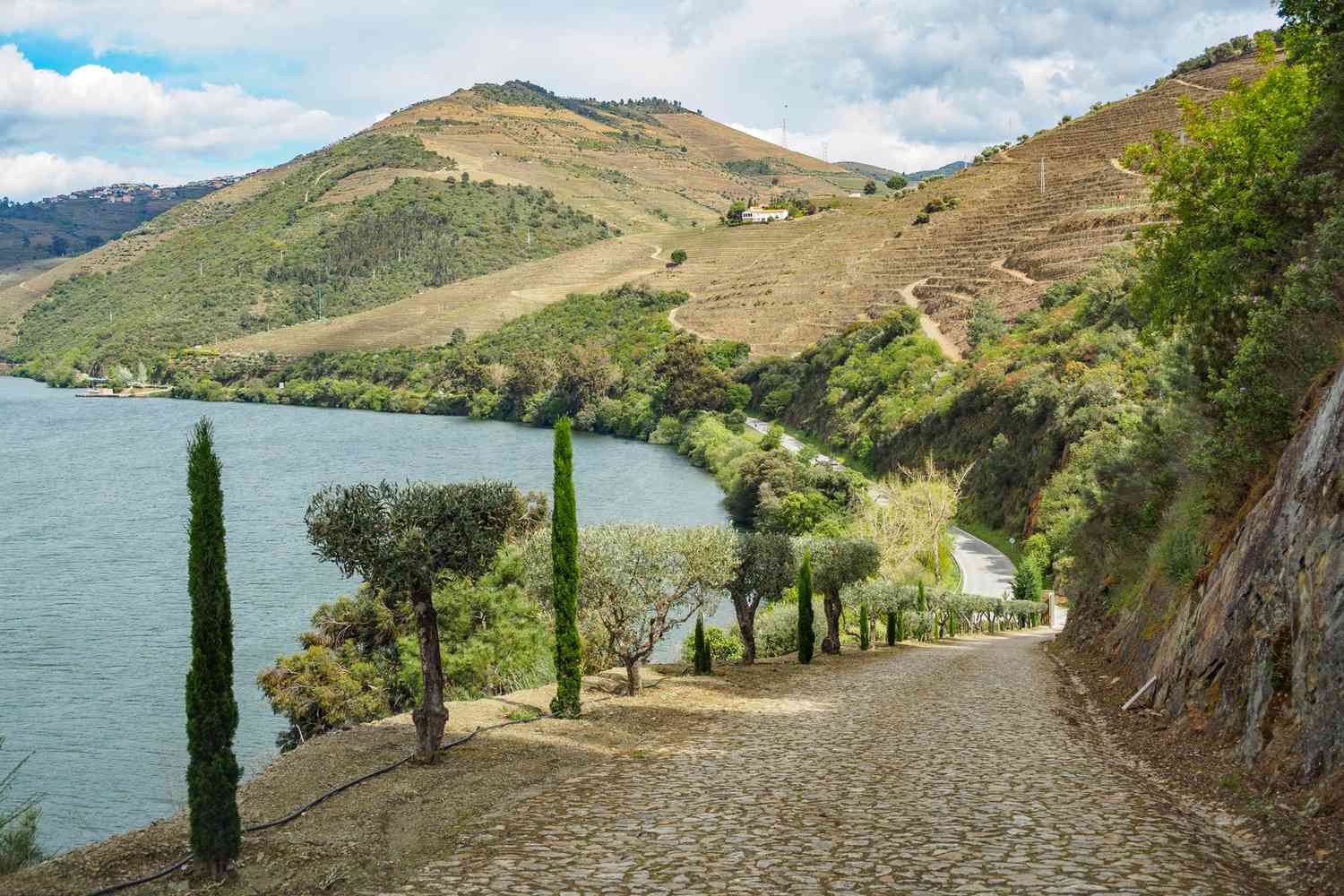
The Douro Valley is an absolute postcard come to life. The landscape is dominated by the Douro River, winding through steep hillsides meticulously carved into terraced vineyards, a testament to centuries of human labor. Viewpoints like Miradouro de São Gabriel or Casal de Loivos offer jaw-dropping vistas, especially at sunrise or sunset. River cruises, from short trips to multi-day journeys on traditional 'rabelo' boats, are integral to experiencing this unique scenery. The lushness, the scale of the terracing, and the ever-present river create an unparalleled sense of awe. Rioja offers its own charm with endless, undulating vineyards, often framed by the Sierra de Cantabria mountains, and picturesque medieval villages like Laguardia perched on hillsides. It's beautiful and serene, but the scale and drama of the Douro's natural and man-made landscape are simply more impactful and unique. "Douro views are just something else, photos don't do it justice. Felt like I was in a painting." - u/TravelBugPortugal
Winner takeaway
- Winner: Douro
- Why: The Douro Valley's dramatic terraced vineyards, deep river gorges, and panoramic viewpoints offer a more unique and awe-inspiring natural beauty.
- Who this matters for: Photographers, nature lovers, and those seeking truly spectacular, immersive landscapes.
💰 Travel Costs & Budget
Portugal, in general, tends to be more affordable than Spain, and this holds true for the Douro Valley. A decent Quinta stay can be found for €120-200 ($130-220) per night, with lovely guesthouses even cheaper. Wine tastings often start around €25-35 ($27-38) per person, and hearty meals in local restaurants are typically €20-35 ($22-38) with wine. Renting a car might be €30-50 ($33-55) per day. Rioja can be a bit pricier. While you can find budget-friendly pintxos (€2-4 per item) and good value hotels in Logroño for €100-150 ($110-165), boutique hotels or wine hotels like Hotel Viura often start at €200-300 ($220-330) or more. Premium winery tours can also reach €50-100+ ($55-110+) per person. Fine dining will easily push your budget up. While both can be tailored to different budgets, Douro generally offers more bang for your buck for a comparable experience. "We managed Douro for way less than expected, especially the food and wine tours were such good value." - u/BudgetBackpacker
Winner takeaway
- Winner: Douro
- Why: Douro offers a generally lower cost of living, accommodation, and wine experiences, providing excellent value for money.
- Who this matters for: Budget-conscious travelers, those looking for great value without compromising quality, and backpackers.
🚗 Accessibility & Getting Around
To reach the Douro Valley, most travelers fly into Porto (OPO). From Porto, you can take a scenic train line (Linha do Douro) to towns like Peso da Régua or Pinhão, but exploring the Quintas themselves usually requires a car or pre-booked transfers. Driving in the Douro can be challenging with winding, steep roads, though incredibly scenic. Organized tours from Porto are popular but offer less flexibility. River cruises are a unique way to get around part of the region. Rioja is very well connected. You can fly into Bilbao (BIO) or even directly to Logroño (RJL) from some hubs. The road network within Rioja is excellent, making self-driving the preferred and easiest way to explore the numerous bodegas and medieval villages. Distances between towns like Logroño, Haro, and Laguardia are short (30-60 min drive). Public buses connect the main towns, but a car offers maximum freedom. The ease of access, combined with a simpler driving experience and proximity to major airports like Bilbao, gives Rioja the edge. "Renting a car in Bilbao and driving through Rioja was so easy, roads are great and everything's close." - u/SpanishRoadTripper
Winner takeaway
- Winner: Rioja
- Why: Rioja offers better flight connections via major cities like Bilbao and a more straightforward, easier driving experience within the region.
- Who this matters for: Self-drivers, those who prefer independent exploration, and travelers prioritizing convenience in logistics.
🏨 Accommodation Styles
Douro's accommodation shines with its 'Quintas' – traditional wine estates that have often been converted into charming hotels. Places like Quinta da Pacheca or The Vintage House Hotel offer immersive experiences, often with stunning river views, infinity pools, and direct access to vineyards. These stays provide a rustic luxury, deeply connected to the wine culture, typically ranging from €150-300 ($165-330) per night for a quality experience. You'll find fewer large chain hotels and more intimate, family-run establishments. Rioja offers a broader and equally appealing range. You can stay in historic hotels within medieval walled towns like Hotel Castillo El Collado in Laguardia, modern design hotels in Logroño, or unique 'bodega hotels' directly on winery grounds, such as Hotel Marqués de Riscal, an architectural marvel. Prices vary widely, from €80 for a comfortable city hotel to €300+ for a luxury wine estate. Both regions provide exceptional and unique accommodation options catering to different tastes, making this category a tie. "Staying at a Quinta in Douro was magical, waking up to those views... unforgettable. But the design hotel in Rioja was seriously cool too." - u/BoutiqueTraveler
Winner takeaway
- Winner: Tie
- Why: Both regions offer unique and high-quality accommodation experiences, from rustic wine estates to luxurious design hotels and historic properties.
- Who this matters for: Travelers seeking unique and atmospheric stays, regardless of specific style, as both offer excellent choices.
🏛️ Culture & History
The Douro Valley's history is largely intertwined with its winemaking, especially Port. You'll find ancient Roman sites, charming traditional villages, and remnants of medieval castles along the river. The region itself is a UNESCO World Heritage cultural landscape, recognizing the thousands of years of human labor in shaping the vineyards. Towns like Lamego offer historical churches and museums, but the cultural focus is heavily on wine. Rioja, however, offers a more diverse and extensive historical narrative. Its strategic location meant it was a crossroads for Roman, Visigothic, and Moorish cultures. Most notably, it's a key part of the Camino de Santiago, with numerous ancient churches, monasteries (like San Millán de la Cogolla, a UNESCO site), and pilgrimage routes. Medieval walled towns such as Laguardia, Briones, and Ezcaray are incredibly well-preserved and charming, offering a tangible connection to the past. Logroño, the capital, has a beautiful historic center and cathedral. The sheer density and variety of historical sites and cultural experiences give Rioja the edge. "Laguardia felt like stepping back in time, and visiting those monasteries on the Camino route was really moving." - u/HistoryBuffSpain
Winner takeaway
- Winner: Rioja
- Why: Rioja boasts a richer, more diverse historical tapestry with numerous well-preserved medieval towns, Camino de Santiago influence, and ancient sites.
- Who this matters for: History buffs, those interested in medieval architecture, and pilgrims/fans of the Camino de Santiago.
🚶♀️ Activities Beyond Wine
While both regions are wine-centric, the Douro offers unique non-wine activities centered around its iconic river. Multi-day or half-day river cruises on traditional 'rabelo' boats are a must, offering unparalleled views of the terraced vineyards from a different perspective. Scenic drives, like the N222 (often named one of the world's best driving roads), are an activity in themselves. There's also light hiking through vineyards, charming small villages like Pinhão, and occasional historical sites. The pace is generally slower, focused on soaking in the natural beauty. Rioja provides options like exploring its numerous incredibly well-preserved medieval towns (Laguardia, Ezcaray), visiting significant religious sites along the Camino de Santiago, or more vigorous hiking in the surrounding Cantabrian mountains. Hot air balloon rides over the vineyards are also popular. However, the unique, defining activity of a Douro river cruise and the sheer scenic impact of its drives give it a slight edge for distinct non-wine experiences directly integrated with the region's character. "That rabelo boat trip up the Douro was probably the most relaxing thing I've ever done. So peaceful." - u/RiverDreamer
Winner takeaway
- Winner: Douro
- Why: Douro's unique river cruises and unparalleled scenic drives offer distinct, region-specific non-wine activities that are deeply integrated with its landscape.
- Who this matters for: Those who enjoy relaxing boat trips, scenic drives, and a slower pace focused on natural immersion.
☀️ Best Time to Visit & Weather
Both regions share similar ideal visiting seasons. In the Douro Valley, Spring (April-May) is beautiful, with wildflowers, green vineyards, and comfortable temperatures ranging from 15-25°C (59-77°F). Autumn (September-October) is the harvest season, a vibrant and bustling time, with temperatures around 18-28°C (64-82°F) and stunning golden foliage. Summers (July-August) can be intensely hot, often reaching 35°C+ (95°F+), making daytime exploration less comfortable, though river breezes can help. Rioja also shines in Spring (April-June), with average temperatures of 18-28°C (64-82°F) and the vineyards in full bloom, making for excellent hiking and touring conditions. Autumn (September-October) brings the grape harvest, a lively period, with pleasant temperatures of 15-25°C (59-77°F) and beautiful fall colors. Summers are warm, usually 25-30°C (77-86°F), making it enjoyable but perhaps less intense than Douro's peak summer. Both seasons offer unique advantages, and the 'best' depends on personal preference for weather vs. harvest activity. "Went to Douro in late September, perfect weather, and seeing the harvest was really cool. Might try Rioja in spring next time." - u/SeasonalTraveler
Winner takeaway
- Winner: Tie
- Why: Both regions offer equally appealing shoulder seasons (Spring and Autumn) with pleasant weather and unique seasonal activities like harvest.
- Who this matters for: Travelers who prioritize comfortable weather, scenic beauty (blossoming or fall colors), or wish to experience the grape harvest.
✨ Overall Vibe & Traveler Type
The Douro Valley exudes a tranquil, almost contemplative atmosphere. It's a place where you slow down, soak in the panoramic views, and let the river's rhythm guide your experience. The vibe is one of rustic elegance, deeply connected to the land and the tradition of Port wine. It attracts couples seeking romantic escapes, nature lovers, and travelers who appreciate a slower pace and immersive experiences at Quintas. It feels a bit more secluded and untouched. Rioja, while also serene in its vineyards, offers a more dynamic experience in its towns. The vibe is sophisticated, gastronomically focused, and culturally vibrant, especially in Logroño with its bustling pintxos scene and historic core. It caters to foodies, history enthusiasts, and those who enjoy a blend of wine tasting with exploring charming medieval villages and engaging in town life. It feels more developed for tourism but retains its authentic charm. Ultimately, the 'winner' here depends entirely on your personal travel style; both offer distinct, compelling experiences. "Douro was pure relaxation, felt like we disconnected from everything. Rioja was more about the buzz of the towns and amazing food every night." - u/VibeSeeker
Winner takeaway
- Winner: Tie
- Why: Both regions offer equally compelling, yet distinct, overall vibes that cater to different traveler preferences, making a definitive 'winner' subjective.
- Who this matters for: Highly dependent on personal preference: Douro for serene, nature-focused relaxation; Rioja for refined gastronomy, history, and vibrant town life.
❓ Frequently Asked Questions
Is it easy to get around without a car in the Douro Valley?
While it's possible to take the train along the Douro River to towns like Pinhão or Peso da Régua, a car offers significantly more flexibility to explore wineries (Quintas) off the main routes. Many Quintas are up steep, winding roads not served by public transport. Alternatively, consider organized tours from Porto or utilize taxis/transfers for specific winery visits.
What's the best time of year to visit each region?
For both Douro and Rioja, the shoulder seasons (Spring: April-May/June and Autumn: September-October) are ideal. Spring offers lush greenery and comfortable temperatures, while Autumn brings the exciting grape harvest season and beautiful fall foliage. Summers can be very hot, especially in the Douro, making midday touring less pleasant.
Can I do a day trip to either region from a major city?
Yes, day trips are very common for both. Many tour operators offer full-day trips from Porto to the Douro Valley, often including a river cruise, winery visit, and lunch. For Rioja, you can easily do a day trip from Bilbao or San Sebastián, especially if you rent a car. Logroño is about a 1.5-hour drive from Bilbao, making it a feasible, though long, day trip to explore a few bodegas and enjoy pintxos.
How many days do I need for each region to get a good feel?
For a good introduction to either region, aim for at least 3 full days. This allows for 2-3 winery visits, exploration of a main town, and enjoying the scenery at a relaxed pace. If you're passionate about wine and food, 4-5 days would allow for deeper exploration, more varied experiences, and less rushed travel.
Are Douro and Rioja family-friendly destinations?
Both can be family-friendly, but they are primarily adult-focused wine regions. Douro offers boat rides and beautiful scenery that kids might enjoy, but winery tours might be less engaging for them. Rioja's medieval towns and the Camino de Santiago offer more to explore beyond wine. Some Quintas and bodegas are adapting with family-friendly activities, but research specific options beforehand.
Is English widely spoken in these wine regions?
In both regions, staff at major Quintas/bodegas, hotels, and tourist-oriented restaurants generally speak English well. In smaller, local eateries or villages, especially in the Douro Valley, English might be less common, so knowing a few basic phrases in Portuguese or Spanish will be helpful and appreciated.
Which region is better for solo travelers?
Rioja might be slightly better for solo travelers, primarily due to the social pintxos culture in Logroño, which makes it easy to dine alone and observe local life without feeling isolated. Its easier accessibility and good public transport between main towns also help. Douro is more tranquil and often attracts couples, but organized tours from Porto are a great way for solo travelers to experience the region.
What are some key wineries to visit in each region?
In the Douro Valley, consider Quinta do Crasto (known for excellent still wines and Port), Quinta da Pacheca (one of the first to bottle under its own name, offers wine hotel), and Quinta do Vallado (historic estate with modern facilities). In Rioja, iconic bodegas include Marqués de Riscal (known for its Frank Gehry hotel), Bodegas Muga (traditional, family-run), and Vivanco (wine museum and bodega).
Ready to plan your Iberian wine adventure?
Get a free custom itinerary for Douro, Rioja, or both — built from real traveler insights and expert recommendations.
🎟️ Book Tours & Experiences
Hand-picked tours and activities for both destinations — book with free cancellation
Experiences via Viator — free cancellation on most tours