How we built this comparison
This page combines traveler discussion patterns, published price ranges, flight schedules, and seasonal data to help you decide between Dresden and Berlin.
- Reviewed 50+ Reddit threads from r/travel, r/solotravel, r/Germany, r/berlin, r/dresden
- Verified costs and logistics against current booking platforms (Booking.com, DB, local transport sites)
- Cross-referenced seasonal patterns, weather data, and major event calendars for optimal timing
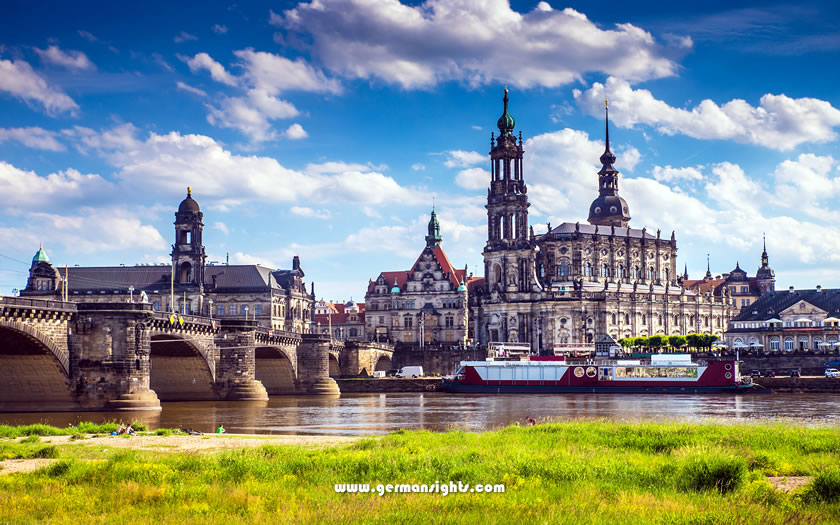
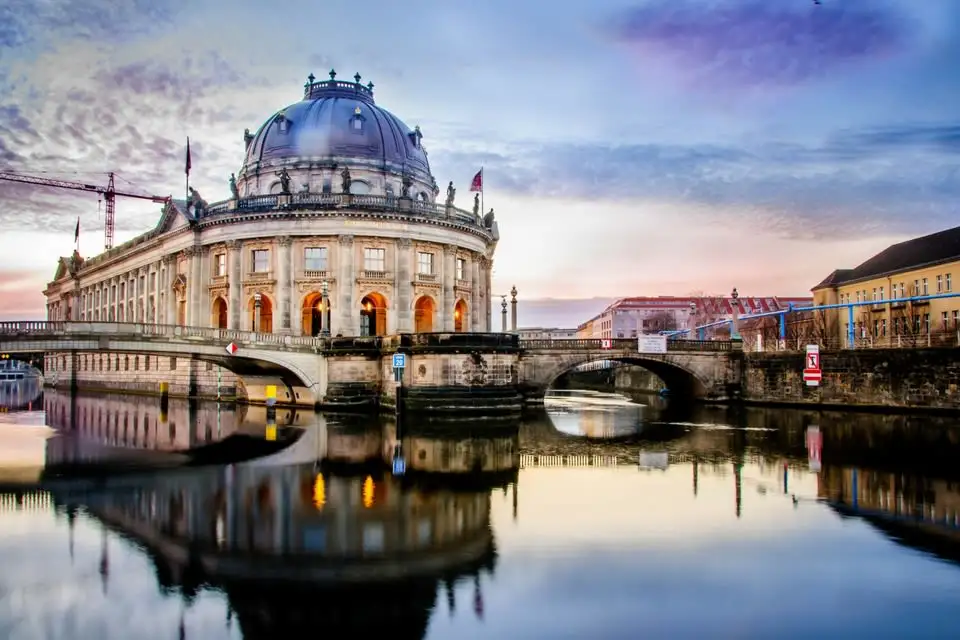
⚡ The TL;DR Verdict
For those seeking deep history, Baroque architecture, and a more relaxed pace with a lower budget, Dresden is your winner. Budget around €60-€100 ($65-$108) per day. If you crave dynamic nightlife, world-class museums, diverse food, and an electric, modern atmosphere, Berlin will thrill you, though expect to spend €80-€150 ($86-$162) daily. If you have a week, hit both!
- Choose Dresden: You're a history buff, love stunning architecture, prefer a quieter trip, and want to stretch your Euro further. Perfect for a cultural deep dive without the big city hustle.
- Choose Berlin: You're looking for a vibrant, edgy city experience with incredible nightlife, diverse culinary options, cutting-edge art, and profound modern history. Ideal for those who thrive in bustling, diverse environments.
- Choose Both: If you have 5-7 days, combining both is highly recommended. They offer a fantastic contrast – Dresden for the 'old Germany' charm and Berlin for the 'new Germany' energy. Travel between them is quick and easy.
Quick Comparison
| Category | Dresden | Berlin | Winner |
|---|---|---|---|
| Culture & History | Architectural marvels, Baroque palaces, Old Masters art. A phoenix city rebuilt from WWII ashes. | Modern history from WWII to the Cold War, world-class museums, vibrant contemporary art scene. | Dresden |
| Nightlife | Relaxed pubs and bars, especially in Neustadt. More chilled-out and local vibe. | Legendary club scene, diverse bars, 24/7 party culture. Something for every taste. | Berlin |
| Food Scene | Traditional Saxon cuisine, cozy cafes, historic restaurants. More focused on local German fare. | Incredibly diverse international cuisine, Michelin-starred restaurants, vibrant street food, vegan paradise. | Berlin |
| Cost of Travel | Generally more affordable for accommodation, food, and attractions. Good value for money. | Higher prices for accommodation, nightlife, and some dining, but still good value compared to other major capitals. | Dresden |
| Transportation & Accessibility | Compact city center, easily walkable. Excellent tram and bus network. | Extensive U-Bahn, S-Bahn, tram, and bus network. Easy to navigate a large, sprawling city. | Tie |
| Accommodation Options | Good range of hotels, guesthouses, and hostels, often at lower price points. Charmingly historic options. | Vast selection from luxury to budget, boutique hotels, design hostels, and unique Airbnb options. More competitive pricing. | Berlin |
| Day Trips & Surroundings | Stunning Saxon Switzerland National Park, Meissen porcelain, Moritzburg Castle. | Potsdam (Sanssouci), Spreewald, Teufelsberg, numerous charming towns and lakes. | Dresden |
| Vibe & Atmosphere | Elegant, serene, historic, and charming. A more relaxed and traditional German feel. | Edgy, diverse, artistic, energetic, and progressive. A modern, international, and bohemian atmosphere. | Berlin |
| Shopping | Traditional crafts, local souvenirs, modern malls. More focused on unique, regional items. | High-end boutiques, major department stores, vintage markets, independent designers. Huge variety. | Berlin |
| Family Travel | Kinder-friendly museums, large parks, easily walkable, relaxed pace. Good for younger children. | Interactive museums, sprawling parks, zoos, diverse activities, but can be overwhelming for very young kids. | Tie |
🏛️ Culture & History
Dresden is an absolute powerhouse for classic European culture and history, earning its 'Florence on the Elbe' moniker. The Frauenkirche, Zwinger Palace, and Residenzschloss with its 'Green Vault' are simply breathtaking. You'll spend days just marveling at the Baroque architecture and the sheer resilience of a city meticulously rebuilt. The Gemäldegalerie Alte Meister (Old Masters Picture Gallery) houses masterpieces like Raphael's 'Sistine Madonna.' A typical entrance fee for a major museum like the Zwinger is around €14 ($15). Berlin, on the other hand, is a living museum of 20th-century history – think Brandenburg Gate, Reichstag, Museum Island, and the East Side Gallery. Its history is grittier, more recent, and deeply impactful, with sites like the Memorial to the Murdered Jews of Europe and Checkpoint Charlie. While Berlin offers a broader spectrum of history, Dresden's sheer concentrated beauty and story of rebirth are unparalleled for traditional cultural immersion. "Dresden's Altstadt seriously made my jaw drop, nothing in Berlin quite has that immediate grand beauty."
Winner takeaway
- Winner: Dresden
- Why: Dresden wins for its unparalleled concentration of Baroque architecture, classic art, and a powerful story of historical reconstruction.
- Who this matters for: Classical history buffs, architecture enthusiasts, and those seeking visually stunning historical sites.
🎶 Nightlife
If you're looking to party, Berlin is in a league of its own. It's home to some of the world's most famous techno clubs like Berghain/Panorama Bar, Sisyphos, and Tresor, offering multi-day parties and an incredibly diverse electronic music scene. Beyond the clubs, you'll find countless unique bars in Kreuzberg, Neukölln, and Prenzlauer Berg, from cozy speakeasies to grungy rock bars. Expect a beer to cost €4-€6 ($4.30-$6.50) and club entry to be €15-€25 ($16-$27). Dresden's nightlife is much more subdued but still enjoyable, primarily centered around the Neustadt district. Here you'll find a lively student scene with many independent bars, pubs, and smaller music venues. It's great for a relaxed evening of pub crawling and chatting, but it won't offer the intense, world-renowned clubbing experience of Berlin. You might find a beer for €3.50-€5 ($3.80-$5.40). "Berlin's clubs are a bucket list item for a reason. Dresden is chill, but Berlin is an experience."
Winner takeaway
- Winner: Berlin
- Why: Berlin's legendary, diverse, and often 24/7 club and bar scene is globally recognized and unparalleled.
- Who this matters for: Party-goers, electronic music fans, solo travelers looking to meet people, and anyone seeking a vibrant nocturnal scene.
🍽️ Food Scene
Berlin's food scene is a global melting pot. You can find everything from world-class fine dining (many Michelin-starred restaurants) to incredible street food from every corner of the globe. Currywurst at Curry 36 (€4/$4.30) and döner kebab (around €6/$6.50) are iconic Berlin staples, but the city also boasts fantastic Vietnamese, Middle Eastern, and vegan options. A good sit-down meal can range from €15-€30 ($16-$32). Dresden's food scene is more traditional and focuses on hearty Saxon cuisine. You'll find plenty of delicious German restaurants serving dishes like Sauerbraten, Eierschecke (a local cheesecake), and of course, excellent beer. Pfunds Molkerei, the 'most beautiful dairy in the world,' is a must-visit for its unique interior and dairy products. While Dresden offers quality German food, it lacks the sheer diversity and innovation that makes Berlin a culinary hotspot. Expect a good German meal for €12-€25 ($13-$27). "Berlin's food game is insane, literally anything you crave, at any price point. Dresden is good for German classics, but that's about it."
Winner takeaway
- Winner: Berlin
- Why: Berlin offers an unmatched diversity of international cuisine, street food, and fine dining options, catering to all tastes and budgets.
- Who this matters for: Foodies, adventurous eaters, vegans/vegetarians, and those who love to explore diverse culinary traditions.
💰 Cost of Travel
Dresden is noticeably more budget-friendly than Berlin. You can often find decent hostel beds for €25-€45 ($27-$49) per night and mid-range hotels for €70-€120 ($76-$130). Meals at local restaurants are typically €12-€25 ($13-$27), and public transport (a single ticket is around €2.80/$3) is efficient and affordable. Many of its stunning sights, like walking the Brühl's Terrace, are free. Berlin, being a major European capital, commands higher prices. Hostel dorms typically run €35-€60 ($38-$65), and mid-range hotels are often €90-€180 ($97-$195). While street food is cheap, dining out at sit-down restaurants often starts at €15-€30 ($16-$32). Public transport tickets are around €3.20 ($3.45). The significant difference comes in accommodation and nightlife, where Berlin's popularity drives prices up. Your daily budget will stretch further in Dresden. "My hostel in Dresden was half the price of Berlin's for a way nicer spot. My wallet definitely preferred Dresden."
Winner takeaway
- Winner: Dresden
- Why: Dresden consistently offers better value across accommodation, dining, and activities, making it ideal for budget-conscious travelers.
- Who this matters for: Budget travelers, students, and anyone looking to maximize their travel funds without compromising on experience.
🚆 Transportation & Accessibility
Both cities boast excellent public transportation networks, making them easy to navigate for tourists. Dresden's city center (Altstadt) is very compact and walkable, meaning you can hit most major sights on foot. For destinations further afield, the efficient tram and bus system (DVB) covers the entire city and surrounding areas. A single ticket is €2.80 ($3). Berlin, a much larger and more sprawling city, relies heavily on its comprehensive U-Bahn (subway), S-Bahn (urban rail), tram, and bus network (BVG). You can get virtually anywhere quickly, though distances are greater. A single ticket is €3.20 ($3.45). From a travel perspective, reaching Germany is easy: Berlin's BER airport is a major international hub with direct flights from many global cities (e.g., NYC to BER 8-9 hours, often $500-800+ round trip). Dresden has a smaller airport, often requiring a connection, or you can take a direct train from BER to Dresden (approx 2 hours, ~200km, €20-€50). Both cities are very accessible by high-speed train within Germany and Europe. "Getting around Berlin felt super efficient, even though it's huge. Dresden was just as easy but everything felt a stone's throw away."
Winner takeaway
- Winner: Tie
- Why: Both cities excel in efficient public transportation, making them equally accessible and easy to explore once you arrive.
- Who this matters for: All travelers who appreciate efficient urban transit and easy connections, regardless of their travel style.
🏨 Accommodation Options
While Dresden offers great value, Berlin's sheer volume and diversity of accommodation options give it the edge. In Berlin, you can find everything from opulent 5-star hotels like Hotel Adlon Kempinski to trendy boutique hotels in Mitte, design-focused hostels like Generator or Plus Berlin, and countless Airbnb apartments in vibrant neighborhoods. This means more choices to match specific tastes and budgets, though prices are generally higher. A good hostel bed runs €35-€60 ($38-$65), while mid-range hotels are €90-€180 ($97-$195). Dresden has a charming selection of accommodations, particularly many historic guesthouses and well-regarded hotels near the Altstadt, offering good comfort and often a more traditional German experience. Hostel prices are typically €25-€45 ($27-$49) and mid-range hotels €70-€120 ($76-$130). While Dresden is more affordable, Berlin's innovative and extensive range provides more unique stays and often better quality at the higher-end budget. "Berlin just has so many cool, design-focused hostels you don't really find anywhere else. Felt like a steal for what I got."
Winner takeaway
- Winner: Berlin
- Why: Berlin's vast and diverse accommodation landscape, from luxury to unique budget options, provides more choice and innovative stays.
- Who this matters for: Travelers seeking a wide range of choices, unique lodging experiences, and those willing to pay a bit more for design or luxury.
🏞️ Day Trips & Surroundings
Dresden is perfectly positioned for some truly spectacular day trips that offer incredible natural beauty and historical significance. The number one highlight is Saxon Switzerland National Park (Sächsische Schweiz), just an hour away by S-Bahn or car, offering dramatic rock formations like the Bastei Bridge and fantastic hiking. It's a landscape unlike anywhere else in Germany. You can also visit Meissen, famous for its porcelain, or the picturesque Moritzburg Castle. These day trips offer a wonderful contrast to Dresden's urban environment. Berlin also offers excellent day trips, most notably Potsdam with its UNESCO-listed palaces and gardens, including Sanssouci Palace. The Spreewald biosphere reserve is great for a unique punt tour, and you can visit charming towns like Brandenburg an der Havel. However, the sheer dramatic beauty and unique outdoor adventure of Saxon Switzerland elevate Dresden's day trip options. "Hiking the Bastei from Dresden was absolutely incredible, easily one of the best things I did in Germany. Berlin's day trips are good, but not as 'wow'."
Winner takeaway
- Winner: Dresden
- Why: Dresden's proximity to the breathtaking Saxon Switzerland National Park offers a truly unique and stunning natural escape.
- Who this matters for: Nature lovers, hikers, outdoor enthusiasts, and those looking for dramatic landscapes beyond city limits.
✨ Vibe & Atmosphere
Berlin's atmosphere is truly unique – it's a sprawling, energetic, and unapologetically diverse city. It thrives on creativity, counter-culture, and a sense of constant evolution. You'll find everything from the posh boutiques of Ku'damm to the bohemian street art of Kreuzberg and the historical weight of Mitte. It's a city that embraces individuality and buzzes with an international, youthful energy. It can feel a bit gritty in places, but that's part of its charm. Dresden, by contrast, is far more elegant and serene. Its reconstructed Altstadt offers a refined, almost fairytale-like atmosphere with its Baroque architecture. The Neustadt provides a lively, student-friendly vibe, but it's still generally calmer and more traditional than Berlin. Dresden feels more classically 'German' in its beauty and pace, appealing to those who prefer a more tranquil and visually grand setting. Berlin's dynamic, ever-changing character is infectious. "Berlin just has this 'anything goes' vibe, you feel like you can be anyone and do anything. Dresden is beautiful, but it's much more... proper."
Winner takeaway
- Winner: Berlin
- Why: Berlin's vibrant, edgy, and incredibly diverse atmosphere fosters creativity and a unique sense of freedom, appealing to a broad range of modern travelers.
- Who this matters for: Solo travelers, digital nomads, artists, and anyone seeking a dynamic, open-minded, and culturally rich urban environment.
🛍️ Shopping
Berlin is a shopper's paradise with options for every budget and style. From the luxury brands and massive department stores on Kurfürstendamm (like KaDeWe) to the quirky boutiques and independent designers in Prenzlauer Berg and Mitte, you'll find it all. The city is also famed for its vintage and flea markets, especially Mauerpark and Boxhagener Platz on weekends, where you can unearth unique treasures. You can easily spend a full day exploring different shopping districts. Dresden offers a more modest but still satisfying shopping experience. The Prager Straße is its main commercial artery with modern malls like Altmarkt-Galerie, featuring common European chains. For more unique finds, the Neustadt has independent shops, galleries, and local craft stores, perfect for regional souvenirs (think Meissen porcelain or Erzgebirge wooden crafts). While Dresden provides charming local options, Berlin's sheer scale, diversity, and trendsetting fashion scene make it the clear winner for serious shoppers. "If you want anything specific, Berlin has it. From high fashion to crazy vintage finds. Dresden is more for general stuff or cute souvenirs."
Winner takeaway
- Winner: Berlin
- Why: Berlin's vast and diverse shopping landscape, from luxury to vintage markets and independent designers, offers unparalleled choice.
- Who this matters for: Fashion enthusiasts, bargain hunters, souvenir seekers, and those looking for unique or high-end items.
👨👩👧👦 Family Travel
Both Dresden and Berlin offer fantastic experiences for families, each with its own advantages. Dresden's compact Altstadt is very stroller-friendly, and its relaxed pace is perfect for families with younger children. Attractions like the 'Verkehrsmuseum Dresden' (transport museum) or the 'Deutsches Hygiene-Museum' (human body, very interactive) are great. The Großer Garten offers vast green spaces and a miniature railway. Prices are generally lower, which is a big plus for families. Berlin, while larger, also excels with family-friendly options. The Berlin Zoo and Tierpark are world-class, and interactive museums like the 'Deutsches Technikmuseum' (German Museum of Technology) or 'Labyrinth Kindermuseum' are huge hits. Tiergarten and Tempelhofer Feld offer massive spaces for kids to run around. The sheer variety of activities means there's always something for different ages. However, Berlin can be overwhelming for very young children due to its size and crowds. "Dresden was surprisingly good with the kids, everything felt close and manageable. Berlin had more big attractions, but also more walking."
Winner takeaway
- Winner: Tie
- Why: Both cities provide excellent family-friendly attractions and environments, catering to different family preferences and ages effectively.
- Who this matters for: Families with children of all ages; Dresden for a calmer pace, Berlin for a wider array of major attractions.
❓ Frequently Asked Questions
How long should I spend in each city?
For Dresden, 2-3 full days are usually sufficient to explore the Altstadt, Neustadt, and perhaps one museum or day trip. For Berlin, you'll want at least 4-5 full days, given its size and the sheer number of world-class museums, historical sites, and vibrant neighborhoods to explore.
What's the best way to travel between Dresden and Berlin?
The most efficient way is by train. Deutsche Bahn (DB) offers frequent direct ICE trains that take approximately 2 hours. Tickets typically range from €20-€50 ($22-$54), depending on how far in advance you book.
Which city is better for art lovers?
For classical art (Old Masters, Baroque sculpture), Dresden is unparalleled with its Gemäldegalerie Alte Meister and the Green Vault. For modern and contemporary art, street art, and a vibrant gallery scene, Berlin is the clear winner, with numerous galleries, the Hamburger Bahnhof, and the East Side Gallery.
Is one city significantly safer than the other?
Both cities are generally very safe for tourists. Dresden has a lower crime rate and a calmer atmosphere. Berlin, being a major capital, has the typical urban issues (pickpocketing in crowded areas, especially at night), but violent crime is rare. Exercise standard urban caution in both.
Which has better nightlife for a younger crowd?
Berlin, without a doubt. Its legendary club scene (techno, electronic), diverse bars, and 24/7 party culture in neighborhoods like Kreuzberg and Neukölln are world-renowned. Dresden's Neustadt offers a lively student bar scene, but it's much more laid-back.
Can I visit both on a short trip (e.g., 5 days)?
Yes, absolutely! With 5 days, you could dedicate 2 days to Dresden and 3 to Berlin, or vice-versa. The quick 2-hour train ride makes combining them very feasible and offers a wonderful contrast of German culture and history.
Is English widely spoken in both cities?
Yes, English is widely spoken in tourist areas, hotels, restaurants, and by younger generations in both Dresden and Berlin. You won't have significant communication issues, especially in Berlin, which is very international. Learning a few basic German phrases is always appreciated though!
Which city offers a more "authentic German" experience?
This depends on your definition. Dresden offers a more 'traditional' German experience with its Baroque architecture, historic charm, and Saxon regional focus. Berlin, while deeply German, offers a more 'modern, diverse, and international' German experience, reflecting its dynamic post-reunification identity.
Ready to plan your Germany trip?
Get a free custom itinerary for Dresden, Berlin, or both — built from real traveler insights.
🎟️ Book Tours & Experiences
Hand-picked tours and activities for both destinations — book with free cancellation
Experiences via Viator — free cancellation on most tours