How we built this comparison
This page combines traveler discussion patterns, published price ranges, flight schedules, and seasonal data to help you decide between Dublin and London.
- Reviewed 50+ Reddit threads from r/travel, r/solotravel, r/Dublin, and r/London
- Verified costs and logistics against current booking platforms and official tourism sites (e.g., Transport for London, Leap Card)
- Cross-referenced seasonal patterns and weather data from meteorological sources for accurate best-time-to-visit advice
⚡ The TL;DR Verdict
If you crave intimate pub culture, friendly banter, and a more manageable city footprint, Dublin is your winner with a comfortable daily budget of €150-250 ($160-270). For those seeking unparalleled diversity, world-class museums, endless entertainment, and a truly global city experience, London beckons, though prepare for a steeper daily spend of £200-350 ($250-440).
- Choose Dublin: Pick Dublin if you're looking for a relaxed, walkable city rich in history, literature, and a vibrant pub scene where striking up conversations with locals is part of the charm. Ideal for a 3-4 day trip focused on cultural immersion and good craic.
- Choose London: Choose London for an overwhelming array of museums (many free!), diverse culinary experiences, world-class shopping, and a vast urban landscape that offers something for every interest. Perfect for 5+ days to truly explore its many facets without feeling rushed.
- Choose Both: You can definitely do both! They're well-connected by short flights (around 1-1.5 hours) or a longer train-ferry option. Allocate at least 3 days for Dublin and 4-5 days for London to avoid feeling too rushed, making a week to 10-day trip ideal for experiencing both major capitals.
Quick Comparison
| Category | Dublin | London | Winner |
|---|---|---|---|
| Costs & Budget | Generally more affordable than London, especially for food and accommodation outside of peak tourist traps. | One of the world's most expensive cities; expect to pay premium for nearly everything from transport to meals. | Dublin |
| Food Scene | Hearty traditional pub grub, excellent seafood, and a growing modern Irish culinary movement. | A global culinary superpower with unparalleled diversity, from street food to Michelin-starred dining. | London |
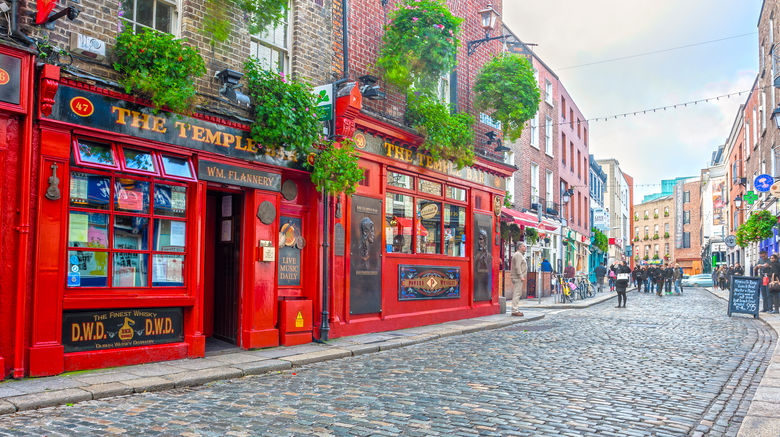
| Nightlife & Pubs | Legendary pub culture with live music, 'craic', and a very social atmosphere, particularly around Temple Bar. | Diverse nightlife from world-renowned clubs and historic pubs to West End theatre and sophisticated cocktail bars. | London |
| Culture & History | Rich literary heritage, Irish independence story, and ancient Celtic influences, often found in smaller, intimate settings. | Centuries of imperial history, vast collections of world art and artifacts, iconic landmarks, and free world-class museums. | London |
| Getting There | Direct flights from many North American cities, often served by Aer Lingus and major US carriers. | One of the world's busiest air travel hubs with extensive direct connections from nearly every major global city. | London |
| Getting Around | Compact and highly walkable city center; good public transport with buses and Luas tram. | Extensive Tube (Underground) network, buses, and DLR, but the city is sprawling and can be overwhelming. | Dublin |
| Accommodation | Hotels and hostels are pricey, but generally more affordable than London, with good options near city center. | Significantly more expensive across all categories, with central locations commanding premium rates. | Dublin |
| Day Trips | Gateway to iconic Irish landscapes like the Cliffs of Moher, Wicklow Mountains, and charming coastal towns. | Access to world-famous historical sites, stately homes, and charming cities like Bath, Oxford, and Windsor. | London |
| Shopping | Good for high-street brands, Irish crafts, and boutique shopping, particularly around Grafton Street. | A global shopping capital offering everything from luxury department stores to vibrant markets and unique boutiques. | London |
| Solo Travel | Known for friendly locals, easy to strike up conversations, and a safe, welcoming atmosphere. | Safe, easy to navigate with great public transport, and endless activities, but can feel more anonymous. | Dublin |
💰 Costs & Budget
Dublin, while not cheap by any means, offers a noticeable break on the wallet compared to its UK cousin. A pint of Guinness in Dublin will typically set you back €6.50-€8 ($7-9), whereas a comparable beer in a central London pub is easily £7-9 ($9-11). For accommodation, a mid-range hotel in Dublin might run €180-280 ($195-300) per night, while London's equivalent starts closer to £250-400 ($315-500). Public transport, like a 7-day Leap Visitor Card for Dublin at €40 ($43), feels like a bargain next to a similar London Travelcard which can be £40-70 ($50-90) depending on zones. Even attraction costs can differ; a visit to the Book of Kells at Trinity College is around €20-25 ($22-27), whereas a tour of the Tower of London is £35 ($44). Dining out is also generally 15-20% less expensive in Dublin. "Honestly, my Dublin trip budget felt so much more forgiving. Still pricey, but I wasn't constantly wincing like I was in London." This difference adds up significantly over several days, making Dublin the clear choice for budget-conscious travelers seeking a European capital experience.
Winner takeaway
- Winner: Dublin
- Why: Dublin offers a more manageable daily spend, especially on essentials like food, drink, and accommodation.
- Who this matters for: Budget travelers, those planning longer stays, and anyone who appreciates a bit more bang for their buck.
🍽️ Food Scene
London's food scene is a true melting pot, reflecting its vast multicultural population. You can find virtually any cuisine done exceptionally well, often within walking distance. From the vibrant street food at Borough Market to the Michelin-starred establishments of Mayfair, or the incredible South Asian curries on Brick Lane, the options are endless. Popular spots like Dishoom (Indian) or Padella (pasta) offer incredible value and quality for a city of its stature, with mains typically £15-25 ($19-31). Dublin, while improving dramatically in recent years, still leans heavily on its traditional strengths: excellent pub fare, robust Irish stews, and fantastic seafood, especially from the nearby coast. Places like The Winding Stair offer contemporary Irish cuisine, and Gallagher's Boxty House is great for traditional dishes, with mains around €20-30 ($22-33). While Dublin has its gems, it simply can't compete with the sheer volume, innovation, and global diversity that London offers. "London's food scene is next level. You could eat a different country's cuisine every day for a month and still barely scratch the surface." If food is a primary driver for your travels, London is an undeniable paradise.
Winner takeaway
- Winner: London
- Why: London boasts an unrivaled global culinary diversity, innovation, and sheer number of top-tier dining experiences.
- Who this matters for: Foodies, adventurous eaters, and travelers who prioritize diverse and high-quality dining experiences.
🍻 Nightlife & Pubs
While Dublin's pub scene is iconic and deeply ingrained in its culture – famous for its 'craic' (fun and lively conversation) and live traditional Irish music – London's nightlife offers a far broader spectrum. Dublin's Temple Bar area is undoubtedly lively, but can be overpriced (€8 for a pint is common here) and very touristy. Authentic pubs like The Brazen Head or The Palace Bar offer a more local feel. However, London provides everything from superclubs like Fabric or Ministry of Sound to intimate jazz clubs like Ronnie Scott's, sophisticated cocktail lounges in Soho, and its globally famous West End theatre district. The sheer variety means you can find a unique experience every night of the week. Pubs in London, while lacking the same ubiquitous live trad music as Dublin, are still central to social life, offering historic charm and a wide selection of craft beers. "London just has *everything*. One night you're at a world-class show, the next you're dancing until 4 AM, then grabbing a quiet pint. Dublin's great for pubs, but that's kinda it." For sheer choice and scale of entertainment, London takes the crown.
Winner takeaway
- Winner: London
- Why: London offers an unparalleled diversity of nightlife options, from clubs and bars to world-class theatre and music venues.
- Who this matters for: Party-goers, theatre enthusiasts, and those seeking varied evening entertainment beyond traditional pubs.
🏛️ Culture & History
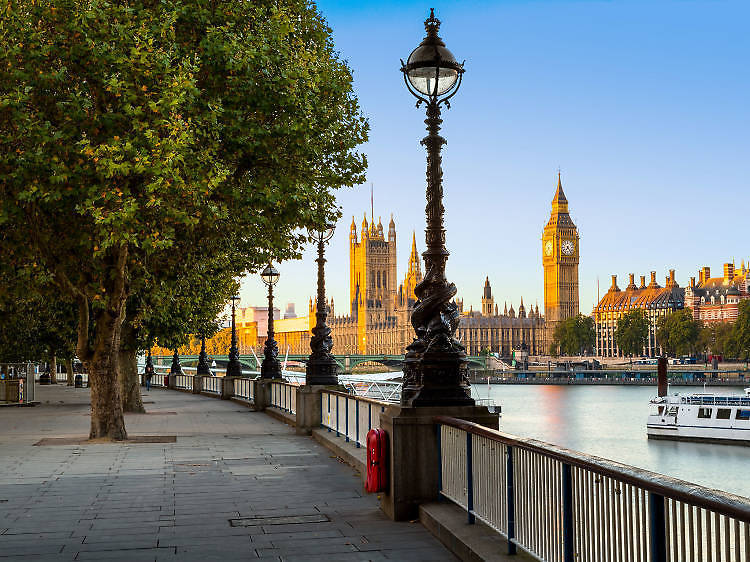
London is a historical and cultural behemoth. Its free national museums, like the British Museum (housing the Rosetta Stone and Elgin Marbles), the National Gallery, and the Tate Modern, are unparalleled in their scope and quality. You can spend days exploring the Tower of London (£35/$44), Westminster Abbey (£27/$34), Buckingham Palace, and countless other iconic sites. The city seamlessly blends ancient history with vibrant contemporary culture. Dublin, on the other hand, offers a more concentrated and intimate historical experience, deeply tied to Irish independence, literature, and Gaelic culture. Sites like Kilmainham Gaol (€10/$11), Dublin Castle, and the EPIC Irish Emigration Museum (€21/$23) are deeply impactful. Its literary heritage, evident at the Dublin Writers Museum or the James Joyce Centre, is also a major draw. However, the sheer scale and variety of London’s offerings—from the Crown Jewels to Shakespeare's Globe—make it a more comprehensive cultural destination. "London's museums being free is a game-changer. You can just pop in for an hour, see something incredible, and move on without feeling like you wasted money." For an expansive deep dive into world history and culture, London is hard to beat.
Winner takeaway
- Winner: London
- Why: London's vast array of world-class, often free, museums and iconic historical landmarks offer an unmatched cultural experience.
- Who this matters for: History buffs, art lovers, and travelers who appreciate extensive museum collections and iconic global landmarks.
✈️ Getting There
Both Dublin and London are very well-connected, especially from North America. Dublin Airport (DUB) offers numerous direct flights from major US cities like New York (JFK/EWR), Boston (BOS), Chicago (ORD), and even Los Angeles (LAX), with flight times ranging from approximately 6-7 hours from the East Coast and 9-10 hours from the West Coast. Aer Lingus is a strong player, often offering competitive fares. However, London, with its multiple major airports (Heathrow, Gatwick, Stansted, Luton, City), is arguably the most connected city in the world. Heathrow (LHR) alone handles more international passengers than any other airport globally, meaning more flight options, more airlines, and often more competitive pricing, especially when considering sales. You're simply more likely to find a direct flight at a specific time or a cheaper deal into London. "I almost always find cheaper flights into London, even if I'm ultimately heading somewhere else in Europe. The sheer volume of flights just makes competition fierce." While Dublin is excellent, London's sheer volume and network of airports give it the edge for accessibility.
Winner takeaway
- Winner: London
- Why: London's multiple major airports provide more flight options, airlines, and competitive pricing from around the globe.
- Who this matters for: Travelers prioritizing direct flights, flexibility in timing, and potentially lower airfare costs.
🚶 Getting Around
Dublin's city center is remarkably walkable. Most major attractions like Trinity College, Grafton Street, Dublin Castle, and the Temple Bar area are within a 15-20 minute stroll of each other. For longer distances, the efficient Dublin Bus network and the Luas tram system cover the city effectively. A Leap Visitor Card makes travel seamless and cost-effective, with a 3-day pass at €19.50 ($21). London, while boasting one of the world's best public transport systems (the Tube, buses, DLR, Overground), is a sprawling metropolis. Navigating its vast network can be intimidating for first-timers, and journey times can be significant. A single Tube fare can be £2.80-£6.70 ($3.50-$8.50) depending on zones, though an Oyster card or contactless payment caps daily spending. "Dublin felt so much less stressful to get around. I just walked everywhere or hopped on a tram. London's Tube is great, but it's a whole mental map you have to learn." While London's system is comprehensive, Dublin's compact size and simpler transport network make getting around far less overwhelming and more enjoyable for visitors.
Winner takeaway
- Winner: Dublin
- Why: Dublin's compact size makes its city center highly walkable, and its public transport is easier to navigate.
- Who this matters for: Travelers who prefer walking, find large metro systems daunting, and want a relaxed pace of exploration.
🏨 Accommodation
Accommodation is a major expense in both cities, but London consistently outprices Dublin. In Dublin, you can find a decent mid-range hotel like The Alex Hotel or The Mont for €180-280 ($195-300) per night, especially if booked in advance. Hostels like Generator Dublin or Jacobs Inn offer beds for €40-70 ($45-75). London's prices are markedly higher. A comparable mid-range hotel in a central zone (e.g., The Hoxton Holborn, The Z Hotel Piccadilly) will typically start at £250-400 ($315-500) per night. Budget hostels like Wombat's City Hostel or St Christopher's Inn are usually in the £50-90 ($65-115) range for a dorm bed. The sheer demand and limited space in London drive prices up across the board, making even budget options feel expensive. "I almost fell off my chair looking at London hotel prices. Dublin felt like a bargain by comparison, and I still got a great location near Stephen's Green." While both cities require careful planning and booking ahead for the best deals, Dublin generally offers more value and less sticker shock for equivalent quality and location.
Winner takeaway
- Winner: Dublin
- Why: Dublin offers relatively more affordable accommodation options across all categories compared to London.
- Who this matters for: Budget-conscious travelers, families, and anyone looking to stretch their travel funds further on lodging.
🗺️ Day Trips
London offers an incredibly rich tapestry of day trip options, providing access to quintessential English experiences. Within a 1-2 hour train ride, you can visit the ancient Roman baths in Bath, explore the historic universities of Oxford or Cambridge, marvel at the royal grandeur of Windsor Castle, or ponder the mysteries of Stonehenge. Each destination is distinct and world-renowned. Dublin's day trip options are equally stunning but lean more towards natural beauty and smaller towns. Popular trips include the dramatic Cliffs of Moher (a longer journey, typically 3-4 hours each way by bus tour, costing €60-80/$65-85), the scenic Wicklow Mountains, or the charming coastal village of Howth. While these are breathtaking, London's historical and cultural day trip offerings are more diverse and arguably more 'iconic' for first-time visitors to the region. "From London, I could literally be at Stonehenge in the morning and then walk through Windsor Castle in the afternoon. The variety is insane." The ease of reaching multiple world-heritage sites and diverse historical experiences from London makes it the superior base for day excursions.
Winner takeaway
- Winner: London
- Why: London provides a greater variety of world-renowned historical sites and charming cities for easy day trips.
- Who this matters for: History buffs, those interested in iconic British landmarks, and travelers seeking diverse excursions.
🛍️ Shopping
London is undeniably one of the world's premier shopping destinations. From the iconic luxury of Harrods and Selfridges to the flagship stores of Oxford Street and Regent Street, the sheer scale and variety are staggering. You can explore the quirky independent boutiques of Notting Hill, hunt for vintage treasures at Portobello Road Market, or discover new designers in Shoreditch. Westfield London and Westfield Stratford City offer enormous indoor mall experiences. Dublin's shopping scene, while respectable, is much more contained. Grafton Street is its main artery, featuring high-street brands, Brown Thomas (a luxury department store), and some independent shops. Stephen's Green Shopping Centre offers a mall experience. For Irish crafts and souvenirs, you'll find plenty of options, but the overall selection and diversity can't compare to London. "I literally spent a whole day just wandering through London's markets and then hit Oxford Street. Dublin's fine for a few things, but it's not a 'shopping trip' destination like London is." If shopping is a significant part of your travel experience, London offers an unparalleled retail therapy playground.
Winner takeaway
- Winner: London
- Why: London offers an unparalleled scale and diversity of shopping options, from luxury to unique markets.
- Who this matters for: Fashionistas, souvenir hunters, and travelers who enjoy extensive retail therapy and unique finds.
🚶♀️ Solo Travel
For solo travelers, both cities offer excellent infrastructure and safety, but Dublin edges out London due to its famously friendly and approachable culture. In Dublin, especially in its numerous pubs, striking up a conversation with locals ('the craic') is not just common, it's encouraged. You'll often find yourself sharing stories over a pint without trying. The city's compact size also makes it feel less overwhelming and easier to navigate alone. London is incredibly safe and easy to get around with its efficient public transport, offering endless activities to keep a solo traveler busy. However, its sheer size and fast pace mean it can sometimes feel more anonymous and less conducive to spontaneous social interaction with locals. "As a solo traveler, Dublin was so easy to meet people. I just sat at a pub, and within minutes someone was chatting with me. London felt more like I was just one person in a crowd." While London offers independence and endless exploration, Dublin's inherent warmth and social culture make it a more naturally welcoming and less lonely experience for those traveling alone.
Winner takeaway
- Winner: Dublin
- Why: Dublin's friendly locals and vibrant, conversational pub culture make it exceptionally easy for solo travelers to connect with people.
- Who this matters for: Solo travelers seeking social interaction, a welcoming atmosphere, and a less anonymous urban experience.
❓ Frequently Asked Questions
Which city is better for a first-time international traveler?
London might be slightly easier for a first-timer due to its extensive public transport, clearer signage, and the sheer volume of information available. However, Dublin's smaller size and welcoming vibe can also make it less overwhelming, depending on your comfort level.
How many days should I spend in each city?
For Dublin, 3-4 full days are ideal to see the main sights and enjoy the pub scene. For London, you really need at least 5-7 days to scratch the surface and experience its diverse neighborhoods and attractions without rushing too much.
Is public transport easy to use in both cities?
Yes, both cities have excellent public transport. Dublin's buses and Luas tram are straightforward, especially with a Leap Card. London's Tube and bus network are extensive and efficient, best navigated with an Oyster card or contactless payment, though it can feel more complex due to its size.
What are the language differences?
Both cities primarily speak English. While Ireland has Irish (Gaelic) as its first official language, English is universally spoken. You'll encounter a vast array of accents in both, but communication will be easy for English speakers.
Are the cities safe for tourists?
Both Dublin and London are generally safe for tourists. Like any major city, exercise common sense, be aware of your surroundings, especially at night, and watch out for pickpockets in crowded tourist areas. Public transport is safe in both.
Can I use the same currency in both?
No. Dublin uses the Euro (€), while London uses the British Pound (£). You will need to exchange currency or use separate debit/credit cards for each country. Many places accept contactless payments.
What's the weather like, and when's the best time to visit?
Both cities have temperate maritime climates, meaning changeable weather year-round with frequent rain. Summer (June-August) offers the warmest temperatures and longest daylight hours, but also peak crowds. Spring (April-May) and Autumn (Sept-Oct) offer pleasant weather and fewer tourists.
Which city is better for families with kids?
London likely offers more dedicated attractions for families, from the London Eye and Harry Potter Studios to numerous parks and interactive museums (many free). Dublin has some great family options like Dublin Zoo and Viking Splash Tour, but London has a broader range of child-friendly activities.
Ready to plan your UK & Ireland trip?
Get a free custom itinerary for Dublin, London, or both — built from real traveler insights.
🎟️ Book Tours & Experiences
Hand-picked tours and activities for both destinations — book with free cancellation
Experiences via Viator — free cancellation on most tours