How we built this comparison
This page combines traveler discussion patterns, published price ranges, flight schedules, and seasonal data to help you decide between Durban and Johannesburg.
- Reviewed 100+ Reddit threads from r/travel, r/solotravel, r/SouthAfrica, and related subreddits for authentic traveler experiences and advice.
- Verified costs for flights, accommodation, activities, and dining against current booking platforms (e.g., Google Flights, Booking.com, local restaurant menus) and recent traveler reports (2023-2024 data).
- Cross-referenced seasonal patterns and weather data from meteorological sources to provide accurate climate expectations.
- Incorporated local insights and expert opinions from travel guides and South African residents to ensure a well-rounded and nuanced comparison.
⚡ The TL;DR Verdict
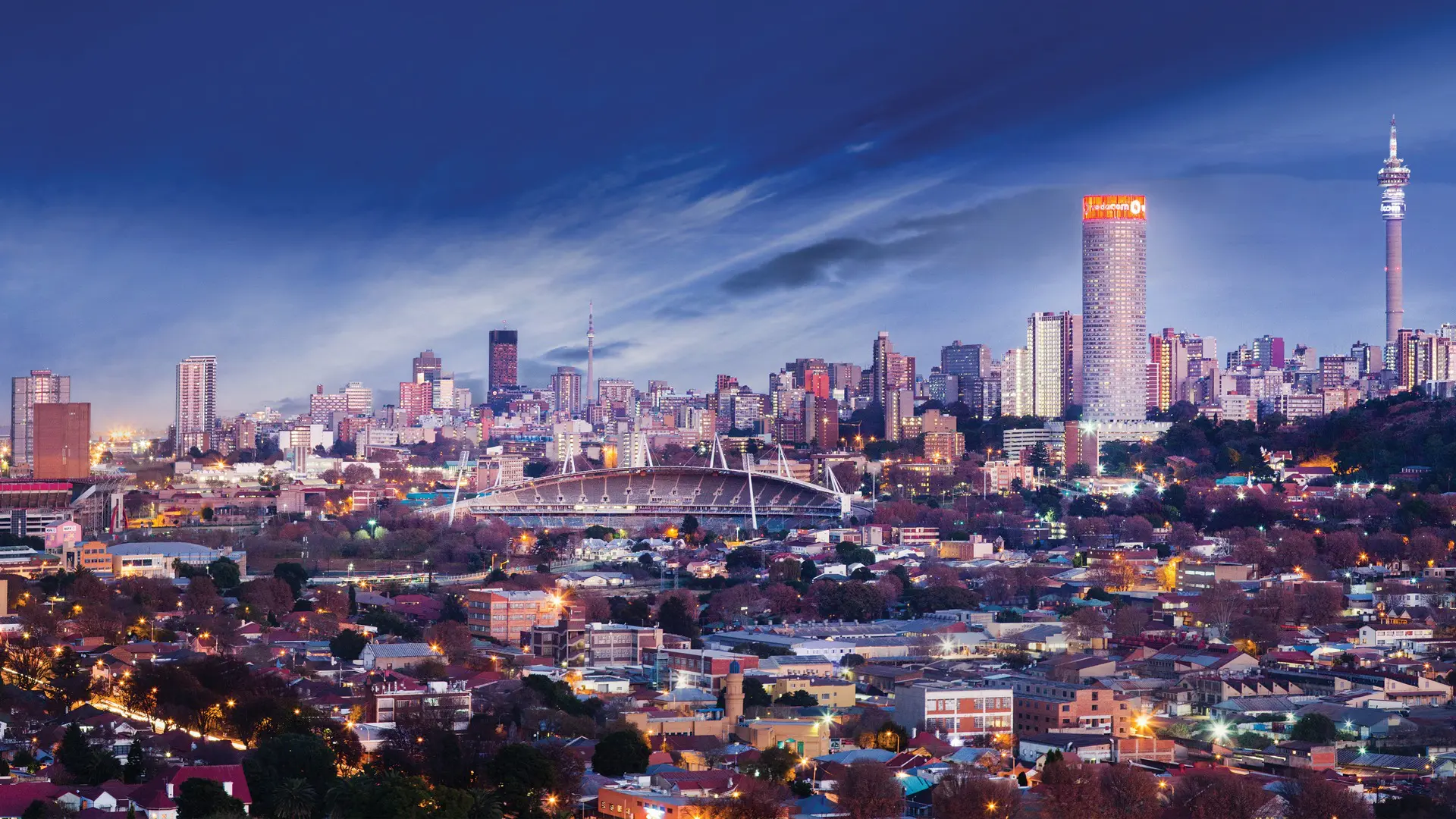
Joburg is the vibrant, gritty heart of South Africa, perfect for culture vultures and urban explorers seeking history and dynamic nightlife. Durban offers a relaxed, beach-focused escape with a unique Indian-African fusion and a slower pace. Choose Joburg for a dynamic, intense trip (R1200-R2500/$65-$135 daily), or Durban for coastal chill and culinary delights (R900-R2000/$50-$110 daily).
- Choose Durban: Pick Durban if you're a beach lover, a foodie eager for unique Indian-African flavors, or someone seeking a relaxed, sunny escape with a strong cultural identity.
- Choose Johannesburg: Opt for Johannesburg if you're a history buff, an art enthusiast, a nightlife seeker, or someone who thrives in a vibrant, fast-paced urban environment, ready to explore South Africa's complex past and dynamic present.
- Choose Both: If you have 10-14 days, absolutely do both! Fly between them (a 1-hour flight costs R1000-R2000 / $55-$110 return). Start with Joburg's intensity for 4-5 days, then unwind and explore Durban's coast and culture for 4-5 days.
Quick Comparison
| Category | Durban | Johannesburg | Winner |
|---|---|---|---|
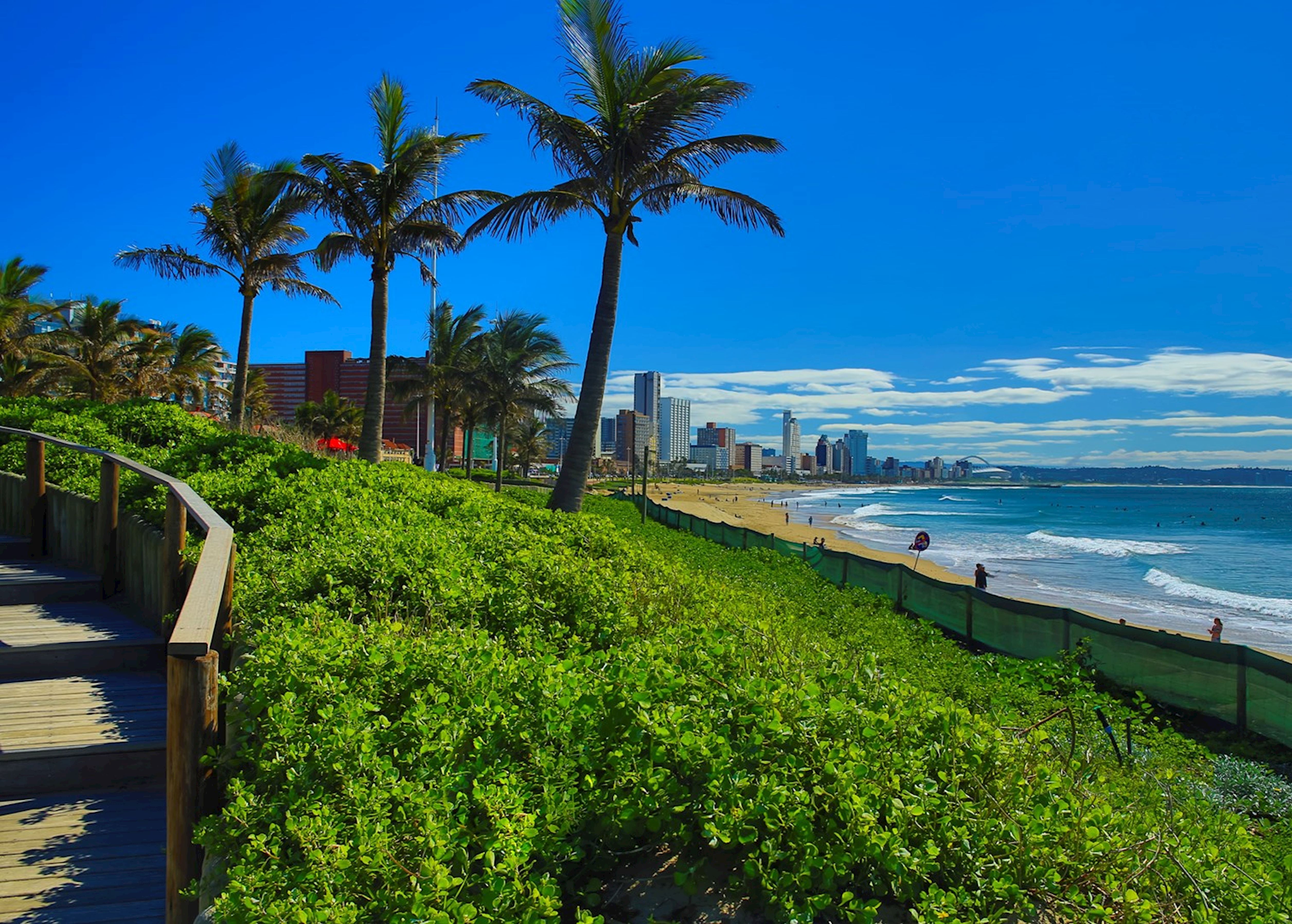
| Beaches & Ocean | Golden Mile offers family-friendly beaches, uShaka Marine World, and a vibrant promenade perfect for relaxation and water sports. | Landlocked, Johannesburg has no natural beaches, focusing instead on urban parks and man-made water features. | Durban |
| Food & Culinary Scene | Famous for its unique Indian-African fusion, especially the iconic Bunny Chow, and fresh seafood. | A diverse international culinary hub with fine dining, trendy cafes, and global cuisine, reflecting its multicultural population. | Durban |
| Nightlife & Entertainment | Lively beachfront bars and lounges, especially along Florida Road, but generally a more relaxed scene. | South Africa's nightlife capital, offering everything from sophisticated Sandton clubs to vibrant Maboneng Precinct bars and live music venues. | Johannesburg |
| History & Culture | Rich Zulu and Indian heritage, with cultural villages, temples, and historical sites reflecting its diverse past. | The epicentre of South African history, home to the Apartheid Museum, Hector Pieterson Memorial, and the vibrant Soweto township. | Johannesburg |
| Cost of Travel | Generally more affordable for accommodation, food, and activities, especially outside peak season. | Can be pricier, especially in upscale areas like Sandton, but budget options exist if you search. | Durban |
| Arrival & Connectivity | King Shaka International Airport (DUR) handles domestic and some regional international flights. | O.R. Tambo International Airport (JNB) is the primary international gateway to Southern Africa, offering extensive global connections. | Johannesburg |
| Local Transport & Walkability | More compact and walkable in key tourist areas (Golden Mile, Florida Road); reliant on ride-sharing for longer distances. | Extensive but often confusing public transport; relies heavily on ride-sharing and private vehicles due to large distances. | Durban |
| Safety & Awareness | Requires vigilance, but tourist areas are generally perceived as safer, especially during the day. | Higher crime rates in some areas; requires constant vigilance, especially at night, and careful planning of routes. | Durban |
| Day Trips & Nature Escapes | Access to Valley of 1000 Hills, Midlands Meander, and the Drakensberg Mountains (longer trip). | Direct access to Cradle of Humankind; closer proximity to wildlife safaris (Pilanesberg, Lion & Safari Park). | Johannesburg |
| Accommodation Options | Good range from beachfront hotels to guesthouses, particularly strong in Umhlanga for luxury. | Vast selection across all price points, from luxury hotels in Sandton to boutique guesthouses in Rosebank and trendy hostels in Maboneng. | Johannesburg |
🏖️ Beaches & Ocean
Durban is the undisputed king of coastal experiences between these two cities. Its iconic Golden Mile stretches for miles, featuring broad sandy beaches like North Beach and South Beach, perfect for swimming, surfing, or simply soaking up the sun. You'll find lively promenades bustling with joggers, cyclists, and street vendors, along with attractions like uShaka Marine World (entry ~R250-R350 / $13-$19) offering a world-class aquarium and water park. The warm Indian Ocean waters make it an appealing destination year-round. While Joburg might boast impressive urban landscapes, it simply cannot compete with Durban's natural coastal beauty and the laid-back beach culture. "Honestly, nothing beats a morning run on Durban's promenade, then a quick dip in the warm ocean. It’s just so chill." Even if you're not a beach bum, the ocean breeze and relaxed atmosphere are a welcome change from city life. From surfing lessons to beachfront cafes, Durban's ocean offerings are central to its appeal.
Winner takeaway
- Winner: Durban
- Why: Durban's extensive, warm-water beaches and vibrant promenade offer a quintessential coastal experience that Johannesburg, being landlocked, simply cannot match.
- Who this matters for: Beach lovers, families, surfers, and anyone seeking a relaxed, ocean-centric holiday.
🍽️ Food & Culinary Scene
While Johannesburg boasts a broader range of international fine dining and trendy eateries, Durban wins for its utterly unique and deeply rooted culinary identity. You simply cannot visit Durban without diving into a Bunny Chow (a hollowed-out loaf of bread filled with curry, typically R70-R120 / $4-$7), a testament to its large Indian population. Places like Britannia Hotel or Cane Cutters are legendary for this dish. Beyond curry, Durban offers fantastic fresh seafood, from calamari at local beachfront shacks to upscale dining at the Oyster Box Hotel in Umhlanga (expect mains from R250 / $14). The city's food scene is less about Michelin stars and more about authentic, flavorful experiences that tell a story. "The spice levels in Durban curries are no joke, but oh my god, that flavor is addictive. My favorite meal in SA, hands down!" Joburg has excellent restaurants in Sandton or Maboneng, but Durban's food is a destination in itself, offering flavors you won't find anywhere else in the world quite like this.
Winner takeaway
- Winner: Durban
- Why: Durban's distinct Indian-African fusion cuisine, particularly the iconic Bunny Chow, offers a truly unique and authentic culinary experience not found elsewhere.
- Who this matters for: Foodies, adventurous eaters, and those seeking authentic, culturally rich culinary experiences.
🎉 Nightlife & Entertainment
Johannesburg lights up after dark and easily takes the crown for nightlife. From the upscale clubs and swanky cocktail bars in Sandton (think Taboo or Onyx) where drinks can run R80-R150 ($4-$8) to the bohemian and artsy vibe of the Maboneng Precinct, Joburg has something for every taste. Maboneng offers a mix of rooftop bars, live music venues like The Bioscope, and street art-filled alleys that buzz with energy on weekends. Braamfontein also offers a youthful, student-driven scene. Durban has its pockets of fun, particularly along Florida Road with its array of bars and restaurants like Republik, but it's generally a more subdued and less diverse scene compared to Joburg. "Joburg's nightlife is absolutely wild, especially in Maboneng; you just need to uber everywhere. It feels like the city truly comes alive after dark." If you're looking to dance until dawn, catch a live band, or simply enjoy sophisticated cocktails, Johannesburg is your go-to.
Winner takeaway
- Winner: Johannesburg
- Why: Johannesburg offers a far more diverse, dynamic, and extensive nightlife scene, catering to all tastes from upscale clubs to bohemian bars.
- Who this matters for: Party-goers, music lovers, and those looking for vibrant after-dark entertainment.
🏛️ History & Culture
Johannesburg is steeped in the complex and crucial history of South Africa, making it an essential stop for anyone wanting to understand the nation's past. The Apartheid Museum (entry R150 / $8) is a powerful, must-visit experience that will take several hours. A tour of Soweto (private tours R800-R1500 / $43-$80) with a local guide is transformative, visiting places like Vilakazi Street (where both Mandela and Tutu lived) and the Hector Pieterson Memorial. The Cradle of Humankind (entry to Maropeng Visitor Centre R140 / $7.50) is a UNESCO World Heritage site offering insight into human origins. While Durban has its own rich history, particularly its Zulu and Indian heritage (e.g., temples like the Sri Sri Radha Radhanath Temple), it doesn't quite match the profound, national significance and emotional impact of Joburg's historical sites. "Walking through the Apartheid Museum was intense, but absolutely necessary. You can't understand modern SA without seeing it." For a deep dive into South Africa's journey, Joburg is unparalleled.
Winner takeaway
- Winner: Johannesburg
- Why: Johannesburg is the historical heart of South Africa, offering unparalleled access to sites crucial for understanding the nation's struggle against Apartheid and its human origins.
- Who this matters for: History buffs, cultural explorers, and those seeking a profound understanding of South Africa's past.
💰 Cost of Travel
When it comes to stretching your Rand, Durban generally offers a more budget-friendly experience than Johannesburg. Accommodation in Durban, especially outside the swanky Umhlanga area, tends to be cheaper; a decent guesthouse can be R800-R1500 ($43-$80) per night, compared to R1000-R2000+ ($54-$110+) for similar quality in Joburg's popular districts. Food, particularly local eats like Bunny Chow or street food, is incredibly affordable (R50-R150 / $3-$8 per meal). Activity costs are also often lower or free, like enjoying the beaches and promenade. While Joburg has budget hostels and markets, its high-end dining, shopping, and entertainment in areas like Sandton can quickly add up. "Durban felt much more relaxed on my wallet, especially for food and just chilling by the beach without spending a fortune." Transportation costs via Uber/Bolt are comparable, but daily expenses in Durban are noticeably lower, allowing for a longer stay or more splurges on experiences.
Winner takeaway
- Winner: Durban
- Why: Durban typically offers a more affordable travel experience across accommodation, food, and activities, making your budget go further.
- Who this matters for: Budget travelers, long-term backpackers, and those looking to save money without sacrificing experience.
✈️ Arrival & Connectivity
Johannesburg is the undisputed hub for international arrivals and connectivity in Southern Africa, making it significantly easier to get to. O.R. Tambo International Airport (JNB) is the largest and busiest airport on the continent, with direct flights from major cities worldwide. This means more options, often more competitive prices, and generally a smoother journey for international travelers. From JNB, you can easily connect to domestic flights across South Africa via airlines like FlySafair or Lift (a flight to Durban typically costs R1000-R2000 / $55-$110). King Shaka International Airport (DUR) in Durban handles domestic and some regional international flights, but almost all long-haul travelers will connect through JNB or Cape Town. "If you're flying into South Africa from overseas, you're almost certainly landing in Joburg first. It's just the main entry point." For sheer ease of international access and onward domestic connections, Joburg is the clear winner.
Winner takeaway
- Winner: Johannesburg
- Why: O.R. Tambo (JNB) is the primary international gateway to Southern Africa, offering far superior global connectivity and more flight options.
- Who this matters for: International travelers, those with limited time, and anyone prioritizing ease of access.
🚶 Local Transport & Walkability
While neither city is a 'walking city' in the European sense, Durban offers a more manageable and pleasant experience for local movement, especially in its main tourist zones. The Golden Mile promenade is fantastic for walking and cycling, connecting many attractions. Florida Road, a popular dining and nightlife strip, is also easily walkable. For longer distances, ride-sharing apps like Uber and Bolt are readily available and affordable (R50-R150 / $3-$8 for most in-city trips). Johannesburg, by contrast, is vast and sprawling. While it has the Gautrain (connecting the airport, Sandton, and Pretoria) and Rea Vaya BRT, these systems don't cover all tourist areas comprehensively. Distances between attractions can be significant, making ride-sharing essential and often pricier due to mileage. "Durban's Golden Mile is great for walking, you can hit the beach, markets, and uShaka all on foot. Joburg? Forget it, you're in an Uber all day." For a more relaxed feel and the ability to explore some areas on foot, Durban edges it out.
Winner takeaway
- Winner: Durban
- Why: Durban's key tourist areas are more compact and walkable, offering a more pleasant pedestrian experience compared to Joburg's sprawling distances.
- Who this matters for: Travelers who prefer walking, those without rental cars, and those seeking a more contained urban experience.
vigilant Safety & Awareness
Both Durban and Johannesburg require a high degree of situational awareness and common sense, as crime is a significant issue in South Africa. However, Durban is often perceived by travelers as slightly 'softer' or less overtly threatening, particularly in its main tourist zones. Areas like the Golden Mile, Umhlanga, and Florida Road are generally well-patrolled during the day. As with any city, avoid walking alone at night, especially in dimly lit or deserted areas, and always use ride-sharing services. Johannesburg, being a larger economic hub, unfortunately has a reputation for higher crime rates in certain areas, particularly CBD and around some transport hubs. While tourist areas like Sandton, Rosebank, and Maboneng are generally safer, vigilance is paramount. "I felt a bit more relaxed walking around Durban's beachfront during the day, but in Joburg, I was constantly checking my surroundings, even in Sandton." Joburg's vastness also means more unpredictable areas. Durban wins purely on the slightly lower perceived risk in its primary tourist areas and its less intense urban environment.
Winner takeaway
- Winner: Durban
- Why: Durban's key tourist areas are generally perceived as having a slightly lower risk profile and a less intense urban environment compared to Johannesburg.
- Who this matters for: Solo travelers, first-time visitors to South Africa, and those prioritizing a greater sense of security.
⛰️ Day Trips & Nature Escapes
While Durban offers stunning natural beauty with the Valley of 1000 Hills and the iconic Drakensberg Mountains (a 2.5-3 hour drive, best as an overnight trip), Johannesburg's day trip options for unique history and wildlife are more accessible and diverse. The Cradle of Humankind, a UNESCO World Heritage site (about an hour's drive from Joburg), offers the Maropeng Visitor Centre and Sterkfontein Caves, providing fascinating insights into human evolution. This is a must-do for history and science enthusiasts. For wildlife, the Lion & Safari Park (entry ~R250 / $13) is a popular, although somewhat commercial, choice for close encounters. More authentically, Pilanesberg National Park (a 2-hour drive) offers a malaria-free Big Five safari experience without the need for an expensive flight, with day trips from Joburg costing around R1500-R2500 ($80-$135) including transport and entry. "Pilanesberg for a day trip from Joburg was incredible, saw elephants and rhinos! So much better than just a zoo." Durban's nature is beautiful, but Joburg's unique combination of ancient human history and accessible Big Five wildlife experiences makes it the winner for day trips.
Winner takeaway
- Winner: Johannesburg
- Why: Johannesburg offers more unique day trip experiences, including the significant Cradle of Humankind and accessible Big Five safari options like Pilanesberg National Park.
- Who this matters for: Science enthusiasts, wildlife seekers, and those looking for unique cultural and natural history experiences.
🏨 Accommodation Options
Johannesburg, as South Africa's largest economic hub, simply has a wider and more diverse range of accommodation options to suit every budget and style. From ultra-luxurious 5-star hotels in Sandton like The Leonardo or Michelangelo Hotel (R3000-R7000+ / $160-$380+ per night) to chic boutique guesthouses in leafy suburbs like Rosebank or Melville (R1200-R2500 / $65-$135), and lively hostels in Maboneng (R300-R600 / $16-$32 for a dorm bed), Joburg delivers. The sheer volume means more competition and often better value for specific niches. Durban also has excellent choices, particularly the iconic Oyster Box Hotel in Umhlanga (R4000+ / $215+), and numerous beachfront hotels along the Golden Mile (R1000-R2000 / $55-$110). However, outside of these prime areas, the selection narrows compared to Joburg's expansive offerings. "I found an amazing boutique hotel in Rosebank that felt super safe and stylish, and there were so many options compared to Durban where it felt more concentrated." For sheer choice, variety, and often a higher standard in the luxury and boutique categories, Joburg comes out on top.
Winner takeaway
- Winner: Johannesburg
- Why: Johannesburg offers a significantly wider and more diverse range of accommodation options across all price points and styles, from luxury to budget.
- Who this matters for: Travelers with specific accommodation preferences, luxury seekers, and those looking for extensive choice.
❓ Frequently Asked Questions
Is Durban or Johannesburg better for a first-time visitor to South Africa?
For a first-time visitor, Johannesburg offers a powerful introduction to South Africa's history and urban dynamism, often serving as the primary international entry point. Durban provides a more relaxed, beach-focused experience. If you can only pick one, Joburg gives a broader cultural and historical context, but Durban is great for unwinding.
What's the best way to travel between Durban and Johannesburg?
The most efficient way to travel between Durban and Johannesburg is by domestic flight. The flight takes approximately 1 hour, and tickets typically cost between R1000-R2000 ($55-$110) return, depending on the airline and how far in advance you book. Driving is also an option (about 6-7 hours), but flights are generally recommended for convenience and safety.
Which city is safer for tourists?
Both cities require vigilance and common sense regarding personal safety. However, Durban's main tourist areas like the Golden Mile and Umhlanga are generally perceived as having a slightly lower risk profile than some parts of Johannesburg. Always use ride-sharing apps like Uber/Bolt at night and avoid walking alone in unfamiliar areas in both cities.
Can I do a safari day trip from either city?
Yes, but with differences. From Johannesburg, you can do a day trip or an overnight trip to Pilanesberg National Park (a 2-hour drive), which is malaria-free and offers Big Five sightings. From Durban, your closest Big Five option would be Hluhluwe-iMfolozi Park (3-4 hours drive), which is typically an overnight trip due to distance, or more commercial options like Tala Private Game Reserve closer by.
Which city has better weather?
Durban generally boasts a subtropical climate with warm, humid summers and mild, dry winters, making its beaches appealing year-round. Johannesburg has a high-altitude climate, with hot, wet summers (often with afternoon thunderstorms) and dry, sunny winters that can get quite chilly, especially at night. Durban's weather is more consistently pleasant for outdoor activities.
Are these cities suitable for families with children?
Absolutely! Durban is excellent for families due to its beaches, uShaka Marine World, and generally relaxed atmosphere. Johannesburg offers family-friendly attractions like the Lion & Safari Park, Gold Reef City theme park, and the interactive science museum at Maropeng. Both have kid-friendly accommodation and dining options.
What's the shopping like in each city?
Johannesburg is South Africa's shopping mecca, home to mega-malls like Sandton City and Mall of Africa, offering international luxury brands and extensive retail options. Durban has Gateway Theatre of Shopping (one of the largest in Africa) in Umhlanga and smaller local markets. For serious retail therapy, Joburg takes the lead.
Is it possible to visit both cities on a single trip?
Yes, it's highly recommended if you have enough time (ideally 10-14 days for South Africa). Many travelers fly into Johannesburg, explore for a few days, then take a short domestic flight to Durban for a different experience. This allows you to combine urban exploration, history, and safari with beach relaxation and unique culture.
Ready to plan your South Africa trip?
Get a free custom itinerary for Durban, Johannesburg, or both — built from real traveler insights.
🎟️ Book Tours & Experiences
Hand-picked tours and activities for both destinations — book with free cancellation
Experiences via Viator — free cancellation on most tours