How we built this comparison
This page combines traveler discussion patterns, published price ranges, flight schedules, and seasonal data to help you decide between East Coast Australia and West Coast.
- Reviewed 50+ Reddit threads from r/travel, r/solotravel, r/AustraliaTravel, r/perth, r/brisbane, r/sydney, r/melbourne.
- Verified costs and logistics against current booking platforms (e.g., Booking.com, Hostelworld, Qantas, Skyscanner) and official tourism sites.
- Cross-referenced seasonal patterns, weather data, and major event calendars for optimal travel timing.
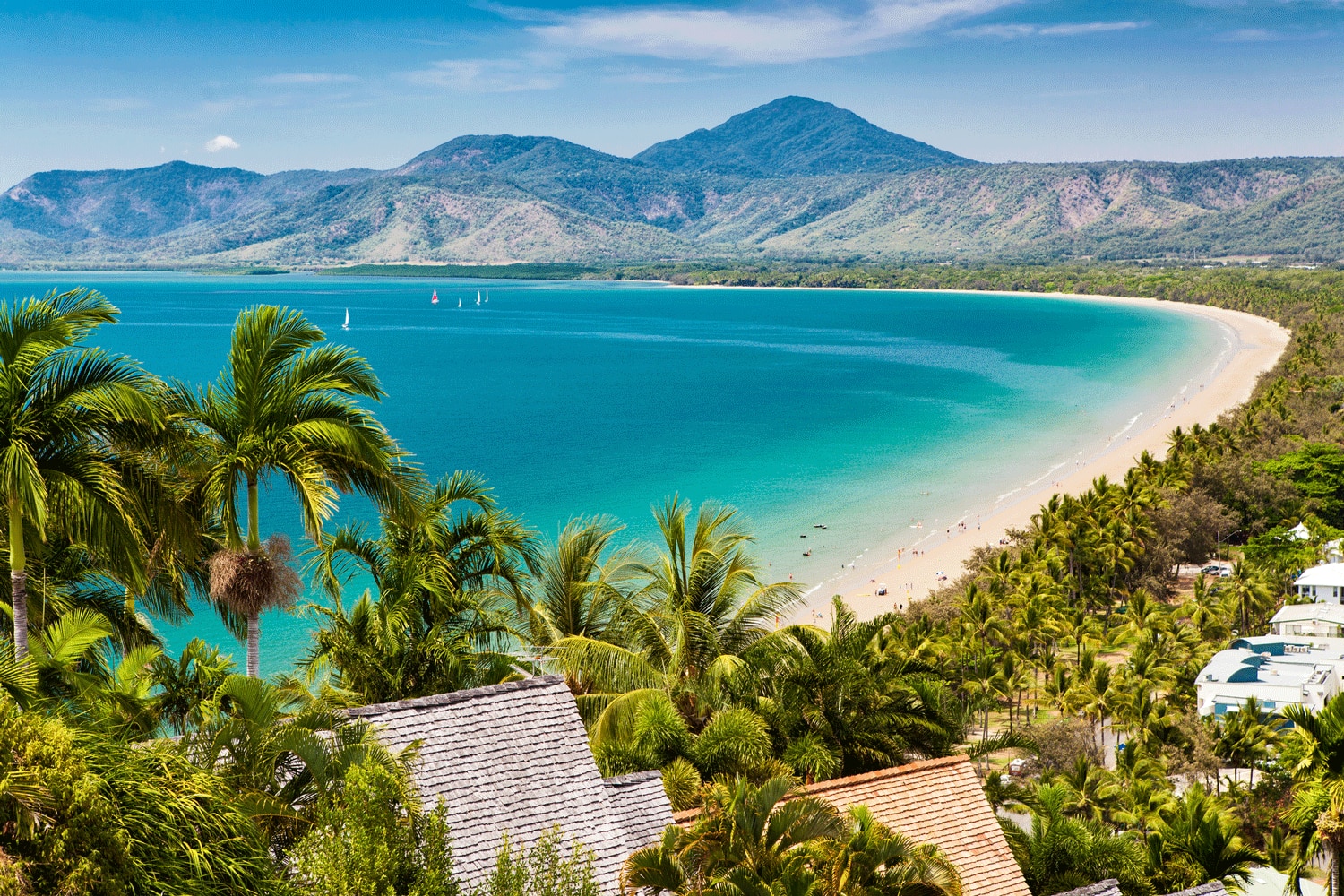
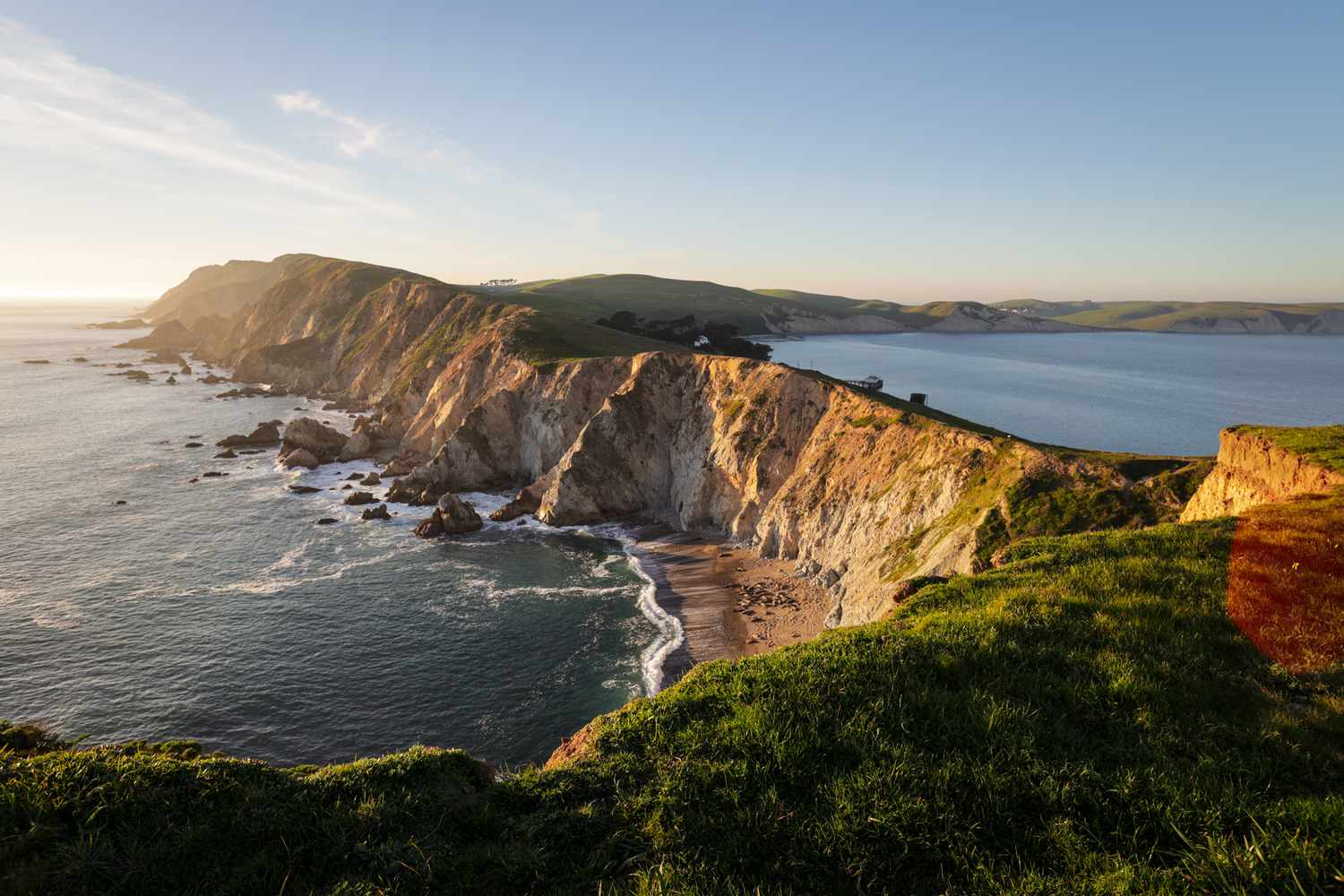
⚡ The TL;DR Verdict
The East Coast is your go-to for vibrant cities, well-trodden backpacker trails, and iconic sights, perfect for social butterflies and first-timers on a budget of AUD 100-200 (USD 65-130) daily. The West Coast offers unparalleled natural beauty, solitude, and adventure, ideal for independent travelers and nature lovers willing to spend AUD 130-250 (USD 85-165) daily, often more for remote areas.
- Choose East Coast Australia: If you crave a classic Aussie experience with bustling cities, famous beaches like Bondi, accessible public transport, a lively hostel scene, and iconic attractions such as the Great Barrier Reef. It's fantastic for solo travelers, backpackers, and those on a tighter schedule or budget who want to tick off the 'must-sees'.
- Choose West Coast: Opt for the West Coast if you seek raw natural beauty, fewer crowds, epic road trips, and a more remote, adventurous feel. It's perfect for independent travelers, couples, or families who appreciate pristine beaches, incredible national parks like Karijini, and unique wildlife encounters, often requiring a higher budget and more planning.
- Choose Both: Consider doing both if you have at least 4-6 weeks and a healthy budget. Start on the East Coast for its energy and infrastructure, then fly to Perth to experience the vast, untamed beauty of the West. This combo offers a complete picture of Australia's diverse landscapes and cultures.
Quick Comparison
| Category | East Coast Australia | West Coast | Winner |
|---|---|---|---|
| Costs & Budget | Generally more affordable for backpackers due to competition; hostels from AUD 30-50/night (USD 20-33). Flights between major cities are frequent and can be cheap. | Higher cost of living and less competition means higher prices; hostels AUD 40-65/night (USD 26-43). Remote travel significantly increases costs for fuel and accommodation. | East Coast Australia |
| Nature & Wildlife | Home to the Great Barrier Reef, Daintree Rainforest, Blue Mountains, and iconic kangaroo/koala encounters. Diverse but often more accessible and developed. | Boasts Ningaloo Reef, Karijini National Park, Bungle Bungle Range, Margaret River's forests, and unique marsupials like quokkas. Raw, dramatic, and less crowded. | West Coast |
| Beaches & Water Activities | Iconic surf beaches (Bondi, Gold Coast), white sand (Whitsundays), and the Great Barrier Reef for snorkeling/diving. More developed infrastructure. | Pristine white sand beaches (Lucky Bay, Cottesloe), Ningaloo Reef, and world-class surfing breaks (Margaret River). Fewer crowds, more untouched. | Tie |
| Cities & Culture | Home to Sydney, Melbourne, Brisbane – vibrant, multicultural hubs with iconic landmarks, diverse arts scenes, and bustling nightlife. | Perth is a modern, relaxed city with beautiful parks and beaches. Adelaide is smaller but known for its arts and food scene. Less urban sprawl, slower pace. | East Coast Australia |
| Food & Drink | Diverse international cuisine, thriving cafe culture in Melbourne, high-end dining in Sydney, and access to fresh produce from regional areas. | Perth has a growing food scene, especially seafood. Margaret River is a world-renowned wine region. Focus on fresh, local produce and craft beverages. | East Coast Australia |
| Getting Around | Extensive public transport in cities, Greyhound buses for long distances, domestic flights, and well-worn backpacker routes for ride-sharing. | Car or 4WD essential for exploring outside Perth. Limited public transport. Long distances between attractions, less frequent flights. | East Coast Australia |
| Accommodation | Abundance of hostels, hotels, and Airbnb options. More competitive pricing, especially for budget stays. Diverse range from basic to luxury. | Fewer budget options outside Perth. Remote areas rely on caravan parks, station stays, or resort-style accommodation which can be pricey. Less variety. | East Coast Australia |
| Solo Travel & Backpacking | Well-established backpacker trail, numerous hostels, easy to meet people, organized tours, and a strong social scene. | Less established backpacker route, fewer hostels, requires more independence and planning. Can be isolating if traveling without a group. | East Coast Australia |
| Unique Experiences & Iconic Sights | Sydney Opera House, Great Barrier Reef, Uluru (though central, often part of EC trips), surfing Bondi, Melbourne's laneways. | Swimming with whale sharks at Ningaloo, quokka selfies on Rottnest, Karijini's gorges, Bungle Bungle Range, Wave Rock. | Tie |
| Weather & Seasons | Southern regions (Sydney, Melbourne) have distinct four seasons. Tropical North (Cairns) has wet (Dec-Apr) and dry (May-Nov) seasons, prone to cyclones. | Perth enjoys Mediterranean climate (hot, dry summers; mild, wet winters). North (Broome) is tropical with intense wet season (Dec-Mar). More extreme heat in interior. | East Coast Australia |
💰 Costs & Budget
When it comes to stretching your dollars, the East Coast generally offers better value, especially for budget travelers. Hostels in major cities like Sydney, Brisbane, or Melbourne can be found for AUD 30-50 (USD 20-33) per night at places like Wake Up! Sydney or Nomads Brisbane. Public transport is extensive, reducing the need for expensive car rentals. Food can be cheap with supermarket specials and takeaway options from AUD 15-25 (USD 10-17) per meal. Conversely, the West Coast is notoriously pricier. A bed in a hostel in Perth, like The Old Swan Barracks, typically starts at AUD 40-65 (USD 26-43), and often more further north. Fuel costs are higher, especially when exploring remote areas, and food options outside Perth or Margaret River are limited and expensive. Activities like Rottnest Island ferries (AUD 60-100 / USD 40-65) add up. You'll save on the East Coast due to sheer volume and competition. "Honestly, my East Coast trip felt way more budget-friendly, especially with all the hostel deals and cheap flights between cities like Melbourne and Gold Coast. Perth stung my wallet way harder," a Reddit user recounted.
Winner takeaway
- Winner: East Coast Australia
- Why: The East Coast offers more budget-friendly accommodation, transport, and food options due to higher tourism volume and competition.
- Who this matters for: Backpackers, students, and budget-conscious travelers.
🌿 Nature & Wildlife
While the East Coast boasts world-famous natural wonders like the Great Barrier Reef (tours from Cairns or Port Douglas, AUD 200-300 / USD 130-200) and the ancient Daintree Rainforest, the West Coast truly shines for its raw, untamed, and often surreal natural landscapes. Ningaloo Reef, accessible from Exmouth, offers incredible swimming with whale sharks (AUD 400-600 / USD 260-400 for a tour) and manta rays, often from the beach, with far fewer crowds than the GBR. Karijini National Park, with its ancient gorges and crystal-clear swimming holes, is an absolute highlight – think hiking and swimming in Hancock Gorge or Weano Gorge (park entry AUD 15/vehicle/day, or AUD 45 for 4 weeks). Then there are the adorable quokkas on Rottnest Island (ferry from Fremantle, AUD 60-100 / USD 40-65). The dramatic Bungle Bungle Range in Purnululu National Park is another unique spectacle, though remote. East Coast nature, while incredible, feels more 'packaged' for tourism, whereas the West Coast provides a deeper, more personal connection to the wilderness. "Nothing on the East Coast prepared me for the scale and emptiness of the Kimberley or the gorges in Karijini. It's a completely different level of wild," shared a traveler on r/travel.
Winner takeaway
- Winner: West Coast
- Why: The West Coast offers more pristine, dramatic, and less crowded natural landscapes, with truly unique wildlife encounters.
- Who this matters for: Nature photographers, adventure seekers, and those craving solitude in the wilderness.
🏖️ Beaches & Water Activities
This is a tough one, as both coasts offer truly world-class beaches and aquatic adventures, just with different vibes. The East Coast boasts globally renowned surf spots like Bondi Beach in Sydney or Surfers Paradise on the Gold Coast, offering lively atmospheres and easy access to lessons (AUD 70-100 / USD 45-65). The Whitsundays, home to Whitehaven Beach, are a postcard-perfect paradise for sailing and snorkeling (3-day boat trips AUD 500-700 / USD 330-460). And, of course, the Great Barrier Reef for unrivaled diving and snorkeling. The West Coast counters with equally stunning but often deserted stretches of sand. Cottesloe Beach near Perth is beautiful, but the real gems are further afield: Lucky Bay in Esperance where kangaroos lounge on the sand, or the utterly pristine beaches of Coral Bay and Exmouth, which double as entry points to the incredible Ningaloo Reef for snorkeling with manta rays and vibrant coral right off the shore. Margaret River also offers world-class surfing, but without the crowds of the Gold Coast. "East Coast beaches are fun and lively, but the sheer untouched beauty of places like Turquoise Bay on the West Coast, where you can snorkel with turtles just metres from the sand, is something else entirely. No crowds, just pure bliss," one Redditor noted.
Winner takeaway
- Winner: Tie
- Why: Both coasts offer spectacular, unique beach and water experiences, catering to different preferences for crowds and activity levels.
- Who this matters for: Beach lovers, surfers, snorkelers, and divers – your preference depends on whether you seek lively or serene.
🏙️ Cities & Culture
For urban experiences and cultural immersion, the East Coast is the undisputed champion. Sydney offers iconic landmarks like the Opera House and Harbour Bridge, world-class museums, and diverse neighborhoods (e.g., The Rocks for history, Newtown for alternative culture). Melbourne is the cultural capital, renowned for its hidden laneway cafes (e.g., Degraves Street), street art, live music, and sports fanaticism. Brisbane provides a subtropical urban vibe with South Bank Parklands and a growing arts scene. These cities are melting pots of international cultures, offering endless dining, shopping, and entertainment options. Perth, while a pleasant and growing city with Kings Park and stunning beaches, has a more relaxed, almost 'large town' feel by comparison. Adelaide, sometimes grouped with West Coast itineraries due to its relative isolation from the East, offers a charming, boutique city experience but lacks the scale and energy of Sydney or Melbourne. "If you want world-class museums, a buzzing food scene, and non-stop events, Melbourne is unmatched. Perth is nice, but it feels like a different league culturally," a Reddit user commented. The sheer density and variety of cultural offerings on the East Coast make it a clear winner.
Winner takeaway
- Winner: East Coast Australia
- Why: The East Coast boasts multiple large, globally recognized cities with unparalleled cultural diversity, arts, entertainment, and iconic landmarks.
- Who this matters for: City explorers, foodies, art enthusiasts, and those seeking vibrant nightlife.
🍽️ Food & Drink
Australia generally excels in food, but the East Coast offers a more diverse and accessible culinary landscape. Melbourne is often hailed as the food capital, with its myriad of laneway cafes (try Lune Croissanterie for breakfast), fine dining restaurants (e.g., Attica, though pricey at AUD 300+/USD 200+ per person), and an incredible array of international cuisines from Vietnamese in Footscray to Greek in Lonsdale Street. Sydney offers a similar high-end experience (e.g., Quay) and fantastic casual options. The sheer population density drives innovation and competition, leading to more affordable and varied choices. The West Coast is no slouch, with Perth developing a strong restaurant scene, especially for seafood and modern Australian cuisine (e.g., Wildflower). The Margaret River region is, of course, a world-class wine region with fantastic cellar doors and gourmet produce, but these experiences are generally more spread out and pricier than the urban offerings of the East. For sheer variety, price point, and accessibility of excellent food and drink, the East Coast holds the edge. "Melbourne's coffee scene alone blew my mind, and the street food in Sydney was incredible value. Perth was good, but I had to search harder for affordable, diverse options," one Reddit review highlighted.
Winner takeaway
- Winner: East Coast Australia
- Why: The East Coast offers a greater variety of international cuisines, a more vibrant cafe culture, and a wider range of dining experiences at various price points.
- Who this matters for: Foodies, coffee aficionados, and those who enjoy a diverse culinary adventure.
🚗 Getting Around
Navigating the East Coast is significantly easier and often cheaper than the West. Major cities like Sydney, Melbourne, and Brisbane have excellent public transport networks (Opal card, Myki, Translink). For intercity travel, Greyhound buses offer affordable options along the entire coast, popular with backpackers. Domestic flights between hubs like Sydney (SYD), Melbourne (MEL), and Brisbane (BNE) are frequent and can be very cheap if booked in advance (e.g., Sydney to Gold Coast for AUD 50-100 / USD 33-65). Ride-sharing is also common. On the West Coast, a car, preferably a 4WD if you plan to venture into remote areas like Karijini or the Kimberley, is almost mandatory. Public transport is limited to Perth and a few regional towns. Distances between attractions are vast – for example, Perth to Exmouth is over 1200km, a two-day drive. Flights from Perth (PER) to regional airports like Exmouth (EXM) or Broome (BME) are less frequent and significantly more expensive (AUD 250-500+ / USD 165-330+ one-way). This makes West Coast travel more logistically challenging and costly for those without their own vehicle. "Trying to get around WA without a car was a nightmare. Everything is so spread out. On the East Coast, I could just hop on a bus or train and be fine," a Reddit user lamented.
Winner takeaway
- Winner: East Coast Australia
- Why: The East Coast offers a more extensive, affordable, and diverse range of transport options, making travel simpler and more accessible.
- Who this matters for: Budget travelers, solo adventurers, and those who prefer not to drive long distances.
🏨 Accommodation
The East Coast wins handily for accommodation options. Cities like Sydney, Melbourne, and Brisbane are saturated with hostels, ranging from party hostels like Gilligan's in Cairns to more boutique options, typically AUD 30-50 (USD 20-33) per night. Hotels are plentiful across all price points, and Airbnb listings are abundant. You have incredible variety, from luxury resorts in the Whitsundays to quaint B&Bs in regional towns. The sheer volume creates competitive pricing. On the West Coast, the options are more limited and often pricier. Perth has a decent selection of hotels and hostels, but once you leave the city, budget accommodation becomes scarce. In remote areas like along the Coral Coast or up in the Kimberley, you're looking at caravan parks (often AUD 30-50 / USD 20-33 for a powered site, more for cabins), station stays, or more expensive resort-style lodging. Booking in advance, especially during peak season, is crucial. "Finding a decent, affordable hostel in Exmouth felt impossible compared to the Gold Coast. Everything was either booked out or way over my budget," a traveler shared on r/solotravel.
Winner takeaway
- Winner: East Coast Australia
- Why: The East Coast offers a much wider selection of accommodation types, especially budget-friendly hostels, with more competitive pricing.
- Who this matters for: Travelers on a budget, those seeking diverse lodging options, and last-minute planners.
🚶♀️ Solo Travel & Backpacking
For solo travelers and backpackers, the East Coast is almost tailor-made. The 'Banana Pancake Trail' of Australia runs from Melbourne/Sydney up to Cairns, dotted with hostels, backpacker bars, and organized tours (e.g., Fraser Island tours from Rainbow Beach, AUD 400-600 / USD 260-400 for 3 days). It's incredibly easy to meet other travelers, find travel buddies, and join group activities. The public transport network and frequent flights make logistics straightforward for individuals. Hostels like Wake Up! in Sydney or Nomads in Noosa are hubs for solo adventurers. The West Coast, while offering incredible experiences, demands more independence. While Perth has hostels, the trail northward is less beaten. You'll find fewer dedicated backpacker amenities, and distances between towns mean you're more reliant on a car or expensive organized tours, which might not be as budget-friendly for a solo person. It's fantastic for introspective solo travel or if you're comfortable making friends on the road and splitting costs. "As a solo traveler, the East Coast was amazing for meeting people. Every hostel had social events. In WA, I felt like I really needed a car and companions to properly explore the remote areas without breaking the bank or feeling isolated," a traveler posted on r/solotravel.
Winner takeaway
- Winner: East Coast Australia
- Why: The East Coast offers a far more established, social, and logistically simpler experience for solo travelers and backpackers.
- Who this matters for: Solo adventurers, first-time backpackers, and those looking to socialize and meet other travelers.
✨ Unique Experiences & Iconic Sights
Both coasts offer bucket-list-worthy experiences, making this a tie based on personal preference for iconic versus raw adventure. The East Coast boasts globally recognized landmarks that often define Australia in popular imagination: the Sydney Opera House (tours from AUD 40 / USD 26), climbing the Sydney Harbour Bridge (AUD 200-400 / USD 130-260), exploring the Great Barrier Reef, and the vibrant arts scene of Melbourne. Even Uluru, though geographically central, is typically accessed via flights from Sydney or Melbourne. These are experiences that most first-time visitors to Australia want to tick off. The West Coast, however, offers truly unique and often more 'off-the-beaten-path' adventures. Swimming with majestic whale sharks at Ningaloo Reef (AUD 400-600 / USD 260-400) is an unparalleled wildlife encounter. Getting a selfie with a smiling quokka on Rottnest Island is uniquely Western Australian. The ancient, dramatic gorges of Karijini National Park offer incredible hiking and swimming, a completely different type of natural wonder than the reef or rainforest. Then there's the surreal Bungle Bungle Range or Wave Rock. "The Opera House is iconic, no doubt, but swimming eye-to-eye with a whale shark at Ningaloo felt like a once-in-a-lifetime, truly wild experience that the East Coast couldn't quite match for me personally," a Reddit user explained.
Winner takeaway
- Winner: Tie
- Why: Both regions offer distinct and incredible bucket-list experiences, catering to different interests – global icons versus unique natural wonders.
- Who this matters for: Travelers seeking 'must-see' global landmarks vs. those desiring unique, wild, and less crowded adventures.
☀️ Weather & Seasons
Planning for the East Coast's weather is generally more straightforward and offers more consistent pleasant conditions. Southern cities like Sydney and Melbourne experience temperate climates with distinct seasons, meaning you can enjoy shoulder seasons (spring/autumn) for mild weather and fewer crowds. The tropical North Queensland (Cairns, Port Douglas) has a defined dry season (May-November) which is ideal for visiting the Great Barrier Reef, with low humidity and clear skies, though it can get crowded. The wet season (December-April) brings humidity and possible cyclones, but also lush landscapes and fewer tourists. The West Coast, especially its vast northern regions, experiences more extreme weather. Perth has a lovely Mediterranean climate, with hot, dry summers (Dec-Feb, often 35C+/95F+) and mild, wet winters. However, the north (e.g., Broome, Kimberley) has a very intense tropical wet season from December to March, with extreme humidity, heavy rainfall, and road closures, making travel difficult or impossible. The summer heat in the interior can be brutal. This limits the 'ideal' travel window for much of the West Coast more severely than the East. "We tried to do the Kimberley in February and it was a mistake – everything was flooded, and the humidity was unbearable. The East Coast felt much more forgiving with its seasons," a traveler warned on r/AustraliaTravel.
Winner takeaway
- Winner: East Coast Australia
- Why: The East Coast offers more diverse climatic zones, allowing for good travel conditions year-round in different regions, and generally more predictable weather in popular areas.
- Who this matters for: Travelers with specific timing constraints, those sensitive to extreme heat/humidity, and those looking for consistent pleasant weather.
❓ Frequently Asked Questions
Which coast is better for a first-time visitor to Australia?
The East Coast is generally recommended for first-time visitors. Its established tourist infrastructure, iconic landmarks like the Sydney Opera House and Great Barrier Reef, and ease of getting around make it a more accessible and comprehensive introduction to Australia.
How long do I need to travel each coast effectively?
For the East Coast, a minimum of 3-4 weeks allows you to hit the highlights from Sydney to Cairns. For the West Coast, 2-3 weeks for a Perth-Margaret River-Coral Coast trip is ideal, but exploring the Kimberley region properly requires another 2-3 weeks, pushing total time needed significantly.
Is it possible to see both coasts in a single trip?
Yes, but it requires significant time and budget. You'd typically need at least 4-6 weeks to do justice to both. This would involve a long domestic flight between major hubs like Sydney/Melbourne and Perth (approx. 4-5 hours flight time, AUD 200-500 / USD 130-330), and careful planning to maximize your time.
Which coast is better for road tripping?
While both offer epic road trips, the West Coast truly shines for its vast, open roads, unique landscapes, and sense of adventure. It's less developed, meaning more freedom but also more self-reliance. The East Coast offers popular coastal drives (e.g., Pacific Coast Highway), but they're often busier and more urbanized.
What's the best time of year to visit each coast?
For the Southern East Coast (Sydney, Melbourne), spring (Sep-Nov) and autumn (Mar-May) offer pleasant temperatures. For Tropical North Queensland, the dry season (May-Nov) is ideal. For Perth and the Southern West Coast, spring (Sep-Nov) is excellent. For the Northern West Coast (Broome, Kimberley), the dry season (May-Oct) is essential due to the intense wet season.
Are flights between the coasts expensive?
Flights between major East Coast cities (e.g., Sydney to Melbourne) can be as low as AUD 50-100 (USD 33-65). However, a cross-country flight from Sydney or Melbourne to Perth is typically AUD 200-500 (USD 130-330) one-way, depending on how far in advance you book and the season. It's a significant cost and time commitment.
Which coast is better for adventure sports and activities?
The East Coast generally offers a wider variety of accessible adventure sports, from surfing lessons at Bondi to white water rafting in Cairns, skydiving, and bungee jumping, often with more operators and competitive pricing. The West Coast offers unique adventures like whale shark swimming and rugged 4WD expeditions, but often at a higher price and requiring more remote travel.
Is wildlife spotting easier on one coast?
Both coasts offer fantastic wildlife. On the East Coast, you're more likely to see kangaroos, koalas, and diverse marine life at the Great Barrier Reef with organized tours. The West Coast offers unique encounters like quokkas, whale sharks, and often more 'wild' sightings of kangaroos and emus in national parks, but it often requires more independent exploration.
Ready to plan your Australian adventure?
Get a free custom itinerary for East Coast Australia, West Coast, or both — built from real traveler insights.
🎟️ Book Tours & Experiences
Hand-picked tours and activities for both destinations — book with free cancellation
Experiences via Viator — free cancellation on most tours