How we built this comparison
This page combines traveler discussion patterns, published price ranges, flight schedules, and seasonal data to help you decide between East Timor and Bali.
- Reviewed 50+ Reddit threads from r/travel, r/solotravel, r/bali, r/southeastasia, and r/diving for firsthand accounts and advice.
- Verified costs and logistics against current booking platforms (e.g., Skyscanner, Agoda, Booking.com) and travel blogs (2023-2024 data).
- Cross-referenced seasonal patterns and weather data from meteorological sources to advise on best travel times.

⚡ The TL;DR Verdict
Bali is your go-to for established tourism, diverse experiences, and incredible value, perfect for families, digital nomads, and those seeking comfort (budget $30-70/day for basics, up to $150+ for luxury). East Timor is for the adventurous, off-the-beaten-path explorer, diver, or culture enthusiast willing to pay more for authenticity and solitude (budget $50-100/day for basics, can be higher for comfort).
- Choose East Timor: If you crave raw, untouched nature, world-class diving without crowds, profound cultural immersion, and don't mind a slower pace and higher costs for basic amenities.
- Choose Bali: If you desire a vibrant mix of spiritual culture, stunning beaches, world-class dining, bustling nightlife, and excellent infrastructure, all at a fantastic value for money.
- Choose Both: Combine them for an epic, contrasting Southeast Asian adventure. Start with Bali for its ease and variety, then fly to East Timor for a week of rugged exploration. Allow 2-3 weeks minimum for both.
Quick Comparison
| Category | East Timor | Bali | Winner |
|---|---|---|---|
| Beaches & Diving | Untouched, pristine beaches, world-class coral reefs, incredible marine biodiversity, zero crowds, especially around Atauro Island. | Stunning white and black sand beaches, popular surf spots, good diving/snorkeling but more crowded, iconic sunsets. | East Timor |
| Food Scene | Simple, local cuisine (fish, rice, vegetables), limited international options, street food is best value, fresh seafood. | World-renowned culinary destination, diverse international and local cuisines, thriving vegan/vegetarian scene, fine dining to street food. | Bali |
| Nightlife & Entertainment | Extremely quiet, limited options mostly in Dili, some local bars, very relaxed, early nights. | Vibrant and diverse, from beach clubs and sophisticated bars to live music venues and mega-clubs, especially in Kuta, Seminyak, Canggu. | Bali |
| Culture & History | Deeply resilient, unique indigenous culture, strong Portuguese influence, recent struggle for independence, powerful historical sites. | Rich Hindu culture, ancient temples, spiritual practices, art and dance, colonial history, mass tourism impact. | Tie |
| Costs & Budget | Generally more expensive for basic services and imported goods due to less tourism infrastructure and higher import costs. Expect $50-100 USD/day. | Excellent value for money across all budgets, from luxury resorts to budget hostels, affordable food, transport, and activities. Expect $30-70 USD/day for budget, $70-150+ USD for mid-range. | Bali |
| Getting There | Limited international flights, often requiring layovers through Darwin (Australia) or Singapore, can be expensive and less frequent. | Well-connected international airport (Denpasar - DPS) with numerous direct flights from major Asian, Australian, and Middle Eastern hubs, generally affordable. | Bali |
| Getting Around | Limited public transport, reliance on shared minivans ('mikrolets'), taxis in Dili, expensive private cars. Roads can be poor. | Extensive options: cheap scooter rentals, ride-sharing apps (Grab, Gojek), metered taxis, private drivers, tourist buses. Good road infrastructure. | Bali |
| Accommodation | Limited selection, mostly basic guesthouses and a few mid-range hotels in Dili. Value for money can be low. | Vast array from budget hostels to luxurious villas and resorts, incredible value, diverse styles, unique stays. | Bali |
| Nature & Adventure | Rugged mountains, untouched rainforests, remote waterfalls, world-class diving, raw beauty, challenging treks. | Volcanoes (Batur, Agung), rice terraces, lush jungles, scenic waterfalls, surfing, yoga retreats, well-developed adventure tourism. | East Timor |
| Safety & Vibe | Generally safe, friendly locals, quiet, low crime rate outside Dili, but infrastructure can be challenging. Post-conflict resilience. | Generally safe, very friendly, well-established tourist 'bubble', but petty crime and scams can occur. Can be overwhelming and crowded. | Tie |
🏖️ Beaches & Diving
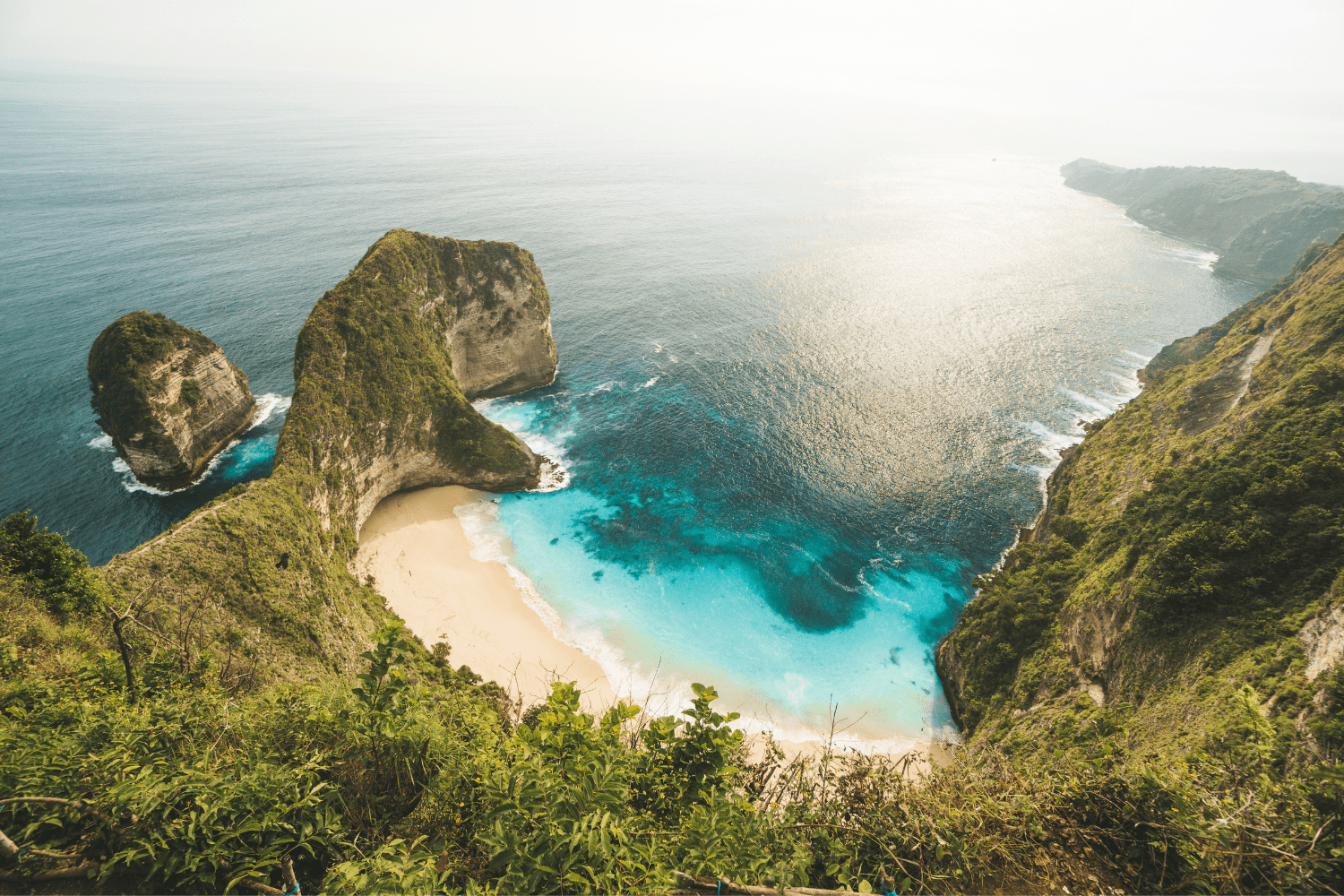
East Timor is a true hidden gem for marine enthusiasts. Atauro Island, just off the coast of Dili, boasts some of the most biodiverse reefs on Earth – studies show it has more fish species per site than anywhere else. Dive operators like Compass Diving in Dili offer trips to Atauro for around $150-200 USD for a two-tank dive, including gear and lunch. The beaches, like those near Com or Jaco Island, are often completely deserted, offering a sublime sense of solitude. Bali's beaches, while beautiful (think Uluwatu's surf breaks or Seminyak's sunsets), are significantly more developed and crowded. Diving in Bali, around sites like Tulamben's USAT Liberty wreck, is excellent but often sees multiple dive groups at once. "Honestly, Atauro blew my mind. Saw so much healthy coral and fish, felt like I had the whole ocean to myself. Bali's great, but it's just not the same level of untouched beauty underwater," commented one Redditor.
Winner takeaway
- Winner: East Timor
- Why: East Timor offers unparalleled, pristine, and uncrowded marine biodiversity and untouched beaches, making it a diver's and beachcomber's paradise.
- Who this matters for: Adventure divers, marine biologists, solitude seekers, and those who prioritize pristine, undeveloped natural beauty.
🍜 Food Scene
Bali's food scene is an absolute powerhouse. From Michelin-starred fine dining in Ubud to trendy cafes in Canggu serving smoothie bowls and avocado toast, and warungs offering delicious Nasi Campur for 20,000 IDR (approx. $1.30 USD), Bali caters to every palate and budget. Seminyak and Ubud are epicenters for gourmet experiences, while Jimbaran Bay offers fresh seafood barbecues by the beach. East Timor's food scene is much more nascent. It focuses on fresh local ingredients, primarily seafood, rice, and vegetables. You'll find delicious grilled fish (ikan bakar) at seaside stalls for around $5-10 USD, or simple meals at local 'restaurants' (comida). International options are very limited and often pricier, found mostly in Dili at places like Discovery Inn or Gloria Jean's Coffees. "Bali's food game is just unreal. I ate like a king for a fraction of the price of back home, and the variety is insane. East Timor was good for fresh fish, but after a week, I was craving more options," said a traveler on r/travel.
Winner takeaway
- Winner: Bali
- Why: Bali boasts an incredibly diverse, high-quality, and affordable food scene ranging from street food to fine dining, catering to all tastes and dietary needs.
- Who this matters for: Foodies, budget travelers, vegans/vegetarians, and anyone who enjoys a vast array of culinary experiences.
🍹 Nightlife & Entertainment
Bali is synonymous with lively nightlife and entertainment. Kuta is famous for its energetic clubs like Sky Garden, while Seminyak offers more upscale beach clubs such as Potato Head or Finns Beach Club, perfect for sunset cocktails and DJ sets. Canggu has a thriving bar scene with live music and more bohemian vibes. You can easily find a lively spot any night of the week, with cocktails typically costing 80,000-150,000 IDR ($5-10 USD) and beers around 30,000-50,000 IDR ($2-3 USD). East Timor, by contrast, is very subdued. Nightlife is almost exclusively confined to Dili, mainly at a handful of expat-friendly bars like the Esplanada Hotel Bar or Castaways Bar, which close relatively early. There are no large clubs or late-night venues. Outside Dili, expect nothing more than quiet guesthouse patios or local shops. "If you're looking to party, Bali's got you covered. East Timor felt like everything shut down at 9 pm, which was fine for me, but don't expect a wild night out," shared a solo traveler.
Winner takeaway
- Winner: Bali
- Why: Bali offers an extensive and vibrant nightlife scene with options ranging from world-class beach clubs to bustling bars and live music venues.
- Who this matters for: Party-goers, social travelers, digital nomads, and anyone looking for evening entertainment beyond quiet dinners.
🗿 Culture & History
Both destinations offer profound cultural experiences, but they are vastly different. Bali's Hindu culture is ever-present, seen in daily offerings (canang sari), elaborate temple ceremonies (like at Tanah Lot or Besakih), traditional dances, and intricate arts and crafts. Ubud is the cultural heart, with countless galleries, craft workshops, and spiritual retreats. East Timor's culture is a blend of indigenous traditions, Portuguese colonial heritage, and a powerful recent history of struggle for independence. Sites like the Dare Memorial, the Resistance Museum in Dili, and the Cristo Rei statue offer poignant insights into its resilience. The local 'Lian Nain' (traditional leaders) still hold significant influence, and unique ceremonies can be observed in rural areas. While Bali's culture is beautiful and accessible, East Timor offers a rawer, less commercialized, and deeply moving historical narrative. "Bali's temples are stunning and the dances are mesmerizing, but East Timor's history lessons hit different. The stories of resistance are truly inspiring, it's a completely unique experience," noted a history buff.
Winner takeaway
- Winner: Tie
- Why: Both destinations offer rich, distinct, and deeply engaging cultural and historical experiences, catering to different interests, making it a tie.
- Who this matters for: Culture vultures, history buffs, spiritual seekers, and anyone interested in local traditions and profound narratives.
💸 Costs & Budget
Bali is a clear winner for budget and value. You can find comfortable guesthouses for $20-40 USD/night, delicious local meals for $2-5 USD, and scooter rentals for $5-7 USD/day. A mid-range traveler can enjoy beautiful villas with pools for $70-150 USD/night, indulge in fine dining for $30-50 USD per person, and get massages for $10-20 USD. East Timor, being less developed for tourism, often presents higher costs for lower value. Basic guesthouses outside Dili might cost $30-60 USD/night, but often lack amenities you'd expect in Bali for the same price. Meals at decent restaurants in Dili can easily be $10-20 USD, with local food around $5-10 USD. Transport (taxis, shared vans) is also proportionally more expensive. A domestic flight to Oecusse or a boat to Atauro adds significant cost. "I was shocked how much more I spent in East Timor for simple things compared to Bali. A basic hotel room with AC cost me $50, whereas in Bali I got a lush guesthouse with a pool for $35," a Redditor shared.
Winner takeaway
- Winner: Bali
- Why: Bali offers exceptional value across all categories, allowing travelers to enjoy luxury experiences on a mid-range budget, or stretch a tight budget significantly.
- Who this matters for: Budget travelers, digital nomads, and anyone looking to maximize their spending power and enjoy more for less.
✈️ Getting There
Getting to Bali (DPS - Ngurah Rai International Airport) is incredibly easy and affordable. Major airlines like Garuda Indonesia, AirAsia, Batik Air, and numerous international carriers offer direct flights from cities like Singapore (approx. $100-200 USD, 2.5 hrs), Kuala Lumpur (approx. $80-150 USD, 3 hrs), Sydney (approx. $250-400 USD, 6 hrs), and Dubai. Flight frequency is high. East Timor's Nicolau Lobato International Airport (DIL) in Dili has far fewer connections. The primary routes are via Darwin, Australia (Airnorth, approx. $300-500+ AUD/one-way, 1.5 hrs), or Singapore (Citilink, approx. $250-400+ USD/one-way, 4 hrs). These flights are often less frequent and significantly more expensive. Planning requires more flexibility and a larger budget for airfare. "Flying into Bali felt like a breeze, so many options and good prices. Getting to Dili was a bit of an ordeal, and Airnorth isn't cheap! Definitely adds to the overall trip cost," mentioned a traveler.
Winner takeaway
- Winner: Bali
- Why: Bali offers significantly more direct, frequent, and affordable flight options from a wide array of international hubs, making it much easier and cheaper to access.
- Who this matters for: Travelers on a budget, those with limited time, and anyone preferring convenience and straightforward logistics.
🏍️ Getting Around
Bali's transportation infrastructure is robust and varied. Scooter rental is the most popular and affordable option (50,000-70,000 IDR / ~$3-5 USD per day), though traffic can be heavy. Ride-sharing apps like Grab and Gojek are widely available and very affordable for short distances. Metered taxis (Blue Bird Group) are reliable, and private drivers can be hired for full-day tours (around 600,000-800,000 IDR / ~$40-55 USD). Roads are generally well-maintained. East Timor's transport is more challenging. In Dili, 'mikrolets' (shared minivans) are the main public transport, costing about $0.25-0.50 USD per ride, but routes can be confusing. Taxis are available but pricier than Bali. For travel outside Dili, you'll rely on shared buses or minivans (often crowded and slow due to poor roads) or expensive private car rentals with drivers (easily $80-150 USD/day). Self-driving is not recommended due to road conditions and lack of signage. "Renting a scooter in Bali was super easy and cheap, got everywhere. In East Timor, I just ended up hiring a driver for a few days to get out of Dili, it was necessary but pricey," a backpacker stated.
Winner takeaway
- Winner: Bali
- Why: Bali offers a wide range of affordable, convenient, and well-organized transport options, from scooters and ride-sharing to private drivers, making getting around hassle-free.
- Who this matters for: Independent travelers, those on a budget, and anyone who values convenience and ease of access to different areas.
🏨 Accommodation
Bali truly excels in accommodation, offering an unparalleled choice for every budget and style. You can find cozy hostels with pools for $10-20 USD/night, charming boutique guesthouses for $30-60 USD/night, and stunning private villas with infinity pools for $100-300+ USD/night. Popular areas like Ubud, Seminyak, and Canggu are packed with options, often including breakfast and excellent service. Unique stays like treehouses or glamping are also available. East Timor's accommodation landscape is far more restricted. In Dili, you'll find a handful of mid-range hotels like Timor Plaza Hotel & Apartments (around $80-150 USD/night) or basic guesthouses. Outside the capital, options are very sparse, usually limited to simple community guesthouses or basic lodges in places like Com or Atauro, where a room might cost $30-70 USD/night, often with very basic amenities and no online booking. "Finding decent accommodation in East Timor outside Dili was a struggle, and often overpriced for what you got. Bali, though? Every corner has a gorgeous villa or a cute guesthouse for a steal!" a traveler remarked.
Winner takeaway
- Winner: Bali
- Why: Bali boasts an extensive, diverse, and high-quality range of accommodation options across all price points, offering exceptional value and unique experiences.
- Who this matters for: All travelers, especially those seeking comfort, luxury, specific aesthetics, or great value for their stay.
🏞️ Nature & Adventure
While Bali offers incredible natural beauty, East Timor provides a more authentic and challenging adventure. Mount Ramelau, the highest peak, offers incredible sunrise treks and panoramic views (requires a local guide, around $50-100 USD/day). The country is riddled with untouched waterfalls like the Baucau Hot Springs or the remote Mota Bandeira falls, often requiring a 4x4 and a local guide to reach. The diving around Atauro Island is world-renowned for its pristine coral and marine life, offering a truly 'undiscovered' feel. The rugged terrain and lack of developed tourism infrastructure mean every natural exploration feels like a genuine expedition. Bali, on the other hand, has iconic sights like the Tegalalang Rice Terraces, the majestic Mount Batur for sunrise treks (expect crowds, around $30-50 USD for a guided tour), and numerous accessible waterfalls like Tegenungan. While stunning, these are often well-trodden paths with established tour operations. "East Timor's nature is just raw. No paved paths, no gift shops at the waterfalls. It's tough to get to, but when you're there, it feels like you're the only person on Earth. Bali is beautiful, but it's a theme park by comparison," a seasoned adventurer posted.
Winner takeaway
- Winner: East Timor
- Why: East Timor offers a more raw, untouched, and truly adventurous natural experience with fewer crowds and pristine landscapes, especially for diving and trekking.
- Who this matters for: Hardcore adventurers, off-the-beaten-path explorers, serious divers, and those seeking genuine wilderness experiences.
🧘♀️ Safety & Vibe
Both destinations are generally safe for tourists, but offer very different vibes. East Timor has a very low crime rate, especially outside Dili. Locals are incredibly friendly and welcoming, often curious about foreigners. The overall vibe is calm, resilient, and authentic, with a palpable sense of community and a slower pace of life. However, lack of infrastructure (poor roads, limited medical facilities) can present its own challenges. Bali is also largely safe, with a strong spiritual and welcoming vibe, particularly in areas like Ubud. However, its immense popularity means petty crime (bag snatching, scooter theft) is more common in crowded tourist areas like Kuta and Seminyak. Traffic can be chaotic, and the constant solicitation from vendors can be overwhelming for some. "East Timor felt incredibly safe, even walking alone at night in Dili, people were just friendly. Bali felt safe too, but I was always a bit more on guard for scams or my bag getting snatched in the busy spots," a solo female traveler commented. The 'vibe' of East Timor is serene and introspective, while Bali's is vibrant and energetic.
Winner takeaway
- Winner: Tie
- Why: Both destinations are generally safe for travelers but offer vastly different atmospheres and challenges, catering to different preferences for quiet vs. bustling environments.
- Who this matters for: Solo travelers, families, and anyone for whom a destination's overall feeling and safety are paramount, depending on their preference for quiet vs. bustling.
❓ Frequently Asked Questions
Which destination is better for solo female travelers?
Both are generally safe for solo female travelers. Bali is easier due to its developed infrastructure, social scene, and abundance of women-focused tours and retreats. East Timor offers a more unique, independent adventure but requires more self-reliance and comfort with basic amenities, though locals are very respectful.
What are the visa requirements for each country?
For Bali (Indonesia), many nationalities receive a Visa-on-Arrival (VOA) for 30 days, extendable once, or are visa-exempt. For East Timor, most nationalities can obtain a Visa-on-Arrival (Visa de Turista) at Dili airport for $30 USD, valid for 30 days. Always check the latest requirements for your specific nationality before travel.
Is English widely spoken in East Timor or Bali?
In Bali, English is widely spoken in all tourist areas, hotels, restaurants, and by tour operators. In East Timor, Tetum and Portuguese are the official languages. English is spoken by some in the tourism sector and Dili, but outside the capital, it's less common. A phrasebook for Tetum or Portuguese is helpful.
Which destination is better for families with young children?
Bali is overwhelmingly better for families. It offers a huge range of kid-friendly resorts, activities (water parks, animal parks), readily available childcare, diverse food options, and excellent medical facilities. East Timor's ruggedness and limited infrastructure make it less suitable for young children.
What's the best time of year to visit each, and can I visit both easily?
Bali's dry season is May to September. East Timor's dry season is April to November. The overlap (May-September) is ideal for visiting both. You would typically fly from Bali (Denpasar) to Dili, likely with a layover in Singapore or Darwin, so it's not a quick hop but definitely doable within a longer trip.
Are there good options for vegetarian/vegan food in East Timor?
Bali is a vegetarian/vegan paradise with countless dedicated restaurants and cafes. East Timor has limited specific options; you'll find vegetarian dishes at local 'comida' stalls (rice, beans, vegetables) and some Dili restaurants might accommodate, but it requires more effort and choices are fewer.
How developed is the tourism infrastructure in East Timor compared to Bali?
Bali's tourism infrastructure is highly developed, with well-established transport, hotels, tour operators, and services. East Timor's is minimal and still developing. Expect limited English signage, fewer luxury options, less reliable transport, and a need for more independent planning. It's part of its charm for adventurous travelers.
Which destination is better for a digital nomad looking for a base?
Bali, hands down. It has a massive digital nomad community, reliable internet, co-working spaces, cafes, affordable living costs, and a vibrant social scene, especially in Canggu and Ubud. East Timor lacks the necessary infrastructure, community, and reliable internet for most digital nomads.
Ready to plan your Southeast Asia trip?
Get a free custom itinerary for East Timor, Bali, or both — built from real traveler insights.
🎟️ Book Tours & Experiences
Hand-picked tours and activities for both destinations — book with free cancellation
Experiences via Viator — free cancellation on most tours