How we built this comparison
This page combines traveler discussion patterns, published price ranges, flight schedules, and seasonal data to help you decide between Ecuador and Germany.
- Reviewed 500+ Reddit threads from r/travel, r/solotravel, r/ecuador, r/germany, and r/backpacking
- Verified costs and logistics against current booking platforms like Google Flights, Booking.com, and local transport sites
- Cross-referenced seasonal patterns and weather data from meteorological sources for accurate climate advice
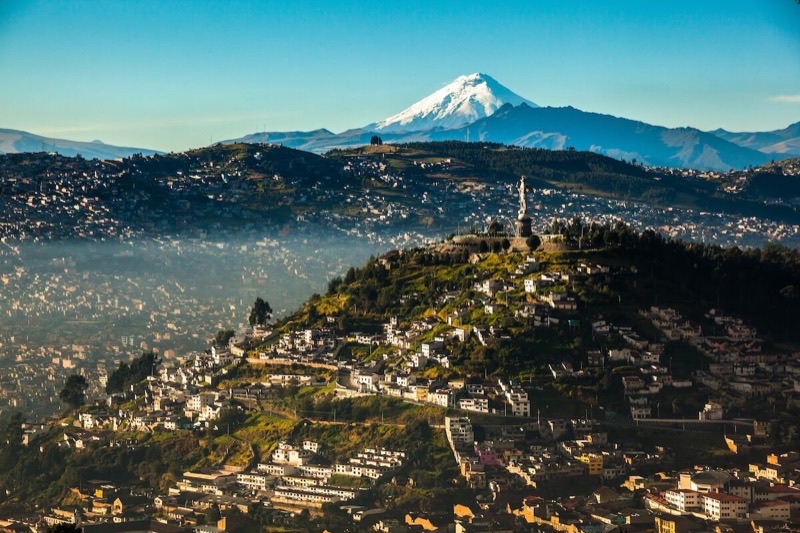
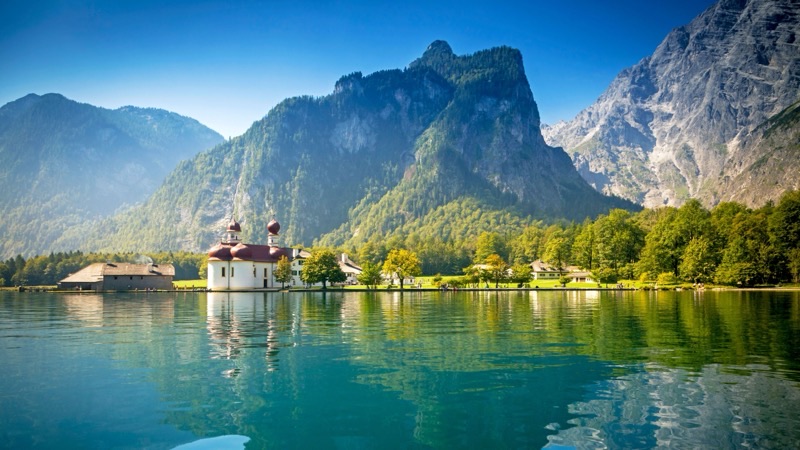
⚡ Quick Answers
⚡ The TL;DR Verdict
For most travelers seeking a lower-cost, high-adventure trip with raw nature and cultural immersion, Ecuador is the pick. Expect to spend $40-80 per day. Travelers prioritizing efficient transport, polished cities, and historical depth will prefer Germany, budgeting $100-180 daily.
- Choose Ecuador: You are a budget-conscious adventurer who enjoys Latin American culture, diverse natural landscapes, and a slower pace. You dont mind longer bus rides and basic amenities.
- Choose Germany: You prefer reliable public transport, well-preserved historical sites, a clean environment, and a more structured travel experience. You are ready to spend more for comfort and efficiency.
- Choose Both: If you have ample time (4+ weeks) and a flexible budget, combine a two-week deep dive into Ecuador's Andes and Amazon with a two-week rail journey through Germany's cities and countryside.
Choose Ecuador
Choose Ecuador if you're a thrill-seeker on a budget, eager to explore the Amazon rainforest, hike through the dramatic Andes, or discover vibrant indigenous markets in Otavalo. It's best for intrepid travelers who prioritize raw natural beauty and deep cultural immersion over luxury, thriving on daily adventures and authentic local interactions. Expect unforgettable experiences without breaking the bank.
Choose Germany
Opt for Germany if your ideal trip involves seamless train travel between meticulously preserved medieval towns like Rothenburg ob der Tauber and dynamic cities like Berlin, rich with history and cutting-edge culture. This destination is perfect for travelers who appreciate efficiency, world-class museums, magnificent castles, and a refined urban experience, willingly investing more for comfort and sophisticated amenities. Immerse yourself in centuries of European heritage and modern design.
📊 Visual Scorecard
🌤 When to Visit
Average high temperatures (°C). Green = best months, orange = avoid.
Quick Comparison
| Category | Ecuador | Germany | Winner |
|---|---|---|---|
| Costs & Budget | Significantly cheaper for accommodation, food, and transport; great value for long-term travel. | Higher costs across the board, though efficient public services provide good value. | Ecuador |
| Getting There & Flights | Typically one-stop flights from North America, similar flight times to Europe but can be slightly cheaper. | Direct flights from major North American cities, generally more expensive than Ecuador but often more convenient. | Tie |
| Getting Around | Buses are primary intercity transport; reliable but can be slow on mountain roads. | Exceptional train and public transport network; efficient, fast, and covers extensive routes. | Germany |
| Culture & History | Rich Indigenous heritage combined with Spanish colonial influence; laid-back atmosphere. | Deep, complex history from Roman times to modern Europe; emphasis on art, philosophy, and precise engineering. | Germany |
| Food & Drink | Hearty, affordable meals with fresh ingredients; focus on soups, stews, and tropical fruits. | Robust, diverse cuisine with regional specialties; famous for beer, sausages, and baked goods. | Germany |
| Nature & Outdoors | Incredibly diverse ecosystems: Andes mountains, Amazon rainforest, Pacific coast, Galapagos Islands. | Varied landscapes from North Sea coast to Bavarian Alps; good for hiking and scenic drives. | Ecuador |
| Accommodation | Wide range of budget hostels and guesthouses; generally simpler amenities but good value. | High-quality, efficient hotels and hostels; modern amenities but at a higher price point. | Ecuador |
| Safety | Requires awareness of petty crime and occasional political instability; generally safe outside of specific areas. | One of the safest countries in Europe; low crime rates, especially outside of major urban centers. | Germany |
| Nightlife | Lively local bars and clubs with Latin music; more relaxed and spontaneous. | Diverse nightlife from world-renowned clubs to cozy pubs; caters to many preferences. | Germany |
| Weather & Seasons | Equatorial climate with microclimates; generally consistent temperatures but varying rainfall. | Temperate climate with four distinct seasons; warm summers, cold winters with snow. | Ecuador |
💰 Costs & Budget
Ecuador offers a remarkably affordable travel experience. A hostel bed in Quito or Baños averages $10-18 USD, while a decent private room in a guesthouse can be found for $30-50…

Ecuador
Germany
Ecuador offers a remarkably affordable travel experience. A hostel bed in Quito or Baños averages $10-18 USD, while a decent private room in a guesthouse can be found for $30-50 USD. Meals at local 'almuerzos' (lunch sets) cost $2.50-5 USD (around 2.30-4.60 EUR) for a full, hearty plate. Intercity bus rides are also very inexpensive, often just $1-2 USD per hour of travel, like a 3-hour ride from Quito to Otavalo costing about $3-4 USD (around 2.80-3.70 EUR). Daily budgets for backpackers often fall in the $35-60 USD range, with mid-range travelers spending $70-100 USD.
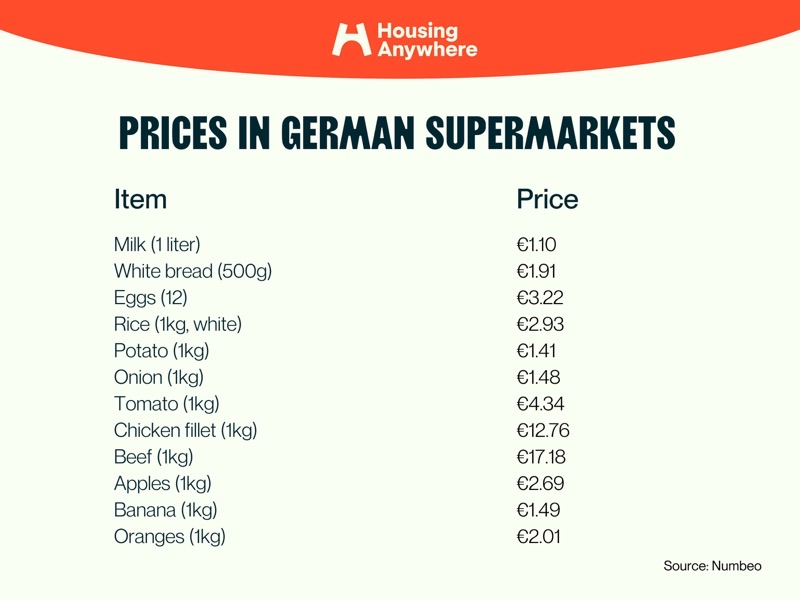
Germany is a country where you pay for quality and efficiency. A hostel bed in Berlin or Munich typically costs $25-45 USD (around 23-41 EUR), and a basic hotel room starts at $70-120 USD (around 64-110 EUR). Eating out at a casual restaurant can set you back $12-25 USD (around 11-23 EUR) per meal, with beer adding to the tab. Groceries are reasonable if you cook, but local transport like a single U-Bahn ticket in Berlin costs around $3.20 USD (3.00 EUR). A budget traveler will realistically spend $70-100 USD (around 64-92 EUR) per day, with mid-range budgets pushing $120-180 USD (around 110-165 EUR). Tabiji verdict: Ecuador wins for travelers whose primary concern is stretching their money as far as possible.
- Winner: Ecuador
- Why: Ecuador provides a much lower cost of living and travel, making extended trips or budget travel highly accessible.
- Who this matters for: Budget travelers, long-term backpackers, and those seeking maximum value for their dollar.
✈️ Getting There & Flights
Flights to Ecuador usually involve one stop from major North American hubs like New York (JFK) or Miami (MIA) to Quito (UIO) or Guayaquil (GYE). Total travel time is often 7-10…

Ecuador
Germany
Flights to Ecuador usually involve one stop from major North American hubs like New York (JFK) or Miami (MIA) to Quito (UIO) or Guayaquil (GYE). Total travel time is often 7-10 hours. Prices can range from $500-900 USD round trip, especially when booked several months in advance outside of peak holiday seasons. For example, a flight from Miami to Quito often takes around 5-6 hours direct or 7-9 hours with one stop. From Europe, flights are longer, around 12-15 hours with a stop, costing 600-1000 EUR (around $650-1100 USD).
Germany offers a strong network of direct flights from many major North American cities to Frankfurt (FRA), Munich (MUC), or Berlin (BER). A direct flight from New York (JFK) to Frankfurt takes approximately 7-8 hours. Prices typically range from $600-1100 USD round trip, with premium times potentially higher. From other European cities, direct flights are frequent and short, often under 2-3 hours and costing 100-300 EUR (around $110-330 USD). While Germany offers more direct options, especially from the US, Ecuador can sometimes be found at a lower price point for a comparable travel duration. Tabiji verdict: Both destinations offer accessible flight options, with Germany excelling in direct connections and Ecuador in potential cost savings.
- Winner: Tie
- Why: Both destinations present reasonable flight times and options, with Germany offering more direct routes and Ecuador often providing lower fares.
- Who this matters for: Travelers prioritizing direct connections vs. those prioritizing flight cost.
🚌 Getting Around
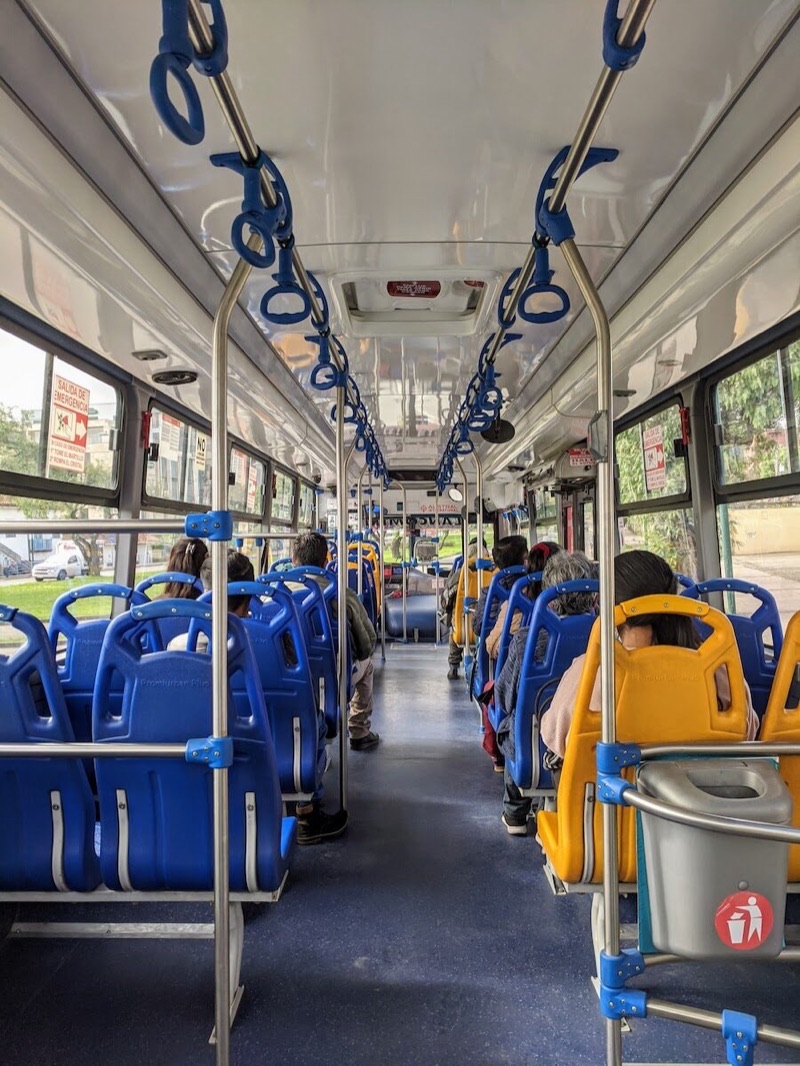
In Ecuador, the main mode of intercity transport is the bus. These range from basic local services to more comfortable long-distance coaches. While very inexpensive (e.g., Quito…
Ecuador
Germany
In Ecuador, the main mode of intercity transport is the bus. These range from basic local services to more comfortable long-distance coaches. While very inexpensive (e.g., Quito to Baños is about 3.5 hours for $3.50-4.00 USD, roughly 3.20-3.70 EUR), they can be slow due to winding mountain roads or frequent stops. Within cities like Quito, public buses are abundant and cost $0.25-0.35 USD (around 0.23-0.32 EUR) per ride, and ride-sharing apps like Uber are available. Taxis are also common, but always negotiate the fare or ensure the meter is used. Travelers should plan for journey times to be longer than estimated due to road conditions or local traffic.
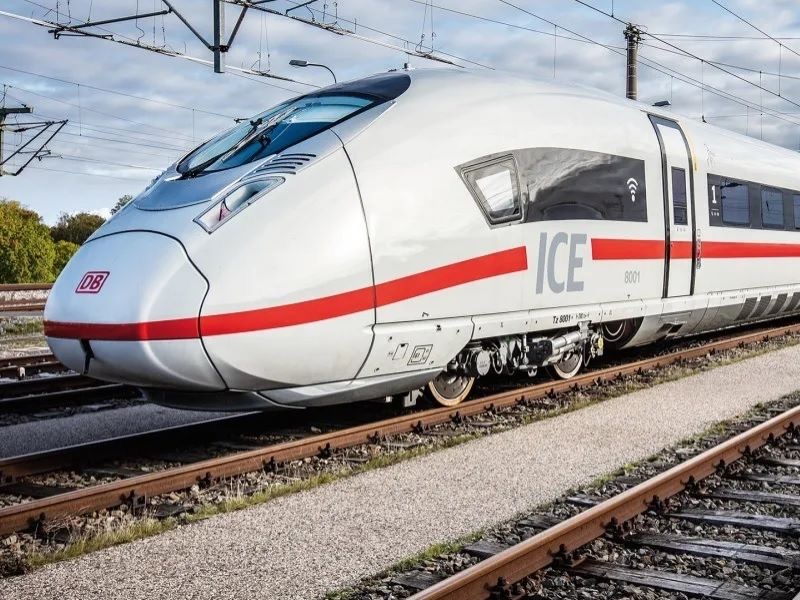
Germany boasts one of the most efficient and extensive transport networks globally. Deutsche Bahn (DB) trains connect nearly every town and city, offering speed and comfort. A high-speed ICE train from Berlin to Munich takes about 4 hours and costs 50-120 EUR (around $55-130 USD) depending on how far in advance you book. Regional trains are slower but cheaper. Within cities, integrated public transport systems (U-Bahn, S-Bahn, trams, buses) are punctual and cover wide areas; a day ticket in Berlin costs around 8.80 EUR (about $9.60 USD). Renting a car is also a popular option for exploring scenic routes, with excellent road quality. Tabiji verdict: Germanys unparalleled efficiency and comfort in public transport makes getting around a stress-free experience.
- Winner: Germany
- Why: Germanys train and public transport systems are among the best globally, offering speed, reliability, and widespread coverage.
- Who this matters for: Travelers who value punctuality, comfort, and seamless connections for intercity and urban exploration.
🏛️ Culture & History
Ecuadorian culture is a compelling blend of Indigenous traditions, particularly from the Kichwa people, and Spanish colonial legacy. Quito's historic center, a UNESCO site,…
Ecuador
Germany
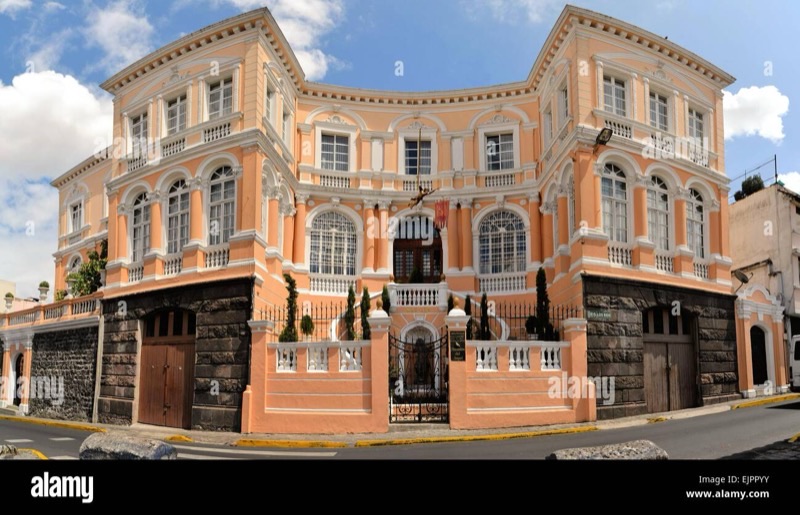
Ecuadorian culture is a compelling blend of Indigenous traditions, particularly from the Kichwa people, and Spanish colonial legacy. Quito's historic center, a UNESCO site, features stunning Baroque churches like La Compañía de Jesús with its gold-leaf interior, and grand plazas. Indigenous markets, such as the famous Otavalo market, offer a glimpse into traditional crafts and textiles. The pace of life is generally relaxed, with strong family and community ties. Learning some basic Spanish phrases significantly enhances interactions with locals, who are often welcoming and patient. Festivals, like Inti Raymi (Sun Festival), showcase traditional music, dance, and rituals, offering direct engagement with ancient customs.
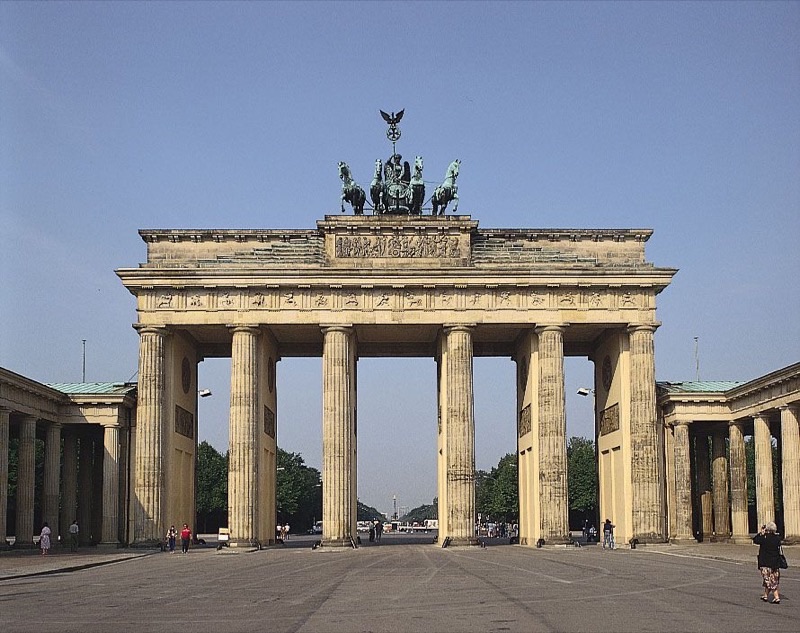
Germany offers a multilayered history spanning millennia, from Roman settlements along the Rhine to the Holy Roman Empire, the Reformation, and the pivotal events of the 20th century. Cities like Berlin are living museums, with landmarks like the Brandenburg Gate, Reichstag Building, and remnants of the Berlin Wall telling powerful stories. Munichs Marienplatz and its Glockenspiel showcase Bavarian traditions, while cities like Heidelberg boast medieval castles and ancient universities. Germany also has a rich philosophical and artistic heritage, evident in numerous museums (e.g., Pergamon Museum in Berlin) and classical music venues. Tabiji verdict: Germanys profound and accessible historical narrative provides a more universally compelling cultural journey for most travelers.
- Winner: Germany
- Why: Germanys extensive and well-preserved historical sites, museums, and layered past provide a deeply engaging and accessible cultural experience.
- Who this matters for: History buffs, art enthusiasts, and travelers interested in European intellectual and political heritage.
🍜 Food & Drink
Ecuadorian food is comforting and uses fresh, local ingredients. Staples include 'locro de papa' (potato and cheese soup), 'hornado' (roasted pork), 'seco de chivo' (goat stew),…

Ecuador
Germany
Ecuadorian food is comforting and uses fresh, local ingredients. Staples include 'locro de papa' (potato and cheese soup), 'hornado' (roasted pork), 'seco de chivo' (goat stew), and abundant tropical fruits like naranjilla and passion fruit. Ceviche, often made with shrimp or fish, is common along the coast. Empanadas and 'humitas' (steamed corn cakes) are popular snacks. A full meal at a local 'comedor' (small restaurant) typically costs $3-6 USD (around 2.80-5.50 EUR). While flavorful, the cuisine is not overly spicy and can sometimes be repetitive on a long trip. Fresh fruit juices are ubiquitous and delicious.
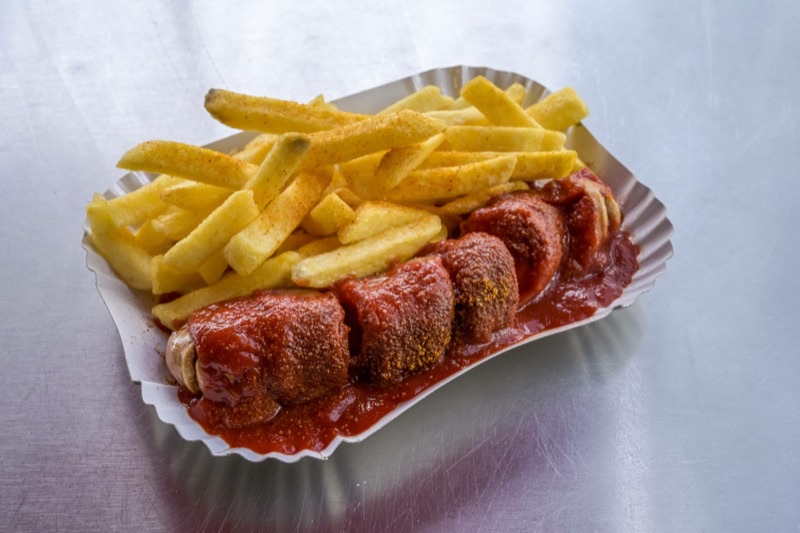
German cuisine is hearty and diverse, with strong regional identities. Famous dishes include 'Bratwurst' (sausage), 'Schnitzel' (breaded cutlet), 'Sauerbraten' (pot roast), and 'Kartoffelsalat' (potato salad). Bread culture is strong, with numerous types of dark rye and sourdough. German beer, especially Bavarian Weissbier and Pilsner, is a cultural institution, celebrated in beer gardens and festivals like Oktoberfest. Desserts like 'Apfelstrudel' (apple strudel) and Black Forest cake are also popular. Expect to pay $10-25 USD (around 9-23 EUR) for a main course at a casual restaurant. Tabiji verdict: Germanys culinary diversity, world-renowned beers, and consistent quality offer a more satisfying gastronomic experience.
- Winner: Germany
- Why: Germany offers a wider variety of well-known, high-quality dishes and beverages, including its celebrated beer culture.
- Who this matters for: Foodies, beer aficionados, and those who enjoy hearty, traditional European fare.
⛰️ Nature & Outdoors
Ecuador packs immense natural diversity into a small area. The Andes offer volcano treks (e.g., Cotopaxi, Chimborazo), cloud forests (Mindo), and thermal springs (Baños). The…
Ecuador packs immense natural diversity into a small area. The Andes offer volcano treks (e.g., Cotopaxi, Chimborazo), cloud forests (Mindo), and thermal springs (Baños). The Amazon basin provides wildlife spotting tours (Yasuni National Park) with incredible biodiversity. The Pacific coast has beaches like Montañita for surfing and Machalilla National Park for whale watching. Of course, the Galapagos Islands, a biosphere reserve, are a biological hotspot with unique wildlife found nowhere else. A multi-day Amazon tour can cost $300-600 USD (around 275-550 EUR), and a Galapagos cruise starts at $1500-3000 USD (around 1370-2750 EUR) for a budget option. Ecuador offers raw, accessible adventure.
Germany offers beautiful natural scenery, particularly in the south with the Bavarian Alps and the Black Forest, providing opportunities for hiking, skiing, and scenic drives. The Rhine Valley is known for its castles and vineyards. The Baltic and North Sea coasts offer beaches and islands like Rügen. National parks such as Berchtesgaden National Park have stunning mountain lakes like Königssee. Entry to most natural areas is free, and trails are well-maintained. While pleasant, Germany's nature lacks the extreme biodiversity and epic scale of Ecuador's Andean and Amazonian landscapes. Tabiji verdict: Ecuador delivers an unmatched breadth and intensity of natural experiences, from high-altitude volcanoes to tropical rainforests and unique island ecosystems.
- Winner: Ecuador
- Why: Ecuador offers unparalleled natural diversity, including the Andes, Amazon, Pacific coast, and the world-renowned Galapagos Islands, all within a compact area.
- Who this matters for: Wildlife enthusiasts, serious hikers, adventurers, and those seeking truly unique ecological experiences.
🏨 Accommodation
Accommodation in Ecuador is budget-friendly and diverse, catering heavily to backpackers. Hostels are plentiful, with dorm beds costing $10-18 USD (around 9-16.50 EUR) in cities…
Accommodation in Ecuador is budget-friendly and diverse, catering heavily to backpackers. Hostels are plentiful, with dorm beds costing $10-18 USD (around 9-16.50 EUR) in cities like Quito or Cuenca. Private rooms in basic guesthouses or small hotels often range from $30-60 USD (around 27.50-55 EUR). For instance, 'Secret Garden Quito' is a popular hostel with dorms starting around $15. Higher-end boutique hotels are available in major cities and tourist zones for $80-150 USD (around 73-137 EUR). Amenities are usually functional, with hot water sometimes being a luxury outside of larger establishments. Booking a few days in advance is generally sufficient.
German accommodation is reliable, clean, and modern, but comes at a higher price. Hostel dorms in major cities like Berlin or Hamburg typically cost $25-45 USD (around 23-41 EUR). Mid-range hotels are abundant, with rooms starting from $70-120 USD (around 64-110 EUR). For example, a basic room at a 'Motel One' chain can be around 80 EUR. Upscale and luxury hotels are common in larger cities, costing $150 USD (around 137 EUR) and upwards. Airbnb is also popular, offering apartments for various budgets. Standards of cleanliness and service are consistently high across price points. Tabiji verdict: Ecuador provides significantly better value for money in accommodation, making comfortable stays affordable for nearly any budget.
- Winner: Ecuador
- Why: Ecuador offers substantially lower prices for comfortable and clean accommodation, providing excellent value for money.
- Who this matters for: Budget travelers, those on extended trips, and travelers who prioritize saving money on lodging.
🛡️ Safety
Safety in Ecuador, like many South American countries, requires a common-sense approach. Petty crime such as pickpocketing and bag snatching can occur, especially in crowded…
Safety in Ecuador, like many South American countries, requires a common-sense approach. Petty crime such as pickpocketing and bag snatching can occur, especially in crowded markets or bus terminals in cities like Quito or Guayaquil. It is advisable to avoid walking alone at night in unfamiliar areas and to use reputable taxis or ride-sharing apps. While the country has experienced periods of political unrest, tourist areas are generally unaffected. Travelers should secure valuables, use a money belt, and be aware of their surroundings. Certain areas, particularly specific neighborhoods in Guayaquil, are best avoided. Overall, most travelers have trouble-free trips by exercising caution.
Germany is considered a very safe country for tourists. Crime rates are low, and serious violent crime against tourists is rare. Major cities might have some petty crime like pickpocketing in very crowded areas (e.g., Oktoberfest, major train stations), but this is manageable with basic precautions. Public transport is safe at all hours, and walking alone at night in most towns and cities is not a concern. The police are efficient and helpful. Travelers can generally feel comfortable exploring widely without constant vigilance. Tabiji verdict: Germany offers a consistently higher level of personal safety and security, allowing for a more relaxed travel experience.
- Winner: Germany
- Why: Germany has significantly lower crime rates and a more stable environment, providing a greater sense of security for travelers.
- Who this matters for: Solo female travelers, families, and anyone prioritizing peace of mind and low risk during their trip.
🍻 Nightlife
Ecuadorian nightlife is often centered around local bars, 'discotecas' (clubs), and salsa spots. In cities like Quito, the La Mariscal district has a concentration of bars and…
Ecuadorian nightlife is often centered around local bars, 'discotecas' (clubs), and salsa spots. In cities like Quito, the La Mariscal district has a concentration of bars and clubs playing Latin music, reggaeton, and some international hits. Baños is known for its backpacker-friendly bars that stay open late. Beer is cheap (a Pilsener or Club Colombia often costs $1.50-3 USD or 1.40-2.80 EUR), and cocktails are affordable. The atmosphere is generally energetic and spontaneous, with dancing being a common activity. Safety can be a concern in certain areas at night, so it is wise to go out with others and use registered taxis.
Germany offers a diverse and robust nightlife scene. Berlin is a global hub for electronic music, with clubs like Berghain and Sisyphos attracting international DJs and party-goers. Munich has traditional beer halls like Hofbräuhaus, while Hamburgs Reeperbahn district offers a mix of bars, clubs, and entertainment venues. Smaller cities also have plenty of cozy pubs ('Kneipen') for a relaxed evening with local beers. A pint of beer typically costs 4-6 EUR (around $4.40-6.50 USD), and club entry can be 10-25 EUR (around $11-27 USD) in Berlin. The range of options, from high-energy techno to quiet traditional pubs, is extensive. Tabiji verdict: Germanys more developed and varied nightlife, especially in its major cities, caters to a broader range of preferences and offers internationally recognized venues.
- Winner: Germany
- Why: Germany, particularly Berlin, boasts an internationally recognized and diverse nightlife scene, offering a wider array of experiences from techno clubs to traditional beer halls.
- Who this matters for: Party-goers, electronic music fans, pub enthusiasts, and those seeking a varied evening entertainment landscape.
☀️ Weather & Seasons
Ecuador has an equatorial climate, meaning temperatures are relatively consistent year-round, but rainfall varies significantly by region and season. The Andes (Quito, Cuenca)…
Ecuador has an equatorial climate, meaning temperatures are relatively consistent year-round, but rainfall varies significantly by region and season. The Andes (Quito, Cuenca) have cool, spring-like weather around 10-20°C (50-68°F) daily, with a wet season from October to May and a drier season from June to September. The Amazon is hot and humid year-round, with heavy rainfall. The Pacific coast is hot and humid, with a wet season from December to May. The Galapagos Islands have a dry, cooler season (Garua season) from June to December and a warmer, wetter season from January to May. This means you can always find good weather somewhere in Ecuador, depending on what you want to experience.
Germany experiences a temperate climate with four distinct seasons. Summers (June-August) are generally warm, with temperatures averaging 20-25°C (68-77°F), though heatwaves can push it higher. Autumn (September-November) sees cool, crisp weather and changing leaves. Winters (December-February) are cold, with temperatures often around 0-5°C (32-41°F) and snow common, especially in the south. Spring (March-May) is mild and gradually warms up. While each season has its charm, the variability means travelers need to pack accordingly and plan activities around the weather. Many outdoor attractions are best enjoyed in warmer months. Tabiji verdict: Ecuadors stable equatorial temperatures and diverse microclimates offer more consistent good weather options for specific activities at any time of year.
- Winner: Ecuador
- Why: Ecuador's equatorial position allows for consistent temperatures in specific regions year-round, letting travelers choose their preferred climate and activities regardless of the month.
- Who this matters for: Travelers with specific weather preferences (e.g., constant warmth, cool mountain air) or those with fixed travel dates who want to guarantee good conditions for certain activities.
🎯 The Decision Framework
Choose Ecuador If…
- You crave raw, diverse nature: high Andes, Amazon rainforest, Pacific coast, Galapagos wildlife.
- Your budget is tight: plan for $40-80 USD per day, stretching your money significantly.
- You enjoy authentic, less tourist-polished cultural experiences and local interactions.
- You are comfortable with bus travel for long distances and slower paces.
- You want to practice your Spanish and immerse yourself in Latin American vibes.
- You seek adventure activities like volcano climbing, jungle treks, or surfing.
- You enjoy warm, tropical weather or consistent spring-like mountain climates.
- You prefer unique, off-the-beaten-path destinations over conventional tourist trails.
Choose Germany If…
- You prioritize efficient, punctual public transport (trains, U-Bahn) for seamless travel.
- You want to explore deep, complex European history: castles, WWII sites, medieval towns.
- Your daily budget allows for $100-180 USD, valuing quality and convenience.
- You appreciate clean, modern infrastructure and reliable services.
- You are interested in world-renowned art museums, classical music, and architectural marvels.
- You enjoy traditional European cuisine: sausages, pretzels, and a vast beer culture.
- You want a very safe and secure travel environment with low crime rates.
- You prefer a well-organized trip where things generally run on schedule.
📅 Sample Itineraries
Weekend in Ecuador (3 Days)
💡 Utilize Ecuador's extensive and affordable local bus system for inter-city travel. For example, a bus from Quito to Baños costs about $5 and offers scenic views.
Weekend in Germany (3 Days)
💡 Purchase a Berlin WelcomeCard for unlimited public transport and discounts on attractions, starting from €20 for 48 hours, to save on travel and entry fees.
One Week in Ecuador (7 Days)
💡 For Amazon tours from Tena, book directly with local operators in town to often secure better prices, potentially saving 10-20% compared to online pre-bookings.
One Week in Germany (7 Days)
💡 Consider purchasing a 'Bayern Ticket' for €29 for one person (or slightly more for groups) for unlimited regional train travel within Bavaria for a day, saving significantly on trips like Munich to Neuschwanstein.
❓ Frequently Asked Questions
What are the typical flight times and costs from North America to each country?
Flights from major North American cities to Ecuador (Quito/Guayaquil) usually involve one stop and take 7-10 hours, costing $500-900 USD. To Germany (Frankfurt/Munich/Berlin), direct flights are common, taking 7-9 hours and typically costing $600-1100 USD.
How much should I budget for a typical day in Ecuador compared to Germany?
In Ecuador, a budget traveler can expect to spend $40-80 USD per day, covering hostel stays, local meals, and bus transport. In Germany, a comparable budget traveler will spend $70-100 USD, while a mid-range budget is closer to $120-180 USD per day for better hotels and dining.
What kind of natural landscapes can I expect in Ecuador?
Ecuador boasts incredible natural diversity: the towering Andes mountains with volcanoes like Cotopaxi, the dense Amazon rainforest teeming with wildlife, the Pacific coastline with beaches, and the unique ecosystems of the Galapagos Islands.
Is it easy to get around Germany without speaking German?
Yes, it is quite easy. English is widely spoken in tourist areas, hotels, and on public transport. All train stations and major attractions have information in English, and ticket machines often have English language options. You will manage well.
What are some must-try foods in Ecuador?
Try 'locro de papa' (potato soup), 'hornado' (roasted pork), 'seco de chivo' (goat stew), and fresh ceviche. Do not miss the abundant tropical fruits and their juices. Meals at local 'almuerzo' spots are great value, often $3-5 USD.
Are there good options for solo female travelers in either country?
Germany is generally very safe for solo female travelers due to its low crime rates and efficient infrastructure. Ecuador requires more vigilance, especially at night or in crowded areas, but many solo female travelers have positive experiences by staying aware and avoiding risks.
What is the best time of year to visit each country?
For Ecuador, June to September is often drier in the Andes and is good for hiking. The Galapagos are great year-round, but wildlife viewing peaks vary. For Germany, summer (June-August) offers warm weather for outdoor activities, while December brings festive Christmas markets. Spring and autumn are also pleasant for city exploration.
How does the nightlife compare between Quito and Berlin?
Quito offers lively, local-focused nightlife, especially in La Mariscal, with Latin music and affordable drinks (beer $1.50-3 USD). Berlin is a global nightlife capital, known for its extensive electronic music scene, world-renowned clubs like Berghain, and diverse bars, with prices generally higher (beer 4-6 EUR).
Ready to plan your South America or Europe trip?
Get a free custom itinerary for Ecuador, Germany, or both — built from real traveler insights.
👥 Travelers Also Compared
🎟️ Book Tours & Experiences
Hand-picked tours and activities for both destinations — book with free cancellation
Experiences via Viator — free cancellation on most tours