How we built this comparison
This page combines traveler discussion patterns, published price ranges, flight schedules, and seasonal data to help you decide between Ecuador and Guatemala.
- Reviewed 70+ Reddit threads from r/travel, r/solotravel, r/ecuador, r/guatemala, r/backpacking.
- Verified costs and logistics against current booking platforms like Booking.com, Skyscanner, and local tour operators.
- Cross-referenced seasonal patterns and weather data from meteorological sources.
⚡ Quick Answers
⚡ The TL;DR Verdict
For travelers prioritizing diverse nature, slightly better infrastructure, and a more predictable experience, Ecuador is the pick, typically costing $40-100 per day. For those seeking raw indigenous culture, more significant ancient ruins, and a tighter budget, Guatemala is the clear winner, with daily costs often $30-80. Guatemala generally offers more bang for your buck for a traditional backpacking trip.
- Choose Ecuador: If you prioritize natural diversity from Andes to Amazon, seek well-maintained cities, and have a higher budget for unique experiences like the Galapagos.
- Choose Guatemala: If ancient Mayan history, authentic indigenous interactions, and a lower daily travel cost are your main drivers. It is a more immersive cultural journey.
- Choose Both: Combine them if you have 6+ weeks and enjoy long overland journeys through Peru and Colombia to connect the two. Or fly between for a 3-week trip focusing on highlights.
Choose Ecuador
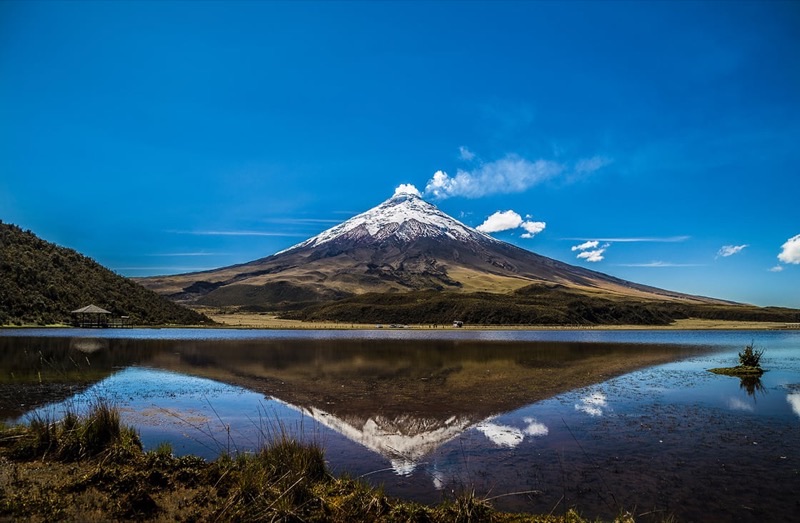
Choose Ecuador if you dream of diverse landscapes, from the Amazon rainforest and hiking Cotopaxi to the unparalleled wildlife of the Galapagos Islands. It's best for nature enthusiasts and those seeking a more comfortable, predictable adventure with well-maintained cities like colonial Quito, willing to spend $40-100 daily for these unique experiences.
Choose Guatemala
Opt for Guatemala if deep immersion in ancient Mayan history and vibrant indigenous culture, particularly around Lake Atitlán or the Chichicastenango market, is your priority. This destination is best for budget-conscious backpackers and culture seekers, offering incredible value and a truly authentic experience for $30-80 per day, especially for exploring Tikal's grand ruins.
📊 Visual Scorecard
🌤 When to Visit
Average high temperatures (°C). Green = best months, orange = avoid.
Quick Comparison
| Category | Ecuador | Guatemala | Winner |
|---|---|---|---|
| Costs & Budget | Mid-range South American costs, can spike with Galapagos. ~$40-100/day. | One of the most affordable Central American countries. ~$30-80/day. | Guatemala |
| Nature & Outdoors | Andes, Amazon, Pacific Coast, and Galapagos. Extreme biodiversity. | Volcanoes, lakes, cloud forests, and caves. Less diversity than Ecuador. | Ecuador |
| Culture & History | Colonial cities, Andean indigenous markets, some pre-Incan sites. | Mayan civilization legacy, colonial Antigua, strong indigenous traditions. | Guatemala |
| Safety & Logistics | Generally safe with common sense. Transport well-developed. Pickpocketing in cities. | Higher crime rates in some areas. Night travel discouraged. Tourist shuttles common. | Ecuador |
| Food & Drink | Andean staples, coastal seafood, diverse fruit. Affordable local meals. | Corn-based staples, stews, fresh fruit. Local 'comedores' are excellent. | Tie |
| Getting There | Flights usually 6-9 hours from US, often one stop. Quito (UIO) or Guayaquil (GYE). | Flights usually 3-6 hours from US, many direct. Guatemala City (GUA). | Guatemala |
| Getting Around | Extensive intercity bus network, affordable. Taxis/ride-shares in cities. | Chicken buses for local, tourist shuttles for intercity. Roads can be rough. | Ecuador |
| Accommodation | Good range of hostels, guesthouses, and mid-range hotels. Quito/Cuenca have boutique options. | Budget-friendly hostels, family-run guesthouses. More rustic options in rural areas. | Ecuador |
| Solo Travel | Generally manageable, good hostel scene, easy transport. Spanish helps. | Popular solo destination, strong backpacker trail. Be vigilant. | Tie |
| Digital Nomad Friendliness | Cities like Cuenca/Quito have good infrastructure. Stable internet, affordable living. | Antigua is a hub, Lake Atitlan has options. Internet can be spotty outside main towns. | Ecuador |
💸 Costs & Budget
Ecuador offers good value for its diverse offerings, but it is not the cheapest South American destination. A budget traveler can manage on $40-60 USD per day for hostels, local…
Ecuador
Guatemala
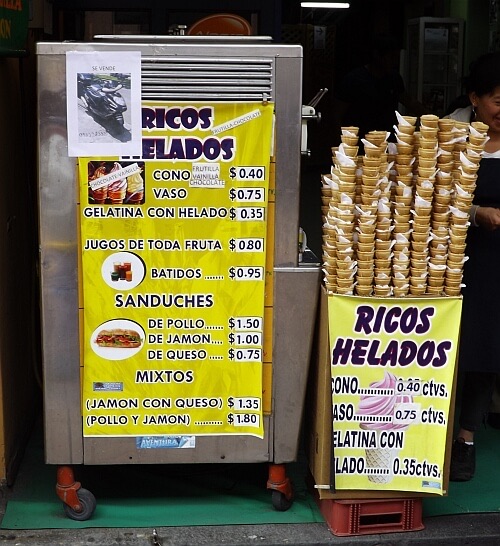
Ecuador offers good value for its diverse offerings, but it is not the cheapest South American destination. A budget traveler can manage on $40-60 USD per day for hostels, local food, and bus transport, especially outside major tourist hubs like Quito or Cuenca. Meals at local 'almuerzo' spots cost around $2.50-4.00 USD. Hostels are generally $10-15 USD. Entry to national parks like Cotopaxi is often free, but tours cost extra. The major exception is the Galapagos Islands, where a budget liveaboard cruise starts around $1500-2500 USD for a 4-day trip, plus $100 USD park entry and $20 transit control card.
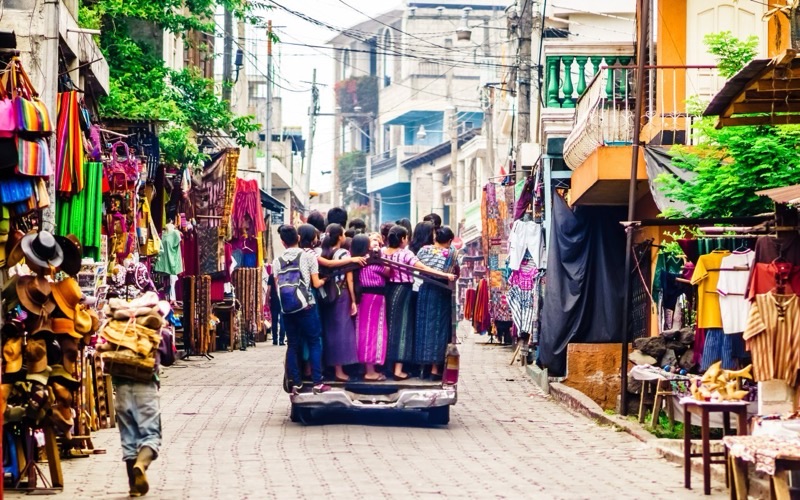
Guatemala is a budget travelers dream, consistently offering lower prices than Ecuador for most services. Hostels in popular areas like Antigua or Lake Atitlan cost $8-12 USD per night. Local 'comedores' provide full meals for $2-4 USD (Q15-30). Chicken buses are incredibly cheap, often less than $1-2 USD for inter-city routes. The main expenses are tours like Tikal (entrance Q150 / $20 USD, plus transport and guide if desired) or Semuc Champey (entrance Q50 / $7 USD, plus transport). Even for a mid-range traveler, $60-80 USD per day provides comfortable private rooms and nicer meals. Guatemala wins hands down for pure affordability.
- Winner: Guatemala
- Why: Guatemala consistently offers lower prices for accommodation, food, and local transport, making it more accessible for budget-conscious travelers.
- Who this matters for: Backpackers and long-term travelers needing to stretch their budget.
🏞️ Nature & Outdoors
Ecuador is a biodiversity hotspot, packing incredible ecosystems into a relatively small area. The Andes offer hiking on Cotopaxi volcano (5897m), the Quilotoa Loop with its…
Ecuador
Guatemala
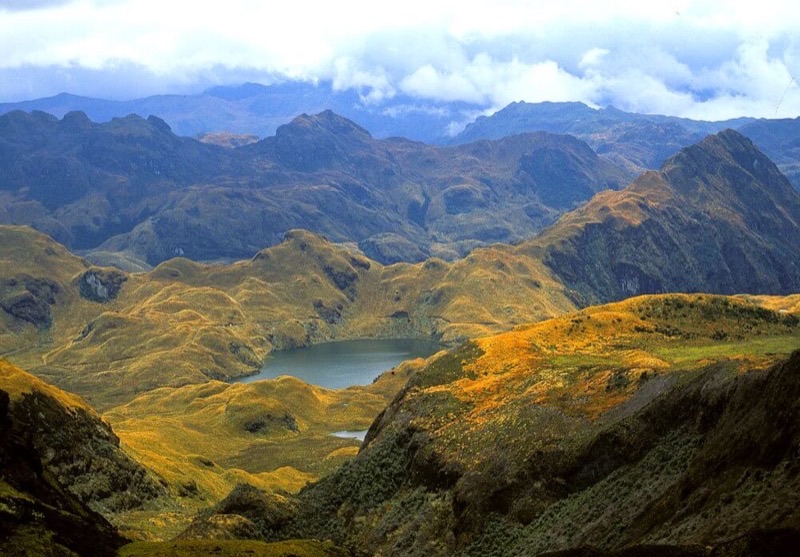
Ecuador is a biodiversity hotspot, packing incredible ecosystems into a relatively small area. The Andes offer hiking on Cotopaxi volcano (5897m), the Quilotoa Loop with its emerald crater lake, and cloud forests near Mindo known for birdwatching. The Amazon basin, accessible from Tena or Coca, provides opportunities for jungle lodges and wildlife spotting. The Pacific coast has surf towns like Montañita and Machalilla National Park for whale watching (June-September). But the crown jewel is the Galapagos Islands, a unique biome with endemic species like giant tortoises and marine iguanals, unparalleled for wildlife encounters.
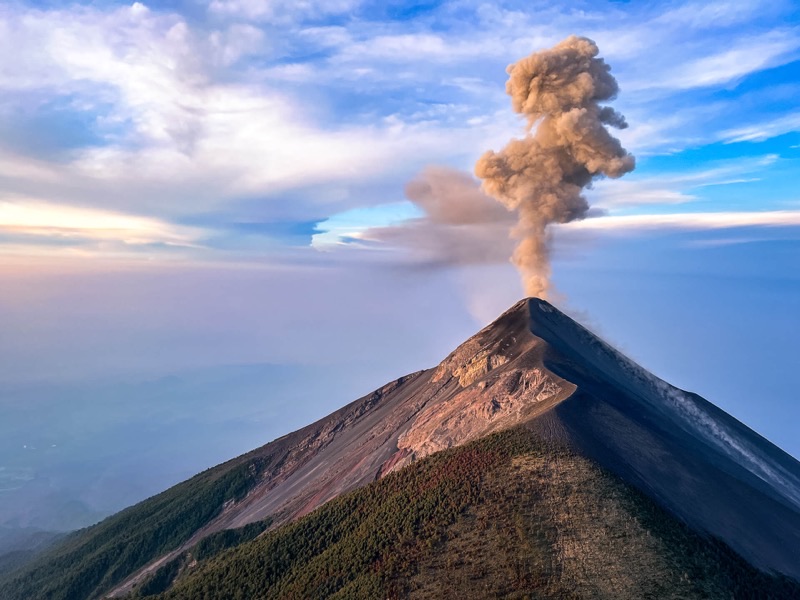
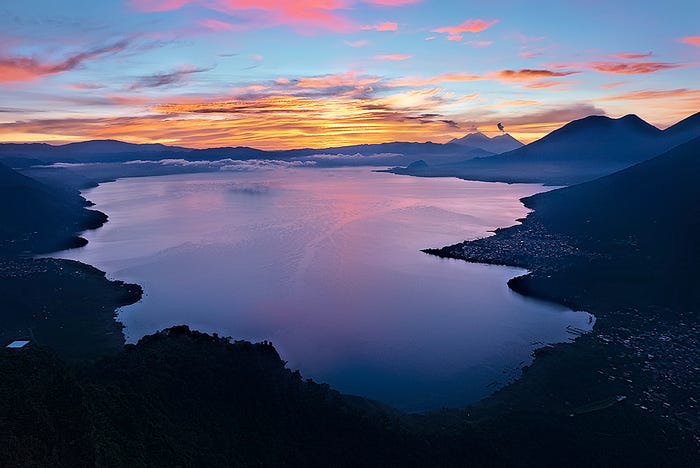
Guatemala offers its own compelling natural beauty, primarily centered around its volcanic chain and lakes. Lake Atitlan, surrounded by three large volcanoes (San Pedro, Toliman, Atitlan), provides opportunities for kayaking, hiking, and exploring indigenous villages. Semuc Champey, with its tiered limestone pools and turquoise waters, is a popular natural swimming spot, though challenging to access. Pacaya and Acatenango volcanoes near Antigua offer popular overnight treks with lava viewing opportunities. Cloud forests like those around Nebaj provide cooler climates and diverse flora. While impressive, Guatemala cannot match Ecuador's sheer range of ecosystems or the singular experience of the Galapagos.
- Winner: Ecuador
- Why: Ecuador offers an unmatched spectrum of ecosystems, from high-altitude Andes to the Amazon rainforest and the unique Galapagos Islands.
- Who this matters for: Wildlife enthusiasts, serious hikers, and those seeking diverse environmental experiences.
🗿 Culture & History
Ecuador has a rich cultural heritage, particularly evident in its well-preserved colonial cities. Quito historic center is a UNESCO site with impressive churches like La Compañía…
Ecuador
Guatemala
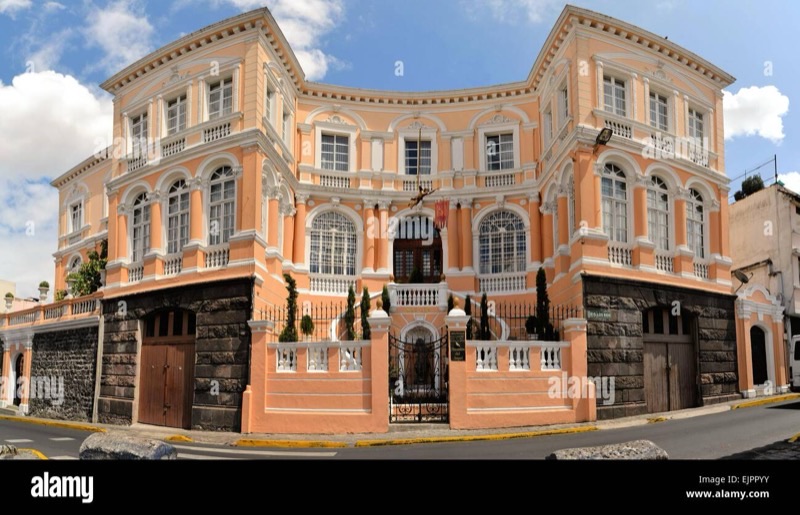
Ecuador has a rich cultural heritage, particularly evident in its well-preserved colonial cities. Quito historic center is a UNESCO site with impressive churches like La Compañía de Jesús and plazas. Cuenca is another colonial gem known for its crafts, especially Panama hats. Indigenous culture is present, particularly in the Andes, with markets like Otavalo offering textiles and artisan goods. There are also archaeological sites like Ingapirca, the largest known Inca ruins in Ecuador, but they are fewer and less grand compared to Peru or Guatemala. The cultural experience is compelling but often feels more integrated into modern life.
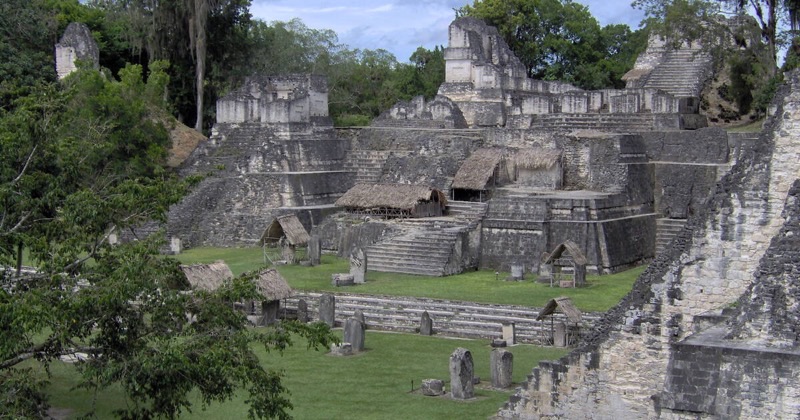
Guatemala excels in its deep and visible Mayan heritage and ongoing indigenous traditions. Tikal National Park is a monumental Mayan city, offering an awe-inspiring glimpse into a past civilization with pyramids and temples emerging from the jungle. Other significant sites include Yaxha and El Mirador for serious explorers. Antigua Guatemala is a preserved colonial city with cobbled streets, colorful buildings, and numerous ruins of churches and convents from earthquakes. Indigenous communities around Lake Atitlan maintain distinct languages, clothing, and spiritual practices, providing a profound cultural immersion experience. The presence of living Mayan culture intertwined with ancient sites gives Guatemala a clear edge.
- Winner: Guatemala
- Why: Guatemala offers a more profound and accessible immersion into ancient Mayan civilization and vibrant contemporary indigenous traditions.
- Who this matters for: History buffs, anthropologists, and travelers seeking deep cultural engagement.
🛡️ Safety & Logistics
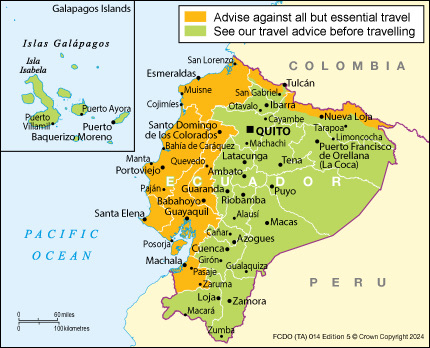
Ecuador generally presents a manageable safety profile for travelers, though petty crime like pickpocketing and bag snatching is common in large cities like Quito and Guayaquil,…
Ecuador
Guatemala
Ecuador generally presents a manageable safety profile for travelers, though petty crime like pickpocketing and bag snatching is common in large cities like Quito and Guayaquil, particularly in crowded areas or on public transport. Express kidnappings have been reported, especially if hailing unmarked taxis. However, outside these specific risks, travelers using standard precautions and trusted transport typically have smooth trips. Intercity bus travel is extensive, reliable, and affordable, connecting most major destinations. English is not widely spoken, so basic Spanish helps navigate.
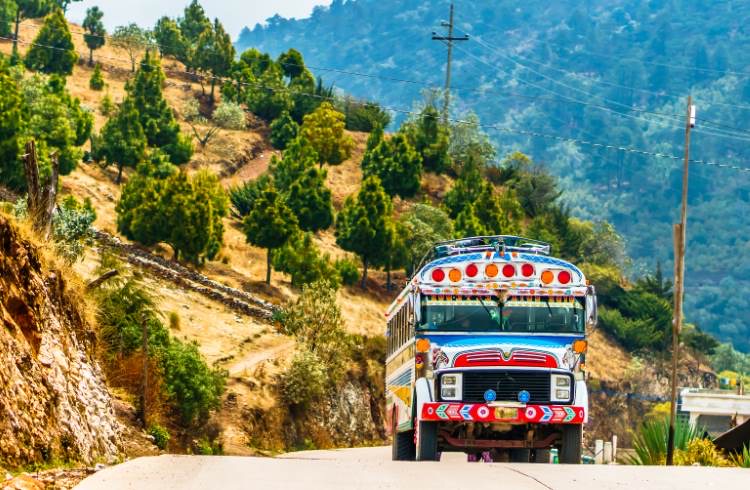
Guatemala has a higher crime rate compared to Ecuador, with armed robbery and carjacking being more significant concerns in certain regions, including parts of Guatemala City and along some highways. While tourist areas like Antigua, Lake Atitlan, and Flores are generally safe during the day, night travel, especially on chicken buses, is often advised against. Tourist shuttles (shared vans) are a popular and safer option for inter-city travel, though more expensive than local buses. The US State Department often advises increased caution. Navigating can feel more intense, and travelers need a higher level of awareness. Overall, Ecuador feels slightly more relaxed for independent travelers.
- Winner: Ecuador
- Why: Ecuador generally offers a slightly more predictable and safer travel environment, with better-developed and less risky public transport options.
- Who this matters for: Solo female travelers, first-time international travelers, and those preferring a less 'on edge' experience.
🍲 Food & Drink
Ecuadorian cuisine is hearty and varied, reflecting its diverse geography. In the Andes, expect dishes like 'locro de papa' (potato soup), 'hornado' (roasted pork), and 'cuy'…

Ecuador
Guatemala
Ecuadorian cuisine is hearty and varied, reflecting its diverse geography. In the Andes, expect dishes like 'locro de papa' (potato soup), 'hornado' (roasted pork), and 'cuy' (guinea pig). Along the coast, 'ceviche' (raw seafood marinated in lime) and 'encebollado' (fish soup) are popular. Ecuador also has an incredible array of fresh tropical fruits and delicious fruit juices. Local 'almuerzos' (set lunch menus) are a fantastic deal at $2.50-4.00 USD, typically including soup, a main dish, and a drink. Street food is abundant, with empanadas and 'salchipapas' (fries with sausage) being common.
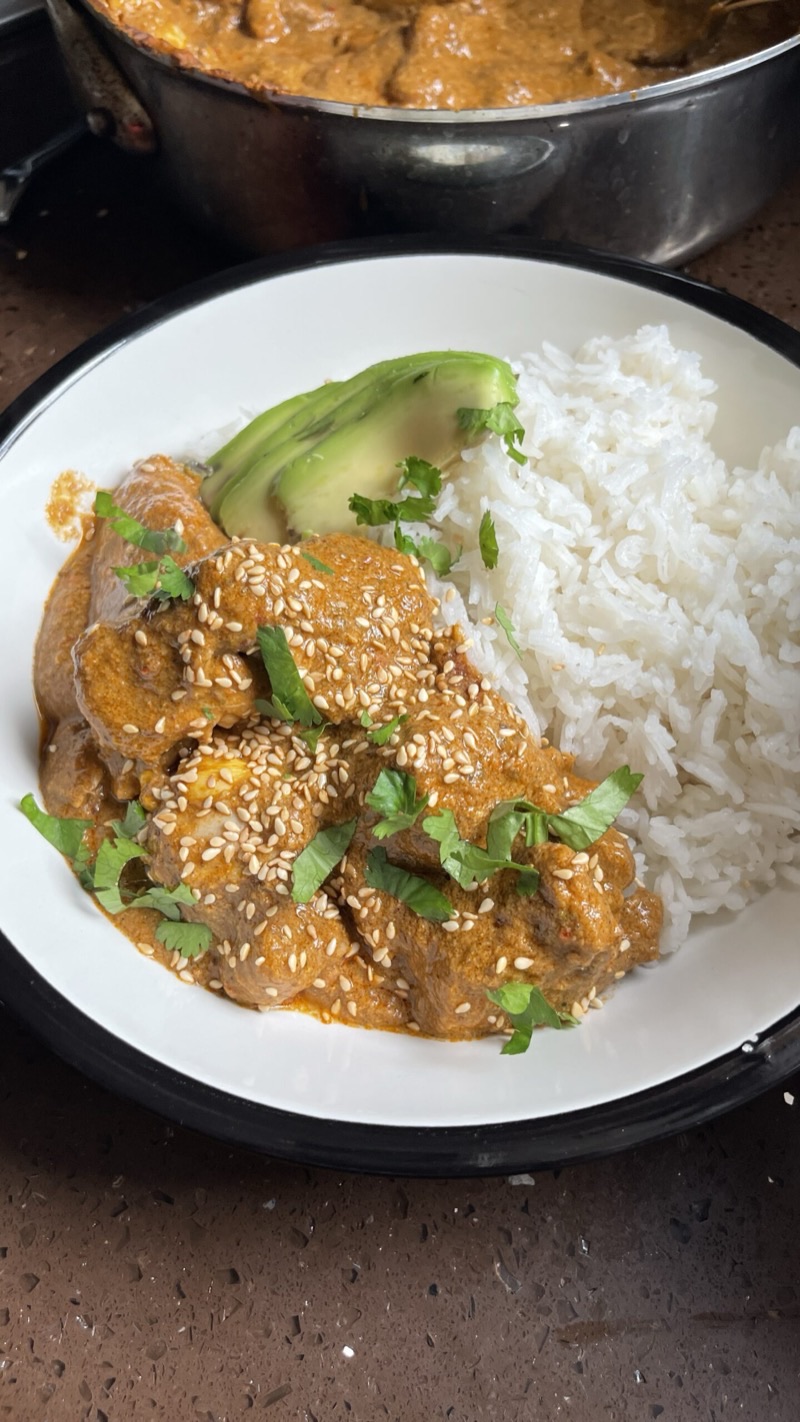
Guatemalan food is characterized by its Mayan and Spanish influences, heavily relying on corn, beans, and rice. Staples include 'tamales', 'chuchitos' (smaller tamales), and 'pepián' (a rich chicken or beef stew). 'Pupusas' (stuffed tortillas) are a common and delicious street food. Around Lake Atitlan, fresh fish from the lake is popular. The 'comedor' culture is strong, offering budget-friendly, authentic meals for Q15-30 ($2-4 USD). Guatemala also boasts excellent coffee, especially from regions like Antigua. Both countries offer delicious, affordable local food, and neither truly outshines the other significantly for a general traveler, though specifics might appeal to different palates.
- Winner: Tie
- Why: Both countries offer delicious, affordable, and authentic local cuisine with distinct regional flavors, appealing to different tastes.
- Who this matters for: Travelers who appreciate authentic local flavors and street food without breaking the bank.
✈️ Getting There
Traveling to Ecuador typically involves flying into Quito (UIO) or Guayaquil (GYE). From major US hubs like Miami, flights can be direct and around 5-6 hours. From other cities…
Traveling to Ecuador typically involves flying into Quito (UIO) or Guayaquil (GYE). From major US hubs like Miami, flights can be direct and around 5-6 hours. From other cities like New York or Los Angeles, expect 7-9 hours with at least one stop. Airfares can range from $400-800 USD round trip, varying significantly by season and booking lead time. For example, a flight from Atlanta to Quito might cost $550 USD and take 7 hours with a single stop. International connections from Europe or Asia usually require multiple layovers, often via Madrid or US cities.
Guatemala is generally easier and quicker to reach from North America. The main international airport is La Aurora International Airport (GUA) in Guatemala City. Direct flights from US hubs like Miami (3 hours), Houston (3.5 hours), or Atlanta (4 hours) are common. From more distant US cities, a single stop will put total travel time around 5-7 hours. Airfares can be competitive, often found for $350-700 USD round trip from many US cities. For example, a direct flight from Miami to Guatemala City can be around $380 USD. Its proximity to the US gives it an advantage for North American travelers, making it more appealing for shorter trips or those with less travel time available.
- Winner: Guatemala
- Why: Guatemala is significantly closer to North America, offering shorter flight times and often more direct and affordable airfare options.
- Who this matters for: Travelers from North America with limited vacation time or those sensitive to long-haul flight costs.
🚌 Getting Around
Ecuador has a well-developed and very affordable intercity bus system. Buses are generally comfortable, frequent, and connect virtually every town and city. A 4-hour bus ride,…
Ecuador has a well-developed and very affordable intercity bus system. Buses are generally comfortable, frequent, and connect virtually every town and city. A 4-hour bus ride, like Quito to Baños, typically costs $5-8 USD. Major cities have large, organized bus terminals (terminal terrestre). For city travel, taxis are metered in Quito and ride-sharing apps like Uber or InDriver are widely used and reliable. Roads are generally in good condition, especially on main routes. This makes independent travel relatively straightforward and budget-friendly, with minimal hassle when planning routes between destinations.
Guatemala relies heavily on its iconic 'chicken buses' (repurposed US school buses) for local transport. They are incredibly cheap (e.S. Antigua to Lake Atitlan is about Q30 / $4 USD), frequent, and a cultural experience, but can be crowded, slow, and sometimes feel less safe, especially on mountain roads. For tourists, shared 'shuttles' (minivans) are popular for inter-city travel, offering a more direct and comfortable, albeit more expensive, option (e.g. Antigua to Lake Atitlan shuttle is Q70-100 / $9-13 USD). Roads can be rough and winding, especially in rural areas, leading to longer travel times. While chicken buses are a fun experience, the overall ease and comfort of getting around leans towards Ecuador.
- Winner: Ecuador
- Why: Ecuador provides a more comfortable, reliable, and modern public bus system, making intercity travel easier and safer.
- Who this matters for: Travelers who prefer comfort and efficiency in their ground transportation and those wary of rougher, more crowded local options.
🛌 Accommodation
Ecuador offers a solid range of accommodation options, generally well-maintained and providing good value. In major cities like Quito and Cuenca, you can find excellent hostels…
Ecuador offers a solid range of accommodation options, generally well-maintained and providing good value. In major cities like Quito and Cuenca, you can find excellent hostels for $12-20 USD for a dorm bed, and private rooms in mid-range guesthouses or hotels for $40-80 USD. Boutique hotels in historic centers are also available. Hostels often include breakfast and offer tours. In smaller towns like Baños, options are plentiful, from simple lodgings to more resort-like stays. Even in the Amazon, lodges cater to various budgets, from rustic to luxury. The overall quality and variety for mid-range travelers feel slightly better in Ecuador.
Guatemala excels in its budget-friendly hostels and family-run 'hospedajes.' A dorm bed in Antigua or around Lake Atitlan typically costs $8-15 USD. Private rooms in basic guesthouses can be found for $25-50 USD. While there are some charming boutique hotels in Antigua, the selection for mid-range comfort can be more limited outside the main tourist hubs. Many accommodations, especially around Lake Atitlan, have a rustic charm but might lack some amenities common in Ecuadorian establishments. For true budget travelers, Guatemala is a winner, but for overall comfort, variety, and reliability in the mid-range segment, Ecuador slightly edges it out.
- Winner: Ecuador
- Why: Ecuador provides a wider range of well-maintained and comfortable mid-range accommodation options across its destinations.
- Who this matters for: Travelers who appreciate comfort and a bit more luxury within a reasonable budget.
🚶♀️ Solo Travel
Ecuador is a good choice for solo travelers. The hostel network is established, making it easy to meet other travelers, especially in popular spots like Quito, Baños, and…
Ecuador is a good choice for solo travelers. The hostel network is established, making it easy to meet other travelers, especially in popular spots like Quito, Baños, and Montañita. The reliable bus system makes independent navigation straightforward. While solo female travelers should exercise common precautions, many report positive experiences. Group tours for activities like Cotopaxi hikes or Amazon trips are readily available, providing social opportunities. Basic Spanish proficiency significantly enhances the experience, as English is not universally spoken. The pace of travel can be adapted easily for individual preferences.
Guatemala is also a very popular solo travel destination, particularly for backpackers. The 'gringo trail' is well-trodden, connecting Antigua, Lake Atitlan, and Flores/Tikal, making it simple to meet fellow travelers in hostels. Many travelers come to Guatemala for Spanish language schools, which are excellent for building a community. However, solo travelers need to be more vigilant about personal safety, especially at night or in less populated areas. Using tourist shuttles over chicken buses for intercity travel is often recommended for solo individuals. While safety requires more active management, the strong community feel, ease of finding travel companions, and affordability make it very appealing for solo adventurers. Both offer solid solo experiences with different levels of required vigilance.
- Winner: Tie
- Why: Both countries offer robust infrastructure for solo travelers, with strong hostel networks and easy access to group activities, balancing different aspects of safety and community.
- Who this matters for: Both male and female solo travelers, with those prioritizing social interaction leaning slightly towards Guatemala and those prioritizing lower overall risk leaning towards Ecuador.
💻 Digital Nomad Friendliness
Ecuador has several attractive cities for digital nomads. Cuenca, in particular, is a popular choice, known for its pleasant climate, lower cost of living, good infrastructure,…
Ecuador has several attractive cities for digital nomads. Cuenca, in particular, is a popular choice, known for its pleasant climate, lower cost of living, good infrastructure, and a significant expat community. Quito also offers co-working spaces and good internet speeds. Rent for a furnished apartment in Cuenca can be around $400-600 USD per month. Internet stability in major cities is generally reliable, with fiber optic options available. The time zone (GMT-5) is convenient for North American work schedules. The country uses the US dollar, simplifying finances. Visa extensions are relatively straightforward for longer stays.
Guatemala has a growing digital nomad scene, primarily centered in Antigua. Here, you will find a few co-working spaces, cafes with reliable Wi-Fi, and a community of long-term travelers. Lake Atitlan also offers some quieter spots, particularly San Pedro La Laguna or San Marcos, though internet can be less consistent and power outages occur. Monthly rent in Antigua might be $500-800 USD for a decent apartment. The time zone (GMT-6) is also convenient for North American work. However, outside Antigua and parts of Lake Atitlan, reliable high-speed internet can be a challenge. The overall infrastructure for long-term stays, including consistent power and internet, and the general feeling of ease for daily tasks, gives Ecuador a slight advantage.
- Winner: Ecuador
- Why: Ecuador offers more consistent infrastructure, including reliable internet and power, across more locations, making it slightly more conducive for remote work.
- Who this matters for: Remote workers who need reliable internet, stable power, and a more developed urban infrastructure for long-term stays.
🎯 The Decision Framework
Choose Ecuador If…
- You want to experience extreme biodiversity from the Andes to the Amazon to the Galapagos.
- You prioritize well-maintained colonial cities and easier, more comfortable public transport.
- You are a serious hiker looking for high-altitude volcano treks like Cotopaxi.
- You value a slightly more developed tourist infrastructure and overall predictability.
- You want to see unique endemic wildlife on an island chain.
- You appreciate good quality mid-range accommodation and dining options.
- You want to pay with US Dollars, simplifying currency management.
- You plan to stay longer and need consistent internet and infrastructure for remote work.
Choose Guatemala If…
- You are deeply interested in ancient Mayan ruins, especially Tikal.
- You want an immersive experience with strong, visible indigenous cultures.
- Your daily travel budget is tight, aiming for $30-50 per day.
- You enjoy the challenge and experience of local 'chicken buses'.
- You are looking for a vibrant backpacking trail and an easy way to meet other travelers.
- You want to combine travel with learning Spanish in an affordable school.
- You are fascinated by volcanic landscapes and beautiful lakes like Atitlan.
- You are traveling from North America and want shorter, direct flight options.
📅 Sample Itineraries
Weekend in Ecuador (3 Days)
💡 Acclimatize to Quito's altitude (2,850m) for a day or two before attempting strenuous activities like hiking Cotopaxi to avoid altitude sickness.
Weekend in Guatemala (3 Days)
💡 Always carry small denominations of Quetzales for street vendors and local buses, as credit cards are not widely accepted outside of major establishments.
One Week in Ecuador (7 Days)
💡 Utilize Ecuador's extensive and affordable intercity bus network; tickets are generally $1-2 per hour of travel, making long-distance travel economical.
One Week in Guatemala (7 Days)
💡 For Tikal, consider arriving early morning to experience the sunrise over the temples, avoiding larger crowds and increasing chances of wildlife sightings.
❓ Frequently Asked Questions
Which country is cheaper for a two-week trip?
Guatemala is generally cheaper. A two-week trip for a budget traveler might cost $400-700 USD in Guatemala, excluding international flights, compared to $560-1400 USD in Ecuador (not including Galapagos, which adds significantly). Accommodation, local transport, and food are consistently less expensive in Guatemala.
What are the typical flight times from the US to each country?
Flights from major US hubs to Guatemala City (GUA) typically range from 3-6 hours, often with direct options. To Quito (UIO) or Guayaquil (GYE) in Ecuador, flights are usually 6-9 hours, often involving one stop. Guatemala is closer and faster to reach for most North American travelers.
Is one country significantly safer than the other?
Ecuador generally has a slightly better safety profile. While petty crime exists in both, Guatemala has higher rates of more serious crime in certain areas, and night travel on local buses is riskier. Travelers often feel more relaxed and find transport more reliable in Ecuador.
Which country has better opportunities for Spanish language learning?
Guatemala, particularly Antigua and towns around Lake Atitlan, is renowned for its affordable and high-quality Spanish language schools. Many travelers go there specifically to study, finding immersive environments and experienced teachers at competitive prices (often $150-250 USD per week including homestay).
Where will I find more impressive ancient ruins?
Guatemala is the clear winner for ancient ruins. Tikal National Park is one of the most significant Mayan sites in the world, with massive temples and pyramids. Ecuador has smaller, less grand pre-Incan and Inca sites like Ingapirca, but they do not compare to the scale of Tikal.
Which destination is better for wildlife viewing?
Ecuador offers unparalleled wildlife viewing, especially if you include the Galapagos Islands, home to unique endemic species like giant tortoises and blue-footed boobies. The Amazon region also provides excellent opportunities for jungle wildlife. Guatemala has birdlife and some forest animals, but not on the same scale or uniqueness.
What is the best time of year to visit each country?
For Ecuador, May-December is generally good for the Andes (drier), and June-September for whale watching on the coast. The Galapagos is good year-round. For Guatemala, November-April is the dry season, offering comfortable weather for hiking and exploring ruins. The rainy season (May-October) brings lush landscapes but also daily downpours.
Are local markets a significant part of the experience in both?
Yes, local markets are significant in both. Otavalo Market in Ecuador is famous for textiles and crafts. In Guatemala, indigenous markets in Chichicastenango and around Lake Atitlan offer a deeper cultural immersion with traditional goods, clothing, and food, often feeling more authentic and less tourist-oriented.
Ready to plan your Central or South American trip?
Get a free custom itinerary for Ecuador, Guatemala, or both — built from real traveler insights.
👥 Travelers Also Compared
🎟️ Book Tours & Experiences
Hand-picked tours and activities for both destinations — book with free cancellation
Experiences via Viator — free cancellation on most tours