How we built this comparison
This page combines traveler discussion patterns, published price ranges, flight schedules, and seasonal data to help you decide between Ecuador and Mexico.
- Reviewed 100+ Reddit threads from r/travel, r/solotravel, etc.
- Verified costs and logistics against current booking platforms (Booking.com, Skyscanner, local bus sites)
- Cross-referenced seasonal patterns and weather data from NOAA and local tourism boards
- Consulted multiple travel blogs and expat forums for ground-level insights and specific recommendations
- Fact-checked flight durations and common routes with major airline data
⚡ Quick Answers
⚡ The TL;DR Verdict
For the budget-conscious nature explorer who prefers a slower pace and significant outdoor activity, Ecuador wins. Expect $35-60/day. Mexico is for those wanting more developed tourism infrastructure, diverse culinary experiences, and lively cities, at $50-100/day. Most travelers seeking a strong blend of adventure, culture, and value will find Ecuador a more compelling option.
- Choose Ecuador: You prioritize unique nature encounters (Galapagos, Andes), outdoor adventure (hiking, climbing, rafting), and a generally lower daily budget.
- Choose Mexico: You want extensive historical sites, a complex food scene, diverse city experiences, and a more developed tourism infrastructure, even with a slightly higher budget.
- Choose Both: If you have at least 6-8 weeks and a flexible budget, combine a two-week exploration of Ecuador's mainland and Galapagos with a three-week cultural and culinary journey through Mexico's central and southern regions.
Choose Ecuador
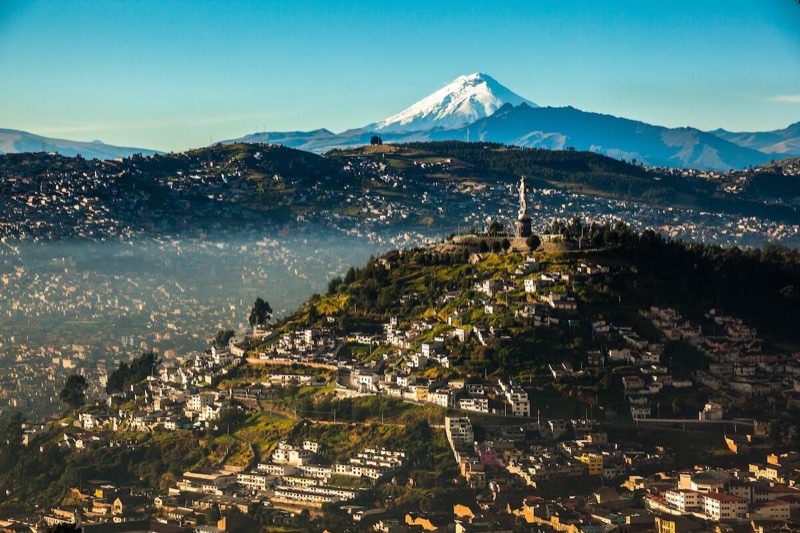
Ecuador is perfect for the intrepid traveler seeking unparalleled natural wonders and authentic adventure on a modest budget. Explore the unique ecosystems of the Galapagos Islands, hike the dramatic Andes Mountains, or delve into the Amazon rainforest for unforgettable wildlife encounters. It's best for those prioritizing immersive outdoor activities and raw beauty over extensive urban development, offering incredible value.
Choose Mexico
Mexico beckons to culture enthusiasts, foodies, and history buffs who desire a vibrant, diverse travel experience with robust infrastructure. Immerse yourself in the culinary scene of Oaxaca, explore ancient Mayan ruins like Chichen Itza, or soak in the energetic atmosphere of Mexico City's historic center. This destination is ideal for travelers who appreciate a rich blend of gastronomic delights, historical depth, and convenient tourist amenities.
📊 Visual Scorecard
🌤 When to Visit
Average high temperatures (°C). Green = best months, orange = avoid.
Quick Comparison
| Category | Ecuador | Mexico | Winner |
|---|---|---|---|
| Costs & Budget | Significantly cheaper for almost everything: accommodation, food, transport. Easier to travel on less than $50/day. | More expensive than Ecuador, particularly in tourist hotspots. Still affordable, but requires $50-100/day for a comfortable budget. | Ecuador |
| Nature & Outdoors | Galapagos Islands, Amazon rainforest, towering Andes, cloud forests, and active volcanoes. Unparalleled biodiversity. | Deserts, beaches, cenotes, volcanos, and vast coastlines. Diverse ecosystems but less concentrated unique wildlife. | Ecuador |
| Culture & History | Well-preserved colonial cities like Quito and Cuenca, strong indigenous traditions, Incan ruins (Ingapirca). | Ancient Mayan and Aztec ruins, impressive colonial cities (Mexico City, Oaxaca), vibrant indigenous traditions, complex history. | Mexico |
| Food & Drink | Hearty, often simple Andean fare (llapingachos, ceviche, hornado). Less international variety. | Globally recognized culinary scene (tacos, mole, pozole). Regional diversity, street food, fine dining, international options. | Mexico |
| Getting There | Fewer direct flight options from North America/Europe. Longer flight times, often with connections. | Many direct flights from major North American cities. Shorter flight times, more competition, often cheaper. | Mexico |
| Getting Around | Affordable and extensive bus network. Roads can be mountainous and winding. Limited train options. | Extensive bus network (first and second class), some regional air routes, good urban public transport. | Tie |
| Accommodation | Wide range from budget hostels to unique haciendas. Good value for money across categories. | Extensive options, from large resorts to boutique hotels. More high-end and international chains. | Ecuador |
| Safety | Generally safe with common sense precautions. Guayaquil and certain border areas require extra vigilance. | Perception varies by region. Major tourist areas are generally safe, but cartel activity in certain states is a concern. | Tie |
| Beaches & Coastlines | Pacific coast beaches for surfing and fishing. Galapagos beaches for wildlife, but not typical swimming/lounging. | Caribbean beaches (Cancún, Tulum) with white sand and clear water. Pacific coast for surfing, Baja for desert-meets-ocean. | Mexico |
| Nightlife & Entertainment | Smaller-scale nightlife, mostly in Quito and Guayaquil. Baños has a backpacker party scene. Live music. | Extensive nightlife in major cities and resort towns. World-class clubs, live music, diverse bars. | Mexico |
💸 Costs & Budget
Ecuador offers a noticeably lower cost of living and travel. Hostels outside the Galapagos run about $12-25 (USD), a full meal from a 'menu del día' is typically $3-5 (USD), and…

Ecuador
Mexico
Ecuador offers a noticeably lower cost of living and travel. Hostels outside the Galapagos run about $12-25 (USD), a full meal from a 'menu del día' is typically $3-5 (USD), and local bus travel across cities costs pennies, usually under $0.50. Even a decent mid-range hotel in Quito or Cuenca can be found for $40-70. For example, a shared dorm at Community Hostel in Quito is around $15, and a local lunch at a 'hornado' spot will be $4.
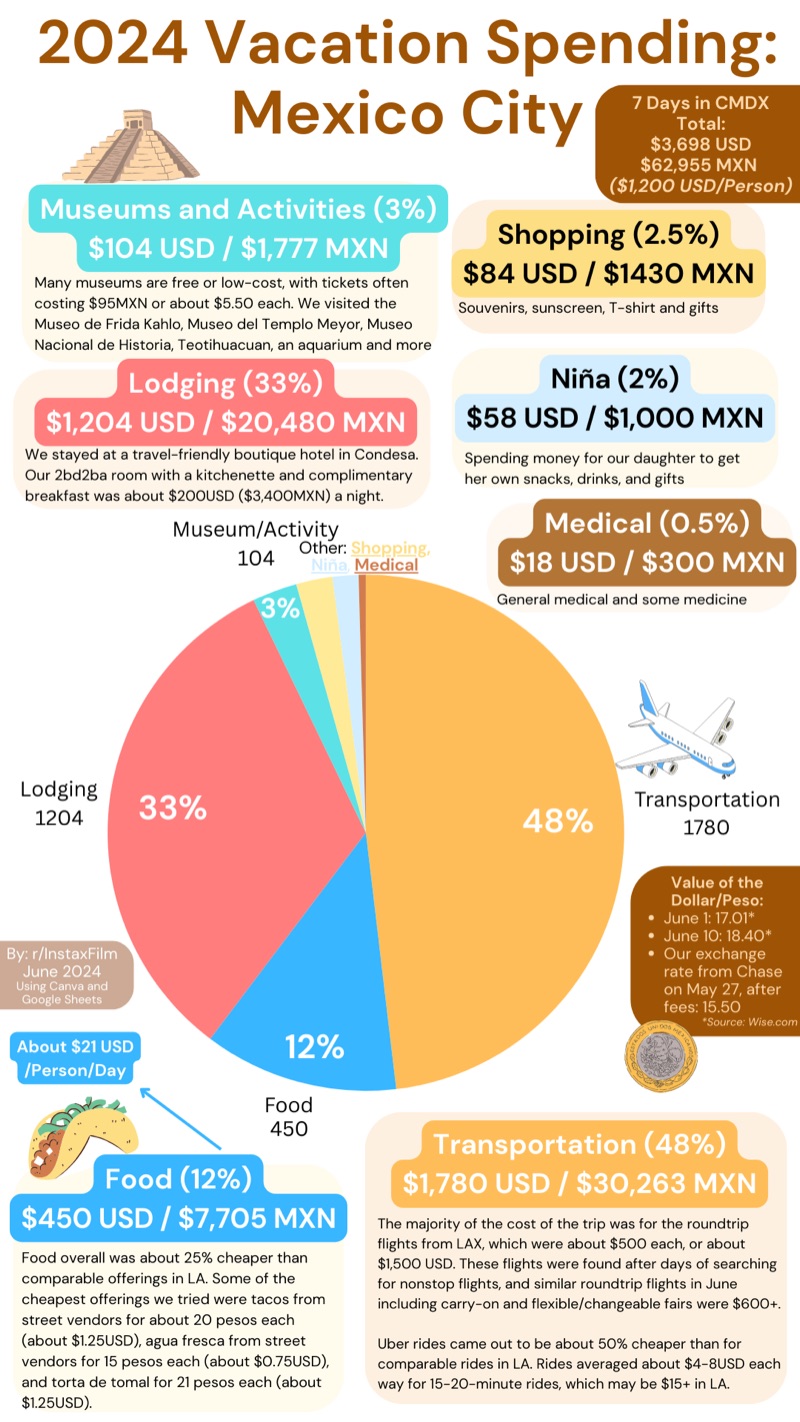
Mexico presents a higher price tag. Hostels in Mexico City or Oaxaca are more like $20-40 (USD), and a street taco dinner for two could be $10-15 (MXN $170-250). A mid-range hotel in a city like Puebla often costs $60-100. While still affordable compared to many Western countries, the daily expenses add up faster. For instance, a dorm at Casa Angel Youth Hostel in Oaxaca might be $25-35, and a meal at a local 'fonda' could be $7-12. Getting around Mexico City by metro is cheap at MXN $5, but longer distance buses are substantially more expensive than in Ecuador. For pure budget travel, Ecuador is the clear choice.
- Winner: Ecuador
- Why: Ecuador consistently offers lower prices across accommodation, food, and transport, making it more accessible for budget travelers.
- Who this matters for: Backpackers, long-term travelers, and anyone prioritizing stretching their travel budget.
🏞️ Nature & Outdoors
Ecuador is a compact country with extraordinary biodiversity packed into a small area. The Galapagos Islands stand alone for unique wildlife encounters, offering close proximity…
Ecuador
Mexico
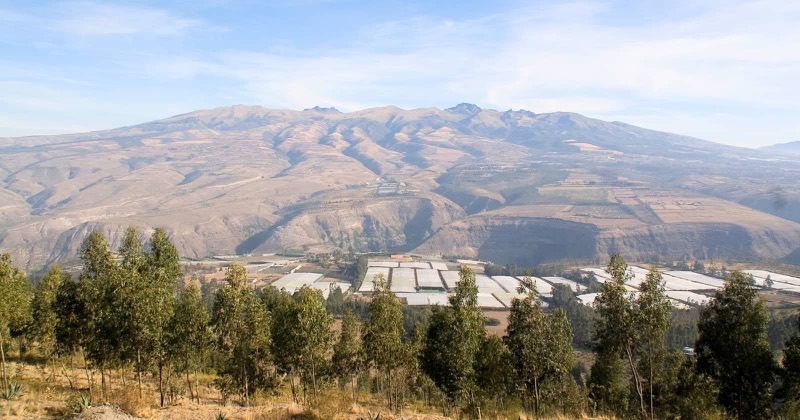
Ecuador is a compact country with extraordinary biodiversity packed into a small area. The Galapagos Islands stand alone for unique wildlife encounters, offering close proximity to sea lions, blue-footed boobies, and giant tortoises. The Andes provide opportunities for volcano climbing (Cotopaxi, Chimborazo), high-altitude trekking, and hot springs (Baños). The Amazon basin (e.g., Yasuní National Park) offers thick jungle and wildlife viewing, while cloud forests (Mindo) have hummingbirds and orchids. For example, a 5-day Galapagos cruise can start at $1500, a guided Cotopaxi summit attempt around $250-400, and a Mindo zip-lining tour is $20.
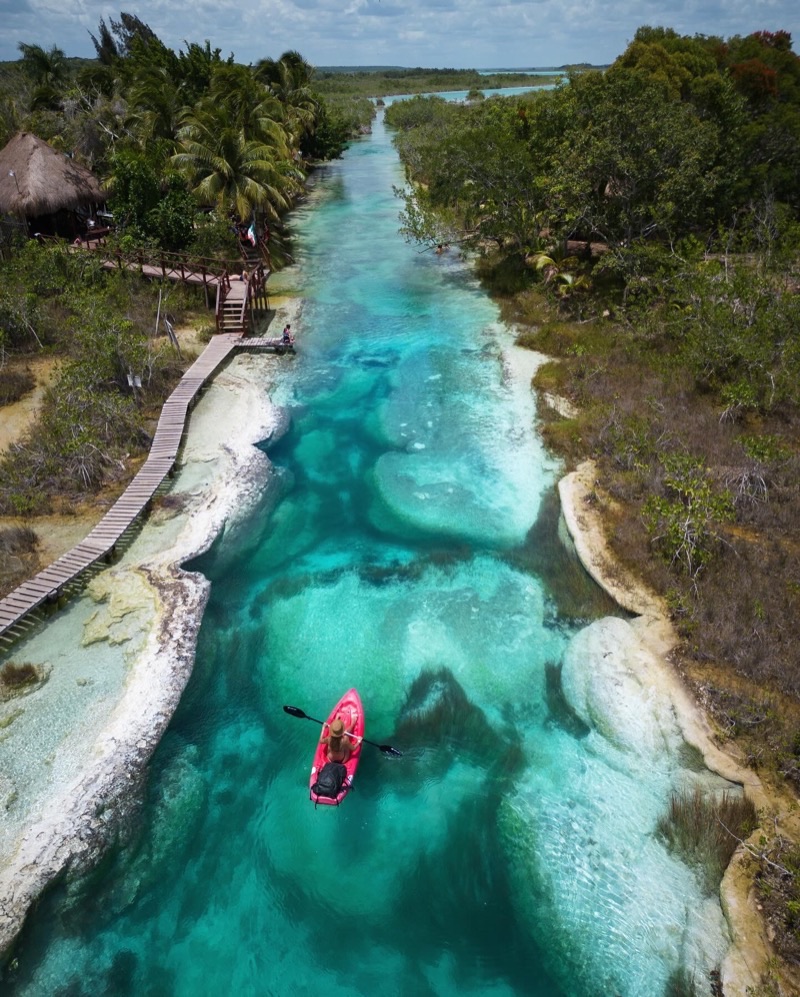
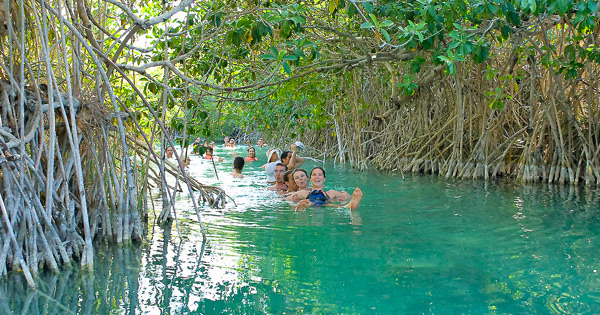
Mexico counters with its own collection of nature. The Yucatán Peninsula has thousands of cenotes for swimming and diving, and long stretches of Caribbean coastline. The Copper Canyon (Barrancas del Cobre) in Chihuahua is larger than the Grand Canyon and offers hiking. Popocatépetl and Iztaccíhuatl are impressive volcanoes near Mexico City, but their summits are often restricted. The Monarch Butterfly Biosphere Reserve is a seasonal spectacle. While Mexico's natural features are extensive, the concentration of truly unique, accessible wildlife experiences does not compare to the Galapagos. Swimming in a cenote like Gran Cenote near Tulum costs around MXN $300 ($18 USD), and a guided hike in Copper Canyon can be $50-100. For sheer natural impact and unique ecosystems, Ecuador takes the lead.
- Winner: Ecuador
- Why: Ecuador's Galapagos Islands and the extreme diversity of its small landmass offer more concentrated, distinctive natural experiences.
- Who this matters for: Wildlife enthusiasts, hikers, climbers, and those seeking raw, untamed landscapes.
🏛️ Culture & History
Ecuador offers a deep colonial history, visible in the historic centers of Quito and Cuenca, both UNESCO sites with well-maintained architecture and churches. The Incan influence…
Ecuador
Mexico
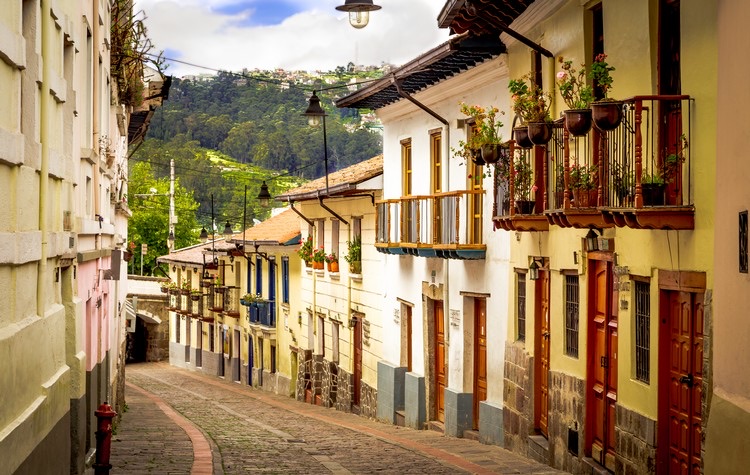
Ecuador offers a deep colonial history, visible in the historic centers of Quito and Cuenca, both UNESCO sites with well-maintained architecture and churches. The Incan influence is present, most notably at Ingapirca, the country's largest Incan ruins. Indigenous cultures are very much alive, especially in the Andes, with colorful markets like Otavalo and traditional weaving practices. The blend of Catholic traditions with indigenous beliefs is evident in festivals and daily life. A visit to La Compañía de Jesús in Quito costs $5, and entrance to Ingapirca is $6. The focus here is often on the continuity of living traditions alongside historical structures.
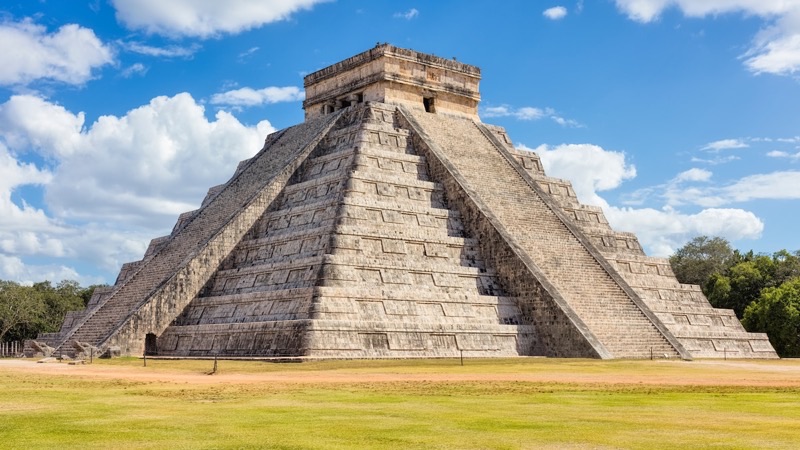
Mexico presents a vast and layered history. Pre-Hispanic civilizations like the Maya (Chichen Itza, Palenque, Uxmal) and Aztec (Teotihuacan, Templo Mayor in Mexico City) left behind monumental archaeological sites. Mexico City itself is built upon Aztec foundations, with a colonial center that spans centuries. Cities like Oaxaca, Puebla, and San Miguel de Allende boast stunning colonial architecture, rich artistic scenes, and distinct regional traditions. The Dia de los Muertos celebrations are globally recognized for their cultural depth. Entrance to Chichen Itza is around MXN $614 ($36 USD), Teotihuacan is MXN $90 ($5 USD), and the National Museum of Anthropology in Mexico City is MXN $90. The scale and sheer number of significant historical sites, combined with the diverse and active cultural scene, give Mexico a definite advantage.
- Winner: Mexico
- Why: Mexico's ancient civilizations and colonial heritage offer a greater number and scale of historical sites and more diverse cultural expressions.
- Who this matters for: History buffs, archaeology enthusiasts, and those seeking immersion in ancient and colonial narratives.
🌮 Food & Drink
Ecuadorian cuisine is generally described as hearty and comforting, with a focus on ingredients from the Andes and Pacific coast. Staples include soups (locro de papa, fanesca),…

Ecuador
Mexico
Ecuadorian cuisine is generally described as hearty and comforting, with a focus on ingredients from the Andes and Pacific coast. Staples include soups (locro de papa, fanesca), roasted pork (hornado), potato pancakes (llapingachos), and fresh ceviche along the coast. Empanadas, plantains, and tropical fruits are common. While tasty and affordable, the range of flavors and complexity is not as extensive as in Mexico. A 'menu del día' usually includes soup, a main dish, and juice for $3-5. For example, a good ceviche at Cevicheria Manolo in Guayaquil might be $8-12. Fine dining is present in Quito, but the innovation is still developing.
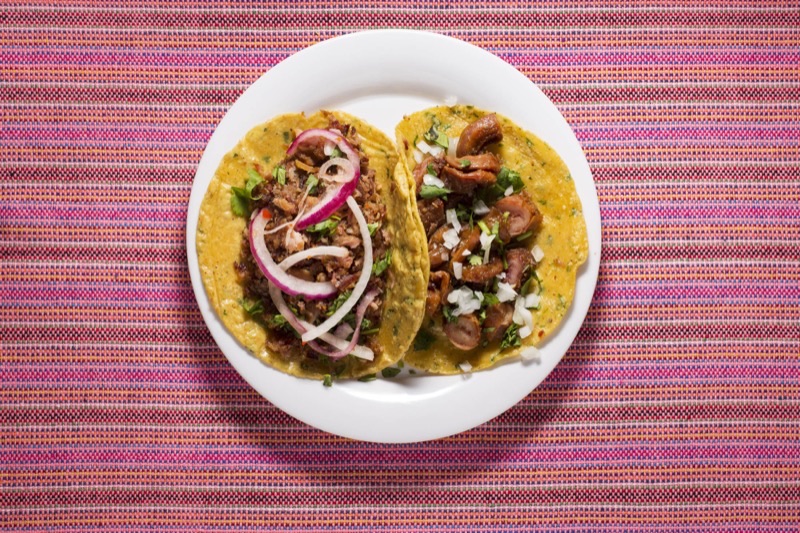
Mexico's food scene is a major draw, celebrated worldwide for its depth and regional variations. From the street tacos of Mexico City (like those at El Vilsito) and the complex moles of Oaxaca (try Origen), to seafood in Baja California and cochinita pibil in Yucatán, the culinary landscape is vast. Street food is ubiquitous and delicious, with tacos costing around MXN $15-30 ($1-2 USD) each. High-end restaurants like Pujol in Mexico City offer tasting menus for hundreds of dollars, showcasing its culinary innovation. The variety of chiles, spices, and cooking techniques creates an endless array of dishes. Even basic local restaurants offer a broader spectrum of flavors. Mexico wins for sheer diversity, flavor, and global recognition.
- Winner: Mexico
- Why: Mexico's culinary traditions are globally acclaimed, offering immense diversity, complexity, and a broader range of dining experiences from street food to fine dining.
- Who this matters for: Foodies, gastronomes, and anyone for whom trying new and diverse dishes is a travel priority.
✈️ Getting There
Reaching Ecuador from North America typically involves connecting flights, often through Miami, Houston, or Panama City. Direct flights are less common, primarily to Quito (UIO)…

Ecuador

Mexico
Reaching Ecuador from North America typically involves connecting flights, often through Miami, Houston, or Panama City. Direct flights are less common, primarily to Quito (UIO) or Guayaquil (GYE). From major US hubs like New York or Los Angeles, flight times range from 7-10 hours, excluding layovers. Fares can be $500-800 round trip from the US, and higher from Europe ($800-1200+), varying by season and booking time. For example, a flight from New York to Quito might involve a 2-hour layover in Miami, making the total travel time 9-10 hours.
Mexico boasts significantly more direct flight options and shorter travel times, especially from the United States. Major airports like Mexico City (MEX), Cancún (CUN), and Guadalajara (GDL) have numerous daily direct connections from major US and Canadian cities. From Los Angeles or Dallas, flights to Mexico City can be as short as 3-5 hours direct. From New York, it's about 5-6 hours direct. Fares from the US often fall in the $300-600 range round trip, making it a more accessible and often cheaper destination to fly to. For example, a direct flight from Houston to Mexico City can be under 3 hours, with prices often as low as $250-400. The ease and affordability of getting to Mexico give it a considerable advantage.
- Winner: Mexico
- Why: Mexico offers significantly more direct flights from North America, shorter travel times, and often lower airfares, making it easier to access.
- Who this matters for: Travelers with limited vacation time, those on a tighter budget for flights, and anyone preferring convenience.
🚌 Getting Around
Ecuador's public transport is dominated by its bus system, which is incredibly affordable and reaches almost every town. Intercity buses are comfortable enough, and rides like…
Ecuador's public transport is dominated by its bus system, which is incredibly affordable and reaches almost every town. Intercity buses are comfortable enough, and rides like Quito to Baños (around 3.5 hours) cost about $5. Local buses within cities are typically $0.25-0.35. Taxis are common and cheap, especially if you negotiate or use apps like Uber/Cabify in major cities. Roads in the Andes can be winding, but generally well-maintained. While there's no major train network for tourism beyond a few specific routes like the Devil's Nose, buses cover everything efficiently. For example, a bus from Guayaquil to Cuenca takes about 8 hours and costs $8-10.
Mexico also has an extensive and generally excellent bus system, ranging from luxurious first-class buses (ADO, ETN) to more basic second-class options. First-class buses are very comfortable for long distances, like Mexico City to Oaxaca (6-7 hours, MXN $600-900 or $35-55 USD). Urban public transport in Mexico City, particularly the metro, is efficient and very cheap (MXN $5). Taxis and ride-sharing apps are widely available. For example, a direct bus from Cancun to Merida is around 4 hours and costs MXN $300-450 ($18-27 USD). Mexico's bus network covers more ground and offers more comfort levels, while Ecuador offers a slightly more budget-friendly approach. Both countries offer efficient ground transport for travelers, making it a tie for ease of movement.
- Winner: Tie
- Why: Both countries offer robust, affordable, and extensive bus networks that serve most travel needs well, with minor differences in comfort and price points.
- Who this matters for: Independent travelers, backpackers, and anyone relying on public transport to navigate between destinations.
🏨 Accommodation
Ecuador offers excellent value for accommodation. Hostels are plentiful, starting at $10-15 for a dorm bed (e.g., Secret Garden Quito). Mid-range hotels (private rooms with…
Ecuador offers excellent value for accommodation. Hostels are plentiful, starting at $10-15 for a dorm bed (e.g., Secret Garden Quito). Mid-range hotels (private rooms with amenities) are typically $30-60. A unique aspect is the prevalence of 'haciendas' – historic country estates offering comfortable stays, often with activities, for $80-150. Even luxury options in cities like Quito (e.g., Casa Gangotena) or boutique hotels in Cuenca provide good service for prices often less than comparable establishments in Mexico. A private room in a well-rated guesthouse in Baños can be found for $40.
Mexico has a massive range of accommodation. Budget hostels in major cities start at $15-25 for a dorm (e.g., Hostel Regina in Mexico City). Mid-range hotels are abundant, from $50-100, though prices can spike in popular areas like Cancún or San Miguel de Allende. Luxury options and international chains are widespread, particularly in resort areas, with prices easily reaching $200-500+. Boutique hotels in places like Oaxaca or Mérida offer style but at a higher price point than in Ecuador. For example, a pleasant private room in Oaxaca might cost $70-120. While Mexico has more options, Ecuador consistently delivers better quality for the price, especially in the mid-range and unique stay categories.
- Winner: Ecuador
- Why: Ecuador provides superior value for money across all accommodation types, offering quality stays at lower price points than Mexico.
- Who this matters for: Travelers seeking comfort and quality without overspending, including mid-range budgeters and those interested in unique local stays.
🚨 Safety
Ecuador is generally safe for travelers, provided common sense precautions are taken. Petty crime like pickpocketing is present in crowded areas, particularly in Quito's historic…
Ecuador is generally safe for travelers, provided common sense precautions are taken. Petty crime like pickpocketing is present in crowded areas, particularly in Quito's historic center and on busy buses. The city of Guayaquil has a higher crime rate and requires more awareness, especially at night. Border regions with Colombia and Peru can also be riskier. However, the Andes and Amazon regions are largely safe and welcoming. For example, in Baños, walking alone at night is generally not an issue, but in certain parts of Guayaquil, taking a taxi after dark is advisable. Many travelers report feeling comfortable and secure throughout their trips, particularly outside the larger cities.
Mexico's safety perception is complex. Popular tourist destinations like Cancún, Tulum, Mexico City (especially Roma, Condesa), Oaxaca, and San Miguel de Allende are generally safe for visitors, with visible tourist police and well-established infrastructure. Petty crime is common in cities, similar to Ecuador. However, certain states, particularly those bordering the US or involved in drug trade routes (e.g., Michoacán, Guerrero outside Acapulco, parts of Jalisco and Tamaulipas), experience significant cartel-related violence, which rarely targets tourists but can result in being in the wrong place at the wrong time. For instance, walking at night in Oaxaca's Centro is fine, but venturing into unknown neighborhoods late at night in Mexico City or Guadalajara might be less advisable. Both countries demand traveler awareness and prudence, with specific areas of concern. Overall, the general experience for tourists in popular zones in both countries is similar regarding safety, justifying a tie.
- Winner: Tie
- Why: Both countries require travelers to exercise common sense and be aware of their surroundings, with specific areas presenting higher risks but popular tourist zones being generally safe.
- Who this matters for: All travelers, particularly solo travelers and families, who prioritize understanding local conditions and exercising caution.
🏖️ Beaches & Coastlines
Ecuador's mainland Pacific coast offers beaches primarily for surfing, fishing, and local relaxation. Mompiche, Montañita, and Salinas are popular spots. Montañita is known for…
Ecuador's mainland Pacific coast offers beaches primarily for surfing, fishing, and local relaxation. Mompiche, Montañita, and Salinas are popular spots. Montañita is known for its surf and backpacker party scene, while Mompiche offers a more laid-back vibe. The Galapagos Islands have pristine beaches, but they are primarily for wildlife viewing and specific designated swimming areas, not for extensive lounging or resort activities. For example, a surfboard rental in Montañita might be $10-15/day. The beaches are often rugged and scenic, but lack the classic white sand, turquoise water stereotype. For example, Tortuga Bay in Santa Cruz, Galapagos, is stunning but more for observing marine iguanas than casual sunbathing.
Mexico provides a broader and more diverse beach experience. The Caribbean coast (Yucatán Peninsula) boasts iconic white sand beaches and clear turquoise waters in Cancún, Playa del Carmen, and Tulum, perfect for swimming, snorkeling, and resort stays. The Pacific coast (Puerto Escondido, Sayulita) is known for its strong surf and more bohemian towns. Baja California offers dramatic desert landscapes meeting the ocean. From the bustling resort strip of Cancún to the laid-back vibes of Isla Holbox or the surf breaks of Puerto Escondido, Mexico caters to every type of beachgoer. A day pass at a beach club in Tulum could be MXN $500 ($30 USD), often applied to food and drink. The sheer variety, beauty, and infrastructure supporting beach tourism in Mexico are superior.
- Winner: Mexico
- Why: Mexico offers a wider array of beach experiences, from calm Caribbean waters and white sands to strong Pacific surf, catering to diverse preferences.
- Who this matters for: Beach lovers, resort seekers, surfers, and those prioritizing classic sun and sand relaxation.
🌃 Nightlife & Entertainment
Ecuador's nightlife is more localized and generally less intense than Mexico's. Quito's La Mariscal district and Guayaquil offer clubs and bars, but they close earlier than in…
Ecuador's nightlife is more localized and generally less intense than Mexico's. Quito's La Mariscal district and Guayaquil offer clubs and bars, but they close earlier than in many other Latin American cities. Baños is a notable exception, known for its backpacker bars and lively atmosphere. Cuenca has a more sophisticated, laid-back bar and restaurant scene. Live music, especially folk and traditional Ecuadorian rhythms, can be found in various spots. For instance, a beer in a Quito bar might be $3-5. While fun, the scale and variety are limited. You can find a dance club in Quito, like Bungalow 6, but it wont compare to large venues elsewhere.
Mexico's nightlife is a major attraction, particularly in cities like Mexico City, Guadalajara, and coastal resort towns like Cancún and Playa del Carmen. Mexico City has districts like Roma Norte and Condesa packed with trendy bars, speakeasies, and clubs, catering to various tastes. Cancún's Hotel Zone hosts massive nightclubs (Coco Bongo, The City) that draw international crowds. Oaxaca and San Miguel de Allende offer more relaxed, sophisticated bar scenes with mezcalerías and live music. A craft cocktail in Mexico City might be MXN $180-300 ($10-18 USD), while a domestic beer on the street is MXN $30-50. The sheer scale, variety, and energy of Mexico's evening entertainment options are significantly greater.
- Winner: Mexico
- Why: Mexico provides a much broader, more intense, and diverse nightlife and entertainment scene, from mega-clubs to sophisticated bars and live music venues.
- Who this matters for: Party-goers, social travelers, and anyone looking for active evening entertainment options.
🎯 The Decision Framework
Choose Ecuador If…
- You want dramatic Andes landscapes and volcanoes for hiking.
- You seek Galapagos wildlife encounters without extreme luxury costs.
- Budget travel is a priority, with hostels at $12-25.
- You prefer smaller, less crowded colonial cities like Cuenca.
- You value direct interaction with indigenous cultures in the Andes.
- You enjoy outdoor activities like rafting, climbing, and jungle treks.
- You want to practice Spanish in a less touristy environment.
- You are looking for a more off-the-beaten-path feel.
Choose Mexico If…
- You want diverse food, from Oaxaca moles to Mexico City street tacos.
- You seek extensive ancient ruins like Chichen Itza or Teotihuacan.
- You are drawn to lively nightlife in cities or beach towns.
- You prefer well-established tourism infrastructure and ease of access.
- You want a mix of beaches, culture, and adventure sports.
- You are okay with a slightly higher daily budget of $50-100.
- You enjoy bustling markets and large metropolitan experiences.
- You need easier, direct flight access from North America.
📅 Sample Itineraries
Weekend in Ecuador (3 Days)
💡 To save on city transport, utilize the Ecovía or Trolebús public bus systems in Quito; a single ride costs $0.35 and connects many key areas.
Weekend in Mexico (3 Days)
💡 Purchase a Mexico City Metro card for approximately $2, then load it with credit. Fares are about $0.25 per ride, making it the most efficient way to navigate the city.
One Week in Ecuador (7 Days)
💡 For budget-friendly meals, look for 'almuerzos' (set lunch menus) or 'meriendas' (set dinner menus) at local eateries throughout Ecuador, typically costing $3-6 for a multi-course meal.
One Week in Mexico (7 Days)
💡 For local insights and better food experiences, consider booking a food tour in Mexico City or Oaxaca. These tours often cost $40-70 but provide guided tastings of authentic street food and regional dishes.
❓ Frequently Asked Questions
Which country is better for a solo female traveler?
Both countries require vigilance. Ecuador's smaller scale and lower crime rates outside of Guayaquil can feel more approachable. Mexico's larger cities and popular tourist routes are generally safe, but navigating solo requires confidence and awareness of surroundings, especially at night. For overall ease and perceived security, Ecuador may edge out for a first-time solo female traveler, provided they avoid isolated areas.
What is the average flight cost from the US to each country?
From major US cities, flights to Ecuador (Quito or Guayaquil) typically range from $500-800 round trip, often with one layover. Flights to Mexico (Mexico City, Cancun) are generally cheaper and more frequent, often $300-600 round trip for direct or short-layover options. Prices vary significantly by season and booking lead time.
Which country offers better value for luxury travel?
Ecuador generally offers better value for luxury. A high-end boutique hotel or hacienda stay in Ecuador that costs $150-300 can rival a $300-600 experience in Mexico. The Galapagos Islands, while expensive, offer a truly unique luxury experience at a price that would secure a less exclusive luxury stay in Mexico. Mexico has more luxury resorts, but often at a higher price point for comparable quality.
Is it easy to get by speaking only English in either country?
In Mexico's major tourist hubs (Cancun, Playa del Carmen, Mexico City in tourist zones), English is commonly spoken in hotels and by tour operators. Outside these areas, basic Spanish is very helpful. In Ecuador, English is less prevalent, even in tourist-focused areas outside of some specific Galapagos tours or high-end hotels. Learning basic Spanish phrases is highly recommended for Ecuador.
Which country is better for adventure sports and activities?
Ecuador excels for outdoor adventure. Baños is an adventure capital for rafting, canyoning, ziplining, and mountain biking. The Andes offer serious volcano climbing (Cotopaxi, Chimborazo), and the Amazon provides jungle treks. While Mexico has surfing, cenote diving, and some hiking, Ecuador's condensed geography allows for a greater variety and intensity of adventure sports within shorter travel distances.
What about internet connectivity for digital nomads?
Mexico generally offers more robust and reliable internet connectivity, especially in major cities like Mexico City, Guadalajara, and Oaxaca, as well as popular beach towns. Many cafes and co-working spaces have strong Wi-Fi. Ecuador's internet infrastructure is improving, but can be less consistent outside of Quito and Guayaquil. For consistent high-speed internet, Mexico is usually more dependable.
Which country has better public transport between cities?
Both countries have extensive and affordable bus networks. Mexico's first-class bus system (e.g., ADO) is often more luxurious and comfortable for longer journeys, with amenities like movies and snacks. Ecuador's buses are very cheap and efficient but generally more basic. For overall comfort and range of options for intercity travel, Mexico's bus network is slightly superior.
What's the best time of year to visit each, considering weather?
Ecuador's climate varies by region: the Andes are drier from June-September, the coast is warm and sunny from December-May. The Galapagos are good year-round but July-December is cooler and drier. Mexico's dry season (November-April) is ideal for most regions, avoiding the heat and humidity of summer, though hurricane season (June-November) affects the Caribbean coast. For guaranteed good weather across diverse regions, Mexico's dry season offers broader appeal.
Ready to plan your Latin America trip?
Get a free custom itinerary for Ecuador, Mexico, or both — built from real traveler insights.
👥 Travelers Also Compared
🎟️ Book Tours & Experiences
Hand-picked tours and activities for both destinations — book with free cancellation
Experiences via Viator — free cancellation on most tours