How we built this comparison
This page combines traveler discussion patterns, published price ranges, flight schedules, and seasonal data to help you decide between Ecuador and Uruguay.
- Reviewed 50+ Reddit threads from r/travel, r/solotravel, r/ecuador, r/uruguay, etc.
- Verified costs and logistics against current booking platforms like Booking.com, Skyscanner, and local bus sites.
- Cross-referenced seasonal patterns and weather data for optimal travel timing.
⚡ Quick Answers
⚡ The TL;DR Verdict
For most travelers seeking adventure, diverse landscapes, and a lower budget, Ecuador is the clear winner. Uruguay offers a more relaxed, affluent, and less 'roughing it' experience, but at a significantly higher cost. If you need a big nature fix without breaking the bank, pick Ecuador.
- Choose Ecuador: You want dramatic mountains, Amazon rainforest, colonial cities, and budget-friendly travel. Ideal for hikers, nature lovers, and backpackers who appreciate a deep dive into local culture.
- Choose Uruguay: You prefer tranquil beaches, a laid-back pace, excellent food, and a more European feel. Better for those looking for a relaxing escape, good food, and who dont mind a higher daily spend.
- Choose Both: If you have at least 4-5 weeks, combine them. Start with Ecuador for adventure, then fly to Uruguay for a relaxed beach and city break. This offers a complete South American picture.
Choose Ecuador
Choose Ecuador if you crave unparalleled natural drama and rich cultural immersion without breaking the bank. It's best for intrepid travelers and nature photographers eager to trek through the Andes near Cotopaxi, explore colonial Quito, or spot wildlife in the Amazon basin. This destination promises an authentic, high-adventure experience for a backpacker-friendly budget.
Choose Uruguay
Opt for Uruguay if your ideal escape involves sophisticated relaxation, gourmet dining, and sun-drenched beaches with a European flair. It's perfect for travelers who appreciate refined experiences, from savoring Tannat wine and parrilla in Montevideo to unwinding on the chic shores of Punta del Este or exploring historic Colonia del Sacramento. This destination offers an unhurried, upscale South American journey for discerning palates.
📊 Visual Scorecard
🌤 When to Visit
Average high temperatures (°C). Green = best months, orange = avoid.
Quick Comparison
| Category | Ecuador | Uruguay | Winner |
|---|---|---|---|
| Costs & Budget | Ecuador is one of South America's most budget-friendly countries, with daily expenses easily kept below $50-60 USD for backpackers. | Uruguay is among the most expensive countries in South America, comparable to Western Europe. Daily costs often start at $70-80 USD for budget travelers. | Ecuador |
| Nature & Outdoors | Ecuador delivers immense natural diversity: towering Andes mountains, Amazon rainforest, Pacific coast beaches, and the unique Galapagos Islands. | Uruguay offers Atlantic coast beaches, rolling hills, and rural landscapes, but lacks the dramatic geographical features of Ecuador. | Ecuador |
| Food & Drink | Ecuadorian cuisine is diverse, reflecting its varied geography: fresh seafood on the coast, hearty Andean stews, and Amazonian specialties. | Uruguayan food is meat-centric, particularly excellent grilled beef (asado), with strong Italian influences and a focus on quality ingredients. | Tie |
| Culture & History | Ecuador features impressive Inca ruins, well-preserved colonial cities, and a strong indigenous cultural presence. | Uruguay showcases a rich colonial past, European architectural influences, and a strong cattle ranching (gaucho) tradition. | Ecuador |
| Beaches & Coastlines | Ecuador has a Pacific coastline with surf towns, fishing villages, and quiet stretches, plus the unique shores of the Galapagos. | Uruguay boasts a popular Atlantic coastline, featuring sophisticated resorts, bustling party towns, and untouched natural beaches. | Uruguay |
| Safety & Practicalities | Ecuador requires vigilance, especially in larger cities and bus terminals, with petty crime being a concern. Political stability can fluctuate. | Uruguay is generally considered one of the safest countries in South America, though common sense precautions are still advised in urban areas. | Uruguay |
| Getting There | International flights to Ecuador typically land in Quito (UIO) or Guayaquil (GYE), often requiring one stop from North America or Europe. | International flights to Uruguay land in Montevideo (MVD), usually requiring one or two stops from North America or Europe. | Tie |
| Getting Around | Ecuador has an extensive and very affordable public bus network, though travel times can be long due to mountainous terrain. | Uruguay has a reliable and comfortable bus system, connecting its main cities efficiently; distances are shorter. | Ecuador |
| Accommodation | Ecuador offers a range from basic hostels to colonial boutique hotels and eco-lodges, with prices generally very low. | Uruguay has modern hostels, mid-range hotels, and upscale resorts, with prices significantly higher than Ecuador. | Ecuador |
| Nightlife & Social Scene | Ecuador's nightlife ranges from traditional peñas in Andean towns to surf-party vibes in Montañita and a growing scene in Quito. | Uruguay offers a relaxed, sophisticated nightlife in Montevideo and a more upscale, seasonal party scene in Punta del Este. | Tie |
💰 Costs & Budget
Ecuador consistently wins on price. A hostel bed in Quito or Cuenca can be found for $10-15 USD, a full lunch (almuerzo) for $3-5 USD, and local bus rides within cities are often…
Ecuador
Uruguay
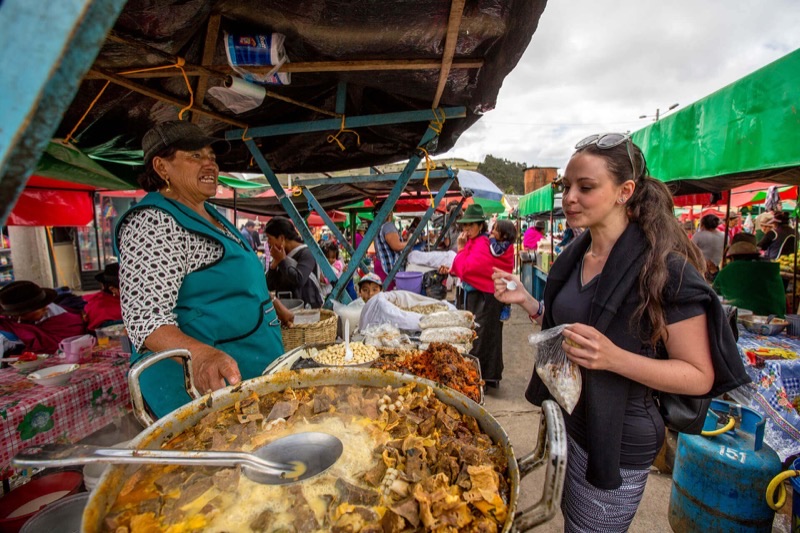
Ecuador consistently wins on price. A hostel bed in Quito or Cuenca can be found for $10-15 USD, a full lunch (almuerzo) for $3-5 USD, and local bus rides within cities are often $0.25-0.35 USD. Even multi-day excursions to the Amazon or trekking around Cotopaxi can be done for $60-100 USD per day if booked locally, and a full day of activities like exploring Otavalo Market and nearby waterfalls can cost less than $20 USD including transport and food. Expect to pay around $40-60 USD per day for a comfortable backpacking trip, or $70-100 USD for mid-range comfort with private rooms.
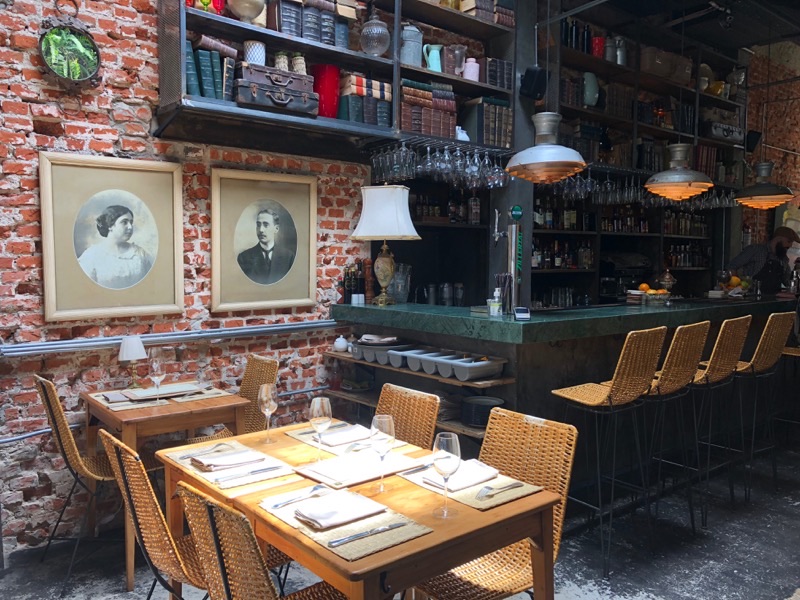
Uruguay is a different beast entirely. A budget hostel bed in Montevideo or Colonia del Sacramento typically starts at $20-30 USD, while a simple restaurant meal can easily be $15-25 USD. Public transport in Montevideo costs around $1.00 USD per ride. Punta del Este, particularly in high season, drives costs sky-high; a basic room can be $100+ USD, and meals even more. Travelers should budget at least $70-90 USD per day for a backpacker style, or $120-180 USD for a mid-range experience. For those looking to save, cooking your own meals and using local buses is essential. Ecuador is the clear choice for the budget-conscious traveler.
- Winner: Ecuador
- Why: Ecuador offers significantly lower costs for accommodation, food, and activities, making it far more accessible for budget travelers.
- Who this matters for: Backpackers, long-term travelers, and anyone prioritizing budget savings.
⛰️ Nature & Outdoors
Ecuador is a nature powerhouse. You can hike in the Andes near Cotopaxi volcano, explore the cloud forests of Mindo with its immense birdlife, or take a boat into the Amazon from…
Ecuador
Uruguay
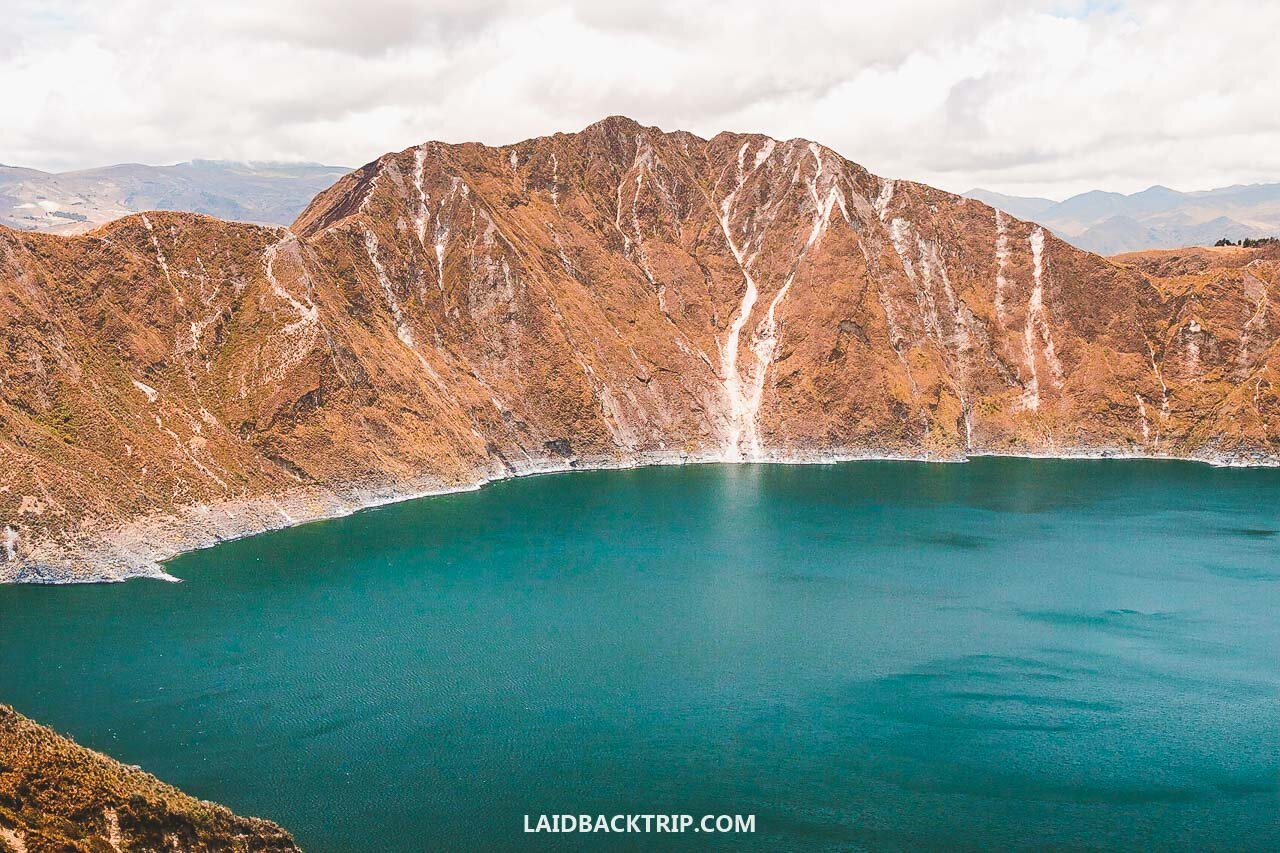
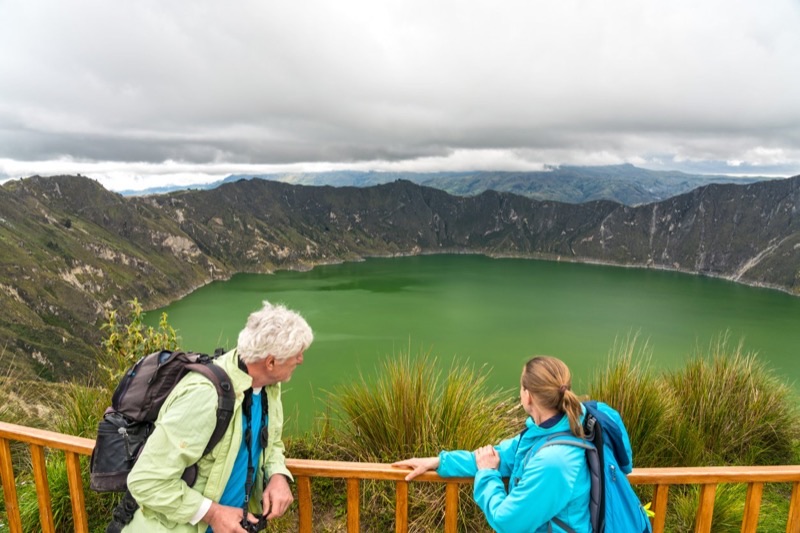
Ecuador is a nature powerhouse. You can hike in the Andes near Cotopaxi volcano, explore the cloud forests of Mindo with its immense birdlife, or take a boat into the Amazon from Tena or Lago Agrio, experiencing primary rainforest and indigenous culture. The Galapagos Islands, while expensive, provide unparalleled wildlife encounters not found anywhere else. The Quilotoa Loop is a multi-day trek around a crater lake offering stunning vistas and cultural immersion. Parque Nacional Cajas near Cuenca provides high-altitude paramo landscapes for day hikes. This range of ecosystems packed into a relatively small country is its biggest draw for outdoor enthusiasts.
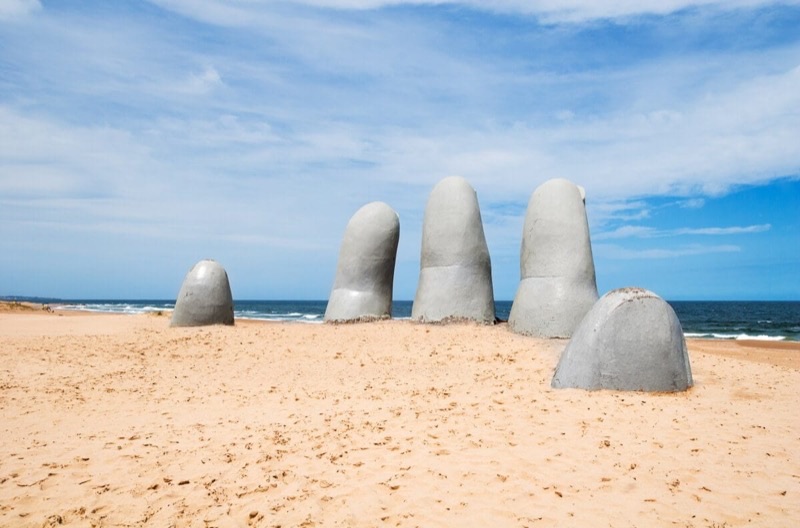
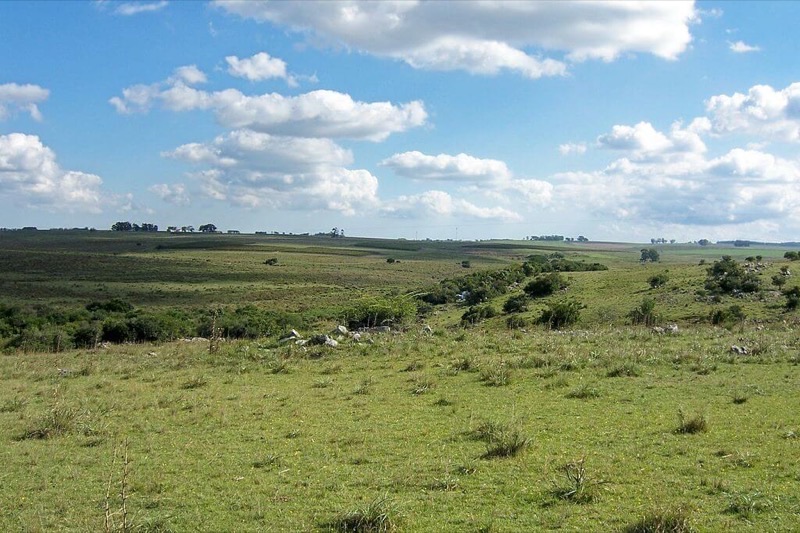
Uruguay's natural attractions are much more subdued. Its primary draw is its Atlantic coastline, with popular spots like Punta del Este, La Paloma, and Cabo Polonio offering sandy beaches and ocean views. Cabo Polonio is a national park accessible only by 4x4, known for its untouched dunes and sea lion colonies. Inland, the country features gently rolling hills and agricultural plains, suitable for agritourism or quiet escapes, but it doesnt have mountains, dense rainforests, or unique biodiversity on the scale of Ecuador. For truly awe-inspiring and diverse natural experiences, Ecuador is in a league of its own.
- Winner: Ecuador
- Why: Ecuador packs an incredible range of ecosystems, from high-altitude Andes to deep Amazon and the Galapagos, into a small area.
- Who this matters for: Adventure seekers, hikers, wildlife photographers, and anyone prioritizing diverse natural landscapes.
🍽️ Food & Drink
Ecuadorian food is regionally specific. On the coast, expect ceviche (often with popcorn and plantain chips), encebollado (fish stew), and patacones (fried plantains). In the…
Ecuador

Uruguay
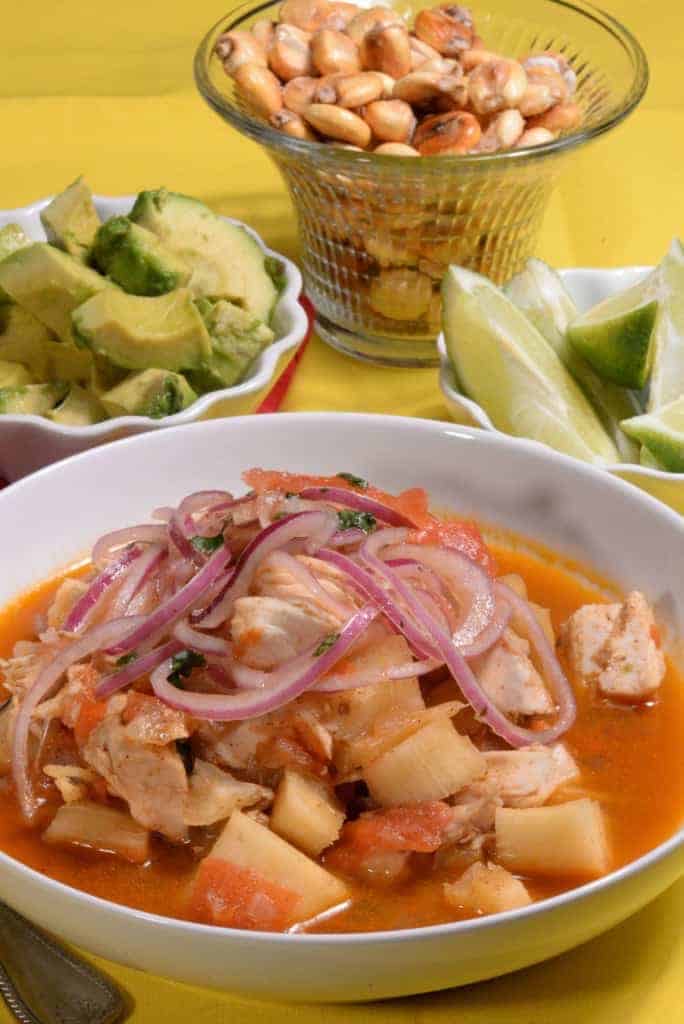
Ecuadorian food is regionally specific. On the coast, expect ceviche (often with popcorn and plantain chips), encebollado (fish stew), and patacones (fried plantains). In the Andes, locro de papa (potato and cheese soup), hornado (roasted pork), and empanadas are staples. The Amazon offers unique fish like tilapia and various exotic fruits. Street food is abundant and affordable, offering quick, filling meals. Try a 'menu del dia' for a full meal at a low price, like $3-5 USD. Dont miss fresh fruit juices from any market or street vendor. Its a cuisine that rewards exploration.
Uruguay is a meat lovers paradise. Asado (BBQ) is a national institution, with excellent cuts of beef readily available at parrillas (steakhouses). The chivito, a massive steak sandwich, is a must-try. Italian influence means good pasta and pizzas are common. Dulce de leche is omnipresent, appearing in desserts, pastries, and even coffee. Uruguayan wines, especially Tannat, are gaining recognition. While more expensive than Ecuador, the quality of meat and the overall dining experience, particularly in places like El Palenque in Montevideo Mercado del Puerto, is very high. Both countries offer excellent food, just different styles, so this is a tie based on personal preference.
- Winner: Tie
- Why: Both countries offer distinct, high-quality culinary experiences that cater to different palates.
- Who this matters for: Foodies, gourmands, and anyone for whom eating well is a travel priority.
🏛️ Culture & History
Ecuador's cultural landscape is deeply rooted in indigenous traditions and a colonial past. Quito's historic center is a UNESCO World Heritage site, packed with stunning churches…
Ecuador
Uruguay
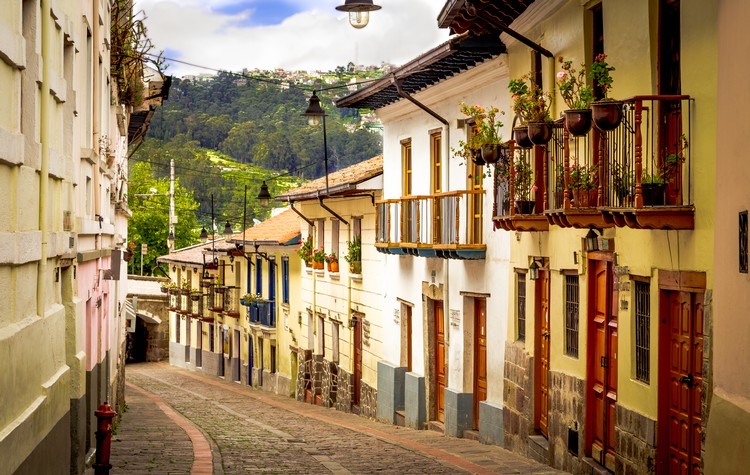
Ecuador's cultural landscape is deeply rooted in indigenous traditions and a colonial past. Quito's historic center is a UNESCO World Heritage site, packed with stunning churches like La Compañía de Jesús and San Francisco, and impressive plazas. Cuenca is another colonial gem, known for its crafts and more relaxed atmosphere. Ingapirca is Ecuador's largest Inca ruin, offering a glimpse into pre-Columbian history. The Otavalo Market is one of South America's biggest indigenous markets, providing insights into Kichwa culture, textiles, and daily life. You can still find communities where traditional dress and languages are common. The blend of indigenous vibrancy and Spanish colonial grandeur is palpable.
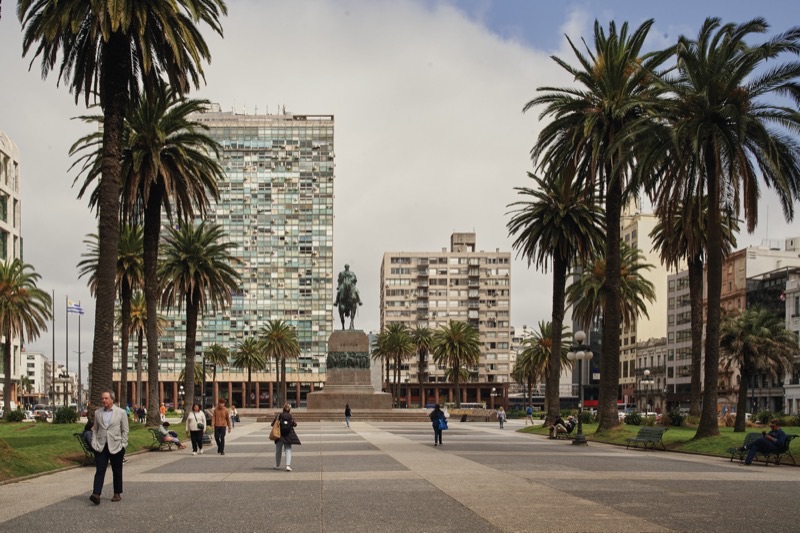
Uruguay's culture is heavily influenced by its European heritage, particularly Spanish and Italian. Montevideo offers architectural styles from Art Deco to Neoclassical, with impressive buildings like Palacio Salvo and Teatro Solís. Colonia del Sacramento, a UNESCO site, is a beautifully preserved Portuguese and Spanish colonial town with cobblestone streets and historic ruins, perfect for a day trip. The gaucho culture, centered around cattle ranching, is a significant part of Uruguayan identity, especially in the interior. While the culture is rich and accessible, it feels more European and less 'ancient' or 'indigenous' than Ecuador's. Ecuador offers a broader and more visible spectrum of historical and living cultural experiences.
- Winner: Ecuador
- Why: Ecuador offers a broader and more visible spectrum of ancient indigenous history, colonial grandeur, and living cultural traditions.
- Who this matters for: History buffs, anthropologists, and travelers seeking deep cultural immersion.
🏖️ Beaches & Coastlines
Ecuador's Pacific coast has its charms, particularly for surfers and those seeking a more rustic beach experience. Montañita is known for its surf breaks and party scene, while…
Ecuador
Uruguay
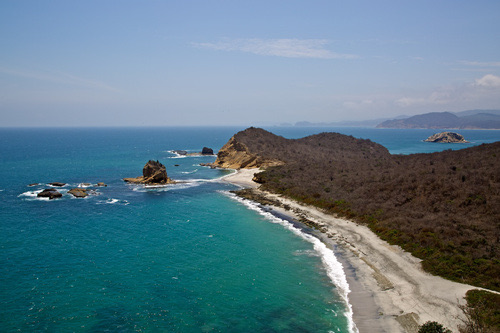
Ecuador's Pacific coast has its charms, particularly for surfers and those seeking a more rustic beach experience. Montañita is known for its surf breaks and party scene, while quieter towns like Olón or Canoa offer a more relaxed vibe. Puerto López is a good base for whale watching (June-September) and exploring Isla de la Plata, sometimes called the 'poor man's Galapagos' for its birdlife. The Galapagos Islands themselves have stunning, pristine beaches often shared with sea lions and marine iguanas, but access is highly regulated and costly. Overall, the mainland beaches are pleasant but dont compare to Caribbean or Brazilian counterparts in terms of sheer beauty or resort infrastructure.
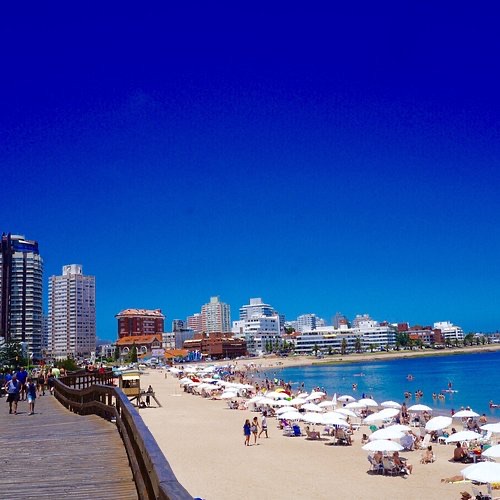
Uruguay's Atlantic coast is its crown jewel. Punta del Este is the most famous, a glamorous resort town with high-rises, marinas, and a lively summer scene, often attracting Argentinian and Brazilian visitors. La Paloma and La Pedrera offer a more bohemian, laid-back atmosphere with good surf and a relaxed nightlife. Cabo Polonio provides a truly wild, off-grid beach experience, accessible only by specialized vehicles, with untouched dunes and sea lion colonies. Jose Ignacio offers a more exclusive, upscale beach town feel. For varied and generally higher quality beach experiences, from upscale to wild, Uruguay is the stronger choice.
- Winner: Uruguay
- Why: Uruguay offers a more diverse range of beach experiences, from sophisticated resorts to wild, untouched natural areas, with generally better infrastructure for beach tourism.
- Who this matters for: Beach lovers, sun worshippers, surfers, and travelers seeking coastal relaxation or lively beach towns.
🚨 Safety & Practicalities
Ecuador has a fluctuating safety landscape. While most tourist areas are safe, petty crime like pickpocketing is common in crowded places such as markets, bus terminals, and…
Ecuador has a fluctuating safety landscape. While most tourist areas are safe, petty crime like pickpocketing is common in crowded places such as markets, bus terminals, and historic centers in Quito and Guayaquil. Express kidnappings (secuestros express) can occur, particularly if using unofficial taxis. It is always best to use registered taxis or ride-sharing apps like Uber/Cabify. Recent years have seen increased gang activity in Guayaquil and along the coast, requiring travelers to be informed about current regional alerts. Staying aware of your surroundings and not displaying valuables is standard advice. Political protests can occasionally disrupt transport.
Uruguay enjoys a reputation as one of South America's safest nations. While petty crime like pickpocketing can occur in tourist-heavy zones of Montevideo (Ciudad Vieja, Pocitos) and Punta del Este, violent crime against tourists is uncommon. Walking alone at night in well-lit, populated areas generally feels safer than in most other South American capitals. Public transport is reliable. The main practical consideration is the cost, as services and goods are more expensive. However, in terms of personal safety and general ease of travel without constant high alert, Uruguay is a much more relaxed destination. Uruguay offers a noticeably higher degree of personal safety and stability.
- Winner: Uruguay
- Why: Uruguay consistently ranks as one of the safest countries in South America, providing a more relaxed travel experience with fewer concerns about petty or serious crime.
- Who this matters for: Solo travelers, families, and those who prioritize personal security and peace of mind.
✈️ Getting There
Getting to Ecuador generally involves flying into Mariscal Sucre International Airport (UIO) in Quito or José Joaquín de Olmedo International Airport (GYE) in Guayaquil. From…
Getting to Ecuador generally involves flying into Mariscal Sucre International Airport (UIO) in Quito or José Joaquín de Olmedo International Airport (GYE) in Guayaquil. From major North American hubs like Miami, Houston, or Atlanta, direct flights can take around 5-6 hours. From New York or Los Angeles, expect 7-9 hours with one stop. From Europe (e.g., Madrid, Amsterdam), flights are typically 10-12 hours, often with one stop. Prices vary widely by season but can range from $400-800 USD from North America, and $700-1200 USD from Europe for a round trip. Booking in advance is key to finding better deals.
For Uruguay, Carrasco International Airport (MVD) in Montevideo is the main gateway. From North America, flights usually involve one or two stops, often in Bogotá (BOG), Santiago (SCL), or São Paulo (GRU), taking 10-14 hours depending on layovers. From Europe, flights are generally 12-16 hours with at least one stop, usually in Madrid (MAD) or São Paulo (GRU). Flight prices are often comparable to Ecuador, ranging from $500-900 USD from North America, and $800-1300 USD from Europe, round trip. Neither destination offers consistently easy direct flights from all major regions, making them roughly equal in terms of travel convenience. Both require significant travel time and often layovers, so it is a tie.
- Winner: Tie
- Why: Both destinations require similar flight durations and connections from major international hubs, with comparable costs.
- Who this matters for: Travelers coming from North America, Europe, or other international origins.
🚌 Getting Around
Ecuador's public transport is incredibly economical. Long-distance buses connect almost every town and city, often costing just $1-2 USD per hour of travel. A 4-hour bus ride from…
Ecuador's public transport is incredibly economical. Long-distance buses connect almost every town and city, often costing just $1-2 USD per hour of travel. A 4-hour bus ride from Quito to Baños might be $4-6 USD. These buses can be old but are generally functional. In cities like Quito and Guayaquil, local buses and trolleybuses cost $0.25-0.35 USD. Taxis and ride-sharing apps (Uber, Cabify) are also affordable. Navigating the mountains means longer journey times for distances that look short on a map, but the scenery is often spectacular. For example, the bus ride from Guayaquil to Cuenca, while only 120 miles, takes about 4 hours due to the elevation changes. The sheer affordability and coverage of Ecuador's network make it highly accessible for budget travelers.
Uruguay also has an excellent intercity bus network, with comfortable modern coaches connecting Montevideo to destinations like Colonia del Sacramento (2.5 hours, ~$10-12 USD), Punta del Este (2 hours, ~$8-10 USD), and La Paloma. Distances are shorter overall, making travel quicker. Within Montevideo, public buses are efficient and cost around $1.00 USD. Taxis and ride-sharing are available but more expensive than in Ecuador. While Uruguay's system is efficient and comfortable, Ecuador's significantly lower prices for equivalent distances give it the edge for budget-conscious independent travel. Ecuador wins for its extreme affordability and wide-reaching network.
- Winner: Ecuador
- Why: Ecuador's public transportation, especially long-distance buses, is exceptionally cheap and extensive, making internal travel highly accessible for any budget.
- Who this matters for: Budget travelers, backpackers, and those who prefer local public transport.
🏨 Accommodation
In Ecuador, accommodation is a bargain. Hostel dorm beds can be found for $8-15 USD in major cities like Quito, Cuenca, or Baños. Private rooms in hostels or budget hotels…
In Ecuador, accommodation is a bargain. Hostel dorm beds can be found for $8-15 USD in major cities like Quito, Cuenca, or Baños. Private rooms in hostels or budget hotels typically range from $25-45 USD, offering good value and often including breakfast. For example, 'Secret Garden Quito' is a popular hostel with beds around $12 USD. Mid-range hotels in colonial buildings or modern parts of cities might cost $50-80 USD. Even eco-lodges in the Amazon or Mindo, or charming haciendas in the countryside, offer reasonable rates compared to similar experiences elsewhere. Quality for price is consistently high, allowing travelers to stretch their budget significantly.
Uruguay's accommodation costs reflect its higher overall price level. Hostel dorm beds in Montevideo or Colonia del Sacramento typically start at $20-35 USD. Private rooms in budget hotels or guesthouses are usually $60-100 USD. For example, 'Punta Trouville Hotel' in Montevideo might cost $80-120 USD for a decent room. In popular beach destinations like Punta del Este, especially during peak season (December-February), prices can skyrocket, with basic hotel rooms easily exceeding $150-200 USD. While quality is generally good, the value for money is much lower than in Ecuador. Ecuador offers far superior value for money across all accommodation types.
- Winner: Ecuador
- Why: Ecuador provides significantly more affordable accommodation options across all categories, from budget hostels to mid-range hotels, offering better value for money.
- Who this matters for: Travelers on a budget, backpackers, and those seeking good quality accommodation without high prices.
🌃 Nightlife & Social Scene
Ecuador's nightlife is diverse. In Quito, the La Mariscal district offers a concentration of bars, clubs, and live music venues, catering to both locals and tourists. Look for…
Ecuador's nightlife is diverse. In Quito, the La Mariscal district offers a concentration of bars, clubs, and live music venues, catering to both locals and tourists. Look for places like 'Dirty Sanchez' for a lively bar experience. In Cuenca, the riverside area has a more relaxed, bohemian bar scene. Montañita on the coast is famous for its lively beach party atmosphere, with numerous open-air bars and clubs often going until dawn. Many towns also have peñas, where you can experience traditional Andean music and dancing. The scene can be very social, especially in backpacker hostels and popular tourist areas.
Uruguay provides a more European-influenced social scene. Montevideo has a range of bars and clubs, particularly in neighborhoods like Pocitos, Carrasco, and Ciudad Vieja. Tango and Candombe (Afro-Uruguayan rhythm) shows offer cultural nightlife options. La Rambla is a social hub for evening strolls and drinks. Punta del Este transforms into a major party destination during the summer (December to February), attracting a wealthy crowd with upscale clubs and beach parties. Outside of peak season and Montevideo, the nightlife can be much quieter and more focused on relaxed gatherings in bars or restaurants. Both countries offer distinct social scenes, appealing to different preferences, making it a tie. Whether you want a wild beach party or a sophisticated bar depends on your mood.
- Winner: Tie
- Why: Both destinations offer distinct and enjoyable nightlife experiences, catering to different preferences and energy levels.
- Who this matters for: Party-goers, social travelers, and those who enjoy experiencing local evening culture.
🎯 The Decision Framework
Choose Ecuador If…
- You want dramatic, diverse landscapes including volcanoes, rainforest, and cloud forest.
- You are on a tight budget and want to maximize your travel time and experiences.
- You are interested in deep indigenous culture and colonial history.
- You want to visit the Galapagos Islands (budget permitting).
- You enjoy trekking, hiking, and outdoor adventures.
- You like very cheap local food and extensive, affordable public transport.
- You want a country with a strong adventure travel infrastructure.
- You enjoy the challenge and rewards of backpacking independently.
Choose Uruguay If…
- You want a relaxed, safer travel experience with a more European feel.
- You prioritize high-quality beaches, from chic resorts to wild coastlines.
- You are a meat lover and want to experience top-tier asado and chivito.
- You enjoy charming colonial towns like Colonia del Sacramento.
- You appreciate a more developed, comfortable infrastructure.
- You dont mind spending more for food, accommodation, and activities.
- You prefer smaller distances between main attractions.
- You are looking for a sophisticated summer party scene (Punta del Este).
📅 Sample Itineraries
Weekend in Ecuador (3 Days)
💡 To save on intercity travel, use local buses which are significantly cheaper than private shuttles; a bus from Quito to Baños costs around $4-6 and offers an authentic local experience.
Weekend in Uruguay (3 Days)
💡 For budget-conscious travelers, consider using Montevideo's public buses, which cost about $1.20-2 per ride, instead of taxis to get around the city efficiently.
One Week in Ecuador (7 Days)
💡 When visiting indigenous markets like Otavalo, politely haggle for crafts to get a better price, often saving 10-20% off the initial offer.
One Week in Uruguay (7 Days)
💡 Consider buying a local SIM card (Antel, Claro, Movistar) upon arrival for around $10-15 with data, which makes navigating and finding attractions much easier than relying on Wi-Fi.
❓ Frequently Asked Questions
Which country is cheaper, Ecuador or Uruguay?
Ecuador is significantly cheaper. A budget traveler can manage on $30-60 USD per day, while in Uruguay, the same budget would be $70-120 USD. Accommodation, food, and transport costs are roughly 2-3 times higher in Uruguay.
What is the typical flight time from the US to Ecuador vs Uruguay?
From major US hubs, flights to Ecuador (Quito/Guayaquil) typically take 7-9 hours with one stop. Flights to Uruguay (Montevideo) usually take 10-14 hours with one or two stops, often through another South American capital.
Which country has better beaches?
Uruguay generally has more appealing and diverse beaches, from the upscale resorts of Punta del Este to the wild dunes of Cabo Polonio. Ecuador's mainland beaches are pleasant but less developed, though the Galapagos Islands have unparalleled pristine shores.
Is Ecuador or Uruguay safer for solo female travelers?
Uruguay is generally considered safer for solo female travelers. While caution is always advised, Uruguay experiences lower rates of crime against tourists. Ecuador requires more vigilance, especially in larger cities, and awareness of surroundings is critical.
What kind of food can I expect in each country?
Ecuador offers diverse cuisine: coastal ceviches, hearty Andean soups like locro de papa, and Amazonian fish. Uruguay is meat-centric, known for excellent asado (BBQ), chivito sandwiches, and strong Italian influences in its pasta and pizza.
Which country is better for nature and outdoor activities?
Ecuador is vastly superior for nature and outdoor activities, offering the Andes, Amazon rainforest, cloud forests, and the unique Galapagos Islands. Uruguay has pleasant beaches and rolling hills, but lacks the dramatic natural diversity of Ecuador.
How long should I plan for a trip to each country?
For Ecuador, a good first-time trip covering the highlights (Quito, Andes, Amazon or coast) would be 2-3 weeks. For Uruguay, 1-2 weeks is sufficient to explore Montevideo, Colonia del Sacramento, and some beaches. If including Galapagos, add another 5-7 days to Ecuador.
What currency do they use?
Ecuador officially uses the US Dollar (USD). Uruguay uses the Uruguayan Peso (UYU).
Ready to plan your South America trip?
Get a free custom itinerary for Ecuador, Uruguay, or both — built from real traveler insights.
👥 Travelers Also Compared
🎟️ Book Tours & Experiences
Hand-picked tours and activities for both destinations — book with free cancellation
Experiences via Viator — free cancellation on most tours